Building Blocks
This section contains fundamental products for the synthesis of organic and biological compounds. Building blocks are the essential starting materials used to construct complex molecules through various chemical reactions. They play a critical role in drug discovery, material science, and chemical research. At CymitQuimica, we offer a diverse range of high-quality building blocks to support your innovative research and industrial projects, ensuring you have the essential components for successful synthesis.
Subcategories of "Building Blocks"
- Boronic Acids & Boronic Acid Derivatives(5,778 products)
- Chiral Building Blocks(1,243 products)
- Hydrocarbon Building Blocks(6,097 products)
- Organic Building Blocks(61,052 products)
Found 201390 products of "Building Blocks"
Sort by
Purity (%)
0
100
|
0
|
50
|
90
|
95
|
100
Methyl 4,7-difluoro-1-benzothiophene-2-carboxylate
CAS:<p>Versatile small molecule scaffold</p>Formula:C10H6F2O2SPurity:Min. 95%Molecular weight:228.22 g/molRef: 3D-JHD99476
Discontinued productMethyl 2-aminobenzo[d]thiazole-5-carboxylate
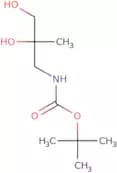
CAS:<p>Versatile small molecule scaffold</p>Formula:C9H8N2O2SPurity:Min. 95%Molecular weight:208.24 g/moltert-Butyl N-(2,3-dihydroxy-2-methylpropyl)carbamate
CAS:<p>Versatile small molecule scaffold</p>Formula:C9H19NO4Purity:Min. 95%Molecular weight:205.25 g/molRef: 3D-JJC63705
Discontinued productMethyl 2-[3-(chlorosulfonyl)phenyl]acetate
CAS:<p>Versatile small molecule scaffold</p>Formula:C9H9ClO4SPurity:Min. 95%Molecular weight:248.68 g/molRef: 3D-JKA19192
Discontinued productMethyl 2-[(phenoxycarbonyl)amino]benzoate
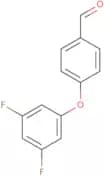
CAS:<p>Versatile small molecule scaffold</p>Formula:C15H13NO4Purity:Min. 95%Molecular weight:271.27 g/mol4-(3,5-Difluorophenoxy)benzaldehyde
CAS:<p>Versatile small molecule scaffold</p>Formula:C13H8F2O2Purity:Min. 95%Molecular weight:234.2 g/molRef: 3D-JNB23583
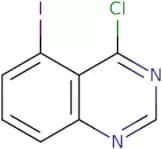
Discontinued product4-Chloro-5-iodoquinazoline
CAS:<p>Versatile small molecule scaffold</p>Formula:C8H4ClIN2Purity:Min. 95%Molecular weight:290.49 g/molRef: 3D-JNB23713
Discontinued product4-Bromo-2-(tert-butyl)thiazole
CAS:<p>Versatile small molecule scaffold</p>Formula:C7H10BrNSPurity:Min. 95%Molecular weight:220.13 g/molRef: 3D-JNB23821
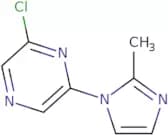
Discontinued product2-Chloro-6-(2-methyl-1H-imidazol-1-yl)pyrazine
CAS:<p>Versatile small molecule scaffold</p>Formula:C8H7ClN4Purity:Min. 95%Molecular weight:194.62 g/molRef: 3D-JNB23932
Discontinued product4-{3-Methyl-[1,2,4]triazolo[4,3-b]pyridazin-6-yl}piperidine dihydrochloride
CAS:<p>Versatile small molecule scaffold</p>Formula:C11H17Cl2N5Purity:Min. 95%Molecular weight:290.2 g/molRef: 3D-JSD45646
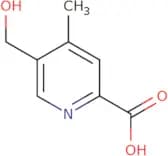
Discontinued product5-(Hydroxymethyl)-4-methylpyridine-2-carboxylic acid
CAS:<p>Versatile small molecule scaffold</p>Formula:C8H9NO3Purity:Min. 95%Molecular weight:167.2 g/molRef: 3D-JSD45843
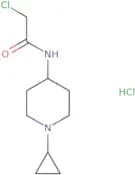
Discontinued product2-Chloro-N-(1-cyclopropylpiperidin-4-yl)acetamide hydrochloride
CAS:<p>Versatile small molecule scaffold</p>Formula:C10H18Cl2N2OPurity:Min. 95%Molecular weight:253.17 g/mol2-{1-[(tert-Butoxy)carbonyl]piperidin-4-yl}cyclopentane-1-carboxylic acid
CAS:<p>Versatile small molecule scaffold</p>Formula:C16H27NO4Purity:Min. 95%Molecular weight:297.4 g/molRef: 3D-RPD14207
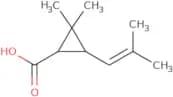
Discontinued productChrysanthemic acid
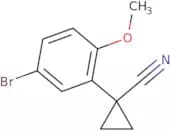
CAS:<p>Chrysanthemic acid is a chiral molecule that has been shown to have anti-inflammatory properties. The hydroxyl group in the molecule reacts with malonic acid, forming a chrysanthemic ester. Chrysanthemic acid is also known as an analytical method for determining the degree of unsaturation of fatty acids. Chrysanthemic acid is used in the synthesis of monoclonal antibodies, which can be applied for the treatment and prevention of diseases such as cancer, rheumatoid arthritis, Crohn's disease, and other autoimmune disorders. It can also be used to treat infections caused by bacteria that are resistant to antibiotics. The basic structure of chrysanthemic acid is an inorganic acid that contains a hydroxyl group and an asymmetric carbon atom.</p>Formula:C10H16O2Purity:Min. 95%Molecular weight:168.23 g/mol1-(5-Bromo-2-methoxyphenyl)cyclopropane-1-carbonitrile
CAS:<p>Versatile small molecule scaffold</p>Formula:C11H10BrNOPurity:Min. 95%Molecular weight:252.11 g/molRef: 3D-KAC75693
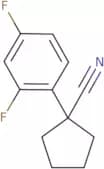
Discontinued product1-(2,4-Difluorophenyl)cyclopentane-1-carbonitrile
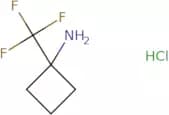
CAS:<p>Versatile small molecule scaffold</p>Formula:C12H11F2NPurity:Min. 95%Molecular weight:207.22 g/mol1-(Trifluoromethyl)cyclobutan-1-amine hydrochloride
CAS:<p>Versatile small molecule scaffold</p>Formula:C5H9ClF3NPurity:Min. 95%Molecular weight:175.58 g/molRef: 3D-KAC76875
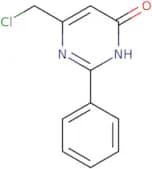
Discontinued product6-(Chloromethyl)-2-phenylpyrimidin-4-ol
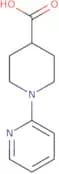
CAS:<p>Versatile small molecule scaffold</p>Formula:C11H9ClN2OPurity:Min. 95%Molecular weight:220.65 g/mol1-(Pyridin-2-yl)piperidine-4-carboxylic acid
CAS:<p>Versatile small molecule scaffold</p>Formula:C11H14N2O2Purity:Min. 95%Molecular weight:206.24 g/molRef: 3D-KCB82770
Discontinued product2-Amino-4-(methoxycarbonyl)benzoic acid
CAS:<p>Versatile small molecule scaffold</p>Formula:C9H9NO4Purity:Min. 95%Molecular weight:195.17 g/mol4-Chloro-3-nitro-1,5-naphthyridine
CAS:<p>Versatile small molecule scaffold</p>Formula:C8H4ClN3O2Purity:Min. 95%Molecular weight:209.59 g/molRef: 3D-KDA96719
Discontinued product2,2,2-Trifluoro-1-[4-fluoro-3-(trifluoromethyl)phenyl]ethan-1-one
CAS:<p>Versatile small molecule scaffold</p>Formula:C9H3F7OPurity:Min. 95%Molecular weight:260.11 g/mol5-Bromo-6-hydroxypyrimidine-4-carboxylic acid
CAS:<p>5-Bromo-6-hydroxypyrimidine-4-carboxylic acid is a homologous organic acid that is used as a pharmaceutical preservative. It is most commonly found in acidic pharmaceutical formulations. 5-Bromo-6-hydroxypyrimidine-4-carboxylic acid inhibits the growth of bacteria and fungi by acting as an enzyme inhibitor. The inhibition of enzymes such as lactamase, which breaks down the lactam ring in penicillin, prevents bacterial and fungal growth by preventing them from breaking down their natural cell walls. 5-Bromo-6-hydroxypyrimidine-4-carboxylic acid has also been shown to have potent anticancer activity in the lab setting, although the clinical significance of this has not yet been determined.</p>Formula:C5H3BrN2O3Purity:Min. 95%Molecular weight:218.99 g/molRef: 3D-KFA27482
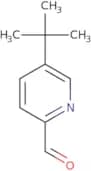
Discontinued product5-(1,1-Dimethylethyl)-2-pyridinecarboxaldehyde
CAS:<p>Versatile small molecule scaffold</p>Formula:C10H13NOPurity:Min. 95%Molecular weight:163.22 g/molRef: 3D-KHA68281
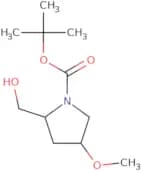
Discontinued producttert-Butyl (2S,4R)-2-(hydroxymethyl)-4-methoxypyrrolidine-1-carboxylate
CAS:<p>Versatile small molecule scaffold</p>Formula:C11H21NO4Purity:Min. 95%Molecular weight:231.29 g/molRef: 3D-KHA95113
Discontinued producttert-Butyl 6,6-dimethyl-5-oxa-2,8-diazaspiro[3.5]nonane-2-carboxylate
CAS:<p>Versatile small molecule scaffold</p>Formula:C13H24N2O3Purity:Min. 95%Molecular weight:256.34 g/molRef: 3D-DXC58061
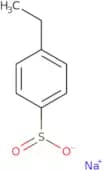
Discontinued productSodium 4-ethylbenzene-1-sulfinate
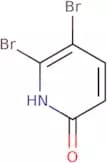
CAS:<p>Versatile small molecule scaffold</p>Formula:C8H9NaO2SPurity:Min. 95%Molecular weight:192.21 g/mol5,6-Dibromopyridin-2-ol
CAS:<p>Versatile small molecule scaffold</p>Formula:C5H3Br2NOPurity:Min. 95%Molecular weight:252.89 g/mol3-amino-6-bromopyridin-2-ol hydrobromide
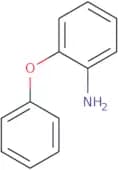
CAS:<p>Versatile small molecule scaffold</p>Formula:C5H6Br2N2OPurity:Min. 95%Molecular weight:269.9 g/mol2-Phenoxyaniline
CAS:<p>2-Phenoxyaniline is a nitro compound that can be converted to the corresponding palladium complexes. It is an inhibitor of the acylation reaction, which is a type of chemical reaction in which an organic molecule reacts with an acid. The inhibition of this reaction has been shown to have an effect on heart disease, specifically by lowering cholesterol levels and reducing atherosclerosis. 2-Phenoxyaniline has also been shown to inhibit the activation energy for electron transfer reactions, making it useful as a catalyst in analytical methods. 2-Phenoxyaniline also undergoes vibrational spectroscopy when exposed to liquid chromatography and other analytical methods.</p>Formula:C12H11NOPurity:Min. 95%Color and Shape:Brown PowderMolecular weight:185.22 g/mol3-(Methoxycarbonyl)pyridine-4-carboxylic acid
CAS:<p>Versatile small molecule scaffold</p>Formula:C8H7NO4Purity:Min. 95%Molecular weight:181.15 g/mol1-[3-(Dimethylamino)propyl]-1-(4-fluorophenyl)-1,3-dihydro-3-oxo-5-isobenzofurancarbonitrile
CAS:<p>Please enquire for more information about 1-[3-(Dimethylamino)propyl]-1-(4-fluorophenyl)-1,3-dihydro-3-oxo-5-isobenzofurancarbonitrile including the price, delivery time and more detailed product information at the technical inquiry form on this page</p>Formula:C20H19FN2O2Purity:Min. 95%Molecular weight:338.38 g/molRef: 3D-FD184085
Discontinued product2-Acetylbenzoic acid
CAS:<p>2-Acetylbenzoic acid is a functional molecule that contains an acetyl group. It can form hydrogen bonds with other molecules and has been shown to induce apoptosis in cells. The reaction products of 2-acetylbenzoic acid are malonic acid, acetylsalicylic acid, and 2-benzoylbenzoic acid. These three compounds are made by the addition of hydrogen or hydroxide to the molecule 2-acetylbenzoic acid. The molecule has two functional groups: a carbonyl group and an acetyl group. The chemical structure of this molecule can be seen in the figure below.<br>2-Acetylbenzoic Acid</p>Formula:C9H8O3Purity:Min. 95%Color and Shape:PowderMolecular weight:164.16 g/molRef: 3D-FA05086
Discontinued producttert-Butyl 5-bromo-3,4-dihydro-2,7-naphthyridine-2(1H)-carboxylate
CAS:<p>Versatile small molecule scaffold</p>Formula:C13H17BrN2O2Purity:Min. 95%Molecular weight:313.19 g/mol3-Methylbenzo[b]thiophene-2-carboxylic acid
CAS:<p>3-Methylbenzo[b]thiophene-2-carboxylic acid (MBTCA) is a heterocyclic compound that is an intermediate in the synthesis of 3-methylthiophene-2-carboxylic acid, a precursor to other drugs. MBTCA is an aerobic, nonpolar compound that has shown antimicrobial activity against some bacteria and fungi. It also has been shown to have practicality as a biomolecular probe for methyl groups in organic solvents. MBTCA can be synthesized by nitration of benzene in the presence of sulfur and sulfoxides. This reaction produces nitrobenzene, which can then be oxidized by potassium permanganate or hydrogen peroxide to produce MBTCA. The most common isomer of MBTCA is 2-(3,5-dimethoxybenzylidene)tetrahydrofuran, with three methyl groups on the</p>Formula:C10H8O2SPurity:Min. 95%Molecular weight:192.23 g/mol2-Bromo-3,3,3-trifluoro-1-propene
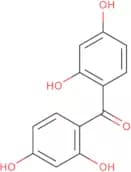
CAS:Controlled Product<p>2-Bromo-3,3,3-trifluoro-1-propene is a chemical compound that has been synthesized in an asymmetric reaction. The reactant is bromopropane and the product is 2,2,2-trifluoropropene. The methylene group on the propene molecule is activated by the nucleophilic attack of a fluoride ion from hydrogen fluoride to form a cavity with a highly strained bond. The kinetic study of this reaction revealed that the activation energy for the reaction is 42 kJ/mol. Palladium-catalyzed coupling reactions are catalyzed by palladium and require nonpolar solvents such as toluene or dichloromethane. This type of reaction has been shown to be exothermic with an isolated yield of 1%.</p>Formula:C3H2BrF3Purity:Min. 95%Color and Shape:Colorless PowderMolecular weight:174.95 g/mol2,2',4,4'-tetrahydroxybenzophenone
CAS:<p>2,2',4,4'-tetrahydroxybenzophenone is a hydroxylated benzophenone that has immunomodulatory effects. It binds to the receptor in the immune system and can cause an increase in cytokine production. 2,2',4,4'-tetrahydroxybenzophenone is cytotoxic and has significant toxicity in vitro. The molecule has been shown to disrupt mitochondrial membrane potential. This may be due to its ability to form hydrogen bonds with molecules on the mitochondrial membrane. 2,2',4,4'-tetrahydroxybenzophenone also modulates transcriptional regulation of genes involved in cell proliferation and apoptosis. The drug is detectable at low levels by mass spectrometry and is not known to have any toxicological effects.END>></p>Formula:C13H10O5Purity:Min. 95%Color and Shape:Green PowderMolecular weight:246.22 g/molRef: 3D-FT55663
Discontinued product4-(Methylamino)benzene-1-sulfonamide
CAS:<p>Versatile small molecule scaffold</p>Formula:C7H10N2O2SPurity:Min. 95%Molecular weight:186.23 g/molH-Ser-Ala-Glu-Glu-Tyr-Glu-Tyr-Pro-Ser OH trifluoroacetate
CAS:<p>Please enquire for more information about H-Ser-Ala-Glu-Glu-Tyr-Glu-Tyr-Pro-Ser OH trifluoroacetate including the price, delivery time and more detailed product information at the technical inquiry form on this page</p>Formula:C47H63N9O20•(C2HF3O2)xPurity:Min. 95%Ref: 3D-FS183525
Discontinued productGivinostat hydrochloride
CAS:<p>Givinostat hydrochloride is a research chemical that has shown potential in various fields. It is a molybdenum-based compound that has been studied for its effects on dopamine release and hydrogen evolution. Givinostat hydrochloride has also been investigated as an osteoclast inhibitor, which may be beneficial in the treatment of bone-related disorders such as osteoporosis. Additionally, it has shown promise as a retinoid and calpain inhibitor, suggesting its potential use in dermatological conditions and neurodegenerative diseases. The compound contains fluorine atoms, making it suitable for imaging studies using fluorine MRI techniques. Givinostat hydrochloride has been tested on MDA-MB-231 cells and has shown inhibitory effects on their growth, indicating its potential as an anticancer agent.</p>Formula:C24H27N3O4·HClPurity:Min. 95%Molecular weight:457.95 g/mol


![Methyl 2-aminobenzo[d]thiazole-5-carboxylate](/_next/image/?url=https%3A%2Fstatic.cymitquimica.com%2Fproducts%2F3D%2Fthumb-webp%2FJIA45907.webp&w=3840&q=75)
![Methyl 2-[3-(chlorosulfonyl)phenyl]acetate](/_next/image/?url=https%3A%2Fstatic.cymitquimica.com%2Fproducts%2F3D%2Fthumb-webp%2FJKA19192.webp&w=3840&q=75)
![Methyl 2-[(phenoxycarbonyl)amino]benzoate](/_next/image/?url=https%3A%2Fstatic.cymitquimica.com%2Fproducts%2F3D%2Fthumb-webp%2FJKA53723.webp&w=3840&q=75)

![4-{3-Methyl-[1,2,4]triazolo[4,3-b]pyridazin-6-yl}piperidine dihydrochloride](/_next/image/?url=https%3A%2Fstatic.cymitquimica.com%2Fproducts%2F3D%2Fthumb-webp%2FJSD45646.webp&w=3840&q=75)
![2-{1-[(tert-Butoxy)carbonyl]piperidin-4-yl}cyclopentane-1-carboxylic acid](/_next/image/?url=https%3A%2Fstatic.cymitquimica.com%2Fproducts%2F3D%2Fthumb-webp%2FRPD14207.webp&w=3840&q=75)


![2,2,2-Trifluoro-1-[4-fluoro-3-(trifluoromethyl)phenyl]ethan-1-one](/_next/image/?url=https%3A%2Fstatic.cymitquimica.com%2Fproducts%2F3D%2Fthumb-webp%2FKDC01355.webp&w=3840&q=75)

![tert-Butyl 6,6-dimethyl-5-oxa-2,8-diazaspiro[3.5]nonane-2-carboxylate](/_next/image/?url=https%3A%2Fstatic.cymitquimica.com%2Fproducts%2F3D%2Fthumb-webp%2FDXC58061.webp&w=3840&q=75)


![1-[3-(Dimethylamino)propyl]-1-(4-fluorophenyl)-1,3-dihydro-3-oxo-5-isobenzofurancarbonitrile](/_next/image/?url=https%3A%2Fstatic.cymitquimica.com%2Fproducts%2F3D%2Fthumb-webp%2FFD184085.webp&w=3840&q=75)


![3-Methylbenzo[b]thiophene-2-carboxylic acid](/_next/image/?url=https%3A%2Fstatic.cymitquimica.com%2Fproducts%2F3D%2Fthumb-webp%2FDAA13378.webp&w=3840&q=75)