Building Blocks
Subcategories of "Building Blocks"
- Boronic Acids & Boronic Acid Derivatives(5,780 products)
- Chiral Building Blocks(1,241 products)
- Hydrocarbon Building Blocks(6,100 products)
- Organic Building Blocks(61,024 products)
Found 205297 products of "Building Blocks"
3,4-Dihydroxybenzylamine hydrobromide
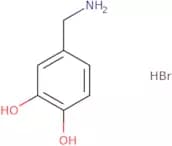
CAS:3,4-Dihydroxybenzylamine hydrobromide is a chemical that reacts with hydrogen peroxide to produce light. It is used as a nutrient for the chemiluminescent reaction in a nutrient solution to detect dopamine, chlorogenic acids, and trifluoroacetic acid. 3,4-Dihydroxybenzylamine hydrobromide can also be used as an analytical method for the measurement of cortisol concentration in plasma and saliva samples. This chemical analogically reacts with monoamine neurotransmitters such as dopamine and gamma-aminobutyric acid (GABA) to form fluorescent probes. 3,4-Dihydroxybenzylamine hydrobromide is not toxic or mutagenic and has been shown to be safe for use in humans.Formula:C7H10BrNO2Purity:Min. 95%Color and Shape:PowderMolecular weight:220.06 g/mol3,5-Difluoro-4-hydroxybenzaldehyde
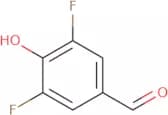
CAS:3,5-Difluoro-4-hydroxybenzaldehyde is a biochemical that belongs to the group of anticancer agents. It is activated by hydroxyl radicals and inhibits cancer cells. 3,5-Difluoro-4-hydroxybenzaldehyde inhibits protein synthesis in the cell by binding to messenger RNA and preventing its translation into protein. This compound also has inhibitory properties against DNA polymerase, which prevents DNA replication and transcription. 3,5-Difluoro-4-hydroxybenzaldehyde can be used as a template for oligodeoxynucleotides (ODN) to enhance photochemical properties.
Formula:C7H4F2O2Purity:Min. 95%Color and Shape:Off-White PowderMolecular weight:158.1 g/molAtranol
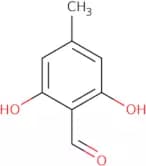
CAS:Atranol is a phenolic compound that is found in plants such as the leaves of the white willow tree. It has been shown to have anti-inflammatory properties and is being researched for its potential use in treatment of inflammatory bowel disease. Atranol has been shown to inhibit the production of inflammatory cytokines such as tumor necrosis factor-α (TNF-α) and interleukin-1β (IL-1β), which are key mediators of inflammation, by inhibiting NFκB activation. The reaction mechanism for atranol's inhibition of IL-1β production involves atranol binding with the cystein residue on IκB kinase β, which prevents phosphorylation and thus activation.
Formula:C8H8O3Purity:Min. 95%Color and Shape:Brown Yellow PowderMolecular weight:152.15 g/mol1,4-Diisopropenylbenzene
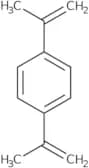
CAS:1,4-Diisopropenylbenzene is a hydrocarbon solvent that is used as a reagent in organic synthesis. It is reactive and can react with an inorganic acid such as hydrochloric acid to form an ester. The reaction time of 1,4-diisopropenylbenzene with an alkali metal hydroxide such as magnesium hydroxide is about one hour at room temperature. The product of this reaction is the magnesium salt of the corresponding carboxylic acid. 1,4-Diisopropenylbenzene has been shown to be toxic to mouse melanoma cells and has been used for cationic polymerization reactions. It has also been shown to be reactive with vinylene and other monomers, forming gels that are useful in making rubber products.
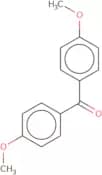
Formula:C12H14Purity:Min. 95%Color and Shape:PowderMolecular weight:158.24 g/mol4,4'-Dimethoxybenzophenone
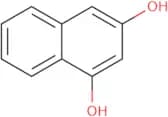
CAS:4,4'-Dimethoxybenzophenone is a process optimization agent that can be used to measure the concentration of basic proteins in human serum. It is also used as a chemical intermediate in the production of polymers. In this application, 4,4'-dimethoxybenzophenone undergoes an irreversible oxidation reaction with trifluoroacetic acid to form 4-methoxybenzoic acid and hydrogen peroxide. The linear model for this reaction has been shown to be: The rate of the reaction depends on the concentration of homogeneous catalysts, such as metal surfaces or hydrogen bonds.Formula:C15H14O3Purity:Min. 95%Color and Shape:PowderMolecular weight:242.27 g/mol1,3-Dihydroxynaphthalene
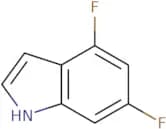
CAS:1,3-Dihydroxynaphthalene is an organic compound that has been shown to inhibit HIV infection in vitro. The optimum concentration of 1,3-dihydroxynaphthalene for inhibition of HIV infection is 0.5% (w/v). This compound can be synthesized by the reaction of epoxy and a sulfonamide drug. In addition, 1,3-dihydroxynaphthalene has been shown to have anti-inflammatory properties and can be used as a potential treatment for metabolic disorders such as diabetes mellitus.Formula:C10H8O2Purity:Min. 95%Color and Shape:PowderMolecular weight:160.17 g/mol4,6-Difluoroindole
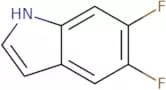
CAS:4,6-Difluoroindole is a functional group that has been optimized for use as a pharmaceutical drug. It has been shown to be an efficient inhibitor of renal organic anion transporters and monophosphate-activated protein, which are involved in the absorption of drugs from the blood into the cells. 4,6-Difluoroindole also inhibits bacterial growth by binding to ribosomal RNA and interfering with protein synthesis. This drug exhibits antibacterial activity against Gram-positive bacteria such as Mycobacterium tuberculosis and Mycobacterium avium complex. This drug is able to cross the blood-brain barrier and thus may be used to treat tuberculosis infections in the brain.Formula:C8H5F2NPurity:Min 90%Molecular weight:153.13 g/mol5,6-Difluoroindole
CAS:5,6-Difluoroindole is a chemical compound that has been studied in biological and chemical research. It is an analog of the neurotransmitter serotonin, which binds to the 5-HT2C receptor and activates phospholipase C (PLC) to produce inositol triphosphate (IP3). This compound may be useful for the treatment of neurodegenerative diseases such as Alzheimer's disease. 5,6-Difluoroindole has been shown to block the activity of acetylcholinesterase (AChE), which is an enzyme that breaks down acetylcholine. This leads to an increase in acetylcholine levels and a decrease in AChE activity. The reaction mechanism for this process is not known.Formula:C8H5NF2Color and Shape:PowderMolecular weight:153.13 g/mol1,3-Diacetylindole
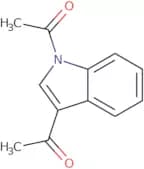
CAS:1,3-Diacetylindole is an alkene that belongs to the class of organic compounds. It can be prepared by Friedel-Crafts acylation of cyclopentenone with formaldehyde and hydrogen chloride gas. The molecule has a molecular electrostatic potential of -0.8 eV and a molecular weight of 126.1 g/mol. 1,3-Diacetylindole has been shown to react with Grignard reagent in an electrochemical study. Additionally, it has been used as a starting material for the synthesis of other molecules such as 2-methylquinoline and 1,2-dihydroquinoline. The vibrational and spectral data for 1,3-diacetylindole have been obtained using both experimental and computational methods. These data are useful for understanding the structure and reactivity of this compound at the molecular level.br>br> br>br>Formula:C12H11NO2Purity:Min. 95%Molecular weight:201.22 g/mol2,6-Difluoroaniline
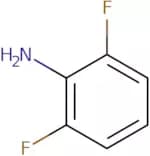
CAS:2,6-Difluoroaniline is a chemical compound that can be used as an industrial solvent in the production of cyclohexane. 2,6-Difluoroaniline has been used to produce amides and for clinical chemistry. It is also a reagent for the conversion of alcohols to amides. This chemical was shown to react with water vapor at an optimal temperature of approximately 60°C and pressure of approximately 100 kPa. 2,6-Difluoroaniline is industrially produced by the fluorination of fluoroethane using sodium carbonate or trifluoromethanesulfonic acid. The molecule has been explored for its apoptosis pathway inhibiting effects in covid-19 pandemic influenza virus
Formula:C6H5F2NPurity:90%Color and Shape:Clear LiquidMolecular weight:129.11 g/mol3,4-Dichlorophenylacetic acid
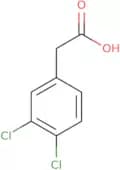
CAS:3,4-Dichlorophenylacetic acid is a chemical compound that can be found in plants and animals. 3,4-Dichlorophenylacetic acid has been shown to inhibit the activity of receptors that are involved in the regulation of blood pressure. It also binds to lysine residues on proteins, which may be part of its inhibitory effect. 3,4-Dichlorophenylacetic acid is a selective ligand for the alpha2A adrenergic receptor. This chemical has a molecular weight of 122.09 g/mol and a chlorine atom in its structure.Formula:C8H6Cl2O2Purity:Min. 95%Color and Shape:PowderMolecular weight:205.04 g/mol3,6-Dichloro-2-hydroxy benzoic acid
CAS:3,6-Dichloro-2-hydroxy benzoic acid is a reactive compound that is used as an intermediate in the synthesis of organic compounds. It reacts with the chlorine atom to form a diazonium salt. The diazonium salt then undergoes demethylation, which allows it to be converted into various products such as 3,5-dichloro-2-hydroxybenzoic acid or 2,4-dichloro-3,5-dimethoxybenzoic acid. 3,6-Dichloro-2-hydroxy benzoic acid is a strong base and can react with any acidic compounds present in the reaction vessel. This product has been shown to be effective for wastewater treatment by converting organic compounds into less harmful compounds.Formula:C7H4Cl2O3Purity:Min. 95%Color and Shape:PowderMolecular weight:207.01 g/mol3,4-Dimethoxycinnamic acid
CAS:3,4-Dimethoxycinnamic acid is a bioactive phenolic compound that has antioxidant and anti-inflammatory properties. It is also known to reduce oxidative injury in the human serum. 3,4-Dimethoxycinnamic acid is found in chlorogenic acids, which are bioactive phenolic compounds found in plants. These phenolic compounds have been shown to be effective against autoimmune diseases and carcinoma cell lines. 3,4-Dimethoxycinnamic acid has also been shown to inhibit the growth of cancer cells by interfering with their ability to synthesize DNA and RNA. This compound binds to DNA gyrase, inhibiting its activity and preventing it from unwinding the double helix during replication. The crystal structures of 3,4-dimethoxycinnamic acid have been determined using x-ray crystallography and subcritical water extraction.Formula:C11H12O4Purity:Min. 95%Color and Shape:PowderMolecular weight:208.21 g/mol2,4-Dimethylbenzoic acid
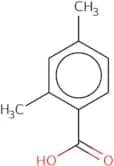
CAS:2,4-Dimethylbenzoic acid is a white solid with the chemical formula CH3C6H2O2. It is an organic acid that can be used as a building block in organic synthesis. The functional groups of 2,4-dimethylbenzoic acid are methyl and carboxyl. The most efficient method for the synthesis of 2,4-dimethylbenzoic acid is by reacting hydrochloric acid with dimethylaniline. This reaction can be carried out in one pot without isolation of intermediates. The structural analysis of 2,4-dimethylbenzoic acid was done using fluorescence lifetimes and hydrochloric acid. The reaction mechanism for the formation of 2,4-dimethylbenzoic acid from dimethylaniline is through a nucleophilic substitution reaction with chloride ion. Sample preparation for 2,4-dimethylbenzoic acid includes dissolution in water and filtration through a 0.45Formula:C9H10O2Purity:Min. 95%Color and Shape:White PowderMolecular weight:150.17 g/mol3',5'-Dihydroxyacetophenone
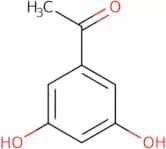
CAS:3',5'-Dihydroxyacetophenone (3,5-DHAP) is a potent antioxidant that has been shown to inhibit the formation of reactive oxygen species. It is also an effective inhibitor of proteins with carbonyl groups such as pterostilbene, bambuterol and other drugs. 3,5-DHAP can be synthesized from carbohydrates by two routes, one of which involves a novel asymmetric synthesis. 3,5-DHAP has been used as a fluorescence probe for the detection of chloride ions in analytical methods.Formula:C8H8O3Purity:Min 98%Color and Shape:White PowderMolecular weight:152.15 g/mol3,5-Di-tert-butyl-4-hydroxycinnamic acid
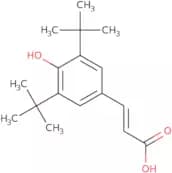
CAS:3,5-Di-tert-butyl-4-hydroxycinnamic acid is a chemical compound that belongs to the group of antihistaminic drugs. It is used as an antiallergic drug and has shown to be effective in treating hay fever and asthma. 3,5-Di-tert-butyl-4-hydroxycinnamic acid has been shown to be metabolised by rat plasma into dimethylformamide, tetrahydrofuran, reactive amides, chlorides and volatile compounds. These metabolites are then excreted via the kidneys or liver. The synthesis of 3,5-Di-tert-butyl-4-hydroxycinnamic acid can be done through a two step process that starts with the reaction of pivalaldehyde with hydrochloric acid followed by hydrogenation with rhodium on charcoal catalyst.Formula:C17H24O3Purity:Min. 95%Color and Shape:PowderMolecular weight:276.37 g/molDimethylnaphthalene (mixture of isomers)
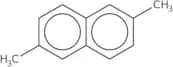
CAS:Dimethylnaphthalene is an aromatic hydrocarbon that is soluble in hydrochloric acid and reacts with zirconium oxide. It has been shown to have specific treatment effects, such as the inhibition of the growth of Staphylococcus aureus and Streptococcus pyogenes. Dimethylnaphthalene is also used to treat acne and psoriasis due to its ability to inhibit bacterial growth on skin. It has been shown to be effective against bacteria that are resistant to erythromycin and tetracycline. The solubility data for dimethylnaphthalene show that it may be more soluble in organic solvents than water. The morphology of dimethylnaphthalene consists of particles or molecules with a range of sizes. Dimethylnaphthalene can exist as either a single isomer or as an isomeric mixture.Formula:C12H12Purity:Min. 80%Color and Shape:Yellow Clear LiquidMolecular weight:156.22 g/molDibutyl Squarate
CAS:Dibutyl squarate is a new experimental drug that has been shown to have potential in the treatment of autoimmune diseases. Dibutyl squarate is also effective for treating infectious diseases, such as HIV and tuberculosis. The drug has been shown to work by blocking the apoptosis pathway, which prevents the release of pro-inflammatory cytokines. This drug also inhibits the synthesis of chemoattractant proteins, which are important for recruiting cells to the site of infection or injury. In addition, dibutyl squarate blocks cancer cell proliferation and can be used in combination therapy groups. Dibutyl squarate has also been shown to reduce alopecia in mice by inhibiting hair loss caused by inflammation.Formula:C12H18O4Purity:Min. 96.0 Area-%Color and Shape:Slightly Yellow Clear LiquidMolecular weight:226.27 g/mol1,2-Diamino-4,5-methylenedioxybenzene dihydrochloride
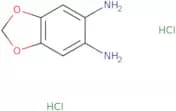
CAS:1,2-Diamino-4,5-methylenedioxybenzene dihydrochloride, also known as DMB dihydrochloride, is a building block used in organic chemistry. DMB dihydrochloride is the bis HCl salt of a 1,3-benzodioxole ring with amino groups in the 4 and 5 positions.
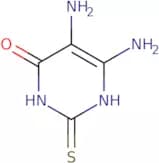
Formula:C7H10Cl2N2O2Purity:Min. 90 Area-%Color and Shape:Beige PowderMolecular weight:225.07 g/mol4,5-Diamino-6-hydroxy-2-mercapto pyrimidine
CAS:4,5-Diamino-6-hydroxy-2-mercaptopyrimidine is a primary amino that binds to the sulfur in a molecule. It has potent antibacterial activity and can be used for desulfurization of petroleum products. 4,5-Diamino-6-hydroxy-2-mercaptopyrimidine has been shown to react with some cancer cells in vitro and may be used as an anticancer agent. It can also be used as a catalyst for the oxidation of organic compounds in wastewater treatment or hydrochloric acid production. 4,5-Diamino-6-hydroxy-2-mercaptopyrimidine can be synthesized by reacting 3 mercapto propionic acid with 5 aminopyrimidines. The synthesis was optimized using a kinetic method and coordination chemistry. It has also been shown to inhibit cell growth when used on human erythrocytes using patch clamp experiments and assays.br>brFormula:C4H6N4OSPurity:Min. 95%Color and Shape:Off-White PowderMolecular weight:158.18 g/mol