Building Blocks
Subcategories of "Building Blocks"
- Boronic Acids & Boronic Acid Derivatives(5,805 products)
- Chiral Building Blocks(1,248 products)
- Hydrocarbon Building Blocks(6,118 products)
- Organic Building Blocks(61,447 products)
Found 208423 products of "Building Blocks"
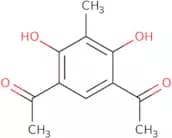
1,1'-(4,6-Dihydroxy-5-methyl-1,3-phenylene)diethanone
CAS:1,1'-(4,6-Dihydroxy-5-methyl-1,3-phenylene)diethanone is a versatile building block that can be used in the synthesis of complex compounds. This compound is a useful intermediate for research chemicals and reagents. It has been shown to be an effective catalyst for the production of high quality products.Formula:C11H12O4Purity:Min. 95%Color and Shape:Yellow To Brown SolidMolecular weight:208.21 g/mol1,2-Dioleoyl-sn-glycerol
CAS:1,2-Dioleoyl-sn-glycerol is a lipid molecule that contains an acyl chain of carbon atoms with two double bonds. It is formed through the union of glycerol and oleic acid. 1,2-Dioleoyl-sn-glycerol has been shown to activate diacylglycerol and fatty acid, which are important for cell signaling. The enzyme activity of 1,2-dioleoyl-sn-glycerol is dependent on its concentration in the body. This molecule also interacts with membranes by hydrogen bonding and can form a hydrophobic region that may be used to stabilize membrane structures.Formula:C39H72O5Purity:Min. 95%Color and Shape:LiquidMolecular weight:620.99 g/mol2,5-Dichlorobenzoic acid
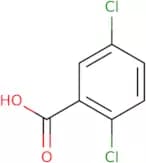
CAS:2,5-Dichlorobenzoic acid is a hydrogen-bonding agent that interacts with other molecules by forming hydrogen bonds. It reacts with benzoate to form 2,5-dichlorobenzoate, which is an intermediate in the synthesis of phenylbenzene and biphenyl. 2,5-Dichlorobenzoic acid has been shown to inhibit the growth of bacteria such as Stenotrophomonas maltophilia and Pseudomonas aeruginosa. The compound also lowers cholesterol levels in rats and humans.
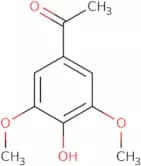
2,5-Dichlorobenzoic acid has a redox potential of -0.25 V and can be used to reduce sodium hydroxide solution or hydroxide solution. This chemical's structure allows it to be taken up by cells through passive diffusion and active transport mechanisms.Formula:C7H4Cl2O2Purity:Min. 95%Color and Shape:White PowderMolecular weight:191.01 g/mol3',5'-Dimethoxy-4'-hydroxyacetophenone
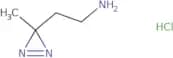
CAS:Inducer of transformation in Agrobacterium tumefaciensFormula:C10H12O4Purity:Min. 97 Area-%Color and Shape:Brown White PowderMolecular weight:196.2 g/mol2-(3-Methyl-3H-diazirin-3-yl)ethan-1-amine hydrochloride
CAS:2-(3-Methyl-3H-diazirin-3-yl)ethan-1-amine hydrochloride is an organic compound with a molecular formula of C8H11N2 and a molecular weight of 181.19 g/mol. It is soluble in water, and insoluble in most organic solvents. 2-(3-Methyl-3H-diazirin-3-yl)ethan-1-amine hydrochloride is a versatile building block that can be used to synthesize many complex compounds. This chemical has been shown to be useful as a reagent, intermediate, or scaffold for research into new drugs and materials. 2-(3Methyl 3H diazirin 3yl)ethan 1amine hydrochloride is also used as a speciality chemical or building block for high quality synthesis of other compounds.Formula:C4H10ClN3Purity:Min. 95%Color and Shape:PowderMolecular weight:135.59 g/mol3,5-Diamino-N-carbamothioyl-6-chloropyrazine-2-carboxamide
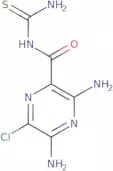
CAS:3,5-Diamino-N-carbamothioyl-6-chloropyrazine-2-carboxamide is a high quality, useful intermediate and reagent for the production of fine chemicals. It is also a speciality chemical that has been used as a reaction component in research. 3,5-Diamino-N-carbamothioyl-6-chloropyrazine-2-carboxamide is an important versatile building block that can be used to produce many other compounds.Formula:C6H7ClN6OSPurity:Min. 95%Color and Shape:White PowderMolecular weight:246.68 g/mol2,6-Dichloro-3,5-dihydroxybenzoic acid
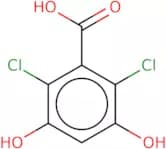
CAS:2,6-Dichloro-3,5-dihydroxybenzoic acid is a reagent with a wide range of applications in the research and development of chemical products. It is also a useful intermediate for the synthesis of other compounds. 2,6-Dichloro-3,5-dihydroxybenzoic acid has been shown to be used as a building block for the synthesis of various complex compounds. It is also an important reaction component that can be used in many different reactions to produce valuable products.Formula:C7H4Cl2O4Purity:Min. 95%Color and Shape:PowderMolecular weight:223.01 g/molN-Fmoc-4-ethynyl-L-phenylalanine
CAS:Versatile small molecule scaffoldFormula:C26H21NO4Purity:Min. 95%Color and Shape:PowderMolecular weight:411.45 g/mol3,4-Difluoro-5-nitrobenzonitrile
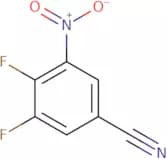
CAS:3,4-Difluoro-5-nitrobenzonitrile is a hepatotoxic compound that is found in the environment. It has been shown to cause cirrhosis and overgrowth of the liver. 3,4-Difluoro-5-nitrobenzonitrile also inhibits hepatic encephalopathy and may be used to treat liver disease. This toxicant has been detected in the bowel and duodenum of humans with nonalcoholic steatohepatitis, as well as in the jejunum and duodenum of mice with spontaneous steatohepatitis. It also causes nonalcoholic steatohepatitis when given orally to rats.
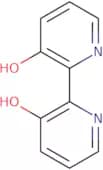
Formula:C7H2F2N2O2Purity:Min. 95%Color and Shape:Yellow PowderMolecular weight:184.1 g/mol3,3'-Dihydroxy-2,2'-bipyridine
CAS:3,3'-Dihydroxy-2,2'-bipyridine is a water-soluble drug that has been shown to be cytotoxic. It binds to the hydroxyl group of hemoglobin and prevents it from binding with oxygen. 3,3'-Dihydroxy-2,2'-bipyridine also binds to the cell membrane and enters the cell where it forms a cavity with a chelate ring. The molecule has been shown to have high photophysical properties and can be used in biological studies.Formula:C10H8N2O2Purity:Min. 97.5 Area-%Color and Shape:White PowderMolecular weight:188.18 g/mol4,6-Dihydroxypyrimidine
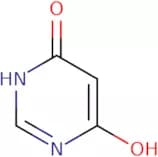
CAS:4,6-Dihydroxypyrimidine is a competitive inhibitor of the bacterial enzyme DNA gyrase. It binds to the ATP-binding site and blocks the conversion of ATP to ADP. This leads to inhibition of the DNA replication process. 4,6-Dihydroxypyrimidine has shown inhibition constants against various bacterial strains. The kinetic data indicate that this compound is a noncompetitive inhibitor for DNA gyrase. 4,6-Dihydroxypyrimidine also binds to sodium hydroxide solution and forms a Langmuir adsorption isotherm that can be described by an equation with a single binding site. The chemical structure of 4,6-dihydroxypyrimidine consists of three atoms: two hydrogen atoms and one oxygen atom. This molecule has been found in electrochemical impedance spectroscopy experiments using methanol solvent as an electrolyte and monosodium salt as a supporting electrolyte.
Formula:C4H4N2O2Purity:Min. 95%Color and Shape:Yellow PowderMolecular weight:112.09 g/mol3,3'-Dithiobis-1-propanesulfonic acid disodium salt
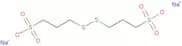
CAS:Brightening agent used for copper electroplatingFormula:C6H12O6S4·2NaPurity:Min. 90 Area-%Color and Shape:White PowderMolecular weight:354.39 g/mol3,3'-Diaminobenzidine
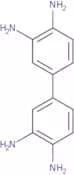
CAS:3,3'-Diaminobenzidine (DAB) is an organic compound derived from benzidine. It is the precursor to the synthetic fibre polybenzimidazole (PBI), which have high thermal and oxidative stability properties. DAB is water-soluble as the tetrahydrochloride salt and is used in immunohistochemical staining of nucleic acids and proteins. Research in Alzheimer's disease, Aβ protein amyloid plaques are targeted by a primary antibody, and subsequently by a secondary antibody, which is conjugated with a peroxidase enzyme. This will bind DAB as a substrate and oxidize it, producing an easily observable brown colour. 3,3’-Diaminobenzidine is also available as the tetrahydrochloride salt and the tetrahydrochloride hydrate.
Formula:C12H14N4Purity:Min. 98 Area-%Color and Shape:PowderMolecular weight:214.27 g/mol2,4-Dimethoxybenzylamine
CAS:Tak-659 is an amide compound that inhibits the serine protease activity of a number of enzymes, including cathepsin B and L. Tak-659 has been shown to have inhibitory effects on inflammation in animal models by inhibiting the production of inflammatory cytokines. Tak-659 has also been shown to impair protein synthesis in gram-negative bacteria, such as Escherichia coli and Pseudomonas aeruginosa. The mechanism for this inhibition is not entirely clear but may be due to tak-659 binding to the ribosomal RNA near the peptidyl transferase center, blocking the entry of amino acids into the ribosome. Tak-659 binds with high affinity to adenosine receptors and has been shown to reduce levels of inflammatory cytokines in mouse tumor cells.
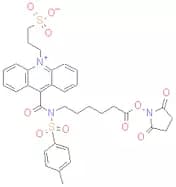
Formula:C9H13NO2Purity:Min. 95%Color and Shape:Colorless Clear LiquidMolecular weight:167.21 g/mol3-(9-((6-(2,5-Dioxopyrrolidin-1-yloxy)-6-oxohexyl)(tosyl)carbamoyl)acridinium-10-yl)propane-1-sulfonate
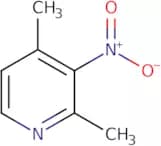
CAS:3-(9-((6-(2,5-Dioxopyrrolidin-1-yloxy)-6-oxohexyl)(tosyl)carbamoyl)acridinium-10-yl)propane-1-sulfonate is a fine chemical that is used as a versatile building block for complex compounds. It can be used in the synthesis of research chemicals or reagents, or as a speciality chemical. 3-(9-((6-(2,5-Dioxopyrrolidin-1-yloxy)-6-oxohexyl)(tosyl)carbamoyl)acridinium-10-yl)propane sulfonate can be reacted with other compounds to form useful scaffolds and reaction components. This compound has CAS number 866366–12–3.Formula:C34H35N3O10S2Purity:Min. 95%Color and Shape:PowderMolecular weight:709.79 g/mol2,4-Dimethyl-3-nitropyridine
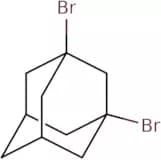
CAS:2,4-Dimethyl-3-nitropyridine is a heterocyclic organic compound. It is an important and versatile building block for the synthesis of complex compounds. 2,4-Dimethyl-3-nitropyridine can be used as a reagent in organic synthesis and other chemical reactions. In addition to its use as a reactant, this compound has been employed as a useful scaffold for the preparation of other heterocycles and fine chemicals. The CAS number for 2,4-dimethyl-3-nitropyridine is 1074-76-6.Formula:C7H8N2O2Purity:Min. 95%Color and Shape:Yellow Clear LiquidMolecular weight:152.15 g/mol1,3-Dibromoadamantane
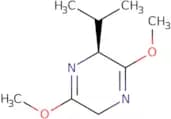
CAS:1,3-Dibromoadamantane is an organic compound that belongs to the group of organobromides. It has a chemical structure with three bromine atoms and one carbon atom, which are bonded to each other in a triangle shape. 1,3-Dibromoadamantane is soluble in solvents such as water and methanol. The reaction yield of 1,3-dibromoadamantane is 100% when it reacts with hydrochloric acid as the catalyst under optimal conditions. The reaction also occurs at a high temperature (100 degrees Celsius) and releases energy efficiently. 1,3-Dibromoadamantane can be used as a substrate molecule for the Suzuki coupling reaction. The coordination chemistry of 1,3-dibromoadamantane involves the formation of a square planar complex with copper ions and ammonia molecules to form copper(I) ammine complexes, which are then able to bindFormula:C10H14Br2Purity:Min. 95%Color and Shape:PowderMolecular weight:294.03 g/mol(S)-2,5-Dihydro-3,6-dimethoxy-2-isopropylpyrazine
CAS:(S)-2,5-Dihydro-3,6-dimethoxy-2-isopropylpyrazine and its enantiomer, (R)-2,5-Dihydro-3,6-dimethoxy-2-isopropylpyrazine, are also known as Schöllkopf chiral auxiliaries or Schöllkopf reagents, and are used to produce optically pure α-amino acids via asymmetric synthesis. The Schöllkopf reagent can be deprotonated at the prochiral α-carbon, and the resulting enolate is trapped with electrophiles to yield adducts with high (typically > 95% d.e.) diastereoselectivity. The enolate is essentially planar, and the steric bulk of the isopropyl group directs the incoming electrophile to attack from the opposite face, yielding trans adducts. A wide range of electrophiles including alkyl halides, alkyl sulfonates, acyl chlorides, aldehydes, ketones, epoxides, thioketones and enones can be used. Hydrolysis, typically under mild acidic conditions, yields the non-substituted amino acid with high (typically > 95 e.e.) enantiopurity.Formula:C9H16N2O2Purity:Min. 97%Color and Shape:Colorless Clear LiquidMolecular weight:184.24 g/mol2,4-Dichloropyrimidine
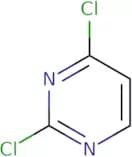
CAS:2,4-Dichloropyrimidine is a compound with an antiproliferation activity that has been shown to inhibit replication of viruses such as HIV. It inhibits the activity of enzymes involved in the replication of viral DNA, including the enzyme human telomerase reverse transcriptase (hTERT), which is essential for viral replication. The effects of 2,4-dichloropyrimidine on wild-type HIV are not clear because it does not have a significant effect on HIV-1 strains that have acquired resistance to erythromycin and tetracycline. However, this drug may be effective against other viruses that have not yet developed resistance. 2,4-Dichloropyrimidine also has antiinflammatory properties due to its ability to inhibit the production of epidermal growth factor and nitrogenous compounds from inflammatory cells.
Formula:C4H2N2CI2Purity:Min. 95%Color and Shape:Off-White PowderMolecular weight:148.98 g/mol4,6-Dimethyl-2-mercaptopyrimidine
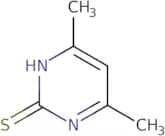
CAS:4,6-Dimethyl-2-mercaptopyrimidine is a protonated form of the compound 4,6-dimethylpyrimidine. It is a member of the group p2 of nitrogenous bases and has a hydrogen bond interaction with its base pair. The reaction mechanism for this molecule is similar to that of other tricyclic antidepressant drugs, as it involves an intermolecular hydrogen bonding reaction where the deprotonated hydroxyl group on one molecule transfers a proton to the adjacent nitrogen atom on another molecule. 4,6-Dimethyl-2-mercaptopyrimidine has been shown to be active in cervical cancer cells and is capable of inhibiting DNA synthesis and protein synthesis. This compound also has antihistamine effects which are likely due to its hydrogen bonding interactions with histamine receptors.Formula:C6H8N2SPurity:Min. 95%Color and Shape:Yellow PowderMolecular weight:140.21 g/mol