Building Blocks
Subcategories of "Building Blocks"
- Boronic Acids & Boronic Acid Derivatives(5,781 products)
- Chiral Building Blocks(1,242 products)
- Hydrocarbon Building Blocks(6,101 products)
- Organic Building Blocks(61,038 products)
Found 205338 products of "Building Blocks"
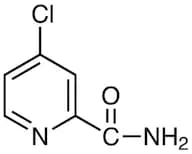
4-Chloropyridine-2-carboxamide
CAS:Formula:C6H5ClN2OPurity:>97.0%(T)(HPLC)Color and Shape:White to Almost white powder to crystalMolecular weight:156.57Indole-3-carboxylic acid methyl ester
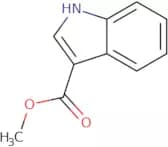
CAS:Controlled ProductIndole-3-carboxylic acid methyl ester is a quinoline derivative that is structurally related to the well-known antibiotic, ciprofloxacin. It has been shown to be cytotoxic against a variety of bacterial strains including Pseudomonas aeruginosa and Staphylococcus aureus. The mechanism of action for this compound is not yet fully understood, but it has been shown to inhibit collagen production in cell cultures and induce neuronal death in mice. Indole-3-carboxylic acid methyl ester also possesses anti-cancer properties and inhibits fatty acid synthesis. This compound also has antifungal effects against Candida albicans and other fungi.Formula:C10H9NO2Purity:Min. 98 Area-%Color and Shape:PowderMolecular weight:175.18 g/mol1-Oxa-2-oxo-3-thiaindolizinium Chloride [for Source of Alkyl Radical]
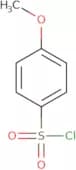
CAS:Formula:C6H4ClNO2SPurity:>98.0%(N)Color and Shape:White to Light yellow powder to crystalMolecular weight:189.614-Methoxybenzenesulfonyl chloride
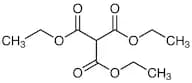
CAS:4-Methoxybenzenesulfonyl chloride is a water-soluble and colorless solid that is used in the treatment of wastewater. It binds to hydroxyl groups and copper complexes, which are present in high concentrations in wastewater. 4-Methoxybenzenesulfonyl chloride can be used as an analytical reagent for determining binding constants, as well as for the separation of amyloid proteins. This compound has been shown to have anti-inflammatory properties by inhibiting the production of pro-inflammatory cytokines such as tumor necrosis factor (TNF) and interleukin (IL)-1β. 4-Methoxybenzenesulfonyl chloride also has activity against certain cancers such as L1210 leukemia cells in mice and diphenyl ethers.Formula:C7H7ClO3SPurity:Min. 97 Area-%Color and Shape:Brown Off-White PowderMolecular weight:206.65 g/molTriethyl Methanetricarboxylate
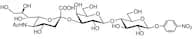
CAS:Formula:C10H16O6Purity:>97.0%(GC)Color and Shape:White or Colorless to Almost white or Almost colorless powder to lump to clear liquidMolecular weight:232.23Neu5Acα(2-3)Galβ(1-4)Glc-β-pNP
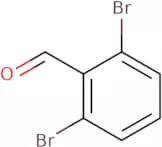
CAS:Formula:C29H42N2O21Purity:>97.0%(HPLC)Color and Shape:White to Light yellow to Green powder to crystalineMolecular weight:754.652,6-Dibromobenzaldehyde
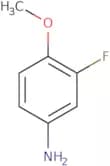
CAS:2,6-Dibromobenzaldehyde is an imidazole derivative that has been shown to be a potent inhibitor of tyrosine kinase. It has been shown to inhibit the replication of virus type-1 and is effective in the treatment of pain models. 2,6-Dibromobenzaldehyde also inhibits the activity of enzymes, such as phosphodiesterases and protein kinases. This compound has shown promising results in animal studies for the treatment of human immunodeficiency virus type 1 (HIV-1) infection. The pharmacokinetic properties of 2,6-dibromobenzaldehyde have been studied in rats and dogs with oral administration and found to be linear and rapid with high bioavailability.Formula:C7H4Br2OPurity:Min. 95%Color and Shape:PowderMolecular weight:263.91 g/mol3-Fluoro-4-methoxyaniline
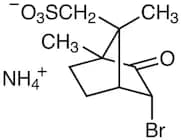
CAS:3-Fluoro-4-methoxyaniline is a chemical intermediate. It is an aminopyridine that is used in the synthesis of bosutinib, an anticancer drug. 3-Fluoro-4-methoxyaniline binds to the ATP binding site of the cell's mitochondria and prevents the release of cytochrome c from the mitochondria, which leads to apoptosis. 3-Fluoro-4-methoxyaniline also has antimitotic effects and can inhibit the growth of tumor cells. 3-Fluoro-4-methoxyaniline has been shown to have poor cellular uptake, which may be due to its interaction with positron emission tomography (PET) agents such as cyanuric acid or glycopeptide. This chemical has also been shown to be a good surrogate for chloride ions in studies on transfected tumor cells.Formula:C7H8FNOPurity:Min. 98.5%Color and Shape:Off-White PowderMolecular weight:141.14 g/mol(-)-3-Bromocamphor-8-sulfonic Acid Ammonium Salt
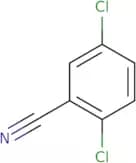
CAS:Formula:C10H18BrNO4SPurity:>97.0%(T)Color and Shape:White to Light yellow to Light orange powder to crystalMolecular weight:328.222,5-Dichlorobenzonitrile
CAS:2,5-Dichlorobenzonitrile is a chemical compound that contains a nitrile group. It is used as an intermediate in organic synthesis, as well as for the production of various pharmaceuticals and pesticides. 2,5-Dichlorobenzonitrile is oxidized to form 2,5-dichlorophenol which can be further converted to 2,5-dichloroquinone. This redox cycle is reversible and can be used to synthesize other compounds. The reaction time of this process is about one hour at room temperature. Maleate has been shown to inhibit the hepatic metabolism of 2,5-Dichlorobenzonitrile. This may lead to accumulation of 2,5-Dichlorobenzonitrile in the liver and potentially cause hepatitis or even liver cancer. Chloromethylation of 2,5-Dichlorobenzonitrile leads to the formation of chlor
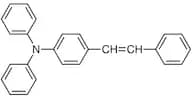
Formula:C7H3Cl2NPurity:Min. 95%Color and Shape:PowderMolecular weight:172.01 g/mol4-Styryltriphenylamine
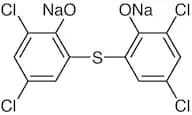
CAS:Formula:C26H21NPurity:>98.0%(GC)Color and Shape:Light yellow to Yellow to Green powder to crystalMolecular weight:347.46Bithionol Disodium Salt
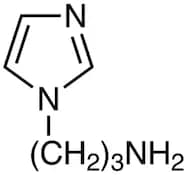
CAS:Formula:C12H4Cl4Na2O2SPurity:>98.0%(T)(HPLC)Color and Shape:White to Gray to Brown powder to crystalMolecular weight:400.001-(3-Aminopropyl)imidazole
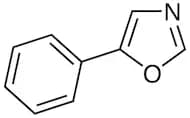
CAS:Formula:C6H11N3Purity:>97.0%(GC)Color and Shape:Colorless to Almost colorless clear liquidMolecular weight:125.185-Phenyloxazole
CAS:Formula:C9H7NOPurity:>95.0%(GC)Color and Shape:White to Light yellow powder to crystalMolecular weight:145.162-Bromo-2',4'-dimethoxyacetophenone
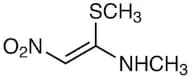
CAS:Formula:C10H11BrO3Purity:>97.0%(GC)Color and Shape:White to Light yellow to Light orange powder to crystalMolecular weight:259.101-Methylamino-1-methylthio-2-nitroethylene
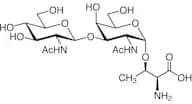
CAS:Formula:C4H8N2O2SPurity:>99.0%(HPLC)Color and Shape:Light orange to Yellow to Green powder to crystalMolecular weight:148.18GlcNAcβ(1-3)GalNAc-α-Thr
CAS:Formula:C20H35N3O13Purity:>97.0%(HPLC)Color and Shape:White to Almost white powder to crystalMolecular weight:525.515-Iodo-2-furaldehyde
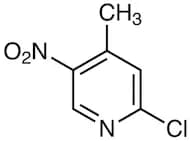
CAS:Formula:C5H3IO2Purity:>98.0%(GC)Color and Shape:White to Yellow powder to crystalMolecular weight:221.982-Chloro-4-methyl-5-nitropyridine
CAS:Formula:C6H5ClN2O2Purity:>98.0%(GC)Color and Shape:White or Colorless to Light yellow to Green powder to lump to clear liquidMolecular weight:172.571,2-Bis(diphenylphosphino)ethane
CAS:1,2-Bis(diphenylphosphino)ethane is a ligand that binds to the metal molybdenum. It has been shown to have biochemical properties in relation to its ability to form complexes with adriamycin and other drugs. The redox potential of 1,2-Bis(diphenylphosphino)ethane depends on the presence of sodium ions. This ligand is able to bind to the iron in the mitochondrial membrane and can affect the mitochondrial membrane potential. X-ray crystal structures show that this ligand binds to a monosodium salt. 1,2-Bis(diphenylphosphino)ethane has been shown to be a potent inhibitor of transfer reactions and is used as an analytical reagent for structural analysis.Formula:C26H24P2Purity:Min. 98 Area-%Color and Shape:White Off-White PowderMolecular weight:398.42 g/mol


![1-Oxa-2-oxo-3-thiaindolizinium Chloride [for Source of Alkyl Radical]](/_next/image/?url=https%3A%2Fstatic.cymitquimica.com%2Fproducts%2F3B%2Fthumb-webp%2FO0270.webp&w=3840&q=75)