Building Blocks
This section contains fundamental products for the synthesis of organic and biological compounds. Building blocks are the essential starting materials used to construct complex molecules through various chemical reactions. They play a critical role in drug discovery, material science, and chemical research. At CymitQuimica, we offer a diverse range of high-quality building blocks to support your innovative research and industrial projects, ensuring you have the essential components for successful synthesis.
Subcategories of "Building Blocks"
- Boronic Acids & Boronic Acid Derivatives(5,781 products)
- Chiral Building Blocks(1,242 products)
- Hydrocarbon Building Blocks(6,101 products)
- Organic Building Blocks(61,033 products)
Found 205320 products of "Building Blocks"
Sort by
Purity (%)
0
100
|
0
|
50
|
90
|
95
|
100
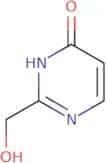
2-(Hydroxymethyl)-3,4-dihydropyrimidin-4-one
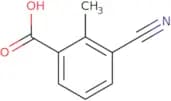
CAS:Versatile small molecule scaffoldFormula:C5H6N2O2Purity:Min. 95%Molecular weight:126.11 g/mol3-Cyano-2-methylbenzoic acid
CAS:Versatile small molecule scaffoldFormula:C9H7NO2Purity:Min. 95%Molecular weight:161.16 g/mol3-Chloro-tetrahydro-thiophene 1,1-dioxide
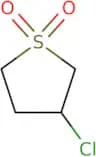
CAS:3-Chloro-tetrahydro-thiophene 1,1-dioxide is a reaction product of aluminum with benzene in the presence of aluminum chloride. This compound is used as an intermediate for the production of sulfonates and homologs. 3-Chloro-tetrahydro-thiophene 1,1-dioxide is also used to produce phenol by reacting with sulfuric acid and chloroform.Formula:C4H7ClO2SPurity:Min. 95%Molecular weight:154.62 g/mol(3-Oxo-2,3-dihydro-1H-isoindol-1-yl)-acetic acid
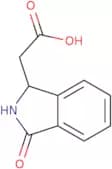
CAS:Versatile small molecule scaffoldFormula:C10H9NO3Purity:Min. 95%Molecular weight:191.19 g/mol2-(1,3-Dioxo-2,3-dihydro-1H-isoindol-2-yl)-3,3-dimethylbutanoic acid
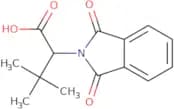
CAS:Versatile small molecule scaffoldFormula:C14H15NO4Purity:Min. 95%Molecular weight:261.3 g/mol2-[(tert-butoxycarbonyl)amino]-3-hydroxypropanoic acid
CAS:2-[(tert-Butoxycarbonyl)amino]-3-hydroxypropanoic acid is a chiral, labile tertiary alcohol that has been synthesized from methyl 2-aminoethanol and sodium hydrogen carbonate. This compound acts as a precursor in the synthesis of threonine, which is used to produce amino acids that are essential for life. The reaction between 2-[(tert-butoxycarbonyl)amino]-3-hydroxypropanoic acid and sodium carbonate produces an alkene that reacts with reactive groups, such as hydroxyls or carbonyls. It also inhibits the formation of primary alcohols through its affinity for phenolic compounds.Formula:C8H15NO5Purity:Min. 95%Molecular weight:205.21 g/mol1,1-Dioxo-1,2-thiazinane-3-carboxylic acid
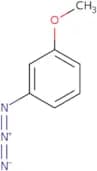
CAS:Versatile small molecule scaffoldFormula:C5H9NO4SPurity:Min. 95%Molecular weight:179.2 g/mol1-Azido-3-methoxybenzene
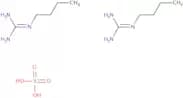
CAS:Versatile small molecule scaffoldFormula:C7H7N3OPurity:Min. 95%Molecular weight:149.15 g/molBis(1-butylguanidine), sulfuric acid
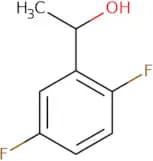
CAS:Bis(1-butylguanidine), sulfuric acid (BBSS) is a disinfectant that belongs to the group of isothiocyanates. It has been shown to be an effective fungicide and bactericide in the treatment of herpesvirus infections. BBSS causes death of cells by reacting with and destroying their DNA, which is important for the production of new cell material. The reaction also results in the formation of hydroxyl radicals, which are highly reactive and destructive molecules that can damage other biomolecules such as proteins and lipids. This chemical also acts as an anesthetic by blocking nerve transmissions in certain regions of the body, such as the brain or spinal cord.Formula:C10H28N6O4SPurity:Min. 95%Molecular weight:328.44 g/mol1-(2,5-difluorophenyl)ethan-1-ol
CAS:Versatile small molecule scaffold
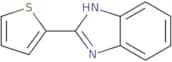
Formula:C8H8OF2Purity:Min. 95%Molecular weight:158.14 g/mol2-(2-Thienyl)-1H-benzimidazole
CAS:2-(2-Thienyl)-1H-benzimidazole is an antibacterial that has been shown to have a broad spectrum of activity against Gram-positive bacteria. It is a metal cation chelator and forms a tautomeric form with chloride. 2-(2-Thienyl)-1H-benzimidazole has been shown to be effective against Leishmania and inhibits the synthesis of DNA, RNA, and protein in bacteria. This drug also binds to the target site on the enzyme DNA gyrase, which prevents the formation of supercoils in DNA and thereby inhibits bacterial growth.
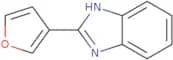
Formula:C11H8N2SPurity:Min. 95%Molecular weight:200.26 g/mol2-(Furan-3-yl)-1H-1,3-benzodiazole
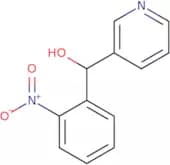
CAS:Versatile small molecule scaffoldFormula:C11H8N2OPurity:Min. 95%Molecular weight:184.19 g/mol(2-Nitrophenyl)(pyridin-3-yl)methanol
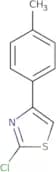
CAS:Versatile small molecule scaffoldFormula:C12H10N2O3Purity:Min. 95%Molecular weight:230.22 g/mol2-Chloro-4-(4-methylphenyl)-1,3-thiazole
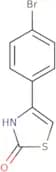
CAS:Versatile small molecule scaffoldFormula:C10H8ClNSPurity:Min. 95%Molecular weight:209.7 g/mol4-(4-Bromophenyl)-2-hydroxythiazole
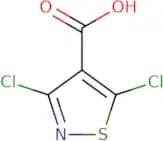
CAS:Versatile small molecule scaffoldFormula:C9H6BrNOSPurity:Min. 95%Molecular weight:256.12 g/molDichloro-1,2-thiazole-4-carboxylic acid
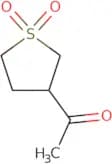
CAS:Versatile small molecule scaffoldFormula:C4HCl2NO2SPurity:Min. 95%Molecular weight:198.03 g/mol1-(Tetrahydro-1,1-dioxido-3-thienyl)-ethanone
CAS:Versatile small molecule scaffoldFormula:C6H10O3SPurity:Min. 95%Molecular weight:162.21 g/mol[(2-Aminobutyl)sulfanyl]benzene
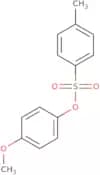
CAS:Versatile small molecule scaffoldFormula:C10H15NSPurity:Min. 95%Molecular weight:181.3 g/mol4-Methoxyphenyl 4-methylbenzenesulfonate
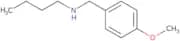
CAS:4-Methoxyphenyl 4-methylbenzenesulfonate is a tosylate that can be used in the cross-coupling reaction of iodides, chlorides, and phosphine, as well as in the synthesis of supramolecular complexes. 4-Methoxyphenyl 4-methylbenzenesulfonate has been shown to react with aryl chlorides and halides, forming reactive intermediates. The use of this compound in cross-coupling reactions allows for the synthesis of unsymmetrical products.Formula:C14H14O4SPurity:Min. 95%Molecular weight:278.33 g/molN-Butyl-p-methoxy-benzylamine
CAS:Versatile small molecule scaffoldFormula:C12H19NOPurity:Min. 95%Molecular weight:193.29 g/mol

![2-[(tert-butoxycarbonyl)amino]-3-hydroxypropanoic acid](/_next/image/?url=https%3A%2Fstatic.cymitquimica.com%2Fproducts%2F3D%2Fthumb-webp%2FDAA85040.webp&w=3840&q=75)
![[(2-Aminobutyl)sulfanyl]benzene](/_next/image/?url=https%3A%2Fstatic.cymitquimica.com%2Fproducts%2F3D%2Fthumb-webp%2FDAA89825.webp&w=3840&q=75)