Building Blocks
This section contains fundamental products for the synthesis of organic and biological compounds. Building blocks are the essential starting materials used to construct complex molecules through various chemical reactions. They play a critical role in drug discovery, material science, and chemical research. At CymitQuimica, we offer a diverse range of high-quality building blocks to support your innovative research and industrial projects, ensuring you have the essential components for successful synthesis.
Subcategories of "Building Blocks"
- Boronic Acids & Boronic Acid Derivatives(5,756 products)
- Chiral Building Blocks(1,242 products)
- Hydrocarbon Building Blocks(6,095 products)
- Organic Building Blocks(61,037 products)
Found 196200 products of "Building Blocks"
Sort by
Purity (%)
0
100
|
0
|
50
|
90
|
95
|
100
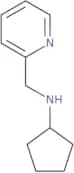
N-(Pyridin-2-ylmethyl)cyclopentanamine
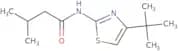
CAS:<p>Versatile small molecule scaffold</p>Formula:C11H16N2Purity:Min. 95%Molecular weight:176.26 g/molN-(4-tert-Butyl-1,3-thiazol-2-yl)-3-methylbutanamide
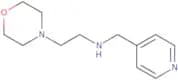
CAS:<p>Versatile small molecule scaffold</p>Formula:C12H20N2OSPurity:Min. 95%Molecular weight:240.37 g/mol(2-Morpholin-4-yl-ethyl)-pyridin-4-ylmethyl-amine
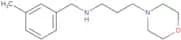
CAS:<p>Versatile small molecule scaffold</p>Formula:C12H19N3OPurity:Min. 95%Molecular weight:221.3 g/mol(3-Methyl-benzyl)-(3-morpholin-4-yl-propyl)-amine
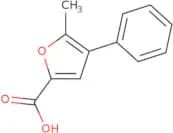
CAS:<p>Versatile small molecule scaffold</p>Formula:C15H24N2OPurity:Min. 95%Molecular weight:248.36 g/mol5-Methyl-4-phenylfuran-2-carboxylic acid
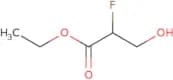
CAS:<p>Versatile small molecule scaffold</p>Formula:C12H10O3Purity:Min. 95%Molecular weight:202.21 g/molEthyl 2-fluoro-3-hydroxypropanoate
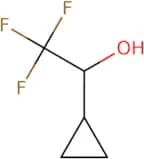
CAS:<p>Versatile small molecule scaffold</p>Formula:C5H9FO3Purity:Min. 95%Molecular weight:136.12 g/mol1-cyclopropyl-2,2,2-trifluoroethan-1-ol
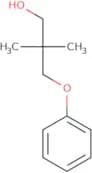
CAS:<p>Versatile small molecule scaffold</p>Formula:C5H7F3OPurity:Min. 95%Molecular weight:140.11 g/mol2,2-Dimethyl-3-phenoxypropan-1-ol
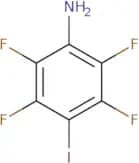
CAS:<p>Versatile small molecule scaffold</p>Formula:C11H16O2Purity:Min. 95%Molecular weight:180.24 g/mol2,3,5,6-Tetrafluoro-4-iodoaniline
CAS:<p>Versatile small molecule scaffold</p>Formula:C6H2F4INPurity:Min. 95%Molecular weight:290.98 g/mol4-bromobicyclo[2.2.2]octane-1-carboxylic acid
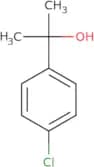
CAS:<p>Versatile small molecule scaffold</p>Formula:C9H13BrO2Purity:Min. 95%Molecular weight:233.11 g/mol2-(4-Chlorophenyl)propan-2-ol
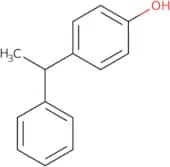
CAS:<p>Versatile small molecule scaffold</p>Formula:C9H11ClOPurity:Min. 95%Molecular weight:170.64 g/mol4-(1-Phenylethyl)phenol
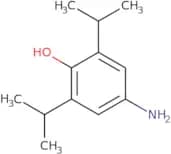
CAS:<p>4-(1-Phenylethyl)phenol is an organic solvent that has been used as a corrosion inhibitor, an antioxidant, and an alkylating agent. It has been shown to be a good catalyst for the production of styrene from ethylene. 4-(1-Phenylethyl)phenol is also used in the production of polyvinyl chloride, polyvinyl acetate, and other chemical products. It is used as a chemical intermediate in the production of nonyl and nitrate modifiers. 4-(1-Phenylethyl)phenol is also a reagent for the preparation of ketones and nitrates.</p>Formula:C14H14OPurity:Min. 95%Molecular weight:198.26 g/mol4-Amino-2,6-diisopropylphenol
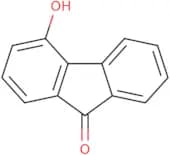
CAS:<p>Versatile small molecule scaffold</p>Formula:C12H19NOPurity:Min. 95%Molecular weight:193.28 g/mol4-Hydroxy-9H-fluoren-9-one
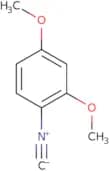
CAS:<p>4-Hydroxy-9H-fluoren-9-one is a byproduct of the oxidation of fatty acids in soil microorganisms. It inhibits bacterial growth and has been shown to have synergistic effects with aromatic hydrocarbons. 4-Hydroxy-9H-fluoren-9-one can inhibit the production of enzymes such as acetyl coenzyme A carboxylase, which are necessary for cellular respiration and carbon metabolism. This compound also inhibits the dioxygenation of propionate to acetate and butyrate, which are important substrates for microorganisms. 4-Hydroxy-9H-fluoren-9-one is produced by bacteria in deionized water when exposed to dioxygen. It can be used as a carbon source for bacterial growth and can inhibit the activity of enzymes that metabolize aromatic compounds, such as biphenyl.</p>Formula:C13H8O2Purity:Min. 95%Molecular weight:196.2 g/mol1-Isocyano-2,4-dimethoxybenzene
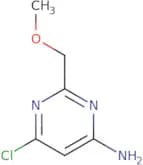
CAS:<p>Versatile small molecule scaffold</p>Formula:C9H9NO2Purity:Min. 95%Molecular weight:163.17 g/mol6-Chloro-2-(methoxymethyl)pyrimidin-4-amine
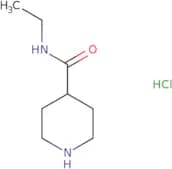
CAS:<p>Versatile small molecule scaffold</p>Formula:C6H8ClN3OPurity:Min. 95%Molecular weight:173.6 g/molN-Ethyl-4-piperidinecarboxamide hydrochloride
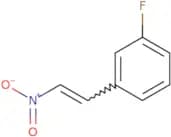
CAS:<p>Versatile small molecule scaffold</p>Formula:C8H17ClN2OPurity:Min. 95%Molecular weight:192.69 g/mol1-Fluoro-3-(2-nitroethenyl)benzene
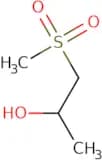
CAS:<p>Versatile small molecule scaffold</p>Formula:C8H6FNO2Purity:Min. 95%Molecular weight:167.14 g/mol1-Methanesulfonylpropan-2-ol
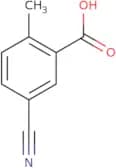
CAS:<p>Methanesulfonylpropan-2-ol is a sulfonic acid that is used in clinical chemistry for the measurement of the concentration of mercaptans. This liquid has an acidic character, which distinguishes it from other sulfonic acids. Methanesulfonylpropan-2-ol also has a magnetic property and can be used to detect the presence of this substance in urine or blood samples. <br>Methanesulfonylpropan-2-ol is excreted by the kidneys and intestines and is diluted when mixed with water. This substance can be detected using chromatographic science, such as gas chromatography, to identify its presence in biological samples. Methanesulfonylpropan-2-ol may have anticancer properties due to its ability to inhibit cell growth and proliferation. It binds to DNA, disrupting the production of new cells. The intestinal absorption of this drug leads to an increased concentration in the intestine, which may lead to anticancer effects</p>Formula:C4H10O3SPurity:Min. 95%Molecular weight:138.19 g/mol5-Cyano-2-methylbenzoic acid
CAS:<p>Versatile small molecule scaffold</p>Formula:C9H7NO2Purity:Min. 95%Molecular weight:161.16 g/mol

![4-bromobicyclo[2.2.2]octane-1-carboxylic acid](/_next/image/?url=https%3A%2Fstatic.cymitquimica.com%2Fproducts%2F3D%2Fthumb-webp%2FBAA98950.webp&w=3840&q=75)