Building Blocks
This section contains fundamental products for the synthesis of organic and biological compounds. Building blocks are the essential starting materials used to construct complex molecules through various chemical reactions. They play a critical role in drug discovery, material science, and chemical research. At CymitQuimica, we offer a diverse range of high-quality building blocks to support your innovative research and industrial projects, ensuring you have the essential components for successful synthesis.
Subcategories of "Building Blocks"
- Boronic Acids & Boronic Acid Derivatives(5,781 products)
- Chiral Building Blocks(1,242 products)
- Hydrocarbon Building Blocks(6,101 products)
- Organic Building Blocks(61,033 products)
Found 205320 products of "Building Blocks"
Sort by
Purity (%)
0
100
|
0
|
50
|
90
|
95
|
100
3-[(Ethylsulfanyl)methyl]aniline
CAS:Versatile small molecule scaffoldFormula:C9H13NSPurity:Min. 95%Molecular weight:167.27 g/mol[4-(Morpholinomethyl)phenyl]methanol
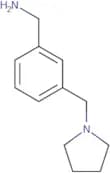
CAS:Versatile small molecule scaffoldFormula:C12H17NO2Purity:Min. 95%Molecular weight:207.27 g/mol3-Pyrrolidin-1-ylmethyl-benzylamine
CAS:Versatile small molecule scaffoldFormula:C12H18N2Purity:Min. 95%Molecular weight:190.28 g/mol4-Piperidin-1-ylmethyl-benzylamine
CAS:Versatile small molecule scaffoldFormula:C13H20N2Purity:Min. 95%Molecular weight:204.32 g/mol((3-Bromo-2-methylpropoxy)methyl)benzene
CAS:Versatile small molecule scaffoldFormula:C11H15BrOPurity:Min. 95%Molecular weight:243.14 g/mol1H-Pyrazolo[1,5-a]imidazole-7-carbonitrile
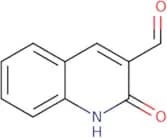
CAS:Versatile small molecule scaffoldFormula:C6H4N4Purity:Min. 95%Molecular weight:132.12 g/mol2-Hydroxyquinoline-3-carbaldehyde
CAS:2-Hydroxyquinoline-3-carbaldehyde is an apical, synchronous fluorescence compound that has antioxidative properties. It has been shown to have a protective effect against cervical cancer and skin cancer in animal studies. 2-Hydroxyquinoline-3-carbaldehyde also inhibits the growth of human liver cells and induces apoptosis in hepatocellular carcinoma cells (HepG2). It binds to albumin and chloride ions, which may account for its antitumor activity. Structural analysis has revealed that 2-hydroxyquinoline-3-carbaldehyde is structurally similar to 2-amino-5 -iodobenzoic acid, a molecule known to inhibit tumor growth. Binding experiments reveal that 2HCQC binds to cancer cells through electrostatic interactions with the cell membrane.Formula:C10H7NO2Purity:Min. 95%Molecular weight:173.17 g/molBenzene, 2-(bromomethyl)-1-fluoro-4-methoxy-
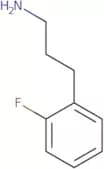
CAS:Benzene, 2-(bromomethyl)-1-fluoro-4-methoxy-, is a positron emitter that can be used as a radiopharmaceutical in positron emission tomography. It has been shown to be an inhibitor of the enzyme tyrosine phosphatase and may have therapeutic potential for the treatment of cancer. This compound was synthesized by reacting benzene with bromoiodomethane in the presence of potassium carbonate and triflic acid. The reaction yields enolate ions that are alkylated by bromide ions, leading to the formation of a 1-fluoro-4-methoxybenzene.Formula:C8H8BrFOPurity:Min. 95%Molecular weight:219.05 g/mol2-Fluoro-benzenepropanamine
CAS:Versatile small molecule scaffold
Formula:C9H12FNPurity:Min. 95%Molecular weight:153.2 g/mol1-(1-Methylpiperidin-3-yl)ethan-1-one
CAS:Versatile small molecule scaffoldFormula:C8H15NOPurity:Min. 95%Molecular weight:141.21 g/molN-(3-Aminopropyl)-N-ethylcyclohexanamine
CAS:Versatile small molecule scaffoldFormula:C11H24N2Purity:Min. 95%Molecular weight:184.32 g/molN,N-Diethyl-1H-1,3-benzodiazol-2-amine
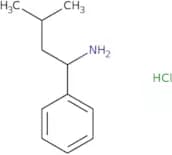
CAS:Versatile small molecule scaffoldFormula:C11H15N3Purity:Min. 95%Molecular weight:189.26 g/mol3-Methyl-1-phenylbutan-1-amine hydrochloride
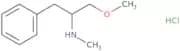
CAS:Versatile small molecule scaffoldFormula:C11H18ClNPurity:Min. 95%Molecular weight:199.72 g/mol(1-Methoxy-3-phenylpropan-2-yl)(methyl)amine hydrochloride
CAS:Versatile small molecule scaffold
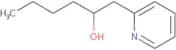
Formula:C11H18ClNOPurity:Min. 95%Molecular weight:215.72 g/mol1-(Pyridin-2-yl)hexan-2-ol
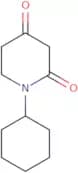
CAS:Versatile small molecule scaffoldFormula:C11H17NOPurity:Min. 95%Molecular weight:179.26 g/mol1-Cyclohexylpiperidine-2,4-dione
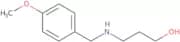
CAS:Versatile small molecule scaffoldFormula:C11H17NO2Purity:Min. 95%Molecular weight:195.26 g/mol3-((4-Methoxybenzyl)amino)propan-1-ol
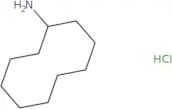
CAS:Versatile small molecule scaffoldFormula:C11H17NO2Purity:Min. 95%Molecular weight:195.26 g/molCyclodecanamine hydrochloride
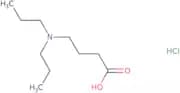
CAS:Cyclodecanamine hydrochloride is an anti-diabetic drug that is used to treat type 2 diabetes. It has been shown to be effective in humans and animals with induced diabetes. Cyclodecanamine hydrochloride's mechanism of action is not fully understood, but it may cause increased insulin secretion by the pancreas or decreased glucose production by the liver. Cyclodecanamine hydrochloride also inhibits chloride channels in pancreatic beta cells, which leads to increased insulin secretion.Formula:C10H22ClNPurity:Min. 95%Molecular weight:191.74 g/mol4-(Dipropylamino)butanoic acid hydrochloride
CAS:Versatile small molecule scaffold
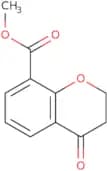
Formula:C10H22ClNO2Purity:Min. 95%Molecular weight:223.74 g/molMethyl 4-oxochroman-8-carboxylate
CAS:Versatile small molecule scaffoldFormula:C11H10O4Purity:Min. 95%Molecular weight:206.19 g/mol
![3-[(Ethylsulfanyl)methyl]aniline](/_next/image/?url=https%3A%2Fstatic.cymitquimica.com%2Fproducts%2F3D%2Fthumb-webp%2FRDA26726.webp&w=3840&q=75)

![[4-(Morpholinomethyl)phenyl]methanol](/_next/image/?url=https%3A%2Fstatic.cymitquimica.com%2Fproducts%2F3D%2Fthumb-webp%2FRDA27165.webp&w=3840&q=75)


![1H-Pyrazolo[1,5-a]imidazole-7-carbonitrile](/_next/image/?url=https%3A%2Fstatic.cymitquimica.com%2Fproducts%2F3D%2Fthumb-webp%2FRDA29619.webp&w=3840&q=75)