Building Blocks
This section contains fundamental products for the synthesis of organic and biological compounds. Building blocks are the essential starting materials used to construct complex molecules through various chemical reactions. They play a critical role in drug discovery, material science, and chemical research. At CymitQuimica, we offer a diverse range of high-quality building blocks to support your innovative research and industrial projects, ensuring you have the essential components for successful synthesis.
Subcategories of "Building Blocks"
- Boronic Acids & Boronic Acid Derivatives(5,756 products)
- Chiral Building Blocks(1,242 products)
- Hydrocarbon Building Blocks(6,095 products)
- Organic Building Blocks(61,055 products)
Found 199650 products of "Building Blocks"
Sort by
Purity (%)
0
100
|
0
|
50
|
90
|
95
|
100
3-(2-Methylpropyl)oxolane-2,5-dione
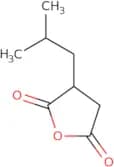
CAS:<p>3-(2-Methylpropyl)oxolane-2,5-dione is a synthetic drug that inhibits bone resorption and is used as an anti-inflammatory agent. It has been shown to have a synergistic effect with calcium carbonate in the prevention of restenosis. 3-(2-Methylpropyl)oxolane-2,5-dione also inhibits gelatinase activity and has been shown to be effective against cancer cells.</p>Formula:C8H12O3Purity:Min. 95%Molecular weight:156.18 g/mol3-Bromo-6-methoxyquinoline
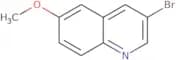
CAS:<p>Versatile small molecule scaffold</p>Formula:C10H8BrNOPurity:Min. 95%Molecular weight:238.08 g/mol1-(4-Chlorophenyl)-1H-pyrazol-4-amine
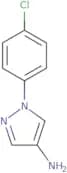
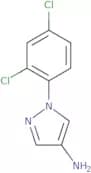
CAS:<p>Versatile small molecule scaffold</p>Formula:C9H8ClN3Purity:Min. 95%Molecular weight:193.63 g/mol1-(2,4-Dichlorophenyl)-1H-pyrazol-4-amine
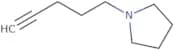
CAS:<p>Versatile small molecule scaffold</p>Formula:C9H7Cl2N3Purity:Min. 95%Molecular weight:228.07 g/mol1-(Pent-4-yn-1-yl)pyrrolidine
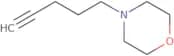
CAS:<p>Versatile small molecule scaffold</p>Formula:C9H15NPurity:Min. 95%Molecular weight:137.22 g/mol4-(Pent-4-yn-1-yl)morpholine
CAS:<p>Versatile small molecule scaffold</p>Formula:C9H15NOPurity:Min. 95%Molecular weight:153.22 g/mol2-(Hydroxymethyl)pyridin-3-ol
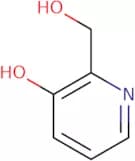
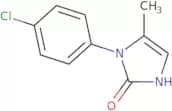
CAS:<p>2-(Hydroxymethyl)pyridin-3-ol is a pyridine derivative that has been shown to be an acetylcholinesterase inhibitor. It is used to treat tuberculosis and other bacterial infections. 2-(Hydroxymethyl)pyridin-3-ol binds to the active site of acetylcholinesterase, which leads to the inhibition of its activity. This drug also inhibits uptake of pyridines into cells, as well as uptake into mitochondria. In addition, it inhibits uptake of drugs by lung tissues and erythrocytes.</p>Formula:C6H7NO2Purity:Min. 95%Molecular weight:125.13 g/mol1-(4-Chlorophenyl)-5-methyl-2,3-dihydro-1H-imidazol-2-one
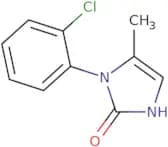
CAS:<p>Versatile small molecule scaffold</p>Formula:C10H9ClN2OPurity:Min. 95%Molecular weight:208.64 g/mol1-(2-Chlorophenyl)-5-methyl-2,3-dihydro-1H-imidazol-2-one
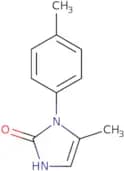
CAS:<p>Versatile small molecule scaffold</p>Formula:C10H9ClN2OPurity:Min. 95%Molecular weight:208.64 g/mol5-Methyl-1-(4-methylphenyl)-2,3-dihydro-1H-imidazol-2-one
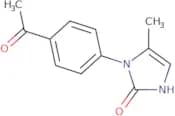
CAS:<p>Versatile small molecule scaffold</p>Formula:C11H12N2OPurity:Min. 95%Molecular weight:188.23 g/mol1-(4-Acetylphenyl)-5-methyl-2,3-dihydro-1H-imidazol-2-one
CAS:<p>Versatile small molecule scaffold</p>Formula:C12H12N2O2Purity:Min. 95%Molecular weight:216.24 g/mol4-Ethyl-2,6-dimethoxyphenol
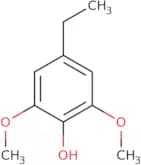
CAS:<p>4-Ethyl-2,6-dimethoxyphenol is a monomer that belongs to the group of phenols. It is used as a catalyst in the production of polyurethane foam and other catalytic processes. The molecular weight is 176.4 g/mol, with a melting point of 36°C and boiling point of 285°C. 4-Ethyl-2,6-dimethoxyphenol is also used in treatments for low molecular weight organic compounds such as methanol, phenolic, and hydrogenolysis. This monomer has been shown to be an effective catalyst for the industrial production of polyurethane foam and various other catalytic processes. The yield from 4-Ethyl-2,6-dimethoxyphenol ranges from 60% to 90%.</p>Formula:C10H14O3Purity:Min. 95%Molecular weight:182.22 g/mol1-(2-Chlorophenyl)-1H-pyrazol-4-amine
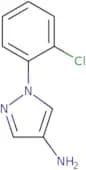
CAS:<p>Versatile small molecule scaffold</p>Formula:C9H8ClN3Purity:Min. 95%Molecular weight:193.63 g/molEthyl 2-(3-chlorophenyl)acetate
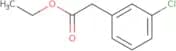
CAS:<p>Ethyl 2-(3-chlorophenyl)acetate is an orally active small molecule that has been shown to have a potent immunosuppressive activity in mice. It inhibits the production of antibodies and T cells by binding to the antibody-producing cells in the spleen. Ethyl 2-(3-chlorophenyl)acetate also blocks the production of interleukin-4, which is important for eosinophil activation, and it can be used for asthma treatment. This compound is a competitive antagonist of histamine H1 receptors and has been shown to be a bronchodilator in murine models of asthma.</p>Formula:C10H11ClO2Purity:Min. 95%Molecular weight:198.65 g/mol[(2,3-Dihydro-1,4-benzodioxin-6-yl)methyl]({4-[(dimethylamino)methyl]phenyl}methyl)amine
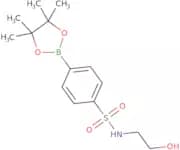
CAS:<p>Versatile small molecule scaffold</p>Formula:C19H24N2O2Purity:Min. 95%Molecular weight:312.4 g/molN-(2-Hydroxyethyl)-4-(4,4,5,5-tetramethyl-1,3,2-dioxaborolan-2-yl)benzenesulfonamide
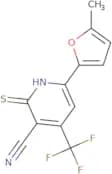
CAS:Versatile small molecule scaffoldFormula:C14H22BNO5SPurity:Min. 95%Molecular weight:327.2 g/mol6-(5-Methylfuran-2-yl)-2-sulfanyl-4-(trifluoromethyl)pyridine-3-carbonitrile
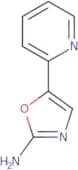
CAS:<p>Versatile small molecule scaffold</p>Formula:C12H7F3N2OSPurity:Min. 95%Molecular weight:284.26 g/mol5-(Pyridin-2-yl)-oxazol-2-ylamine
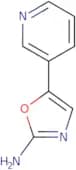
CAS:<p>Versatile small molecule scaffold</p>Formula:C8H7N3OPurity:Min. 95%Molecular weight:161.16 g/mol5-(Pyridin-3-yl)-oxazol-2-ylamine
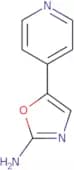
CAS:<p>Versatile small molecule scaffold</p>Formula:C8H7N3OPurity:Min. 95%Molecular weight:161.16 g/mol5-(Pyridin-4-yl)-1,3-oxazol-2-amine
CAS:<p>Versatile small molecule scaffold</p>Formula:C8H7N3OPurity:Min. 95%Molecular weight:161.16 g/mol

methyl]phenyl}methyl)amine](/_next/image/?url=https%3A%2Fstatic.cymitquimica.com%2Fproducts%2F3D%2Fthumb-webp%2FPQB24757.webp&w=3840&q=75)