Building Blocks
This section contains fundamental products for the synthesis of organic and biological compounds. Building blocks are the essential starting materials used to construct complex molecules through various chemical reactions. They play a critical role in drug discovery, material science, and chemical research. At CymitQuimica, we offer a diverse range of high-quality building blocks to support your innovative research and industrial projects, ensuring you have the essential components for successful synthesis.
Subcategories of "Building Blocks"
- Boronic Acids & Boronic Acid Derivatives(5,756 products)
- Chiral Building Blocks(1,242 products)
- Hydrocarbon Building Blocks(6,095 products)
- Organic Building Blocks(61,037 products)
Found 196200 products of "Building Blocks"
Sort by
Purity (%)
0
100
|
0
|
50
|
90
|
95
|
100
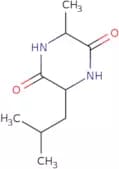
(3R,6S)-3-Methyl-6-(2-methylpropyl)piperazine-2,5-dione
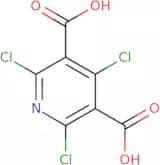
CAS:<p>Versatile small molecule scaffold</p>Formula:C9H16N2O2Purity:Min. 95%Molecular weight:184.24 g/molTrichloropyridine-3,5-dicarboxylic acid
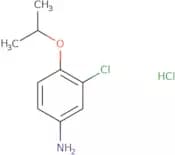
CAS:<p>Versatile small molecule scaffold</p>Formula:C7H2Cl3NO4Purity:Min. 95%Molecular weight:270.4 g/molAniline, 3-chloro-4-isopropoxy- (hydrochloride)
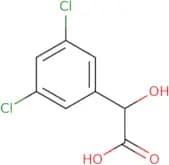
CAS:<p>Versatile small molecule scaffold</p>Formula:C9H13Cl2NOPurity:Min. 95%Molecular weight:222.11 g/mol2-(3,5-Dichlorophenyl)-2-hydroxyacetic acid
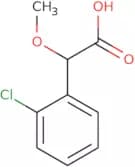
CAS:<p>Versatile small molecule scaffold</p>Formula:C8H6Cl2O3Purity:Min. 95%Molecular weight:221.03 g/mol2-(2-Chlorophenyl)-2-methoxyacetic acid
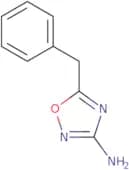
CAS:<p>Versatile small molecule scaffold</p>Formula:C9H9ClO3Purity:Min. 95%Molecular weight:200.62 g/mol5-Benzyl-1,2,4-oxadiazol-3-amine
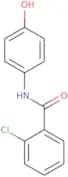
CAS:<p>Versatile small molecule scaffold</p>Formula:C9H9N3OPurity:Min. 95%Molecular weight:175.19 g/mol2-Chloro-N-(4-hydroxyphenyl)benzamide
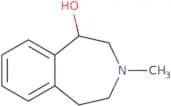
CAS:<p>Versatile small molecule scaffold</p>Formula:C13H10ClNO2Purity:Min. 95%Molecular weight:247.67 g/mol3-Methyl-2,3,4,5-tetrahydro-1H-3-benzazepin-1-ol
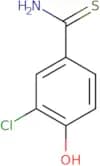
CAS:<p>Versatile small molecule scaffold</p>Formula:C11H15NOPurity:Min. 95%Molecular weight:177.2 g/mol3-Chloro-4-hydroxybenzene-1-carbothioamide
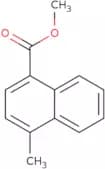
CAS:<p>Versatile small molecule scaffold</p>Formula:C7H6ClNOSPurity:Min. 95%Molecular weight:187.65 g/molMethyl 4-methyl-1-naphthoate
CAS:<p>Versatile small molecule scaffold</p>Formula:C13H12O2Purity:Min. 95%Molecular weight:200.23 g/mol2-Phenoxynicotinic acid
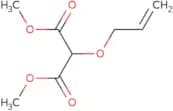
CAS:<p>2-Phenoxynicotinic acid is a drug that inhibits the activity of nitric oxide synthase, an enzyme involved in the production of nitric oxide. Nitric oxide is a gas that is produced by macrophages and other cells in response to inflammation or injury. It has been shown that 2-Phenoxynicotinic acid inhibits the production of nitric oxide in vitro. This drug has been used clinically to treat cardiovascular disorders and diseases, including arrhythmias, hypertension, angina pectoris, and coronary artery disease. 2-Phenoxynicotinic acid has also been shown to be effective against leishmania parasites. It binds to glutathione s-transferase, an enzyme that is found on the surface of cells and plays an important role in cellular detoxification processes. The binding of 2-Phenoxynicotinic acid with glutathione s-transferase leads to inhibition of this enzyme's enzym</p>Formula:C12H9NO3Purity:Min. 95%Molecular weight:215.2 g/mol1,3-Dimethyl 2-(prop-2-en-1-yloxy)propanedioate
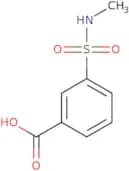
CAS:<p>Versatile small molecule scaffold</p>Formula:C8H12O5Purity:Min. 95%Molecular weight:188.2 g/mol3-(Methylsulfamoyl)benzoic acid
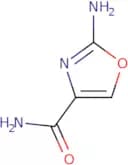
CAS:<p>3-(Methylsulfamoyl)benzoic acid (MSBA) is a nitro compound that inhibits cancer cell growth by binding to the DNA of cancer cells. It is also an inhibitor that binds to the enzyme cyclin-dependent kinase 2, which is involved in cell division. 3-(Methylsulfamoyl)benzoic acid has been shown to inhibit the growth of cancer cells in culture and inhibits tumor formation in mice, but it does not have any effect on normal cells. The mechanism of action may be due to its ability to inhibit the production of amines, which are necessary for the synthesis of DNA and RNA.</p>Formula:C8H9NO4SPurity:Min. 95%Molecular weight:215.23 g/mol2-Amino-1,3-oxazole-4-carboxamide
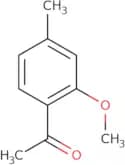
CAS:<p>Versatile small molecule scaffold</p>Formula:C4H5N3O2Purity:Min. 95%Molecular weight:127.1 g/mol1-(2-Methoxy-4-methylphenyl)ethan-1-one
CAS:<p>Versatile small molecule scaffold</p>Formula:C10H12O2Purity:Min. 95%Molecular weight:164.2 g/mol3-(2-Methoxyethoxy)propanenitrile
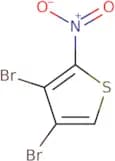
CAS:<p>3-(2-Methoxyethoxy)propanenitrile is a complex molecule that can be synthesized in an efficient method. It is used as a chemical catalyst to promote reactions involving pyrrole and other heterocycles, such as cross-coupling reactions with aryl chlorides. 3-(2-Methoxyethoxy)propanenitrile has been shown to form monolayers on the surface of electrodes, which may be useful for the fabrication of devices. The solvents used in this synthesis are also important for the design of new synthetic methods.</p>Formula:C6H11NO2Purity:Min. 95%Molecular weight:129.16 g/mol3,4-Dibromo-2-nitrothiophene
CAS:<p>Versatile small molecule scaffold</p>Formula:C4HBr2NO2SPurity:Min. 95%Molecular weight:286.93 g/mol2-(4-Bromothiophen-3-yl)ethan-1-ol
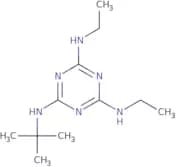
CAS:<p>Versatile small molecule scaffold</p>Formula:C6H7BrOSPurity:Min. 95%Molecular weight:207.09 g/molBis(ethylamino)-tert-butylamino-S-triazine-d9
CAS:<p>Versatile small molecule scaffold</p>Formula:C11H22N6Purity:Min. 95%Molecular weight:238.33 g/molQuinolin-4-amine hydrochloride
CAS:<p>Quinolin-4-amine hydrochloride is a DNA polymerase inhibitor. It inhibits the transcription of viral genes by binding to the DNA polymerase enzyme, thereby preventing transcription and replication of viral DNA. Quinolin-4-amine hydrochloride has shown to be effective against various viruses in tissue culture, including herpes simplex virus, vaccinia virus, and HIV. The compound has also been shown to inhibit the growth of influenza A virus in cell culture. Quinolin-4-amine hydrochloride is useful as a diagnostic agent for identifying unvaccinated individuals who are at risk for acquiring certain viruses or as an antiviral agent in tissue culture or cell culture during outbreaks of virulent viruses such as HIV or hepatitis C virus.</p>Formula:C9H9ClN2Purity:Min. 95%Molecular weight:180.63 g/mol