Alcohols
Subcategories of "Alcohols"
Found 5817 products of "Alcohols"
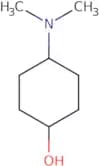
4-(Dimethylamino)cyclohexanol
CAS:4-(Dimethylamino)cyclohexanol is a colorless liquid that has a sweet odor. It is insoluble in water but soluble in alcohol, ether, and chloroform. This compound has been used as a solvent for fats, oils, waxes, resins, and rubber. 4-(Dimethylamino)cyclohexanol is found in the environment as a result of its use in insecticides and herbicides. 4-(Dimethylamino)cyclohexanol has been shown to be carcinogenic in animal studies.Formula:C8H17NOPurity:Min. 95%Molecular weight:143.23 g/mol4-Cinnolinecarboxaldehyde
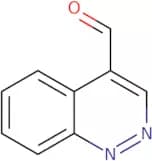
CAS:4-Cinnolinecarboxaldehyde is an organic compound that belongs to the group of cinnoline. It is a colorless liquid that can be used as a precursor in the production of aluminum metal. 4-Cinnolinecarboxaldehyde reacts with lithium aluminum hydride to form a compound that can be used as a reducing agent in organic chemistry. 4-Cinnolinecarboxaldehyde is also used as a precursor for preparing other compounds, such as lithium aluminum hydride and lithium aluminum trihydride.
Formula:C9H6N2OPurity:Min. 95%Molecular weight:158.16 g/molD-alpha-Tocotrienol
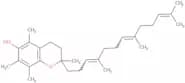
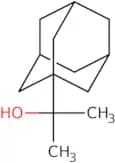
CAS:D-alpha-Tocotrienol is an antioxidant that belongs to the vitamin E family. It has been shown to have many beneficial effects in humans, including lowering of cholesterol and reducing the risk of heart disease. This compound also has antioxidant function and may be used for the prevention of certain cancers. D-alpha-Tocotrienol is a natural form of alpha-tocopherol, which is found in high concentrations in plants. It can be found in lipoproteins, phosphatidylcholine, and vulgare l., as well as hexane.Formula:C29H44O2Purity:Min. 95%Molecular weight:424.66 g/mol2-(1-Adamantyl)propan-2-ol
CAS:2-(1-Adamantyl)propan-2-ol is an alcohol that can be synthesized in a multistep process. This molecule has been shown to inhibit the influenza virus, which is a type of negative strand RNA virus. It reacts with the sulfide group on the influenza virus, forming a covalent bond. The structure of 2-(1-Adamantyl)propan-2-ol is similar to that of amantadine and azetidine, which are also antiviral drugs used for the treatment of influenza.
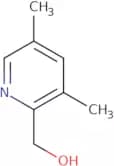
Formula:C13H22OPurity:Min. 95%Molecular weight:194.31 g/mol(3,5-Dimethylpyridin-2-yl)methanol
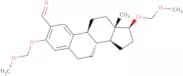
CAS:3,5-Dimethylpyridin-2-yl)methanol is a compound used in the synthesis of esomeprazole. It is not considered an impurity or a target compound and does not need to be analyzed. 3,5-Dimethylpyridin-2-yl)methanol is synthesized by reacting 3,5-dimethylpyridine with methanol.Formula:C8H11NOPurity:Min. 95%Molecular weight:137.18 g/mol2-Formyl-3,17b-O-bis(methoxymethyl)estradiol
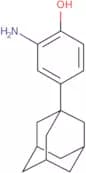
CAS:Controlled ProductPlease enquire for more information about 2-Formyl-3,17b-O-bis(methoxymethyl)estradiol including the price, delivery time and more detailed product information at the technical inquiry form on this pageFormula:C23H32O5Purity:Min. 95%Molecular weight:388.5 g/mol4-(1-Adamantyl)-2-aminophenol
CAS:Please enquire for more information about 4-(1-Adamantyl)-2-aminophenol including the price, delivery time and more detailed product information at the technical inquiry form on this pageFormula:C16H21NOPurity:Min. 95%Molecular weight:243.34 g/molL-Alaninol-2-chlorotrityl resin
Please enquire for more information about L-Alaninol-2-chlorotrityl resin including the price, delivery time and more detailed product information at the technical inquiry form on this page
Purity:Min. 95%4-Phenoxy-1-butanol
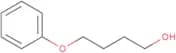
CAS:Controlled Product4-Phenoxy-1-butanol is a reactive chemical that can be used as a macroinitiator in cationic polymerization. When 4-phenoxy-1-butanol is heated to about 200°C, it undergoes a ring opening reaction to form an alkoxybenzene. This reaction can be followed by kinetic and microscopy techniques. 4-Phenoxy-1-butanol also reacts with amines to produce haloalkyls, which are then alkylated by chloride or proton. Macroinitiators such as 4-phenoxy-1-butanol have been used for the synthesis of polyurethanes with different properties such as thermal stability, water resistance, and adhesion strength.Formula:C10H14O2Purity:Min. 95%Molecular weight:166.22 g/mol(3a,5a,17a)-19-Norpregnane-3,17-diol
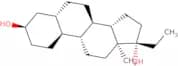
CAS:Controlled ProductPlease enquire for more information about (3a,5a,17a)-19-Norpregnane-3,17-diol including the price, delivery time and more detailed product information at the technical inquiry form on this pageFormula:C20H34O2Purity:Min. 95%Molecular weight:306.48 g/mol2,2-Dimethyl-1-propanol
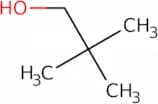
CAS:2,2-Dimethyl-1-propanol (DMPA) is an inorganic acid that can be used as a coagulant for wastewater treatment. It has been shown to be effective in removing malonic acid from water at pH 4.0 and below. The reaction mechanism of DMPA is not fully understood, but it is thought to involve the formation of a hydroxyl group on the methyl group of DMPA, which then reacts with the acid and releases hydrogen ions. The hydrogen ions react with sodium carbonate to form sodium bicarbonate and release water vapor. This process continues until all the DMPA has reacted or until there is no more acid present. Asymmetric synthesis of DMPA is possible using neopentyl alcohol and fatty acids as starting materials.
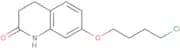
Formula:C5H12OPurity:Min. 95%Color and Shape:White Clear LiquidMolecular weight:88.15 g/mol3,4-Dihydro-7-(4-chlorobutoxy)-2(1H)-Quinolinone
CAS:3,4-Dihydro-7-(4-chlorobutoxy)-2(1H)-Quinolinone is a crystalline organic base. It is used as an intermediate in the synthesis of piperazine derivatives. 3,4-Dihydro-7-(4-chlorobutoxy)-2(1H)-Quinolinone can be used to acetylate phenols and amines. This compound also has been shown to be useful in the industrial production of carbostyril and other pharmaceuticals. 3,4-Dihydro-7-(4-chlorobutoxy)-2(1H)-Quinolinone is also a high yield coupling agent for the production of heterocyclic compounds such as 1,5,6,8-tetrahydropyrimidines and benzimidazoles.Purity:Min. 95%1,1,1-Trichloro-3-(1-methyl-1H-benzimidazol-2-yl)propan-2-ol
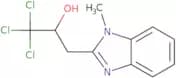
CAS:Controlled ProductPlease enquire for more information about 1,1,1-Trichloro-3-(1-methyl-1H-benzimidazol-2-yl)propan-2-ol including the price, delivery time and more detailed product information at the technical inquiry form on this page
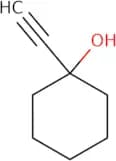
Formula:C11H11Cl3N2OPurity:Min. 95%Molecular weight:293.58 g/mol1-Ethynyl-cyclohexan-1-ol
CAS:1-ethynyl-cyclohexan-1-ol is a silicon sealant that can be used in a variety of industries. 1-ethynyl-cyclohexan-1-ol has high resistance to water, oil and other chemical substances. 1-ethynyl-cyclohexan-1-ol is a molecule with the formula CH2CH(OH)CH2 and it is not soluble in water. It is also chemically stable and does not react with hydrochloric acid. The FTIR spectra show that the carbonyl group in 1-ethynyl cyclohexanone is present as an ester. The nmr spectra indicate that the substrate film contains methyl ethyl silicone and that there are no other components present.
Formula:C8H12OPurity:Min. 95%Color and Shape:PowderMolecular weight:124.18 g/molTrimethylsilylmethanethiol
CAS:Trimethylsilylmethanethiol (TMSET) is a thiol that is used as a reagent in organic synthesis. It is soluble in water and it has a high boiling point, making it useful for reactions that require heat. TMSET has been shown to be an effective antiviral agent against hepatitis C virus (HCV) and influenza A virus by binding to the viral receptor on the cell surface and preventing its entry into the cell. TMSET also inhibits neuronal function by binding to the hydroxy group of proteins, thereby disrupting their structure and function.Formula:C4H12SSiPurity:Min. 95%Molecular weight:120.29 g/mol2'-[(1H-Tetrazol-5-yl)biphenyl-4-yl]methanol
CAS:Please enquire for more information about 2'-[(1H-Tetrazol-5-yl)biphenyl-4-yl]methanol including the price, delivery time and more detailed product information at the technical inquiry form on this pageFormula:C14H12N4OPurity:Min. 95%Molecular weight:252.27 g/mol1-(RS)-2-(Dibutylamino)-2-[2,7-dichloro-9-(4-chlorobenxylidene)]-9H-fluoren- 4-yl]ethanol - E/Z mixture
CAS:Please enquire for more information about 1-(RS)-2-(Dibutylamino)-2-[2,7-dichloro-9-(4-chlorobenxylidene)]-9H-fluoren- 4-yl]ethanol - E/Z mixture including the price, delivery time and more detailed product information at the technical inquiry form on this pageFormula:C30H32Cl3NOPurity:Min. 95%Molecular weight:528.94 g/molrac 2-palmitoyl-3-chloropropanediol
CAS:Please enquire for more information about rac 2-palmitoyl-3-chloropropanediol including the price, delivery time and more detailed product information at the technical inquiry form on this page
Formula:C19H37ClO3Purity:Min. 95%Molecular weight:348.95 g/mol5-Nitropyridin-3-ol
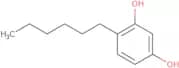
CAS:Please enquire for more information about 5-Nitropyridin-3-ol including the price, delivery time and more detailed product information at the technical inquiry form on this pageFormula:C5H4N2O3Purity:Min. 95%Molecular weight:140.1 g/mol4-Hexylresorcinol
CAS:4-Hexylresorcinol is a polyphenolic compound that has been shown to have inhibitory properties. It has been shown to have synergistic effects with other compounds, such as growth factor-β1, in the treatment of squamous carcinoma. 4-Hexylresorcinol binds to the serine hydroxyl group of the enzyme protein kinase C (PKC) and inhibits PKC activity. This inhibition leads to an increase in intracellular cAMP levels and subsequently activation of protein kinase A (PKA). The optimum concentration for 4-hexylresorcinol is 0.2 mM, which can be determined using a polymerase chain reaction (PCR) assay. However, this compound has not been tested for toxicity studies or structural analysis.Formula:C12H18O2Purity:Min. 95%Color and Shape:PowderMolecular weight:194.27 g/mol(1S,2R)-2-[N-Benzyl-N-(mesitylenesulfonyl)amino]-1-phenyl-1-propanol
CAS:Controlled ProductPlease enquire for more information about (1S,2R)-2-[N-Benzyl-N-(mesitylenesulfonyl)amino]-1-phenyl-1-propanol including the price, delivery time and more detailed product information at the technical inquiry form on this pageFormula:C25H29NO3SPurity:Min. 95%Molecular weight:423.57 g/mol{1-[2-(4-Methylphenoxy)ethyl]-1H-benzimidazol-2-yl}methanol
CAS:Controlled ProductPlease enquire for more information about {1-[2-(4-Methylphenoxy)ethyl]-1H-benzimidazol-2-yl}methanol including the price, delivery time and more detailed product information at the technical inquiry form on this page
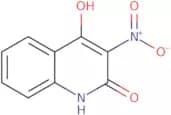
Formula:C17H18N2O2Purity:Min. 95%Molecular weight:282.34 g/mol4-Hydroxy-3-nitro-2(1H)-quinolinone
CAS:4-Hydroxy-3-nitro-2(1H)-quinolinone is a quinoline derivative that has been shown to have anticancer activity against cancer cells. It can be used for the treatment of various types of cancer, including lung cancer, breast cancer, and colon cancer. This drug inhibits the growth of cancer cells by blocking the cycle at the G1 phase and inducing apoptosis. It also disrupts mitochondrial membrane potential, leading to an increase in reactive oxygen species and DNA damage. 4-Hydroxy-3-nitro-2(1H)-quinolinone is an epidermal growth factor receptor (EGFR) antagonist and blocks epidermal growth factor signaling through its inhibition of EGFR tyrosine kinase activity. It also downregulates TNFα expression in tumor cells by inhibiting NFκB activation.
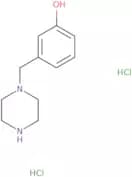
Formula:C9H6N2O4Purity:Min. 95%Molecular weight:206.16 g/mol3-(Piperazin-1-ylmethyl)phenol dihydrochloride
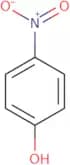
CAS:Controlled ProductPlease enquire for more information about 3-(Piperazin-1-ylmethyl)phenol dihydrochloride including the price, delivery time and more detailed product information at the technical inquiry form on this pageFormula:C11H16N2OPurity:Min. 95%Molecular weight:192.26 g/mol4-Nitrophenol
CAS:4-Nitrophenol is a chemical compound that is used in wastewater treatment to remove iron and copper ions. 4-Nitrophenol has been shown to catalyze the oxidation of picolinic acid by copper chloride, forming oxalic acid. The redox potential of 4-nitrophenol is -0.53 V, which makes it a suitable electron acceptor for the reaction. The reaction mechanism of this process involves the formation of a nitroso radical intermediate, which reacts with copper ions to form copper nitroso complexes and then reacts with oxygen to form hydroxylamine radicals. This reaction can also be followed using fluorescence probe measurements or electrochemical impedance spectroscopy (EIS).Formula:C6H5NO3Purity:Min. 95%Color and Shape:PowderMolecular weight:139.11 g/mol2-Methyl-1-propanol
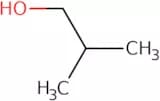
CAS:Controlled Product2-Methyl-1-propanol is a small molecule that inhibits the activity of certain enzymes. It is an inhibitor of alcohol dehydrogenase, which converts ethanol to acetaldehyde. 2-Methyl-1-propanol also inhibits the enzyme pyruvate decarboxylase, which catalyzes the conversion of pyruvic acid to acetaldehyde. These two effects result in increased levels of acetaldehyde in the blood and reduced levels of acetate in the blood. The effect on alcohol dehydrogenase has been shown in recombinant cells and in yeast cells with a mutation that leads to decreased alcohol dehydrogenase activity. 2-Methyl-1-propanol has been shown to inhibit the growth of wild type strains but not mutant strains of Escherichia coli, suggesting that its physiological effects are due to inhibition of alcohol dehydrogenase and pyruvate decarboxylase activities.
Formula:C4H10OPurity:Min. 95%Color and Shape:Clear LiquidMolecular weight:74.12 g/molall-trans-13,14-Dihydro retinol
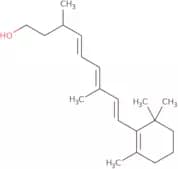
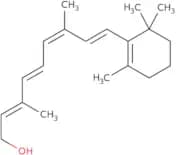
CAS:Retinol is a form of vitamin A that is used for the treatment of insulin resistance. It can be synthesized by the body from all-trans-retinol, which is found in many animal and plant sources. Retinol can also be obtained from supplements, although it is poorly absorbed by the body. Retinol has been shown to improve insulin sensitivity in a cell culture model system, as well as in wild-type mice with diabetes mellitus. This drug has been shown to have strong anti-inflammatory effects and may also be useful for the treatment of hepatic steatosis. Retinol binds competitively to cellular retinoic acid receptors, leading to transcriptional activation of target genes, such as those involved in fatty acid metabolism.Formula:C20H32OPurity:Min. 95 Area-%Color and Shape:Clear Viscous LiquidMolecular weight:288.47 g/mol5,6-trans-Calcitriol
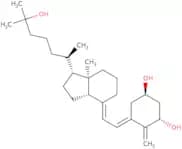
CAS:Calcitriol is a vitamin D metabolite that has an important role in bone health. Calcitriol can be quantified by measuring the amount of calcium that is bound to the molecule. This is done using a detector, which detects the emission of light from the calcitriol. The average recovery value for calcitriol was found to be 98%. The diode array spectrometer and mass spectrometer are used to measure the amount of light emitted and identify specific peaks. A workstation is used to analyze data collected by the detector and chromatographic analysis, respectively. The stability tests were conducted to determine how long calcitriol stays stable at various temperatures.Formula:C27H44O3Purity:Min. 95%Color and Shape:PowderMolecular weight:416.64 g/molCP 55940
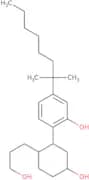
CAS:Controlled ProductCP 55940 is a cannabinoid receptor agonist that inhibits acetylcholine release in the brain and has been shown to cause neuronal death. CP 55940 binds to the α7 nicotinic acetylcholine receptor, which is important for memory and learning. The binding of this drug causes an increase in guanine nucleotide-binding protein (G protein) activity by reducing the rate of GTP hydrolysis, leading to inhibition of adenylyl cyclase activity and subsequent decrease in cAMP levels. CP 55940 has significant up-regulation of toll-like receptors following exposure, which leads to an increased immune response. This drug can also cause bowel disease or side effects such as seizures and psychotic symptoms. CP 55940 can interact with other drugs, including cannabinoids that may lead to serious side effects.Formula:C24H40O3Purity:Min. 95%Molecular weight:376.57 g/mol2,6-Dichlorophenol
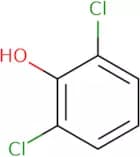
CAS:2,6-Dichlorophenol is a hydrogen-bond inhibitor that inhibits the reaction of receptors with their specific treatment. It has been shown to have an inhibitory effect on the light-induced activation of receptor cells and to inhibit the reaction mechanism of analytical methods. 2,6-Dichlorophenol has also been shown to be effective in synchronous fluorescence spectroscopy as a probe for detecting hydrogen bonds in biological samples. The chemical structure of 2,6-dichlorophenol is C6H4Cl2O. It is soluble in water and reacts with acids to form hydrogen chloride gas and 2,6-dichlorophenol hydrochloride (C6H3Cl2O).Formula:C6H4Cl2OPurity:Min. 95%Color and Shape:White PowderMolecular weight:163 g/mol1,2-O-Dioctadecyl-rac-glycerol
CAS:1,2-O-Dioctadecyl-rac-glycerol is a lipid that belongs to the class of synthetic lipids. It has been used as a model system for studying the interactions between phosphatidylcholine (PC) and other lipids. The systematic study of the morphology of 1,2-O-dioctadecyl-rac-glycerol in various solvents revealed that it is an amphiphile with an elongated shape. This molecule interacts with PC membranes in a specific manner, which can be detected using optical measurements. The transition from the solid to liquid state causes 1,2-O-dioctadecyl-rac-glycerol to change its shape from a rod to an ellipsoid. This property can be used as a diagnostic tool for identifying transitions in nanomaterials.Formula:C39H80O3Purity:Min. 95%Molecular weight:597.05 g/molDoxorubicinol,mixture of diastereomers
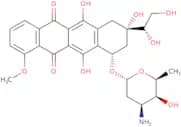
CAS:Doxorubicinol, a mixture of diastereomers, is an anthracycline antibiotic that inhibits the growth of cells by binding to DNA and preventing the production of RNA. Doxorubicinol has been shown to be effective in treating breast cancer and solid tumours, including those resistant to doxorubicin. This drug has also been shown to inhibit the production of matrix metalloproteinases that are involved in tumor invasion and metastasis. The concentration-time curve for doxorubicinol can be determined experimentally by blood sampling and measuring its metabolites. The ryanodine receptor is a calcium channel found on the surface membrane of cardiac muscle cells that regulates intracellular calcium levels. Doxorubicinol may bind to this receptor, which could account for its cardiotoxic effects.Formula:C27H31NO11Purity:(%) Min. 90%Molecular weight:545.54 g/mol5a-Pregnane-3a,20a-diol
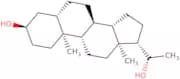
CAS:Controlled Product5a-Pregnane-3a,20a-diol is a gamma-aminobutyric acid (GABA) analogue that is used in the treatment of women with variegated hyperpigmentation. It has inhibitory properties on mutant enzymes such as disulfate reductase and other enzymes involved in the synthesis of prostaglandins. The drug binds to the enzyme GABA transaminase and this binding prevents the formation of GABA from glutamate. 5a-Pregnane-3a,20a-diol also inhibits the synthesis of prostaglandin E2 by binding to cyclooxygenase 2, leading to decreased inflammation and pain. 5a-Pregnane-3a,20a-diol is metabolized by glucuronidation or sulfation and excreted into bile or urine. This drug can also be hydrolyzed by dehydrogenases or other enzymes such as esterases.Formula:C21H36O2Purity:Min. 95%Molecular weight:320.51 g/mol1-Aziridineethanol
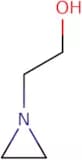
CAS:1-Aziridineethanol is a chemical used in research to study the effects of radiation on cells. It has been shown that the presence of 1-aziridineethanol in cells increases their sensitivity to radiation. In addition, this compound can be used as a chelate ligand for potassium ions. This product is also hydrophilic, allowing it to be dissolved in water and other polar solvents. Moreover, this chemical contains one hydroxy group and can undergo dehydration reactions with acids such as hydrochloric acid. The patterning of this product is determined by the presence of hydroxyl groups, which are reactive with hydrogen bond formation. 1-Aziridineethanol is also able to react with aromatic hydrocarbons and proteins due to its nucleophilic property. This product can undergo a number of chemical reactions, including the formation of azo bonds with azides and amines, as well as epoxidation reactions with peroxyacids such as m-Formula:C4H9NOPurity:Min. 95%Molecular weight:87.12 g/mol5-Ethyl-2-pyridineethanol
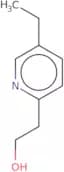
CAS:5-Ethyl-2-pyridineethanol is an anti-diabetic drug that belongs to the class of thiazolidinediones. It is the active form of pioglitazone, which has been shown to bind to peroxisome proliferator-activated receptor gamma (PPARγ). This binding results in increased expression and activity of insulin receptors on cell membranes. 5-Ethyl-2-pyridineethanol also binds to PPARγ in a similar manner as pioglitazone, and it has been shown to be an agonist for PPARγ. This compound has a number of other biological effects such as inhibition of the production of acetone by the liver, which is due to its ability to inhibit diazotization.
Formula:C9H13NOPurity:Min. 95%Color and Shape:White To Yellow Solid Or Liquid (May Vary)Molecular weight:151.21 g/mol(1R,2S)-2-[N-Benzyl-N-(mesitylenesulfonyl)amino]-1-phenyl-1-propanol
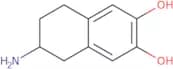
CAS:Controlled ProductPlease enquire for more information about (1R,2S)-2-[N-Benzyl-N-(mesitylenesulfonyl)amino]-1-phenyl-1-propanol including the price, delivery time and more detailed product information at the technical inquiry form on this pageFormula:C25H29NO3SPurity:Min. 95%Molecular weight:423.57 g/mol6-Amino-5,6,7,8-tetrahydronaphthalene-2,3-diol
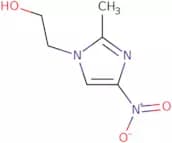
CAS:Controlled Product6-Amino-5,6,7,8-tetrahydronaphthalene-2,3-diol is a potent dopamine D2 receptor antagonist. It has been shown to inhibit the light emission of dopamine in vitro. This compound also has a high affinity for 5-HT receptors and has been shown to be a potent agonist at these sites. 6-Amino-5,6,7,8-tetrahydronaphthalene-2,3-diol has been found to induce pluripotent stem cells from human fibroblasts. These cells can differentiate into virtually any cell type in the body and may be used to study diseases such as Parkinson's disease and cancer.Formula:C10H13NO2Purity:Min. 95%Molecular weight:179.22 g/mol2-(2-Methyl-4-nitro-1H-imidazol-1-yl)ethanol
CAS:Please enquire for more information about 2-(2-Methyl-4-nitro-1H-imidazol-1-yl)ethanol including the price, delivery time and more detailed product information at the technical inquiry form on this page
Formula:C6H9N3O3Purity:Min. 95%Molecular weight:171.15 g/molKushenol R
CAS:Kushenol R is a bioactive flavonoid compound, which is extracted from the roots of the plant Sophora flavescens, commonly known as the shrubby sophora. Its chemical structure contributes to its role as a compound of interest in the realm of natural product chemistry and pharmacology. As a flavonoid, Kushenol R exhibits significant antioxidant activity, attributed to its ability to scavenge free radicals and mitigate oxidative stress at the cellular level. This mechanism of action is crucial as it offers potential therapeutic effects in combating diseases associated with oxidative damage, such as cancer and inflammatory disorders.Purity:Min. 95%1,3-Distearoyl-2-chloropropanediol-d5
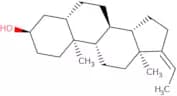
CAS:Please enquire for more information about 1,3-Distearoyl-2-chloropropanediol-d5 including the price, delivery time and more detailed product information at the technical inquiry form on this pageFormula:C39H70D5CIO4Purity:Min. 95%Molecular weight:751.95 g/mol(3α,5α,17Z)-Pregn-17(20)-en-3-ol
CAS:Controlled ProductPlease enquire for more information about (3α,5α,17Z)-Pregn-17(20)-en-3-ol including the price, delivery time and more detailed product information at the technical inquiry form on this page
Formula:C21H34OPurity:Min. 95%Molecular weight:302.49 g/molGestadienol
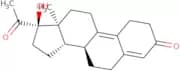
CAS:Controlled ProductGestadienol is a synthetic, reconstituted drug that is used to treat congestive heart failure. Gestadienol is produced by reacting hydrochloric acid with isopropyl palmitate and diluent. The reaction yield of this process can be increased by implanting the drug into animal tissue for a period of time before extraction. Gestadienol binds to glucuronidated compounds in the blood, which may be due to its chemical similarity to estradiol. This binding prevents the glucuronidated compound from being excreted in urine and increases their concentration in the bloodstream. Gestadienol has been shown to increase postnatal development in rats, which may be due to its ability to bind progesterone receptors on cells and inhibit progesterone-mediated effects.Formula:C20H26O3Purity:Min. 95%Molecular weight:314.42 g/mol2,2,4-Trimethyl-1,2-dihydroquinolin-6-yl phenylacetate
CAS:Controlled ProductPlease enquire for more information about 2,2,4-Trimethyl-1,2-dihydroquinolin-6-yl phenylacetate including the price, delivery time and more detailed product information at the technical inquiry form on this pageFormula:C20H21NO2Purity:Min. 95%Molecular weight:307.39 g/mol4-[2-(Cyclopropylmethoxy)ethyl]phenol
CAS:4-[2-(Cyclopropylmethoxy)ethyl]phenol is a potent beta-blocker that has been used as an antiglaucoma drug. This substance has been shown to have cardiovascular effects, such as vasodilation and peripheral vasoconstriction, that are mediated by its blockade of beta-adrenergic receptors. 4-[2-(Cyclopropylmethoxy)ethyl]phenol also reduces intraocular pressure in the eye, which may be due to its inhibition of prostaglandin synthesis.
Formula:C12H16O2Purity:Min. 95%Molecular weight:192.25 g/mol9-cisRetinol
CAS:9-cisRetinol is a form of vitamin A that plays an important role in the synthesis of lipids and proteins. It has been shown to inhibit acid formation in the liver and to stimulate growth in some types of cancer cells. 9-cisRetinol is converted to all-trans retinoic acid, which is a nuclear hormone receptor that regulates gene expression. It also has been shown to be effective in clinical studies for the treatment of congenital amaurosis and cancer. 9-cisRetinol can inhibit phospholipase A2, which prevents the release of arachidonic acid from membrane phospholipids, as well as inhibit prostaglandin synthesis. The optimum pH for 9-cisRetinol activity is between 7 and 8.Formula:C20H30OPurity:Min. 95%Molecular weight:286.45 g/molArjunolic acid
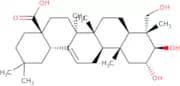
CAS:Controlled ProductArjunolic acid is a hypoglycemic agent that belongs to the group of pharmacological agents. It is a reactive compound, which can be found in pueraria lobata and melaleuca alternifolia. Studies have shown that arjunolic acid has an effect on mitochondrial membrane potential, enzyme activities, and cardiac function. This compound also has anti-inflammatory activity and could be used for the treatment of inflammation. Arjunolic acid may have many other effects due to its ability to inhibit proinflammatory transcription factors such as NF-κB and AP-1.Formula:C30H48O5Purity:(Hplc-Ms) Min. 95 Area-%Color and Shape:PowderMolecular weight:488.7 g/mol3,4-Dinitrophenol
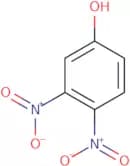
CAS:Controlled Product3,4-Dinitrophenol is a yellow solid that is chemically synthesized from 2,4-dinitrobenzene and morpholine. 3,4-Dinitrophenol is a high energy compound with an activation energy of about 28 kcal/mol. The endpoints for the reaction are oligosaccharides and the acceptor is an ionisation mass. This molecule has a pyrazole ring and can be classified as belonging to group P2 on the periodic table of elements. 3,4-Dinitrophenol has been found to have biological functions in organic solvents such as acetone or benzene.
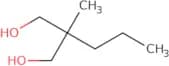
Formula:C6H4N2O5Purity:Min. 95%Color and Shape:PowderMolecular weight:184.11 g/mol2-Methyl-2-propyl-1,3-propanediol
CAS:Propanediol is a chemical compound that is a diol, or a molecule containing two hydroxyl groups. The propanediol molecule contains two alcohol functional groups. It is an organic solvent with a sweet odor and a slightly viscous consistency. Propanediol can be found in cosmetics, pharmaceuticals, and food products as an inactive ingredient and solute. Propanediol has been shown to have anti-allergic properties in experimental studies. This drug also has the ability to modify the properties of other compounds that are mixed with it, such as glycol esters, which are used in pharmaceuticals and cosmetics. 2-Methyl-2-propyl-1,3-propanediol is soluble in water and readily dissolves in most organic solvents at room temperature. It has been shown to be reactive with oxalyl chloride, forming 2-(2-methylpropyl)oxirane chloride: CH3(CHOH)CH(Formula:C7H16O2Purity:Min. 95%Molecular weight:132.2 g/mol1-Cyclopropyl-7-(2,8-diazabicyclo[4.3.0]non-8-yl)-6-fluoro-8-methoxy-4-oxoquinoline-3-carboxylic acid
CAS:This is a broad-spectrum antibacterial agent that inhibits bacterial DNA gyrase. It is active against atypical bacterial species, such as Chlamydia and Mycoplasma, and has been shown to be effective against certain strains of the methicillin-resistant Staphylococcus aureus (MRSA) bacteria. This drug also inhibits the growth of other bacteria by binding to their DNA. The drug is used in combination with other antibiotics to treat infections caused by Clostridium difficile, Helicobacter pylori, Borrelia burgdorferi, and Salmonella enterica. However, this drug does not work against Pseudomonas aeruginosa or Enterobacteriaceae infections.Formula:C21H24FN3O4Purity:Min. 95%Color and Shape:PowderMolecular weight:401.43 g/molCyclobutanemethanol
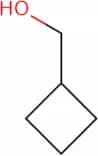
CAS:Cyclobutanemethanol is a drug used to treat inflammatory diseases. It is an uptake inhibitor that blocks the transport of uridine into cells, preventing the activation of G-protein coupled receptors and the subsequent production of inflammatory mediators. Cyclobutanemethanol has been shown to have anti-inflammatory properties by inhibiting the CB2 receptor, which is found in large quantities in inflammatory tissues. Cyclobutanemethanol also prevents dehydration and increases blood flow to inflamed areas by acting on vascular endothelial cells. It can be synthesized from two molecules of hydrochloric acid and one molecule of cyclobutane. The synthesis pathway includes removal of a hydroxy group and addition of an alkynyl group via hydrogen bonding interactions with chloride ions. Cyclobutanemethanol has been shown to inhibit influenza virus replication in vitro, but not in vivo.
Formula:C5H10OPurity:Min. 95%Molecular weight:86.13 g/mol


![2'-[(1H-Tetrazol-5-yl)biphenyl-4-yl]methanol](/_next/image/?url=https%3A%2Fstatic.cymitquimica.com%2Fproducts%2F3D%2Fthumb-webp%2FFT28188.webp&w=3840&q=75)
![1-(RS)-2-(Dibutylamino)-2-[2,7-dichloro-9-(4-chlorobenxylidene)]-9H-fluoren- 4-yl]ethanol - E/Z mi…](/_next/image/?url=https%3A%2Fstatic.cymitquimica.com%2Fproducts%2F3D%2Fthumb-webp%2FFD71423.webp&w=3840&q=75)


![(1S,2R)-2-[N-Benzyl-N-(mesitylenesulfonyl)amino]-1-phenyl-1-propanol](/_next/image/?url=https%3A%2Fstatic.cymitquimica.com%2Fproducts%2F3D%2Fthumb-webp%2FFB59939.webp&w=3840&q=75)
![{1-[2-(4-Methylphenoxy)ethyl]-1H-benzimidazol-2-yl}methanol](/_next/image/?url=https%3A%2Fstatic.cymitquimica.com%2Fproducts%2F3D%2Fthumb-webp%2FFM135811.webp&w=3840&q=75)

![(1R,2S)-2-[N-Benzyl-N-(mesitylenesulfonyl)amino]-1-phenyl-1-propanol](/_next/image/?url=https%3A%2Fstatic.cymitquimica.com%2Fproducts%2F3D%2Fthumb-webp%2FFB59938.webp&w=3840&q=75)


![4-[2-(Cyclopropylmethoxy)ethyl]phenol](/_next/image/?url=https%3A%2Fstatic.cymitquimica.com%2Fproducts%2F3D%2Fthumb-webp%2FFC20740.webp&w=3840&q=75)
![1-Cyclopropyl-7-(2,8-diazabicyclo[4.3.0]non-8-yl)-6-fluoro-8-methoxy-4-oxoquinoline-3-carboxylic a…](/_next/image/?url=https%3A%2Fstatic.cymitquimica.com%2Fproducts%2F3D%2Fthumb-webp%2FFC102529.webp&w=3840&q=75)