Alcohols
Alcohols are a wide range of organic molecules derived from hydrocarbons that contain one or more hydroxyl groups (OH group). These compounds are essential in various chemical reactions and are widely used in laboratory settings for synthesis, as solvents, and in analytical chemistry. At CymitQuimica, we offer high-quality alcohols prepared for laboratory use, supporting your research and industrial applications with reliable and effective products. Our selection ensures you have the right alcohols for your specific needs, whether for routine laboratory work or specialized research projects.
Subcategories of "Alcohols"
Found 5814 products of "Alcohols"
Sort by
Purity (%)
0
100
|
0
|
50
|
90
|
95
|
100
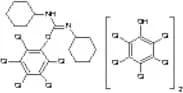
N,N’-Dicyclohexylcarbodiimide Pentachlorophenol Complex
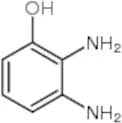
CAS:Controlled Product<p>Stability -20°C Freezer<br>Applications Useful reagent for preparing amino acid pentachlorophenol active esters.<br>References Kovacs, J., et al.: J. Am. Chem. Soc., 89, 183 (1967)<br></p>Formula:C19H23Cl5N2O·2C6HCl5OColor and Shape:NeatMolecular weight:1005.342,3-Diaminophenol
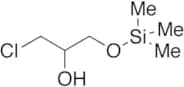
CAS:Controlled Product<p>Applications 2,3-Diaminophenol<br></p>Formula:C6H8N2OColor and Shape:NeatMolecular weight:124.14rac 1-O-Trimethylsilyl 3-Chloro-1,2-propanediol
CAS:Controlled Product<p>Applications rac 1-O-Trimethylsilyl 3-Chloro-1,2-propanediol (cas# 1246820-26-7) is a compound useful in organic synthesis.<br></p>Formula:C6H15ClO2SiColor and Shape:NeatMolecular weight:182.723-[(tert-Butyldimethylsilyl)oxy]-1-propanol
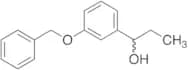
CAS:Controlled Product<p>Applications 3-[(tert-Butyldimethylsilyl)oxy]-1-propanol (cas# 73842-99-6) is a compound useful in organic synthesis.<br></p>Formula:C9H22O2SiColor and Shape:NeatMolecular weight:190.36rac-1-(3-Benzyloxyphenyl)-1-propanol
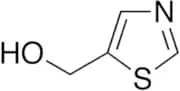
CAS:Controlled Product<p>Applications An intermediate used in the production of various ectoparasiticides, drug metabolites and analgesic agents.<br>References Rastogi, S., et al.: J. Med. Chem., 16, 797 (1973), Maguire, J., et al.: Drug Metab. Disposition, 9, 393 (1981),<br></p>Formula:C16H18O2Color and Shape:NeatMolecular weight:242.315-Thiazolemethanol
CAS:Controlled Product<p>Applications 5-Thiazolemethanol (cas# 38585-74-9) is a compound useful in organic synthesis.<br></p>Formula:C4H5NOSColor and Shape:NeatMolecular weight:115.15cis-3-Dodecen-1-ol
CAS:Controlled Product<p>Applications cis-3-Dodecen-1-ol is an intermediate for the synthesis of Z-3-Dodecenyl E-Crotonate, which can be used to develop insecticides and sex pheromone trap against Sweetpotato weevil.<br>References Reddy, G. V., et al.: Environ Entomol 43, 767 (2014); McQuate, G. T.: Sci Rep 4, 4499 (2014)<br></p>Formula:C12H24OColor and Shape:NeatMolecular weight:184.321-(Benzyloxy)-3-[[bis(benzyloxy)phosphoryl]oxy]propan-2-ol
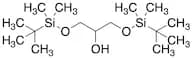
CAS:Controlled Product<p>Applications 1-(Benzyloxy)-3-[[bis(benzyloxy)phosphoryl]oxy]propan-2-ol is an intermediate in the synthesis of Dihydroxyacetone Phosphate Lithium Salt (D450538), which is a metabolic intermediate involved in involved in a wide variety of metabolic pathways including glycolysis and lipid biosynthesis. In plants, Dihydroxyacetone phosphate is involved with the synthesis of vitamin B6.<br>References Jun Ogawa et. al.: et al.: Bioscience, biotechnology, and biochemistry, 67(4), undefined (2003-6-6); John P Richard, Biochemistry, 51(13), undefined (2012-3-14);<br></p>Formula:C24H27O6PColor and Shape:NeatMolecular weight:442.441,3-Bis(tert-Butyldimethylsiloxy)-2-propanol
CAS:Controlled Product<p>Applications 1,3-Bis(tert-Butyldimethylsiloxy)-2-propanol is an intermediate in the synthesis of 2-Linoleoyl-rac-glycerol (L467960), which is a atty acid monoglycerides in vegetable oils with medium unsaturation.<br>References Compton, D., et al.: J. Pharmacol. Exp. Ther., 277, 586 (1996), Devane, W., et al.: Science, 258, 1946 (1992),<br></p>Formula:C15H36O3Si2Color and Shape:NeatMolecular weight:320.62Methanol-D
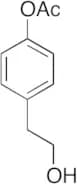
CAS:Controlled Product<p>Applications Isotope labelled Methanol (M276585), which is a common chemical reagent in organic synthesis participating in a variety of reactions. Used to prepare novel triazole-polyphenol hybrid compounds as FabG4 (Rv0242c) enzyme inhibitors for the treatment of Mycobacterium Tuberculosis (1). Also used in the synthesis of prodelphinidin B1/B2/B4 which display antitumor activities against prostate cancer cells.Drinking water contaminant candidate list 3 (CCL 3) compound as per United States Environmental Protection Agency (EPA), environmental, and food contaminants.<br> Not a dangerous good if item is equal to or less than 1g/ml and there is less than 100g/ml in the package<br>References 1. Banerjee, D. et al.: Org. Biomol. Chem. 2014 Jan 7;12(1):73-85.<br></p>Formula:CH3DOColor and Shape:NeatMolecular weight:33.052-(4-Acetoxyphenyl)ethanol
CAS:Controlled Product<p>Applications 2-(4-Acetoxyphenyl)ethanol is an intermediate in synthesizing Oleocanthal (O524540). It is a compound of olive oil with potential use as anti-inflammatory and chemotherapeutic agents.<br>References Scotece, M., et. al.: Drug Discovery Today, 20, 406 (2015)<br></p>Formula:C10H12O3Color and Shape:NeatMolecular weight:180.28-Bromooctan-1-ol
CAS:Controlled Product<p>Applications 8-Bromooctan-1-ol (cas# 50816-19-8) is a useful research chemical.<br></p>Formula:C8H17BrOColor and Shape:NeatMolecular weight:209.121-Butanol-d
CAS:Controlled Product<p>Applications Labelled form of 1-Butanol, which is used for the production of dimethylfuran for liquid fuels.<br>References Roman-Leshkov, Y. et al.: Nature, 447, 982 (2007);<br></p>Formula:C4DH9OColor and Shape:NeatMolecular weight:75.13N-Benzylethanolamine
CAS:Controlled Product<p>Applications N-Benzylethanolamine is used in the synthesis of imidazoles as potent calcitonin (CGRP) antagonists. Also it aids in the preparation of benzofused hydroxamix acids, as useful fragments for the synthesis of histone deacetylase inhibitors.<br>References Tora, G. et al.: Bioorg. Med. Chem. Lett., 23, 5684 (2013); Marastoni, E. et al.: Bioorg. Med. Chem. Lett., 23, 4091 (2013);<br></p>Formula:C9H13NOColor and Shape:NeatMolecular weight:151.213-Mercapto-1-propanol
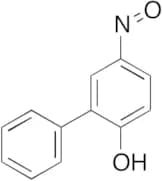
CAS:Controlled Product<p>Applications 3-Mercapto-1-propanol has been reported to be used as a label-free capacitive DNA detection system due to it’s terminating thiol end.<br>References Thipmanee O., et al.: Biosens Bioelectron., 38, 430-5 (2012);<br></p>Formula:C3H8OSColor and Shape:NeatMolecular weight:92.162-Phenyl-4-nitrosophenol
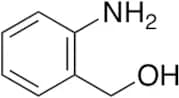
CAS:Controlled Product<p>Applications 2-Phenyl-4-nitrosophenol is an intermediate in the synthesis of (E)-2-((6-Hydroxy-[1,1'-biphenyl]-3-yl)((6-hydroxy-[1,1'-biphenyl]-3-yl)imino)methyl)benzoic Acid which is an impurity of (S)-Cloperastine (C587195); a drug used in the treatment of chronic non-productive cough. Also antitussive.<br>References Aliprandi, P. et al.: Drugs Exp. Clin. Res., 30, 133 (2004); Aliprandi, P. et al.: Clin. Drug Invest. 22, 209 (2002)<br></p>Formula:C8H14OColor and Shape:YellowMolecular weight:126.1962-Aminobenzyl Alcohol
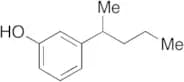
CAS:Controlled Product<p>Applications 2-Aminobenzyl alcohol (cas# 5344-90-1) is a useful research chemical.<br></p>Formula:C7H9NOColor and Shape:NeatMolecular weight:123.153-(2-Pentyl)phenol
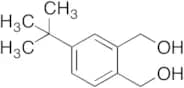
CAS:Controlled Product<p>Applications 3-(2-Pentyl)phenol is an intermediate in the synthesis of Bufencarb (B689385), a carbamate pesticide used mainly as an insecticide.<br>References Nesterova, T.N., et al.: J. Chem. Thermodyn., 21, 385 (1989);<br></p>Formula:C11H16OColor and Shape:NeatMolecular weight:164.24(4-(tert-Butyl)-1,2-phenylene)dimethanol
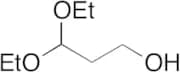
CAS:Controlled Product<p>Applications (4-(tert-Butyl)-1,2-phenylene)dimethanol is an intermediate in the synthesis of 4-tert-Butyl-1,2-bis(chloromethyl)benzene (B807070). 4-tert-Butyl-1,2-bis(chloromethyl)benzene is used as a reactant in the preparation of dihydronaphthalenes/naphthalenes via cobalt-catalyzed formal [4+2] cycloaddition of α,α'-dichloro-ortho-xylenes with alkynes.<br>References Komeyama, K., et al.: Angew. Chem. Int. Ed., 53, 11325 (2014)<br></p>Formula:C12H18O2Color and Shape:NeatMolecular weight:194.272,2-Diethoxyethanol
CAS:Controlled Product<p>Applications 2,2-Diethoxyethanol is used in the synthesis of neooxazolomycin, part of the oxazolomycin family of antibiotics. Also used in the synthesis of pyrimidine based inhibitors of phosphodiesterase 7 (PDE7).<br>References Onyango, E. et al.: Angew. Chem. Int. Ed., 46, 6703 (2007); Kempson, J. et al.: Bioorg. Med. Chem. Lett., 15, 1829 (2005);<br></p>Formula:C6H14O3Color and Shape:NeatMolecular weight:134.1710-Amino-1-decanol
CAS:Controlled Product<p>Applications 10-Amino-1-decanol (cas# 23160-46-5) is a compound useful in organic synthesis.<br>References Lee, T., et al.: J. Biol. Chem., 270, 5375 (1995),<br></p>Formula:C10H23NOColor and Shape:NeatMolecular weight:173.30cis-2-Hexen-1-ol
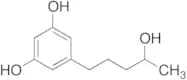
CAS:Controlled Product<p>Applications cis-2-Hexen-1-ol is used in the invention of a repellent for Oryzaephilus surinamensis.<br>References Xu, W., et al.: Faming Zhuanli Shenqing (2017), CN 107258786 A 20171020<br></p>Formula:C6H12OColor and Shape:NeatMolecular weight:100.165-(4-Hydroxypentyl)-1,3-benzenediol
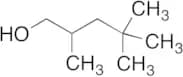
CAS:Controlled Product<p>Applications 5-(4-Hydroxypentyl)-1,3-benzenediol is an intermediate used in the synthesis of 4''-Hydroxycannabidiol (H824830), which is a metabolite of Canabidiol (C175300), a major constituents in marijuana. 4''-Hydroxycannabidiol be used to investigate canabidiol metabolism and human liver microsomes that metabolize Canabidiol into 6α-Hydroxycannabidiol.<br>References Jiang, R., et al.: Life Sci. 89, 165 (2011); Lander, N., et al.: Science 169, 611 (1970)<br></p>Formula:C11H16O3Color and Shape:NeatMolecular weight:196.242,4,4-Trimethyl-1-pentanol
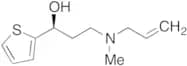
CAS:Controlled Product<p>Applications 2,4,4-Trimethyl-1-pentanol is the principal metabolite of 2,2,4-trimethylpentane (T796535), a general solvent used in organic synthesis..<br> Not a dangerous good if item is equal to or less than 1g/ml and there is less than 100g/ml in the package<br>References Gaur, R. et al.: Asian J. Biochem., 10, 52 (2015);<br></p>Formula:C8H18OColor and Shape:NeatMolecular weight:130.23(S)-3-(Allyl(methyl)amino)-1-(thiophen-2-yl)propan-1-ol
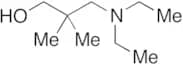
Controlled Product<p>Applications (S)-3-(Allyl(methyl)amino)-1-(thiophen-2-yl)propan-1-ol is an intermediate in the syntehsis of 4-Hydroxy Duloxetine β-D-Glucuronide Sodium Salt (H941805), which is a metabolite of Duloxetine.<br>References Lantz, R.J., et al.: Drug Dispos. Metab., 31, 1142 (2003); Detke, M., et al.: J. Clin Psy., 63, 308 (2002); Bymaster, F.P., et al.: Bioorg. Med., Chem. Lett., 13, 4477 (2003);<br></p>Formula:C11H17NOSColor and Shape:NeatMolecular weight:211.3243-(Diethylamino)-2,2-dimethylpropanol
CAS:Controlled Product<p>Applications 3-(Diethylamino)-2,2-dimethylpropanol is a reactant used in the preparation of herbicides, several local anesthetics and histamine H3 receptor antagonists.<br></p>Formula:C9H21NOColor and Shape:NeatMolecular weight:159.272-((3-Hydroxy(phenyl)methyl)benzyl)(methyl)amino)ethanol
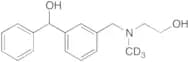
Controlled Product<p>Applications (3-(((2-Hydroxyethyl)(methyl)amino)methyl)phenyl)(phenyl)methanone-d3 is an intermediate in the synthesis of Nefopam-d3 (N389402), a cyclized labelled analog of orphenadrine and diphenhydramine; representative of a new class of centrally acting skeletal muscle relaxants.<br>References Bassett, et al.: Br. J. Pharmacol., 37, 69 (1969), Klohs, et al.: Arzneim.-Forsch., 22, 132 (1972), Hell, et al.: Drugs, 19, 249 (1980),<br></p>Formula:C17D3H18NO2Color and Shape:NeatMolecular weight:274.37310-Phthalamido-1-decanol
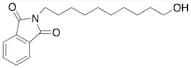
CAS:Controlled Product<p>Applications 10-Phthalamido-1-decanol is an intermediate used in the synthesis of 10-(t-Boc-amino)-1-decanol (B617785), which is a compound useful in organic synthesis.<br></p>Formula:C18H25NO3Color and Shape:NeatMolecular weight:303.41,2-Butanediol
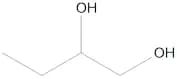
CAS:Controlled Product<p>Applications 1,2-Butanediol is a glycol in human serum.<br>References Imbert, L., et al.: J. Anal. Toxicol., 38, 676 (2014)<br></p>Formula:C4H10O2Color and Shape:NeatMolecular weight:90.126-Chloro-1-hexanol
CAS:Controlled Product<p>Applications 6-Chloro-1-hexanol is used as a reagent in the synthesis of 3-(4-Chloro butyl)-1H-indole-5-carbonitrile; a key intermediate of the antidepressant drug Vilazodone (V265000).<br>References Anitha, N., et al.: Synthetic Commun., 44, 3563 (2014)<br></p>Formula:C6H13ClOColor and Shape:NeatMolecular weight:136.623-Mercaptophenol
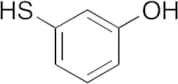
CAS:Controlled Product<p>Applications 3-Mercaptophenol is a versatile reactant used in the study of mechanism and catalysis of the native chemical ligation reaction. It was also used as a reactant in the synthesis and biological evaluation of HSP90 inhibitors based on molecular dynamic calculated conformational analysis of radicicol and its analogs.<br>References Moulin, E., et al.: J. Am. Chem. Soc., 127, 6999 (2005); Johnson, E., Kent, S.: J. Am. Chem. Soc., 128, 6640 (2006);<br></p>Formula:C6H6OSColor and Shape:NeatMolecular weight:126.182-Heptyn-1-ol
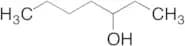
CAS:Controlled Product<p>Applications 2-HEPTYN-1-OL (cas# 1002-36-4) is a useful research chemical.<br></p>Formula:C7H12OColor and Shape:NeatMolecular weight:112.17(±)-3-Heptanol
CAS:Controlled Product<p>Applications (±)-3-Heptanol, is a volatile components of various plants, and can be used as flavor and fragrance ingredients. It is also used as building block used for the synthesis of various chemicals. It is used for the preparation of biologically active ester derivatives as potent inhibitors of the soluble epoxide hydrolase.<br> Not a dangerous good if item is equal to or less than 1g/ml and there is less than 100g/ml in the package<br>References Kim, I., et al.: Bioorg. Med. Chem. Lett., 55 (18), 5889 (2012); Gibka, J., et al.: Zeszyty Naukowe - Politechnika Lodzka, 60, 65 (1998);<br></p>Formula:C7H16OColor and Shape:NeatMolecular weight:116.2(E)-2-Hexadecen-1-ol
CAS:Controlled Product<p>Applications (E)-2-Hexadecen-1-ol (cas# 26993-32-8) is a compound useful in organic synthesis.<br></p>Formula:C16H32OColor and Shape:NeatMolecular weight:240.423-(3-(3-(Benzyloxy)propoxy)propoxy)propan-1-ol
Controlled Product<p>Applications 3-(3-(3-(Benzyloxy)propoxy)propoxy)propan-1-ol is an intermediate in the synthesis of 3,3'-[Oxybis(3,1-propanediyloxy)]bis[1-propanol] (O870290). 3,3'-[Oxybis(3,1-propanediyloxy)]bis[1-propanol] is derived from 3-(Benzyloxy)propyl 4-Toluenesulfonate (B288830), which is used as a reagent in the synthesis of Silodosin (S465000); an antidysuria drug. 3-(Benzyloxy)propyl 4-Toluenesulfonate is also used as a reagent in the preparation of aryloxyalkyl derivatives of adenine which have antiviral activity.<br>References Calogero, F., et al.: Eur. J. Org. Chem., 2015, 6011 (2015); Petrov, V.I., et al.: Chem. Heterocyc. Compd., 39, 1218 (2003)<br></p>Formula:C16H26O4Color and Shape:NeatMolecular weight:282.375cis-3-(2-Chloro-3,3,3-trifluoro-1-propen-1-yl)-2,2-dimethyl-cyclopropanemethanol
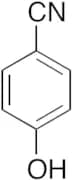
CAS:Controlled Product<p>Applications cis-3-(2-Chloro-3,3,3-trifluoro-1-propen-1-yl)-2,2-dimethyl-cyclopropanemethanol is a reactant used in the preparation of pyrethroid compounds as pesticides.<br></p>Formula:C9H12ClF3OColor and Shape:NeatMolecular weight:228.6394-Cyanophenol
CAS:Controlled Product<p>Applications 4-Cyanophenol is used in a study to assess chemical uptake into human stratum corneum.<br>References Stinchcomb, A.L., et. al.: Pharm. Res., 16, 1288 (1999)<br></p>Formula:C7H5NOColor and Shape:WhiteMolecular weight:119.122-(4-Octylphenyl)ethanol
CAS:Controlled Product<p>Applications 2-(4-Octylphenyl)ethanol (cas# 162358-05-6) is a compound useful in organic synthesis.<br></p>Formula:C16H26OColor and Shape:NeatMolecular weight:234.383-[[(1,1-Dimethylethyl)diphenylsilyl]oxy]-1,2-propanediol
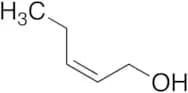
CAS:Controlled Product<p>Applications 3-[[(1,1-Dimethylethyl)diphenylsilyl]oxy]-1,2-propanediol is an intermediate in the synthesis of 1,2-Dioleoyl-rac-glycerol (D482175), which is an analog of 1,3-Dioleoylglycerol (D484210) which is used in the synthesis of amphiphilic gadolinium complexes as MRI contrast agents.<br>References Accardo, A., et. al.: J. Mater. Chem. B., 1, 617 (2013)<br></p>Formula:C19H26O3SiColor and Shape:NeatMolecular weight:330.49(2Z)-2-Penten-1-ol
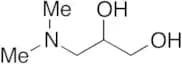
CAS:Controlled Product<p>Applications (2Z)-2-Penten-1-ol is one of the aroma volatiles in basil and thyme leaves with antioxidant activity.<br>References Lee, S., et al.: Food Chem., 91 131 (2004);<br></p>Formula:C5H10OColor and Shape:NeatMolecular weight:86.133-(Dimethylamino)-1,2-propanediol
CAS:Controlled Product<p>Applications 3-(Dimethylamino)-1,2-propanediol is a reagent in the synthesis of 1,2-Dioleoyl-3-trimethylammonium-propane, Chloride (D484450).<br> Not a dangerous good if item is equal to or less than 1g/ml and there is less than 100g/ml in the package<br></p>Formula:C5H13NO2Color and Shape:NeatMolecular weight:119.16(Z)-retro-α-Ionol
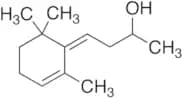
CAS:Controlled Product<p>Applications Intermediate for preparation of optically active theaspirane and β-Damascenone.<br>References Gertraut, S., et al.: J. Agric. Food Chem., 40, 1188 (1992), Campagnole, M., et al.: Syn. Comm., 37, 1077 (2007).<br></p>Formula:C13H22OColor and Shape:NeatMolecular weight:194.313-Hexyne-2,5-diol
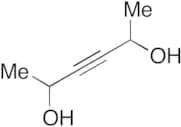
CAS:Controlled Product<p>Applications 3-Hexyne-2,5-diol is used in the synthesis of hyperbrancehed poly([1,2,3]-triazoles. Also used in the synthesis of pyrazoles and thiopyrazoles.<br>References Scheel, A. et al.: Macro. Rapid Comm., 25, 1175 (2004); Payne, A. et al.: Tetrahedron, 69, 9316 (2013);<br></p>Formula:C6H10O2Color and Shape:NeatMolecular weight:114.14(1S,2R)-(+)-2-Amino-1,2-diphenylethanol
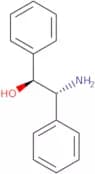
CAS:Controlled Product(1S,2R)-(+)-2-Amino-1,2-diphenylethanol is an enantiopure amine that has been used as a ligand in supramolecular chemistry. It can be prepared by reacting 2-chloropropane with thionyl chloride and primary alcohols. The chloride group facilitates the reaction rate and can be replaced by nitro groups to immobilize the product on a solid substrate. (1S,2R)-(+)-2-Amino-1,2-diphenylethanol has optical properties that are dependent on its environment. It can be used to label cells for studies of cell differentiation or cell migration. This compound also reacts with cyclohexane rings to form cyclic products with different optical properties than those of the reactants. The reaction yield is high in this process.Formula:C14H15NOPurity:Min. 95%Color and Shape:White To Beige SolidMolecular weight:213.28 g/mol[3-Methyl-4-(2,2,2-trifluoro-ethoxy)-pyridin-2-yl]-methanol
CAS:[3-Methyl-4-(2,2,2-trifluoro-ethoxy)-pyridin-2-yl]-methanol is a synthetic organic compound that is used in the synthesis of other organic compounds. It can be purified by filtration or gasification and recrystallization.Purity:Min. 95%Color and Shape:Powder4-Methylisoquinoline
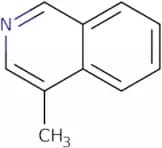
CAS:Isomeric 4-methylisoquinoline is a molecule that is structurally similar to protopine and berberine chloride. It has been shown to be an effective photosensitizer for the production of reactive oxygen species (ROS) in cells, which can lead to DNA damage and cell death. The functional groups on this molecule are the chloro group, which is a halogen, and the isoquinoline ring system with two methyl groups. The chemistry of this compound involves alkylation, yielding a new compound with one less methyl group than the original molecule. This process is called enamine formation.Formula:C10H9NPurity:Min. 95%Color and Shape:Yellow PowderMolecular weight:143.19 g/mol1-Isoquinolin-1-ylmethanamine dihydrochloride
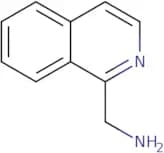
CAS:1-Isoquinolin-1-ylmethanamine dihydrochloride is a versatile building block that can be used for the synthesis of a wide variety of compounds. It is a reagent and speciality chemical, as well as an intermediate or reaction component in the production of pharmaceuticals, agrochemicals, plastics, dyes and other chemicals. 1-Isoquinolin-1-ylmethanamine dihydrochloride has been shown to have high purity and quality.Formula:C10H10N2·2HClPurity:Min. 95%Color and Shape:Light Blue SolidMolecular weight:231.12 g/molEuphadienol
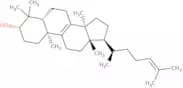
CAS:Controlled Product<p>Euphadienol is a cyclic peptide that has been shown to have anti-inflammatory and pro-apoptotic properties, which may be due to its ability to bind and activate response elements in cells. It also has the potential to be used as a drug target and an oligonucleotide for the treatment of infectious diseases. The toxicological studies conducted on euphadienol show that it is not toxic at doses up to 100mg/kg body weight when given orally or intraperitoneally. Euphadienol also showed activity against various disease models, including dextran sulfate sodium-induced colitis, which is an experimental model for inflammatory bowel disease.</p>Formula:C30H50OPurity:Min. 98 Area-%Color and Shape:White PowderMolecular weight:426.72 g/mol2-Ethylphenol
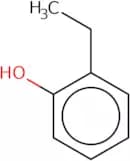
CAS:2-Ethylphenol is a phenolic acid, which is a type of organic compound that contains an hydroxyl group (-OH) bonded directly to an aromatic hydrocarbon ring. 2-Ethylphenol is used in the production of polymers, such as polyurethane and polyester, as well as in the manufacture of other chemicals. It can also be found in some food products, such as coffee beans and cocoa beans. 2-Ethylphenol has been shown to have P450 activity by increasing the rate at which rat liver microsomes metabolize testosterone into estradiol. The kinetic constants for this reaction were determined using solid phase microextraction (SPME). A multi-walled carbon nanotube (MWCNT) was used to extract 2-ethylphenol from a water sample. The sample preparation was done with anhydrous sodium sulfate, which acted as a desiccant and was then heated to remove any remaining water vaporFormula:C8H10OPurity:Min. 97 Area-%Color and Shape:Colorless Clear LiquidMolecular weight:122.16 g/mol3,6-Dithia-1,8-octanediol
CAS:3,6-Dithia-1,8-octanediol is a coordination complex that contains four chloride ions and six water molecules. It is made up of two molecules of 3,6-dithia-1,8-octanediol coordinated with two diphenyl ethers. The molecule is planar with the two oxygen atoms of the hydroxyl group in one plane and the two carbon atoms in another plane. The hydrogen atom on the oxygen atom has an intramolecular bond to a hydrogen atom on the other oxygen atom. The molecule has a magnetic resonance spectrum that can be used for identification purposes because it is unique among other compounds. 3,6-Dithia-1,8-octanediol can react with sodium hydroxide solution to form a precipitate. This reaction can be used as an analytical chemistry technique to determine the concentration of chloride ions in plasma mass spectrometry samples.Formula:C6H14O2S2Purity:Min. 95%Color and Shape:White PowderMolecular weight:182.31 g/mol

![3-[(tert-Butyldimethylsilyl)oxy]-1-propanol](/_next/image/?url=https%3A%2Fstatic.cymitquimica.com%2Fproducts%2FTR%2Fthumb-webp%2FB691575.webp&w=3840&q=75)

![1-(Benzyloxy)-3-[[bis(benzyloxy)phosphoryl]oxy]propan-2-ol](/_next/image/?url=https%3A%2Fstatic.cymitquimica.com%2Fproducts%2FTR%2Fthumb-webp%2FB796875.webp&w=3840&q=75)













![3-[[(1,1-Dimethylethyl)diphenylsilyl]oxy]-1,2-propanediol](/_next/image/?url=https%3A%2Fstatic.cymitquimica.com%2Fproducts%2FTR%2Fthumb-webp%2FD182005.webp&w=3840&q=75)

![[3-Methyl-4-(2,2,2-trifluoro-ethoxy)-pyridin-2-yl]-methanol](/_next/image/?url=https%3A%2Fstatic.cymitquimica.com%2Fproducts%2F3D%2Fthumb-webp%2FFM38829.webp&w=3840&q=75)