Amines
Subcategories of "Amines"
- Nitrosamines(2,627 products)
- Primary Amines(30,947 products)
- Quaternary Ammonium Cations and Salts(1,100 products)
- Secondary Amines(20,886 products)
- Tertiary Amines(17,196 products)
Found 8791 products of "Amines"
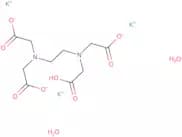
Ethylenediaminetetraacetic acid tripotassium salt dihydrate
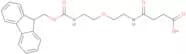
CAS:Ethylenediaminetetraacetic acid tripotassium salt dihydrate is an anticoagulant that can be used as a coagulant for blood samples. It is often used in polymerase chain reactions to synthesize DNA, or to isolate and purify genomic DNA. This compound has ferroelectric properties and can be used as a target cell in optical imaging applications. Ethylenediaminetetraacetic acid tripotassium salt dihydrate is also used in the production of polyurethanes and as a polymerization inhibitor in cinnamon oil.Formula:C10H13K3N2O8·2H2OPurity:Min. 95%Molecular weight:442.54 g/molN-(Fmoc-5-amino-3-oxa-pentyl)succinamic acid
CAS:N-(Fmoc-5-amino-3-oxa-pentyl)succinamic acid is a high quality chemical that is used as an intermediate in the production of pharmaceuticals and other fine chemicals. It is also a reagent for use in peptide synthesis. N-(Fmoc-5-amino-3-oxa-pentyl)succinamic acid has a CAS No. 669073-62-5 and can be used as a useful scaffold for the production of complex compounds. This compound is also useful for research purposes, due to its versatility as a building block with speciality chemical applications.
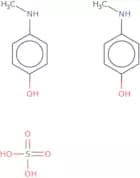
Formula:C23H26N2O6Purity:Min. 95%Molecular weight:426.46 g/mol4-Methylaminophenol sulfate
CAS:4-Methylaminophenol sulfate is an enzyme substrate that is used in the analytical method for determining the concentration of potassium dichromate. It is prepared by reacting 4-methylaminophenol with sulfuric acid, and its optimum concentration is 0.2 mM. The linear calibration curve was obtained at a pH range of 2 to 5.4 and a temperature range of 25 to 37°C. The analytical method can be applied to human serum samples and has been shown to be applicable for studies on autoimmune diseases and anthelmintics.Formula:C7H9NO•(H2O4S)0Purity:Min. 95%Color and Shape:White PowderMolecular weight:344.39 g/molIsopropyl 2-amino-4-hydroxy-5,8-dihydropyrido[3,4-d]pyrimidine-7(6H)-carboxylate
CAS:Please enquire for more information about Isopropyl 2-amino-4-hydroxy-5,8-dihydropyrido[3,4-d]pyrimidine-7(6H)-carboxylate including the price, delivery time and more detailed product information at the technical inquiry form on this page
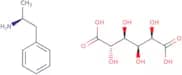
Formula:C11H16N4O3Purity:Min. 95%Molecular weight:252.27 g/molDextroamphetamine saccharate
CAS:Controlled ProductDextroamphetamine saccharate is a pharmaceutical drug that belongs to the group of amphetamine derivatives. It is used in the treatment of conditions such as narcolepsy and attention-deficit disorder (ADD). The epidermal growth factor receptor (EGFR) is an important target for the effects of this drug, which has been shown to stimulate growth and proliferation in vitro. Dextroamphetamine saccharate has a complex pharmacokinetic profile and is metabolized by hydrolysis into dextroamphetamine. This drug also binds to voltage-dependent calcium channels, which regulate neurotransmitter release at nerve terminals. The pain relief associated with dextroamphetamine saccharate may be due to its ability to block pro-inflammatory cytokines or inhibit trigeminal nerve activity.
Formula:C6H10O8(C9H13N)2Purity:Min. 95%Molecular weight:480.6 g/molBoc-4-aminopiperidine
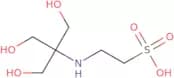
CAS:Boc-4-aminopiperidine is a molecule that is used as a substrate in chemical reactions. It reacts with sodium hydroxide solution to form an imine, which is hydrogenated by reducing agents such as NaBH4. This reaction yields the products 4-aminopiperidine and acetaldehyde. Boc-4-aminopiperidine is also utilized as a cholinesterase inhibitor, which inhibits the breakdown of acetylcholine at nerve endings. The inhibitory activity of Boc-4-aminopiperidine can be determined using diagnostic techniques and it can be used to inhibit viruses such as HIV and influenza A virus.Formula:C10H20N2O2Purity:Min. 95%Molecular weight:200.28 g/molTES
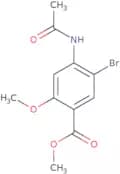
CAS:TES, also known as N-Tris(hydroxymethyl)methyl-2-aminoethanesulfonic acid, is a buffering agent that is used in protein assays and forms complexes with DNA and copper ions. The optimal pH range of this zwitterionic buffer is 6.8-8.2 and its pKa is 7.4.Formula:C6H15NO6SPurity:Min. 95%Color and Shape:PowderMolecular weight:229.25 g/mol4-Acetylamino-5-bromo-2-methoxy-benzoic acid methylester
CAS:Please enquire for more information about 4-Acetylamino-5-bromo-2-methoxy-benzoic acid methylester including the price, delivery time and more detailed product information at the technical inquiry form on this page
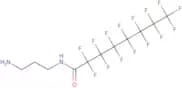
Formula:C11H12BrNO4Purity:Min. 95%Color and Shape:PowderMolecular weight:302.12 g/molN-(3-Aminopropyl)-2,2,3,3,4,4,5,5,6,6,7,7,8,8,8-pentadecafluorooctanamide
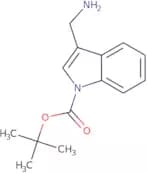
CAS:Controlled ProductPlease enquire for more information about N-(3-Aminopropyl)-2,2,3,3,4,4,5,5,6,6,7,7,8,8,8-pentadecafluorooctanamide including the price, delivery time and more detailed product information at the technical inquiry form on this pageFormula:C11H9F15N2OPurity:Min. 95%Molecular weight:470.18 g/moltert-Butyl 3-(aminomethyl)-1H-indole-1-carboxylate hydrochloride
CAS:Please enquire for more information about tert-Butyl 3-(aminomethyl)-1H-indole-1-carboxylate hydrochloride including the price, delivery time and more detailed product information at the technical inquiry form on this pageFormula:C14H18N2O2Purity:Min. 95%Molecular weight:246.31 g/mol(R)(−)-DOI hydrochloride
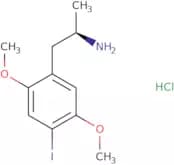
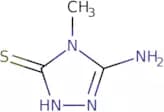
CAS:Controlled Product(R)(−)-DOI hydrochloride is a synthetic compound classified as a selective serotonin receptor agonist. It is primarily sourced from chemical synthesis processes designed to explore potential interactions within serotonergic pathways. The compound’s mode of action involves the activation of 5-HT2A, 5-HT2B, and 5-HT2C serotonin receptors, which play crucial roles in modulating neurotransmission and signaling pathways within the central nervous system.In research and experimental contexts, (R)(−)-DOI hydrochloride is utilized to investigate the molecular mechanisms of serotonin receptors, contributing to a deeper understanding of their role in neurophysiology and potential implications in neuropsychiatric disorders. Studies often explore its effects on cognition, perception, and mood regulation. Despite its promising role in scientific exploration, (R)(−)-DOI hydrochloride is not intended for therapeutic use and remains predominantly a tool for advancing the field of neuropharmacology through controlled experimental settings.Formula:C11H17ClINO2Purity:Min. 95%Molecular weight:357.62 g/mol5-Amino-4-methyl-4H-1,2,4-triazole-3-thiol
CAS:Please enquire for more information about 5-Amino-4-methyl-4H-1,2,4-triazole-3-thiol including the price, delivery time and more detailed product information at the technical inquiry form on this pageFormula:C3H6N4SPurity:Min. 95%Molecular weight:130.17 g/molEthyl2-(acetylamino)-3-[3,5-diiodo-4-(4-methoxyphenoxy)phenyl]propanoate
CAS:Please enquire for more information about Ethyl2-(acetylamino)-3-[3,5-diiodo-4-(4-methoxyphenoxy)phenyl]propanoate including the price, delivery time and more detailed product information at the technical inquiry form on this pageFormula:C20H21I2NO5Purity:Min. 95%Molecular weight:609.19 g/molN-(5-Aminopentyl) methotrexate amide-LC-biotin
N-(5-Aminopentyl) methotrexate amide-LC-biotin is a specialized bioconjugate, derived through the conjugation of methotrexate, an established antifolate drug, with an LC-biotin moiety. This product is synthesized by covalently linking methotrexate, which is known for its role in cancer therapy through the inhibition of dihydrofolate reductase (DHFR), to a biotin moiety via a long-chain spacer. The resultant bioconjugate retains the therapeutic effects of methotrexate, particularly in its ability to interrupt nucleotide synthesis, thereby affecting cell division in rapidly proliferating cancer cells.The inclusion of biotin in the structure allows for facile attachment to avidin or streptavidin-labeled systems, facilitating targeted delivery and enhanced detection in molecular and cellular studies. The primary application of N-(5-Aminopentyl) methotrexate amide-LC-biotin lies in the realm of targeted drug delivery and advanced research into methotrexate metabolism. By leveraging the high affinity of biotin-streptavidin interactions, researchers can effectively study the biodistribution and cellular uptake of methotrexate, advancing cancer therapeutic strategies and providing insights into antifolate drug mechanisms at the molecular level.Formula:C41H59N13O7SPurity:Min. 95%Color and Shape:PowderMolecular weight:878.06 g/mol7-[(2S,3R)-3-Amino-2-methyl-azetidin-1-yl]-1-(2,4-difluorophenyl)-6-fluoro-4-oxo-quinoline-3-carboxylic acid
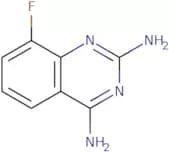
CAS:7-[(2S,3R)-3-Amino-2-methyl-azetidin-1-yl]-1-(2,4-difluorophenyl)-6-fluoro-4-oxo-quinoline-3-carboxylic acid (ABT) is a drug that binds to bacterial enzymes and inhibits their ability to synthesize proteins. ABT is a conjugate of fluoroquinolone and an amino acid. As the drug is degradable by hydrolysis, it has been shown to be less toxic in Sprague Dawley rats than other fluoroquinolones. This drug has been used in diagnostic tests as a ligand for affinity ligands, but has not been approved for human use. The drug also possesses functional groups that are important for binding to reconstituted enzymes.br>br>ABT's ester linkages are degradable by hydrolysis and can beFormula:C20H16F3N3O3Purity:Min. 95%Molecular weight:403.35 g/mol8-Fluoro-Quinazoline-2,4-Diamine
CAS:8-Fluoro-Quinazoline-2,4-Diamine is an organic compound with the formula CHClN. It is a yellow solid that is soluble in organic solvents such as chloroform and toluene. The compound is used to produce dyes and pharmaceuticals. 8-Fluoro-Quinazoline-2,4-Diamine can be obtained by nitrating 2,4-diaminoquinazoline with nitric acid and hydrochloric acid in the presence of carbonate or stannous chloride. This reaction produces two isomers: 8-fluoroquinazoline (8FQ) and 6-fluoroquinazoline (6FQ). The 8FQ isomer has been shown to have a nuclear magnetic resonance spectrum at 300 MHz that contains four signals at 1.3 ppm, 3.5 ppm, 5.6 ppm, and 7.0 ppm, which are assigned toFormula:C8H7FN4Purity:Min. 95%Molecular weight:178.17 g/mol3-[2-Amino-3-(2-tert-butoxycarbonyl-ethoxy)-2-(2-tert-butoxycarbonyl-ethoxymethyl)-propoxy]-propionic acid tert-butyl ester
CAS:Please enquire for more information about 3-[2-Amino-3-(2-tert-butoxycarbonyl-ethoxy)-2-(2-tert-butoxycarbonyl-ethoxymethyl)-propoxy]-propionic acid tert-butyl ester including the price, delivery time and more detailed product information at the technical inquiry form on this page
Formula:C25H47NO9Purity:Min. 95%Molecular weight:505.64 g/mol2-[(Ethylamino)methyl]-4-aminophenol dihydrochloride
CAS:Please enquire for more information about 2-[(Ethylamino)methyl]-4-aminophenol dihydrochloride including the price, delivery time and more detailed product information at the technical inquiry form on this pageFormula:C9H14N2O•(HCl)2Purity:Min. 95%Color and Shape:PowderMolecular weight:239.14 g/mol[(5-Isopropyl-1,2,4-oxadiazol-3-yl)methyl]amine
CAS:Please enquire for more information about [(5-Isopropyl-1,2,4-oxadiazol-3-yl)methyl]amine including the price, delivery time and more detailed product information at the technical inquiry form on this pageFormula:C6H11N3OPurity:Min. 95%Molecular weight:141.17 g/mol2-[(2,3-Dimethylphenyl)amino]nicotinic acid
CAS:2-[(2,3-Dimethylphenyl)amino]nicotinic acid is an arylpropionic acid that has been designed for the treatment of cancer. It is a neutral compound that can be crystallized or sterilized and then injected or implanted into tissues. The compound can be used as a diagnostic tool to target specific tissues in the body by using iontophoresis or organic solvents. 2-[(2,3-Dimethylphenyl)amino]nicotinic acid interacts with chlorine ions to form a chloride derivative, which is then transported through the tissue. This process can be reversed by adding an acid solution to the tissue, which will cause the chloride ions to break down into hydrogen and chloride ions.
Formula:C14H14N2O2Purity:Min. 95%Molecular weight:242.27 g/mol5-[4-(1,2,4,5-Tetrazin-3-yl)benzylamino]-5-oxopentanoic acid
CAS:Please enquire for more information about 5-[4-(1,2,4,5-Tetrazin-3-yl)benzylamino]-5-oxopentanoic acid including the price, delivery time and more detailed product information at the technical inquiry form on this pageFormula:C14H15N5O3Purity:Min. 95%Color and Shape:White To Yellow To Dark Red SolidMolecular weight:301.3 g/mol[[4-[[2-(4-Cyclohexylphenoxy)ethyl]ethylamino]-2-methylphenyl]methylene]malononitrile
CAS:[[4-[[2-(4-Cyclohexylphenoxy)ethyl]ethylamino]-2-methylphenyl]methylene]malononitrile (CAS #: 68436-91-7) is a reactive chemical species that has been used as a crosslinking agent and an uv absorption dye. CEM is a styryl dye that absorbs radiation in the uv range, with a maximum absorption at about 275 nm. It is a substrate film for light emission and can be used to measure viscosity. CEM is also chemically related to aromatic hydrocarbons and fatty acids, and can be synthesized from hydroxyl groups.
Formula:C27H31N3OPurity:Min. 95%Molecular weight:413.55 g/molN-Phenylbenzene-1,3-diamine
CAS:Please enquire for more information about N-Phenylbenzene-1,3-diamine including the price, delivery time and more detailed product information at the technical inquiry form on this page
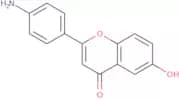
Formula:C12H12N2Purity:Min. 95%Color and Shape:PowderMolecular weight:184.24 g/molAminogenistein
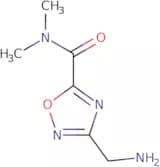
CAS:Aminogenistein is a molecule that has been shown to inhibit the growth of cancer cells. It has been shown to have a reactive functional group, which can be used as a diagnostic and prognostic tool for kidney disease and cancers. Aminogenistein has also been shown to inhibit epidermal growth factor (EGF) in rat kidneys, which may be due to its ability to bind EGF with high affinity. In addition, it has been shown to inhibit cellular physiology by blocking the transport properties of proximal tubules in rat kidneys. Aminogenistein is thought to induce apoptosis through the death protein pathway in cancer cells, but not normal cells.Formula:C15H11NO3Purity:Min. 95%Molecular weight:253.25 g/mol3-(Aminomethyl)-N,N-dimethyl-1,2,4-oxadiazole-5-carboxamide
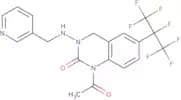
CAS:Please enquire for more information about 3-(Aminomethyl)-N,N-dimethyl-1,2,4-oxadiazole-5-carboxamide including the price, delivery time and more detailed product information at the technical inquiry form on this pageFormula:C6H10N4O2Purity:Min. 95%Molecular weight:170.17 g/mol1-Acetyl-6-(perfluoropropan-2-yl)-3-((pyridin-3-ylmethyl)amino)-3,4-dihydroquinazolin-2(1H)-one
CAS:1-Acetyl-6-(perfluoropropan-2-yl)-3-((pyridin-3-ylmethyl)amino)-3,4-dihydroquinazolin-2(1H)-one (PAFQ) is a mitochondrial cytochrome P450 inhibitor that inhibits the function of the ryanodine receptor and interacts with the piperonyl butoxide synergistically. PAFQ has been shown to be effective against animal pests such as termites, ants, and cockroaches. It also inhibits population growth in these populations by interfering with their ability to synthesize proteins. The effective dose for PAFQ varies depending on whether it is applied topically or orally.Formula:C19H15F7N4O2Purity:Min. 95%Molecular weight:464.34 g/molBenzydamine N-oxide
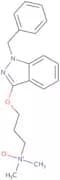
CAS:Controlled ProductBenzydamine N-oxide is a polymorphic, michaelis-menten kinetics and pharmacological treatments drug. It has been shown to have anti-inflammatory effects in humans and animals. The main pharmacological targets of benzydamine are the human liver and alveolar type II cells. This drug has low bioavailability but is metabolized by the liver cells into benzydamine n-oxide which can be excreted through urine or bile. The formation rate of benzydamine n-oxide in the human body is about 2% per hour, which is dependent on the enzyme catalysis.Formula:C19H23N3O2Purity:Min. 90 Area-%Color and Shape:PowderMolecular weight:325.4 g/mol(+)(1S,2S,4R)-Bicyclo[2.2.1]heptane-2-amine
CAS:(+)(1S,2S,4R)-Bicyclo[2.2.1]heptane-2-amine is a heterocyclic compound that contains a nitrogen atom and an amine group. It has been shown to be a potent inhibitor of the enzyme activities of malonic acid decarboxylase and acetylcholinesterase. This compound can be used as a diagnostic tool for chronic kidney disease, specifically in cases of renal failure and polycystic kidney disease. The palladium complexes can be used for the synthesis of (+)(1S,2S,4R)-bicyclo[2.2.1]heptane-2-amine in high yield from malonic acid and ammonia.
Formula:C7H13NPurity:Min. 95%Molecular weight:111.18 g/mol2-Hydroxyamino-3-methyl-3H-imidazo[4,5-f]quinoline
CAS:2-Hydroxyamino-3-methyl-3H-imidazo[4,5-f]quinoline (2HAIQ) is a reactive compound that binds to DNA. It has been shown to be a potent inhibitor of the enzyme cytosolic protein kinase C, which plays an important role in regulating cellular metabolism. 2HAIQ also inhibits the activity of enzymes such as hydroxylases and polymerases. The binding of 2HAIQ to DNA is thought to inhibit transcription by preventing RNA polymerase from transcribing DNA. 2HAIQ may also inhibit replication by binding to the dinucleotide phosphate molecule, which is essential for DNA synthesis.Formula:C11H10N4OPurity:Min. 95%Molecular weight:214.22 g/mol1-(2,4-Dichlorophenyl)ethylamine
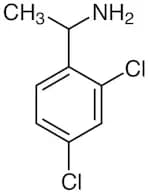
CAS:Formula:C8H9Cl2NPurity:>98.0%(GC)(T)Color and Shape:Colorless to Light yellow clear liquidMolecular weight:190.07N-Methyldi-n-octylamine
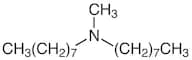
CAS:Formula:C17H37NPurity:>97.0%(GC)(T)Color and Shape:Colorless to Light yellow to Light orange clear liquidMolecular weight:255.493-Bromo-2-methylaniline
CAS:Formula:C7H8BrNPurity:>98.0%(GC)(T)Color and Shape:Colorless to Brown clear liquidMolecular weight:186.05Triamylamine (mixture of branched chain isomers)
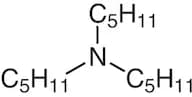
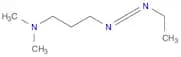
CAS:Formula:C15H33NPurity:>97.0%(T)Color and Shape:Colorless to Light yellow to Light orange clear liquidMolecular weight:227.441-(3-Dimethylaminopropyl)-3-ethylcarbodiimide
CAS:Formula:C8H17N3Purity:98%Color and Shape:LiquidMolecular weight:155.2407Ref: IN-DA00DJ11
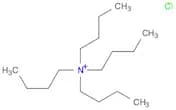
Discontinued productTetrabutylammonium chloride
CAS:Formula:C16H36ClNPurity:95%Color and Shape:SolidMolecular weight:277.91671-Butanaminium, N,N,N-tributyl-, (T-4)-tetraoxorhenate(1-) (1:1)
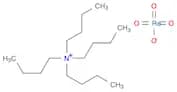
CAS:Formula:C16H36NO4RePurity:98%Color and Shape:SolidMolecular weight:492.6683Ref: IN-DA001UGA
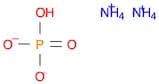
Discontinued productDiammonium hydrogenphosphate
CAS:Formula:H9N2O4PPurity:99%Color and Shape:SolidMolecular weight:132.056221Ref: IN-DA0057DU
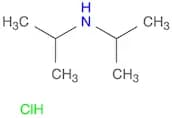
Discontinued productDiisopropylamine hydrochloride
CAS:Formula:C6H16ClNPurity:97%Color and Shape:SolidMolecular weight:137.65093-Azidopropan-1-amine Hydrochloride Salt
CAS:Formula:C3H9ClN4Purity:97%Color and Shape:SolidMolecular weight:136.58349,9'-spirobi[fluoren]-2-amine
CAS:Formula:C25H17NPurity:99%Color and Shape:SolidMolecular weight:331.4092Ref: IN-DA00920R
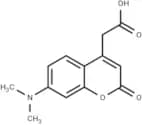
Discontinued product7-Dimethylaminocoumarin-4-acetic acid
CAS:7-Dimethylaminocoumarin-4-acetic acid, catalog number T64950, CAS number 80883-54-1, is a valuable organic compound for life sciences research.Formula:C13H13NO4Color and Shape:SolidMolecular weight:247.25Ref: 4Z-A-331042
Discontinued product

![Isopropyl 2-amino-4-hydroxy-5,8-dihydropyrido[3,4-d]pyrimidine-7(6H)-carboxylate](/_next/image/?url=https%3A%2Fstatic.cymitquimica.com%2Fproducts%2F3D%2Fthumb-webp%2FFI135088.webp&w=3840&q=75)

![Ethyl2-(acetylamino)-3-[3,5-diiodo-4-(4-methoxyphenoxy)phenyl]propanoate](/_next/image/?url=https%3A%2Fstatic.cymitquimica.com%2Fproducts%2F3D%2Fthumb-webp%2FFE149894.webp&w=3840&q=75)

![7-[(2S,3R)-3-Amino-2-methyl-azetidin-1-yl]-1-(2,4-difluorophenyl)-6-fluoro-4-oxo-quinoline-3-carbo…](/_next/image/?url=https%3A%2Fstatic.cymitquimica.com%2Fproducts%2F3D%2Fthumb-webp%2FFA30404.webp&w=3840&q=75)
![3-[2-Amino-3-(2-tert-butoxycarbonyl-ethoxy)-2-(2-tert-butoxycarbonyl-ethoxymethyl)-propoxy]-propio…](/_next/image/?url=https%3A%2Fstatic.cymitquimica.com%2Fproducts%2F3D%2Fthumb-webp%2FFA163774.webp&w=3840&q=75)
![2-[(Ethylamino)methyl]-4-aminophenol dihydrochloride](/_next/image/?url=https%3A%2Fstatic.cymitquimica.com%2Fproducts%2F3D%2Fthumb-webp%2FFE23131.webp&w=3840&q=75)
![[(5-Isopropyl-1,2,4-oxadiazol-3-yl)methyl]amine](/_next/image/?url=https%3A%2Fstatic.cymitquimica.com%2Fproducts%2F3D%2Fthumb-webp%2FFI122962.webp&w=3840&q=75)
![2-[(2,3-Dimethylphenyl)amino]nicotinic acid](/_next/image/?url=https%3A%2Fstatic.cymitquimica.com%2Fproducts%2F3D%2Fthumb-webp%2FFD136106.webp&w=3840&q=75)
![5-[4-(1,2,4,5-Tetrazin-3-yl)benzylamino]-5-oxopentanoic acid](/_next/image/?url=https%3A%2Fstatic.cymitquimica.com%2Fproducts%2F3D%2Fthumb-webp%2FFT170851.webp&w=3840&q=75)
![[[4-[[2-(4-Cyclohexylphenoxy)ethyl]ethylamino]-2-methylphenyl]methylene]malononitrile](/_next/image/?url=https%3A%2Fstatic.cymitquimica.com%2Fproducts%2F3D%2Fthumb-webp%2FFC157254.webp&w=3840&q=75)

![(+)(1S,2S,4R)-Bicyclo[2.2.1]heptane-2-amine](/_next/image/?url=https%3A%2Fstatic.cymitquimica.com%2Fproducts%2F3D%2Fthumb-webp%2FFB163197.webp&w=3840&q=75)
![2-Hydroxyamino-3-methyl-3H-imidazo[4,5-f]quinoline](/_next/image/?url=https%3A%2Fstatic.cymitquimica.com%2Fproducts%2F3D%2Fthumb-webp%2FFH24305.webp&w=3840&q=75)




![9,9'-spirobi[fluoren]-2-amine](/_next/image/?url=https%3A%2Fstatic.cymitquimica.com%2Fproducts%2FIN%2Fthumb-webp%2FDA00920R.webp&w=3840&q=75)