Cyano-, Nitrile-
Found 9677 products of "Cyano-, Nitrile-"
m-Hydroxybenzonitrile
CAS:m-Hydroxybenzonitrile is a cationic surfactant that has the ability to form hydrogen bonds with an intramolecular hydrogen. It is used in the production of detergents, textile processing aids, and inks. m-Hydroxybenzonitrile inhibits fatty acids by forming an inhibitory complex at the surface of the cell membrane. This complex disrupts lipid bilayers and inhibits protein synthesis. m-Hydroxybenzonitrile also has been shown to have vibrational properties that can be seen when it absorbs ultraviolet light.Formula:C7H5NOPurity:Min. 95%Color and Shape:Off-White PowderMolecular weight:119.12 g/molN,N-Diethylcyanoacetamide
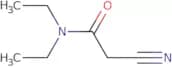
CAS:N,N-Diethylcyanoacetamide is an organic compound that is used in the industrial production of polyurethane. It reacts with a nucleophile to form a new carbon-nitrogen bond. The reaction can be monitored in real time, and it has high specificity for the desired product. N,N-Diethylcyanoacetamide reacts with piperidine to produce a mixture of isomers in which the methyl group is attached to either the nitrogen or the oxygen atom. This mixture can be separated by crystallization, and it generates a pure product that can be used as a monocarboxylic acid.Formula:C7H12N2OPurity:Min. 95%Color and Shape:Clear LiquidMolecular weight:140.18 g/mol4-Cyanophenol
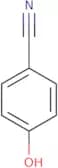
CAS:4-Cyclohexyphenol is a natural compound that belongs to the class of compounds known as phenols. It has a hydroxyl group and an intramolecular hydrogen bond. The thermal expansion of 4-cyanophenol is approximately 6.6 × 10⁻⁶/°C, which is greater than the thermal expansion of p-hydroxybenzoic acid (approximately 1.8 × 10⁻⁶/°C). The reaction mechanism for 4-cyanophenol involves intramolecular hydrogen bonding, which leads to its rapid degradation. 4-Cyanophenol reacts with trifluoroacetic acid in the presence of sodium carbonate to form p-hydroxybenzoic acid, which can be determined by measuring its absorbance at 290 nm. Hydrogen bonding interactions with the surface are responsible for the high sensitivity and selectivity of this analytical method. 4-Cyanophenol may also be detected using plasma mass spectFormula:C7H5NOPurity:Min. 95%Color and Shape:PowderMolecular weight:119.12 g/mol2,4,6-Trimethoxybenzonitrile
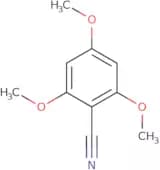
CAS:2,4,6-Trimethoxybenzonitrile is a ligand that forms coordination complexes with metal ions. It can be used to make N-oxide compounds and reaction products with aryl chlorides. The 2,4,6-trimethoxybenzonitrile ligand has been shown to form cross-coupling complexes with benzotriazolyl. This compound is soluble in organic solvents and has a vapor pressure of 0.0025 mm Hg at 25°C. The molecular weight of this compound is 196.2 g/mol and its melting point is 190°C. 2,4,6-Trimethoxybenzonitrile has a symmetric molecule in the gas phase and an asymmetric molecule in solution due to the interactions of hydrogen bonding and van der Waals forces.Formula:C10H11NO3Purity:Min. 95%Color and Shape:PowderMolecular weight:193.2 g/mol(4-Hydroxy-3-methoxyphenyl)acetonitrile
CAS:Lobetyolin is a phenolic compound that has been found to be an inhibitor of monoamine oxidase. Lobetyolin is an acetylated derivative of 4-hydroxy-3-methoxyphenylacetonitrile. It has been shown to inhibit bacterial growth in vitro, with the exception of Mycobacterium tuberculosis and Mycobacterium avium complex. The optimal reaction time for lobetyolin is 3 hours at a pH between 7 and 8, with a yield of 66% at room temperature. Lobetyolin reacts rapidly with amines, alkylating them as it undergoes oxidation by hydrogen peroxide. Lobetyolin also reacts slowly with dopamine and aldehydes, but more readily with chlorides, yielding lobetyrine and chloroacetaldehyde respectively.Formula:C9H9NO2Purity:Min. 95%Color and Shape:PowderMolecular weight:163.17 g/mol4-Amino-2-chlorobenzonitrile
CAS:4-Amino-2-chlorobenzonitrile (4ACB) is a copper salt that can be used in antimalarial therapy. It has been shown to have strong antiplasmodial activity against the parasite Plasmodium falciparum and other species of the genus Plasmodium. 4ACB is synthesized by nitro group reduction and ammonolysis, followed by an addition reaction with chloroformate. 4ACB binds to the enzyme ferredoxin reductase and inhibits electron transfer, which leads to inhibition of ATP production and cell death. The molecular modelling study showed that 4ACB is a reactive molecule with high affinity constants for copper ion.Formula:C7H5ClN2Purity:Min. 95%Color and Shape:PowderMolecular weight:152.58 g/mol3,4-Dihydroxybenzylamine hydrobromide
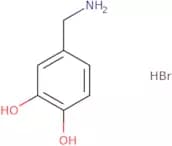
CAS:3,4-Dihydroxybenzylamine hydrobromide is a chemical that reacts with hydrogen peroxide to produce light. It is used as a nutrient for the chemiluminescent reaction in a nutrient solution to detect dopamine, chlorogenic acids, and trifluoroacetic acid. 3,4-Dihydroxybenzylamine hydrobromide can also be used as an analytical method for the measurement of cortisol concentration in plasma and saliva samples. This chemical analogically reacts with monoamine neurotransmitters such as dopamine and gamma-aminobutyric acid (GABA) to form fluorescent probes. 3,4-Dihydroxybenzylamine hydrobromide is not toxic or mutagenic and has been shown to be safe for use in humans.Formula:C7H10BrNO2Purity:Min. 95%Color and Shape:PowderMolecular weight:220.06 g/mol4-Nitrobenzylamine hydrochloride
CAS:4-Nitrobenzylamine hydrochloride is a bifunctional immobilizing agent that can be used for the immobilization of Zn2+. It reacts with nitrogen atoms, forming an amination reaction. The linker is covalently immobilized to the surface and the nature of this chemical is synthetic. 4-Nitrobenzylamine hydrochloride is synthesized by reacting nitric acid with benzaldehyde in ammonia solution at room temperature. This chemical has shown to be effective in reactions where a flow rate is needed or when diamidines are present in the reaction mixture.Formula:C7H8N2O2·HClPurity:Min. 95%Color and Shape:PowderMolecular weight:188.61 g/mol2-Bromo-5-cyanonitrobenzene
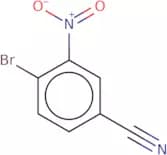
CAS:2-Bromo-5-cyanonitrobenzene is a chemical compound that has been shown to have broad-spectrum activity against drug-resistant bacteria. It is able to kill gram-negative and gram-positive bacteria, including drug-resistant strains. The mechanism of action for 2-bromo-5-cyanonitrobenzene is not well understood but it has been observed that the molecule undergoes an oxidative cyclization reaction in the presence of chloride ions or hydroxides. This process leads to the formation of a nitrosobenzene metabolite which reacts with DNA to inhibit protein synthesis and cause cell death. 2-Bromo-5-cyanonitrobenzene has also been shown to be potent against a wide range of different types of bacteria, including those most commonly associated with skin infections, respiratory tract infections, and urinary tract infections.
Formula:C7H3BrN2O2Purity:Min. 95%Color and Shape:PowderMolecular weight:227.02 g/mol4-Bromobenzylamine
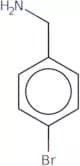
CAS:4-Bromobenzylamine is a chemical compound that has been used to study the process optimization of sephadex g-100. It is also used as a chemotherapeutic treatment for cancer. 4-Bromobenzylamine binds to intracellular targets, such as nitrogen atoms and cell lysis, with physiological levels found in fetal bovine serum. The nitrogen atom is an essential structural component of 4-bromobenzylamine that is necessary for its biological activity and may be involved in binding to DNA polymerase. This drug has been shown to inhibit the growth of metastatic colorectal cancer cells by inhibiting cellular proliferation. Structural analysis has revealed that 4-bromobenzylamine interacts with the polymerase chain reaction (PCR) enzyme and inhibits the ability of DNA polymerases to add nucleotides to the growing strand of DNA.Formula:C7H8BrNPurity:Min. 95%Color and Shape:PowderMolecular weight:186.05 g/mol4-Fluorobenzylamine
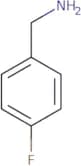
CAS:4-Fluorobenzylamine is a chemical compound with the molecular formula CHF. It has been shown to radiosensitize tumor cells by inhibiting the synthesis of cyclin D2, which is required for cell proliferation. 4-Fluorobenzylamine can also be used in asymmetric synthesis reactions such as nitration and trifluoroacetic acid hydrolysis. 4-Fluorobenzylamine has been shown to have synergistic effects on cells when paired with flupirtine or maleate. This synergistic effect is primarily due to its ability to inhibit DNA repair, which leads to cell death through apoptosis or necrosis.
Formula:C7H8FNPurity:Min. 98 Area-%Color and Shape:Colourless To Pale Yellow LiquidMolecular weight:125.14 g/mol4-(Bromomethyl)benzylamine HBr
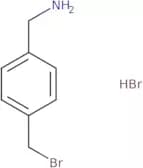
CAS:4-(Bromomethyl)benzylamine HBr is a fine chemical that can be used as a building block for organic synthesis. This compound is also a useful research chemical, reagent, and specialty chemical. 4-(Bromomethyl)benzylamine HBr has been used as a reaction component in the synthesis of various pharmaceuticals, such as theophylline and ampicillin. It has also been used as an intermediate in the production of other compounds, such as 4-hydroxybutyric acid and 3-methylthiopropionic acid. This complex compound can be purchased at high quality and is versatile enough to act as a scaffold for many reactions.Formula:C8H11Br2NPurity:Min. 95%Color and Shape:PowderMolecular weight:280.99 g/mol4-Cyano-4'-octylbiphenyl
CAS:4-Cyano-4'-octylbiphenyl is a molecule that consists of an aromatic ring with two alkyl chains. This compound has been shown to be a model system for studying solute transport in liquids and gases. 4-Cyano-4'-octylbiphenyl also has the ability to form intramolecular hydrogen bonds, which are important for the fluidity of the substance. At high temperatures, this compound undergoes a phase transition from liquid to solid due to dipole interactions between molecules.Formula:C21H25NPurity:Min. 95%Color and Shape:Colorless PowderMolecular weight:291.43 g/mol5-Cyanoindole
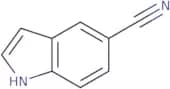
CAS:5-Cyanoindole is a hydrophobic molecule that has been shown to have an inhibitory effect on the trifluoroacetic acid-induced fluorescence in the presence of chloride ions. It is also able to bind peptides and has been used as an antimicrobial peptide. 5-Cyanoindole can be synthesized electrochemically or by electrochemical impedance spectroscopy. The synthesis of 5-cyanoindole can be achieved through a Friedel-Crafts reaction, followed by a hydrolysis with hydrogen peroxide and then a reduction with sodium borohydride.
!-- END OF PRODUCT DESCRIPTION -->Formula:C9H6N2Color and Shape:White PowderMolecular weight:142.16 g/mol3-Cyanophenylacetic acid
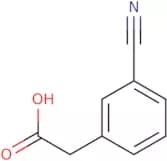
CAS:3-Cyanophenylacetic acid is a versatile building block and useful intermediate that can be used in the synthesis of a wide range of organic compounds. 3-Cyanophenylacetic acid is a fine chemical with CAS No. 1878-71-3 that can be used as a research chemical, reaction component, or speciality chemical. It is an important reagent for making complex organic compounds. 3-Cyanophenylacetic acid is a high quality product with the following characteristics:
1) Colorless crystals;
2) Soluble in water;
3) Soluble in acetone;
4) Slightly soluble in ether;
5) Reactivity: stable to heat, light, and air;
6) pH (1% solution): 2.0 - 4.0;
7) Melting point: 129 °C;
8) Boiling point: 188 °C at 760 mmHFormula:C9H7NO2Purity:Min. 95%Molecular weight:161.16 g/mol4-Cyanobenzoic acid ethyl ester
CAS:4-Cyanobenzoic acid ethyl ester is a hydrogen-bonding acceptor that is also able to form exciplexes with styrene. It has a conformation that is similar to that of aminobenzoate, which is a hydrogen-bonding donor. 4-Cyanobenzoic acid ethyl ester reacts with solvents such as benzene and chloroform, undergoing hydration reactions to form the corresponding 4-cyanophenol derivatives. It undergoes cyclization when heated in the presence of ruthenium(II) chloride to produce 1,4-dihydropyridine derivatives. The reaction mechanism for this reaction consists of two steps: an intramolecular nucleophilic attack followed by an intramolecular electrophilic substitution. The deionized water used in this synthetic process eliminates the need for drying agents and stabilizers, making it easier to carry out the synthesis.Formula:C10H9NO2Purity:Min. 95%Color and Shape:PowderMolecular weight:175.18 g/mol3-Cyano-4,6-dimethylcoumarin
CAS:3-Cyano-4,6-dimethylcoumarin is a phenolic compound with potent inhibitory activity against bacteria. It has been shown to bind to the hydroxyl group of the coumarin ring and inhibit the growth of Gram-negative and Gram-positive bacteria. 3-Cyano-4,6-dimethylcoumarin also inhibits the growth of fungi by binding to the hydroxyl group on a phenolic hydroxyl substituent. 3-Cyano-4,6-dimethylcoumarin can be used as an antimicrobial agent for various types of infections.Formula:C12H9NO2Purity:Min. 95%Color and Shape:PowderMolecular weight:199.21 g/mol4-Cyano-L-phenylalanine
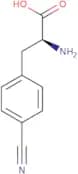
CAS:4-Cyano-L-phenylalanine is an unnatural aminoacid that has been shown to bind to amyloid protein, which is associated with Alzheimer's disease. The binding of 4-Cyano-L-phenylalanine inhibits the synthesis of amyloid protein and prevents the formation of amyloid fibrils. 4-Cyano-L-phenylalanine also irreversibly inhibits the enzyme responsible for the production of hydrochloric acid in bacteria. The x-ray crystal structures of 4-Cyano L-phenylalanine have been determined and show that this compound binds to the active site of the enzyme synthetase, preventing it from forming an amino acid bond. 4-Cyano L-phenylalanine is an analog of 4-L-phenylalanine and, thanks to its cyano (nitrile) group, is a good candidate for use as a fluorescence marker to study the peptide membrane interactions.Formula:C10H10N2O2Purity:Min. 95%Color and Shape:PowderMolecular weight:190.2 g/molEthyl acetamidocyanoacetate
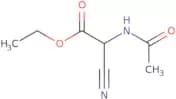
CAS:Ethyl acetamidocyanoacetate is an amide which inhibits the enzyme thrombin. It inhibits the conversion of fibrinogen to fibrin, and thus prevents blood clot formation. Ethyl acetamidocyanoacetate has been shown to inhibit serine protease, one of the most abundant enzymes in the human body. This inhibition causes a decrease in inflammatory diseases caused by these enzymes. Ethyl acetamidocyanoacetate also has analog properties that can be used for solid-phase synthesis.Formula:C7H10N2O3Purity:Min. 98 Area-%Molecular weight:170.17 g/mol4-Cyanobenzyl bromide
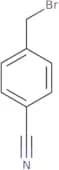
CAS:4-Cyanobenzyl bromide is a chemical compound that is stable in the presence of hydrogen bonds and with a palladium-catalyzed coupling reaction. It has been shown to react with amines to form an azobenzene, which is a fluorescent compound. 4-Cyanobenzyl bromide reacts with x-ray diffraction data and molecular modeling to form halides and hydroxy groups. The mechanism of this reaction is not yet known, but it appears that the initial step involves the formation of a hydrogen bond between the 4-cyanobenzyl group and the amine. Magnetic resonance spectroscopy has confirmed that hippuric acid can be formed from this reaction as well.
Formula:C8H6BrNPurity:Min. 95%Color and Shape:PowderMolecular weight:196.04 g/mol4-Cyano-2-fluorobenzoic acid methyl ester
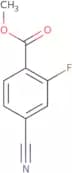
CAS:4-Cyano-2-fluorobenzoic acid methyl ester is a versatile building block for complex compounds. It can be used as a reagent to synthesize other compounds and as a speciality chemical with high quality. This chemical is also an intermediate in the synthesis of other compounds, such as 4-cyano-2-fluorobenzoic acid ethyl ester, which has been shown to be useful in the synthesis of β-lactam antibiotics.Formula:C9H6FNO2Purity:Min. 95%Color and Shape:PowderMolecular weight:179.15 g/molPhenoxyacetonitrile
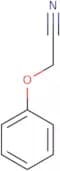
CAS:Phenoxyacetonitrile is an efficient method for the synthesis of ethylene diamine by the reaction of hydrochloric acid, chloride and a carbon source. The nitro group can be reduced to an amine or a hydroxyl group by hydrogen chloride in acetonitrile. This method has been used in the synthesis of drugs such as acyclovir and penciclovir. Phenoxyacetonitrile also inhibits growth factor production, which may be due to its inhibitory properties on the enzyme houben-hoesch reaction.Formula:C8H7NOPurity:Min. 95%Molecular weight:133.15 g/mol4-Bromo-3-cyanopyridine
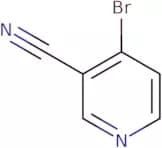
CAS:4-Bromo-3-cyanopyridine is a reactive chemical that can be used as a building block in organic synthesis. It is often used as a starting material for the synthesis of heterocycles and other complex compounds. 4-Bromo-3-cyanopyridine is a versatile reagent with high quality and can be used in research, pharmaceuticals, agrochemicals, or industrial chemicals. CAS No. 154237-70-4.Formula:C6H3BrN2Purity:Min. 95%Color and Shape:PowderMolecular weight:183.01 g/molEthyl 3-cyanopropanoate
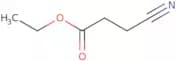
CAS:Ethyl 3-cyanopropanoate is an organic compound with the formula CH3C(O)CH2CN. It is a colorless liquid that boils at 100 °C. It is used in the synthesis of other organic compounds, such as oxazolidinones, cyclopropenes, and quinolizines. The yield can be increased to 98% by using a catalyst such as potassium tert-butoxide or zinc chloride in the reaction. The reaction proceeds through an elimination followed by an acid-catalyzed alkylation to afford the desired product. This process also results in a high yield of ethyl bromoacetate as a side product.Formula:C6H9NO2Purity:Min. 95%Color and Shape:PowderMolecular weight:127.14 g/mol3-Acetylbenzonitrile
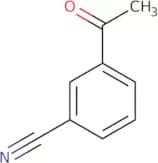
CAS:3-Acetylbenzonitrile is an isomeric, asymmetric synthesis that has been synthesised in the presence of copper complex and salicylic acid. The reaction was carried out with a gaseous phase, where the chalcone was formed. The experimental techniques used were cross-coupling reactions and molecular modeling techniques. 3-Acetylbenzonitrile has been synthesised by a rationalized enthalpic approach that includes alcohol dehydrogenases and molecular modeling techniques.Formula:C9H7NOPurity:Min. 95%Color and Shape:PowderMolecular weight:145.16 g/mol2-(2,3-Dichlorophenyl)-2-guanidinyliminoacetonitrile
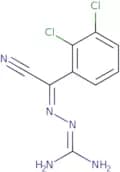
CAS:2-(2,3-Dichlorophenyl)-2-guanidinyliminoacetonitrile (2,3-DCPP) is a high quality reagent that is used in the preparation of complex compounds. It is also an intermediate in the synthesis of fine chemicals and useful scaffold and building block for research chemical. 2,3-DCPP has been shown to react with a variety of functional groups including amines, alcohols, thiols, carboxylic acids, organometallic reagents and many others. It is also a versatile building block for the synthesis of chemical substances such as pharmaceuticals, agrochemicals or dyes.Formula:C9H7Cl2N5Purity:Min. 95%Color and Shape:White PowderMolecular weight:256.09 g/mol4-Amino-2-bromobenzonitrile
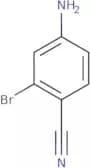
CAS:4-Amino-2-bromobenzonitrile is a crystallized ligand with a molecular formula of C6H7BrN. It belongs to the cationic class of ligands and has been shown to form intermolecular hydrogen bonds with aromatic rings. The crystal has a hexagonal unit cell and space group P-1. 4-Amino-2-bromobenzonitrile has been used as an elemental analysis reagent in the determination of copper, lead, zinc, and cadmium.Formula:C7H5BrN2Purity:Min. 95%Color and Shape:PowderMolecular weight:197.03 g/mol2-Bromo-4-cyanotoluene
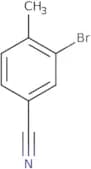
CAS:2-Bromo-4-cyanotoluene is a ligand that is used in cross-coupling reactions. It is used to form complexes with metals, such as palladium and nickel, for the preparation of organometallic reagents. 2-Bromo-4-cyanotoluene has been shown to inhibit secretory phospholipase A2 (sPLA2) and PLA2 activity in a fluorimetric assay. This compound also inhibits the catalytic activity of spla2, which is an enzyme involved in the biosynthesis of arachidonic acid. 2-Bromo-4-cyanotoluene also inhibits piperazine synthesis by reacting with the nitrogen atom on the piperazine ring.
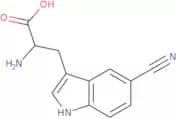
Formula:C8H6BrNPurity:Min. 95%Molecular weight:196.04 g/mol5-Cyano-DL-tryptophan
CAS:5-Cyano-DL-tryptophan is an antimicrobial peptide that exhibits potent antimicrobial activity against Gram-positive and Gram-negative bacteria. It also has a high affinity for the bacterial ribosome, which leads to inhibition of protein synthesis. 5-Cyano-DL-tryptophan can be synthesized by dehydration of tryptophan in a model system. The molecule is an analog of the natural amino acid tryptophan and has fluorescence properties that are sensitive to hydration levels. 5-Cyano-DL-tryptophan binds to the peptide binding site on the ribosome and induces a frequency shift in its fluorescence emission spectrum when bound. This property makes it a useful tool for studying peptide binding sites on the ribosome.Formula:C12H11N3O2Purity:Min. 95%Color and Shape:Yellow PowderMolecular weight:229.23 g/mol4-Cyano-4'-aminobiphenyl
CAS:4-Cyano-4'-aminobiphenyl is a fluorescent dye that exhibits a strong fluorescence under UV irradiation. The dye has an absorption maximum at about 335 nm and a fluorescence emission maximum at about 455 nm, with excitation maxima of 333 nm and 478 nm. It has been used in the development of photocurrent devices, which are used for photochemical reactions and electrochemistry studies. This compound can also be used for the determination of amino groups in organic molecules such as carbostyril. The compound can be synthesized by reacting an amine with an aldehyde in the presence of acid.
Formula:C13H10N2Color and Shape:PowderMolecular weight:194.23 g/mol3-(Cyanomethyl)benzoic acid
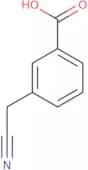
CAS:3-(Cyanomethyl)benzoic acid is a useful building block that is used as a reagent in the production of pharmaceuticals and research chemicals. It is also used as a speciality chemical and as a high-quality fine chemical. This compound has versatile uses, including reactions with other chemicals to form complex compounds, and can be used as a reaction component or an intermediate in the synthesis of other chemicals. 3-(Cyanomethyl)benzoic acid has no known toxicity and its CAS number is 5689-33-8.
Formula:C9H7NO2Purity:Min. 95%Color and Shape:PowderMolecular weight:161.16 g/mol2-(3-Cyano-1H-1,2,4-triazol-1-yl)acetic acid
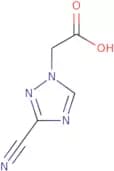
CAS:Please enquire for more information about 2-(3-Cyano-1H-1,2,4-triazol-1-yl)acetic acid including the price, delivery time and more detailed product information at the technical inquiry form on this pageFormula:C5H4N4O2Purity:Min. 95%Color and Shape:PowderMolecular weight:152.11 g/molPyridine-3-acetonitrile
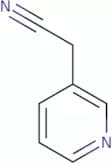
CAS:Pyridine-3-acetonitrile is a coordination complex that can be used for the treatment of diabetes. It has been shown to have a high affinity for plasma glucose and to be selective for biological samples containing amino acids, such as proteins. The molecule is able to bind with carbon disulphide in order to form the active methylene, which has been shown to be an effective bifunctional ligand. The compound has also been shown to have a ph optimum of 9.8 - 10.2 and exhibits an atomic orbital with a molecular electrostatic potential of 0.5 eV. Pyridine-3-acetonitrile binds strongly to nucleophilic groups, such as amines and hydroxyls, making it suitable for use as a ligand in metal complexes. This compound may also have some interesting properties related to its morphology, which can be further investigated using functional theory and molecular electrostatic potential.br>br> br>br>Formula:C7H6N2Purity:Min. 95%Color and Shape:Clear LiquidMolecular weight:118.14 g/mol4-Amino-3-nitrobenzylamine hydrochloride
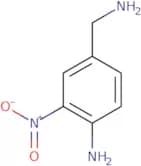
CAS:4-Amino-3-nitrobenzylamine hydrochloride is a potential vanilloid receptor antagonist with potent antagonistic activities. It has been shown to inhibit the activation of neuronal TRPV1 receptors, as well as the uptake of 4-aminobenzoic acid (4-BA) in rat brain synaptosomes. In addition, this compound can be used to optimize drug structure, acting as an amide and alkyl groups. 4-Amino-3-nitrobenzylamine hydrochloride binds to the vanilloid receptor TRPV1 and blocks its activation. This prevents the release of proinflammatory substances that are responsible for pain, inflammation, and tissue injury.Formula:C7H9N3O2·HClPurity:Min. 95%Color and Shape:PowderMolecular weight:203.63 g/mol3-Aminobenzonitrile
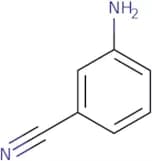
CAS:3-Aminobenzonitrile is an amine that has been shown to inhibit the growth of bacteria. It was synthesized by the reaction of nitrobenzene with benzamide in the presence of acetic acid. The chemical structure of 3-aminobenzonitrile is similar to that of a group of natural amino acids, including cysteine and tryptophan, which are known inhibitors of bacterial growth. This compound is soluble in organic solvents and can be used as an injection solution. 3-Aminobenzonitrile has been evaluated by kinetic studies and found to have a high affinity for bacterial cells, with an inhibition constant (Ki) value of 0.37 mM. It is also active against other microorganisms such as yeast or mold fungi, but not against plant or animal cells. 3-Aminobenzonitrile inhibits the synthesis of proteins by binding to a number of different sites on the ribosomes where
Purity:Min. 95%Color and Shape:Yellow PowderMolecular weight:118.14 g/mol3-Cyano-4-methoxybenzoic acid
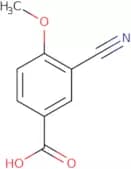
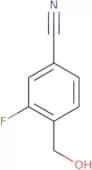
CAS:3-Cyano-4-methoxybenzoic acid is a white crystalline solid that is soluble in water. This compound is a useful intermediate for the synthesis of other organic compounds, as well as a useful scaffold for the synthesis of complex compounds. 3-Cyano-4-methoxybenzoic acid also has potential use as a research chemical, and can be used as an effective building block for the preparation of fine chemicals. 3-Cyano-4-methoxybenzoic acid may be used to produce speciality chemicals such as pharmaceuticals, dyes, pesticides, and perfumes. It can also be used to synthesize compounds with diverse functionalities.Formula:C9H7NO3Purity:Min. 95%Color and Shape:SolidMolecular weight:177.16 g/mol4-Cyano-2-fluorobenzyl alcohol
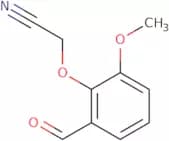
CAS:4-Cyano-2-fluorobenzyl alcohol is a reagent that is used to produce chlorine and hydrochloric acid. It is also used industrially in the production of potassium chloride, a compound that is used in fertilizers, animal feed supplements, and water treatment. 4-Cyano-2-fluorobenzyl alcohol reacts with chloride ions to form hypochlorous acid (HOCl), which then reacts with water to form hydrogen chloride gas. The reaction with fluoride ions leads to the formation of hydrofluoric acid (HF).Formula:C8H6FNOPurity:Min. 95%Color and Shape:White To Beige SolidMolecular weight:151.14 g/mol2-(2-formyl-6-methoxyphenoxy)acetonitrile
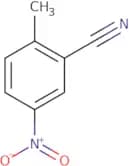
CAS:Please enquire for more information about 2-(2-formyl-6-methoxyphenoxy)acetonitrile including the price, delivery time and more detailed product information at the technical inquiry form on this pageFormula:C10H9NO3Purity:Min. 95%Color and Shape:PowderMolecular weight:191.18 g/mol3-Cyano-4-methylnitrobenzene
CAS:3-Cyano-4-methylnitrobenzene is a nitro compound that can be prepared by the reaction of nitric acid with aniline. It has been shown to have a strong affinity for oxygen, which may be due to its pyran ring. 3-Cyano-4-methylnitrobenzene has been found to react with acetonitrile in an electrochemical experiment, leading to the formation of nitronium ion and nitrate ion. The mechanism for this reaction is not well understood, but it offers a convenient way of preparing 3-cyano-4-methylnitrobenzene from nitric acid and aniline.Formula:C8H6N2O2Purity:Min. 95%Color and Shape:PowderMolecular weight:162.15 g/mol3-Ethoxy-4-hydroxyphenylacetonitrile
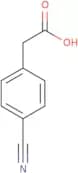
CAS:3-Ethoxy-4-hydroxyphenylacetonitrile is a versatile building block and reagent that is used in the manufacturing of pharmaceuticals, agricultural chemicals, and other chemical products. It has been shown to be an excellent starting material for the synthesis of complex compounds. 3-Ethoxy-4-hydroxyphenylacetonitrile can be used as a high quality research chemical or useful scaffold for organic synthesis. CAS No. 205748-01-2Formula:C10H11NO2Purity:Min. 95%Color and Shape:PowderMolecular weight:177.2 g/mol4-Cyanophenylacetic acid
CAS:4-Cyanophenylacetic acid is a thiolated organic compound that can act as a framework for the attachment of other functional groups. The synthesis of this compound has been developed in various ways, such as through the use of photoluminescence or coordination chemistry.Formula:C9H7NO2Purity:Min. 95%Color and Shape:PowderMolecular weight:161.16 g/mol2-Bromo-6-fluorobenzonitrile
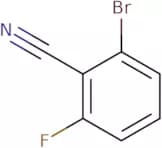
CAS:2-Bromo-6-fluorobenzonitrile is an organic compound with a molecular formula of C6H3BrF. It is a colorless liquid that is used as a precursor in the synthesis of other compounds. 2-Bromo-6-fluorobenzonitrile has been shown to be an efficient fluorophore and can be activated by electron transfer, thermally, or chemically. 2-Bromo-6-fluorobenzonitrile also has a quantum efficiency of 0.5% and transport properties that make it ideal for fluorescence microscopy. The fluorescence intensity of 2-bromo-6-fluorobenzonitrile is proportional to the amount of energy absorbed, which makes it useful for quantifying the concentration of fluorescent molecules in solution. 2-Bromo-6-fluorobenzonitrile has also been shown to have high quantum yields and high efficiency levels when
Formula:C7H3BrFNPurity:Min. 95%Color and Shape:PowderMolecular weight:200.01 g/mol(3-Methoxyphenyl)acetonitrile
CAS:3-Methoxyphenylacetonitrile (3MPAN) is a small molecule that has been shown to inhibit the activity of kinases, which are enzymes that transfer phosphate groups from ATP onto other substrates. 3MPAN has been found to be selective for the estrogen receptor alpha (ERα), with little or no effect on ERβ, and shows promise as a potential drug for hormone-dependent breast cancer. It also inhibits fatty acid synthesis and is active against some viruses. 3MPAN binds to the enzyme's ATP binding site and blocks phosphorylation by preventing access of ATP. This prevents DNA synthesis and protein synthesis, leading to cell death.
Formula:C9H9NOPurity:Min. 95%Color and Shape:PowderMolecular weight:147.17 g/mol2-Bromo-4-nitrobenzonitrile
CAS:2-Bromo-4-nitrobenzonitrile is a chemical compound that can be used to study the relationship between genetic polymorphism and chromosome structure. This compound has been found to induce polyploidy in Brassica plants, which may have implications for the evolution of these species. 2-Bromo-4-nitrobenzonitrile also has been shown to be a useful marker for phylogenetic and ecological studies of Lepidium species. The compound is diploid in nature, but can be used as a matrix in tetraploid plants.Formula:C7H3BrN2O2Purity:Min. 95%Color and Shape:PowderMolecular weight:227.02 g/mol3,4-Dinitrobenzonitrile
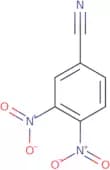
CAS:3,4-Dinitrobenzonitrile is a fine chemical that is used as a versatile building block in the synthesis of complex organic compounds. It is also used as a research chemical and a reaction component in organic synthesis. 3,4-Dinitrobenzonitrile is stable against oxidation and hydrolysis, making it an ideal intermediate for other reactions. CAS No. 4248-33-3Formula:C7H3N3O4Purity:Min. 95%Color and Shape:PowderMolecular weight:193.12 g/mol5-Bromo-2-cyano-3-nitropyridine
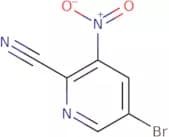
CAS:5-Bromo-2-cyano-3-nitropyridine is a medication that has been shown to be an effective inhibitor of the RET tyrosine kinase. It has been used in clinical studies to treat chronic kidney disease and has been shown to inhibit the growth of cancer cells. The molecular electrostatic potential (MEP) simulations have shown that 5-bromo-2-cyano-3-nitropyridine interacts with the reactive site of RET, inhibiting its function by binding to the nucleophilic substitutions. 5-Bromo-2-cyano-3-nitropyridine is synthesized from 2,5 dibromopyridine and 3 nitrobenzene at high yield. The molecule is chromatographically separated from impurities such as 4 bromo pyridine.Formula:C6H2BrN3O2Purity:Min. 95%Color and Shape:PowderMolecular weight:228 g/mol3-Cyanobenzylamine HCl
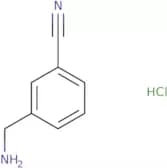
CAS:3-Cyanobenzylamine HCl is a high quality chemical that is used as a reagent, intermediate, or building block in the synthesis of complex compounds. It is a fine chemical and speciality chemical that may be used as a research chemical and versatile building block for the synthesis of organic compounds. 3-Cyanobenzylamine HCl has been shown to react with other chemicals to form useful scaffolds and building blocks, such as amides, amino acid esters, and ureas.Formula:C8H9ClN2Purity:Min. 95%Color and Shape:PowderMolecular weight:168.62 g/mol2-Amino-4-fluorobenzylamine dihydrochloride
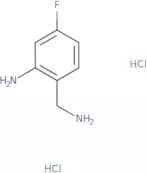
CAS:2-Amino-4-fluorobenzylamine dihydrochloride is a research chemical that is used as a reactant in organic synthesis. 2-Amino-4-fluorobenzylamine dihydrochloride is an intermediate for the preparation of other chemicals and can also be used as a building block for more complex compounds. This chemical has been shown to have good quality and can be used in many different types of research. 2-Amino-4-fluorobenzylamine dihydrochloride has CAS number 606139-20-2.Formula:C7H9FN2·2HClPurity:Min. 95 Area-%Color and Shape:PowderMolecular weight:213.08 g/molN-Cyanomorpholine
CAS:N-Cyanomorpholine is a synthetic compound that is used as a reagent in organic synthesis. It has been shown to form stable complexes with amines, such as aniline and pyridine. In addition, it can be used in the intramolecular hydrogenation of alkenes, which is catalyzed by palladium on carbon. N-Cyanomorpholine was found to be effective against some viruses, such as herpes simplex virus type 1 and influenza virus type A. It also has been validated for use in the synthesis of dianthus caryophyllus and acrylonitrile.Formula:C5H8N2OPurity:Min. 95%Molecular weight:112.13 g/mol3-Amino-4-methylbenzonitrile
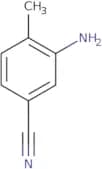
CAS:3-Amino-4-methylbenzonitrile is an organic compound that is produced by the oxidative dehydrogenation of 3,4-dimethylaniline. It has been shown to undergo a number of reactions, including hydrochloric acid transfer hydrogenation and diazotization. This reaction yields 3-amino-4-methylbenzonitrile, dimethylamine and anilines. The transfer hydrogenation of nitroarenes with 3-amino-4-methylbenzonitrile gives 3-(3,4)-diaminobenzonitrile and 2,6-dinitrotoluene. The optimization of this reaction has led to the discovery of new nitrite derivatives as a result of the addition of nitrite in the presence of 3-amino-4-methylbenzonitrile.Formula:C8H8N2Purity:Min. 95%Color and Shape:PowderMolecular weight:132.16 g/mol