Ethers
Ethers are organic compounds containing an ether functional group, characterized by an oxygen atom bonded to two hydrocarbon radicals. These compounds are valuable in synthesis and serve as solvents in various chemical reactions. At CymitQuimica, we offer a selection of high-quality ethers to support your research and industrial applications, ensuring reliable and effective results. Our range of ethers meets diverse laboratory requirements, from routine experiments to advanced research.
Found 40729 products of "Ethers"
Sort by
Purity (%)
0
100
|
0
|
50
|
90
|
95
|
100
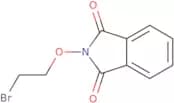
N-(2-Bromoethoxy)phthalimide
CAS:<p>N-(2-Bromoethoxy)phthalimide is a chemical compound that has been shown to inhibit the activity of histone deacetylases. Histones are proteins that regulate gene expression and play an important role in the regulation of DNA transcription. The enzyme histone deacetylase (HDAC) removes acetyl groups from these proteins, which can lead to changes in gene expression and misregulation of cellular processes. HDACs have been linked to autoimmune diseases, such as arthritis and multiple sclerosis, because they can cause inflammation by affecting the production of inflammatory cytokines. N-(2-Bromoethoxy)phthalimide is able to inhibit HDACs by forming covalent bonds with the lysine residues on these enzymes. This inhibition causes modifications that affect the interaction between HDACs and their substrates, preventing them from modifying histones or interacting with other proteins.</p>Formula:C10H8BrNO3Purity:Min. 95%Molecular weight:270.08 g/mol2-Methoxy-6-picolinic acid
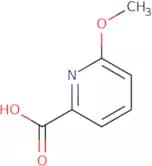
CAS:<p>2-Methoxy-6-picolinic acid (2MPA) is a picolinate that has been shown to be an effective catalyst for the conversion of alcohols into allylic alcohols. 2MPA is able to catalyze the reaction by abstracting hydrogen from the carbonyl group, and then adding it to the adjacent carbon. This reaction can produce peroxide as a byproduct, which is subsequently hydrolyzed to form water and alcohol. The β-unsaturated carbonyl group of 2MPA provides additional stability for this catalytic process.<br>2MPA can also be used as a catalyst in other reactions, such as the oxidation of benzylic alcohols with hydrogen peroxide to form benzylic carbonyl compounds.</p>Formula:C7H7NO3Purity:Min. 95%Color and Shape:PowderMolecular weight:153.14 g/mol4-Fluoro-3-methoxyphenylacetone
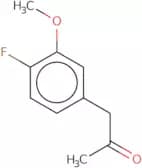
CAS:<p>4-Fluoro-3-methoxyphenylacetone is a high quality reagent that can be used as an intermediate in the synthesis of complex compounds. This compound is also useful for creating fine chemicals and speciality chemicals, for research purposes. 4-Fluoro-3-methoxyphenylacetone has been shown to be a versatile building block in organic synthesis, with many possible applications. It can react with other compounds to create new compounds or react with itself to form new molecules. CAS No. 320338-98-5</p>Formula:C10H11FO2Purity:Min. 95%Molecular weight:182.19 g/mol5-Amino-2-methoxyisonicotinic acid
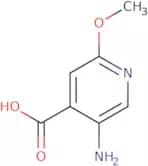
CAS:<p>5-Amino-2-methoxyisonicotinic acid is a carboxylic acid that is used in the synthesis of aminopyridines. The compound can be synthesized from formamidine acetate and diethyl dicarbonate. This process involves lithiation, followed by addition of an amine and finally conversion to the desired product with formamidine acetate. 5-Amino-2-methoxyisonicotinic acid can also be synthesized from formamide and diethyl ether. 5-Amino-2-methoxyisonicotinic acid is an analog of 2,4,6-trimethylaniline and has been shown to have similar properties to this compound, including strong basicity.</p>Formula:C7H8N2O3Purity:Min. 95%Molecular weight:168.15 g/mol2-Methoxyethyl acetoacetate
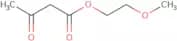
CAS:<p>2-Methoxyethyl acetoacetate is used as a raw material for coatings. It has been shown to be an effective calcium antagonist in the treatment of leukemia and other cancers. 2-Methoxyethyl acetoacetate has also been shown to inhibit the growth of HL-60 cells when it is incubated with these cells in the presence of hydrochloric acid, malonic acid, and quinoline derivatives. The reaction produces chlorine gas, which is toxic to cells.</p>Formula:C7H12O4Purity:Min. 95%Color and Shape:Clear LiquidMolecular weight:160.17 g/molEthoxyiminoacetic acid ethyl ester
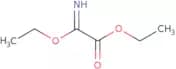
CAS:<p>Ethoxyiminoacetic acid ethyl ester is an annulated, lactam-containing compound that is synthesized via the condensation of ethyl thiooxamate and carboxylic acid. This drug has been shown to be efficient in inhibiting the growth of bacteria that are resistant to antibiotics such as polycyclic, triazoles, and condensates. It also inhibits protein synthesis by binding to bacterial DNA gyrase and topoisomerase IV. Ethoxyiminoacetic acid ethyl ester has shown significant antimicrobial activity against Gram-positive bacteria such as streptococci and staphylococci.</p>Formula:C6H11NO3Purity:Min. 95%Molecular weight:145.16 g/mol3-Methoxybenzyl chloride
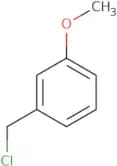
CAS:<p>3-Methoxybenzyl chloride is a polymer conjugate that has the chemical formula C6H5CH2ClO. It reacts with hydroxy groups to form ester bonds. The compound was synthesized by reacting 3-methoxybenzyl chloride with hydrochloric acid in vitro, and the resulting product was found to have antimicrobial properties. In vivo studies have shown that this compound binds to receptors in rat striatal tissue. 3-Methoxybenzyl chloride also showed fluorescence properties when exposed to ultraviolet light and can be used for molecular modeling. Titration calorimetry has been used to study the thermal stability of this polymer conjugate.</p>Formula:C8H9ClOPurity:Min. 95%Molecular weight:156.61 g/molH-Cys(4-methoxytrityl)-2-chlorotrityl resin (200-400 mesh)
<p>Please enquire for more information about H-Cys(4-methoxytrityl)-2-chlorotrityl resin (200-400 mesh) including the price, delivery time and more detailed product information at the technical inquiry form on this page</p>Purity:Min. 95%3-Methoxyphenylboronic acid
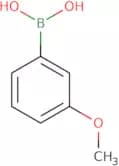
CAS:<p>3-Methoxyphenylboronic acid is a photophysical molecule that can be used as an analytical reagent in plant physiology and analytical chemistry. 3-Methoxyphenylboronic acid reacts reversibly with copper ions to form a complex. The binding constants of the copper complex depend on the pH of the solution, which can be altered by adding a phosphate derivative to the solution. This reaction was investigated using cross-coupling techniques and showed that the binding constants for this complex are dependent on the type of solvent used. 3-Methoxyphenylboronic acid has also been used to measure glucose levels in blood samples.</p>Formula:C7H9BO3Purity:Min. 95%Color and Shape:White PowderMolecular weight:151.96 g/mol1,2-Difluoro-4,5-dimethoxybenzene
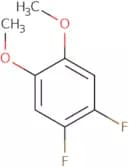
CAS:<p>Diffraction is a technique that is used to measure the angles of the reflections from a crystal or other material. Single-crystal x-ray diffraction (SCXRD) is one form of diffraction that uses a single crystal to generate an image. Diffraction was first observed in 1807 by English scientist William Hyde Wollaston and French physicist Joseph von Fraunhofer. Diffraction can be used to determine the structures of ionic, linear, or annulated frameworks, such as those found in 1,2-Difluoro-4,5-dimethoxybenzene. The molecular geometry and relative orientation of the atoms in these frameworks can be determined through diffraction. This technique is often used to characterize polymers with cyclic structures such as penicillin and cyclic voltammetry. <br>Diffraction studies have shown that 1,2-Difluoro-4,5-dimethoxybenzene has a hydroxylase</p>Formula:C8H8F2O2Purity:Min. 97 Area-%Color and Shape:PowderMolecular weight:174.14 g/mol2-Isobutyl-3-methoxypyrazine
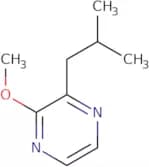
CAS:<p>2-Isobutyl-3-methoxypyrazine is a hydrophobic compound that is not soluble in water. It has a bound form and can be titrated with calorimetry. 2-Isobutyl-3-methoxypyrazine is synthesized by reacting 2,2,4-trimethylpentane with methoxyacetone in the presence of sodium methylate. The compound has been detected as an odorant in numerous plant species and is believed to play a role in plant physiology. 2-Isobutyl-3-methoxypyrazine has been shown to have potent antiviral activity against infectious diseases such as HIV, herpes simplex virus type 1 (HSV1), and varicella zoster virus (VZV). This specific antiviral activity may be due to its ability to bind fatty acids by hydrogen bonds, which may interfere with the synthesis of viral membranes.</p>Formula:C9H14N2OPurity:Min. 95%Molecular weight:166.22 g/mol2,4-Dimethoxyphenylmethylcarbinol
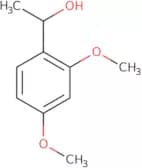
CAS:<p>2,4-Dimethoxyphenylmethylcarbinol is a benzene derivative that can be synthesized from 2,4-dimethoxybenzaldehyde and formaldehyde. This compound is an efficient reductant for hydrazine and has been used as a screening agent for new drugs. It is also a pharmacological active substance with anti-inflammatory properties. 2,4-Dimethoxyphenylmethylcarbinol has shown activity against carrageenan-induced rat paw edema, as well as the vessel and ultrasonic effects of irradiation.</p>Formula:C10H14O3Purity:Min. 95%Molecular weight:182.22 g/mol6-Ethoxy-2-benzothiazolesulfonamide
CAS:<p>6-Ethoxy-2-benzothiazolesulfonamide is a drug that inhibits carbonic anhydrase, which is an enzyme that catalyzes the conversion of carbon dioxide and water to bicarbonate and hydrogen ions. This drug has been shown to be effective for the treatment of bowel disease in animal models. 6-Ethoxy-2-benzothiazolesulfonamide has also been shown to have inhibitory properties against carbonic anhydrase, which may lead to problems with dehydration.</p>Formula:C9H10N2O3S2Purity:Min. 95%Molecular weight:258.32 g/molMethoxytriethyleneglycol methacrylate - Contains MEHQ as inhibitor
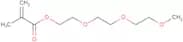
CAS:<p>Methoxytriethyleneglycol methacrylate is a biocompatible polymer that is used as an antimicrobial agent. It can be used to prevent microbial infection and can be incorporated into polymeric materials, such as microcapsules, to form a model system for the study of drug release kinetics. Methoxytriethyleneglycol methacrylate has shown anti-inflammatory properties in the presence of hydrogen bonds with growth factors and reactive oxygen species. The phosphotungstic acid residue in this molecule has been shown to have antimicrobial activity against several strains of bacteria, including Staphylococcus aureus and Escherichia coli.</p>Formula:C11H20O5Purity:Min. 92 Area-%Color and Shape:Clear LiquidMolecular weight:232.27 g/mol4-(2-Oxiranylmethoxy)benzeneethanol
CAS:<p>Please enquire for more information about 4-(2-Oxiranylmethoxy)benzeneethanol including the price, delivery time and more detailed product information at the technical inquiry form on this page</p>Formula:C11H14O3Purity:Min. 95%Molecular weight:194.23 g/mol8-Fluoro-6-methoxy moxifloxacin
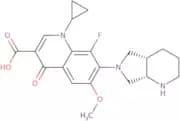
CAS:<p>Please enquire for more information about 8-Fluoro-6-methoxy moxifloxacin including the price, delivery time and more detailed product information at the technical inquiry form on this page</p>Formula:C21H24FN3O4Purity:Min. 95%Molecular weight:401.43 g/mol2,6-Difluoro-4-methoxyphenol
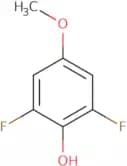
CAS:<p>Please enquire for more information about 2,6-Difluoro-4-methoxyphenol including the price, delivery time and more detailed product information at the technical inquiry form on this page</p>Formula:C7H6F2O2Purity:Min. 95%Color and Shape:PowderMolecular weight:160.12 g/mol2-(2-Bromoethoxy)tetrahydro-2H-pyran
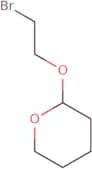
CAS:<p>2-(2-Bromoethoxy)tetrahydro-2H-pyran is a synthetic molecule that has been shown to act as an estrogen receptor modulator, which has the potential to be used for the treatment of hormone-sensitive diseases such as breast cancer. This compound is chemically very similar to other compounds that have been shown to be effective in treating breast cancer. 2-(2-Bromoethoxy)tetrahydro-2H-pyran has a cavity and 6 hydroxyl groups that can form hydrogen bonds with water molecules, leading to its gelling properties. In addition, this compound is thermoreversible and can reversibly gel when heated or cooled. The gelation property of 2-(2-Bromoethoxy)tetrahydro-2H-pyran makes it a promising candidate for use in vaginal tablets, which could potentially lead to treatments for vaginal dryness and atrophy.</p>Formula:C7H13BrO2Purity:Min. 95%Color and Shape:Clear LiquidMolecular weight:209.08 g/mol3,4-Bis(1,1-dimethylethoxy)-3-cyclobutene-1,2-dione
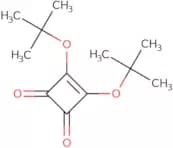
CAS:Please enquire for more information about 3,4-Bis(1,1-dimethylethoxy)-3-cyclobutene-1,2-dione including the price, delivery time and more detailed product information at the technical inquiry form on this pageFormula:C12H18O4Purity:Min. 95%Molecular weight:226.27 g/mol(S)-(-)-6,7-Dimethoxy-1,2,3,4-tetrahydroisoquinoline-3-carboxylic acid hydrochloride
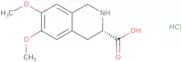
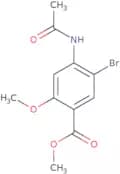
CAS:<p>(S)-(-)-6,7-Dimethoxy-1,2,3,4-tetrahydroisoquinoline-3-carboxylic acid hydrochloride is a synthetic chiral compound that is used to study the role of glyoxylate in biochemical reactions. This drug is an enolate and alkylating agent that can react with nucleophiles such as amines and thiols. It has been shown to be effective against perchlorates by hydrolyzing them into chlorine and oxygen gas. This drug has also been shown to inhibit the growth of Rhodobacter sphaeroides by inhibiting glyoxylate metabolism.</p>Formula:C12H15NO4·HClPurity:Min. 95%Color and Shape:White PowderMolecular weight:273.71 g/mol4-Acetylamino-5-bromo-2-methoxy-benzoic acid methylester
CAS:<p>Please enquire for more information about 4-Acetylamino-5-bromo-2-methoxy-benzoic acid methylester including the price, delivery time and more detailed product information at the technical inquiry form on this page</p>Formula:C11H12BrNO4Purity:Min. 95%Color and Shape:PowderMolecular weight:302.12 g/mol5-(5-Carboxy-2-ethoxyphenyl)-1-methyl-3-n-propyl-1,6-dihydro-7H-pyrazolo[4,3-d]pyrimidin-7-one
CAS:<p>Sildenafil is a drug that is used to treat erectile dysfunction. It inhibits the action of phosphodiesterase type 5 (PDE-5), an enzyme that breaks down the messenger cyclic guanosine monophosphate (cGMP) within the corpus cavernosum. This leads to increased levels of cGMP, which relaxes smooth muscle cells in the corpus cavernosum and allows for more blood flow into the penis. Sildenafil is synthesized from chrysanthemum morifolium, a plant also known as "shamrock." Sildenafil has been shown to have no effects on insulin resistance or lipid metabolism, but it does cause side effects such as headache, visual disturbances, and hearing loss.</p>Formula:C18H20N4O4Purity:Min. 95%Molecular weight:356.38 g/mol4-[2-[[(1S)-1-(2-Aminophenyl)-3-methylbutyl]amino]-2-oxoethyl]-2-ethoxybenzoic acid
CAS:<p>Bosentan is a potent inhibitor of the uptake of organic anions. It is used in the treatment of pulmonary arterial hypertension and has been shown to be effective against pravastatin-resistant HIV protease inhibitors, such as saquinavir, quinidine, and rosuvastatin. Bosentan inhibits uptake by binding to the transporter protein at a site that does not overlap with the binding site for organic anion substrates. This leads to a change in kinetic parameters for substrates, such as pravastatin and saquinavir. The binding site on bosentan may also be elucidated through monolayer experiments with efflux transporters.</p>Formula:C22H28N2O4Purity:Min. 95%Molecular weight:384.47 g/mol3'-[2- Cyanoethyl N, N- bis(1- methylethyl) phosphoramidite]-5'- O- [bis(4- methoxyphenyl) phenylmethyl] - 2'- O- methyl- N- [2- [4- (1- methylethyl) phenoxy] acetyl] -guanosine
CAS:<p>Please enquire for more information about 3'-[2- Cyanoethyl N, N- bis(1- methylethyl) phosphoramidite]-5'- O- [bis(4- methoxyphenyl) phenylmethyl] - 2'- O- methyl- N- [2- [4- (1- methylethyl) phenoxy] acetyl] -guanosine including the price, delivery time and more detailed product information at the technical inquiry form on this page</p>Formula:C52H62N7O10PPurity:Min. 95%Molecular weight:976.06 g/mol3,4-Diethoxybenzylalcohol
CAS:<p>3,4-Diethoxybenzylalcohol is a metabolite produced by the fungus Ustilago maydis. It has been shown to have pleiotropic effects on the metabolism of the organism. 3,4-Diethoxybenzylalcohol is involved in lignin biosynthesis and bond cleavage reactions. In addition to functioning as an intermediate in the pentose phosphate pathway, it is involved in the nature of the basidiomycete cell wall and also plays a role in carbon source utilization.</p>Formula:C11H16O3Purity:Min. 95%Color and Shape:PowderMolecular weight:196.24 g/mol(4S)-3,4-Dihydro-2-(3-methoxypropyl)-2H-thieno[3,2-e]-1,2-thiazin-4-ol 1,1-dioxide
CAS:<p>Please enquire for more information about (4S)-3,4-Dihydro-2-(3-methoxypropyl)-2H-thieno[3,2-e]-1,2-thiazin-4-ol 1,1-dioxide including the price, delivery time and more detailed product information at the technical inquiry form on this page</p>Formula:C10H15NO4S2Purity:Min. 95%Molecular weight:277.36 g/molEthyl2-(acetylamino)-3-[3,5-diiodo-4-(4-methoxyphenoxy)phenyl]propanoate
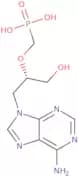
CAS:<p>Please enquire for more information about Ethyl2-(acetylamino)-3-[3,5-diiodo-4-(4-methoxyphenoxy)phenyl]propanoate including the price, delivery time and more detailed product information at the technical inquiry form on this page</p>Formula:C20H21I2NO5Purity:Min. 95%Molecular weight:609.19 g/mol(S)-HPMPA
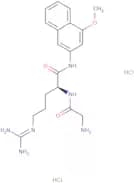
CAS:<p>(S)-HPMPA is a nucleotide analogue, which is a chemically synthesized compound designed to mimic nucleotides. It acts as both an antiviral and an antitumor agent, sourced primarily through synthetic chemistry involving the modification of naturally occurring nucleotide structures. The mode of action of (S)-HPMPA involves mimicking natural substrates of various viral polymerases and cellular enzymes, thereby inhibiting viral DNA synthesis and disrupting the replication cycle of DNA viruses. Additionally, it can interfere with certain cellular pathways contributing to its antitumor effects.</p>Formula:C9H14N5O5PPurity:Min. 95%Molecular weight:303.21 g/molGly-arg-4-methoxy-β-naphthylamide dihydrochloride
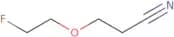
CAS:Please enquire for more information about Gly-arg-4-methoxy-beta-naphthylamide dihydrochloride including the price, delivery time and more detailed product information at the technical inquiry form on this pageFormula:C19H26N6O3·2ClHPurity:Min. 95%Molecular weight:459.37 g/mol3-(2-Fluoroethoxy)Propanenitrile
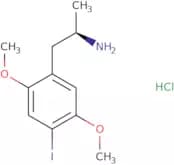
CAS:<p>3-(2-Fluoroethoxy)Propanenitrile is a chemical with toxic properties. It is classified as a fluoroacetic acid and has been used in the production of other chemicals. Fluoroacetic acid is toxic to humans, showing signs of skin irritation, respiratory tract irritation, and kidney damage. 3-(2-Fluoroethoxy)Propanenitrile is not found naturally and has been sponsored by many companies.</p>Formula:C5H8FNOPurity:Min. 95%Molecular weight:117.12 g/mol(R)(−)-DOI hydrochloride
CAS:Controlled Product<p>(R)(−)-DOI hydrochloride is a synthetic compound classified as a selective serotonin receptor agonist. It is primarily sourced from chemical synthesis processes designed to explore potential interactions within serotonergic pathways. The compound’s mode of action involves the activation of 5-HT2A, 5-HT2B, and 5-HT2C serotonin receptors, which play crucial roles in modulating neurotransmission and signaling pathways within the central nervous system.In research and experimental contexts, (R)(−)-DOI hydrochloride is utilized to investigate the molecular mechanisms of serotonin receptors, contributing to a deeper understanding of their role in neurophysiology and potential implications in neuropsychiatric disorders. Studies often explore its effects on cognition, perception, and mood regulation. Despite its promising role in scientific exploration, (R)(−)-DOI hydrochloride is not intended for therapeutic use and remains predominantly a tool for advancing the field of neuropharmacology through controlled experimental settings.</p>Formula:C11H17ClINO2Purity:Min. 95%Molecular weight:357.62 g/mol3-[2-Amino-3-(2-tert-butoxycarbonyl-ethoxy)-2-(2-tert-butoxycarbonyl-ethoxymethyl)-propoxy]-propionic acid tert-butyl ester
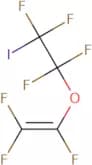
CAS:<p>Please enquire for more information about 3-[2-Amino-3-(2-tert-butoxycarbonyl-ethoxy)-2-(2-tert-butoxycarbonyl-ethoxymethyl)-propoxy]-propionic acid tert-butyl ester including the price, delivery time and more detailed product information at the technical inquiry form on this page</p>Formula:C25H47NO9Purity:Min. 95%Molecular weight:505.64 g/molTrifluoro(1,1,2,2-Tetrafluoro-2-Iodoethoxy)Ethylene
CAS:<p>Please enquire for more information about Trifluoro(1,1,2,2-Tetrafluoro-2-Iodoethoxy)Ethylene including the price, delivery time and more detailed product information at the technical inquiry form on this page</p>Formula:C4F7IOPurity:Min. 95%Molecular weight:323.94 g/mol6-Acetyl-1-bromo-2-methoxynaphthalene
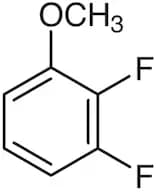
CAS:Formula:C13H11BrO2Purity:>98.0%(GC)Color and Shape:Light yellow to Yellow to Orange powder to crystalMolecular weight:279.132,3-Difluoroanisole
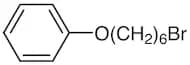
CAS:Formula:C7H6F2OPurity:>97.0%(GC)Color and Shape:Colorless to Almost colorless clear liquidMolecular weight:144.126-Phenoxyhexyl Bromide
CAS:Formula:C12H17BrOPurity:>96.0%(GC)Color and Shape:Very Pale Yellow - Pale Yellow LiquidMolecular weight:257.17Undecyl Ether
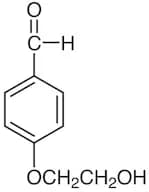
CAS:Formula:C22H46OPurity:>97.0%(GC)Color and Shape:White or Colorless to Light yellow powder to lump to clear liquidMolecular weight:326.614-(2-Hydroxyethoxy)benzaldehyde
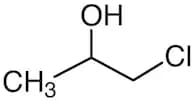
CAS:Formula:C9H10O3Purity:>98.0%(GC)Color and Shape:White to Light yellow to Light orange powder to crystalMolecular weight:166.181-Chloro-2-propanol (contains ca. 25% 2-Chloro-1-propanol)
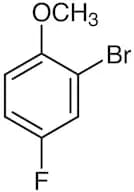
CAS:Formula:C3H7ClOPurity:>70.0%(GC)Color and Shape:Colorless to Light yellow clear liquidMolecular weight:94.542-Bromo-4-fluoroanisole
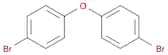
CAS:Formula:C7H6BrFOPurity:>98.0%(GC)Color and Shape:Colorless to Light orange to Yellow clear liquidMolecular weight:205.03Benzene, 1,1'-oxybis[4-bromo-
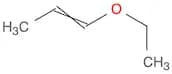
CAS:Formula:C12H8Br2OPurity:97%Color and Shape:SolidMolecular weight:327.99931-Ethoxyprop-1-ene, mixture of cis and trans
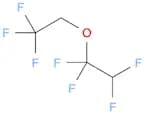
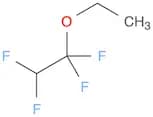
CAS:Formula:C5H10OPurity:98%Color and Shape:LiquidMolecular weight:86.1323Ethane,1,1,2,2-tetrafluoro-1-(2,2,2-trifluoroethoxy)-
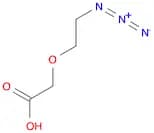
CAS:Formula:C4H3F7OPurity:97%Color and Shape:LiquidMolecular weight:200.05482-(2-Azidoethoxy)acetic acid
CAS:Formula:C4H7N3O3Purity:98%Color and Shape:LiquidMolecular weight:145.1167Ref: IN-DA00ID24
Discontinued productDiethyl Ether
CAS:Controlled ProductFormula:C4H10OColor and Shape:Colorless LiquidMolecular weight:74.12Ref: 4Z-E-075010
Discontinued productRef: 4Z-E-075005
Discontinued productRef: 4Z-E-075031
Discontinued productRef: 4Z-E-075020
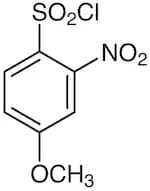
Discontinued product4-Methoxy-2-nitrobenzenesulfonyl Chloride
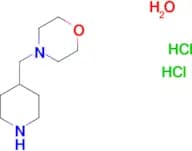
CAS:Formula:C7H6ClNO5SPurity:>93.0%(GC)(T)Color and Shape:Light orange to Yellow to Green powder to crystalMolecular weight:251.644-(4-piperidinylmethyl)morpholine dihydrochloride hydrate
CAS:Purity:95.0%Color and Shape:SolidMolecular weight:275.20999145507811-[3-(Difluoromethoxy)phenyl]-5-oxopyrrolidine-3-carboxylic acid
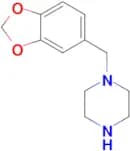
CAS:Purity:97.0%Molecular weight:271.22000122070311-(3,4-Methylenedioxybenzyl)piperazine
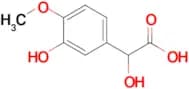
CAS:Purity:97.0%Color and Shape:SolidMolecular weight:220.272003173828122-Hydroxy-2-(3-hydroxy-4-methoxyphenyl)acetic acid
CAS:Purity:95.0%Color and Shape:Solid, White crystalline powder, can change colour duringMolecular weight:198.1739959716797Ref: 10-F328950
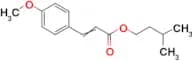
Discontinued productIsopentyl 3-(4-methoxyphenyl)acrylate
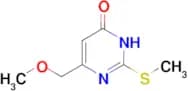
CAS:Purity:95.0%Color and Shape:LiquidMolecular weight:248.322006225585946-(methoxymethyl)-2-(methylthio)pyrimidin-4(3H)-one
CAS:Purity:95.0%Molecular weight:186.22999572753906Ref: 10-F659394
Discontinued product2,2-Dimethyl-chroman-4-ylamine
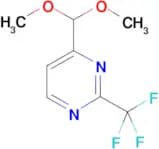
CAS:Purity:95.0%Color and Shape:SolidMolecular weight:177.24699401855474-(DIMETHOXYMETHYL)-2-(TRIFLUOROMETHYL)PYRIMIDINE
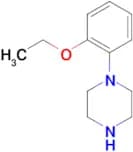
CAS:Purity:97.0%Molecular weight:222.167007446289061-(2-Ethoxyphenyl)piperazine
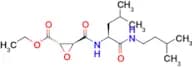
CAS:Purity:95.0%Color and Shape:SolidMolecular weight:206.28900146484375L-TRANS-EPOXYSUCCINYL-LEU-3-METHYLBUTYLAMIDE-ETHYL ESTER
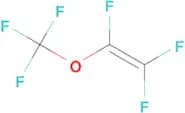
CAS:Purity:95.0%Molecular weight:342.4360046386719Trifluoromethyl trifluorovinyl ether
CAS:Purity:99.0%Color and Shape:GasMolecular weight:166.022003173828122-[4-(Trifluoromethoxy)phenoxy]isonicotinonitrile
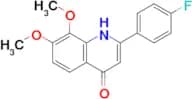
CAS:Purity:97.0%Molecular weight:280.205993652343752-(4-fluorophenyl)-7,8-dimethoxy-1,4-dihydroquinolin-4-one
CAS:Purity:98%Molecular weight:299.3009948730469Ref: 10-F667463
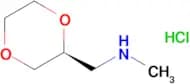
Discontinued product(S)-1-(1,4-DIOXAN-2-YL)-N-METHYLMETHANAMINE HYDROCHLORIE
CAS:Purity:95.0%Molecular weight:167.6300048828125Ref: 10-F533094
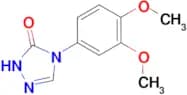
Discontinued product4-(3,4-dimethoxyphenyl)-5-methyl-2,4-dihydro-3H-1,2,4-triazol-3-one
Molecular weight:235.24299621582032-(Tetrahydro-pyran-4-yloxy)-5-(4,4,5,5-tetramethy-[1,3,2]dioxaborolan-2-yl)-pyridine
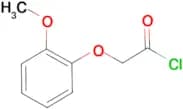
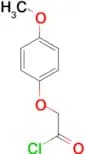
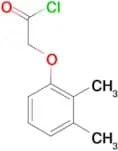
CAS:Purity:95.0%Color and Shape:SolidMolecular weight:305.17999267578125(2-Methoxy-phenoxy)-acetyl chloride
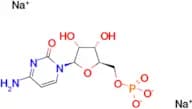
CAS:Purity:95.0%Color and Shape:Solid, solidMolecular weight:200.6199951171875Sodium ((2R,3S,4R,5R)-5-(4-amino-2-oxopyrimidin-1(2H)-yl)-3,4-dihydroxytetrahydrofuran-2-yl)methyl phosphate
CAS:Purity:95.0%Molecular weight:367.1610107421875[2-(2-methoxy-1-naphthyl)ethyl]amine hydrochloride
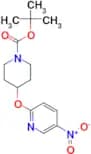
CAS:Purity:95.0%Color and Shape:SolidMolecular weight:237.72999572753906tert-Butyl 4-(5-nitropyridin-2-yloxy)piperidine-1-carboxylate
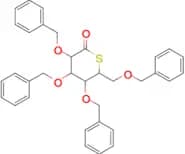
CAS:Purity:95.0%Molecular weight:323.34899902343753,4,5-Tris(benzyloxy)-6-((benzyloxy)methyl)tetrahydro-2H-thiopyran-2-one
CAS:Purity:98%Color and Shape:SolidMolecular weight:554.700012207031ethyl 4-[3-(1,3-dioxo-1,3-dihydro-2H-isoindol-2-yl)propoxy]benzoate
Molecular weight:353.37399291992191-(2,3-Dihydro-benzo[1,4]dioxin-6-yl)-piperazinedihydrochloride
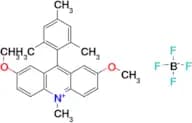
CAS:Color and Shape:SolidMolecular weight:293.190002441406259-Mesityl-2,7-dimethoxy-10-methylacridin-10-ium tetrafluoroborate
CAS:Purity:97.0%Molecular weight:459.2900085449219Ref: 10-F079428
Discontinued productRef: 10-F518430
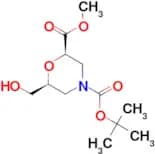
Discontinued product(2R,6S)-4-tert-butyl 2-methyl 6-(hydroxymethyl)morpholine-2,4-dicarboxylate
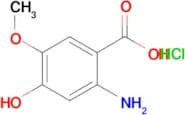
CAS:Purity:98%Molecular weight:275.3012-amino-4-hydroxy-5-methoxybenzoic acid hydrochloride
CAS:Purity:95.0%Molecular weight:219.6199951171875(R)-1-(1-((S)-TETRAHYDRO-2H-PYRAN-3-YL)-1,6-DIHYDROIMIDAZO[4,5-D]PYRROLO[2,3-B]PYRIDIN-2-YL)ETHANOL
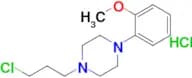
CAS:Purity:95.0%Molecular weight:286.33499145507811-(3-Chloropropyl)-4-(2-methoxyphenyl)piperazine hydrochloride
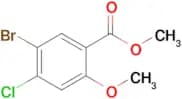
CAS:Purity:98.0%Color and Shape:SolidMolecular weight:305.239990234375Methyl 5-bromo-4-chloro-2-methoxybenzoate
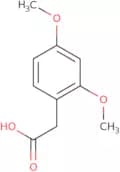
CAS:Purity:95.0%Color and Shape:SolidMolecular weight:279.5100097656252,4-Dimethoxyphenyl acetic acid
CAS:<p>2,4-Dimethoxyphenyl acetic acid is a synthetic compound that has been used as a pharmacological agent in the treatment of high blood pressure. It is also used as a reaction intermediate and can be obtained by the condensation of 2-hydroxybenzaldehyde with acetyl chloride. The kinetic data for this compound has been determined using deuterium isotope labeling and ion-pairing. The synthesis of 2,4-dimethoxyphenyl acetic acid involves the conversion of malonic acid to methylmalonate with ethyl bromoacetate and hydrobromic acid. This compound is chiral and optically active, giving it an R or S configuration. The reaction rate for 2,4-dimethoxyphenyl acetic acid has been found to be faster when in contact with phosphite ions than without.</p>Formula:C10H12O4Purity:Min. 95%Color and Shape:Off-White PowderMolecular weight:196.2 g/molRef: 3D-FD10524
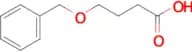
Discontinued product4-(Benzyloxy)butanoic acid
CAS:Formula:C11H14O3Purity:95%Color and Shape:LiquidMolecular weight:194.23Ref: 10-F210237
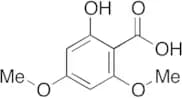
Discontinued product2-Hydroxy-4,6-dimethoxybenzoic Acid
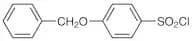
CAS:Controlled Product<p>Applications 2-Hydroxy-4,6-dimethoxybenzoic acid is a reagent used in the synthesis of rac Zearalenone-d6 (Z270502). rac Zearalenone-d6 s an estrogenic mycotoxin produced by Fusarium fungi commonly found in grains. One of a group of compounds known as resorcylic acid lactones.<br>References Tanaka, T., et al.: J. Agric. Food Chem., 36, 979 (1988), Hamilton, S., et al.: Anticancer Res., 16, 3597 (1996), Hecht, S., et al.: Cancer Lett., 150, 49 (2000), Hussein, H., et al.: Toxicology, 167, 101 (2001), Lim, H., et al.: J. Immunol., 175, 4180 (2005),<br></p>Formula:C9H10O5Color and Shape:Light Orange Colour To Light BrownMolecular weight:198.054-(Benzyloxy)benzenesulfonyl Chloride
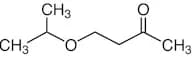
CAS:Formula:C13H11ClO3SPurity:>98.0%(T)Color and Shape:White to Light yellow powder to crystalMolecular weight:282.744-Isopropoxy-2-butanone
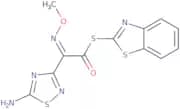
CAS:Formula:C7H14O2Purity:>98.0%(GC)Color and Shape:Colorless to Almost colorless clear liquidMolecular weight:130.19S-2-Benzothiazolyl (Z)-2-(5-amino-1,2,4-thiadiazol-3-yl)-2-methoxyiminothioacetate
CAS:<p>S-2-Benzothiazolyl (Z)-2-(5-amino-1,2,4-thiadiazol-3-yl)-2-methoxyiminothioacetate is an experimental drug that has been studied in research, solvents and clinical data. It has a strong ability to disrupt the physiology of cells by inhibiting reactions that require S-adenosylmethionine. The reaction time is approximately 10 seconds, and human patients have been used for clinical development and translational research. This reducer is also able to produce high yield with a synthesis time of only 1 hour.</p>Formula:C12H9N5O2S3Purity:Min. 95%Color and Shape:White PowderMolecular weight:351.43 g/molRef: 3D-FB42988
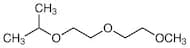
Discontinued productDiethylene Glycol Isopropyl Methyl Ether
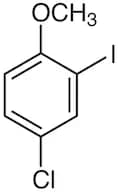
CAS:Formula:C8H18O3Purity:>98.0%(GC)Color and Shape:Colorless to Almost colorless clear liquidMolecular weight:162.234-Chloro-2-iodoanisole
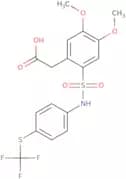
CAS:Formula:C7H6ClIOPurity:>98.0%(GC)Color and Shape:White or Colorless to Orange to Green powder to lump to clear liquidMolecular weight:268.482-(4,5-dimethoxy-2-(((4-(trifluoromethylthio)phenyl)amino)sulfonyl)phenyl)acetic acid
CAS:<p>Please enquire for more information about 2-(4,5-dimethoxy-2-(((4-(trifluoromethylthio)phenyl)amino)sulfonyl)phenyl)acetic acid including the price, delivery time and more detailed product information at the technical inquiry form on this page</p>Purity:Min. 95%Ref: 3D-FD169440
Discontinued productDiethoxy-Methyl-Thioxo-Phosphorane
CAS:Controlled Product<p>Diethoxy-methyl-thioxo-phosphorane is a chemical compound that is used in the manufacture of industrial chemicals. It has a vapor pressure of 0.0014 mmHg at 25°C, and can be quantified by chemical ionization with gas chromatography/mass spectrometry. Diethoxy-methyl-thioxo-phosphorane reacts with radiation to produce reactive oxygen species and other free radicals, which can damage DNA and cause cancer. The reaction rate is rapid, with an analogy to humans being exposed to nitrate compounds. Diethoxy-methyl-thioxo-phosphorane is also used in devices such as radiators and heaters, where it causes damage when combined with nitrates.</p>Formula:C5H13O2PSPurity:Min. 95%Molecular weight:168.2 g/molRef: 3D-FD58753
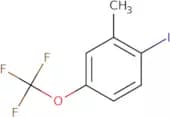
Discontinued product2-Methyl-4-(trifluoromethoxy)iodobenzene
CAS:<p>Please enquire for more information about 2-Methyl-4-(trifluoromethoxy)iodobenzene including the price, delivery time and more detailed product information at the technical inquiry form on this page</p>Formula:C8H6F3IOPurity:Min. 95%Molecular weight:302.03 g/molRef: 3D-FM85964
Discontinued product




![5-(5-Carboxy-2-ethoxyphenyl)-1-methyl-3-n-propyl-1,6-dihydro-7H-pyrazolo[4,3-d]pyrimidin-7-one](/_next/image/?url=https%3A%2Fstatic.cymitquimica.com%2Fproducts%2F3D%2Fthumb-webp%2FFC19751.webp&w=3840&q=75)
![4-[2-[[(1S)-1-(2-Aminophenyl)-3-methylbutyl]amino]-2-oxoethyl]-2-ethoxybenzoic acid](/_next/image/?url=https%3A%2Fstatic.cymitquimica.com%2Fproducts%2F3D%2Fthumb-webp%2FFD21379.webp&w=3840&q=75)
![3'-[2- Cyanoethyl N, N- bis(1- methylethyl) phosphoramidite]-5'- O- [bis(4- methoxyphenyl) phenylm…](/_next/image/?url=https%3A%2Fstatic.cymitquimica.com%2Fproducts%2F3D%2Fthumb-webp%2FFC165570.webp&w=3840&q=75)

![(4S)-3,4-Dihydro-2-(3-methoxypropyl)-2H-thieno[3,2-e]-1,2-thiazin-4-ol 1,1-dioxide](/_next/image/?url=https%3A%2Fstatic.cymitquimica.com%2Fproducts%2F3D%2Fthumb-webp%2FFD21960.webp&w=3840&q=75)
![Ethyl2-(acetylamino)-3-[3,5-diiodo-4-(4-methoxyphenoxy)phenyl]propanoate](/_next/image/?url=https%3A%2Fstatic.cymitquimica.com%2Fproducts%2F3D%2Fthumb-webp%2FFE149894.webp&w=3840&q=75)
![3-[2-Amino-3-(2-tert-butoxycarbonyl-ethoxy)-2-(2-tert-butoxycarbonyl-ethoxymethyl)-propoxy]-propio…](/_next/image/?url=https%3A%2Fstatic.cymitquimica.com%2Fproducts%2F3D%2Fthumb-webp%2FFA163774.webp&w=3840&q=75)









![2,3-DIHYDROPYRAZOLO[5,1-B]OXAZOL-7-AMINE HCL](/_next/image/?url=https%3A%2Fstatic.cymitquimica.com%2Fproducts%2F10%2Fthumb-webp%2FF537370.webp&w=3840&q=75)
![1-[3-(Difluoromethoxy)phenyl]-5-oxopyrrolidine-3-carboxylic acid](/_next/image/?url=https%3A%2Fstatic.cymitquimica.com%2Fproducts%2F10%2Fthumb-webp%2FF402561.webp&w=3840&q=75)
![1-Amino-3-[4-(2-methoxyethyl)phenoxy]propan-2-ol](/_next/image/?url=https%3A%2Fstatic.cymitquimica.com%2Fproducts%2F10%2Fthumb-webp%2FF659394.webp&w=3840&q=75)


![2-[4-(Trifluoromethoxy)phenoxy]isonicotinonitrile](/_next/image/?url=https%3A%2Fstatic.cymitquimica.com%2Fproducts%2F10%2Fthumb-webp%2FF403465.webp&w=3840&q=75)
![N-(4-chlorophenyl)-N'-[3-(difluoromethoxy)phenyl]urea](/_next/image/?url=https%3A%2Fstatic.cymitquimica.com%2Fproducts%2F10%2Fthumb-webp%2FF517889.webp&w=3840&q=75)
![1-[(Tetrahydro-2H-pyran-4-yl)methyl]-1H-imidazol-2-amine](/_next/image/?url=https%3A%2Fstatic.cymitquimica.com%2Fproducts%2F10%2Fthumb-webp%2FF096343.webp&w=3840&q=75)

![2-(Tetrahydro-pyran-4-yloxy)-5-(4,4,5,5-tetramethy-[1,3,2]dioxaborolan-2-yl)-pyridine](/_next/image/?url=https%3A%2Fstatic.cymitquimica.com%2Fproducts%2F10%2Fthumb-webp%2FF075776.webp&w=3840&q=75)
![[2-(2-methoxy-1-naphthyl)ethyl]amine hydrochloride](/_next/image/?url=https%3A%2Fstatic.cymitquimica.com%2Fproducts%2F10%2Fthumb-webp%2FF358836.webp&w=3840&q=75)
![ethyl 4-[3-(1,3-dioxo-1,3-dihydro-2H-isoindol-2-yl)propoxy]benzoate](/_next/image/?url=https%3A%2Fstatic.cymitquimica.com%2Fproducts%2F10%2Fthumb-webp%2FF518246.webp&w=3840&q=75)
![1-(2,3-Dihydro-benzo[1,4]dioxin-6-yl)-piperazinedihydrochloride](/_next/image/?url=https%3A%2Fstatic.cymitquimica.com%2Fproducts%2F10%2Fthumb-webp%2FF019973.webp&w=3840&q=75)

![(R)-1-(1-((S)-TETRAHYDRO-2H-PYRAN-3-YL)-1,6-DIHYDROIMIDAZO[4,5-D]PYRROLO[2,3-B]PYRIDIN-2-YL)ETHANOL](/_next/image/?url=https%3A%2Fstatic.cymitquimica.com%2Fproducts%2F10%2Fthumb-webp%2FF528319.webp&w=3840&q=75)