Ethers
Ethers are organic compounds containing an ether functional group, characterized by an oxygen atom bonded to two hydrocarbon radicals. These compounds are valuable in synthesis and serve as solvents in various chemical reactions. At CymitQuimica, we offer a selection of high-quality ethers to support your research and industrial applications, ensuring reliable and effective results. Our range of ethers meets diverse laboratory requirements, from routine experiments to advanced research.
Found 40729 products of "Ethers"
Sort by
Purity (%)
0
100
|
0
|
50
|
90
|
95
|
100
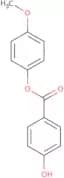
4-Methoxyphenyl 4-Hydroxybenzoate
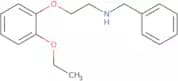
CAS:<p>4-Methoxyphenyl 4-hydroxybenzoate is a thermodynamic monomer with the molecular formula CHCOOH. It is a colorless to white solid that is soluble in water, methanol, and acetone. 4-Methoxyphenyl 4-hydroxybenzoate polymerizes under high pressure and temperature to form homopolymers and copolymers with phenoxy, trifluoromethyl, and amide groups. This compound has been used to make polyoxyethylene surfactants with a variety of properties including surface tension, viscosity, and efficiency.</p>Formula:C14H12O4Purity:Min. 95%Molecular weight:244.24 g/molN-Benzyl-N-(2-ethoxyphenoxy)ethylamine
CAS:<p>N-Benzyl-N-(2-ethoxyphenoxy)ethylamine is a fine chemical that belongs to the category of building blocks and research chemicals. It is a versatile intermediate that can be used in the synthesis of a wide range of compounds. This compound has been shown to be useful as a reaction component and scaffold for the construction of complex organic molecules. It has also been used as an intermediate in the synthesis of high quality speciality chemicals.</p>Formula:C17H21NO2Purity:Min. 95%Color and Shape:PowderMolecular weight:271.35 g/mol3-(Ethoxycarbonylamino)phenothiazine
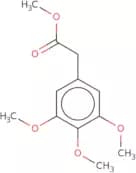
CAS:<p>3-(Ethoxycarbonylamino)phenothiazine is a chemical compound that belongs to the group of speciality chemicals. It is an intermediate for the synthesis of other compounds and can be used in the production of fine chemicals, reagents, and complex compounds. 3-(Ethoxycarbonylamino)phenothiazine has been shown to have a high reactivity and is useful as a building block in organic chemistry. This product also has versatile uses in research, which includes drug discovery and development.</p>Purity:Min. 95%Methyl 3,4,5-trimethoxyphenyl acetate
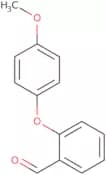
CAS:<p>Methyl 3,4,5-trimethoxyphenyl acetate is an ester that is used as a building block and intermediate in the synthesis of pharmaceuticals. It can also be used as an intermediate in research and as a reagent for chemical analysis. Methyl 3,4,5-trimethoxyphenyl acetate has high purity and is available at competitive prices.</p>Formula:C12H16O5Purity:Min. 95%Molecular weight:240.25 g/mol2-(4-Methoxyphenoxy)benzaldehyde
CAS:<p>2-(4-Methoxyphenoxy)benzaldehyde is a fine chemical that is used as a versatile building block in the synthesis of complex compounds and research chemicals. 2-(4-Methoxyphenoxy)benzaldehyde is also a reagent that can be used to synthesize speciality chemicals, useful building blocks, and reaction components. This chemical may be used as an intermediate for the synthesis of high-quality pharmaceuticals or other useful scaffolds. It has CAS number 19434-36-7.</p>Formula:C14H12O3Purity:Min. 95%Color and Shape:White To Brown SolidMolecular weight:228.24 g/mol5-Methoxy-3-(1,2,5,6-tetrahydro-4-pyridinyl)-1H-indole hemisuccinate
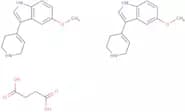
CAS:<p>5-Methoxy-3-(1,2,5,6-tetrahydro-4-pyridinyl)-1H-indole hemisuccinate is a serotonin receptor agonist that has been shown to stimulate the 5HT1A receptor. It stimulates insulin secretion and glucose uptake in rats and inhibits feeding behavior in mice. It has also been shown to have antihypertensive effects on rats by blocking the 5HT2 receptors. In addition, it stimulates regeneration of injured nerve cells. This drug has potential uses as a treatment for neurological diseases such as Parkinson's disease and depression.</p>Formula:C14H16N2O•(C4H6O4)0Purity:Min. 95%Color and Shape:Yellow solid.Molecular weight:287.33 g/mol[3-Methyl-4-(2,2,2-trifluoro-ethoxy)-pyridin-2-yl]-methanol
CAS:<p>[3-Methyl-4-(2,2,2-trifluoro-ethoxy)-pyridin-2-yl]-methanol is a synthetic organic compound that is used in the synthesis of other organic compounds. It can be purified by filtration or gasification and recrystallization.</p>Purity:Min. 95%Color and Shape:Powder4-Bromo-2-methoxytoluene
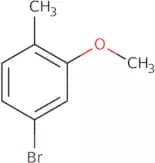
CAS:<p>4-Bromo-2-methoxytoluene is a lactone compound that has been shown to have bioactivities. It is also known as methoxy, an aromatic organic compound with one methyl substituent and two hydroxyl substituents on a benzene ring. 4-Bromo-2-methoxytoluene is found in the natural products cephalotaxaceae and cephalotaxus. This compound can be synthesized by reacting diisopropylamine with formylation of bromobenzene in the presence of acetic acid followed by treatment with sodium acetate. The chemical structure forms a skeleton containing four carbon atoms and six hydrogen atoms, which are arranged in three rings (a cyclic system). This compound exists as two isomers, namely cis and trans.</p>Formula:C8H9BrOPurity:Min. 95%Color and Shape:PowderMolecular weight:201.06 g/molDiphenyliodanium 9,10-dimethoxyanthracene-2-sulfonate
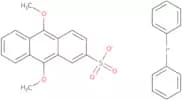
CAS:<p>Diphenyliodanium 9,10-dimethoxyanthracene-2-sulfonate is an organic compound that belongs to the class of vinyl ethers. It can be used as a photosensitive material in photolithography. The mechanism of the photoinduced crosslinking reaction has been studied by mechanistic study and shown to proceed through a Friedel-Crafts type reaction followed by a transfer mechanism. This compound can also be prepared by irradiating an ammonium formate solution with ultraviolet light. Diphenyliodanium 9,10-dimethoxyanthracene-2-sulfonate is soluble in hydroxide solution and reacts with uv irradiation to produce radicals at the carbonyl group.</p>Formula:C28H23IO5SPurity:Min. 95%Molecular weight:598.45 g/mol4-Methoxy-3,5-dimethyl-pyridin-2-yl)methyl acetate
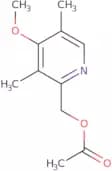
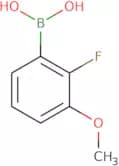
CAS:<p>4-Methoxy-3,5-dimethyl-pyridin-2-yl)methyl acetate is a chemical intermediate that is used in the manufacture of pharmaceuticals and other fine chemicals. It has been found to be a useful scaffold for the synthesis of other compounds. This compound may also be used as a building block or reaction component in research. 4-Methoxy-3,5-dimethyl-pyridin-2-yl)methyl acetate has a CAS number of 91219-90-8 and can be purchased from suppliers such as TCI America.</p>Formula:C11H15NO3Purity:Min. 95%Color and Shape:White PowderMolecular weight:209.24 g/mol(2-Fluoro-3-methoxyphenyl)boronic acid
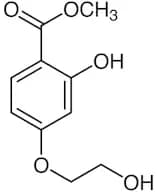
CAS:<p>2-Fluoro-3-methoxyphenylboronic acid is a boronic acid that has been shown to be orally activated. It is a potent inhibitor of the enzyme target, which is involved in the production of estradiol. 2-Fluoro-3-methoxyphenylboronic acid has been found to inhibit cellular growth and induce cancer cell death by targeting estrogen receptor β. This molecule also inhibits the growth factor, leading to inhibition of prostate cancer cells in vitro.</p>Formula:C7H8BFO3Purity:Min. 95%Color and Shape:White PowderMolecular weight:169.95 g/molMethyl 4-(2-Hydroxyethoxy)salicylate
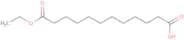
Formula:C10H12O5Purity:>98.0%(GC)Color and Shape:White to Light yellow to Light orange powder to crystalMolecular weight:212.2011-Ethoxycarbonyldodecanoic acid
CAS:<p>11-Ethoxycarbonyldodecanoic acid is a high quality, useful intermediate, and versatile building block. It has been shown to be an efficient reagent for the synthesis of complex compounds. 11-Ethoxycarbonyldodecanoic acid can be used as a speciality chemical or research chemical in the production of fine chemicals, as well as in the synthesis of useful scaffolds and building blocks. This compound is also a reaction component that can be used in the production of many different types of products.</p>Formula:C14H26O4Purity:Min. 95%Color and Shape:PowderMolecular weight:258.35 g/mol3,5-Dimethyl-4-methoxybenzoic acid
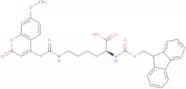
CAS:<p>3,5-Dimethyl-4-methoxybenzoic acid is a disulphide monomer with the chemical formula C7H8O2S. It can be used as a building block for organic synthesis. This compound has been widely studied because it contains a benzyl group, which is the simplest aromatic system. The symmetric and asymmetric vibrational frequencies of 3,5-dimethyl-4-methoxybenzoic acid have been measured by nmr spectroscopy and theory. The thermodynamic properties of this compound have also been studied by molecular dynamics simulations and quantum chemical calculations.</p>Formula:C10H12O3Purity:Min. 95%Molecular weight:180.2 g/molN-α-Fmoc-Nε-7-methoxycoumarin-4-acetyl-L-lysine
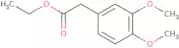
CAS:<p>N-alpha-Fmoc-Nepsilon-7-methoxycoumarin-4-acetyl-L-lysine is a fluorogenic molecule that is synthesized by the solid phase method. It is an analog of lysine, which is a bioactive amino acid. This compound binds to copper and exhibits fluorescence emission at 585 nm when excited at 488 nm. N-alpha-Fmoc-Nepsilon-7-methoxycoumarin-4-acetyl-L-lysine can be used as a substrate for bone growth in vitro and in vivo. It can also be used as a labeling reagent for bone tissue, such as bone sections or cells. It has been shown to produce osteogenic activity in vitro and in vivo.</p>Formula:C33H32N2O8Purity:Min. 97 Area-%Color and Shape:PowderMolecular weight:584.62 g/molEthyl 2-(3,4-dimethoxyphenyl)acetate - 90%
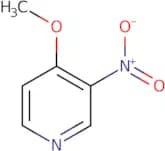
CAS:<p>Ethyl 2-(3,4-dimethoxyphenyl)acetate is a synthetic molecule that has been observed in the gas phase. It has been shown to have antibacterial activity and significant antifungal activity. Ethyl 2-(3,4-dimethoxyphenyl)acetate was also found to be resistant to amines, which are organic compounds that can be found in many types of bacteria. The antibacterial properties of ethyl 2-(3,4-dimethoxyphenyl)acetate may be due to its ability to cleave bonds with chloride ions and its conformational studies.</p>Formula:C12H16O4Purity:Min. 95%Color and Shape:PowderMolecular weight:224.25 g/mol4-Methoxy-3-nitropyridine
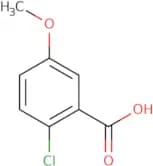
CAS:<p>4-Methoxy-3-nitropyridine (4MNOP) is an organic compound that is a white solid at room temperature. 4MNOP has been shown to interact with alkali metals and can be used in the preparation of emulsifying agents. It also has been found to have pharmacokinetic properties, including a low molecular weight, good solubility in water, and a high degree of absorption. The imidazopyridine ring system is susceptible to reductive amination reactions, which may lead to the formation of amine or surfactant residues.</p>Formula:C6H6N2O3Purity:Min. 95%Color and Shape:PowderMolecular weight:154.13 g/mol2-Chloro-5-methoxybenzoic acid
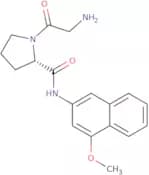
CAS:<p>2-Chloro-5-methoxybenzoic acid (2CMB) is a copper chelator that has been shown to have antagonistic properties against microglia cells. 2CMB is synthesized from 2,5-dichlorobenzoic acid and methoxylamine. It has been shown to inhibit the synthesis of inflammatory mediators in rat spinal cord microglia cells by inhibiting the activity of polyphosphoric acid, anions and additives. 2CMB also has a high affinity for chloride ions and can be used as a tracer to measure chloride profiles. 2CMB reacts with copper ions at a slow rate and can be used as an indicator for the presence of microglia cells.</p>Formula:C8H7ClO3Purity:Min. 95%Molecular weight:186.59 g/molGly-pro-4-methoxy-β-naphthylamide
CAS:<p>Gly-pro-4-methoxy-beta-naphthylamide is a synthetic substrate that is used to measure the activity of human plasma phosphatases. Gly-pro-4-methoxy-beta-naphthylamide is synthesized in an organic solvent and then reacted with diazonium salt to form a glycosylated aminophosphonic acid. The product is purified by chromatography and identified by mass spectrometry. Gly-pro-4-methoxy beta naphthylamide has been shown to inhibit the growth of cancer cells in vitro, as well as having antiinflammatory properties. This drug also has been shown to be effective in treating patients with severe hyperbilirubinemia who are undergoing hematopoietic stem cell transplantation.</p>Formula:C18H21N3O3Purity:Min. 95%Molecular weight:327.38 g/mol8-Methoxycarbonyloctanoic acid
CAS:<p>8-Methoxycarbonyloctanoic acid is a fatty acid derivative that has been found to be a potent inhibitor of platelet aggregation. It exhibits anti-platelet activity in human pathogens and in the model system studied. The mechanism of this inhibition is not clearly understood, but it may involve the inhibition of the enzyme ns3 protease or an interaction with the cell membrane. 8-Methoxycarbonyloctanoic acid has also shown antibacterial efficacy against human pathogens such as Escherichia coli, Pseudomonas aeruginosa, Klebsiella pneumoniae, and Bacillus cereus. This drug also inhibits bacterial growth by binding to DNA-dependent RNA polymerase, thereby preventing transcription and replication. The high frequency of human activity has been shown using a patch-clamp technique on human erythrocytes. This active form is metabolized through a number of metabolic transformations, including hydrolysis by esterases or glucuron</p>Formula:C10H18O4Purity:Min. 95%Color and Shape:White/Off-White SolidMolecular weight:202.25 g/mol6-Methoxy-1H-indol-5-ol
CAS:<p>6-Methoxy-1H-indol-5-ol, also known as 5-hydroxytryptophan (5HTP) is a natural amino acid that is found in the human body. It is converted into serotonin by the enzyme tryptophan hydroxylase and becomes an intermediate in the metabolic pathway of serotonin (5HT). Serotonin affects mood and behavior and is used to treat depression. 6-Methoxy-1H-indol-5-ol has been shown to be effective in treating depression and obesity. This drug has a number of side effects, including nausea, vomiting, diarrhea, dizziness, anxiety, agitation, headache, insomnia, tachycardia (fast heartbeat), high blood pressure, mania or psychosis.</p>Formula:C9H9NO2Purity:Min. 95%Molecular weight:163.17 g/mol2,3,3',4'-Tetramethoxybenzophenone
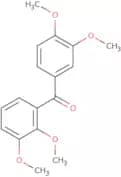
CAS:<p>2,3,3',4'-Tetramethoxybenzophenone is a fine chemical that is used as a versatile building block in the synthesis of various organic compounds. It is used as an intermediate to synthesize other chemicals and research chemicals. 2,3,3',4'-Tetramethoxybenzophenone has a CAS number of 50625-53-1 and can be found in the following chemical names: 2,2-Dimethoxy-2-phenylacetophenone; 2-(2'-Methoxyphenyl)-2-(methoxymethyl) acetophenone; 2,2'-(Phenylenediisopropylidene)bis(p-methoxyphenol); 1-[(2'-Methoxyphenyl)methyl]-1,2-diphenylethane. The compound is soluble in organic solvents but insoluble in water. This fine chemical</p>Formula:C17H18O5Purity:Min. 95%Color and Shape:PowderMolecular weight:302.32 g/mol3-(Trifluoromethoxy)phenol
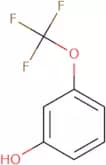
CAS:<p>3-(Trifluoromethoxy)phenol is a drug that has been shown to function as an amide and a biomolecular. It has also been used in the development of drugs for depression, but it is not known whether it is effective in humans. 3-(Trifluoromethoxy)phenol binds to the cation channel of the NMDA receptor, which may be related to its antidepressant properties. The compound has been shown to have a radiotracer effect on positron emission tomography (PET). 3-(Trifluoromethoxy)phenol yields positrons when it undergoes deamination. This reaction is catalyzed by enzymes such as acetylcholine esterase, choline oxidase, and monoamine oxidases.</p>Formula:C7H5F3O2Purity:Min. 95%Color and Shape:Clear LiquidMolecular weight:178.11 g/mol4-Iodo-N-(4-methoxyphenyl)-N-methylbenzamide
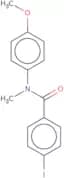
CAS:<p>4-Iodo-N-(4-methoxyphenyl)-N-methylbenzamide is a useful scaffold that can be used in the synthesis of complex compounds. It is also a versatile building block and has been found to be useful as an intermediate and building block. 4-Iodo-N-(4-methoxyphenyl)-N-methylbenzamide is a fine chemical with CAS No. 320734-40-5. This reagent is high quality, research chemicals, and can be used in the synthesis of speciality chemicals.</p>Formula:C15H14INO2Purity:Min. 95%Molecular weight:367.18 g/mol3,4-Dimethoxyphenylboronic acid
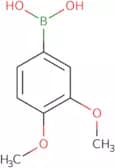
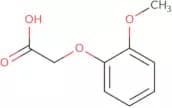
CAS:<p>3,4-Dimethoxyphenylboronic acid is a boronate ester that has been shown to be an effective coupling partner for the Suzuki reaction. It has also been used in cancer therapy and as a photochemical probe for the study of biological properties. 3,4-Dimethoxyphenylboronic acid has been shown to demethylate DNA and inhibit methionine aminopeptidase activity. It also cross-couples with halides, such as chlorides or iodides, and activates tertiary alcohols. 3,4-Dimethoxyphenylboronic acid is soluble in organic solvents and can be used in supramolecular chemistry.</p>Formula:C8H11BO4Purity:Min. 95%Color and Shape:White PowderMolecular weight:181.98 g/mol(2-Methoxyphenoxy)acetic acid
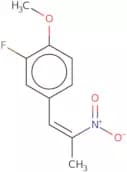
CAS:<p>2-Methoxyphenoxyacetic acid is an organic compound that is used as a plant growth regulator and insecticide. It belongs to the group of phenoxyacetic acids and has a molecular weight of 152.2 g/mol. The chemical formula for 2-methoxyphenoxyacetic acid is C8H10O3. This compound is used as a control agent in pest control, where it is applied to crops to prevent damage from insects and mites. 2-Methoxyphenoxyacetic acid can be synthesized by reacting 5-carboxyvanillic acid with methanol in the presence of an oxidizing agent such as potassium permanganate or hydrogen peroxide. This chemical can also be prepared by oxidation of syringyl alcohols with chromium(VI) oxide in the presence of a reducing agent such as sodium bisulfite.<br>2-Methoxyphenoxyacetic acid can be detected</p>Formula:C9H10O4Purity:Min. 95%Color and Shape:PowderMolecular weight:182.17 g/mol1-(3-Fluoro-4-methoxyphenyl)-2-nitropropene
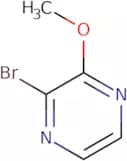
CAS:<p>1-(3-Fluoro-4-methoxyphenyl)-2-nitropropene is a chemical compound with the molecular formula CHNO. It is a high quality reagent that is useful for preparing complex compounds, scaffolds and building blocks for use in research and development. 1-(3-Fluoro-4-methoxyphenyl)-2-nitropropene is a fine chemical that can be used as a versatile building block in reactions.</p>Formula:C10H10FNO3Purity:Min. 95%Molecular weight:211.19 g/mol2-Bromo-3-methoxypyrazine
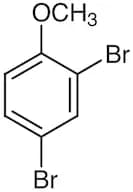
CAS:<p>2-Bromo-3-methoxypyrazine is a chemical compound that is used as a precursor in the biosynthesis of geosmin. Geosmin, also known as 2-methylisoborneol or 2-MIB, is a volatile organic compound which has a musty or earthy smell. It is produced by some species of bacteria, including Myxobacterium and Chondromyces crocatus. It can be found in soil and water samples from areas with high levels of organic matter. 2-Bromo-3-methoxypyrazine was first isolated from cultures of M. crocatus in 1950. It can be synthesized from 3,4,5-trimethoxybenzaldehyde via bromination followed by reduction with sodium hydrosulfide. This process creates an intermediate called 2-(2'-bromoethyl)pyrazine, which undergoes methylation to create 2</p>Formula:C5H5BrN2OPurity:Min. 95%Color and Shape:White Off-White PowderMolecular weight:189.01 g/mol2,4-Dibromoanisole
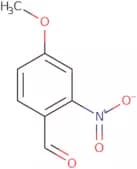
CAS:Formula:C7H6Br2OPurity:>98.0%(GC)Color and Shape:White to Light yellow to Light red powder to crystalMolecular weight:265.934-Methoxy-2-nitro-benzaldehyde
CAS:<p>4-Methoxy-2-nitrobenzaldehyde is a chemical that is used in the synthesis of many pharmaceuticals. It has been shown to be an effective agent in the treatment of cancer cells and is activated by chloride ions. 4-Methoxy-2-nitrobenzaldehyde reacts with nucleophiles such as hydroxide, amines, or thiols in order to form alkylating agents. This reaction can be used for the synthesis of many drugs including antihistamines, antidiabetic drugs, and antipsychotics. The rate of this reaction increases with increasing temperature. It also undergoes demethylation when exposed to nitrous acid, which may lead to a different product.</p>Formula:C8H7NO4Purity:Min. 95%Molecular weight:181.15 g/mol2,5-Difluoroanisole
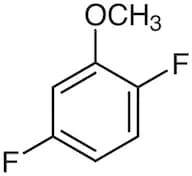
CAS:Formula:C7H6F2OPurity:>98.0%(GC)Color and Shape:Colorless to Almost colorless clear liquidMolecular weight:144.126-Methoxy-1-methyl-1H-indole-3-carbaldehyde
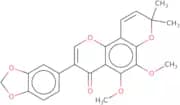
CAS:<p>6-Methoxy-1-methyl-1H-indole-3-carbaldehyde is a high quality chemical that is used as a reagent, complex compound, useful intermediate, and speciality chemical. It is a fine chemical that has been shown to be useful as a building block in the synthesis of many other compounds. 6-Methoxy-1-methyl-1H-indole-3-carbaldehyde is also versatile and can be used in reactions involving nucleophilic substitution, reductive amination, and oxidative coupling.</p>Formula:C11H11NO2Purity:Min. 95%Color and Shape:White PowderMolecular weight:189.21 g/mol5-Methoxydurmillone
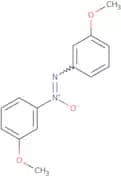
CAS:<p>5-Methoxydurmillone is a rotenoid that is found in many plants, including the seeds of the plant Ferruginea. 5-Methoxydurmillone has been shown to have anti-inflammatory properties and can be used to treat inflammatory diseases such as arthritis. It also inhibits the production of superoxide radicals and nitric oxide, which are important mediators of inflammation. 5-Methoxydurmillone has been shown to inhibit protein synthesis in bacteria, but not mammalian cells.</p>Formula:C23H20O7Purity:Min. 95%Molecular weight:408.4 g/mol3,3'-Dimethoxyazoxybenzene
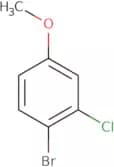
CAS:<p>3,3'-Dimethoxyazoxybenzene is a nitroarene that has electron-donating properties. It reacts with primary amines to form azoxy groups in the presence of alkoxide. 3,3'-Dimethoxyazoxybenzene can be used for the synthesis of nitrophenyl and aniline derivatives by reaction with nitroarenes, alcohols, or amines. It can also serve as a photoreduced molecule in mechanistic studies.</p>Formula:C14H14N2O3Purity:Min. 95%Molecular weight:258.27 g/mol1-Bromo-2-chloro-4-methoxybenzene
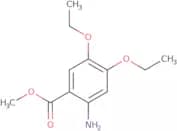
CAS:<p>1-Bromo-2-chloro-4-methoxybenzene is a polychlorinated bromoarene. It is used as a precursor to produce the hydroxamic acid, 1-bromo-2,4-dichlorobenzene. This compound has been shown to be a powerful inhibitor of bacterial growth in activated sludge and soil bacteria. It also inhibits plant growth and has been used as an herbicide. The synthesis of this compound starts with acetonitrile and phenol, which are heated together to produce the desired product in high yields. The solvents are then removed by vacuum distillation or crystallization.</p>Formula:C7H6BrClOPurity:Min. 95%Molecular weight:221.48 g/mol2-Amino-4,5-diethoxy-benzoic acid methyl ester
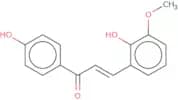
CAS:<p>2-Amino-4,5-diethoxy-benzoic acid methyl ester is a fine chemical that is used as a building block in the synthesis of complex compounds. It is a versatile building block with many possible reactions and can be used as a reagent or speciality chemical. 2-Amino-4,5-diethoxy-benzoic acid methyl ester can be used in the synthesis of diverse scaffolds for use in research chemicals, pharmaceuticals and agrochemicals.</p>Formula:C12H17NO4Purity:Min. 95%Molecular weight:239.27 g/mol4',2-Dihydroxy-3-methoxychalcone
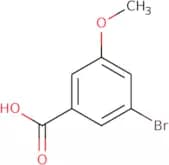
CAS:<p>4,2-Dihydroxy-3-methoxychalcone is a fine chemical that is useful in the synthesis of various pharmaceuticals and other chemicals. It is a versatile building block that can be used as a reaction component or intermediate in the synthesis of complex compounds. 4,2-Dihydroxy-3-methoxychalcone has been shown to be a high quality reagent for use in the synthesis of speciality chemicals and research chemicals. This compound is also useful as a scaffold for the development of new drugs.</p>Formula:C16H14O4Purity:Min. 95%Molecular weight:270.28 g/mol3-Bromo-5-methoxybenzoic acid
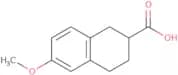
CAS:<p>3-Bromo-5-methoxybenzoic acid is a cytotoxic agent that inhibits the activity of acid transporter, which is involved in the transport of organic acids from the cell to the blood. It is used as an antineoplastic agent for animal studies and has been shown to have a safety profile similar to benzbromarone. 3-Bromo-5-methoxybenzoic acid also inhibits uricosuric activity in mouse hepatocytes and metabolic activation in mice. This compound has inhibitory effects on mouse liver cells and can be used for the treatment of liver cancer.</p>Formula:C8H7BrO3Purity:Min. 95%Molecular weight:231.04 g/mol6-Methoxy-1,2,3,4-tetrahydronaphthalene-2-carboxylic acid
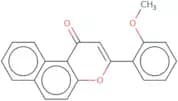
CAS:<p>6-Methoxy-1,2,3,4-tetrahydronaphthalene-2-carboxylic acid (MTN) is a polyphenol that has been shown to be effective against Alzheimer's disease in vitro and in vivo. MTN is able to bind to the polymerase chain reaction (PCR) product of APP and inhibit it from binding to heme oxygenase. MTN also prevents the accumulation of amyloid plaques by inhibiting the formation of beta-amyloid protein. MTN binds to thioflavin T and can be used as a fluorescent probe for immunofluorescence staining. MTN also inhibits the expression levels of APP and PS1 proteins in APP/PS1 transgenic mice by modulating the activity of transcriptional factors such as CREB.</p>Formula:C12H14O3Purity:Min. 95%Color and Shape:PowderMolecular weight:206.24 g/molβ-2'-Methoxynaphthoflavone
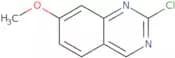
CAS:<p>beta-2'-Methoxynaphthoflavone is a fine chemical that is useful as a scaffold for complex compounds, as a building block for speciality chemicals, and as an intermediate in the synthesis of research chemicals. It can be used in pharmaceuticals, agrochemicals, and other industries. beta-2'-Methoxynaphthoflavone has been found to be a versatile building block with high quality that can be used to synthesize a variety of compounds. This compound also has the ability to react with other chemicals such as ammonia or amines.</p>Formula:C20H14O3Purity:Min. 95%Molecular weight:302.32 g/mol2-Chloro-7-methoxyquinazoline
CAS:<p>2-Chloro-7-methoxyquinazoline is a useful chemical that is used in the production of other compounds. It can be used as a building block for the synthesis of various organic compounds, such as pharmaceuticals and pesticides. This compound has been shown to have useful properties, such as high purity and low cost.</p>Formula:C9H7ClN2OPurity:Min. 95%Color and Shape:Yellow PowderMolecular weight:194.62 g/mol4-Methoxydiphenyliodonium chloride
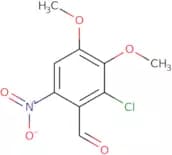
CAS:<p>4-Methoxydiphenyliodonium chloride is a versatile building block with many uses in research and industry. It is used as a reagent to synthesize organic compounds, as well as a speciality chemical and an intermediate. 4-Methoxydiphenyliodonium chloride has been shown to be useful in the synthesis of complex compounds, such as pharmaceuticals, agrochemicals, and pesticides. This compound can also be used in the preparation of high quality products, such as fine chemicals.</p>Formula:C13H12IO·ClPurity:Min. 95%Molecular weight:346.59 g/mol2-Chloro-3,4-dimethoxy-6-nitrobenzaldehyde
CAS:<p>2-Chloro-3,4-dimethoxy-6-nitrobenzaldehyde is a fine chemical with a CAS number of 82330-54-9. It is a versatile building block that can be used as a reagent or intermediate for the production of other chemicals. This product has been shown to have many different reactions. It is useful in the synthesis of complex compounds and offers high quality and purity.</p>Formula:C9H8ClNO5Purity:Min. 95%Color and Shape:PowderMolecular weight:245.62 g/molOctadecyl Vinyl Ether
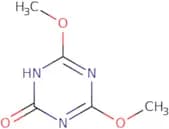
CAS:Formula:C20H40OPurity:>85.0%(GC)Color and Shape:White to Almost white powder to lumpMolecular weight:296.544,6-Dimethoxy-1H-1,3,5-triazin-2-one
CAS:<p>4,6-Dimethoxy-1H-1,3,5-triazin-2-one is a conjugate of pyridinium with an amide. The compound has been used as a disinfectant for surfaces and in the treatment of wounds. It is also used as a biocide in water treatment. This compound has shown to be effective against Staphylococcus aureus and other bacteria, as well as some fungi. 4,6-Dimethoxy-1H-1,3,5-triazin-2-one can be synthesized from 2-(4'-methoxyphenyl)acetonitrile and chloral hydrate. The compound contains functionalities such as amines and oligosaccharides that are important for its antimicrobial activity.</p>Formula:C5H7N3O3Purity:Min. 95%Color and Shape:PowderMolecular weight:157.13 g/mol4-[2-(3,4-Dimethoxyphenyl)-1,2-dibromoethyl]-1,2-dimethoxybenzene
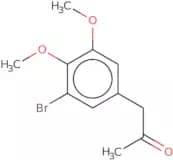
CAS:<p>4-[2-(3,4-Dimethoxyphenyl)-1,2-dibromoethyl]-1,2-dimethoxybenzene is a high quality chemical that is an intermediate for the synthesis of other compounds. It has been used as a reagent in the synthesis of complex compounds and has been shown to be useful for the production of fine chemicals. This compound can also be used as a scaffold or building block in organic chemistry. The versatility of 4-[2-(3,4-Dimethoxyphenyl)-1,2-dibromoethyl]-1,2-dimethoxybenzene makes it an important reaction component in organic chemistry and research chemicals.</p>Formula:C18H20Br2O4Purity:Min. 95%Molecular weight:460.16 g/mol(3-Bromo-4,5-dimethoxyphenyl)acetone
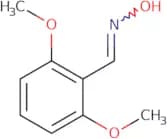
CAS:<p>(3-Bromo-4,5-dimethoxyphenyl)acetone is a reagent that is used as an intermediate in the synthesis of a variety of compounds. It also has potential use as a building block for the synthesis of a wide range of complex compounds. (3-Bromo-4,5-dimethoxyphenyl)acetone can be used as a building block for chemical reactions and research chemicals. This compound has been shown to have versatile applications and is useful in the synthesis of fine chemicals, speciality chemicals, and research chemicals.</p>Formula:C11H13BrO3Purity:Min. 95%Molecular weight:273.12 g/mol2,6-Dimethoxybenzaldoxime
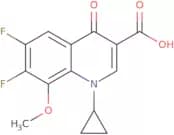
CAS:<p>2,6-Dimethoxybenzaldoxime is a phenylhydrazone that can be used in the catalytic system for oxidation of carbonyl compounds. The reaction proceeds through the periodate-mediated oxidation of the hydrazone to form the corresponding hydroxamic acid. This compound has been shown to be efficient and selective for the oxidation of a wide range of carbonyl compounds, including porphyrins. 2,6-Dimethoxybenzaldoxime is also used as a precursor for other syntheses, such as tetraphenylporphyrin.</p>Formula:C9H11NO3Purity:Min. 95%Molecular weight:181.19 g/mol1-Cyclopropyl-6,7-difluoro-1,4-dihydro-8-methoxy-4-oxo-3-quinolinecarboxylic acid
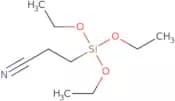
CAS:<p>Moxifloxacin is an analog of the antibiotic quinolone. It is a prodrug that is hydrolyzed in vivo to its active form, moxifloxacin. Moxifloxacin has been shown to be effective against a variety of bacteria, including methicillin-resistant Staphylococcus aureus (MRSA), Mycobacterium tuberculosis and Mycobacterium avium complex. The reaction yield for the synthesis of moxifloxacin is very high, with an industrial production capacity in excess of 500 tons per year. Impurities are not usually found in the final product due to the use of methyl alcohol as a solvent during the reaction process. The drug has discoloring properties and deuterium atoms are often substituted for hydrogen atoms on the molecule to make it more stable. Deuterium atoms can be easily identified by mass spectrometry analysis. Moxifloxac</p>Formula:C14H11F2NO4Purity:Min. 95%Color and Shape:PowderMolecular weight:295.24 g/mol2-Cyanoethyltriethoxysilane
CAS:<p>2-Cyanoethyltriethoxysilane is a cross-linking agent that is used in coatings and adhesives. It has been shown to have an adsorption mechanism that is dependent on the pH of the solution, with a maximum adsorption at pH 3.2 and a minimum at pH 11. The rate of adsorption is also dependent on the concentration of 2-cyanoethyltriethoxysilane, with higher concentrations leading to faster adsorption rates. Kinetic data for 2-cyanoethyltriethoxysilane has been shown using gravimetric analysis to show that it has an adsorption rate constant of 1.0 × 10^4 s^(-1) at pH 3.2 and 6.5 × 10^4 s^(-1) at pH 11, which are independent of the concentration of this molecule in solution. Pluronic P123 was used as a model polymer</p>Formula:C9H19NO3SiPurity:Min. 97 Area-%Color and Shape:PowderMolecular weight:217.34 g/mol


![[3-Methyl-4-(2,2,2-trifluoro-ethoxy)-pyridin-2-yl]-methanol](/_next/image/?url=https%3A%2Fstatic.cymitquimica.com%2Fproducts%2F3D%2Fthumb-webp%2FFM38829.webp&w=3840&q=75)







![4-[2-(3,4-Dimethoxyphenyl)-1,2-dibromoethyl]-1,2-dimethoxybenzene](/_next/image/?url=https%3A%2Fstatic.cymitquimica.com%2Fproducts%2F3D%2Fthumb-webp%2FFD66282.webp&w=3840&q=75)