Ethers
Ethers are organic compounds containing an ether functional group, characterized by an oxygen atom bonded to two hydrocarbon radicals. These compounds are valuable in synthesis and serve as solvents in various chemical reactions. At CymitQuimica, we offer a selection of high-quality ethers to support your research and industrial applications, ensuring reliable and effective results. Our range of ethers meets diverse laboratory requirements, from routine experiments to advanced research.
Found 40729 products of "Ethers"
Sort by
Purity (%)
0
100
|
0
|
50
|
90
|
95
|
100
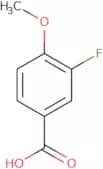
3-Fluoro-4-methoxybenzoic acid
CAS:<p>3-Fluoro-4-methoxybenzoic acid is a dipolar molecule with a fluorine atom. It has been synthesized experimentally and the yields are determined by the experimental conditions. 3-Fluoro-4-methoxybenzoic acid has two isomers, which can be differentiated by their resonances. The molecule also has an asymmetric C3(CF)2Cl group in the middle of its structure that can rotate freely.</p>Formula:C8H7FO3Purity:Min. 95%Color and Shape:PowderMolecular weight:170.14 g/mol2-Iodo-5-methoxybenzoic acid
CAS:<p>2-Iodo-5-methoxybenzoic acid is a macrocyclic compound that has been synthesized in the Wittig reaction. It was first prepared by catalyzed intramolecular aryl demethylation of 2-iodo-5-nitrobenzoic acid, followed by coupling with methyl vinyl ketone. The cytotoxic activity of this compound is due to its ability to inhibit the synthesis of protein and DNA and induce apoptosis. This molecule has been shown to be effective against liverworts and ethers.</p>Formula:C8H7IO3Purity:Min. 95%Color and Shape:PowderMolecular weight:278.04 g/moltrans-4-Benzyloxy-3-methoxy-β-nitrostyrene
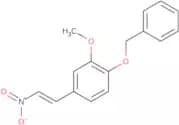
CAS:<p>Trans-4-Benzyloxy-3-methoxy-beta-nitrostyrene is an oxime that can be used as a catalyst for the catalytic hydrogenation of nitroalkanes. It is also a precursor to pallimamine, which is used as a pharmaceutical agent and an experimental virucide. Trans-4-Benzyloxy-3-methoxy-beta-nitrostyrene is synthesized by coupling two indole carboxylic acid analogues in the presence of sodium hydroxide and potassium carbonate. The reaction yields trans-(4'-benzyloxy)-3'-methoxystyrene, which is then converted to the title compound with ammonium chloride and hydrochloric acid. This compound undergoes acidic hydrolysis to yield the title compound.</p>Formula:C16H15NO4Purity:Min. 95%Color and Shape:PowderMolecular weight:285.29 g/mol1-Methylethyl N-((S)-(((1R)-2-(6-amino-9H-purin-9-yl)-1-methylethoxy)methyl)phenoxyphosphinoyl)-L-alaninate
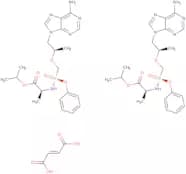
CAS:<p>Tenofovir is a nucleoside analog reverse transcriptase inhibitor that binds to the RNA-dependent polymerase. This compound is used in combination with other antiviral agents for the treatment of HIV-1 infection and for prophylaxis against HIV-1 infection. Tenofovir has been shown to be effective against infections caused by strains of HIV-1, such as the drug resistant virus. Tenofovir is absorbed rapidly after oral administration, with a bioavailability of over 80%. The prodrug fumarate is hydrolyzed to tenofovir in vivo and this conversion occurs more efficiently in acidic conditions. Alafenamide, a prodrug of tenofovir, has been approved by the FDA as an alternative to tenofovir disoproxil fumarate (TDF) for the treatment of HIV-1 infection. Alafenamide is an acyclic nucleoside phosphonate that inhibits viral replication by inhibiting reverse</p>Formula:C46H62N12O14P2Purity:Min. 95%Color and Shape:PowderMolecular weight:1,069 g/mol7α-Methyl-3,3-dimethoxy-5(10)-estrene-17-one
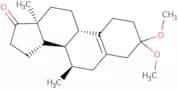
CAS:Controlled Product<p>Please enquire for more information about 7alpha-Methyl-3,3-dimethoxy-5(10)-estrene-17-one including the price, delivery time and more detailed product information at the technical inquiry form on this page</p>Formula:C21H32O3Purity:Min. 95%Color and Shape:PowderMolecular weight:332.48 g/mol(2-{Ethyl-[4-(4-nitro-phenylazo)-phenyl]-amino}-ethoxy)-acetic acid-4-nitro-phenyl ester
CAS:<p>Please enquire for more information about (2-{Ethyl-[4-(4-nitro-phenylazo)-phenyl]-amino}-ethoxy)-acetic acid-4-nitro-phenyl ester including the price, delivery time and more detailed product information at the technical inquiry form on this page</p>Formula:C24H23N5O7Purity:Min. 95%Molecular weight:493.47 g/mol4-Methoxybenzylboronic acid pinacolester
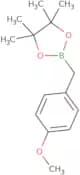
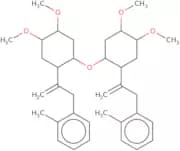
CAS:<p>Please enquire for more information about 4-Methoxybenzylboronic acid pinacolester including the price, delivery time and more detailed product information at the technical inquiry form on this page</p>Formula:C14H21BO3Purity:Min. 95%Molecular weight:248.13 g/mol2-(4,5-Dimethoxy-2-(1-((2-methylphenyl)methyl)vinyl)cyclohexyl)ether
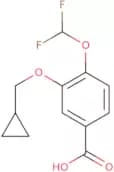
CAS:<p>2-(4,5-Dimethoxy-2-(1-((2-methylphenyl)methyl)vinyl)cyclohexyl)ether is a versatile building block for the synthesis of complex compounds. It is also an intermediate in the synthesis of useful scaffolds and reaction components. This compound has a high quality and can be used as a reagent or research chemicals.</p>Formula:C36H50O5Purity:Min. 95%Molecular weight:562.78 g/mol3-Cyclopropylmethoxy-4-difluoromethoxy-benzoic acid
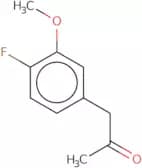
CAS:<p>3-Cyclopropylmethoxy-4-difluoromethoxy-benzoic acid is an industrial chemical that is used as a binding agent in the production of dyes, rubber, and pharmaceuticals. The compound is produced by the acylation of 3-chloromethoxybenzoic acid with cyclopropylmethanol. This reaction requires an inorganic base such as potassium carbonate or sodium bicarbonate to activate the chloride. 3-Cyclopropylmethoxy-4-difluoromethoxybenzoic acid can be used as a reactive alkylating agent for the production of amides and other organic compounds, which increases its versatility.</p>Formula:C12H12O4F2Purity:Min. 95%Color and Shape:White/Off-White SolidMolecular weight:258.22 g/mol4-Fluoro-3-methoxyphenylacetone
CAS:<p>4-Fluoro-3-methoxyphenylacetone is a high quality reagent that can be used as an intermediate in the synthesis of complex compounds. This compound is also useful for creating fine chemicals and speciality chemicals, for research purposes. 4-Fluoro-3-methoxyphenylacetone has been shown to be a versatile building block in organic synthesis, with many possible applications. It can react with other compounds to create new compounds or react with itself to form new molecules. CAS No. 320338-98-5</p>Formula:C10H11FO2Purity:Min. 95%Molecular weight:182.19 g/mol3-(3,5-Dimethoxyphenyl)propionic acid methyl ester
CAS:<p>3-(3,5-Dimethoxyphenyl)propionic acid methyl ester is a reagent that is used as a reactant in organic synthesis. It is also useful as a scaffold for the synthesis of heterocycles and other complex compounds. 3-(3,5-Dimethoxyphenyl)propionic acid methyl ester is used in research chemical synthesis and as a versatile building block for the production of fine chemicals. This chemical can be used to create products such as pharmaceuticals, pesticides, and cosmetics.</p>Formula:C12H16O4Purity:Min. 95%Molecular weight:224.25 g/mol4-Fluoro-2-methoxyphenol
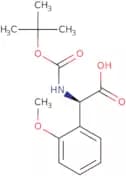
CAS:<p>4-Fluoro-2-methoxyphenol is a fluorinating agent that is used in the manufacture of pharmaceuticals, plastics and pesticides. It has been shown to induce apoptosis in cultured cells by upregulating reactive oxygen species (ROS) and increasing mitochondrial membrane permeability, as well as inhibiting cellular physiology. 4-Fluoro-2-methoxyphenol also inhibits the production of ATP and may be toxic to cells by interfering with dinucleotide phosphate.</p>Formula:C7H7FO2Purity:Min. 95%Color and Shape:Clear LiquidMolecular weight:142.13 g/molBoc-(R)-2-methoxyphenylglycine
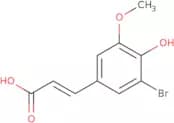
CAS:<p>Please enquire for more information about Boc-(R)-2-methoxyphenylglycine including the price, delivery time and more detailed product information at the technical inquiry form on this page</p>Formula:C14H19NO5Purity:Min. 95%Molecular weight:281.3 g/mol3-(3-Bromo-4-hydroxy-5-methoxyphenyl)acrylic acid
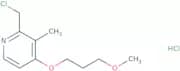
CAS:<p>3-(3-Bromo-4-hydroxy-5-methoxyphenyl)acrylic acid is a polyphenol that can be found in plants and food. It has been shown to have antimicrobial properties against certain bacteria and fungi, such as Staphylococcus aureus, Clostridium perfringens, and Candida albicans. 3-(3-Bromo-4-hydroxy-5-methoxyphenyl)acrylic acid is synthesized by means of the condensation of p-coumaric acid with acrylic acid in the presence of a base catalyst. This compound undergoes biotransformations such as hydroxylation and oxidation to form 3-(3,4′-dihydroxyphenyl)acrylic acid (DHPAA). The compound is also able to react with other phenolic compounds such as cinnamic acid under certain conditions.</p>Formula:C10H9BrO4Purity:Min. 95%Color and Shape:PowderMolecular weight:273.08 g/mol2-Chloromethyl-4-(3-methoxypropoxy)-3-methylpyridine hydrochloride
CAS:<p>Please enquire for more information about 2-Chloromethyl-4-(3-methoxypropoxy)-3-methylpyridine hydrochloride including the price, delivery time and more detailed product information at the technical inquiry form on this page</p>Formula:C11H17Cl2NO2Purity:Min. 95%Molecular weight:266.16 g/molDolastatin 15 (5S)-1-[(2S)-O-(N,N-Dimethyl-Val-Val-N-Me-Val-Pro-Pro)-2-hydroxyisovaleryl]-2-oxo-4-methoxy-5-benzyl-3-pyrroline
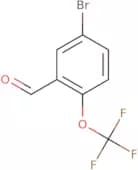
CAS:<p>Dolastatin 15 (5S)-1-[(2S)-O-(N,N-Dimethyl-Val-Val-N-Me-Val-Pro-Pro)-2-hydroxyisovaleryl]-2-oxo-4-methoxy-5-benzylpyrrolidinium is a natural compound that has been isolated from the Indian Ocean sea hare Dolabella auricularia. It has shown significant cytotoxicity against cancer cells as well as significant immunosuppressive activities in animals. Dolastatin 15 is an analog of dolastatin 10 and has been shown to be active against hepatitis B and C virus. It also has antiinflammatory properties and may be effective in combating autoimmune diseases. The synthesis of this compound is an asymmetric synthesis with a hydroxyl group on one side of the molecule and an amide on the other side.</p>Formula:C45H68N6O9Purity:Min. 95%Molecular weight:837.06 g/mol5-Bromo-2-(trifluoromethoxy)benzaldehyde
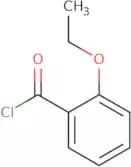
CAS:<p>5-Bromo-2-(trifluoromethoxy)benzaldehyde is a chemical that is used as a reactant in organic chemistry. It can be used as a building block for the synthesis of complex compounds, or as an intermediate in the preparation of fine chemicals. 5-Bromo-2-(trifluoromethoxy)benzaldehyde is also useful in research and development. It has been used to synthesize pharmaceuticals, pesticides, and other organic compounds.</p>Formula:C8H4BrF3O2Purity:Min. 95%Color and Shape:PowderMolecular weight:269.02 g/molo-Ethoxybenzoyl chloride
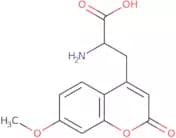
CAS:<p>O-Ethoxybenzoyl chloride is a pesticide that belongs to the group of sildenafil. It inhibits the activity of prolyl endopeptidase, an enzyme that degrades the peptide hormone vasoactive intestinal polypeptide (VIP). This inhibition prevents degradation of VIP, which is important for the regulation of blood vessel tone. The compound has been shown to be effective against Sclerotinia sclerotiorum and Claviceps purpurea. O-Ethoxybenzoyl chloride has been shown to have a high level of tolerance in plants and animals. It also has been found to be safe for humans with its low toxicity levels and low acute toxicity. It is not classified as hazardous by the World Health Organization (WHO).</p>Formula:C9H9ClO2Purity:Min. 95%Molecular weight:184.62 g/molH-β-(7-Methoxycoumarin-4-yl)-Ala-OH
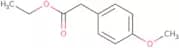
CAS:<p>Please enquire for more information about H-beta-(7-Methoxycoumarin-4-yl)-Ala-OH including the price, delivery time and more detailed product information at the technical inquiry form on this page</p>Formula:C13H13NO5Purity:Min. 95%Molecular weight:263.25 g/molEthyl 4-methoxyphenylacetate
CAS:<p>Ethyl 4-methoxyphenylacetate is a fatty acid that is synthesized by the condensation of aniline and pyrrole. It has been shown to inhibit the growth of bacteria, such as Salmonella typhi and Staphylococcus aureus, in vitro. The inhibition of bacterial growth is thought to be due to its ability to react with hydrogen fluoride, which results in the formation of reactive oxygen species and nitrogen radicals. This compound also inhibits the production of tyrosinase in human skin cells, which may be beneficial for individuals with acne. Ethyl 4-methoxyphenylacetate has been shown to be safe for use in clinical trials.</p>Formula:C11H14O3Purity:Min. 95%Color and Shape:Clear LiquidMolecular weight:194.23 g/mol2-Methoxy-5-[[(phenylmethyl)sulfonyl]methyl]benzenamine
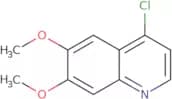
CAS:<p>3-Amino-4-methoxybenzyl sulphone is a high quality, versatile building block that is used in the synthesis of complex compounds. It is a reagent that can be used for reactions such as the coupling of amines and carboxylic acids. 3-Amino-4-methoxybenzyl sulphone is also useful in the synthesis of pharmaceuticals and speciality chemicals. The compound has been shown to react with other substances, such as thiols and alcohols, to form new materials with interesting properties.</p>Formula:C15H17NO3SPurity:Min. 95%Color and Shape:PowderMolecular weight:291.37 g/mol4-Chloro-6,7-dimethoxyquinoline
CAS:<p>4-Chloro-6,7-dimethoxyquinoline (4C6DMQ) is a potent inhibitor of the growth of prostate cancer cells. 4C6DMQ is an analog of chloropropyl chloride, which inhibits the growth of epidermal growth factor receptor (EGFR). The binding site for 4C6DMQ on EGFR is the same as that for chloropropyl chloride. 4C6DMQ inhibits EGFR by preventing the activation of downstream signaling cascades, leading to a decrease in cell proliferation and tumor size. The IC50 values for 4C6DMQ are approximately 10 times higher than those for chloropropyl chloride. This drug has been shown to be more potent than other inhibitors of EGFR such as erlotinib and gefitinib.</p>Formula:C11H10ClNO2Purity:Min. 95%Color and Shape:White PowderMolecular weight:223.66 g/mol(2R,3S)-2-[(1R)-1-[3,5-Bis(trifluoromethyl)phenyl]ethoxy]-3-(4-fluorophenyl)morpholine hydrochloride
CAS:<p>Please enquire for more information about (2R,3S)-2-[(1R)-1-[3,5-Bis(trifluoromethyl)phenyl]ethoxy]-3-(4-fluorophenyl)morpholine hydrochloride including the price, delivery time and more detailed product information at the technical inquiry form on this page</p>Formula:C20H18F7NO2•HClPurity:Min. 95%Molecular weight:473.81 g/mol4-Fluoro-2-methoxy-5-nitroaniline
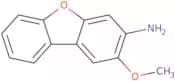
CAS:<p>Intermediate in the synthesis of osimertinib (AZD9291)</p>Formula:C7H7FN2O3Purity:Min. 95%Molecular weight:186.14 g/mol3-Amino-2-methoxy-dibenzofuran
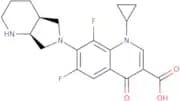
CAS:<p>3-Amino-2-methoxy-dibenzofuran (3AMD) is a cytotoxic agent that is used in the treatment of bladder carcinoma. 3AMD inhibits DNA synthesis, leading to cell death by inhibiting the production of proteins vital for cell division. 3AMD has been shown to be a potent inhibitor of cyclen-dependent kinases and to induce DNA damage in human cells. 3AMD also has significant cytotoxicity against malignant cells and has been shown to inhibit the growth of tumours in mice. 3AMD may have carcinogenic potential due to its structural similarity with other carcinogens such as aniline and aminobiphenyl.</p>Purity:Min. 95%Molecular weight:213.23 g/mol8-Desmethoxy-8-fluoro moxifloxacin
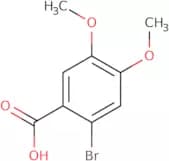
CAS:<p>8-Desmethoxy-8-fluoro moxifloxacin is a photolytic drug that is used to treat bacterial infections. It has a high degree of antibacterial activity against methicillin-resistant staphylococcus aureus, including methicillin resistant strains of Staphylococcus epidermidis. 8-Desmethoxy-8-fluoro moxifloxacin hydrochloride is produced by the addition of hydrochloric acid to moxifloxacin, which is then purified by ion chromatography. The compound has been shown to have good stability in human plasma and urine. It also shows excellent recoveries in acetonitrile and quantification results in flow rates.</p>Formula:C20H21F2N3O3Purity:Min. 95%Molecular weight:389.4 g/mol2-Bromo-4,5-dimethoxybenzoic acid
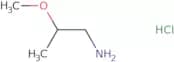
CAS:<p>2-Bromo-4,5-dimethoxybenzoic acid is a synthetic compound that belongs to the group of anticancer drugs. It is a potent inhibitor of mitochondrial membrane depolarization and has been shown to inhibit tumor growth in vivo. 2-Bromo-4,5-dimethoxybenzoic acid also induces cell death by demethylation and hydroxylation of DNA, leading to apoptosis. This compound is synthesized by reacting 3,4-dihydroxybenzoic acid with bromine and potassium hydroxide. Surrogates such as amides are used for this synthesis because the original product is not stable enough. Protocatechuic acid can be produced from 2-bromo-4,5-dimethoxybenzoic acid through hydrolysis.</p>Formula:C9H9BrO4Purity:Min. 95%Color and Shape:PowderMolecular weight:261.07 g/mol(2-Methoxypropyl)amine hydrochloride
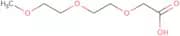
CAS:<p>2-Methoxypropyl)amine hydrochloride (2MPPA) is a versatile building block that can be used in the synthesis of complex compounds. It is a research chemical that is used as a reagent and as a speciality chemical for the production of pharmaceuticals, agrochemicals, and other organic chemicals. 2MPPA can be used as an intermediate in the manufacture of useful scaffolds or useful reaction components. This product has CAS number 70807-90-8 and is of high quality.</p>Formula:C4H11NO·HClPurity:Min. 95%Color and Shape:SolidMolecular weight:125.6 g/mol(2-(2-Methoxyethoxy)ethoxy)acetic acid
CAS:<p>2-(2-Methoxyethoxy)ethoxy)acetic acid (MEAA) is a cell stabilizer that can be used in the treatment of cancer, diabetes, and other diseases. MEAA has been shown to inhibit the growth of cells by binding to and stabilizing the cytoskeleton through inhibition of protein synthesis. It also prevents the activation of pro-inflammatory cytokines and reactive oxygen species. MEAA's magnetic resonance spectroscopy properties have been studied in detail and it has been shown to bind well with silver ions. MEAA has also been shown to have high cytotoxicity when combined with laser ablation therapy.</p>Formula:C7H14O5Purity:90%Color and Shape:Clear LiquidMolecular weight:178.18 g/mol3,4,5-Trimethoxybenzoic acid anhydride
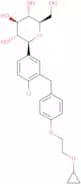
CAS:<p>3,4,5-Trimethoxybenzoic acid anhydride is a synthetic chemical compound that is used as a pharmaceutical intermediate. It is mainly used to prepare potent anticancer agents and potent anticancer drugs. 3,4,5-Trimethoxybenzoic acid anhydride reacts with amines in the presence of a base to form substituted amides. This reaction has been shown by crystal x-ray diffraction to be sensitive to the solvent polarity and temperature of the reaction medium. The compound can also react with chloride ion to form 3,4,5-trichlorobenzoic acid anhydride (3TCBA).</p>Formula:C20H22O9Purity:(%) Min. 85%Color and Shape:PowderMolecular weight:406.38 g/molBexagliflozin
CAS:<p>Bexagliflozin is a drug that is used to treat type II diabetes in adults. It helps to control blood sugar levels by inhibiting the enzyme DPP-IV and increasing insulin release from the pancreas. Bexagliflozin has been shown to be effective in lowering blood sugar levels in patients with chronic kidney disease and cancer, as well as those with a body mass index (BMI) of 30 or higher. This drug is an oral hypoglycaemic agent that can be used for diagnostic purposes. It has also been shown to be clinically effective for the treatment of diabetic nephropathy and diabetic retinopathy. The enantiomers of bexagliflozin can be differentiated according to their pharmacological properties, which may allow for more targeted therapy.</p>Formula:C24H29ClO7Purity:Min. 95%Molecular weight:464.94 g/molH-D-Cys(4-methoxytrityl)-2-chlorotrityl resin (200-400 mesh)
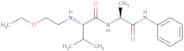
<p>Please enquire for more information about H-D-Cys(4-methoxytrityl)-2-chlorotrityl resin (200-400 mesh) including the price, delivery time and more detailed product information at the technical inquiry form on this page</p>Purity:Min. 95%N-2-Ethoxyethyl-Val-Ala-anilide
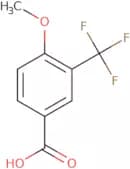
CAS:<p>Please enquire for more information about N-2-Ethoxyethyl-Val-Ala-anilide including the price, delivery time and more detailed product information at the technical inquiry form on this page</p>Formula:C18H29N3O3Purity:Min. 95%Molecular weight:335.44 g/mol4-Methoxy-3-(trifluoromethyl)benzoic acid
CAS:<p>4-Methoxy-3-(trifluoromethyl)benzoic acid is a useful scaffold that can be used as a building block for the synthesis of complex compounds. It has been shown to react with various reagents and is a versatile building block that can be used in organic synthesis. 4-Methoxy-3-(trifluoromethyl)benzoic acid is a high quality chemical and has been classified as speciality chemicals. This product is also known by the CAS number 213598-09-5.</p>Formula:C9H7F3O3Purity:Min. 98 Area-%Color and Shape:PowderMolecular weight:220.15 g/molSulfamethoxypyridazine
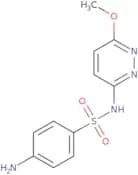
CAS:<p>Sulfamethoxypyridazine is a sulfa drug that inhibits bacterial growth by inhibiting the synthesis of folic acid, which is essential for DNA and RNA production. It has been shown to be effective in the treatment of urinary infections and infectious diseases. Sulfamethoxypyridazine interacts with other drugs, such as oral contraceptives, to increase their blood levels. This drug also has a matrix effect on urine samples, which can be used to detect the presence of bacteria. The matrix effect is due to its hydrophobic nature and ability to form aggregates with other compounds. Sulfamethoxypyridazine is used in wastewater treatment plants as an analytical method for nitrogen atoms.</p>Formula:C11H12N4O3SPurity:Min. 95%Molecular weight:280.3 g/mol5-Amino-2-methoxyisonicotinic acid
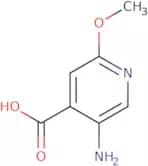
CAS:<p>5-Amino-2-methoxyisonicotinic acid is a carboxylic acid that is used in the synthesis of aminopyridines. The compound can be synthesized from formamidine acetate and diethyl dicarbonate. This process involves lithiation, followed by addition of an amine and finally conversion to the desired product with formamidine acetate. 5-Amino-2-methoxyisonicotinic acid can also be synthesized from formamide and diethyl ether. 5-Amino-2-methoxyisonicotinic acid is an analog of 2,4,6-trimethylaniline and has been shown to have similar properties to this compound, including strong basicity.</p>Formula:C7H8N2O3Purity:Min. 95%Molecular weight:168.15 g/mol2-Chloro-6-methoxypyridine
CAS:<p>2-Chloro-6-methoxypyridine (2CMP) is a potent antagonist that binds to copper chloride, inhibiting its ability to activate aryl chlorides. This chemical has been shown to have anti-angiogenic effects in human cancer cells and can be used for the treatment of cancer. 2CMP has also been shown to be effective at blocking angiogenesis in mice with breast cancer. 2CMP is synthesized through an asymmetric synthesis process, which involves the use of a dipole and molecular docking analysis.</p>Formula:C6H6ClNOPurity:Min. 95%Color and Shape:Clear LiquidMolecular weight:143.57 g/mol7-Methoxy-4-(trifluoromethyl)coumarin
CAS:<p>7-Methoxy-4-(trifluoromethyl)coumarin is a potent and selective aromatase inhibitor. It inhibits the activity of the enzyme, which converts testosterone to estradiol. The inhibition of this enzyme may be beneficial in the treatment of breast cancer. This compound has also been shown to inhibit the activity of P450 enzymes and coumarin derivatives, which are involved in drug metabolism and detoxification.</p>Formula:C11H7F3O3Purity:Min. 95%Molecular weight:244.17 g/mol2,3-(Dimethoxyphenyl)acetonitrile
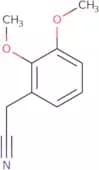
CAS:<p>2,3-(Dimethoxyphenyl)acetonitrile is a chemical intermediate that is used in the synthesis of pharmaceuticals and specialty chemicals. It can be used as a reaction component and reagent for the synthesis of other chemicals. This compound has a high quality and is also a versatile building block for complex compounds. 2,3-(Dimethoxyphenyl)acetonitrile has been shown to be useful in the production of fine chemicals such as pharmaceuticals, agrochemicals, and dyes. The CAS number for this compound is 4468-57-9.</p>Formula:C10H11NO2Purity:Min. 95%Molecular weight:177.2 g/mol(4S,5R)-3-Benzoyl-2-(4-methoxyphenyl)-4-phenyl-5-oxazolidinecarboxylic acid
CAS:<p>Please enquire for more information about (4S,5R)-3-Benzoyl-2-(4-methoxyphenyl)-4-phenyl-5-oxazolidinecarboxylic acid including the price, delivery time and more detailed product information at the technical inquiry form on this page</p>Formula:C24H21NO5Purity:Min. 95%Color and Shape:White To Off-White SolidMolecular weight:403.43 g/mol3,5-Dimethoxybenzyl bromide
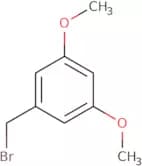
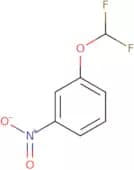
CAS:<p>3,5-Dimethoxybenzyl bromide is a difluoro compound that has been synthesized as a potential CB2 receptor agonist. It has been shown to bind to both CB1 and CB2 receptors in cell culture. 3,5-Dimethoxybenzyl bromide has also been shown to inhibit the growth of mouse melanoma cells by inducing apoptosis and cell cycle arrest, which may be due to its ability to demethylate pterostilbene derivatives. 3,5-Dimethoxybenzyl bromide is an example of a nucleophilic agent because it can donate a proton from the hydroxyl group on the benzene ring. The chloride ion forms an ionic bond with the negatively charged oxygen atom on the benzoic acid group. This type of bond is called an ester linkage or ester bond.</p>Formula:C9H11O2BrPurity:Min. 94%Color and Shape:PowderMolecular weight:231.09 g/mol3-(Difluoromethoxy)nitrobenzene
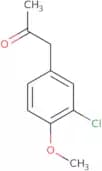
CAS:<p>Please enquire for more information about 3-(Difluoromethoxy)nitrobenzene including the price, delivery time and more detailed product information at the technical inquiry form on this page</p>Formula:C7H5F2NO3Purity:Min. 95%Molecular weight:189.12 g/mol1-(3-Chloro-4-methoxyphenyl)acetone
CAS:<p>1-(3-Chloro-4-methoxyphenyl)acetone is a white solid with a melting point of 60-61°C. It is a versatile building block that can be used in the synthesis of complex compounds and as a reaction component for the preparation of speciality chemicals. 1-(3-Chloro-4-methoxyphenyl)acetone has been studied extensively as an intermediate for the synthesis of pharmaceuticals, including acetaminophen and amoxicillin. This compound also has uses in research laboratories and as a reagent in organic synthesis.</p>Formula:C10H11ClO2Purity:Min. 95%Molecular weight:198.65 g/mol4-Chloro-2-(trifluoromethoxy)aniline
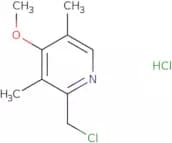
CAS:<p>4-Chloro-2-(trifluoromethoxy)aniline is a fine chemical that is used as a building block in the synthesis of other chemicals, such as pharmaceuticals and agrochemicals. It is also used in research as a reagent for organic synthesis and as a speciality chemical. 4-Chloro-2-(trifluoromethoxy)aniline has versatile applications in the manufacture of complex compounds, intermediates, and scaffolds.</p>Formula:C7H5ClF3NOPurity:Min. 95%Molecular weight:211.57 g/mol2-(Chloromethyl)-4-methoxy-3,5-dimethylpyridine hydrochloride
CAS:<p>2-(Chloromethyl)-4-methoxy-3,5-dimethylpyridine hydrochloride is a benzimidazole derivative. It has a chemical stability and can be used for wastewater treatment. It is also a pump inhibitor and can be used for anhydrous sodium magnesium salts. This product is synthesized from the reaction of protonated 2-bromo-4-methoxyphenol with 2,6-dimethylpyridine in the presence of hydrochloric acid. The reaction was carried out in an asymmetric synthesis using a proton transport system. 2-(Chloromethyl)-4-methoxy-3,5-dimethylpyridine hydrochloride is soluble in water and has a pH of 1 to 3. It has been shown that this product can be used as an antioxidant and as a metal chelation agent.</p>Formula:C9H13Cl2NOPurity:Min. 95%Color and Shape:PowderMolecular weight:222.11 g/molKaempferol-7,4'-dimethoxy-8-butyryl ester
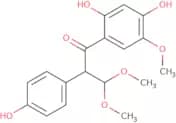
CAS:<p>Kaempferol-7,4'-dimethoxy-8-butyryl ester is a fine chemical that is used as a versatile building block for the synthesis of complex compounds. It is also used in research chemicals and as a reagent and speciality chemical. Kaempferol-7,4'-dimethoxy-8-butyryl ester has CAS number 1284229-43-1 and can be used as an intermediate for the synthesis of other compounds. It is also a useful scaffold for the synthesis of high quality compounds with potential pharmaceutical applications.</p>Formula:C21H20O7Purity:Min. 95%Molecular weight:384.38 g/mol1-(2,4-Dihydroxy-5-methoxyphenyl)-2-(4-hydroxyphenyl)-3,3-dimethoxy-1-propanone
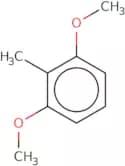
CAS:<p>Please enquire for more information about 1-(2,4-Dihydroxy-5-methoxyphenyl)-2-(4-hydroxyphenyl)-3,3-dimethoxy-1-propanone including the price, delivery time and more detailed product information at the technical inquiry form on this page</p>Formula:C18H20O7Purity:Min. 95%Molecular weight:348.35 g/mol2,6-Dimethoxytoluene
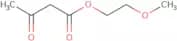
CAS:<p>2,6-Dimethoxytoluene is a regiospecific pentafluorophenyl compound with a thermal isomerization. It is an extractive yield that can be isolated from the reaction of acetaldehyde and formaldehyde in the presence of an imine. The process of making 2,6-dimethoxytoluene begins by reacting chloromethane with oxygenated tetrafluorobenzyne to make an intermediate. Then, this intermediate reacts with methoxylated fatty acids to create the final product. This reaction is stereoselective because it produces only one stereoisomer of 2,6-dimethoxytoluene.</p>Formula:C9H12O2Purity:Min. 95%Color and Shape:PowderMolecular weight:152.19 g/mol2-Methoxyethyl acetoacetate
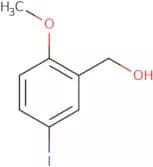
CAS:<p>2-Methoxyethyl acetoacetate is used as a raw material for coatings. It has been shown to be an effective calcium antagonist in the treatment of leukemia and other cancers. 2-Methoxyethyl acetoacetate has also been shown to inhibit the growth of HL-60 cells when it is incubated with these cells in the presence of hydrochloric acid, malonic acid, and quinoline derivatives. The reaction produces chlorine gas, which is toxic to cells.</p>Formula:C7H12O4Purity:Min. 95%Color and Shape:Clear LiquidMolecular weight:160.17 g/mol5-Iodo-2-methoxybenzyl alcohol
CAS:<p>5-Iodo-2-methoxybenzyl alcohol (5IMB) is a conjugate that inhibits tubulin polymerization and mitochondrial membrane integrity. It has significant inhibitory effects on colchicine-induced apoptosis in colon cancer cells, inducing apoptotic cell death by the activation of caspase 3 and annexin. 5IMB also has an inhibitory effect on mitochondria, leading to mitochondrial membrane depolarization and apoptotic cell death. This conjugate also induces the death of human cancer cells, specifically mcf-7, which are involved in tumour growth and metastasis. The mechanism of action for 5IMB is through its ability to induce mitochondrial membrane depolarization, leading to apoptotic cell death.</p>Formula:C8H9O2IPurity:Min. 95%Molecular weight:264.06 g/mol


![(2-{Ethyl-[4-(4-nitro-phenylazo)-phenyl]-amino}-ethoxy)-acetic acid-4-nitro-phenyl ester](/_next/image/?url=https%3A%2Fstatic.cymitquimica.com%2Fproducts%2F3D%2Fthumb-webp%2FFE111186.webp&w=3840&q=75)


![Dolastatin 15 (5S)-1-[(2S)-O-(N,N-Dimethyl-Val-Val-N-Me-Val-Pro-Pro)-2-hydroxyisovaleryl]-2-oxo-4-…](/_next/image/?url=https%3A%2Fstatic.cymitquimica.com%2Fproducts%2F3D%2Fthumb-webp%2FFD110329.webp&w=3840&q=75)
![2-Methoxy-5-[[(phenylmethyl)sulfonyl]methyl]benzenamine](/_next/image/?url=https%3A%2Fstatic.cymitquimica.com%2Fproducts%2F3D%2Fthumb-webp%2FFA70820.webp&w=3840&q=75)
![(2R,3S)-2-[(1R)-1-[3,5-Bis(trifluoromethyl)phenyl]ethoxy]-3-(4-fluorophenyl)morpholine hydrochlori…](/_next/image/?url=https%3A%2Fstatic.cymitquimica.com%2Fproducts%2F3D%2Fthumb-webp%2FFB102459.webp&w=3840&q=75)