Ethers
Ethers are organic compounds containing an ether functional group, characterized by an oxygen atom bonded to two hydrocarbon radicals. These compounds are valuable in synthesis and serve as solvents in various chemical reactions. At CymitQuimica, we offer a selection of high-quality ethers to support your research and industrial applications, ensuring reliable and effective results. Our range of ethers meets diverse laboratory requirements, from routine experiments to advanced research.
Found 40902 products of "Ethers"
Sort by
Purity (%)
0
100
|
0
|
50
|
90
|
95
|
100
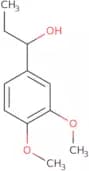
1-(3',4'-Dimethoxyphenyl)-1-propanol
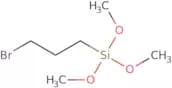
CAS:<p>1-(3’,4’-Dimethoxyphenyl)-1-propanol is a naturally occurring chemical with the molecular formula C10H14O2. It has been found in the bark of Pinus pinaster and the rhizome of Piper auritum. This compound has been shown to have an antiinflammatory effect by inhibiting prostaglandin synthesis. It also inhibits nitrosation reactions and is being studied for its potential as a cancer chemopreventive agent. 1-(3’,4’-Dimethoxyphenyl)-1-propanol is an enantiomer of 2-(3',4'-dimethoxyphenyl)propane-1,3-diol.</p>Formula:C11H16O3Purity:Min. 95%Molecular weight:196.24 g/mol(3-Bromopropyl)trimethoxysilane
CAS:<p>3-Bromopropyltrimethoxysilane is a divalent hydrocarbon that has been used as a model compound for the study of detection methods. It has been shown to have biocompatible properties and can be used as an immobilization template molecule. 3-Bromopropyltrimethoxysilane also reacts with pyridinium ions to form complexes that are highly stable. The stability of these complexes can be attributed to the functional groups on the pyridine ring, which are more susceptible to hydrolysis than those on the silica surface. 3-Bromopropyltrimethoxysilane is a substrate for nitrate reductase enzymes, resulting in inhibition of growth at concentrations low enough not to cause cytotoxicity.</p>Formula:C6H15BrO3SiPurity:Min. 95%Molecular weight:243.17 g/mol3'-methoxy apiin;Chrysoeiol-7-(2-O-apiosylglucoside)
CAS:<p>Please enquire for more information about 3'-methoxy apiin;Chrysoeiol-7-(2-O-apiosylglucoside) including the price, delivery time and more detailed product information at the technical inquiry form on this page</p>Purity:Min. 95%4-Fluoro-3-methoxyphenylacetone
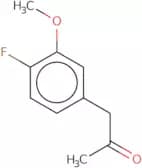
CAS:<p>4-Fluoro-3-methoxyphenylacetone is a high quality reagent that can be used as an intermediate in the synthesis of complex compounds. This compound is also useful for creating fine chemicals and speciality chemicals, for research purposes. 4-Fluoro-3-methoxyphenylacetone has been shown to be a versatile building block in organic synthesis, with many possible applications. It can react with other compounds to create new compounds or react with itself to form new molecules. CAS No. 320338-98-5</p>Formula:C10H11FO2Purity:Min. 95%Molecular weight:182.19 g/mol(2-(2-Methoxyethoxy)ethoxy)acetic acid
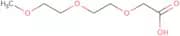
CAS:<p>2-(2-Methoxyethoxy)ethoxy)acetic acid (MEAA) is a cell stabilizer that can be used in the treatment of cancer, diabetes, and other diseases. MEAA has been shown to inhibit the growth of cells by binding to and stabilizing the cytoskeleton through inhibition of protein synthesis. It also prevents the activation of pro-inflammatory cytokines and reactive oxygen species. MEAA's magnetic resonance spectroscopy properties have been studied in detail and it has been shown to bind well with silver ions. MEAA has also been shown to have high cytotoxicity when combined with laser ablation therapy.</p>Formula:C7H14O5Purity:90%Color and Shape:Clear LiquidMolecular weight:178.18 g/molN-(2-Aminoethyl)-3-(trimethoxysilyl)propylamine
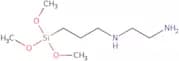
CAS:N-(2-Aminoethyl)-3-(trimethoxysilyl)propylamine (NAP) is a cationic surfactant that is used as a fluorescent probe to study the binding of proteins to cell surface integrin receptors. The adsorption mechanism is based on the interaction between the hydrophobic parts of the protein and the hydrophobic parts of NAP. This interaction leads to an increase in the concentration of NAP at the interface and thus an increase in fluorescence. NAP has been shown to bind human serum albumin, fatty acids, and monoclonal antibodies with high affinity. It also has been shown to bind to plasma proteins through hydrogen bonding. The optimum concentration for NAP adsorption is 1mM.Formula:C8H22N2O3SiPurity:Min. 95%Molecular weight:222.36 g/mol4-Chloro-6,7-dimethoxyquinoline
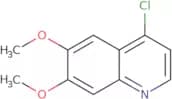
CAS:<p>4-Chloro-6,7-dimethoxyquinoline (4C6DMQ) is a potent inhibitor of the growth of prostate cancer cells. 4C6DMQ is an analog of chloropropyl chloride, which inhibits the growth of epidermal growth factor receptor (EGFR). The binding site for 4C6DMQ on EGFR is the same as that for chloropropyl chloride. 4C6DMQ inhibits EGFR by preventing the activation of downstream signaling cascades, leading to a decrease in cell proliferation and tumor size. The IC50 values for 4C6DMQ are approximately 10 times higher than those for chloropropyl chloride. This drug has been shown to be more potent than other inhibitors of EGFR such as erlotinib and gefitinib.</p>Formula:C11H10ClNO2Purity:Min. 95%Color and Shape:White PowderMolecular weight:223.66 g/mol(4S,5R)-3-Benzoyl-2-(4-methoxyphenyl)-4-phenyl-5-oxazolidinecarboxylic acid
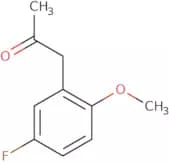
CAS:<p>Please enquire for more information about (4S,5R)-3-Benzoyl-2-(4-methoxyphenyl)-4-phenyl-5-oxazolidinecarboxylic acid including the price, delivery time and more detailed product information at the technical inquiry form on this page</p>Formula:C24H21NO5Purity:Min. 95%Color and Shape:White To Off-White SolidMolecular weight:403.43 g/mol5-Fluoro-2-methoxyphenylacetone
CAS:<p>5-Fluoro-2-methoxyphenylacetone is a chemical with a wide array of applications in research and industry. It is a versatile building block, useful intermediate, and reagent for organic synthesis. This compound has been used as a starting material in the synthesis of other compounds. CAS No. 1017082-10-8</p>Formula:C10H11FO2Color and Shape:PowderMolecular weight:182.19 g/mol4-Fluoro-2-methoxyphenol
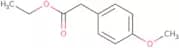
CAS:<p>4-Fluoro-2-methoxyphenol is a fluorinating agent that is used in the manufacture of pharmaceuticals, plastics and pesticides. It has been shown to induce apoptosis in cultured cells by upregulating reactive oxygen species (ROS) and increasing mitochondrial membrane permeability, as well as inhibiting cellular physiology. 4-Fluoro-2-methoxyphenol also inhibits the production of ATP and may be toxic to cells by interfering with dinucleotide phosphate.</p>Formula:C7H7FO2Purity:Min. 95%Color and Shape:Clear LiquidMolecular weight:142.13 g/molEthyl 4-methoxyphenylacetate
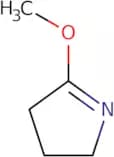
CAS:<p>Ethyl 4-methoxyphenylacetate is a fatty acid that is synthesized by the condensation of aniline and pyrrole. It has been shown to inhibit the growth of bacteria, such as Salmonella typhi and Staphylococcus aureus, in vitro. The inhibition of bacterial growth is thought to be due to its ability to react with hydrogen fluoride, which results in the formation of reactive oxygen species and nitrogen radicals. This compound also inhibits the production of tyrosinase in human skin cells, which may be beneficial for individuals with acne. Ethyl 4-methoxyphenylacetate has been shown to be safe for use in clinical trials.</p>Formula:C11H14O3Purity:Min. 95%Color and Shape:Clear LiquidMolecular weight:194.23 g/mol5-Methoxy-3,4-dihydro-2H-pyrrole
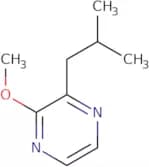
CAS:<p>5-Methoxy-3,4-dihydro-2H-pyrrole is a chemical compound that contains a pyrrole ring. It can be found in the form of dehydrogenation and intramolecular hydrogen. 5-Methoxy-3,4-dihydro-2H-pyrrole has been shown to have antibacterial effects against Mycobacterium tuberculosis and other bacteria. 5-Methoxy-3,4-dihydro-2H-pyrrole also reacts with nitroacetate to form an aziridine, which is an intermediate in the synthesis of several pharmaceuticals. This chemical compound is used in the preparation of bipyrrole compounds such as naphthalene and alicyclic compounds such as nitrophenols.</p>Formula:C5H9NOPurity:Min. 95%Molecular weight:99.13 g/mol2-Isobutyl-3-methoxypyrazine
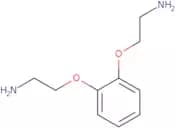
CAS:<p>2-Isobutyl-3-methoxypyrazine is a hydrophobic compound that is not soluble in water. It has a bound form and can be titrated with calorimetry. 2-Isobutyl-3-methoxypyrazine is synthesized by reacting 2,2,4-trimethylpentane with methoxyacetone in the presence of sodium methylate. The compound has been detected as an odorant in numerous plant species and is believed to play a role in plant physiology. 2-Isobutyl-3-methoxypyrazine has been shown to have potent antiviral activity against infectious diseases such as HIV, herpes simplex virus type 1 (HSV1), and varicella zoster virus (VZV). This specific antiviral activity may be due to its ability to bind fatty acids by hydrogen bonds, which may interfere with the synthesis of viral membranes.</p>Formula:C9H14N2OPurity:Min. 95%Molecular weight:166.22 g/molO-Bis(2-aminoethoxy)benzene
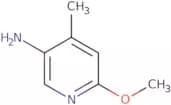
CAS:O-Bis(2-aminoethoxy)benzene is a cyclic compound that has a predominantly thionyl character. It has an amide group, which is formed by the condensation of two carboxylic acids. O-Bis(2-aminoethoxy)benzene can act as a ligand for metal ions in the form of an anion or chloride ion, and it also interacts with neutral ligands. This compound can be used to prepare ferrocenyl derivatives through alkylation. The interaction between O-Bis(2-aminoethoxy)benzene and ferrocene was studied using voltammetry.Formula:C10H16N2O2Purity:Min. 95%Molecular weight:196.25 g/mol5-Amino-2-methoxy-4-methylpyridine
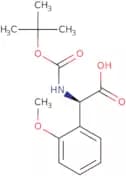
CAS:<p>5-Amino-2-methoxy-4-methylpyridine is a small molecule that inhibits bromodomains. Bromodomains are protein domains that bind to acetylated lysine residues on histones. 5-Amino-2-methoxy-4-methylpyridine binds to the bromodomain, preventing the acetylated lysine residues from binding with other proteins and inhibiting transcription. This drug has been shown to be effective in treating prostate cancer by interacting with the androgen receptor. 5-Amino-2-methoxy-4-methylpyridine also interacts with ATPase, which may lead to increased levels of ATP production, and has been shown to have antitumor effects in vitro.</p>Formula:C7H10N2OPurity:Min. 95%Molecular weight:138.17 g/molBoc-(R)-2-methoxyphenylglycine
CAS:<p>Please enquire for more information about Boc-(R)-2-methoxyphenylglycine including the price, delivery time and more detailed product information at the technical inquiry form on this page</p>Formula:C14H19NO5Purity:Min. 95%Molecular weight:281.3 g/mol6-Methoxy-2,3,4,9-tetrahydro-1H-β-carbolin-1-one
CAS:<p>6-Methoxy-2,3,4,9-tetrahydro-1H-beta-carbolin-1-one is a β-carboline alkaloid that is structurally related to harmaline and tetrahydroharmine. It has been shown to have antidepressant activity in animals. 6-Methoxy-2,3,4,9-tetrahydro-1H-beta-carbolin-1-one was analyzed by GC/MS and found to be present in the leaves of plants from the genus Tetraclinis. 6MHBC was also identified as a metabolite of diazepam in rat urine after administration of a single oral dose of 10 mg/kg diazepam. The observed β carboline metabolite was determined to be 6MHBC.</p>Formula:C12H12N2O2Purity:Min. 95%Molecular weight:216.24 g/mol4-(2',4'-Dimethoxyphenyl-Fmoc-aminomethyl)-phenoxymethyl-polystyrene resin (200-400 mesh)
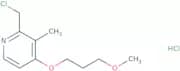
<p>Please enquire for more information about 4-(2',4'-Dimethoxyphenyl-Fmoc-aminomethyl)-phenoxymethyl-polystyrene resin (200-400 mesh) including the price, delivery time and more detailed product information at the technical inquiry form on this page</p>Purity:Min. 95%2-Chloromethyl-4-(3-methoxypropoxy)-3-methylpyridine hydrochloride
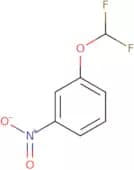
CAS:<p>Please enquire for more information about 2-Chloromethyl-4-(3-methoxypropoxy)-3-methylpyridine hydrochloride including the price, delivery time and more detailed product information at the technical inquiry form on this page</p>Formula:C11H17Cl2NO2Purity:Min. 95%Molecular weight:266.16 g/mol3-(Difluoromethoxy)nitrobenzene
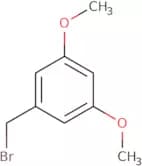
CAS:<p>Please enquire for more information about 3-(Difluoromethoxy)nitrobenzene including the price, delivery time and more detailed product information at the technical inquiry form on this page</p>Formula:C7H5F2NO3Purity:Min. 95%Molecular weight:189.12 g/mol3,5-Dimethoxybenzyl bromide
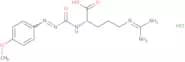
CAS:<p>3,5-Dimethoxybenzyl bromide is a difluoro compound that has been synthesized as a potential CB2 receptor agonist. It has been shown to bind to both CB1 and CB2 receptors in cell culture. 3,5-Dimethoxybenzyl bromide has also been shown to inhibit the growth of mouse melanoma cells by inducing apoptosis and cell cycle arrest, which may be due to its ability to demethylate pterostilbene derivatives. 3,5-Dimethoxybenzyl bromide is an example of a nucleophilic agent because it can donate a proton from the hydroxyl group on the benzene ring. The chloride ion forms an ionic bond with the negatively charged oxygen atom on the benzoic acid group. This type of bond is called an ester linkage or ester bond.</p>Formula:C9H11O2BrPurity:Min. 94%Color and Shape:PowderMolecular weight:231.09 g/molN-(4-Methoxyphenylazoformyl)-Arg-OH·HCl
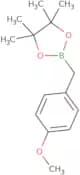
CAS:<p>Please enquire for more information about N-(4-Methoxyphenylazoformyl)-Arg-OH·HCl including the price, delivery time and more detailed product information at the technical inquiry form on this page</p>Formula:C14H20N6O4·HClPurity:Min. 95%Color and Shape:Orange Red SolidMolecular weight:372.81 g/mol4-Methoxybenzylboronic acid pinacolester
CAS:<p>Please enquire for more information about 4-Methoxybenzylboronic acid pinacolester including the price, delivery time and more detailed product information at the technical inquiry form on this page</p>Formula:C14H21BO3Purity:Min. 95%Molecular weight:248.13 g/mol7-Methoxy-4-(trifluoromethyl)coumarin
CAS:<p>7-Methoxy-4-(trifluoromethyl)coumarin is a potent and selective aromatase inhibitor. It inhibits the activity of the enzyme, which converts testosterone to estradiol. The inhibition of this enzyme may be beneficial in the treatment of breast cancer. This compound has also been shown to inhibit the activity of P450 enzymes and coumarin derivatives, which are involved in drug metabolism and detoxification.</p>Formula:C11H7F3O3Purity:Min. 95%Molecular weight:244.17 g/mol2-Methoxy-6-picolinic acid
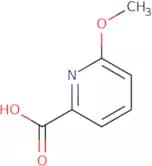
CAS:<p>2-Methoxy-6-picolinic acid (2MPA) is a picolinate that has been shown to be an effective catalyst for the conversion of alcohols into allylic alcohols. 2MPA is able to catalyze the reaction by abstracting hydrogen from the carbonyl group, and then adding it to the adjacent carbon. This reaction can produce peroxide as a byproduct, which is subsequently hydrolyzed to form water and alcohol. The β-unsaturated carbonyl group of 2MPA provides additional stability for this catalytic process.<br>2MPA can also be used as a catalyst in other reactions, such as the oxidation of benzylic alcohols with hydrogen peroxide to form benzylic carbonyl compounds.</p>Formula:C7H7NO3Purity:Min. 95%Color and Shape:PowderMolecular weight:153.14 g/molEthyl-2-ethoxy-1-[[(2'-cyanobiphenyl-4-yl) methyl] benzimidazole-7-carboxylate
CAS:<p>Candesartan is a selective angiotensin II receptor antagonist that inhibits the binding of angiotensin II to its receptors, which in turn decreases the activity of angiotensin-converting enzyme. Candesartan cilexetil is an ester prodrug that has been shown to be effective in the treatment of high blood pressure. In the crystalline form, candesartan cilexetil is a white powder with a melting point of 130–135 °C and a solubility in water of >1 g/L. The molecular weight of candesartan cilexetil is 393.8 g/mol and it has a molecular formula C17H21NO2S. The chemical structure consists of two benzimidazole rings coupled together through an ethyl-2-ethoxy linker and attached to a carboxylate group on one end and an amide group on the other</p>Formula:C26H23N3O3Purity:Min. 95%Molecular weight:425.48 g/molH-Cys(4-methoxytrityl)-2-chlorotrityl resin (200-400 mesh)
<p>Please enquire for more information about H-Cys(4-methoxytrityl)-2-chlorotrityl resin (200-400 mesh) including the price, delivery time and more detailed product information at the technical inquiry form on this page</p>Purity:Min. 95%4-Difluoromethoxyphenylboronic acid pinacol ester
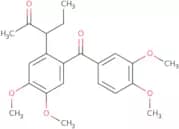
CAS:<p>Please enquire for more information about 4-Difluoromethoxyphenylboronic acid pinacol ester including the price, delivery time and more detailed product information at the technical inquiry form on this page</p>Formula:C13H17BF2O3Purity:Min. 95%Molecular weight:270.08 g/mol3-(2-(3,4-Dimethoxybenzoyl)-4,5-dimethoxyphenyl)pentan-2-one
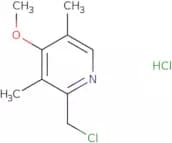
CAS:<p>3-(2-(3,4-Dimethoxybenzoyl)-4,5-dimethoxyphenyl)pentan-2-one is an alkylene that is produced by the reaction of hydrazine with 2,3,4-trimethoxybenzoic acid. This molecule has been shown to have anxiolytic properties in animal studies and hydrolyzes to form ethylene glycol. 3-(2-(3,4-Dimethoxybenzoyl)-4,5-dimethoxyphenyl)pentan-2-one also has a hydrolysis product of tofisopam. Tofisopam is an organic acid that has been used as an antidepressant for the treatment of anxiety disorders.</p>Formula:C22H26O6Purity:Min. 95%Molecular weight:386.44 g/mol2-(Chloromethyl)-4-methoxy-3,5-dimethylpyridine hydrochloride
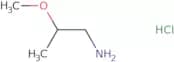
CAS:<p>2-(Chloromethyl)-4-methoxy-3,5-dimethylpyridine hydrochloride is a benzimidazole derivative. It has a chemical stability and can be used for wastewater treatment. It is also a pump inhibitor and can be used for anhydrous sodium magnesium salts. This product is synthesized from the reaction of protonated 2-bromo-4-methoxyphenol with 2,6-dimethylpyridine in the presence of hydrochloric acid. The reaction was carried out in an asymmetric synthesis using a proton transport system. 2-(Chloromethyl)-4-methoxy-3,5-dimethylpyridine hydrochloride is soluble in water and has a pH of 1 to 3. It has been shown that this product can be used as an antioxidant and as a metal chelation agent.</p>Formula:C9H13Cl2NOPurity:Min. 95%Color and Shape:PowderMolecular weight:222.11 g/mol(2-Methoxypropyl)amine hydrochloride
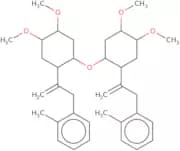
CAS:<p>2-Methoxypropyl)amine hydrochloride (2MPPA) is a versatile building block that can be used in the synthesis of complex compounds. It is a research chemical that is used as a reagent and as a speciality chemical for the production of pharmaceuticals, agrochemicals, and other organic chemicals. 2MPPA can be used as an intermediate in the manufacture of useful scaffolds or useful reaction components. This product has CAS number 70807-90-8 and is of high quality.</p>Formula:C4H11NO·HClPurity:Min. 95%Color and Shape:SolidMolecular weight:125.6 g/mol2-(4,5-Dimethoxy-2-(1-((2-methylphenyl)methyl)vinyl)cyclohexyl)ether
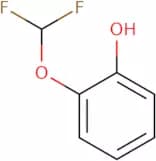
CAS:<p>2-(4,5-Dimethoxy-2-(1-((2-methylphenyl)methyl)vinyl)cyclohexyl)ether is a versatile building block for the synthesis of complex compounds. It is also an intermediate in the synthesis of useful scaffolds and reaction components. This compound has a high quality and can be used as a reagent or research chemicals.</p>Formula:C36H50O5Purity:Min. 95%Molecular weight:562.78 g/mol2-(Difluoromethoxy)Phenol
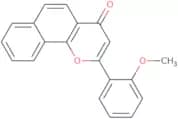
CAS:<p>2-(Difluoromethoxy)Phenol is a purine derivative and pyrimidine derivative. It has been shown to inhibit the growth of cancer cells in vitro and in vivo. 2-(Difluoromethoxy)phenol inhibits multidrug resistance by inhibiting the transport of drugs into cells and thereby preventing their accumulation. As a result, it suppresses inflammatory diseases and autoimmune diseases. The hydroxyl group in this compound can be replaced with fluorine or nitro groups to generate new derivatives with different properties. Piperidine can also be added to this molecule to create an analogue that is more potent than 2-(difluoromethoxy)phenol and has a longer duration of action.</p>Formula:C7H6F2O2Purity:Min. 95%Molecular weight:160.12 g/mol2'-Methoxy-α-naphthoflavone
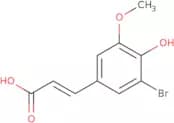
CAS:2'-Methoxy-alpha-naphthoflavone is a fine chemical that can be synthesized from naphthalene, benzaldehyde, and methoxyacetic acid. It is a versatile building block for research chemicals and has been shown to have high quality. 2'-Methoxy-alpha-naphthoflavone has been used as a reaction component in the synthesis of complex compounds with interesting biological activities.Formula:C20H14O3Purity:Min. 95%Molecular weight:302.32 g/mol3-(3-Bromo-4-hydroxy-5-methoxyphenyl)acrylic acid
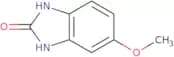
CAS:<p>3-(3-Bromo-4-hydroxy-5-methoxyphenyl)acrylic acid is a polyphenol that can be found in plants and food. It has been shown to have antimicrobial properties against certain bacteria and fungi, such as Staphylococcus aureus, Clostridium perfringens, and Candida albicans. 3-(3-Bromo-4-hydroxy-5-methoxyphenyl)acrylic acid is synthesized by means of the condensation of p-coumaric acid with acrylic acid in the presence of a base catalyst. This compound undergoes biotransformations such as hydroxylation and oxidation to form 3-(3,4′-dihydroxyphenyl)acrylic acid (DHPAA). The compound is also able to react with other phenolic compounds such as cinnamic acid under certain conditions.</p>Formula:C10H9BrO4Purity:Min. 95%Color and Shape:PowderMolecular weight:273.08 g/mol2-Hydroxy-5-methoxybenzimidazole
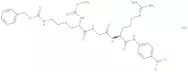
CAS:<p>Please enquire for more information about 2-Hydroxy-5-methoxybenzimidazole including the price, delivery time and more detailed product information at the technical inquiry form on this page</p>Formula:C8H8N2O2Purity:Min. 95%Molecular weight:164.16 g/molMethoxycarbonyl-Lys(Z)-Gly-Arg-pNA hydrochloride salt
CAS:<p>Please enquire for more information about Methoxycarbonyl-Lys(Z)-Gly-Arg-pNA hydrochloride salt including the price, delivery time and more detailed product information at the technical inquiry form on this page</p>Formula:C30H41N9O9Purity:Min. 95%Molecular weight:671.7 g/mol2-Fluoro-6-methoxybenzonitrile
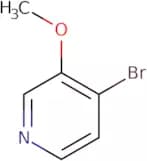
CAS:<p>2-Fluoro-6-methoxybenzonitrile (2FMN) is a compound that is used as a starting material for the synthesis of other pharmaceuticals. It has been shown to bind to the acetylcholine receptor by using vibrational spectroscopy and functional theory. It also has been shown to be an effective chemokine inhibitor. Computational methods were used to optimize 2FMN's binding affinity for the acetylcholine receptor, and it was found that 2FMN binds with a dipole orientation in order to increase its binding affinity.</p>Formula:C8H6FNOPurity:Min. 95%Color and Shape:PowderMolecular weight:151.14 g/mol4-Bromo-3-methoxypyridine
CAS:<p>Please enquire for more information about 4-Bromo-3-methoxypyridine including the price, delivery time and more detailed product information at the technical inquiry form on this page</p>Formula:C6H6BrNOPurity:Min. 95%Molecular weight:188.02 g/mol3,4,5-Trimethoxybenzoic acid anhydride
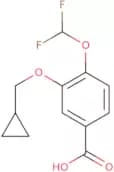
CAS:<p>3,4,5-Trimethoxybenzoic acid anhydride is a synthetic chemical compound that is used as a pharmaceutical intermediate. It is mainly used to prepare potent anticancer agents and potent anticancer drugs. 3,4,5-Trimethoxybenzoic acid anhydride reacts with amines in the presence of a base to form substituted amides. This reaction has been shown by crystal x-ray diffraction to be sensitive to the solvent polarity and temperature of the reaction medium. The compound can also react with chloride ion to form 3,4,5-trichlorobenzoic acid anhydride (3TCBA).</p>Formula:C20H22O9Purity:(%) Min. 85%Color and Shape:PowderMolecular weight:406.38 g/mol3-Cyclopropylmethoxy-4-difluoromethoxy-benzoic acid
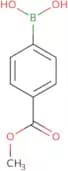
CAS:<p>3-Cyclopropylmethoxy-4-difluoromethoxy-benzoic acid is an industrial chemical that is used as a binding agent in the production of dyes, rubber, and pharmaceuticals. The compound is produced by the acylation of 3-chloromethoxybenzoic acid with cyclopropylmethanol. This reaction requires an inorganic base such as potassium carbonate or sodium bicarbonate to activate the chloride. 3-Cyclopropylmethoxy-4-difluoromethoxybenzoic acid can be used as a reactive alkylating agent for the production of amides and other organic compounds, which increases its versatility.</p>Formula:C12H12O4F2Purity:Min. 95%Color and Shape:White/Off-White SolidMolecular weight:258.22 g/mol4-Methoxycarbonylphenylboronic acid
CAS:<p>4-Methoxycarbonylphenylboronic acid is an organic compound that can be synthesized from biphenyl. It is a diazonium salt with a bidentate ligand and a carbonyl group, which allows it to form an intermolecular hydrogen bond. The phenyl group of 4-methoxycarbonylphenylboronic acid can be oxidized to the corresponding carboxylic acid or reduced to the corresponding alcohol.<br>4-Methoxycarbonylphenylboronic acid is also soluble in halides, iodinations, and mercaptoacetic acid. This compound has been used as an acceptor in the oxidation of aluminium with diborane as a catalyst. 4-Methoxycarbonylphenylboronic acid has also been used to synthesize other compounds such as metronidazole (a drug) and erythromycin (an antibiotic).</p>Formula:C8H9BO4Purity:Min. 95%Color and Shape:White PowderMolecular weight:179.97 g/mol4-Methoxyphenyl boronic acid
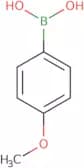
CAS:<p>4-Methoxyphenyl boronic acid is a molecule with a hydroxyl group and a boronic acid. It is synthesized by reacting biphenyl with trifluoroacetic acid in the presence of sodium carbonate and palladium-catalyzed coupling. 4-Methoxyphenyl boronic acid has shown to bind to the receptor for fatty acids, which may be due to its structural similarity to p-hydroxybenzoic acid. The protonated form of this molecule has been shown to react with an electrophilic carbon atom and an electron-deficient alkyl or vinyl halide, resulting in ring formation. This reaction is known as the Suzuki coupling reaction.</p>Formula:C7H9BO3Purity:Min. 95%Color and Shape:PowderMolecular weight:151.96 g/molKaempferol-7,4'-dimethoxy-8-butyryl ester
CAS:<p>Kaempferol-7,4'-dimethoxy-8-butyryl ester is a fine chemical that is used as a versatile building block for the synthesis of complex compounds. It is also used in research chemicals and as a reagent and speciality chemical. Kaempferol-7,4'-dimethoxy-8-butyryl ester has CAS number 1284229-43-1 and can be used as an intermediate for the synthesis of other compounds. It is also a useful scaffold for the synthesis of high quality compounds with potential pharmaceutical applications.</p>Formula:C21H20O7Purity:Min. 95%Molecular weight:384.38 g/mol5-Chloro-2,4-dimethoxyaniline
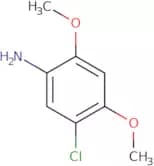
CAS:<p>5-Chloro-2,4-dimethoxyaniline (5-CDA) is a crystalline solid that belongs to the amine class of chemical compounds. It is used in the production of polyhalogenated anilines and nitrosamines, which are known carcinogens. 5-CDA has been shown to be toxic to animals at high doses and can cause health effects such as irritation of the eyes, skin, and respiratory tract; central nervous system depression; and gastrointestinal disturbances. The toxicity of this compound is related to its ability to form nitrosamines when it comes into contact with nitrite or other N-nitroso compounds. 5-CDA is also present in wastewater effluents from paper mills and agricultural runoff from triticum aestivum fields.</p>Formula:C8H10ClNO2Purity:Min. 95%Molecular weight:187.62 g/molN-(4-Methoxybenzylidene)-4-butylaniline
CAS:<p>N-(4-Methoxybenzylidene)-4-butylaniline is an organic compound that belongs to the group of liquid crystals. It has been used in the study of phase transitions and thermal properties. The melting point of N-(4-methoxybenzylidene)-4-butylaniline is between -80 and -90 °C, depending on the solvent. This compound has a low proton affinity, but it can be oxidized to form a radical cation.</p>Formula:C18H21NOPurity:Min. 95%Molecular weight:267.37 g/molN-(2-Bromoethoxy)phthalimide
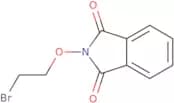
CAS:<p>N-(2-Bromoethoxy)phthalimide is a chemical compound that has been shown to inhibit the activity of histone deacetylases. Histones are proteins that regulate gene expression and play an important role in the regulation of DNA transcription. The enzyme histone deacetylase (HDAC) removes acetyl groups from these proteins, which can lead to changes in gene expression and misregulation of cellular processes. HDACs have been linked to autoimmune diseases, such as arthritis and multiple sclerosis, because they can cause inflammation by affecting the production of inflammatory cytokines. N-(2-Bromoethoxy)phthalimide is able to inhibit HDACs by forming covalent bonds with the lysine residues on these enzymes. This inhibition causes modifications that affect the interaction between HDACs and their substrates, preventing them from modifying histones or interacting with other proteins.</p>Formula:C10H8BrNO3Purity:Min. 95%Molecular weight:270.08 g/molPotassium 4-methoxycinnamate
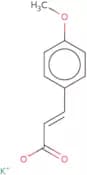
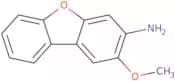
CAS:<p>Potassium 4-methoxycinnamate is a fine chemical that is used as a versatile building block in the synthesis of complex compounds. It can be used in research and as a reagent or speciality chemical. It is also a useful building block for high quality, useful intermediate, and reaction component. Potassium 4-methoxycinnamate can be used as a scaffold to synthesize compounds with diverse applications such as pharmaceuticals, polymers, and agrochemicals.</p>Formula:C10H9O3·KPurity:Min. 95%Molecular weight:216.27 g/mol3-Amino-2-methoxy-dibenzofuran
CAS:<p>3-Amino-2-methoxy-dibenzofuran (3AMD) is a cytotoxic agent that is used in the treatment of bladder carcinoma. 3AMD inhibits DNA synthesis, leading to cell death by inhibiting the production of proteins vital for cell division. 3AMD has been shown to be a potent inhibitor of cyclen-dependent kinases and to induce DNA damage in human cells. 3AMD also has significant cytotoxicity against malignant cells and has been shown to inhibit the growth of tumours in mice. 3AMD may have carcinogenic potential due to its structural similarity with other carcinogens such as aniline and aminobiphenyl.</p>Purity:Min. 95%Molecular weight:213.23 g/mol5-Amino-2-methoxyisonicotinic acid
CAS:<p>5-Amino-2-methoxyisonicotinic acid is a carboxylic acid that is used in the synthesis of aminopyridines. The compound can be synthesized from formamidine acetate and diethyl dicarbonate. This process involves lithiation, followed by addition of an amine and finally conversion to the desired product with formamidine acetate. 5-Amino-2-methoxyisonicotinic acid can also be synthesized from formamide and diethyl ether. 5-Amino-2-methoxyisonicotinic acid is an analog of 2,4,6-trimethylaniline and has been shown to have similar properties to this compound, including strong basicity.</p>Formula:C7H8N2O3Purity:Min. 95%Molecular weight:168.15 g/mol






![Ethyl-2-ethoxy-1-[[(2'-cyanobiphenyl-4-yl) methyl] benzimidazole-7-carboxylate](/_next/image/?url=https%3A%2Fstatic.cymitquimica.com%2Fproducts%2F3D%2Fthumb-webp%2FFE31863.webp&w=3840&q=75)