Organoboranes
Organoboranes are organic compounds characterized by the presence of boron atoms bonded to carbon. These compounds are derivatives of the BH3 molecule and play animportant role in various chemical reactions, including as intermediates in organic synthesis. At CymitQuimica, we offer a wide range of organoboranes to support your research and industrial needs. Our products are designed to deliver high performance and reliability in your synthetic processes.
Found 6101 products of "Organoboranes"
Sort by
Purity (%)
0
100
|
0
|
50
|
90
|
95
|
100
3-(Dimethylphenylsilyl)-cyclobutanone
CAS:Controlled Product<p>Applications 3-(Dimethylphenylsilyl)-cyclobutanone is an intermediate used in synthesizing 2-Cyclobutenyl-3-trifluoromethyl-5-chloro-1H-indole-1-carboxylic Acid Ethyl Ester, which is synthesized from 5-chloro-2-oxindole (C375030), that is used in the preparation of novel GSK-3β inhibitors as anticancer agents.<br>References Choi, M.J., et al.: Bull. Korean. Chem. Soc., 32, 2015 (2011); Otani, M., et al.: Bioorg. Med. Chem. Lett.. 20, 4259 (2010); Jhan, Y.H., et al.: Tetrahedron. Lett., 54, 1155 (2013); Hsieh, J.C., et al.: Org. Biomolec. Chem., 10, 6404 (2012);<br></p>Formula:C12H16OSiColor and Shape:NeatMolecular weight:204.343,4-Dimethoxyphenylboronic acid
CAS:<p>3,4-Dimethoxyphenylboronic acid is a boronate ester that has been shown to be an effective coupling partner for the Suzuki reaction. It has also been used in cancer therapy and as a photochemical probe for the study of biological properties. 3,4-Dimethoxyphenylboronic acid has been shown to demethylate DNA and inhibit methionine aminopeptidase activity. It also cross-couples with halides, such as chlorides or iodides, and activates tertiary alcohols. 3,4-Dimethoxyphenylboronic acid is soluble in organic solvents and can be used in supramolecular chemistry.</p>Formula:C8H11BO4Purity:Min. 95%Color and Shape:White PowderMolecular weight:181.98 g/mol2-Cyanoethyltriethoxysilane
CAS:<p>2-Cyanoethyltriethoxysilane is a cross-linking agent that is used in coatings and adhesives. It has been shown to have an adsorption mechanism that is dependent on the pH of the solution, with a maximum adsorption at pH 3.2 and a minimum at pH 11. The rate of adsorption is also dependent on the concentration of 2-cyanoethyltriethoxysilane, with higher concentrations leading to faster adsorption rates. Kinetic data for 2-cyanoethyltriethoxysilane has been shown using gravimetric analysis to show that it has an adsorption rate constant of 1.0 × 10^4 s^(-1) at pH 3.2 and 6.5 × 10^4 s^(-1) at pH 11, which are independent of the concentration of this molecule in solution. Pluronic P123 was used as a model polymer</p>Formula:C9H19NO3SiPurity:Min. 97 Area-%Color and Shape:PowderMolecular weight:217.34 g/mol3-(Trifluoromethyl)phenylboronic acid
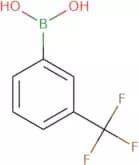
CAS:<p>3-(Trifluoromethyl)phenylboronic acid is a potent fatty acid that inhibits the release of TNF-α, a pro-inflammatory cytokine. 3-(Trifluoromethyl)phenylboronic acid binds to the p65 subunit of NF-κB, thereby preventing its activation. This limits the production of reactive oxygen species and neutrophil infiltration in response to LPS-induced lung injury. 3-(Trifluoromethyl)phenylboronic acid also has anti-inflammatory potential, inhibiting the activation of CRTH2 and reducing emissions from diesel engine exhausts. The molecule is homologous to fenofibrate, which belongs to a class of drugs that are used for lowering blood cholesterol. 3-(Trifluoromethyl)phenylboronic acid is not active against life threatening bacterial infections caused by other bacteria.</p>Formula:C7H6BF3O2Purity:Min. 95%Color and Shape:PowderMolecular weight:189.93 g/mol2-Aminophenylboronic acid
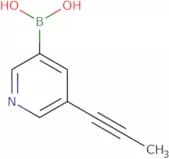
CAS:<p>2-Aminophenylboronic acid is an organic compound that can be used as a cross-coupling agent in the Suzuki coupling reaction. It has been used to synthesize amides and β-unsaturated ketones. It has also been used to prepare fluorescent molecules for use in clinical diagnostics. The phase transition temperature of 2-aminophenylboronic acid is approximately -6°C, which makes it useful for the synthesis of amides and β-unsaturated ketones at low temperatures. This compound is not reactive towards nucleophiles due to its acidic character, but it can undergo a nucleophilic attack when protonated. Its fluorescence assay can be used to detect the presence of low concentrations of hydrogen sulfide gas in natural gas pipelines.</p>Formula:C6H8BNO2Purity:Min. 95%Color and Shape:PowderMolecular weight:136.94 g/mol(5-(Prop-1-yn-1-yl)pyridin-3-yl)boronic acid
CAS:<p>(5-(Prop-1-yn-1-yl)pyridin-3-yl)boronic acid is a versatile building block that has been used in the synthesis of complex compounds, reagents, and speciality chemicals. It can also be used in reactions as a reaction component or scaffold. This chemical is soluble in most organic solvents and can be used as a high quality intermediate for synthesis of pharmaceuticals or research chemicals. It has been shown to have a CAS number of 917471-30-8.</p>Formula:C8H8BNO2Purity:Min. 95%Color and Shape:PowderMolecular weight:160.97 g/mol[4-(Allyloxy)phenyl]boronic acid
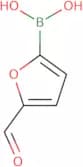
CAS:<p>4-(Allyloxy)phenylboronic acid is an intermediate in the manufacture of pharmaceuticals and other organic compounds. It can be used as a building block for more complex compounds and as a reagent in organic synthesis. 4-(Allyloxy)phenylboronic acid is soluble in water and has a melting point of >200°C. This compound is a fine chemical with CAS No. 1117776-68-7 and is useful for research purposes.</p>Formula:C9H11BO3Purity:Min. 95%Color and Shape:White PowderMolecular weight:177.99 g/mol5-Formylfuran-2-boronic acid
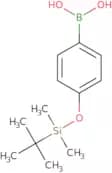
CAS:<p>5-Formylfuran-2-boronic acid is a compound that has been shown to be used in the synthesis of Pd complexes. This compound was found to inhibit the soluble guanylate cyclase and sirtuin 2 enzyme. It also has been shown to have anti-cancer effects, as it may inhibit cancer cell proliferation. 5-Formylfuran-2-boronic acid has been shown to increase the transport properties of potassium dichromate, which may be due to its acidic nature. This red fluorescent compound is soluble in organic solvents and can be activated by light. The optimum concentration of 5-Formylfuran-2-boronic acid is 3 mM in an acidic solution at room temperature.</p>Formula:C5H5BO4Purity:Min. 95%Color and Shape:Yellow SolidMolecular weight:139.9 g/mol4-(tert-Butyldimethylsilyloxy)phenylboronic acid
CAS:<p>4-(tert-Butyldimethylsilyloxy)phenylboronic acid (BSPOH) is a molecule that has been shown to have growth factor activity. Studies have shown that BSPOH can stimulate the uptake of iron in cells, which may be due to its ability to increase hepcidin production. This compound also has anti-cancer properties and can induce apoptosis in cancer cell lines.</p>Formula:C12H21BO3SiPurity:Min. 95%Color and Shape:White PowderMolecular weight:252.19 g/mol4-(1-Piperidylmethyl)phenylboronic acid
CAS:<p>4-(1-Piperidylmethyl)phenylboronic acid is a fine chemical that is used as a versatile building block in the synthesis of complex compounds. It has been used as a reagent and speciality chemical in research. 4-(1-Piperidylmethyl)phenylboronic acid is also a useful intermediate in organic synthesis, and can be used as a reaction component or scaffold for the preparation of other chemicals.</p>Formula:C12H18BNO2Purity:Min. 95%Color and Shape:PowderMolecular weight:219.09 g/mol3-Aminopropyltriethoxysilane
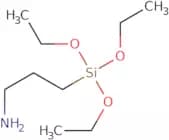
CAS:<p>3-Aminopropyltriethoxysilane is a liquid that has a phase transition temperature of -88.3°C. It is soluble in water at 1 g/L and in ethanol at 0.1 g/L. 3-Aminopropyltriethoxysilane has been shown to inhibit the production of prostaglandin E2 and leukotrienes by inhibiting cyclooxygenase activity in red blood cells, which may be due to its ability to chelate metal ions such as iron or copper. 3-Aminopropyltriethoxysilane also inhibits the production of prostaglandin E2 and leukotrienes by inhibiting cyclooxygenase activity in red blood cells, which may be due to its ability to chelate metal ions such as iron or copper. The compound also inhibits the production of prostaglandin E2 and leukotrienes by inhibiting</p>Formula:C9H23NO3SiPurity:Min. 97 Area-%Color and Shape:Colorless Clear LiquidMolecular weight:221.37 g/molDimethylethylsilylimidazole
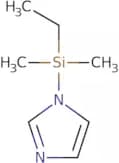
CAS:<p>Dimethylethylsilylimidazole (DMS) is a drug that inhibits the activity of certain enzymes and transporters. It binds to the toll-like receptor and activates downstream signalling pathways, leading to an increased production of reactive oxygen species. DMS also inhibits the activity of DNA polymerase and prevents transcriptional elongation by blocking the dinucleotide phosphate-dependent enzyme. DMS has been shown to be effective in treating chronic cough caused by squamous cell carcinoma. This drug can have adverse effects on other drugs that are metabolized through cytochrome P450 enzymes or are substrates for P-glycoprotein transporters.</p>Formula:C7H14N2SiPurity:Min. 95%Molecular weight:154.29 g/molBis(trimethylsilyl)malonate
CAS:<p>Bis(trimethylsilyl)malonate is a molecule that is used as a reagent in organic chemistry. It is an ethyl ester of malonic acid and can be synthesized using phosphorus pentoxide and the methyl ketones. The synthesis of covid-19, a pandemic antiviral drug, requires this chemical. Covid-19 has been shown to have anticancer activity in animal studies, as well as clinical chemistry applications for colorectal carcinoma.</p>Formula:C9H20O4Si2Purity:Min. 95%Color and Shape:Colourless To Yellow LiquidMolecular weight:248.42 g/mol3’-O-t-Bulyldimethylsilyl thymidine
CAS:<p>3’-O-t-Bulyldimethylsilyl thymidine is a nucleoside analog that is chemically stable and has been shown to be a potential biomarker for the diagnosis of fetal bovine spongiform encephalopathy (BSE). 3’-O-t-Bulyldimethylsilyl thymidine binds to basic proteins in the cell nucleus, which can be detected by immunoassay. It also has been shown to inhibit protein synthesis in tubule cells of the kidney and skin cancer cells. The drug is metabolized by dephosphorylation to t-butyldeoxyuridine, which is then converted into thymidine.</p>Formula:C16H28N2O5SiPurity:Min. 95%Color and Shape:White PowderMolecular weight:356.49 g/molIsosilandrin hplc
<p>Isosilandrin is a fine chemical that is used as a versatile building block for research chemicals, and can be used as a reaction component in the synthesis of other compounds. It has shown a high reactivity with electron-deficient olefins and aromatic compounds. Isosilandrin is also used as a reagent to synthesize complex compounds, such as 3-aryl-2-oxindoles and 1,3-dihydrobenzofurans. Isosilandrin has been shown to have anti-inflammatory properties in rats, and to inhibit prostaglandin synthesis by inhibiting cyclooxygenase activity.</p>Formula:C25H22O9Purity:Min. 95%Molecular weight:466.44 g/mol(2-Fluoro-4-methylsulfonylphenyl)boronic acid
CAS:<p>2-Fluoro-4-methylsulfonylphenyl)boronic acid is a fine chemical that is useful as a scaffold for the production of other compounds. It can be used as a versatile building block in organic synthesis, and is often used as an intermediate or research chemical. 2-Fluoro-4-methylsulfonylphenyl)boronic acid has been shown to react with many different types of compounds, making it a valuable reagent. This compound is also known for its high quality, which makes it an excellent choice for use in reactions that require speciality chemicals.</p>Formula:C7H8BFO4SPurity:Min. 95%Color and Shape:White PowderMolecular weight:218.01 g/molSodium tetraborate decahydrate
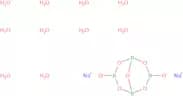
CAS:<p>Sodium tetraborate decahydrate is a boron compound that is used in wastewater treatment. It is a good adsorbent for organic molecules and can be used to remove organic contaminants from wastewater. Sodium tetraborate decahydrate has shown to have good thermal stability, chemical stability, and optical properties. This compound also has the ability to adsorb benzalkonium chloride, which is an antibacterial agent used in hospitals.</p>Formula:Na2B4O7·10H2OPurity:Min. 95%Color and Shape:PowderMolecular weight:381.37 g/molDecamethylcyclopentasiloxane
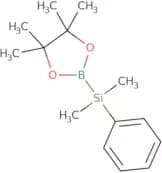
CAS:<p>Decamethylcyclopentasiloxane is a compound that is used in wastewater treatment. It is used as a co-solvent in the removal of fatty acids from wastewater by adsorption on activated carbon. Decamethylcyclopentasiloxane has been shown to be less toxic than other solvents, such as pergolide mesylate, and can be used for the removal of fatty acids from wastewater by adsorption on activated carbon. The process involves the formation of decamethylcyclopentasiloxane-fatty acid complexes at the surface of activated carbon particles. Decamethylcyclopentasiloxane does not cause chronic exposure or emit particles when subjected to high temperatures.</p>Formula:C10H30O5Si5Purity:Min. 95%Color and Shape:Colorless Clear LiquidMolecular weight:370.77 g/mol2-(Dimethylphenylsilyl)-4,4,5,5-tetramethyl-1,3,2-dioxaborolane
CAS:<p>2-(Dimethylphenylsilyl)-4,4,5,5-tetramethyl-1,3,2-dioxaborolane is a chiral ligand that can be used in asymmetric synthesis. It has been shown to be effective in the palladium-catalyzed cross-coupling of aldehydes with organoboronic acids. 2-(Dimethylphenylsilyl)-4,4,5,5-tetramethyl-1,3,2-dioxaborolane inhibits the formation of an undesired enolate by binding to the silicon atom and sterically preventing nucleophilic attack at this site. This ligand is also selective for anions with a single negative charge such as chloride and bromide.</p>Formula:C14H23BO2SiPurity:Min. 95%Color and Shape:Yellow PowderMolecular weight:262.23 g/mol4-Carboxyphenylboronic acid pinacol ester
CAS:<p>4-Carboxyphenylboronic acid pinacol ester is a linker that can be used to tether hydrophobic compounds to the surface of nanomaterials. This linker has been shown to have a low detection limit, meaning it can be used in red blood cells and cancer cells with high sensitivity. 4-Carboxyphenylboronic acid pinacol ester has also been shown to have an affinity for prostate cancer cells. The linker was synthesized from dopamine, which is a precursor molecule for many neurotransmitters in the central nervous system. It is important to note that this compound is not selective and can react with other hydrophilic molecules such as DNA or proteins.</p>Formula:C13H17BO4Purity:Min. 95%Color and Shape:White PowderMolecular weight:248.08 g/mol4,5-Dimethoxy-2-(trimethylsilyl)phenyl trifluoromethanesulfonate
CAS:<p>4,5-Dimethoxy-2-(trimethylsilyl)phenyl trifluoromethanesulfonate is a reagent for the synthesis of propiolates. It is prepared by reacting methyl propiolate with tetrachloride, hexachloroethane, or tetrabromide in acetonitrile. The reactants are heated to reflux under argon and then cooled to room temperature. This product is an ionic liquid that can be used as a solvent. 4,5-Dimethoxy-2-(trimethylsilyl)phenyl trifluoromethanesulfonate is a zwitterion and reacts with amines to form quaternary ammonium salts. It can also be used for the synthesis of unactivated transition metal complexes by reacting it with palladium and amines.</p>Formula:C12H17F3O5SSiPurity:Min. 95%Color and Shape:Colorless PowderMolecular weight:358.41 g/mol(2-Fluoro-3-methoxyphenyl)boronic acid
CAS:<p>2-Fluoro-3-methoxyphenylboronic acid is a boronic acid that has been shown to be orally activated. It is a potent inhibitor of the enzyme target, which is involved in the production of estradiol. 2-Fluoro-3-methoxyphenylboronic acid has been found to inhibit cellular growth and induce cancer cell death by targeting estrogen receptor β. This molecule also inhibits the growth factor, leading to inhibition of prostate cancer cells in vitro.</p>Formula:C7H8BFO3Purity:Min. 95%Color and Shape:White PowderMolecular weight:169.95 g/mol3-Formylphenylboronic acid - 80%
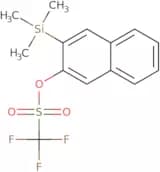
CAS:<p>3-Formylphenylboronic acid is an apical ligand with a phenylpropionic acid substituent. It has been shown to have hypoglycemic effects in rats, and binding constants for proteins ranging from 10 μM to 1 mM. 3-Formylphenylboronic acid binds to the chelate ligand of a macrocyclic structure, which is a molecule consisting of two or more rings that are linked together. This compound has been shown to have inhibitory effects on both the enzyme (vibrational) and fluorescence resonance energy transfer (FRET).</p>Formula:C7H7BO3Purity:Min. 95%Color and Shape:PowderMolecular weight:149.94 g/mol3-(Trimethylsilyl)-2-naphthyl trifluoromethanesulfonate
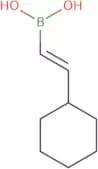
CAS:<p>3-(Trimethylsilyl)-2-naphthyl trifluoromethanesulfonate is a synthetic molecule that is used to synthesize benzofurans. 3-(Trimethylsilyl)-2-naphthyl trifluoromethanesulfonate is activated by reaction with N-bromosuccinimide, which creates an electrophilic carbon center. This electrophilic center reacts with nucleophiles such as alcohols, amines, and thiols to form a new bond. The product of this reaction is benzoylated, which can then undergo further reactions to form other compounds. X-ray crystallography has been used to characterize the structure of 3-(trimethylsilyl)-2-naphthyl trifluoromethanesulfonate.</p>Formula:C14H15F3O3SSiPurity:Min. 95%Color and Shape:Colorless Clear LiquidMolecular weight:348.41 g/mol2-Cyclohexylethenylboronic acid
CAS:<p>2-Cyclohexylethenylboronic acid is an intermediate in the synthesis of petasis, a drug that is used to treat epilepsy. This compound is enantioenriched and diastereoselectively synthesized from 2-bromoethanol and cyclohexene with sodium acetate as the catalyst. The method for synthesis includes the addition of boron trifluoride etherate to the reaction mixture, which produces aldehydes in an enantiomeric ratio of greater than 99%.</p>Formula:C8H15BO2Purity:Min. 95%Color and Shape:SolidMolecular weight:154.01 g/mol1-(Trimethylsilyl)-2-naphthyl Trifluoromethanesulfonate
CAS:<p>1-(Trimethylsilyl)-2-naphthyl Trifluoromethanesulfonate is a solvent that has been used for the synthesis of oxygen heterocycles. It is also used as a reagent to cleave bonds in organic molecules, such as alkene, solvents, aldehydes and activated esters. This compound is an unsymmetrical nucleophile that reacts with electron-poor alkenes to generate an unsaturated bond between two carbons. Mechanistic studies have shown that the reaction proceeds through a concerted mechanism involving the formation of a covalent phosphine intermediate.</p>Formula:C14H15F3O3SSiPurity:Min. 95%Color and Shape:PowderMolecular weight:348.41 g/molNα,Nε-Di-Boc-L-lysine
CAS:<p>Nalpha,Nepsilon-Di-Boc-L-lysine is a synthetic peptide that has been shown to be reactive with neutrophils and is being developed for the treatment of heart disease. This peptide has been shown to have an antioxidant effect in rat neutrophils by preventing oxidative injury to DNA and protein. Nalpha,Nepsilon-Di-Boc-L-lysine also has an anticancer effect on liver cancer cells, which may be due to its ability to induce antibody responses and inhibit cell proliferation. It has also been shown that this peptide does not cause any adverse effects in rats when administered at high doses.</p>Formula:C16H30N2O6Purity:Min. 95%Color and Shape:Colorless PowderMolecular weight:346.42 g/mol4-Nitrophenylboronic acid
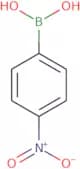
CAS:<p>4-Nitrophenylboronic acid is a chemical compound that has been shown to inhibit the enzyme PTP1B. This enzyme is responsible for the phosphorylation of proteins and plays an important role in regulating insulin release, glucose uptake, and fat metabolism. The inhibition of this enzyme by 4-Nitrophenylboronic acid is reversible and potent. It has also been shown to have anticancer activity in vitro and in vivo, as well as cross-coupling with other boronic acids to form new compounds with different biological activities.</p>Formula:C6H6BNO4Purity:Min. 95%Color and Shape:PowderMolecular weight:166.93 g/mol(R)-Benzyl-2-[4-(trifluoromethyl)phenyl]-6,7-dihydro-5H-pyrrolo[2,1-c][1,2,4]triazolium Tetrafluoroborate
CAS:<p>(R)-Benzyl-2-[4-(trifluoromethyl)phenyl]-6,7-dihydro-5H-pyrrolo[2,1-c][1,2,4]triazolium Tetrafluoroborate is a bactericide that inhibits the production of proteins necessary for cellular growth. It has been shown to inhibit the growth of bacteria such as E. coli in vitro and in animal models. The effective dose for this drug is not known at this time.</p>Formula:C19H17BF7N3Purity:Min. 95%Color and Shape:White PowderMolecular weight:431.16 g/mol6-(4,4,5,5-Tetramethyl-[1,3,2]dioxaborolan-2-yl)-isoquinoline
CAS:<p>6-(4,4,5,5-Tetramethyl-[1,3,2]dioxaborolan-2-yl)-isoquinoline is a versatile building block for the synthesis of complex compounds. This product is a reagent that can be used in organic synthesis as a reaction component or as a reagent to form new compounds. 6-(4,4,5,5-Tetramethyl-[1,3,2]dioxaborolan-2-yl)-isoquinoline has shown high quality in research and is useful for the synthesis of fine chemicals and speciality chemicals.</p>Formula:C15H18BNO2Purity:Min. 95%Color and Shape:White To Beige SolidMolecular weight:255.12 g/molHexadecyltrimethoxysilane
CAS:<p>Hexadecyltrimethoxysilane is a volatile organic compound that has high values in the water vapor range. It is soluble in water and organic solvents, and can be used as a surface treatment agent for hydrophobic surfaces. Hexadecyltrimethoxysilane has been shown to have antimicrobial effects against bacteria such as Staphylococcus aureus and Escherichia coli by disrupting the cell membrane. Hexadecyltrimethoxysilane also inhibits the growth of microorganisms by preventing the synthesis of proteins essential for cellular processes. The transport rate of hexadecyltrimethoxysilane is relatively slow, with an optimum concentration of about 1%. This compound does not react with sodium citrate and has chemical stability.</p>Formula:C19H42O3SiPurity:Min. 95%Color and Shape:Clear LiquidMolecular weight:346.62 g/molN-Propyl-2-ene-2,4,6-triphenylpyridinium tetrafluoroborate
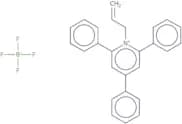
CAS:<p>N-Propyl-2,4,6-triphenylpyridinium tetrafluoroborate (NPPBF) is a versatile building block with a wide range of applications in the synthesis of complex compounds. It is a fine chemical that has been used as a reagent, speciality chemical, and useful scaffold for research chemicals. NPPBF has been shown to be an intermediate in the synthesis of various pharmaceuticals and agrochemicals. It can also be used as a reaction component in organic synthesis. The compound is soluble in polar solvents such as DMF, DMSO, THF, and acetonitrile.</p>Formula:C26H22N•BF4Purity:Min. 95%Molecular weight:435.26 g/moltert-Butyl (4-(4,4,5,5-tetramethyl-1,3,2-dioxaborolan-2-yl)phenyl)carbamate
CAS:<p>Tert-butyl (4-(4,4,5,5-tetramethyl-1,3,2-dioxaborolan-2-yl)phenyl)carbamate is a potent antitumor agent that inhibits the proliferation of human tumor cells. It binds to isoforms of protein kinase C and inhibits the activity of protein kinase C. Tert-butyl (4-(4,4,5,5-tetramethyl-1,3,2-dioxaborolan-2-yl)phenyl)carbamate has been shown to have strong inhibitory potency against human tumor cells in cell culture assays with IC50 values as low as 1 nanomolar. The compound has also been shown to selectively inhibit certain cancer cell lines in mice with no effect on normal tissue or other cancerous cells.</p>Formula:C17H26BNO4Purity:Min. 95%Color and Shape:White PowderMolecular weight:319.2 g/mol[[(3,5-Dimethyl-1H-pyrrol-2-yl)(3,5-dimethyl-2H-pyrrol-2-ylidene)methyl]methane](difluoroborane)
CAS:<p>[[(3,5-Dimethyl-1H-pyrrol-2-yl)(3,5-dimethyl-2H-pyrrol-2-ylidene)methyl]methane](difluoroborane) is a compound that is used in photophysical studies. It has been shown to exhibit low energy levels and fluorescence properties. The chloro atom in this molecule has been shown to have a photostability of approximately 10 μs, which may be due to the lack of electron delocalization that would lead to a significant amount of excited state decay. This compound also exhibits fatty acid microcapsule formation and particle formation, which may be useful for confocal microscopy. [[(3,5-Dimethyl-1H-pyrrol-2-yl)(3,5-dimethyl-2H-pyrrol-2-ylidene)methyl]methane](difluorob</p>Formula:C14H17BF2N2Purity:Min. 95%Color and Shape:Red PowderMolecular weight:262.11 g/mol3-(Trimethylsilyl)-2-propynal
CAS:<p>3-(Trimethylsilyl)-2-propynal is a molecule that has been studied for its potential use as a vitamin D3 analog. It contains a hydroxy group and an asymmetric carbon atom that could allow it to bind to the vitamin D receptor. 3-(Trimethylsilyl)-2-propynal is also an intramolecular hydrogen bond donor, which may play a role in receptor binding. This compound has shown promising results in animal models of inflammatory diseases, such as asthma and arthritis. The compound binds to the receptor with low energy and has a stereoselective orientation of the benzimidazole ring, which may give it an advantage over other compounds that have similar activity.</p>Formula:C6H10OSiPurity:Min. 95%Color and Shape:Colorless Clear LiquidMolecular weight:126.23 g/mol4-Iodophenylboronic acid
CAS:<p>4-Iodophenylboronic acid is a chemical compound that has been shown to bind to disaccharides and form hydrogen bonding interactions. It has also been shown to enhance the chemiluminescence of ethylene diamine in a light emission assay, which is due to its ability to bind to fatty acids. 4-Iodophenylboronic acid has been used in studies on tumor xenografts and optical properties. 4-Iodophenylboronic acid has also been shown to have vibrational and nmr spectra that differ from other boronic acids. This compound is unique because it binds with water molecules more strongly than any other boronic acid.</p>Formula:C6H6BIO2Purity:Min. 95%Color and Shape:PowderMolecular weight:247.83 g/molN-Phenyl-2,4,6-triphenyl pyridinium tetrafluoroborate
CAS:<p>N-Phenyl-2,4,6-triphenyl pyridinium tetrafluoroborate is a crystalline material that is insoluble in water and organic solvents. It can be used as a monomer in the synthesis of polymers and for immobilization of enzymes. N-Phenyl-2,4,6-triphenyl pyridinium tetrafluoroborate can be used to reprocess technetium and has been shown to diffract x-rays with high resolution. This compound is also fluorescent with a long wavelength (620 nm) and can be used as a radioactive tracer.</p>Formula:C29H22N·BF4Purity:Min. 95%Molecular weight:471.3 g/mol3-Methacryloxypropyltrimethoxysilane
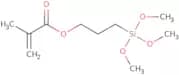
CAS:<p>3-Methacryloxypropyltrimethoxysilane is a silane that has been modified with an acrylic group. It is used as an additive for the production of coatings, adhesives, and sealants. 3-Methacryloxypropyltrimethoxysilane is resistant to hydrochloric acid and other chemicals. It is also stable in water and light exposure. This product has shown to have high adsorption properties, which may be due to its hydroxyl groups. 3-Methacryloxypropyltrimethoxysilane has also been shown to have coupling properties that are advantageous for use with polymers and plastics.</p>Formula:C10H20O5SiPurity:Min. 95%Color and Shape:Colorless Clear LiquidMolecular weight:248.35 g/molBis(pinacolato)diboron
CAS:<p>Bis(pinacolato)diboron is a versatile reagent that is used in organic synthesis. It is a boron-containing compound that inhibits the reaction between amines and hydroxide solutions, forming an intermediate copper complex with a carbonyl group. The mechanism of this inhibition has been explored and found to be due to the presence of a hydroxyl group on the bis(pinacolato)diboron molecule. Bis(pinacolato)diboron reacts with an amine to form an adduct containing a boron-nitrogen double bond. This intermediate then reacts with hydroxide ions from the solution to form the final product, which contains both an amine and hydroxyl groups. The isolated yield of this reaction is typically low, but can be increased by using palladium as a catalyst.</p>Formula:C12H24B2O4Purity:Min. 98 Area-%Color and Shape:PowderMolecular weight:253.94 g/molAzure B Tetrafluoroborate
CAS:<p>Azure B Tetrafluoroborate is a potentiator for antibiotics. It is used to enhance the antibacterial efficacy of antibiotics by increasing their ability to penetrate tissues and bacterial biofilms. Azure B Tetrafluoroborate is an organic solvent that can be applied with a handpiece or cavity instrument. It has been shown to increase the in vitro activity of various antibiotics against gram-negative organisms and can be used as a polymeric matrix for coating medical devices such as catheters, endoscopes, and implants. The mechanism of action involves activation of the chemical species within the antibiotic molecule, which then reacts with diode-pumped solid state laser radiation to produce luminescence reactions.</p>Formula:C15H16N3S·BF4Purity:Min. 95%Molecular weight:357.18 g/mol(-)-Bis(pinanediolato)diboron
CAS:<p>(-)-Bis(pinanediolato)diboron is a reactive component that can be used as a reagent. It reacts with alkenes to form pinacolboronates, which are useful for the synthesis of complex compounds. (-)-Bis(pinanediolato)diboron is also an intermediate in the synthesis of diboronic acid and pinacolborane. This compound has broad utility as a building block, scaffold, or intermediate in organic synthesis.<br>-Pinanediolato boron is also a versatile building block that can be used to synthesize many other chemical compounds. For example, it can be used as an intermediate to synthesize (-)-pinanediol and 3-hydroxy-1-methylpyridinium iodide (3HMPI), which are speciality chemicals.<br>-Pinanediolato boron is also an excellent building block for organic synthesis due to its ability</p>Formula:C20H32B2O4Purity:Min. 95%Color and Shape:White SolidMolecular weight:358.09 g/mol4-Fluoro-3-(4,4,5,5-tetramethyl-1,3,2-dioxaborolan-2-yl)aniline
CAS:<p>4-Fluoro-3-(4,4,5,5-tetramethyl-1,3,2-dioxaborolan-2-yl)aniline is a fine chemical and a useful building block. It is used as a reagent in research laboratories and as a speciality chemical. 4-Fluoro-3-(4,4,5,5-tetramethyl-1,3,2-dioxaborolan-2-yl)aniline can be used to synthesize complex compounds that are versatile building blocks for the production of pharmaceuticals.</p>Formula:C12H17BFNO2Purity:Min. 95%Color and Shape:White Off-White PowderMolecular weight:237.08 g/molPropylboronic acid
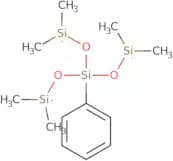
CAS:<p>Propylboronic acid is a chemical compound that is used as a reagent in organic synthesis. It is a carboxylic acid and an aryl halide, which can be easily converted to other compounds by the addition of nucleophiles. Propylboronic acid has been shown to inhibit serine proteases, such as thrombin, which are involved in the coagulation of blood. It also has been shown to have anti-inflammatory properties and can be used as an antiviral agent against hepatitis C virus (HCV). The use of this chemical may lead to autoimmune diseases, such as lupus erythematosus. The mechanism for this effect is not yet clear, but it may involve inhibition of protein synthesis and induction of apoptosis.</p>Purity:Min. 95%Molecular weight:87.913-(Dimethylsilyloxy)-1,1,5,5-tetramethyl-3-phenyltrisiloxane
CAS:<p>3-(Dimethylsilyloxy)-1,1,5,5-tetramethyl-3-phenyltrisiloxane is a silicon compound that is an organosilicon. It has three functional groups: polyols, fatty acids and silanes. 3-(Dimethylsilyloxy)-1,1,5,5-tetramethyl-3-phenyltrisiloxane is used as a monomer in the production of polydimethylsiloxane polymers. 3-(Dimethylsilyloxy)-1,1,5,5-tetramethyl-3-phenyltrisiloxane is also used as a waveguide material in optical devices.</p>Formula:C12H26O3Si4Purity:Min. 95%Color and Shape:PowderMolecular weight:330.68 g/molN-α-Fmoc-Nε-7-methoxycoumarin-4-acetyl-L-lysine
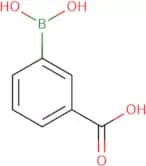
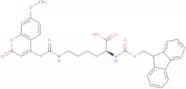
CAS:<p>N-alpha-Fmoc-Nepsilon-7-methoxycoumarin-4-acetyl-L-lysine is a fluorogenic molecule that is synthesized by the solid phase method. It is an analog of lysine, which is a bioactive amino acid. This compound binds to copper and exhibits fluorescence emission at 585 nm when excited at 488 nm. N-alpha-Fmoc-Nepsilon-7-methoxycoumarin-4-acetyl-L-lysine can be used as a substrate for bone growth in vitro and in vivo. It can also be used as a labeling reagent for bone tissue, such as bone sections or cells. It has been shown to produce osteogenic activity in vitro and in vivo.</p>Formula:C33H32N2O8Purity:Min. 97 Area-%Color and Shape:PowderMolecular weight:584.62 g/mol3-Carboxyphenylboronic acid
CAS:<p>3-Carboxyphenylboronic acid is a natural compound that is used in the treatment of tumors. It is also used as a starting material for the synthesis of other compounds, such as 3-carboxyphenylboronic acid and 3-carboxyphenylboronic acid hydrochloride. 3-Carboxyphenylboronic acid has been shown to activate signal pathways involved in tumor growth, survival, and metastasis. This drug has low bioavailability and can be excreted through urine or human serum. 3-Carboxyphenylboronic acid contains a pyrazole ring with ester linkages. Hydrogen bonding interactions are also present between this molecule and dopamine, which may account for its antitumor activity.</p>Formula:C7H7BO4Purity:Min. 95%Color and Shape:White PowderMolecular weight:165.94 g/mol(R)-3,3'-Bis(triphenylsilyl)-1,1'-binaphthalene-2,2'-diol
CAS:<p>(R)-3,3'-Bis(triphenylsilyl)-1,1'-binaphthalene-2,2'-diol is a high quality chemical and useful scaffold that can be used as a reagent for the synthesis of complex compounds. This compound has CAS No. 111822-69-6 and is an intermediate for the preparation of fine chemicals and speciality chemicals. It is also a versatile building block that can be used in research or as a reaction component to produce useful scaffolds.</p>Formula:C56H42O2Si2Purity:Min. 95%Color and Shape:White PowderMolecular weight:803.1 g/mol2-Fluoro-5-methylpyridine-3-boronic acid
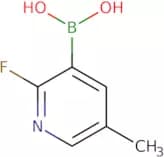
CAS:<p>2-Fluoro-5-methylpyridine-3-boronic acid is a high quality chemical with CAS No. 1072952-45-4 that is a useful building block for the synthesis of complex compounds and speciality chemicals. 2-Fluoro-5-methylpyridine-3-boronic acid is also a versatile building block that can be used in organic reactions as a reaction component for the synthesis of speciality chemicals and other reagents. It can also be used to make fluoroquinolones and related pharmaceuticals, which are used to treat bacterial infections. This compound has many uses in research, including being a valuable scaffold for the synthesis of new drugs.</p>Formula:C6H7BFNO2Purity:Min. 95%Color and Shape:White PowderMolecular weight:154.93 g/molEthyl boronic acid
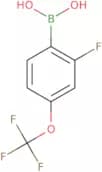
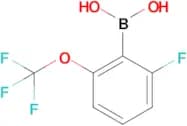
CAS:<p>Ethyl boronic acid is a monobasic organic acid that is an important component of the pharmacophore of many antibiotics. It has been shown to have an inhibitory effect on β-lactamase and s. epidermidis. Ethyl boronic acid also inhibits the growth of p. aeruginosa, which is resistant to β-lactams, by binding to the enzyme's active site and preventing it from hydrolyzing penicillin-type antibiotics. This molecule is synthesized from ethyl chloride in a two-step process that involves asymmetric synthesis that results in high melting points and natural compounds with health effects.</p>Formula:C2H7BO2Purity:Min. 95%Color and Shape:White To Light (Or Pale) Yellow SolidMolecular weight:73.89 g/mol2-Fluoro-4-trifluoromethoxyphenyl boronic acid
CAS:<p>2-Fluoro-4-trifluoromethoxyphenyl boronic acid is a fine chemical that has been used as a building block in organic synthesis. It is also a versatile intermediate, which can be used for the preparation of complex compounds. The compound is soluble in methanol, ethanol, and THF. It has a CAS number of 503309-10-2 and was first synthesized in 1960.</p>Formula:C7H5BF4O3Purity:Min. 95%Color and Shape:White PowderMolecular weight:223.92 g/mol2,6-Diethyl-4-phenyl-1-propylpyridinium tetrafluoroborate
CAS:<p>2,6-Diethyl-4-phenyl-1-propylpyridinium tetrafluoroborate is a building block and a versatile intermediate in organic synthesis. It can be used as a reactant in the preparation of fine chemicals and pharmaceuticals. 2,6-Diethyl-4-phenyl-1-propylpyridinium tetrafluoroborate has been shown to produce high quality reaction products with good yield.</p>Formula:C16H20N·BF4Purity:Min. 95%Molecular weight:313.14 g/mol2-(Trifluoromethoxy)phenylboronic acid
CAS:<p>2-(Trifluoromethoxy)phenylboronic acid (2-TFB) is a boronic acid that is used in cross-coupling reactions. It has been shown to be an effective inhibitor of the Vismodegib pathway, which may offer therapeutic benefits for cancer patients. 2-TFB has also been shown to inhibit the activity of other pathways involved in cancer development, such as the benzamide and suzuki pathways. 2-TFB is metabolized through filtration, which can lead to significant pharmacokinetic properties. This compound can be recycled and reused in cross-coupling reactions, which reduces waste production and costs.</p>Formula:C7H6BF3O3Purity:Min. 95%Color and Shape:PowderMolecular weight:205.93 g/molIodomethylboronic acid, pinacol ester
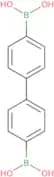
CAS:<p>Iodomethylboronic acid is a synthetic compound that contains a boron atom. Iodomethylboronic acid can be used to produce other compounds, such as dibutyl iodide and epoxides, by introducing an oxygenated linker. The properties of iodomethylboronic acid have been extensively studied using modelling and assays. It has been shown to form stable complexes with aromatic hydrocarbons and amines. Iodomethylboronic acid can also be used in the synthesis of radionuclides, which are radioactive isotopes of elements that emit radiation spontaneously or when they undergo radioactive decay. Iodomethylboronic acid is often used in chemical reactions as a quaternary ammonium salt, which is a positively charged ion (cation) with four groups attached to it. These groups may be either organic or inorganic in nature.</p>Formula:C7H14BIO2Purity:Min. 95%Color and Shape:PowderMolecular weight:267.9 g/mol4,4'-Biphenyldiboronic acid
CAS:<p>4,4'-Biphenyldiboronic acid is a boronate ester that can be used as a cross-linker in the synthesis of polymers. It is soluble in organic solvents, but insoluble in water. The chemical structure of 4,4'-biphenyldiboronic acid consists of two phenyl groups and one boronic acid group. This compound has been shown to have a spacing between 2.2 and 2.4 Å for germanium atoms and has been used for microscopy studies with morphology and diffraction experiments.</p>Formula:C12H12B2O4Purity:Min. 95%Color and Shape:White Off-White PowderMolecular weight:241.84 g/mol4-Aminophenylboronic acid hydrochloride
CAS:<p>4-Aminophenylboronic acid hydrochloride is a fluorescent probe that can be used to detect hydrogen bonds in proteins. It has been used to measure water vapor in human serum and as an electrochemical impedance spectroscopy probe for the detection of ATP levels. This compound has also been used as a fluorescence probe for the detection of viruses and fetal bovine serum, as well as nanomaterials and matrix effect studies. 4-Aminophenylboronic acid hydrochloride is synthesized through the reaction of 4-aminophenylboronic acid with hydrochloric acid in water at high temperature, which produces a white solid. The thermal expansion coefficient of this compound is 2.6 x 10^-5 K^-1.</p>Formula:C6H8BNO2•HClPurity:Min. 95%Color and Shape:PowderMolecular weight:173.4 g/mol3-Amino-5-nitrophenylboronic acid pinacol ester
CAS:<p>3-Amino-5-nitrophenylboronic acid pinacol ester is a versatile building block that can be used in the synthesis of complex compounds. This compound has been shown to have useful properties in research chemicals and as reagents or speciality chemicals. Useful intermediates are usually synthesized from 3-Amino-5-nitrophenylboronic acid pinacol ester, which is also a useful scaffold for the synthesis of other compounds.</p>Formula:C12H17BN2O4Purity:Min. 95%Color and Shape:Yellow PowderMolecular weight:264.09 g/molN-α,ε-Bis-Boc-L-lysine 4-nitrophenyl ester
CAS:<p>N-alpha,epsilon-Bis-Boc-L-lysine 4-nitrophenyl ester is a chiral compound that has been used as an antigen for the detection of antibodies against lysine. It is a synthetic peptide that can be used as an adjuvant to improve the efficacy of vaccines. The kinetic and orientations of the antigen were determined by electrospray ionization mass spectrometry. The enantiomeric composition was determined using high performance liquid chromatography with chiral stationary phase, followed by thioether cleavage and liquid chromatography.</p>Formula:C22H33N3O8Purity:Min. 95%Color and Shape:White To Beige To Light (Or Pale) Yellow SolidMolecular weight:467.51 g/molPoly(methylphenylsiloxane)
CAS:<p>Poly(methylphenylsiloxane) is a polymer that can be synthesized in a number of ways, but the most common method involves the use of an initiator to start the process. This polymerization process begins by adding a phenyl group (a hydrocarbon molecule consisting of a benzene ring with two hydrogens and one or more hydroxyl groups) to a siloxane chain, which is made up of alternating silicon and oxygen atoms. The structure is then extended by adding more phenyl groups in order to build the desired polymer. Poly(methylphenylsiloxane) has been shown to have an activation energy of 22.0 kJ/mol, as determined by electrochemical impedance spectroscopy. It also has optical properties that depend on its molecular weight, with low-molecular weight polymers being transparent while higher-molecular weight polymers become translucent or opaque.</p>Formula:(C7H8OSi)nColor and Shape:Clear Liquid2,6-Dimethyl-1,4-diphenylpyridinium tetrafluoroborate
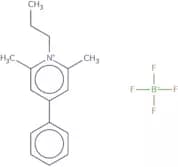
CAS:<p>2,6-Dimethyl-1,4-diphenylpyridinium tetrafluoroborate is a high quality reagent that can be used as a useful intermediate in the synthesis of fine chemicals. It is used as an important building block in the synthesis of many organic compounds and is also an important reaction component. This compound has a wide range of uses and can be used as a versatile building block in organic synthesis or as a speciality chemical for research purposes.</p>Formula:C19H18N·BF4Purity:Min. 95%Molecular weight:347.16 g/mol2-Difluoromethoxyphenylboronic acid pinacol ester
CAS:<p>2-Difluoromethoxyphenylboronic acid pinacol ester is a high quality reagent that can be used as a useful intermediate, fine chemical, or speciality chemical in reactions. This compound is an important building block for synthesizing other chemicals and can also be used to make novel compounds with pharmaceutical properties. 2-Difluoromethoxyphenylboronic acid pinacol ester is versatile and can be used in many different reactions. It has been reported to react with various other molecules to form new scaffolds and building blocks for use in organic synthesis.</p>Formula:C13H17BF2O3Purity:Min. 95%Color and Shape:PowderMolecular weight:270.08 g/mol(3-(Pyrrolidin-1-ylmethyl)phenyl)boronic acid
CAS:<p>(3-(Pyrrolidin-1-ylmethyl)phenyl)boronic acid (BPABA) is a fine chemical that is a useful building block in the synthesis of organic compounds. It is also a reagent in organic chemistry and research, as well as a speciality chemical and high quality compound. BPABA is versatile as a building block for the synthesis of complex compounds. It has been used in reactions with many different types of substrates, including nucleophilic addition to unsaturated carbon-carbon bonds, alkylation, vinylation, and Michael reaction. BPABA has been shown to be an effective intermediate for the synthesis of biologically active compounds such as antibiotics and antifungals. BPABA is also used for the synthesis of scaffolds in organic chemistry, such as polymers and nanomaterials.</p>Formula:C11H16BNO2Purity:Min. 95%Color and Shape:PowderMolecular weight:205.06 g/molO-(2-Trimethylsilylethyl)hydroxylamine HCl
CAS:<p>O-(2-Trimethylsilylethyl)hydroxylamine HCl is a fine chemical that can be used as a versatile building block in the synthesis of complex compounds. It is also an intermediate for research chemicals, reagents, and speciality chemicals. O-(2-Trimethylsilylethyl)hydroxylamine HCl can be used as a reaction component in organic synthesis and has been shown to be useful in the synthesis of new scaffolds.</p>Formula:C5H15NOSi·HClPurity:Min. 95%Color and Shape:White PowderMolecular weight:169.72 g/mol2-Bromophenylboronic acid
CAS:<p>2-Bromophenylboronic acid is a glucose monitoring agent that has a ruthenium complex with an acidic environment. The nitro group and the amines are in close proximity to the boron center, and this proximity leads to a high nucleophilic character of the molecule. This reactivity allows 2-bromophenylboronic acid to be used as a fluorescence probe for acidic environments. 2-Bromophenylboronic acid also inhibits secretase enzymes, which are involved in Alzheimer’s disease and other neurodegenerative disorders. It is an inhibitor of γ-secretase, which is responsible for cleaving the amyloid precursor protein (APP), and it has shown efficacy against biphenyl, an anticancer drug that binds to benzodiazepine receptors.<br>2-Bromophenylboronic acid is also an enantiopure compound because all four substituents are different from each other.</p>Formula:C6H6BBrO2Purity:Min. 95%Color and Shape:White PowderMolecular weight:200.83 g/molPentafluorobenzeneboronic acid
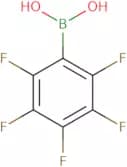
CAS:<p>Pentafluorobenzeneboronic acid is a boronic acid that is used in the synthesis of cationic polymers for use as an environmentally friendly alternative to perfluoroalkyl compounds. Pentafluorobenzeneboronic acid can be synthesized by the reaction of hydrochloric acid and pentafluorophenol. The energy efficiency of this molecule is low, which makes it an attractive candidate for use in polymer synthesis. Pentafluorobenzeneboronic acid reacts with nucleophiles at its α carbon to form a covalent linkage, which is reversible under certain conditions. This chemical has been shown to react with β-unsaturated ketones and trifluoroacetic acid to form polyenes with control experiments being done by adding ammonia gas or water to the reaction mixture.</p>Formula:C6H2BF5O2Purity:Min. 95%Color and Shape:SolidMolecular weight:211.88 g/mol1,3-Bis(chloromethyl)tetramethyldisiloxane
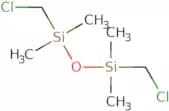
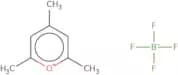
CAS:<p>1,3-Bis(chloromethyl)tetramethyldisiloxane is a reaction component that is used for the synthesis of other chemicals. It has a molecular weight of 172.2 g/mol and a CAS No. of 2362-10-9. This chemical is useful as a scaffold for complex compounds or as an intermediate in the synthesis of speciality chemicals. It is also a versatile building block, which can be used to synthesize many different types of compounds. 1,3-Bis(chloromethyl)tetramethyldisiloxane has been shown to have high purity and quality due to its high reactivity and usefulness in the synthesis of organic compounds.</p>Formula:C6H16Cl2OSi2Purity:Min. 95%Color and Shape:PowderMolecular weight:231.27 g/mol2,4,6-Trimethylpyronium tetrafluoroborate
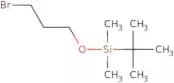
CAS:<p>2,4,6-Trimethylpyronium tetrafluoroborate is a chemical compound that is used in pharmaceutical preparations. It is an analog of pyridinium diacetate and can be prepared by reacting 2,4,6-trimethylpyridine with hydrogen fluoride to form the corresponding pyridinium tetrafluoroborate. The chemical reactions of 2,4,6-trimethylpyridine are similar to those of other pyridines. It has been shown that 2,4,6-trimethylpyridine reacts with diazo compounds to produce a fluorescent product. This reaction can be monitored using a fluorescence assay and statistically analyzed. The plasma samples were analyzed using isotopic analysis and showed that the pyronium ion was present in human serum as well as inorganic materials such as water samples.</p>Formula:C8H11O·BF4Purity:Min. 95%Molecular weight:209.98 g/mol(3-Bromopropoxy)-tert-butyldimethylsilane
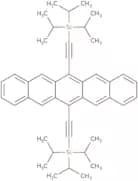
CAS:<p>(3-Bromopropoxy)-tert-butyldimethylsilane is a synthetic molecule that has been shown to inhibit prostate cancer cells. It binds to the phosphate group on the enzyme and inhibits its activity. (3-Bromopropoxy)-tert-butyldimethylsilane can be used as a chemical probe for identifying enzymes involved in phosphatase activity. This molecule has also been shown to have anti-cancer effects in vitro and in vivo assays, by preventing tumor growth and metastasis.</p>Formula:C9H21BrOSiPurity:Min. 95%Color and Shape:PowderMolecular weight:253.25 g/mol6,13-Bis(triisopropylsilylethynyl)pentacene
CAS:<p>High performance small molecule for OFET applications</p>Formula:C44H54Si2Purity:Min. 95%Color and Shape:Blue PowderMolecular weight:639.07 g/mol(3-(5-Methyl-1,3,4-oxadiazol-2-yl)phenyl)boronic acid
CAS:Formula:C9H9BN2O3Purity:95.0%Color and Shape:SolidMolecular weight:203.99(2-Chloro-3-fluorophenyl)boronic acid
CAS:Formula:C6H5BClFO2Purity:97%Color and Shape:SolidMolecular weight:174.36(2-[(tert-Butoxycarbonyl)amino]pyridin-3-yl)boronic acid
CAS:Formula:C10H15BN2O4Purity:97%Color and Shape:SolidMolecular weight:238.05(3-((2-Chloro-4-methylphenyl)carbamoyl)-5-fluorophenyl)boronic acid
CAS:Purity:97%Molecular weight:307.5100098(3-Fluoro-5-(propylcarbamoyl)phenyl)boronic acid
CAS:Formula:C10H13BFNO3Purity:95%Color and Shape:SolidMolecular weight:225.03(3-(Isopropoxymethyl)phenyl)boronic acid
CAS:Purity:98+%Color and Shape:SolidMolecular weight:194.0399933(3-Morpholinophenyl)boronic acid hydrochloride
CAS:Formula:C10H15BClNO3Purity:98%Molecular weight:243.495-Fluoropyridine-3-boronic acid
CAS:Formula:C5H5BFNO2Purity:95%Color and Shape:Solid, White to very pale yellow powderMolecular weight:140.913-Chloro-2-methoxypyridine-5-boronic acid
CAS:Formula:C6H7BClNO3Purity:98%Color and Shape:SolidMolecular weight:187.395-(Aminocarbonyl)-2-methoxyphenylboronic acid
CAS:Purity:98+%Color and Shape:SolidMolecular weight:194.9799957(3-(Cyanomethoxy)phenyl)boronic acid
CAS:Formula:C8H8BNO3Purity:95.0%Color and Shape:SolidMolecular weight:176.97(4-Isobutoxyphenyl)boronic acid
CAS:Formula:C10H15BO3Purity:98%Color and Shape:SolidMolecular weight:194.04(4-(Cyclohexyl(methyl)carbamoyl)phenyl)boronic acid
CAS:Formula:C14H20BNO3Purity:95.0%Molecular weight:261.13(4-((3-Fluorophenyl)carbamoyl)phenyl)boronic acid
CAS:Purity:98%(LC-MS);RGMolecular weight:259.0400085(6-Bromo-2-fluoro-3-propoxyphenyl)boronic acid
CAS:Formula:C9H11BBrFO3Purity:99%(LC-MS);RGMolecular weight:276.9