Nitro
Nitro compounds are organic molecules containing one or more nitro groups (NO2). These compounds are widely used in the synthesis of explosives, pharmaceuticals, and dyes. At CymitQuimica, we offer a wide range of high-quality nitro compounds to support your research and industrial applications, ensuring safe and effective results. Our selection includes a variety of nitro compounds suitable for different chemical syntheses and applications.
Found 2516 products of "Nitro"
Sort by
Purity (%)
0
100
|
0
|
50
|
90
|
95
|
100
4-Bromo-3-nitrotoluene
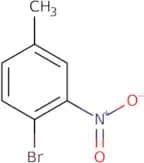
CAS:<p>4-Bromo-3-nitrotoluene is a carbazole that has been found to have insecticidal activity. The compound reacts with serotonin to form the reactive intermediate 4-bromo-3-nitrosobenzaldehyde, which is then oxidized to the final product 4-bromo-3-nitrobenzoic acid. The insecticidal activity of 4-Bromo-3-nitrotoluene was found to be due in part to its ability to inhibit serotonin uptake and metabolism by blocking serotonin transporters. It also induces dihedral angles in positron emission tomography (PET) imaging of human brain tissue, suggesting it may be useful for brain imaging studies.</p>Formula:C7H6BrNO2Purity:Min. 95%Color and Shape:Clear LiquidMolecular weight:216.03 g/molMethyl 4-(2-nitro-4-(trifluoromethyl)phenoxy)benzoate
CAS:<p>Please enquire for more information about Methyl 4-(2-nitro-4-(trifluoromethyl)phenoxy)benzoate including the price, delivery time and more detailed product information at the technical inquiry form on this page</p>Formula:C15H10F3NO5Purity:Min. 95%Color and Shape:PowderMolecular weight:341.24 g/mol3-Chloro-4-nitrobenzaldehyde
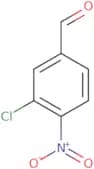
CAS:<p>3-Chloro-4-nitrobenzaldehyde is an aldehyde that is produced by the oxidation of 2-chloro-4-nitrobenzaldehyde. This chemical has been shown to have antitubercular activity in human erythrocytes, and it can be recycled from its reaction product with sodium hypochlorite. 3-Chloro-4-nitrobenzaldehyde has been shown to interact with acidic heterocycles such as oxadiazoles and triazoles. 3-Chloro-4-nitrobenzaldehyde has also been shown to alter the morphology of bacteria, such as subtilis, when exposed to ionic liquids. It is also known to inhibit the growth of Gram positive bacteria and show cytotoxic effects on mammalian cells.</p>Formula:C7H4ClNO3Purity:Min. 95%Molecular weight:185.56 g/mol5-Methyl-2-nitrobenzamide
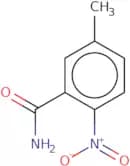
CAS:<p>5-Methyl-2-nitrobenzamide is a compound that has antiproliferative activity and is used as an anticancer drug. This drug inhibits the polymerization of the protein tubulin in cancer cells, thereby inhibiting cell division. It also inhibits the growth of certain tumor cell lines in vitro. 5-Methyl-2-nitrobenzamide was found to inhibit the proliferation of human ovarian carcinoma cells by binding to DNA, preventing transcription and replication of genetic information. In addition, this agent binds to tubulin and prevents its polymerization, leading to inhibition of cell division.</p>Formula:C8H8N2O3Purity:Min. 95%Color and Shape:PowderMolecular weight:180.16 g/molTribromonitromethane
CAS:<p>Tribromonitromethane is a fatty acid that is used in analytical chemistry as a standard for calibrating the linear range of analytical methods. It is also used in specific treatments for cancer, such as treatment of carcinomas. Tribromonitromethane has been shown to have carcinogenic potential and may be harmful to humans when ingested or inhaled. The chemical structure of tribromonitromethane consists of a series of three bromine atoms attached to one carbon atom with two hydroxyl groups at either end. This chemical can be oxidized to form tribromo nitro methane, which is more reactive than tribromonitromethane. Tribromonitromethane has no known biological function and does not occur naturally in the environment. It is also known to be potent inducers of transfer reactions, which are reactions where electrons are transferred from one molecule to another. These reactions are important for the synthesis and degradation of various molecules, including amino</p>Formula:CBr3NO2Purity:Min. 95%Color and Shape:Clear LiquidMolecular weight:297.73 g/mol3,4-(Methylenedioxy)-6-nitrocinnamic acid
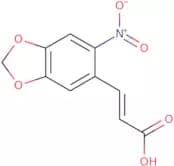
CAS:<p>3,4-(Methylenedioxy)-6-nitrocinnamic acid is a cytotoxic molecule that inhibits the growth of cells by interfering with the synthesis of proteins. It binds to DNA and prevents the transcription process from occurring. This molecule has been shown to inhibit endoplasmic reticulum and Golgi apparatus functions in plant cells. 3,4-(Methylenedioxy)-6-nitrocinnamic acid has also been used as a polymerization agent for polyacrylamide gels. A number of modifications have been made to this molecule in order to increase its effectiveness, such as methyl esterification and mutagenesis. This compound has also been shown to enhance Taxol's anti-cancer effects on cell cultures.</p>Formula:C10H7NO6Purity:Min. 90%Color and Shape:White PowderMolecular weight:237.17 g/mol4-Methyl-3-nitrobenzenesulfonyl chloride
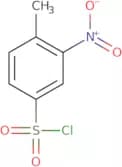
CAS:<p>4-Methyl-3-nitrobenzenesulfonyl chloride (4MNBS) is a fungicide that inhibits the growth of fungi, such as Plasmodiophora brassicae, by inhibiting the enzyme dehydrogenase. 4MNBS has also been shown to inhibit mammalian pyridine nucleotide dehydrogenase and to have low toxicity in mammals. 4MNBS has been found to be an inhibitor of human cytochrome P450 isoforms CYP1A2, CYP2B6, and CYP3A4 with IC50 values ranging from 10 μM to 100 μM. 4MNBS was also shown to be a potent inhibitor of chloroplast dehydrogenases from cruciferous plants with IC50 values between 0.1 μM and 100 nM. This compound has low phytotoxicity and does not accumulate in the leaves of cruciferous plants at a concentration of 500 ppm or higher.</p>Formula:C7H6ClNO4SPurity:Min. 95%Molecular weight:235.65 g/mol4-Chloro-2-fluoro-5-nitroaniline
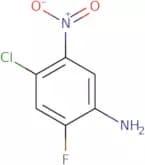
CAS:<p>4-Chloro-2-fluoro-5-nitroaniline is a fine chemical that is used as a reagent and speciality chemical in research, as well as a building block for the synthesis of complex compounds. 4-Chloro-2-fluoro-5-nitroaniline has been shown to be an excellent building block for the synthesis of versatile scaffolds, which can be used in the production of drugs with antibacterial properties. This product is also useful as a reaction component for the synthesis of high quality, complex compounds.</p>Formula:C6H4ClFN2O2Purity:Min. 95%Color and Shape:PowderMolecular weight:190.56 g/molMethyl 5-hydroxy-2-nitrobenzoate
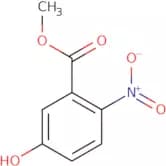
CAS:<p>Methyl 5-hydroxy-2-nitrobenzoate is a synthetic pesticide that is used to control pests in animals. It has been shown to be an antigen that induces antibody production in mice. This chemical is also a ligand, as it binds with proteins and other molecules. Methyl 5-hydroxy-2-nitrobenzoate has been shown to inhibit the enzymatic activity of the organophosphorus pesticide, which is primarily used for pest control. The chemical was also found to inhibit the growth of plants by inhibiting protein synthesis and cell division at low concentrations.</p>Formula:C8H7NO5Purity:Min. 95%Color and Shape:White PowderMolecular weight:197.14 g/molEthyl 3-nitrobenzoate
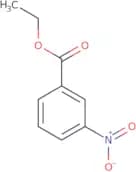
CAS:<p>Ethyl 3-nitrobenzoate is an organic compound that belongs to the methyl ketones group. It is a colorless liquid with a sweet, aromatic odor. Ethyl 3-nitrobenzoate has been shown to interact with benzocaine and other local anesthetics, which may lead to its use as a precursor for these drugs. It can also be used as a carbon source for bacterial cells and can be used in an efficient method for the synthesis of antigenic determinants. This compound has been shown to have anticomplementary properties and may be useful in treatment of bacterial infections.</p>Formula:C9H9NO4Purity:Min. 95%Color and Shape:PowderMolecular weight:195.17 g/molMethyl 3-methyl-4-nitrobenzoate
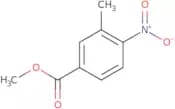
CAS:<p>Methyl 3-methyl-4-nitrobenzoate is a potential antitumor agent that has been shown to have minimal inhibitory concentrations against a variety of human tumor cell lines. It also has potent antifungal activity and can be used for the treatment of opportunistic fungal infections in humans. Methyl 3-methyl-4-nitrobenzoate may be modified by substituting or deleting the aromatic ring, which can lead to improved inhibitory properties. Methyl 3-methyl-4-nitrobenzoate can also be modified by replacing the methyl group on the nitro group with a fluorine atom, which changes its structure and enhances its inhibitory potency.</p>Formula:C9H9NO4Purity:Min. 95%Molecular weight:195.17 g/mol4-Methyl-5-nitrocatechol
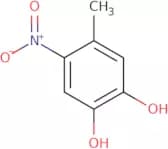
CAS:<p>4-Methyl-5-nitrocatechol is a nitro compound that has been used in the chemical ionization of samples for mass spectrometric analysis. This compound produces distinct x-ray absorption spectra and emission spectra, which can be used to identify its concentration. 4-Methyl-5-nitrocatechol has been shown to react with 3,5-dinitrosalicylic acid in the presence of light to form an inhibitory product that prevents the growth of bacteria. This reaction is more prevalent at elevated temperatures. The mutant strain of Escherichia coli was found to be resistant to this inhibitory effect, while the wild type strain was not. The mutant strain's resistance to this inhibitory compound may be due to a polymerase chain reaction mutation that increases its ability to replicate DNA at high temperatures.</p>Formula:C7H7NO4Purity:Min. 95%Color and Shape:Yellow PowderMolecular weight:169.13 g/mol2-Fluoro-5-nitrobenzonitrile
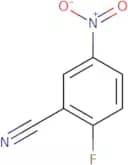
CAS:<p>2-Fluoro-5-nitrobenzonitrile is a reactive chemical that has been used to study the interaction of amines with nitro groups. It can react with serine protease and acetylcholine, forming a lactam intermediate. The reaction of 2-fluoro-5-nitrobenzonitrile with hydrogen peroxide produces oxygen gas, water, and nitrous acid. The reaction of 2-fluoro-5-nitrobenzonitrile with benzamidine produces phenylhydrazine and benzoic acid. This chemical has shown anti-cancer activity in cell culture studies, as well as inhibition of cancer cell growth in vivo. 2-Fluoro-5-nitrobenzonitrile is also an inhibitor of the enzyme nitric oxide synthase (NOS). It reacts with the heme group in NOS, which prevents the formation of NO from L-arginine.</p>Formula:C7H3FN2O2Purity:Min. 95%Color and Shape:PowderMolecular weight:166.11 g/mol4,6-Diamino-2-nitro-m-xylene
CAS:<p>Please enquire for more information about 4,6-Diamino-2-nitro-m-xylene including the price, delivery time and more detailed product information at the technical inquiry form on this page</p>Formula:C8H11N3O2·2ClHPurity:Min. 95%Molecular weight:254.10 g/mol(AlphaS)-α-Amino-4-nitrobenzenepropanamide
CAS:Controlled Product<p>Applications (αS)-α-Amino-4-nitrobenzenepropanamide (cas# 81677-61-4) is a compound useful in organic synthesis.<br></p>Formula:C9H11N3O3Color and Shape:NeatMolecular weight:209.2Tris(p-nitrobenzyl) Phosphate
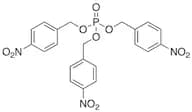
CAS:Controlled Product<p>Applications Phosphorylating reagent<br></p>Formula:C21H18N3O10PColor and Shape:NeatMolecular weight:503.365-(1,1-Dimethylethyl)-3,3-dimethyl-6-nitro-2(3H)-benzofuranone
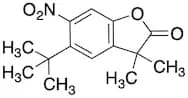
CAS:Controlled Product<p>Applications 5-(1,1-Dimethylethyl)-3,3-dimethyl-6-nitro-2(3H)-benzofuranone is an intermediate in synthesizing Ivacaftor Carboxylic Acid (I940605). It is an impurity of Ivacaftor (I940600); a drug used in the treatment of cystic fibrosis.<br>References Clancy, J. et al.: Am. J. Resp. Crit. Care. Med., 186, 593 (2012)<br></p>Formula:C14H17NO4Color and Shape:NeatMolecular weight:263.293-nitrotoluene
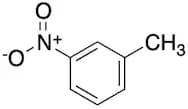
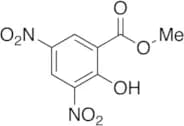
CAS:<p>Applications (cas# 1999-08-01) is a useful research chemical.<br></p>Formula:C7H7NO2Color and Shape:YellowMolecular weight:137.14Methyl 3,5-Dinitrosalicylate
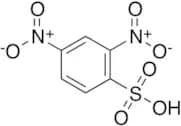
CAS:Controlled Product<p>Applications Derivative of Salicylic acid.<br></p>Formula:C8H6N2O7Color and Shape:NeatMolecular weight:242.172,4-Dinitrobenzenesulfonic Acid xH2O
CAS:Controlled Product<p>Applications 2,4-Dinitrobenzenesulfonic Acid (cas# 89-02-1) is a useful research chemical.<br></p>Formula:C6H4N2O7S·x(H2O)Color and Shape:NeatMolecular weight:248.172-Phenyl-4-nitrosophenol
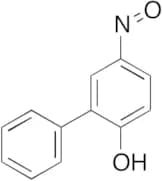
CAS:Controlled Product<p>Applications 2-Phenyl-4-nitrosophenol is an intermediate in the synthesis of (E)-2-((6-Hydroxy-[1,1'-biphenyl]-3-yl)((6-hydroxy-[1,1'-biphenyl]-3-yl)imino)methyl)benzoic Acid which is an impurity of (S)-Cloperastine (C587195); a drug used in the treatment of chronic non-productive cough. Also antitussive.<br>References Aliprandi, P. et al.: Drugs Exp. Clin. Res., 30, 133 (2004); Aliprandi, P. et al.: Clin. Drug Invest. 22, 209 (2002)<br></p>Formula:C8H14OColor and Shape:YellowMolecular weight:126.1962-Nitrobenzylcyanide
CAS:Controlled Product<p>Applications 2-Nitrobenzylcyanide (cas# 610-66-2) is a compound useful in organic synthesis.<br></p>Formula:C8H6N2O2Color and Shape:NeatMolecular weight:162.155-Chloro-4-nitro-2,1,3-benzoselenadiazole
CAS:Controlled Product<p>Applications 5-Chloro-4-nitro-2,1,3-benzoselenadiazole (cas# 20718-46-1) is a compound useful in organic synthesis.<br>References Turesky, R., et al.: J. Agric. Food Chem., 53, 3248 (2005),<br></p>Formula:C6H2ClN3O2SeColor and Shape:NeatMolecular weight:262.513-Formyl-4-nitrobenzonitrile
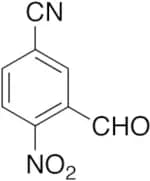
CAS:Controlled Product<p>Applications 3-Formyl-4-nitrobenzonitrile is the tri-substitiuted derivative of benzene. 3-Formyl-4-nitrobenzonitrile is an intermediate used in the synthetic preparation of various pharmaceuticals exhibiting large spectrum of activity.<br>References Kunzer, A.R.. et al. Tetrahedron. Letters., 52, 1815 (2011);<br></p>Formula:C8H4N2O3Color and Shape:NeatMolecular weight:176.136,7-Dinitro-2,3-dihydro-benzo[1,4]dioxime
CAS:Controlled Product<p>Applications 6,7-Dinitro-2,3-dihydro-benzo[1,4]dioxime (cas# 57356-48-6) is a compound useful in organic synthesis.<br></p>Formula:C8H6N2O6Color and Shape:YellowMolecular weight:226.14Dimethyl 5-Nitroisophthalate
CAS:Controlled Product<p>Applications Dimethyl 5-Nitroisophthalate is a useful chemical in organic synthesis.<br>References Senthamarai, T., et al.: ChemCatChem, 10(6), 1235-1240 (2018);Jagadeesh, Rajenahally V., et al.: Green Chem., 17(2), 898-902 (2015);Panwar, Puja, et al.: Bioorg. & Med. Chem., 15(2), 1138-1145 (2007)<br></p>Formula:C10H9NO6Color and Shape:NeatMolecular weight:239.182-Nitro-4-thiocyanato Aniline
CAS:Controlled Product<p>Impurity Albendazole Impurity 5<br>Applications Albendazole Impurity 5<br></p>Formula:C7H5N3O2SColor and Shape:NeatMolecular weight:195.21,3-Diethyl-5-nitroso-6-aminouracil
CAS:Controlled Product<p>Applications 1,3-Diethyl-5-nitroso-6-aminouracil (cas# 89073-60-9) is a compound useful in organic synthesis.<br></p>Formula:C8H12N4O3Color and Shape:NeatMolecular weight:212.21Methyl 2-(3-Nitrobenzylidene)-3-oxobutanoate (1:1 E/Z Mixture)
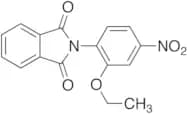
CAS:Controlled Product<p>Applications Methyl 2-(3-Nitrobenzylidene)-3-oxobutanoate is a useful reactant in organic synthesis.<br>References Miao, Chun-Bao, et al.: Heterocycles, 87(4), 853-859 (2013);Kang, Soosung, et al.: Bioorg. & Med. Chem., 21(14), 4365-4373 (2013);Li, Wan, et al.: Archiv der Pharmazie (Weinheim, Germany), 346(9), 635-644 (2013)<br></p>Formula:C12H11NO5Color and Shape:NeatMolecular weight:249.222-(4-Nitro-2-ethoxyphenyl)pthalimide
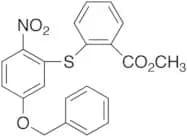
CAS:Controlled Product<p>Applications 2-(4-Nitro-2-ethoxyphenyl)pthalimide (cas# 106981-60-6) is a compound useful in organic synthesis.<br></p>Formula:C16H12N2O5Color and Shape:NeatMolecular weight:312.284-Benzyloxy-2-(2’-carbomethoxy)thiophenylnitrobenzene
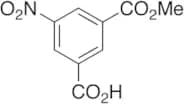
CAS:Controlled Product<p>Applications 4-Benzyloxy-2-(2’-carbomethoxy)thiophenylnitrobenzene (cas# 329217-03-0) is a compound useful in organic synthesis.<br></p>Formula:C21H17NO5SColor and Shape:YellowMolecular weight:395.43Methyl 5-Nitroisophthalate
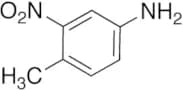
CAS:Controlled Product<p>Applications Methyl 5-nitroisophthalate is used in the preparation of heterotrifunctional crosslinkers for multiple bioconjugation with peptides and also in the synthesis of histone demethylase LSD1 inhibitors that target cancer cells.<br>References Wang, J. et al.: Cancer Res., 71, 7238 (2011); Viault, G. et al.: Org. Biomol. Chem., 11, 2693 (2013);<br></p>Formula:C9H7NO6Color and Shape:NeatMolecular weight:225.163-Nitro-4-toluidine
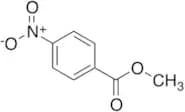
CAS:Controlled Product<p>Applications 3-Nitro-4-toluidine (cas# 119-32-4) is a compound useful in organic synthesis. Dyes and metabolites, Environmental Testing<br></p>Formula:C7H8N2O2Color and Shape:NeatMolecular weight:152.15Methyl 4-Nitrobenzoate
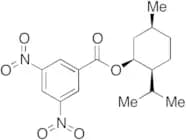
CAS:Controlled Product<p>Applications Methyl 4-nitrobenzoate (cas# 619-50-1) is a useful research chemical.<br></p>Formula:C8H7NO4Color and Shape:NeatMolecular weight:181.15(1R,3R,4R)-(-)-3,5-Dinitrobenzoate Menthol
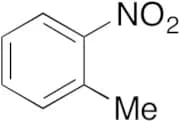
CAS:Controlled Product<p>Applications (1S,3S,4S)-(-)-3,5-dinitrobenzoate Menthol is an intermediate in the synthesis of (±)-Neoisomenthol (N389960) which is a useful synthetic intermediate. It is used to prepare alkyl and aryl esters by chemoselective acylation of alkyl and aryl alcohols with carboxylic acid anhydrides in the presence of magnesium bis(trifluoromethylsulfonyl)amide under solvent-free conditions.<br>References Chakraborti, A., et al.: J. Org. Chem., 71, 5785 (2006)<br></p>Formula:C32H36O8SiColor and Shape:NeatMolecular weight:576.7092-Nitrotoluene
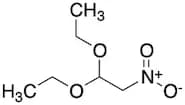
CAS:<p>Applications 1-Methyl-2-nitrobenzene is a toxic pollutant of the environment because of its large scale use in the production of explosives. It is a useful synthetic intermediate. It shows carcinogenic activity in rats.<br> Not a dangerous good if item is equal to or less than 1g/ml and there is less than 100g/ml in the package<br>References Sikandar, M., et al.: Chemosphere, 90, 1920 (2013); Jones, C., et al.: Carcinogen., 24, 779 (2003)<br></p>Formula:C7H7NO2Color and Shape:NeatMolecular weight:137.141,1-Diethoxy-2-nitroethane
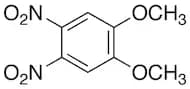
CAS:Controlled Product<p>Applications 1,1-diethoxy-2-nitroethane (cas# 34560-16-2) is a useful research chemical.<br></p>Formula:C6H13NO4Color and Shape:NeatMolecular weight:163.171,2-Dimethoxy-4,5-dinitrobenzene
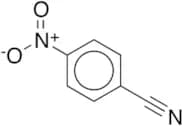
CAS:Controlled Product<p>Applications 1,2-Dimethoxy-4,5-dinitrobenzene (cas# 3395-03-7) is a compound useful in organic synthesis.<br> Not a dangerous good if item is equal to or less than 1g/ml and there is less than 100g/ml in the package<br></p>Formula:C8H8N2O6Color and Shape:NeatMolecular weight:228.164-Nitrobenzonitrile
CAS:Controlled Product<p>Applications 4-Nitrobenzonitrile (cas# 619-72-7) is a useful research chemical.<br></p>Formula:C7H4N2O2Color and Shape:NeatMolecular weight:148.122-Chloro-5-nitrotoluene
CAS:<p>2-Chloro-5-nitrotoluene (2CNT) is an organic compound that is used as an intermediate in the synthesis of dyes and pharmaceuticals. It is a potent carcinogen, mutagen, and hepatotoxin. 2CNT can be synthesized from nitrobenzene and hydrochloric acid by a three-step process: nitration to form the corresponding nitro compound, followed by chlorination with chlorine gas to form 2CNT. The industrial preparation of 2CNT includes the following reaction yield:</p>Formula:C7H6ClNO2Purity:Min. 95%Color and Shape:PowderMolecular weight:171.58 g/mol5-Methyl-2-nitropyridine
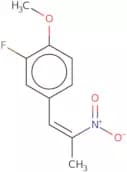
CAS:<p>Please enquire for more information about 5-Methyl-2-nitropyridine including the price, delivery time and more detailed product information at the technical inquiry form on this page</p>Formula:C6H6N2O2Purity:Min. 95%Color and Shape:PowderMolecular weight:138.12 g/mol1-(3-Fluoro-4-methoxyphenyl)-2-nitropropene
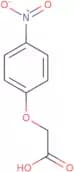
CAS:<p>1-(3-Fluoro-4-methoxyphenyl)-2-nitropropene is a chemical compound with the molecular formula CHNO. It is a high quality reagent that is useful for preparing complex compounds, scaffolds and building blocks for use in research and development. 1-(3-Fluoro-4-methoxyphenyl)-2-nitropropene is a fine chemical that can be used as a versatile building block in reactions.</p>Formula:C10H10FNO3Purity:Min. 95%Molecular weight:211.19 g/mol2-(4-Nitrophenoxy)acetic acid
CAS:2-(4-Nitrophenoxy)acetic acid is a chemical compound with the molecular formula CHNO. It has been shown to inhibit the polymerase chain reaction, which is an important technique in molecular biology. The intramolecular hydrogen bond between HN and OO stabilizes the molecule and inhibits its rotation. This allows 2-(4-Nitrophenoxy)acetic acid to function as a competitive inhibitor of DNA polymerase. 2-(4-Nitrophenoxy)acetic acid inhibits bacterial growth by binding to the beta subunit of DNA gyrase, an enzyme that maintains the integrity of bacterial DNA. This inhibition prevents topoisomerase IV from relaxing supercoiled DNA, leading to cell death by inhibiting protein synthesis and cell division.Formula:C8H7NO5Purity:Min. 95%Color and Shape:PowderMolecular weight:197.14 g/mol4-Nitro-7-(1-piperazinyl)-2,1,3-benzoxadiazole
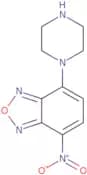
CAS:<p>4-Nitro-7-(1-piperazinyl)-2,1,3-benzoxadiazole is an analytical method for the determination of human serum and heart tissue. The dextran sulfate derivative of 4-nitro-7-(1-piperazinyl)-2,1,3-benzoxadiazole is fluorescent and reacts with trifluoroacetic acid to form a fluorescent derivative. This fluorescent derivative can be detected by spectrophotometry at excitation and emission wavelengths of 350 nm and 400 nm respectively. 4N7PB binds to fatty acids in biological samples (e.g., serum) through its piperazine moiety and fluoresces when excited by light at 340 nm. This reaction can be used as a probe for the presence of fatty acid metabolites in blood or other body fluids such as urine or cerebrospinal fluid. Chemical structures include: <br>4N7PB <br>cis-(</p>Formula:C10H11N5O3Purity:Min. 95%Color and Shape:SolidMolecular weight:249.23 g/mol3-Methyl-2-nitrobenzoic acid - 95%
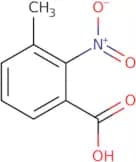
CAS:3-Methyl-2-nitrobenzoic acid is a compound with the molecular formula of C6H5NO2. It is an organic compound that has been shown to be useful in wastewater treatment as an oxidation catalyst and in the photocatalytic oxidation of nitroaromatic compounds. 3-Methyl-2-nitrobenzoic acid can be synthesized by reaction of 2-methyl-6-nitrobenzoic acid with nitrous acid in water. The solubility data for 3-methyl-2-nitrobenzoic acid shows that it is soluble in water, acetone, and ethanol. The thermodynamic properties show that the solubility increases as temperature increases. Soluble compounds are typically more stable than insoluble compounds because they are able to react with other substances more easily. 3-Methyl-2-nitrobenzoic acid is also insoluble in hexane and dichloromethane.Formula:C8H7NO4Purity:Min. 95%Color and Shape:PowderMolecular weight:181.15 g/mol1,6-Dinitropyrene
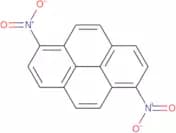
CAS:<p>1,6-Dinitropyrene (1,6-DPP) is a potent inducer of the cytochrome P450 enzyme system. It has been shown to have genotoxic effects in CD-1 mice and humans, and has been shown to be carcinogenic in rats. 1,6-DPP also induces detoxification enzymes that may protect against its genotoxic effects. 1,6-DPP is found to bind with high affinity to DNA and can be used as a probe for measuring oxidative stress. This chemical has a redox potential of -0.53 volts and can cause potassium dichromate to oxidize from +2 to +3 in solution.</p>Formula:C16H8N2O4Purity:Min. 95%Color and Shape:PowderMolecular weight:292.25 g/mol3-Nitrobenzanthrone
CAS:<p>3-Nitrobenzanthrone is a pharmacological agent that is used to induce the activation of various enzymes. It has been shown to be an effective inducer of DNA topoisomerase II, DNA gyrase, and cytochrome P450 in vivo. 3-Nitrobenzanthrone has also been shown to cause DNA adducts in hl-60 cells and dna template in vitro. These effects are observed at low doses of 3-nitrobenzanthrone and not at high doses. The carcinogenic potential of 3-nitrobenzanthrone has been studied using a rat model system and analytical methods. Low doses of nitrosamines such as 3-nitrobenzanthrone can induce cancer by forming DNA adducts, which can lead to mutations that cause uncontrolled cell growth.</p>Formula:C17H9NO3Purity:Min. 95%Color and Shape:Clear LiquidMolecular weight:275.26 g/mol(5-Nitro-1-naphthyl)amine
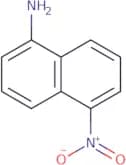
CAS:(5-Nitro-1-naphthyl)amine is an aromatic amine that has been used as a dye and as a reagent in organic synthesis. (5-Nitro-1-naphthyl)amine has an electron withdrawing effect on the aromatic ring, which creates an electron rich environment. This allows it to undergo reductive elimination reactions with hydrochloric acid or hydrazine. It can also be converted into nitro groups by reduction with hydrogen and hydrochloric acid, or by oxidation with potassium permanganate. The intramolecular hydrogen bond of (5-nitro-1-naphthyl)amine is stronger than the intermolecular hydrogen bonding of the molecule with water molecules. This means that the solubility of (5-nitro-1-naphthyl)amine in water is low because it cannot easily form hydrogen bonds with other water molecules. The chromatographic separation of (5-nitFormula:C10H8N2O2Purity:Min. 95%Color and Shape:Red PowderMolecular weight:188.18 g/mol1-(Difluoromethyl)-4-nitrobenzene
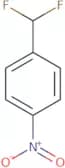
CAS:1-(Difluoromethyl)-4-nitrobenzene is a versatile building block that can be used as a fine chemical, research chemical, or reagent. It is an intermediate for the production of difluoromethylene-1,4-diamine and 1,1-difluoroethane. This compound has been shown to be useful in the synthesis of complex compounds such as 3-hydroxyazetidine and 4-amino-5H-thiazolo[3,2-a]pyrimidin-2(7H)-one. The high purity of this product makes it excellent for use in laboratory settings.Formula:C7H5F2NO2Purity:Min. 95%Color and Shape:SolidMolecular weight:173.12 g/mol4'-Trifluoromethoxy-β-methyl-β-nitrostyrene
CAS:4'-Trifluoromethoxy-beta-methyl-beta-nitrostyrene is a fine chemical that is a useful building block in organic synthesis. It can be used as a reagent, specialty chemical, or intermediate for the preparation of more complex compounds. This compound has been shown to be useful in the synthesis of natural products and pharmaceuticals.Formula:C10H8F3NO3Purity:Min. 95%Molecular weight:247.17 g/mol







![6,7-Dinitro-2,3-dihydro-benzo[1,4]dioxime](/_next/image/?url=https%3A%2Fstatic.cymitquimica.com%2Fproducts%2FTR%2Fthumb-webp%2FD479780.webp&w=3840&q=75)