Ketones
Ketones are organic compounds characterized by the presence of a carbonyl group (C=O) bonded to two carbon atoms. These compounds are highly versatile and play a crucial role in various chemical reactions, including oxidation, reduction, and condensation. Ketones are essential intermediates in the synthesis of pharmaceuticals, fragrances, and polymers. At CymitQuimica, we provide a wide range of high-quality ketones to support your research and industrial applications.
Found 18810 products of "Ketones"
Sort by
Purity (%)
0
100
|
0
|
50
|
90
|
95
|
100
(4-Fluorophenyl)acetone
CAS:Controlled Product<p>4-Fluorophenylacetone is a phenylacetic acid derivative that inhibits the 5-HT2 receptors. It has been shown to have inhibitory activities against dopamine and serotonin by acting as an agonist at the receptor. 4-Fluorophenylacetone also binds to nucleophilic sites on proteins, which may lead to inhibition of protein synthesis. This product has been used in molecular modeling studies and has been shown to be an amine with a phosphate group that can form a stable bond with other molecules. Brevibacterium sp. strain P7 was used as a model system for this study and it was found that 4-fluorophenylacetone inhibited the growth of this bacterium by binding to the enzyme RNA polymerase, preventing transcription and replication.</p>Formula:C9H9FOPurity:Min. 95%Molecular weight:152.17 g/mol6-Bromo-3-(4-chlorophenyl)quinazoline-2,4(1H,3H)-dione
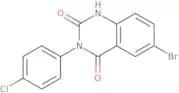
CAS:Controlled Product<p>Please enquire for more information about 6-Bromo-3-(4-chlorophenyl)quinazoline-2,4(1H,3H)-dione including the price, delivery time and more detailed product information at the technical inquiry form on this page</p>Formula:C14H8BrClN2O2Purity:Min. 95%Molecular weight:351.58 g/mol2-(Chloromethyl)-3-(3-methylphenyl)quinazolin-4(3H)-one
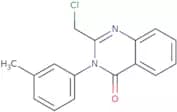
CAS:Controlled Product<p>Please enquire for more information about 2-(Chloromethyl)-3-(3-methylphenyl)quinazolin-4(3H)-one including the price, delivery time and more detailed product information at the technical inquiry form on this page</p>Formula:C16H13ClN2OPurity:Min. 95%Molecular weight:284.74 g/mol5-(2,4-Dimethoxyphenyl)cyclohexane-1,3-dione
CAS:Controlled Product<p>Please enquire for more information about 5-(2,4-Dimethoxyphenyl)cyclohexane-1,3-dione including the price, delivery time and more detailed product information at the technical inquiry form on this page</p>Formula:C14H16O4Purity:Min. 95%Molecular weight:248.27 g/mol1-(4-Methoxy-pyridin-2-yl)-ethanone
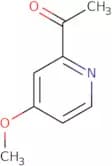
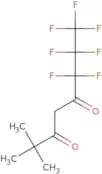
CAS:<p>Please enquire for more information about 1-(4-Methoxy-pyridin-2-yl)-ethanone including the price, delivery time and more detailed product information at the technical inquiry form on this page</p>Formula:C8H9NO2Purity:Min. 95%Molecular weight:151.16 g/mol2,2-Dimethyl-6,6,7,7,8,8,8-heptafluoro-3,5-octanedione
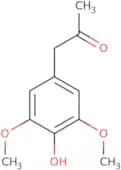
CAS:<p>2,2-Dimethyl-6,6,7,7,8,8,8-heptafluoro-3,5-octanedione is a bidentate ligand for metal ions. It has been shown to be effective in the synthesis of nanocrystals and the activation energy for the reaction has been determined to be 70.4 kJ/mol. 2DMMHFO can be used as a precursor for the growth of silicon films by chemical vapor deposition and other techniques. The molecule has also been shown to bind with metal ions such as Cu(II) and Fe(III), which may be due to its ability to chelate these metals. 2DMMHFO has been used as an efficient catalyst in asymmetric epoxidation reactions with high enantioselectivity.</p>Formula:C10H11F7O2Purity:Min. 95%Molecular weight:296.18 g/mol(3,5-Dimethoxy-4-hydroxyphenyl)acetone
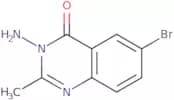
CAS:<p>(3,5-Dimethoxy-4-hydroxyphenyl)acetone is a phenolic compound that is used as a calibration standard in the analysis of tannins. It has been shown to have a catalytic effect on the oxidation of oleic acid and linoleic acid in the presence of peroxides. The addition of (3,5-dimethoxy-4-hydroxyphenyl)acetone to an oil or fat emulsion at room temperature leads to an increase in the viscosity of the emulsion. This compound can be found in many plants, such as tea and coffee beans, cocoa beans, and red wine grapes.</p>Formula:C11H14O4Purity:Min. 95%Color and Shape:Orange PowderMolecular weight:210.23 g/mol3-Amino-6-bromo-2-methylquinazolin-4(3H)-one
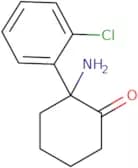
CAS:Controlled Product<p>Please enquire for more information about 3-Amino-6-bromo-2-methylquinazolin-4(3H)-one including the price, delivery time and more detailed product information at the technical inquiry form on this page</p>Formula:C9H8BrN3OPurity:Min. 95%Molecular weight:254.08 g/mol2-Amino-2-(2-chlorophenyl)cyclohexan-1-one
CAS:Controlled Product<p>2-Amino-2-(2-chlorophenyl)cyclohexan-1-one is an anesthetic drug that belongs to the group of ketamine. It is a chiral compound and has been shown to have central nervous system depressant effects, which are more pronounced than those of ketamine. This drug also affects the cardiovascular system and can cause respiratory depression. 2-Amino-2-(2-chlorophenyl)cyclohexan-1-one has been shown to be metabolized in humans by cytochrome P450 (CYP3A4). It may potentiate the effect of drugs that induce CYP3A4 activity such as erythromycin, rifampin, and phenobarbital.<br> 2-Amino-2-(2-chlorophenyl)cyclohexan-1-one is not active against MRSA or methicillin resistant pseudomonas aeruginosa (MR</p>Formula:C12H14ClNOPurity:Min. 95%Color and Shape:PowderMolecular weight:223.7 g/mol1-(Bicyclo[2.2.1]hept-5-en-2-yl)ethanone
CAS:<p>1,2-Dihydrobenzene (1,2-DH) is a molecule that has the chemical formula C6H6. It is a colorless liquid with boiling point of 147°C and melting point of -11°C. 1,2-DH has been shown to form hydrogen bonds with water molecules. This compound is also insoluble in water, which may be due to its dehydrating properties. When catalyzed by an acid or base, 1,2-DH undergoes dehydration reactions. Acidic or basic conditions are required for this reaction to occur and the resulting product can be determined by x-ray diffraction studies. 1,2-DH has been shown to form coordination complexes with metal ions such as copper (Cu) and zinc (Zn). These complexes have been shown to have ligand binding properties that lead to supramolecular structures. Intermolecular hydrogen bonding interactions between 1,2-DH molecules have also been observed during</p>Formula:C9H12OPurity:Min. 95%Molecular weight:136.19 g/mol3-Hydroxy-2-butanone
CAS:<p>3-Hydroxy-2-butanone is a reactive, fatty acid with the chemical formula CH3(CH2)4COH. It is a methyl ketone and an important intermediate in the synthesis of other organic compounds. 3-Hydroxy-2-butanone can be produced by corynebacterium glutamicum through the addition of air to a mixture of 2-butanol and malonic acid. This compound has inhibitory properties against wild type strains of corynebacterium glutamicum and caproic acid production by tissue culture cells. The mechanism for this inhibition is not yet known, but it may be due to its ability to alter the biochemical properties of corynebacterium glutamicum.</p>Formula:C4H8O2Purity:Min. 95%Color and Shape:Colourless To Pale Yellow LiquidMolecular weight:88.11 g/mol3-Amino-6,7-dimethoxy-2-methylquinazolin-4(3H)-one
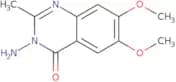
CAS:Controlled Product<p>Please enquire for more information about 3-Amino-6,7-dimethoxy-2-methylquinazolin-4(3H)-one including the price, delivery time and more detailed product information at the technical inquiry form on this page</p>Formula:C11H13N3O3Purity:Min. 95%Molecular weight:235.24 g/molTris(dibenzylideneacetone)dipalladium(0)
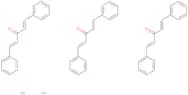
CAS:<p>Tris(dibenzylideneacetone)dipalladium(0) (Pd2(dba)) is a monoclonal antibody that is used to treat infectious diseases. The metal complex binds to the fatty acid and inhibits the synthesis of membrane lipids, which leads to an inhibition of virus replication. Tris(dibenzylideneacetone)dipalladium(0) has been shown to have potent antitumor activity in animal models, with cytotoxic effects on mutant melanoma cells and hydrochloric acid. This drug also has potent pro-apoptotic properties, inducing apoptosis by binding to pro-apoptotic proteins. Tris(dibenzylideneacetone)dipalladium(0) has been shown to be a potent inhibitor of x-ray crystal structures at high temperatures, where it competes with water for the labile hydrogen atoms on the surface of hydroxyl groups.</p>Formula:C17H14O·Pd2Purity:Min. 95%Color and Shape:Purple PowderMolecular weight:915.72 g/mol5α-Androstan-3-one
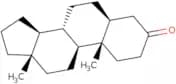
CAS:Controlled Product<p>5alpha-Androstan-3-one is a metabolic intermediate of testosterone. It is found in the urine of humans and other mammals, but at concentrations that are 10 to 100 times lower than those of testosterone. It is also found in some plants and fungi. 5alpha-Androstan-3-one can be synthesized from cholesterol, or it can be formed by the hydroxylation of testosterone in response to the action of cytochrome P450 enzymes. The synthesis of 5alpha-androstan-3-one from cholesterol requires a significant amount of energy, so it is not likely to be a major route for its production. In contrast, the conversion of testosterone to 5alpha-androstan-3-one is an important pathway for maintaining physiological levels of this metabolite. The activity of 5alpha-androstan-3-one has been shown to depend on its concentration in tissues and cells. At low concentrations (less than 10 nM) 5alpha -</p>Formula:C19H30OPurity:Min. 95%Molecular weight:274.44 g/mol7-Hydroxy-4-cholesten-3-one-D7
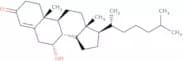
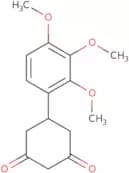
CAS:Controlled Product<p>7-Hydroxy-4-cholesten-3-one-D7 (7OHCD7) is a metabolite of the bile acid, cholic acid. It is generated by the action of cholesterol 7α hydroxylase on cholesterol in the liver. It is excreted in bile, which is then absorbed back into the body from the gut and used for energy metabolism. 7OHCD7 has been shown to be an inhibitor of histone deacetylases, which are enzymes that regulate gene transcription. This inhibition leads to increased transcriptional regulation and reduced inflammatory responses in bowel disease models. 7OHCD7 has also been shown to increase cholesterol levels and reduce inflammation in humans with metabolic syndrome.</p>Formula:C27H44O2Purity:Min. 95%Molecular weight:400.64 g/mol5-(2,3,4-Trimethoxyphenyl)cyclohexane-1,3-dione
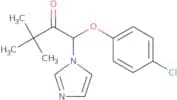
CAS:Controlled Product<p>Please enquire for more information about 5-(2,3,4-Trimethoxyphenyl)cyclohexane-1,3-dione including the price, delivery time and more detailed product information at the technical inquiry form on this page</p>Formula:C15H18O5Purity:Min. 95%Molecular weight:278.3 g/mol1-(4-Chlorophenoxy)-1-(1H-imidazol-1-yl)-3,3-dimethyl-2-butanone
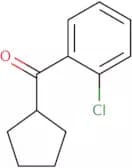
CAS:<p>1-(4-Chlorophenoxy)-1-(1H-imidazol-1-yl)-3,3-dimethyl-2-butanone (CID) is a hydroxylated fatty acid that is used as an antimicrobial agent. CID has been shown to be effective against Gram negative bacteria such as Escherichia coli and Pseudomonas aeruginosa, but not against Gram positive bacteria such as Staphylococcus aureus. The optimum concentration of CID for the inhibition of bacterial growth was determined by analyzing different concentrations of the compound in vitro. A model system was developed to investigate the effect of matrix components on the solubility of CID. LCMS/MS analysis was performed to measure the concentration of CID in wastewater samples. Climbazole, glycol ethers, and experimental solubility data were also collected and analyzed for this study</p>Formula:C15H17ClN2O2Purity:Min. 95%Color and Shape:PowderMolecular weight:292.76 g/mol2-Chlorophenyl cyclopentyl ketone
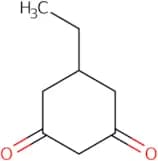
CAS:Controlled Product<p>2-Chlorophenyl cyclopentyl ketone (2CCPK) is a synthetic, green, and scalable process for the preparation of cyclopentyl compounds. It has been used in analytical and preparative HPLC methods. 2CCPK is an acidic compound that can be analyzed by HPLC techniques. Preparative HPLC is used to isolate the product from impurities. The flow rate of 2CCPK can be determined using analytical HPLC techniques.</p>Formula:C12H13ClOPurity:Min. 95%Color and Shape:Clear LiquidMolecular weight:208.68 g/mol5-Ethylcyclohexane-1,3-dione, hydrate
CAS:<p>5-Ethylcyclohexane-1,3-dione is a hydrate of 5-ethylcyclohexane-1,3-dione. It has been shown to be an allosteric modulator of the metabotropic glutamate receptor and has been used in the synthesis of juglone. The modification of 5-ethylcyclohexane-1,3-dione has been studied using a number of methodologies, which have led to its optimization and the development of novel derivatives that may have applications in the treatment of dyskinesia. 5-Ethylcyclohexane-1,3-dione is also a key intermediate for the synthesis of dimethyldioxirane (DMDO), a reagent that can be used for Diels–Alder reactions.</p>Formula:C8H12O2•(H2O)xPurity:Min. 95%Color and Shape:PowderMolecular weight:140.18 g/mol10b-Hydroxyestr-4-ene-3,17-dione
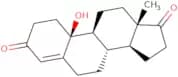
CAS:Controlled Product<p>10b-Hydroxyestr-4-ene-3,17-dione (10bOHE1) is a reactive molecule that can undergo nucleophilic substitution reactions with nucleophiles. It has a strong odor and binds to odorant receptors in the nose. 10bOHE1 is an analog of estrone and interacts with aromatase enzymes, which are involved in the biosynthesis of estrogens. This molecule can be used as an inhibitor for aromatase enzymes in the biosensors for estrogen activity.</p>Formula:C18H24O3Purity:Min. 95%Molecular weight:288.38 g/mol



![1-(Bicyclo[2.2.1]hept-5-en-2-yl)ethanone](/_next/image/?url=https%3A%2Fstatic.cymitquimica.com%2Fproducts%2F3D%2Fthumb-webp%2FFB140730.webp&w=3840&q=75)