Ketones
Ketones are organic compounds characterized by the presence of a carbonyl group (C=O) bonded to two carbon atoms. These compounds are highly versatile and play a crucial role in various chemical reactions, including oxidation, reduction, and condensation. Ketones are essential intermediates in the synthesis of pharmaceuticals, fragrances, and polymers. At CymitQuimica, we provide a wide range of high-quality ketones to support your research and industrial applications.
Found 18810 products of "Ketones"
Sort by
Purity (%)
0
100
|
0
|
50
|
90
|
95
|
100
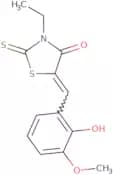
3-ethyl-5-((2-hydroxy-3-methoxyphenyl)methylene)-2-thioxo-1,3-thiazolidin-4-one
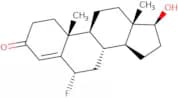
CAS:<p>Please enquire for more information about 3-ethyl-5-((2-hydroxy-3-methoxyphenyl)methylene)-2-thioxo-1,3-thiazolidin-4-one including the price, delivery time and more detailed product information at the technical inquiry form on this page</p>Purity:Min. 95%(6α,17β)-6-Fluoro-17-Hydroxyandrost-4-En-3-One
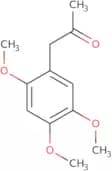
CAS:Controlled Product<p>(6alpha,17beta)-6-Fluoro-17-Hydroxyandrost-4-En-3-One is an androgen that has both agonistic and antagonistic effects on nuclear receptors. It activates the androgen receptor and is equipotent with testosterone. This drug also inhibits the estrogen receptor, but does not bind to the progesterone receptor. This synthetic agent is used for treating hypogonadism in males due to castration or aging and prostate cancer.</p>Formula:C19H27FO2Purity:Min. 95%Molecular weight:306.41 g/mol(2,4,5-Trimethoxyphenyl)acetone
CAS:Controlled Product<p>(2,4,5-Trimethoxyphenyl)acetone is an organic compound that inhibits the replication of RNA. It was found to inhibit the activity of beta-asarone and inhibit the conversion of asarone to o-benzoquinones in cell cultures. This agent also has genotoxic effects on human liver cells. (2,4,5-Trimethoxyphenyl)acetone binds to 5-hydroxytryptamine receptors and inhibits their activities, which can lead to a decrease in serotonin concentrations. (2,4,5-Trimethoxyphenyl)acetone is a colorless liquid at room temperature with a molecular weight of 174.24 grams/mol.</p>Formula:C12H16O4Purity:Min. 95%Molecular weight:224.25 g/mol5-Fluorodihydropyrimidine-2,4-dione
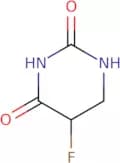
CAS:<p>5-Fluorodihydropyrimidine-2,4-dione is a drug that inhibits the activity of certain enzymes. It has been shown to inhibit the activity of dehydrogenase in human serum and liver cells. This drug has also been shown to be successful in treating autoimmune diseases. 5-Fluorodihydropyrimidine-2,4-dione is an oral prodrug which is converted into its active form by esterases in the gastrointestinal tract. The enzyme inhibitors are used to increase the bioavailability of the drug. This conversion process can be monitored using urine samples or blood sampling.</p>Formula:C4H5FN2O2Purity:Min. 95%Color and Shape:PowderMolecular weight:132.09 g/mol4-Propylpyrrolidin-2-one
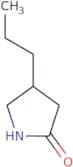
CAS:<p>4-Propylpyrrolidin-2-one is a chemical compound. It is the product of the condensation of two molecules of butyric acid and one molecule of hexanoic acid. The cyclization reaction occurs at the 4 position, forming a six-membered ring. This reaction can be catalyzed by bromine or UV light. Brivaracetam is a drug that belongs to the class of antiepileptic drugs and was developed as an analog of levetiracetam, which inhibits voltage-gated sodium channels in neurons. It has been shown to have only weak affinity for benzodiazepine binding sites and does not cause sedation or memory impairment.</p>Formula:C7H13NOPurity:Min. 95%Color and Shape:PowderMolecular weight:127.18 g/mol1-(2,4,5-Trihydroxyphenyl)butan-1-one
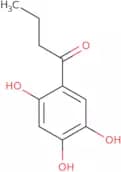
CAS:<p>1-(2,4,5-Trihydroxyphenyl)butan-1-one is a chemoattractant protein that is involved in the inflammatory response. It has been shown to be a potent stimulator of neutrophil migration in maternal blood and also has anti-inflammatory properties. 1-(2,4,5-Trihydroxyphenyl)butan-1-one may function as an adjuvant by activating immune cells and inducing cytokine production. 1-(2,4,5-Trihydroxyphenyl)butan-1-one also functions as a cofactor for dopamine and dinucleotide phosphate activity in the central nervous system. This protein has inhibitory properties against various biological activities of pharmacological agents such as histamine release and vascular permeability. Studies have shown that this compound can be toxic to mice when administered at high doses.</p>Formula:C10H12O4Purity:Min. 95%Color and Shape:Yellow PowderMolecular weight:196.2 g/mol2-Aza-7-bromocycloheptanone
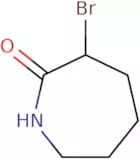
CAS:<p>2-Aza-7-bromocycloheptanone is a heterocyclic system that can be synthesized from the condensation of ethyl 2-bromocaproate and triethyloxonium chloride. This compound has been shown to have lactam ring opening activity, as well as the ability to form azepine rings with amines. The synthesis of this compound is limited by its instability, which may be due to the presence of an azepine group. The ethylation of this heterocycle leads to a more stable product with increased lactam ring opening activity.</p>Formula:C6H10BrNOPurity:Min. 80 Area-%Color and Shape:PowderMolecular weight:192.05 g/mol3-Methoxy-4-methylphenylacetone
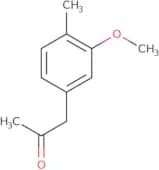
CAS:<p>3-Methoxy-4-methylphenylacetone is a reagent that can be used as a useful intermediate for the synthesis of complex organic compounds. It is soluble in water, but insoluble in most organic solvents. 3-Methoxy-4-methylphenylacetone is also a fine chemical with CAS No. 51814-28-9 and has been shown to be an effective building block for synthetic chemistry. It is used in the synthesis of speciality chemicals and research chemicals, such as pharmaceuticals and agrochemicals. This compound can be used as a versatile building block in many reactions and has been shown to react with epoxide, nitrile, amine, thioether, amide, alcohols, carboxylic acids or esters.</p>Formula:C11H14O2Purity:Min. 95%Color and Shape:PowderMolecular weight:178.23 g/mol1-Hydroxy-2-butanone
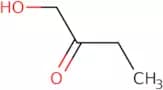
CAS:<p>1-Hydroxy-2-Butanone is an organic compound that is used in the preparation of various fatty acids. It has been shown to be a useful analytical reagent for the determination of calcium and sodium in urine samples. The reaction mechanism is based on the addition of hydroxy groups to fatty acids. This process leads to the formation of 1,2-diols, which are then converted into 1-hydroxy-2-butanones. The reaction proceeds with a constant rate, regardless of the type or amount of the reactants.</p>Formula:C4H8O2Purity:Min. 95%Color and Shape:Clear LiquidMolecular weight:88.11 g/mol2,3-Dimethyl-2,5-cyclohexadiene-1,4 dione
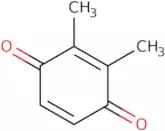
CAS:<p>2,3-Dimethyl-2,5-cyclohexadiene-1,4 dione (DMX) is an antioxidant that has been shown to be effective in the reaction of transfer reactions. DMX has been shown to have a binding constant with fatty acids and is able to inhibit bacterial enzymes such as cytochrome P450s. DMX also reacts with hydroxide solution and forms a salt that can be used as an inhibitor molecule for redox potential. This salt can easily be dissolved in water and is stable at high temperatures. It is possible for DMX to react with molecular modelling software in order to find the optimal reaction conditions for this compound.</p>Formula:C8H8O2Purity:Min. 95%Color and Shape:PowderMolecular weight:136.15 g/molCabazitaxel acetone
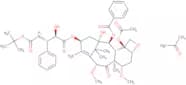
CAS:Controlled Product<p>Inhibitor of tubulin depolymerization; anti-neoplastic.Acetone content: 6-7%</p>Formula:C48H63NO15Purity:Min. 95%Color and Shape:PowderMolecular weight:894.01 g/mol(S)-(+)-5,6,7,8-Tetrahydro-8-methylindan-1,5-dione
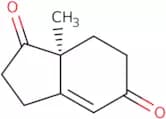
CAS:<p>(S)-(+)-5,6,7,8-Tetrahydro-8-methylindan-1,5-dione is a chemical compound with a molecular formula of C9H14O2 that has the chemical name of methyl 8-(hydroxymethyl)indane-1,5-dione. This compound is an enantiopure substance that exists as a single stereoisomer and can be synthesized from two different starting materials. It is not commercially available but can be prepared from boronic acid and methanol or from methylamine and hydroxyacetone. The reaction time for this synthesis varies depending on the starting material used and the desired purity level. (S)-(+)-5,6,7,8-Tetrahydro-8-methylindan-1,5-dione is used in organic synthesis as an alternative to other chiral diols.</p>Formula:C10H12O2Purity:Min. 95%Color and Shape:White PowderMolecular weight:164.2 g/mol4,4-Difluorocyclohexan-1-one
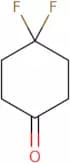
CAS:<p>4,4-Difluorocyclohexan-1-one (DFCO) is a colorless liquid that is soluble in organic solvents. It has been shown to have potential as a treatment for Alzheimer's disease due to its ability to inhibit the conformational changes in the amyloid beta peptide. DFCO was synthesized by reacting pyridazine with difluoroethanol, which led to the formation of two stereoisomers: R and S. The R stereoisomer was found to be more potent than the S stereoisomer in inhibiting acetylcholine release from human lung cells and had better binding affinity for adenosine receptors. This compound also showed antiinflammatory properties when it was used as an inhibitor of prostaglandin synthesis in mice.</p>Formula:C6H8F2OPurity:Min. 95%Color and Shape:White PowderMolecular weight:134.12 g/mol(2,5-Dimethylphenyl)acetone
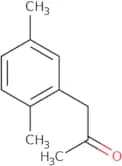
CAS:<p>2,5-Dimethylphenyl)acetone is an analogue of amphetamine that has been shown to have similar binding and uptake properties in the brain. This drug was synthesized for use in positron emission tomography (PET) studies on the distribution of amphetamine analogues in the human brain. It is also used as a radioligand for studies on cerebral uptake of amphetamines.<br>2,5-Dimethylphenyl)acetone itself has no significant central nervous system activity. However, it can be used to determine whether other drugs are able to cross the blood-brain barrier and enter the brain. Radiofluorination with iodine-123, which emits positrons during decay, yields a compound that binds to amines such as dopamine and norepinephrine receptors in the brain. The presence of these amines can then be detected using PET imaging techniques.END></p>Formula:C11H14OPurity:Min. 96 Area-%Color and Shape:Clear LiquidMolecular weight:162.23 g/mol1-(2-Hydroxy-1-naphthyl)ethan-1-one
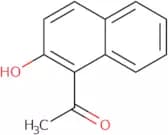
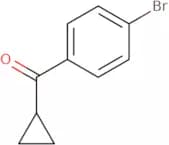
CAS:<p>1-(2-Hydroxy-1-naphthyl)ethan-1-one is a carbonyl compound that can be used as a fluorescent probe for the determination of copper(II) ions. It has been shown to have selective binding properties and fluorescence properties with cancer cells, which may be due to its ability to bind to the active methylene group of the cancer cell's protein. Crystallographic studies have shown that 1-(2-Hydroxy-1-naphthyl)ethan-1-one binds to hydrogen bonds and hydroxide solution in water.</p>Formula:C12H10O2Purity:Min. 95%Color and Shape:Yellow PowderMolecular weight:186.21 g/mol(4-Bromophenyl)cyclopropylmethanone
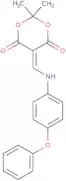
CAS:<p>(4-Bromophenyl)cyclopropylmethanone is a cyclopropane derivative that can be synthesized from 4-bromobenzaldehyde and cyclopropylmagnesium bromide. It is an important precursor to fluoroquinolones in the pharmaceutical industry, as well as to other derivatives used in the synthesis of antihistamines and antimalarial drugs. This compound has been shown to have biomolecular mediated intramolecular cyclopropane ring formation and pentacyclic cyclopropane ring formation.</p>Formula:C10H9BrOPurity:Min. 95%Color and Shape:PowderMolecular weight:225.09 g/mol2,2-dimethyl-5-(((4-phenoxyphenyl)amino)methylene)-1,3-dioxane-4,6-dione
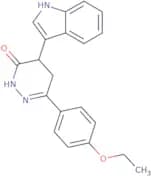
CAS:<p>Please enquire for more information about 2,2-dimethyl-5-(((4-phenoxyphenyl)amino)methylene)-1,3-dioxane-4,6-dione including the price, delivery time and more detailed product information at the technical inquiry form on this page</p>Purity:Min. 95%3-(4-ethoxyphenyl)-5-indol-3-yl-1H,4H,5H-1,2-diazin-6-one
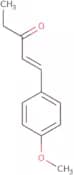
CAS:<p>Please enquire for more information about 3-(4-ethoxyphenyl)-5-indol-3-yl-1H,4H,5H-1,2-diazin-6-one including the price, delivery time and more detailed product information at the technical inquiry form on this page</p>Purity:Min. 95%α-Methylanisalacetone
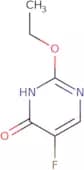
CAS:<p>Alpha-Methylanisalacetone is a chemical substance that is used as a reagent in the production of other chemicals. It is also an allergen and a sensitizer, which may cause health risks. Alpha-Methylanisalacetone can react with trifluoroacetic acid to form alpha-methylbenzeneacetic acid, which can be detected by an ionization detector. This reaction takes about 1 hour. The fluid extract from alpha-methylanisalacetone contains histidine, which reacts with the reagent 2,4-dinitrophenylhydrazine hydrochloride and produces dinitrophenylhydrazine. The analytical method for alpha-methylanisalacetone involves measuring the turbidity of the solution at 660 nm using a spectrophotometer.</p>Formula:C12H14O2Purity:Min. 95%Color and Shape:White PowderMolecular weight:190.24 g/mol2-Ethoxy-5-fluoro-1H-pyrimidin-4-one
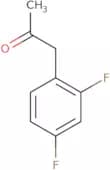
CAS:<p>2-Ethoxy-5-fluoro-1H-pyrimidin-4-one is a chemical compound that can be synthesized in ethanol, ether, and ethyl formate. It is a white crystalline solid with a melting point of 164°C. The impurities are filtered out using filtration. This compound reacts with substance to produce crystallization. 2-Ethoxy-5-fluoro-1H-pyrimidin-4-one can also be synthesized by reacting trimethylamine and isourea.</p>Formula:C6H7FN2O2Purity:Min. 95%Color and Shape:PowderMolecular weight:158.13 g/mol(2,4-Difluorophenyl)acetone
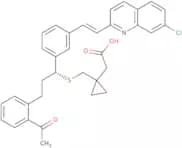
CAS:<p>(2,4-Difluorophenyl)acetone is a high quality chemical that can be used as a reagent, intermediate or building block for the synthesis of complex compounds. It is also a versatile building block for the synthesis of speciality chemicals, research chemicals and reaction components. (2,4-Difluorophenyl)acetone is an important intermediate in the synthesis of fluoroquinolones and it has been shown to be useful in the preparation of dyes such as indigo and phthalocyanine. This compound is also used to synthesize other pharmaceuticals such as aspirin and acetaminophen.</p>Formula:C9H8F2OPurity:Min. 95%Color and Shape:PowderMolecular weight:170.16 g/molMontelukast methyl ketone
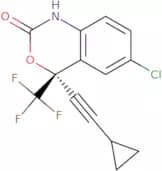
CAS:<p>Montelukast is a sulfonyl-containing leukotriene receptor antagonist with anti-inflammatory and bronchodilator properties. It is used in the treatment of asthma and chronic obstructive pulmonary disease. Oral administration of Montelukast methyl ketone to rats caused prolonged retention of the drug (1.5 times) in the stomach, which may be due to its impurities or salts. The use of this medication can lead to an increase in blood pressure and heart rate, as well as other side effects such as dizziness, headache, nausea, vomiting, and diarrhea.</p>Formula:C34H32ClNO3SPurity:(%) Min. 95%Color and Shape:PowderMolecular weight:570.14 g/molEfavirenz
CAS:<p>Efavirenz is a non-nucleoside-based reverse transcriptase inhibitor (NNRTI) of the reverse transcriptase of HIV-1. It inhibits the viral enzyme reverse transcriptase by binding to its active site. In certain cell culture assays, efavirenz showed great efficiency when inhibiting wild-type HIV-1 replication with values of inhibition constant Ki between 2.97 to 17.60 mM in single mutation enzymes and 26.05 to 56.50 nM in double mutation. In the treatment of HIV, efavirenz has been studied in combination with emtricitabine and tenofovir disoproxil fumarate for ease of administration in some clinical studies. Recent in vitro cell studies indicated efavirenz is a potential treatment for pancreatic, prostate and triple-negative breast cancers due to its cytotoxicity against cancer cells, with an EC50 of 31.5 μM.</p>Formula:C14H9ClF3NO2Purity:Min. 95%Color and Shape:PowderMolecular weight:315.68 g/mol2-Methyl-1,2-benzisothiazolin-3-one
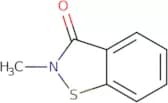
CAS:<p>2-Methyl-1,2-benzisothiazolin-3-one (MBIT) is a water soluble microbiocide which is active against bacteria, yeasts and moulds and has potential applications as a preservative in paints, sealants and coatings. Similar compounds (BIT, MIT) have found use as preservatives in detergents and cleaning products due to their relative stability in solution and compatibility with enzymes.</p>Formula:C8H7NOSPurity:Min. 96 Area-%Color and Shape:White Off-White PowderMolecular weight:165.21 g/mol3-(4-bromophenyl)-5-(1-methylindol-3-yl)-1H,4H,5H-1,2-diazin-6-one
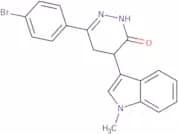
CAS:<p>Please enquire for more information about 3-(4-bromophenyl)-5-(1-methylindol-3-yl)-1H,4H,5H-1,2-diazin-6-one including the price, delivery time and more detailed product information at the technical inquiry form on this page</p>Purity:Min. 95%3-Methylphenylacetone
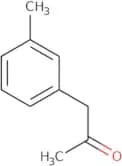
CAS:<p>3-Methylphenylacetone is a dioxane with functional groups, which can be synthesized by coupling of acetoacetate and nitrobenzene. 3-Methylphenylacetone is a versatile precursor for the synthesis of various esters, such as phenylethyl acetate. This compound can also be deacylated to form 3-methylphenol, which is used in the synthesis of nitrophenols. In addition, 3-methylphenylacetone can be used in the production of acetophenones, ketones, and other aromatic compounds by using catalysts such as iodine or phosphoric acid. Nitro groups on 3-methylphenylacetone react with chloro-, bromo-, or methoxy-substituted substrates to form nitrosated derivatives. The tert-butyl group is eliminated spontaneously to form an amine.</p>Formula:C10H12OPurity:Min. 95%Color and Shape:Clear LiquidMolecular weight:148.2 g/mol2-(((4-iodophenyl)amino)methylene)indane-1,3-dione
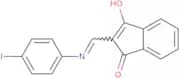
CAS:<p>Please enquire for more information about 2-(((4-iodophenyl)amino)methylene)indane-1,3-dione including the price, delivery time and more detailed product information at the technical inquiry form on this page</p>Formula:C16H10INO2Purity:Min. 95%Color and Shape:PowderMolecular weight:375.16 g/mol4-Hydroxy-3-methoxyphenylacetone
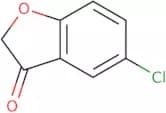
CAS:<p>4-Hydroxy-3-methoxyphenylacetone is a natural compound that is found in lignin and has been studied as a potential treatment for congestive heart failure. The compound has been shown to inhibit the activity of enzymes involved in the transfer reactions of bacterial cells. It also reduces the production of acetate, which is used by bacteria for growth. 4-Hydroxy-3-methoxyphenylacetone has been found to be nontoxic to mice at doses up to 10 g/kg. This study also showed that 4-hydroxy-3-methoxyphenylacetone had no effect on enzyme activities in rat liver mitochondria or rat brain synaptosomes.</p>Formula:C10H12O3Purity:Min. 98 Area-%Color and Shape:Clear LiquidMolecular weight:180.2 g/mol5-Chloro-1-benzofuran-3(2H)-one
CAS:<p>5-Chloro-1-benzofuran-3(2H)-one (5CBF) is a versatile building block that can be used to make a wide range of different compounds. It has been shown as an effective reagent in the synthesis of complex compounds and research chemicals. 5CBF is also used as a high quality intermediate in organic synthesis, as well as being a useful scaffold for chemical reactions.</p>Formula:C8H5ClO2Purity:Min. 98 Area-%Color and Shape:PowderMolecular weight:168.58 g/mol3,8-Dihydroxy-6H-benzo[c]chromen-6-one
CAS:<p>3,8-Dihydroxy-6H-benzo[c]chromen-6-one (3,8 DHC) is a natural compound that has been shown to have antioxidant and anti-inflammatory properties. It increases the production of ATP (cellular energy) by activating the ATP binding cassette transporter and increasing autophagy. 3,8 DHC may also inhibit apoptosis (cell death), which has been observed in studies involving balloon injury and atherosclerotic lesions. This compound may also have potential therapeutic benefits for bowel disease, cancer, and neuronal death.</p>Formula:C13H8O4Purity:Min. 95%Color and Shape:White To Beige To Yellow To Brown SolidMolecular weight:228.2 g/molAnthra[9,1,2-cde]benzo[rst]pentaphene-5,10-dione
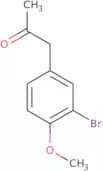
CAS:<p>Anthra[9,1,2-cde]benzo[rst]pentaphene-5,10-dione is a polycyclic aromatic hydrocarbon. This compound is soluble in chloroform and has good transport properties. The methoxy groups on the benzene ring make it soluble in organic solvents and low light radiation. It also has an electrophotographic property that can be used for developing printed circuit boards. Anthra[9,1,2-cde]benzo[rst]pentaphene-5,10-dione is also a cationic polymerization agent with chloride as the counterion. The compound's reaction mechanism involves photochemical reactions in the presence of light or radiation. Anthra[9,1,2-cde]benzo[rst]pentaphene-5,10-dione has been shown to absorb ultraviolet light at wavelengths between 350 and 450 nm. This compound also absorbs</p>Formula:C34H16O2Purity:Min. 95%Color and Shape:PowderMolecular weight:456.49 g/mol(5-Bromo-4-methoxyphenyl)acetone
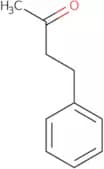
CAS:<p>5-Bromo-4-methoxyphenyl)acetone (BMA) is a versatile building block that is used in the production of fine chemicals, research chemicals, and reagents. It has been shown to be a useful scaffold for the synthesis of complex compounds. BMA is also an intermediate for the production of other chemicals. This chemical has been shown to have high quality with a wide range of uses as a reaction component or useful scaffold.</p>Formula:C10H11BrO2Purity:Min. 95%Molecular weight:243.1 g/mol4-Phenyl-2-butanone
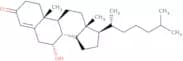
CAS:<p>4-Phenyl-2-butanone is an organic compound that is used as a solvent. It has been shown to be effective against a wide range of bacteria, including Gram positive and Gram negative bacteria. 4-Phenyl-2-butanone disrupts the cell membrane by binding to glycol ether, which is an important part of the lipid bilayer. It also inhibits the synthesis of two important molecules in bacterial cells, dinucleotide phosphate and phospholipids. This process leads to bacterial cell death. 4-Phenyl-2-butanone also has antimicrobial properties due to its ability to destroy water vapor and inhibit growth of microorganisms on skin.</p>Formula:C10H12OPurity:Min. 97.5 Area-%Color and Shape:Colorless Clear LiquidMolecular weight:148.2 g/mol7α-Hydroxy-4-cholesten-3-one
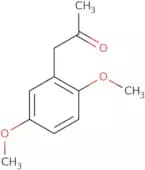
CAS:Controlled Product<p>Intermediate in bile acids biosynthesis</p>Formula:C27H44O2Purity:Min. 98 Area-%Color and Shape:PowderMolecular weight:400.64 g/mol(2,5-Dimethoxyphenyl)acetone
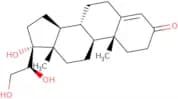
CAS:<p>2,5-Dimethoxyphenyl)acetone is an impure chemical compound that has been used in the synthesis of 4-methoxyamphetamine. 2,5-Dimethoxyphenyl)acetone is a colorless liquid with a sweet odor. It can be purified by passing through a column of activated charcoal and washing with water or alcohol. The purity can be determined by spectrometry or magnetic resonance spectroscopy. The compound's homologues are also available for purchase on our website.</p>Formula:C11H14O3Purity:Min. 95%Color and Shape:Clear LiquidMolecular weight:194.23 g/mol4-Pregnen-17α,20α,21-triol-3-one
CAS:Controlled Product<p>4-Pregnen-17alpha,20alpha,21-triol-3-one (4PT) is a versatile building block that can be used in the synthesis of complex compounds. It has been used as a reagent and speciality chemical in research chemicals and as an intermediate for pharmaceuticals and other organic syntheses. 4PT also has been shown to have high quality with a reaction component and scaffold for organic synthesis.</p>Formula:C21H32O4Purity:Min. 95%Color and Shape:PowderMolecular weight:348.48 g/mol8-Chloro-5,10-dihydro-11H-dibenzo[b,e][1,4]-diazepin-11-one
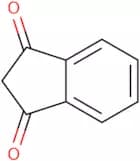
CAS:<p>8-Chloro-5,10-dihydro-11H-dibenzo[b,e][1,4]-diazepin-11-one is a polycyclic multicyclic compound that has stable properties. It is an atypical antipsychotic and antidepressant with high stability. This drug can be prepared by the process of optimization of reaction time and is an orthogonal molecule to typical antipsychotics. 8CBDD can be used in the preparation of atypical antipsychotics and antidepressants.</p>Formula:C13H9ClN2OPurity:Min. 95%Color and Shape:PowderMolecular weight:244.68 g/mol1,3-Indanedione
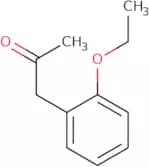
CAS:<p>1,3-Indanedione is an organic compound that is a reactive fatty acid. It reacts with copper to form a complex. The reaction mechanism of 1,3-Indanedione with copper is not yet fully understood. 1,3-Indanedione has been shown to be effective against prostate cancer cells at an optimum concentration. This compound also has potential use in the treatment of other types of cancers and as a light emitting material in photonics applications.</p>Formula:C9H6O2Purity:Min. 95%Color and Shape:Beige PowderMolecular weight:146.14 g/mol(2-Ethoxyphenyl)acetone
CAS:<p>(2-Ethoxyphenyl)acetone is a monoaminergic compound that has antioxidant and analgesic properties. It also has antidepressant-like effects, which can be attributed to its ability to inhibit the reuptake of serotonin and norepinephrine. (2-Ethoxyphenyl)acetone has been shown to have neuroprotective effects in mice with Parkinson's disease. This compound also exhibits anti-inflammatory properties and may be useful for the treatment of depression.</p>Formula:C11H14O2Purity:Min. 95%Color and Shape:PowderMolecular weight:178.23 g/mol1,4-Dihydroxy-2-butanone
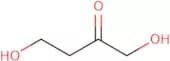
CAS:1,4-Dihydroxy-2-butanone is a synthetic organic compound, often described as an intermediate or precursor in various biochemical processes. It is primarily derived from chemical synthesis methods involving the manipulation of butanone derivatives. Its chemical stability and reactivity make it a valuable compound in laboratory settings.The mode of action of 1,4-Dihydroxy-2-butanone involves its participation as a key intermediate in the biosynthesis of riboflavin, or vitamin B2, in microorganisms. Within this pathway, it undergoes several enzymatic transformations, contributing to the formation of complex structures necessary for riboflavin synthesis.The uses and applications of 1,4-Dihydroxy-2-butanone are predominantly found in research environments, where it serves as a critical component in studies focused on understanding and synthesizing riboflavin. Additionally, its role in elucidating enzyme mechanisms and exploring metabolic pathways makes it an essential compound for scientists working in the fields of biochemistry and metabolic engineering. This compound's contribution to fundamental research provides insights into potential biotechnological applications and innovations in vitamin production.Formula:C4H8O3Purity:Min. 97 Area-%Color and Shape:White PowderMolecular weight:104.1 g/mol1,5-Bis(4-hydroxyphenyl)pentane-1,5-dione
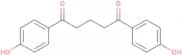
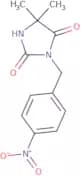
CAS:<p>1,5-Bis(4-hydroxyphenyl)pentane-1,5-dione is a fine chemical that can be used as an intermediate in the synthesis of other compounds. It is also a useful building block for the synthesis of complex compounds. This compound can be used as a reagent for research purposes or as a reaction component in the synthesis of speciality chemicals. 1,5-Bis(4-hydroxyphenyl)pentane-1,5-dione has been shown to have high purity and quality.</p>Formula:C17H16O4Purity:Min. 95%Molecular weight:284.31 g/mol5,5-Dimethyl-3-(4-nitrobenzyl)imidazolidine-2,4-dione
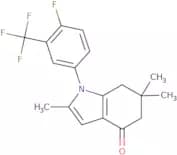
CAS:<p>5,5-Dimethyl-3-(4-nitrobenzyl)imidazolidine-2,4-dione is a versatile chemical that can be used as a building block in the synthesis of complex compounds. It is an intermediate in the production of research chemicals and is also used as a reaction component in the synthesis of speciality chemicals. 5,5-Dimethyl-3-(4-nitrobenzyl)imidazolidine-2,4-dione has been shown to have high quality properties when synthesized using high purity reagents.</p>Formula:C12H13N3O4Purity:Min. 95%Color and Shape:White PowderMolecular weight:263.25 g/mol1-(4-Fluoro-3-(trifluoromethyl)phenyl)-2,6,6-trimethyl-5,6,7-trihydroindol-4-one
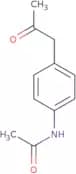
CAS:<p>Please enquire for more information about 1-(4-Fluoro-3-(trifluoromethyl)phenyl)-2,6,6-trimethyl-5,6,7-trihydroindol-4-one including the price, delivery time and more detailed product information at the technical inquiry form on this page</p>Formula:C18H17F4NOPurity:Min. 95%Color and Shape:PowderMolecular weight:339.33 g/mol(4-Acetamidophenyl)acetone
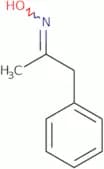
CAS:<p>(4-Acetamidophenyl)acetone is a chemical compound that belongs to the class of complex compounds. It is an intermediate in the synthesis of other chemicals and can be used as a building block for more complicated molecules. (4-Acetamidophenyl)acetone has been used as a reagent in organic synthesis, and it has shown high reactivity. This chemical is also used in research, such as the development of new pharmaceutical drugs, and it can be used to synthesize speciality chemicals. The versatility of this chemical makes it useful in many different reactions.</p>Formula:C11H13NO2Purity:Min. 95%Color and Shape:Brown Beige PowderMolecular weight:191.23 g/molPhenylacetone oxime
CAS:<p>Phenylacetone oxime is a chemical intermediate that can be used in the synthesis of pharmaceuticals. It has a neutral pH and is stable in the presence of alkalis, acids, oxidizing agents, and reducing agents. Phenylacetone oxime reacts with hydrogen chloride to form 1-chloro-2-phenylethanone and 2-chloroethanol. The reaction mechanism is as follows:</p>Formula:C9H11NOPurity:Min. 95%Color and Shape:PowderMolecular weight:149.19 g/mol1,7-Dichloroheptan-4-one
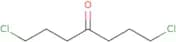
CAS:<p>1,7-Dichloroheptan-4-one is a synthetic organic compound that has been used as a pharmaceutical intermediate. It is an H2 receptor antagonist and reactive with mammalian cells. 1,7-Dichloroheptan-4-one has been shown to inhibit the production of inflammatory mediators in the lung, which may be due to its ability to reduce chloride levels. This compound has also been shown to have antipsychotic effects in animals and is currently being studied for use in treating cardiovascular disorders such as hypertension.</p>Formula:C7H12Cl2OPurity:Min. 95 Area-%Molecular weight:183.07 g/mol4-Methoxy-3-methylphenylacetone
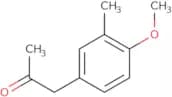
CAS:<p>4-Methoxy-3-methylphenylacetone is an organic chemical that is used as a reaction component, reagent, and useful scaffold. It is a high quality research chemical that can be used as an intermediate in the synthesis of other compounds. 4-Methoxy-3-methylphenylacetone has a CAS number of 16882-23-8 and can be found under the category of speciality chemicals. This compound is versatile and can be used to make complex compounds.</p>Formula:C11H14O2Purity:Min. 95%Color and Shape:Yellow PowderMolecular weight:178.23 g/mol3b,7a,15a-Trihydroxyandrost-5-en-17-one
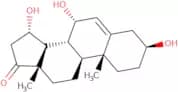
CAS:Controlled Product<p>Please enquire for more information about 3b,7a,15a-Trihydroxyandrost-5-en-17-one including the price, delivery time and more detailed product information at the technical inquiry form on this page</p>Formula:C19H28O4Purity:Min. 95%Molecular weight:320.42 g/mol2-(2-Aza-1-methyl-2-(3-(1,1,2,2-tetrafluoroethoxy)phenyl)vinyl)indane-1,3-dione
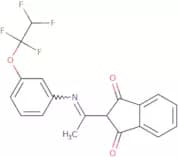
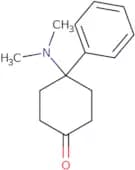
CAS:<p>Please enquire for more information about 2-(2-Aza-1-methyl-2-(3-(1,1,2,2-tetrafluoroethoxy)phenyl)vinyl)indane-1,3-dione including the price, delivery time and more detailed product information at the technical inquiry form on this page</p>Formula:C19H13F4NO3Purity:Min. 95%Color and Shape:PowderMolecular weight:379.3 g/mol4-(Dimethylamino)-4-phenylcyclohexan-1-one
CAS:Controlled Product<p>Dimethylphencyclidine is a potent analgesic with high affinity for opioid receptors. It is an agonist at the μ-opioid receptor and κ-opioid receptor. Dimethylphencyclidine may also act as a nociceptive agent and has been shown to modulate pain in animals. This drug has also been shown to be neuropathic, as it inhibits the development of chronic constriction injury (CCI) in rats by reducing the formation of reactive oxygen species and increasing the expression of brain-derived neurotrophic factor (BDNF). Dimethylphencyclidine has undergone clinical trials for the treatment of neuropathic pain and is currently in phase II clinical development.<br>The pharmacological properties of dimethylphencyclidine are due to its ability to act on opioid receptors and other neurotransmitter systems, including serotonin, dopamine, acetylcholine, glutamate, and glycine. The chemical name for this drug is 4-(Dimethylamino)-4-phen</p>Formula:C14H19NOPurity:Min. 95%Molecular weight:217.31 g/mol


![3,8-Dihydroxy-6H-benzo[c]chromen-6-one](/_next/image/?url=https%3A%2Fstatic.cymitquimica.com%2Fproducts%2F3D%2Fthumb-webp%2FFD171109.webp&w=3840&q=75)
![Anthra[9,1,2-cde]benzo[rst]pentaphene-5,10-dione](/_next/image/?url=https%3A%2Fstatic.cymitquimica.com%2Fproducts%2F3D%2Fthumb-webp%2FFA143390.webp&w=3840&q=75)
![8-Chloro-5,10-dihydro-11H-dibenzo[b,e][1,4]-diazepin-11-one](/_next/image/?url=https%3A%2Fstatic.cymitquimica.com%2Fproducts%2F3D%2Fthumb-webp%2FFC20115.webp&w=3840&q=75)