Ketones
Ketones are organic compounds characterized by the presence of a carbonyl group (C=O) bonded to two carbon atoms. These compounds are highly versatile and play a crucial role in various chemical reactions, including oxidation, reduction, and condensation. Ketones are essential intermediates in the synthesis of pharmaceuticals, fragrances, and polymers. At CymitQuimica, we provide a wide range of high-quality ketones to support your research and industrial applications.
Found 18867 products of "Ketones"
Sort by
Purity (%)
0
100
|
0
|
50
|
90
|
95
|
100
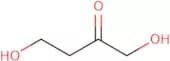
1,4-Dihydroxy-2-butanone
CAS:1,4-Dihydroxy-2-butanone is a synthetic organic compound, often described as an intermediate or precursor in various biochemical processes. It is primarily derived from chemical synthesis methods involving the manipulation of butanone derivatives. Its chemical stability and reactivity make it a valuable compound in laboratory settings.The mode of action of 1,4-Dihydroxy-2-butanone involves its participation as a key intermediate in the biosynthesis of riboflavin, or vitamin B2, in microorganisms. Within this pathway, it undergoes several enzymatic transformations, contributing to the formation of complex structures necessary for riboflavin synthesis.The uses and applications of 1,4-Dihydroxy-2-butanone are predominantly found in research environments, where it serves as a critical component in studies focused on understanding and synthesizing riboflavin. Additionally, its role in elucidating enzyme mechanisms and exploring metabolic pathways makes it an essential compound for scientists working in the fields of biochemistry and metabolic engineering. This compound's contribution to fundamental research provides insights into potential biotechnological applications and innovations in vitamin production.Formula:C4H8O3Purity:Min. 97 Area-%Color and Shape:White PowderMolecular weight:104.1 g/mol1-Acetamido-acetone
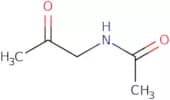
CAS:<p>Acetamido-acetone is a chloromethyl ketone that reacts with water to form hydrochloric acid and acetone. It is used as a hydration agent in the synthesis of polyesters, such as polyethylene terephthalate (PET). Acetamido-acetone is also used for the synthesis of a variety of organic compounds and plastics. Acetamido-acetone can be used as a polymerization initiator or an intermediate in the production of other chemicals. Acetamido-acetone has low toxicity and does not react with most materials. However, it should not be mixed with strong acids or bases because this may cause hazardous fumes to form. Acetamido-acetone reacts with deuterium isotopes to produce light emission, which can be used for chemical research.<br>br></p>Formula:C5H9NO2Purity:Min. 95%Molecular weight:115.13 g/molFlavanone azine
CAS:<p>Flavanone azine is a synthetic compound derived from flavonoid sources, specifically engineered through the structural manipulation of flavanone molecules. Flavonoids are naturally occurring compounds found in plants known for their diverse biological activities. The synthetic derivation allows for enhanced stability and bioavailability compared to natural counterparts.</p>Formula:C30H24N2O2Purity:Min. 95%Molecular weight:444.52 g/mol2-(((4-ethoxyphenyl)amino)methylene)indane-1,3-dione
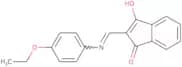
CAS:<p>Please enquire for more information about 2-(((4-ethoxyphenyl)amino)methylene)indane-1,3-dione including the price, delivery time and more detailed product information at the technical inquiry form on this page</p>Purity:Min. 95%3-ethyl-5-((2-hydroxy-3-methoxyphenyl)methylene)-2-thioxo-1,3-thiazolidin-4-one
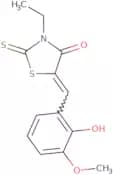
CAS:<p>Please enquire for more information about 3-ethyl-5-((2-hydroxy-3-methoxyphenyl)methylene)-2-thioxo-1,3-thiazolidin-4-one including the price, delivery time and more detailed product information at the technical inquiry form on this page</p>Purity:Min. 95%Vanillylideneacetone
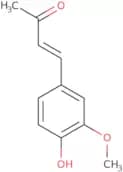
CAS:<p>Vanillylideneacetone (VDA) is a natural compound that belongs to the class of phenylethanoids. It has been shown to have anti-inflammatory properties, which may be due to inhibition of prostaglandin synthesis. VDA also exhibits antimicrobial activity against Gram-positive and Gram-negative bacteria, as well as some fungi and yeast. In vitro antifungal activity has been observed in human serum, cell lysis with the presence of trypsin, and cytotoxicity in carcinoma cell lines. Toxicological studies have shown no adverse effects on locomotor activity or carcinogenicity at high doses.</p>Formula:C11H12O3Purity:Min. 95%Color and Shape:Yellow PowderMolecular weight:192.21 g/mol3β-Hydroxyergost-5-en-7-one
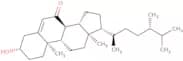
CAS:Controlled Product<p>Please enquire for more information about 3beta-Hydroxyergost-5-en-7-one including the price, delivery time and more detailed product information at the technical inquiry form on this page</p>Formula:C28H46O2Purity:Min. 95%Molecular weight:414.66 g/molStigmast-4-ene-3,6-dione
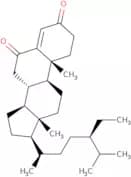
CAS:Controlled Product<p>Stigmast-4-ene-3,6-dione is a tannin found in the bark of many plants. It has been shown to have neuroprotective effects by binding to cannabinoid receptor CB2 and activating its downstream signaling pathway. Stigmast-4-ene-3,6-dione also has anti-inflammatory properties due to its ability to inhibit fatty acid synthesis through its inhibition of acetyl CoA carboxylase (ACC). This compound also has antioxidant properties and is able to inhibit the production of reactive oxygen species by binding with copper ions.</p>Purity:Min. 95%Benzyl p-toluylketone
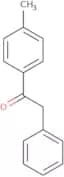
CAS:<p>Benzyl p-toluylketone is an oxime that can be used as a catalyst in the catalytic hydrogenation of various carbonyl compounds. It is also used for the amination of alcohols and acylation reactions. This compound has a melting point of 110°C, a boiling point of 216°C, and a density of 1.05g/mL. The reaction can be carried out at temperatures between 25°C and 160°C, with hydrogen pressure between 10 bar and 120 bar. The reaction time should be less than two hours. The yield is typically greater than 95%.</p>Formula:C15H14OPurity:Min. 95%Color and Shape:PowderMolecular weight:210.27 g/molEurycomanone
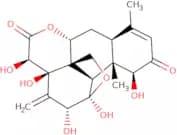
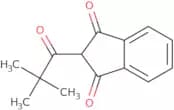
CAS:<p>Eurycomanone is a natural product that belongs to the group of quassinoids. It is obtained from the plant Eurycoma longifolia, which grows in tropical Asia and Africa. The extract has been shown to have clinical properties such as body formation, protein target, and surface methodology. 3T3-L1 preadipocytes were used for the in vitro assays of eurycomanone. Group P2 cells were used for histological analysis and pharmacological agents were found to be chemical stable.</p>Formula:C20H24O9Purity:Min. 95%Color and Shape:PowderMolecular weight:408.4 g/mol2-Pivaloylindane-1,3-dione
CAS:<p>2-Pivaloylindane-1,3-dione is a coumarin derivative that inhibits the replication of RNA by binding to the enzyme RNA polymerase. It binds to the hydroxyl group in a human serum and intramolecular hydrogen in an aromatic ring. 2-Pivaloylindane-1,3-dione also has a chemical stability and high kinetic data. It is used as an additive to inhibit the growth of bacteria that cause infectious diseases such as tuberculosis, leprosy, and malaria.</p>Purity:Min. 95%(2S)-1,2-Dihydroxy-3,4-octanedione - aqueous solution
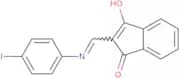
CAS:<p>(2S)-1,2-Dihydroxy-3,4-octanedione is a versatile building block that can be used for the synthesis of complex compounds. This compound is a reagent and useful building block in organic chemistry. (2S)-1,2-Dihydroxy-3,4-octanedione can be used as a high quality research chemical that is available at CAS No. 1173172-85-4. This compound also has a wide range of applications as a reaction component or scaffold in organic synthesis.</p>Formula:C8H14O4Purity:Min. 95%Color and Shape:Colourless LiquidMolecular weight:174.19 g/mol2-(((4-iodophenyl)amino)methylene)indane-1,3-dione
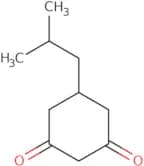
CAS:Please enquire for more information about 2-(((4-iodophenyl)amino)methylene)indane-1,3-dione including the price, delivery time and more detailed product information at the technical inquiry form on this pageFormula:C16H10INO2Purity:Min. 95%Color and Shape:PowderMolecular weight:375.16 g/mol5-Isobutylcyclohexane-1,3-dione
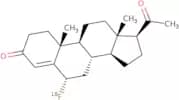
CAS:<p>Please enquire for more information about 5-Isobutylcyclohexane-1,3-dione including the price, delivery time and more detailed product information at the technical inquiry form on this page</p>Formula:C10H16O2Purity:Min. 95%Color and Shape:PowderMolecular weight:168.23 g/mol6-Fluoropregn-4-Ene-3,20-Dione
CAS:Controlled Product<p>6-Fluoropregn-4-Ene-3,20-Dione is a hydrocarbon that is used in the production of an oil solution for oral administration. This product is well tolerated and has been shown to have good activity against Leptosphaeria species, which are members of the class of microorganisms. 6-Fluoropregn-4-Ene-3,20-Dione may be used as diluent with other substances. It can also be used as a corynebacterium culture media or as a dehydrated culture medium for corynebacteria. 6FPD can also be used to make emulsions containing microorganisms such as Cylindrocarpon species and Hydrolysing strains. It can function as a peracid or alkylene acylate oxidising agent.</p>Formula:C21H29FO2Purity:Min. 95%Molecular weight:332.45 g/molEthyl tridecyl ketone
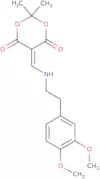
CAS:<p>Ethyl tridecyl ketone (ETK) is a fatty acid that is an oxidation product of the natural fatty acids found in plants. ETK has been shown to inhibit cell growth and physiological function, which may be due to its ability to react with plasma proteins, such as polysorbate. ETK is also an anti-inflammatory agent and has shown activity against infectious diseases. ETK inhibits the production of inflammatory cytokines by interfering with the synthesis of arachidonic acid, which is an important precursor for these molecules.</p>Formula:C16H32OPurity:Min. 95%Color and Shape:PowderMolecular weight:240.42 g/mol5-(((2-(3,4-dimethoxyphenyl)ethyl)amino)methylene)-2,2-dimethyl-1,3-dioxane-4,6-dione
CAS:Please enquire for more information about 5-(((2-(3,4-dimethoxyphenyl)ethyl)amino)methylene)-2,2-dimethyl-1,3-dioxane-4,6-dione including the price, delivery time and more detailed product information at the technical inquiry form on this pagePurity:Min. 95%2-Azabicyclo[2.2.1]hept-5-en-3-one
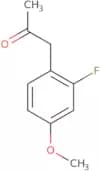
CAS:<p>2-Azabicyclo[2.2.1]hept-5-en-3-one is a carbocyclic nucleoside that is synthesized from cyclopentyl and organic solvent, imine, lactam, and fluorine. It has been shown to have potential as a prodrug for the treatment of cancer when it is converted to 2-azabicyclo[2.2.1]heptane by an enzyme called lactamase in the body. Molecular modeling studies show that this compound has a high level of fluidity and can be used in liquid chromatography methods. The enantiomer of this molecule has also been identified and is being studied as a possible drug candidate for the treatment of malaria.</p>Formula:C6H7NOPurity:Min. 95%Color and Shape:PowderMolecular weight:109.13 g/mol2-Fluoro-4-methoxyphenylacetone
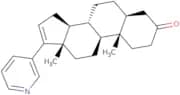
CAS:<p>2-Fluoro-4-methoxyphenylacetone is a high quality chemical that can be used as a reagent, complex compound, and useful intermediate. It is also a fine chemical and speciality chemical with CAS No. 16817-46-2. This product can be used as a reaction component for diverse synthetic reactions in research and development of various types of pharmaceuticals and fine chemicals. It is also versatile building block for the synthesis of valuable products.</p>Formula:C10H11FO2Purity:Min. 95%Molecular weight:182.19 g/mol(5α)-17-(3-Pyridinyl)androst-16-en-3-one
CAS:Controlled Product(5α)-17-(3-Pyridinyl)androst-16-en-3-one is a natural metabolite of testosterone that is produced in the liver. It has been identified as an impurity in API, which can be found in drugs used for the treatment of high blood pressure and prostate cancer. (5α)-17-(3-Pyridinyl)androst-16-en-3-one is not active as a drug itself, but it can be used as a standard to study the metabolism of testosterone and other steroids.Formula:C24H31NOPurity:Min. 98 Area-%Color and Shape:White PowderMolecular weight:349.51 g/mol5-Amino-1,3-dimethyl-1,3-dihydro-2H-benzimidazol-2-one dihydrochloride
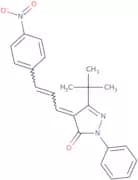
CAS:<p>5-Amino-1,3-dimethyl-1,3-dihydro-2H-benzimidazol-2-one dihydrochloride (5ADMB) is a high quality reagent that is used as a complex compound. It has been shown to be useful in the synthesis of various compounds and is a fine chemical that can be used as a building block. 5ADMB has also been shown to be an excellent scaffold for the synthesis of benzo[b]thiophenes. This compound is also useful as a research chemical or specialty chemical. 5ADMB can be used in organic syntheses as a versatile building block and it reacts with nucleophiles such as alcohols and amines to form substituted derivatives. It has an appearance of white solid powder and its CAS number is 1986846-08-5.</p>Formula:C9H11N3O·2HClPurity:Min. 95%Color and Shape:PowderMolecular weight:250.12 g/mol3-(tert-butyl)-4-(3-(4-nitrophenyl)prop-2-enylidene)-1-phenyl-2-pyrazolin-5-one
CAS:<p>Please enquire for more information about 3-(tert-butyl)-4-(3-(4-nitrophenyl)prop-2-enylidene)-1-phenyl-2-pyrazolin-5-one including the price, delivery time and more detailed product information at the technical inquiry form on this page</p>Purity:Min. 95%3,4-diaza-5-(tert-butyl)-2-hydroxy-3-((4-methylphenyl)sulfonyl)tricyclo[6.4.0.0<2,6>]dodeca-1(8),4,9,11-tetraen-7-one
CAS:<p>Please enquire for more information about 3,4-diaza-5-(tert-butyl)-2-hydroxy-3-((4-methylphenyl)sulfonyl)tricyclo[6.4.0.0<2,6>]dodeca-1(8),4,9,11-tetraen-7-one including the price, delivery time and more detailed product information at the technical inquiry form on this page</p>Purity:Min. 95%1,3-Indanedione
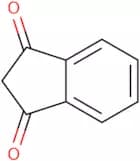
CAS:1,3-Indanedione is an organic compound that is a reactive fatty acid. It reacts with copper to form a complex. The reaction mechanism of 1,3-Indanedione with copper is not yet fully understood. 1,3-Indanedione has been shown to be effective against prostate cancer cells at an optimum concentration. This compound also has potential use in the treatment of other types of cancers and as a light emitting material in photonics applications.Formula:C9H6O2Purity:Min. 95%Color and Shape:Beige PowderMolecular weight:146.14 g/mol5-[3,4-(Methylenedioxy)phenyl]-cyclohexane-1,3-dione
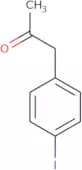
CAS:<p>5-[3,4-(Methylenedioxy)phenyl]-cyclohexane-1,3-dione is a versatile building block for the synthesis of complex compounds. It is a reagent that is used in the preparation of research chemicals and speciality chemicals. The compound has been shown to be useful as a building block or scaffold for various reactions. This chemical also has many useful applications, such as being an intermediate in the synthesis of pharmaceuticals and agrochemicals. 5-[3,4-(Methylenedioxy)phenyl]-cyclohexane-1,3-dione is available commercially with CAS No. 55579-76-5 and can be used in high quality experiments when it is required as a reaction component.</p>Formula:C13H12O4Purity:Min. 95%Molecular weight:232.23 g/mol(4-Iodophenyl)acetone
CAS:Controlled Product<p>4-Iodophenylacetone is a chemical compound that is used as a radioactive label in animal and human studies. 4-Iodophenylacetone has been shown to be taken up by the nervous system, specifically the brain, when injected into animals. This uptake is constant with time and dose, indicating that it may be used as a radiopharmaceutical for imaging of the brain. 4-Iodophenylacetone has also been shown to have characteristics similar to those of acetate extraction (i.e., lipid solubility) and can be used for the analysis of tissue samples in liquid chromatography. The use of 4-iodophenylacetone as a labeling agent may provide information about the uptake of this compound in humans and its effects on blood pressure.</p>Formula:C9H9IOPurity:Min. 95%Color and Shape:Clear LiquidMolecular weight:260.07 g/mol4-Phenyl-2-butanone
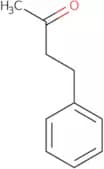
CAS:<p>4-Phenyl-2-butanone is an organic compound that is used as a solvent. It has been shown to be effective against a wide range of bacteria, including Gram positive and Gram negative bacteria. 4-Phenyl-2-butanone disrupts the cell membrane by binding to glycol ether, which is an important part of the lipid bilayer. It also inhibits the synthesis of two important molecules in bacterial cells, dinucleotide phosphate and phospholipids. This process leads to bacterial cell death. 4-Phenyl-2-butanone also has antimicrobial properties due to its ability to destroy water vapor and inhibit growth of microorganisms on skin.</p>Formula:C10H12OPurity:Min. 97.5 Area-%Color and Shape:Colorless Clear LiquidMolecular weight:148.2 g/mol3-(3-Fluorophenyl)-2-Methylquinazolin-4(3H)-One
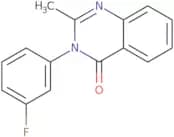
CAS:Controlled ProductQuinazolinones are a class of chemicals that inhibit the enzyme acetylcholinesterase. 3-Fluorophenyl-2-methylquinazolin-4(3H)-one (3FPMQ) is a connector molecule that has been shown to be an inhibitor of acetylcholinesterase, the enzyme responsible for the breakdown of the neurotransmitter acetylcholine. It is also an antenna molecule that can be used in ethyl esters and enzymatic assays. The high resistance of this molecule has been shown by chemical treatments and chemical analyses. Amplitudes generated by 3FPMQ have been shown to be effective at positioning it next to naphthalene, which is a ring structure with two c1-c6 alkoxy groups on either side. This molecule has also shown muscle relaxant properties.Formula:C15H11FN2OPurity:Min. 95%Molecular weight:254.26 g/mol3-(tert-butyl)indeno[3,2-c]isoxazol-4-one
CAS:<p>Please enquire for more information about 3-(tert-butyl)indeno[3,2-c]isoxazol-4-one including the price, delivery time and more detailed product information at the technical inquiry form on this page</p>Formula:C14H13NO2Purity:Min. 95%Color and Shape:PowderMolecular weight:227.26 g/mol5-((diphenylamino)methylene)-2,2-dimethyl-1,3-dioxane-4,6-dione
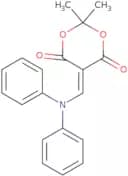
CAS:<p>Please enquire for more information about 5-((diphenylamino)methylene)-2,2-dimethyl-1,3-dioxane-4,6-dione including the price, delivery time and more detailed product information at the technical inquiry form on this page</p>Purity:Min. 95%2,4-Pentanedione
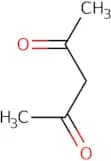
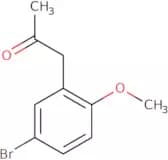
CAS:<p>2,4-Pentanedione is a fluorescence probe that can be used as an intramolecular hydrogen-sensitive reagent. It is also used to detect bowel disease and other diseases. 2,4-Pentanedione reacts with acetylacetone in the presence of methyl ethyl ketone to form a fluorescent compound. This reaction is shown in two steps: CH3COCOCH2CH3 + p-nitrophenyl phosphate → CH3COOCOCH2CH2 + p-nitrophenol 2,4-Pentanedione + CH3COOCOCH2CH2 → 2,4-pentanedione-1,5-dione + CO This compound is also used for wastewater treatment and as a ferroelectric material. X-ray diffraction data has been collected on this compound at different temperatures and in different solvents. Biological studies have been done on the effects of</p>Formula:C5H8O2Purity:Min. 95%Color and Shape:PowderMolecular weight:100.12 g/mol(5-Bromo-2-methoxyphenyl)acetone
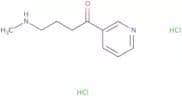
CAS:<p>5-Bromo-2-methoxyphenyl)acetone (BMPA) is a versatile building block used in the synthesis of complex compounds and speciality chemicals. BMPA has been shown to be a useful intermediate for the synthesis of pharmaceuticals, agrochemicals, perfumes, and other products. It is also used as a reagent for research purposes. The compound was first synthesized by the condensation of aniline with acetaldehyde in 1885 by two French chemists, but has since been prepared in various ways. CAS number: 205826-73-9</p>Formula:C10H11BrO2Purity:Min. 95%Molecular weight:243.1 g/mol4-(Methylamino)-1-(3-pyridyl)-1-butanone dihydrochloride
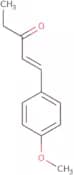
CAS:<p>4-(Methylamino)-1-(3-pyridyl)-1-butanone dihydrochloride (4-MBA) is a natural product that has been shown to have anti-cancer properties in vitro and in vivo. It inhibits the growth of cancer cells by inhibiting DNA synthesis and inducing apoptosis, as well as by inhibiting the production of certain proteins. 4-MBA has been shown to be effective against strains of Escherichia coli and Salmonella typhimurium. This compound is found in honeybush tea, Aspalathus linearis, and other plants, but is not present in humans or animals. 4-MBA has also been shown to inhibit nicotine metabolism in humans and rats.</p>Formula:C10H16Cl2N2OPurity:Min. 95%Color and Shape:SolidMolecular weight:251.15 g/molalpha-Methylanisalacetone
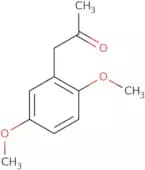
CAS:<p>Alpha-Methylanisalacetone is a chemical substance that is used as a reagent in the production of other chemicals. It is also an allergen and a sensitizer, which may cause health risks. Alpha-Methylanisalacetone can react with trifluoroacetic acid to form alpha-methylbenzeneacetic acid, which can be detected by an ionization detector. This reaction takes about 1 hour. The fluid extract from alpha-methylanisalacetone contains histidine, which reacts with the reagent 2,4-dinitrophenylhydrazine hydrochloride and produces dinitrophenylhydrazine. The analytical method for alpha-methylanisalacetone involves measuring the turbidity of the solution at 660 nm using a spectrophotometer.</p>Formula:C12H14O2Purity:Min. 95%Color and Shape:White PowderMolecular weight:190.24 g/mol(2,5-Dimethoxyphenyl)acetone
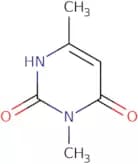
CAS:<p>2,5-Dimethoxyphenyl)acetone is an impure chemical compound that has been used in the synthesis of 4-methoxyamphetamine. 2,5-Dimethoxyphenyl)acetone is a colorless liquid with a sweet odor. It can be purified by passing through a column of activated charcoal and washing with water or alcohol. The purity can be determined by spectrometry or magnetic resonance spectroscopy. The compound's homologues are also available for purchase on our website.</p>Formula:C11H14O3Purity:Min. 95%Color and Shape:Clear LiquidMolecular weight:194.23 g/mol3,6-Dimethylpyrimidine-2,4(1H,3H)-dione
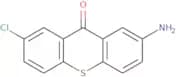
CAS:<p>3,6-Dimethylpyrimidine-2,4(1H,3H)-dione is a chemical compound that has been found to be active against influenza virus. It is an acidic compound that binds to positively charged amino acids on the viral envelope and inhibits viral fusion with host cells. The linker group in 3,6-dimethylpyrimidine-2,4(1H,3H)-dione is the same as that of dimethylsulfate, which is a chemical compound used for the synthesis of other compounds. X-ray diffraction data for this compound have been obtained at high resolution and show it to be a chloride salt. The chloride ion may be important in the antiviral activity of 3,6-dimethylpyrimidine-2,4(1H,3H)-dione because it can react with radicals formed during influenza replication. This compound also has antiradical activities against Coxsackievirus B3 (</p>Formula:C6H8N2O2Purity:Min. 95%Molecular weight:140.14 g/mol2-Amino-7-chloro-9H-thioxanthen-9-one
CAS:<p>Please enquire for more information about 2-Amino-7-chloro-9H-thioxanthen-9-one including the price, delivery time and more detailed product information at the technical inquiry form on this page</p>Formula:C13H8ClNOSPurity:Min. 95%Molecular weight:261.73 g/mol3-[(4-Chlorophenyl)amino]-5,5-dimethylcyclohex-2-en-1-one
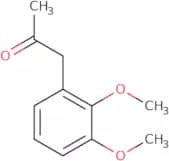
CAS:<p>The compound is a chiral molecule, meaning that it has two different structures. One side of the molecule is the mirror image of the other. The translation and conformation of this molecule are asymmetric because the carbon atoms in its chain are not lined up in a straight line. The hydrogen bonds that form between these chains are also asymmetric, as one side of the molecule has more than one hydrogen bond while the other side only has one hydrogen bond.</p>Formula:C14H16ClNOPurity:Min. 95%Molecular weight:249.74 g/mol(2,3-Dimethoxyphenyl)acetone
CAS:<p>2,3-Dimethoxyphenylacetone is a synthetic compound that has been used as a precursor to other compounds. The synthesis of 2,3-dimethoxyphenylacetone requires the reaction of lithium aluminum hydride with acrylonitrile and hydriodic acid. The molecule can be cyclized in two different ways to form either 2,3-dimethoxybenzaldehyde or 3-methoxybenzaldehyde. The structure of 2,3-dimethoxyphenylacetone is similar to that of hydrazoic acid which has been used as an intermediate in the synthesis of other compounds such as pyrazines.</p>Formula:C11H14O3Purity:Min. 95%Color and Shape:PowderMolecular weight:194.23 g/mol7-Fluoro-5-Phenyl-1,3-Dihydro-1,4-Benzodiazepin-2-One
CAS:Controlled Product<p>7-Fluoro-5-phenyl-1,3-dihydro-1,4-benzodiazepin-2-one is a potential drug candidate that has been found to have high affinity for the benzodiazepine receptor. It was synthesized by reacting 7-fluoro-5-(chloromethyl)benzo[b]thiophene with 2,5-dimethoxybenzaldehyde in the presence of sodium hydroxide and acetic acid. The compound was characterized using techniques such as nuclear magnetic resonance (NMR), mass spectrometry (MS) and infrared spectroscopy (IR). The affinity of 7FDBZ was measured at 4 nM. The parameters used for predicting binding affinity were hydrophobicity and hydrogen bond acceptor properties. A predictive model was generated based on these parameters that shows good agreement with experimental data. The probe is hydrophobic in nature and may bind to the receptor due to</p>Formula:C15H11FN2OPurity:Min. 95%Molecular weight:254.26 g/mol1-[4-(Benzyloxy)phenyl]-2-bromopropan-1-one
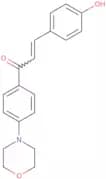
CAS:<p>1-[4-(Benzyloxy)phenyl]-2-bromopropan-1-one is an estrogenic compound. It is a reactive substance that can be synthesized by reductive amination of hydroxybenzaldehyde with benzyl bromide. 1-[4-(Benzyloxy)phenyl]-2-bromopropan-1-one has been shown to be metabolized in the liver by cytochrome P450 enzymes to form the corresponding alcohol and carboxylic acid. It binds to estrogen receptors, which may be due to its ability to bind to DNA. The binding of this substance to estrogen receptors may induce transcriptional activation and increase protein synthesis in cells.</p>Formula:C16H15O2BrPurity:Min. 95%Color and Shape:PowderMolecular weight:319.19 g/mol3-(4-Hydroxyphenyl)-1-(4-morpholin-4-ylphenyl)prop-2-en-1-one
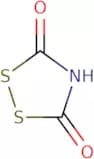
CAS:<p>Please enquire for more information about 3-(4-Hydroxyphenyl)-1-(4-morpholin-4-ylphenyl)prop-2-en-1-one including the price, delivery time and more detailed product information at the technical inquiry form on this page</p>Formula:C19H19NO3Purity:Min. 95%Color and Shape:PowderMolecular weight:309.36 g/mol1,2,4-Dithiazolidine-3,5-dione
CAS:<p>1,2,4-Dithiazolidine-3,5-dione is a disulfide bond compound that contains a nucleophilic cysteine residue. It is oxidized to the corresponding sulfoxide or sulfone by reaction with hydrochloric acid. 1,2,4-Dithiazolidine-3,5-dione has been shown to react with amines to form adducts. The nucleophilic attack of the sulfur atom on the carbonyl carbon generates an intermediate thioketal and leaves the original disulfide intact. The nucleophilic attack leads to a number of possible products including dithioesters and dithioimidates. Both these products are stable in water and can be used in organic synthesis reactions such as DNA duplex formation.</p>Formula:C2HNO2S2Purity:Min. 95%Color and Shape:PowderMolecular weight:135.16 g/mol(4-Acetamidophenyl)acetone
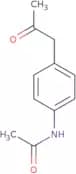
CAS:<p>(4-Acetamidophenyl)acetone is a chemical compound that belongs to the class of complex compounds. It is an intermediate in the synthesis of other chemicals and can be used as a building block for more complicated molecules. (4-Acetamidophenyl)acetone has been used as a reagent in organic synthesis, and it has shown high reactivity. This chemical is also used in research, such as the development of new pharmaceutical drugs, and it can be used to synthesize speciality chemicals. The versatility of this chemical makes it useful in many different reactions.</p>Formula:C11H13NO2Purity:Min. 95%Color and Shape:Brown Beige PowderMolecular weight:191.23 g/molNaloxone hydrochloride dihydrate
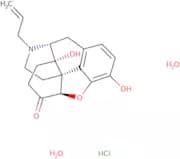
CAS:Controlled ProductNaloxone hydrochloride dihydrate is a drug that blocks the effects of opioids. It is administered by injection and has a short half-life. Naloxone hydrochloride dihydrate binds to opioid receptors in the central nervous system, which prevents binding by other opioids. This results in an increased metabolic rate, which can be used as a marker for effectiveness of treatment. Naloxone hydrochloride dihydrate has been shown to have an inhibitory effect on monoamine neurotransmitters, including dopamine, serotonin and norepinephrine. The use of this drug should be limited to outpatients because it produces less physical dependence than other opioids. Naloxone hydrochloride dihydrate can also be used as a sample preparation agent for urine samples or as an effective dose for pharmaceutical preparations.END>Formula:C19H26NO6ClPurity:98 To 100%Color and Shape:White Off-White PowderMolecular weight:399.87 g/mol3-(tert-butyl)-2-phenylindeno[3,2-c]pyrazol-4-one
CAS:<p>Please enquire for more information about 3-(tert-butyl)-2-phenylindeno[3,2-c]pyrazol-4-one including the price, delivery time and more detailed product information at the technical inquiry form on this page</p>Formula:C20H18N2OPurity:Min. 95%Color and Shape:PowderMolecular weight:302.37 g/mol3-(tert-butyl)-1-(4-nitrophenyl)indeno[2,3-d]pyrazol-4-one
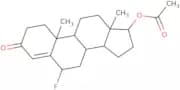
CAS:Please enquire for more information about 3-(tert-butyl)-1-(4-nitrophenyl)indeno[2,3-d]pyrazol-4-one including the price, delivery time and more detailed product information at the technical inquiry form on this pagePurity:Min. 95%17b-(Acetyloxy)-6a-Fluoroandrost-4-En-3-One
CAS:Controlled Product<p>17b-(Acetyloxy)-6a-Fluoroandrost-4-En-3-One is a synthetic polymer, with a tensile strength of up to 2.5 GPa and frictional coefficient on the order of 0.2. It has been shown that this material can be used for analytical purposes as it can be easily treated with hydrochloric acid and nitric acid, without affecting its performance. The fibre produced from this polymer also shows good mechanical properties, being able to withstand axial compression at a constant load of up to 1 MPa for more than 15 minutes.</p>Formula:C21H29FO3Purity:Min. 95%Molecular weight:348.45 g/mol8-Cyclohexadecen-1-one
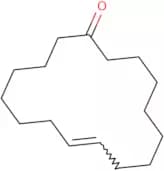
CAS:<p>8-Cyclohexadecen-1-one is a mixture of isomers consisting of cyclohexadecane-1,2-dione. This chemical has been shown to enhance the activity of wst-8 in reconstituted systems with dietary concentrations. 8-Cyclohexadecen-1-one is also found in fatty acid esters and unsaturated ketones and can be produced by metathesis reactions.</p>Formula:C16H28OPurity:Min. 95 Area-%Color and Shape:White PowderMolecular weight:236.39 g/molDibenzylideneacetone
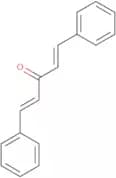
CAS:<p>Dibenzylideneacetone (DBA) is a pro-apoptotic protein that binds to DNA and targets the mitochondria. It has been shown to have potent antitumor activity, as well as other biological properties. DBA binds to the cytosolic calcium ion with a coordination geometry of square planar, which may be due to its similarity to sodium. This compound also interacts with leishmania parasites and mitochondrial membrane potential.</p>Formula:C17H14OPurity:Min. 95%Color and Shape:PowderMolecular weight:234.29 g/mol



![2-Azabicyclo[2.2.1]hept-5-en-3-one](/_next/image/?url=https%3A%2Fstatic.cymitquimica.com%2Fproducts%2F3D%2Fthumb-webp%2FFA10344.webp&w=3840&q=75)
![3,4-diaza-5-(tert-butyl)-2-hydroxy-3-((4-methylphenyl)sulfonyl)tricyclo[6.4.0.0<2,6>]dodeca-1(8),4…](/_next/image/?url=https%3A%2Fstatic.cymitquimica.com%2Fproducts%2F3D%2Fthumb-webp%2FFD169677.webp&w=3840&q=75)
![5-[3,4-(Methylenedioxy)phenyl]-cyclohexane-1,3-dione](/_next/image/?url=https%3A%2Fstatic.cymitquimica.com%2Fproducts%2F3D%2Fthumb-webp%2FFM66989.webp&w=3840&q=75)
![3-(tert-butyl)indeno[3,2-c]isoxazol-4-one](/_next/image/?url=https%3A%2Fstatic.cymitquimica.com%2Fproducts%2F3D%2Fthumb-webp%2FFB169751.webp&w=3840&q=75)
![3-[(4-Chlorophenyl)amino]-5,5-dimethylcyclohex-2-en-1-one](/_next/image/?url=https%3A%2Fstatic.cymitquimica.com%2Fproducts%2F3D%2Fthumb-webp%2FFC123031.webp&w=3840&q=75)

![1-[4-(Benzyloxy)phenyl]-2-bromopropan-1-one](/_next/image/?url=https%3A%2Fstatic.cymitquimica.com%2Fproducts%2F3D%2Fthumb-webp%2FFB15610.webp&w=3840&q=75)
![3-(tert-butyl)-2-phenylindeno[3,2-c]pyrazol-4-one](/_next/image/?url=https%3A%2Fstatic.cymitquimica.com%2Fproducts%2F3D%2Fthumb-webp%2FFB169663.webp&w=3840&q=75)
![3-(tert-butyl)-1-(4-nitrophenyl)indeno[2,3-d]pyrazol-4-one](/_next/image/?url=https%3A%2Fstatic.cymitquimica.com%2Fproducts%2F3D%2Fthumb-webp%2FFB169695.webp&w=3840&q=75)