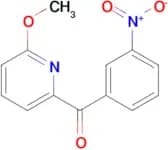
Ketones
Found 18873 products of "Ketones"
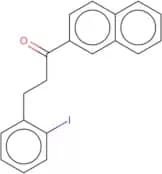
2-Naphthyl-3-(2-iodophenyl)propanone
CAS:2-Naphthyl-3-(2-iodophenyl)propanone (IPA) is a chemical intermediate that can be used in the synthesis of pharmaceuticals, agrochemicals, and other organic chemicals. IPA is soluble in common solvents such as water, ethanol, ether, and acetone. It is also stable to air and light. IPA has been shown to react with aniline under basic conditions to form 2-naphthylacetanilide. This reaction component can be used in the synthesis of complex compounds such as carboxylic acid derivatives and amides.Formula:C19H15IOPurity:Min. 95%Molecular weight:386.23 g/mol5-b-Cholestan-3-one
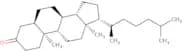
CAS:Controlled Product5-b-Cholestan-3-one is a sterol that belongs to the class of bile acids. It is present in human feces and can be isolated from wastewater treatment plants. 5-b-Cholestan-3-one has been found to inhibit the production of coprostanol, which is a fecal sample that contains cholesterol and fatty acids. This sterol also has an inhibitory effect on HIV infection, as it inhibits the binding of virus particles to CD4+ cells. 5-b-Cholestan-3-one also has antioxidant properties, which may be due to its ability to scavenge reactive oxygen species such as superoxide radicals or hydrogen peroxide. 5-b-Cholestan 3one is a neutral substance that does not react with other substances at room temperature.Formula:C27H46OPurity:Min. 95%Color and Shape:PowderMolecular weight:386.65 g/mol3-Ethyl-4-methyl-3-pyrrolin-2-one
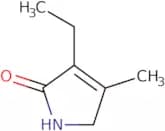
CAS:3-Ethyl-4-methyl-3-pyrrolin-2-one is a sulfonated dione that can be synthesized from chloroformates. The product yields are high and the compound is stable to heat, light, and hydrolysis. The compound crystallizes in a single pure form and does not contain any impurities. 3-Ethyl-4-methyl-3-pyrrolin-2-one has been used as a precursor for the synthesis of various other organic compounds. It can also be used to synthesize dimers with an aryl group at the end of the molecule.
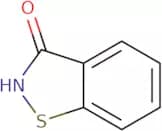
Formula:C7H11NOPurity:Min. 95%Color and Shape:PowderMolecular weight:125.17 g/mol1,2-Benzisothiazol-3(2H)-one
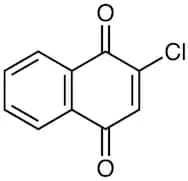
CAS:1,2-Benzisothiazol-3(2H)-one is used in personal care products and cosmetics. It acts as a disinfectant and can be used as a preservative.Formula:C7H5NOSPurity:Min. 95%Color and Shape:PowderMolecular weight:151.19 g/mol2-Chloro-1,4-naphthoquinone
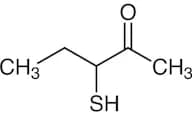
CAS:Formula:C10H5ClO2Purity:>98.0%(GC)Color and Shape:Light yellow to Yellow to Orange powder to crystalMolecular weight:192.603-Mercapto-2-pentanone
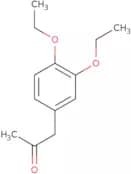
CAS:Formula:C5H10OSPurity:>97.0%(GC)(T)Color and Shape:Colorless to Almost colorless clear liquidMolecular weight:118.193,4-Diethoxyphenylacetone
CAS:3,4-Diethoxyphenylacetone is a chemical compound that is used as a building block for research and as an intermediate in the synthesis of other chemicals. This compound is also used as a reagent. 3,4-Diethoxyphenylacetone has CAS number 93635-48-4.Formula:C13H18O3Purity:Min. 95%Molecular weight:222.28 g/mol3-Cyanophenylacetone
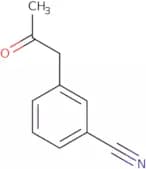
CAS:3-Cyanophenylacetone is a versatile building block and useful intermediate in the synthesis of various pharmaceuticals, agrochemicals, and other chemical products. It can be used as a reagent or speciality chemical. 3-Cyanophenylacetone is also a useful scaffold for the synthesis of complex compounds. This compound is listed on the Chemical Abstracts Service (CAS) registry with the number 73013-50-0.Formula:C10H9NOPurity:Min. 95%Molecular weight:159.18 g/mol2',5'-Dimethoxypropiophenone
CAS:Formula:C11H14O3Purity:>98.0%(GC)Color and Shape:Light orange to Yellow to Green clear liquidMolecular weight:194.233-(2-Chlorophenyl)-1-phenylpropene-1-one
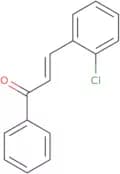
CAS:3-(2-Chlorophenyl)-1-phenylpropene-1-one is an amide that is synthesized by the acylation of 3-phenylpropene-1-one with 2,3,5,6-tetrafluorobenzoyl chloride in the presence of a base. The proton transport mechanism is initiated by the addition of a proton to the carbonyl group and then proceeds through an intermediate called a chalcone. This reaction can be accomplished using biomimetic methods or by using chalcones and halides as intermediates.Formula:C15H11ClOPurity:Min. 95%Molecular weight:242.7 g/mol1,5-Dihydro-4H-pyrrolo[3,2-d]pyrimidin-4-one
CAS:1,5-Dihydro-4H-pyrrolo[3,2-d]pyrimidin-4-one is a versatile building block that can be used in the synthesis of complex compounds and research chemicals. It is a very useful reagent that is widely used in pharmaceuticals and other chemical syntheses. The compound has been shown to be an effective scaffold for the synthesis of new drugs. 1,5-Dihydro-4H-pyrrolo[3,2-d]pyrimidin-4-one is a high quality, useful intermediate for the production of many different drugs.Formula:C6H5N3OPurity:Min. 95%Color and Shape:PowderMolecular weight:135.12 g/mol1,5-Bis(4-Methyl-naphthalene-1-yl)-pentane-1,5-dione
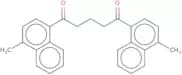
CAS:1,5-Bis(4-Methyl-naphthalene-1-yl)-pentane-1,5-dione is a high quality chemical that is used as an intermediate in the production of various complex compounds. It has been shown to be a useful scaffold for the synthesis of novel compounds with a variety of properties and uses. This compound can be used as a building block in reactions to produce speciality chemicals, research chemicals, and versatile building blocks. 1,5-Bis(4-Methyl-naphthalene-1-yl)-pentane-1,5-dione is also a reaction component that is used in the synthesis of various other compounds.Formula:C27H24O2Purity:Min. 95%Molecular weight:380.48 g/mol2-Amino-3-hydroxyanthraquinone
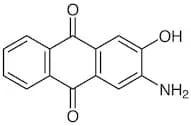
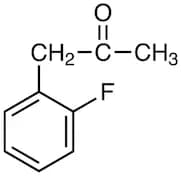
CAS:Formula:C14H9NO3Purity:>98.0%(T)Color and Shape:Orange to Amber to Dark red powder to crystalMolecular weight:239.232-Fluorophenylacetone
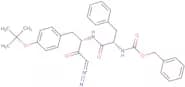
CAS:Formula:C9H9FOPurity:>97.0%(GC)Color and Shape:White to Yellow to Green clear liquidMolecular weight:152.17Z-Phe-Tyr(tBu)-diazomethylketone
CAS:Z-Phe-Tyr(tBu)-diazomethylketone is a compound that is used in the treatment of cancer and HIV. It was developed as an antiviral therapy for HIV, but it has been found to be ineffective against HIV. Z-Phe-Tyr(tBu)-diazomethylketone has been shown to produce attenuating effects on syncytial virus and may be a potential antiviral drug. This compound is not active against regulatory sequences or tissues, but it does inhibit endoproteolytic processing of n6-methyladenosine, which leads to modifications in rna binding.
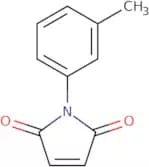
Formula:C31H34N4O5Purity:Min. 95%Color and Shape:Off-White PowderMolecular weight:542.63 g/mol1-(3-Methylphenyl)-1H-pyrrole-2,5-dione
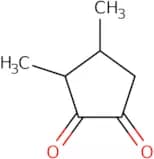
CAS:1-(3-Methylphenyl)-1H-pyrrole-2,5-dione is an anti-aging compound that has been shown to inhibit the replication of herpes viruses. It also inhibits corrosion, in particular by orthophosphoric acid. The monomer itself is useful as a viscosity agent and can be used in the synthesis of polymers such as dibutyl phthalate. 1-(3-Methylphenyl)-1H-pyrrole-2,5-dione has a high yield and can be used for analyzing magnesium oxide.Formula:C11H9NO2Purity:Min. 95%Color and Shape:White PowderMolecular weight:187.19 g/mol3,4-Dimethyl-1,2-cyclopentanedione
CAS:3,4-Dimethyl-1,2-cyclopentanedione is a hydroxypropyl cellulose that can be used as a sample preparation agent in the analysis of cyclic compounds. It is also used in the production of emulsions and as an additive to resins. 3,4-Dimethyl-1,2-cyclopentanedione has been postulated to be an intermediate in the synthesis of maltol from acetone and propylene glycol. The diols form a mixture of isomers. The mixture contains mainly 3,4-dimethyl-1,2-cyclohexanedione with minor amounts of 2,3-, 4-, and 5-,6-, 7-, 8-, 9-, 10-, 11-, 12-, 13-, 14-, 15-, 16-. 3,4-Dimethyl-1,2-cyclopentanedione has been detected as a component in tobacco smoke. This component has been monitored for its profile and levels by gasFormula:C7H10O2Purity:Min. 95%Color and Shape:Pale yellow to yellow solid.Molecular weight:126.15 g/mol2,3-Dichloro-5,8-dihydroxy-1,4-naphthalenedione
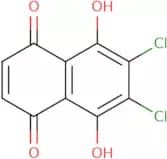
CAS:2,3-Dichloro-5,8-dihydroxy-1,4-naphthalenedione (DDD) is a chemical inhibitor of the proton response pathway. It is an analog of 2,3,7,8-tetrachlorodibenzo-p-dioxin (TCDD). DDD has been shown to enhance the induction of apoptosis in human macrophages and leishmania parasites. This agent also inhibits the growth of some tumor cell lines and enhances the cytotoxicity of other chemotherapeutic drugs. DDD has low bioavailability due to its high lipophilicity and rapid metabolism by esterases and glucuronidases.Formula:C10H4Cl2O4Purity:Min. 95%Color and Shape:Red PowderMolecular weight:259.04 g/mol(3-Bromo-4,5-dimethoxyphenyl)acetone
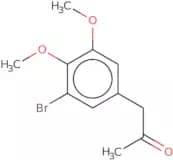
CAS:(3-Bromo-4,5-dimethoxyphenyl)acetone is a reagent that is used as an intermediate in the synthesis of a variety of compounds. It also has potential use as a building block for the synthesis of a wide range of complex compounds. (3-Bromo-4,5-dimethoxyphenyl)acetone can be used as a building block for chemical reactions and research chemicals. This compound has been shown to have versatile applications and is useful in the synthesis of fine chemicals, speciality chemicals, and research chemicals.Formula:C11H13BrO3Purity:Min. 95%Molecular weight:273.12 g/mol3-Ethoxy-4-hydroxyphenylacetone
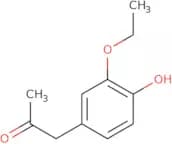
CAS:3-Ethoxy-4-hydroxyphenylacetone is a fine chemical that can be used as a versatile building block and useful intermediate. It has a CAS number of 88659-82-9. 3-Ethoxy-4-hydroxyphenylacetone is a complex compound with many uses, such as research chemicals, reaction component, or speciality chemical. It is water soluble and has been shown to be non toxic. The purity of the product is high quality.
Formula:C11H14O3Purity:Min. 95%Molecular weight:194.23 g/mol2-Undecanone
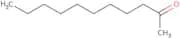
CAS:2-Undecanone is a fatty acid that has been isolated from the leaves of Melaleuca alternifolia. It has been shown to have anti-inflammatory and antifungal properties and can inhibit the production of cytokines, such as tumor necrosis factor (TNF) and interleukin (IL)-1β. 2-Undecanone also inhibits the Toll-like receptor 4 signaling pathway. This compound is an effective inhibitor of fungal growth in vitro, with activity against Candida albicans, Saccharomyces cerevisiae, Cryptococcus neoformans, Aspergillus niger, Penicillium chrysogenum, and other fungi. The analytical method for 2-undecanone includes gas chromatography/mass spectrometry using a capillary column and electron impact ionization with chemical ionization at 70 eV.Formula:C11H22OPurity:Min. 95%Molecular weight:170.29 g/mol1-(4-Bromophenyl)propan-1-one
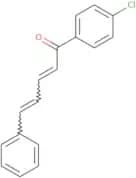
CAS:1-(4-Bromophenyl)propan-1-one is a sulfonation product of propiophenone. It has been found to have anticancer activity in cervical cancer, and is currently being studied as a potential treatment for cancer. 1-(4-Bromophenyl)propan-1-one can be synthesized by treating propiophenone with hydrochloric acid and sodium hydroxide solution. It can also be synthesized using polyvinyl chloride as the starting material. 1-(4-Bromophenyl)propan-1-one can be isolated from the reaction mixture by adding hydrochloric acid to the reaction mixture, forming a salt that precipitates from solution. This salt is then dissolved in water and neutralized with an alkali such as sodium hydroxide or potassium carbonate, yielding 1-(4-bromophenyl)propan-1-one hydrochloride.Formula:C9H9OBrPurity:Min. 95%Color and Shape:White PowderMolecular weight:213.07 g/mol(2E,4E)-1-(4-Chlorophenyl)-5-phenylpenta-2,4-dien-1-one
CAS:2,4-Dien-1-one is a cyclic dienone that is used in the preparation of various pharmaceutical drugs. It has been reported to be an excellent building block for the synthesis of complex compounds. This compound has shown antimicrobial activity against methicillin resistant Staphylococcus aureus (MRSA) and Mycobacterium tuberculosis. 2,4-Dien-1-one is a versatile intermediate that can be used as a speciality chemical or research chemicals. It is also a useful scaffold for the synthesis of various pharmaceutical drugs and can be used as a reaction component for various reactions.Formula:C17H13ClOPurity:Min. 95%Color and Shape:PowderMolecular weight:268.74 g/mol(4-Hydroxyphenyl)acetone
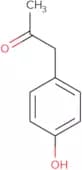
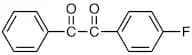
CAS:4-Hydroxyphenylacetone is a reactive chemical that is used in the biosynthesis of melanin. It is also found in plant tissue and can be metabolized by acidolysis or tissue culture. 4-Hydroxyphenylacetone has been shown to inhibit tyrosinase, an enzyme involved in the production of melanin, which may be therapeutically beneficial for treating skin diseases such as acne. 4-Hydroxyphenylacetone inhibits the growth of bacteria by binding to their cell membranes and causing lysis. This chemical has also been shown to have antimicrobial properties against some strains of Escherichia coli, Staphylococcus aureus, Pseudomonas aeruginosa, and Candida albicans. 4-Hydroxyphenylacetone has been shown to cause psychosis in infants who were exposed through breast milk.Formula:C9H10O2Purity:Min. 95%Color and Shape:Clear LiquidMolecular weight:150.17 g/mol4-Fluorobenzil
CAS:Formula:C14H9FO2Purity:>98.0%(GC)Color and Shape:Light yellow to Brown powder to crystalMolecular weight:228.225-Ethoxy-2(5H)-furanone
CAS:5-Ethoxy-2(5H)-furanone is an oxidation product of 5-ethoxy-2(5H)-furanone. It has an isomeric, stereospecific, regiospecifically, and a tautomeric relationship with furfural. 5-Ethoxy-2(5H)-furanone can be produced by the oxidation of furfural with boron trifluoride etherate in the presence of iodosobenzene. The reaction mechanism involves the addition of hydrogen peroxide to the boron trifluoride etherate to form hydroperoxydiborane. This compound then reacts with iodosobenzene to produce 5-ethoxy-2(5H)-furanone and 2,5-dihydroxybenzaldehyde. The reaction produces a mixture of diastereomers that contain different numbers of carbon atoms due to the regiospecific
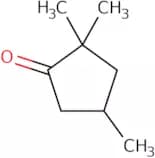
Formula:C6H8O3Purity:Min. 95%Color and Shape:PowderMolecular weight:128.13 g/mol2,2,4-Trimethylcyclopentanone
CAS:2,2,4-Trimethylcyclopentanone is a cyclic ketone with the molecular formula CH(CH)3CO. It has a tautomeric equilibrium with 2,2-dimethylcyclohexanone. The compound is prepared by the addition of acetyl chloride to an aldehyde in the presence of base. The compound exhibits UV absorption at 270 nm and an uv spectrum indicative of a cyclic ketone. The compound can be synthesized from 2-methylcyclohexanol and formaldehyde in the presence of potassium hydroxide or sodium hydroxide. 2,2,4-Trimethylcyclopentanone has been used as a synthetic intermediate for other cyclic ketones as well as for pharmaceuticals, flavoring agents, and fragrances.
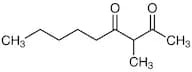
Formula:C8H14OPurity:Min. 95%Color and Shape:Colorless Clear LiquidMolecular weight:126.2 g/mol3-Methylnonane-2,4-dione
CAS:Formula:C10H18O2Purity:>97.0%(GC)Color and Shape:Colorless to Yellow to Green clear liquidMolecular weight:170.253,4'-Dichloropropiophenone
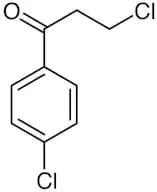
CAS:Formula:C9H8Cl2OPurity:>98.0%(GC)(T)Color and Shape:White to Yellow to Orange powder to crystalMolecular weight:203.065alpha-Pregnane-3,20-dione
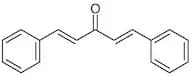
CAS:Controlled Product5alpha-Pregnane-3,20-dione is a naturally occurring sex steroid hormone. It is produced by the ovaries and testes in humans and other mammals, as well as by the adrenal glands in small amounts. 5alpha-Pregnane-3,20-dione has been shown to inhibit the enzyme activity of hepatic microsomes that are responsible for the conversion of progesterone to 17beta-hydroxyprogesterone (17betaOHP). This inhibition is due to its ability to bind to glucocorticoid receptors. 5alpha-Pregnane-3,20-dione also inhibits fatty acid synthesis in liver cells. The drug's antiproliferative effects on ovarian cells are mediated through a number of mechanisms including transcriptional repression of progesterone receptors and estradiol benzoate binding sites on DNA. 5alpha-Pregnane-3,20-dione has been shown to have an optimalFormula:C21H32O2Purity:Min. 95%Color and Shape:PowderMolecular weight:316.48 g/moltrans,trans-1,5-Diphenyl-1,4-pentadien-3-one
CAS:Formula:C17H14OPurity:>99.0%(GC)Color and Shape:Light yellow to Yellow to Green powder to crystalMolecular weight:234.303-Fluoro-2-methylphenylacetone
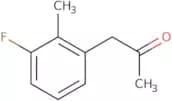
CAS:3-Fluoro-2-methylphenylacetone is a reaction component and reagent that is useful in the synthesis of complex compounds. 3-Fluoro-2-methylphenylacetone, also known as 2-fluoromethylbenzaldehyde, is a versatile building block that can be used to synthesize a wide variety of chemical compounds. It has been shown to be an excellent intermediate and building block for the synthesis of pharmaceuticals, pesticides, agrochemicals, specialty chemicals, and other organic compounds. 3-Fluoro-2-methylphenylacetone is a fine chemical that has CAS No. 1017060-34-2.
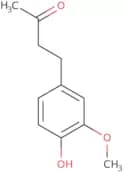
Formula:C10H11FOPurity:Min. 95%Molecular weight:166.19 g/molVanillylacetone
CAS:Vanillylacetone is a natural compound that belongs to the group of phenolic compounds. It is an inhibitor of the enzyme cyclase, which is involved in the biosynthesis of fatty acids and sterols. Vanillylacetone has been shown to have anti-tumor effects in mice with induced tumors. It also inhibits the growth of bacteria, fungi, and protozoa by inhibiting DNA synthesis. Vanillylacetone has been shown to inhibit nuclear DNA replication and toll-like receptor signaling pathways.
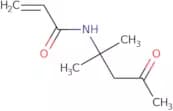
Formula:C11H14O3Purity:Min. 95%Color and Shape:White To Yellow SolidMolecular weight:194.23 g/molDiacetone acrylamide
CAS:Diacetone acrylamide is a chemical compound that has the molecular formula C3H6O2N2. It is a colorless liquid with a low boiling point and an unpleasant odor. Diacetone acrylamide has been used as an intermediate in the production of polyvinyl acetate. It can also be used as an additive to rubber, plastics, and other materials. The thermal expansion coefficient of diacetone acrylamide is similar to that of polyvinyl chloride and polystyrene, making it a useful material for constructing models of those substances.Formula:C9H15NO2Purity:Min. 98%Color and Shape:PowderMolecular weight:169.22 g/molIprodione
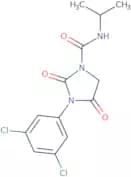
CAS:Iprodione is an ester hydrochloride that belongs to the class of fungicides. It has been shown to have high resistance and is used in vitro assays to detect mutants with a high degree of resistance. Iprodione inhibits the growth of wild-type strains, but not resistant mutants, by inhibiting protein synthesis at the ribosome level, blocking the polymerase chain reaction and DNA replication. This prevents transcription and replication of genetic material. Iprodione also inhibits nitrite ion production in wild-type strains and has genotoxic effects on cultured human cells. The drug is metabolized through a number of metabolic transformations, including hydrolysis by esterases or glucuronidases, oxidation by cytochrome P450 enzymes, reduction by glutathione reductase, or conjugation with glucuronic acid.
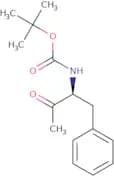
Formula:C13H13Cl2N3O3Purity:Min. 95%Color and Shape:PowderMolecular weight:330.17 g/molBoc-(3S)-3-amino-4-phenyl-2-butanone
CAS:Boc-(3S)-3-amino-4-phenyl-2-butanone is a chemical intermediate that is useful as a building block in organic synthesis. It has been used as a reaction component, reagent and high quality research chemical. Boc-(3S)-3-amino-4-phenyl-2-butanone is also a versatile building block and useful intermediate for the preparation of complex compounds. This chemical has shown to have speciality applications in fine chemicals such as pharmaceuticals and agrochemicals.
Formula:C15H21NO3Purity:Min. 95%Color and Shape:White to off-white solid.Molecular weight:263.33 g/mol4-Methoxy-2-methylphenylacetone
CAS:4-Methoxy-2-methylphenylacetone (4MMPA) is a reagent that is used as an intermediate for the synthesis of high quality fine chemicals. It is also a useful scaffold and building block in organic synthesis. 4MMPA is a versatile building block, which can be used in the synthesis of speciality chemicals, research chemicals, and reaction components. 4MMPA has CAS number 16882-24-9.Formula:C11H14O2Purity:Min. 95%Molecular weight:178.23 g/mol3-Formylphenylacetone
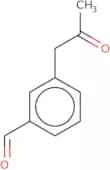
CAS:3-Formylphenylacetone or 3-FPAA is an organic compound with the chemical formula C9H8O2. It reacts to form a variety of other useful compounds, such as 2-benzoxazolinone and benzofuran, two important building blocks in the pharmaceutical industry. 3-FPAA is a versatile building block that can be used for various applications in synthesis. In addition, it is also a fine chemical that can be used for research purposes.Formula:C10H10O2Purity:Min. 95%Molecular weight:162.19 g/mol5-Fluoro-3-hydrazonoindolin-2-one
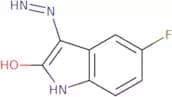
CAS:5-Fluoro-3-hydrazonoindolin-2-one is an organic compound that can be synthesized using ethyl acetate as a solvent and formylation with malate. This process is scalable and offers high yields. The reaction time for this synthesis is relatively short, making it ideal for industrialization. 5-Fluoro-3-hydrazonoindolin-2-one can also be used to synthesize sunitinib, which is an experimental drug used to treat cancer. Sunitinib has been shown to inhibit the growth of cancer cells by interfering with the activity of proteins involved in cell proliferation, cell cycle progression, and cellular differentiation.Formula:C8H6FN3OPurity:Min. 95%Color and Shape:SolidMolecular weight:179.15 g/mol2-Indanone
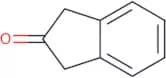
CAS:2-Indanone is a molecule with the chemical formula C6H2O. It belongs to the class of methyl ketones and has the chemical structure as shown on the right. 2-Indanone can be synthesized by coupling a sodium carbonate and an analog of curcumin. A covid-19 pandemic amination reaction is used to produce this compound. The synthesis starts with a zirconium dichloride and triethyl orthoformate, which are then oxidized to form naphthalene and carbonyl group, respectively. The enolate group is then formed by adding an alkoxide ion or base to the ketone.Formula:C9H8OPurity:Min. 95%Color and Shape:PowderMolecular weight:132.16 g/mol1'H-Spiro[cyclopentane-1,2'-quinazolin]-4'(3'H)-one
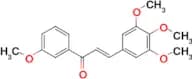
CAS:1'H-Spiro[cyclopentane-1,2'-quinazolin]-4'(3'H)-one is a pyrimidine with two conformations. The first conformation is a chair, which has an axial bond and four equatorial bonds. The second conformation is a boat, which has two axial bonds and three equatorial bonds. This molecule can form hydrogen bonds with other molecules in the same class. The systematic name of this molecule is (1-methyl-2-(2-(pyridin-2-yl)ethyl)-1H-benzimidazol-5-yl)methanol and it has six membered ring and five membered ring.Formula:C12H14N2OPurity:Min. 95%Color and Shape:PowderMolecular weight:202.25 g/mol(2E)-1-(3-methoxyphenyl)-3-(3,4,5-trimethoxyphenyl)prop-2-en-1-one
CAS:Formula:C19H20O5Purity:95.0%Molecular weight:328.3641-(4-Bromo-2-fluorophenyl)-2-methylpropan-1-one
CAS:Formula:C10H10BrFOPurity:95%Molecular weight:245.091tert-butyl 4-[3-(4-bromophenyl)-1-hydroxy-3-oxoprop-1-en-1-yl]piperidine-1-carboxylate
CAS:Purity:97%Molecular weight:410.30801391-[7-(HEPTYLOXY)-3,4-DIHYDRO-4,4-DIMETHYL-2H-1-BENZOTHIOPYRAN-6-YL]-ETHANONE
CAS:Formula:C20H30O2SPurity:95.0%Molecular weight:334.523′-Fluoro-5′-(trifluoromethyl)propiophenone
CAS:Formula:C10H8F4OPurity:97.0%Color and Shape:LiquidMolecular weight:220.167



![1,5-Dihydro-4H-pyrrolo[3,2-d]pyrimidin-4-one](/_next/image/?url=https%3A%2Fstatic.cymitquimica.com%2Fproducts%2F3D%2Fthumb-webp%2FFD153605.webp&w=3840&q=75)




![1'H-Spiro[cyclopentane-1,2'-quinazolin]-4'(3'H)-one](/_next/image/?url=https%3A%2Fstatic.cymitquimica.com%2Fproducts%2F3D%2Fthumb-webp%2FFS125569.webp&w=3840&q=75)


![tert-butyl 4-[3-(4-bromophenyl)-1-hydroxy-3-oxoprop-1-en-1-yl]piperidine-1-carboxylate](/_next/image/?url=https%3A%2Fstatic.cymitquimica.com%2Fproducts%2F10%2Fthumb-webp%2FF614592.webp&w=3840&q=75)
![1-[7-(HEPTYLOXY)-3,4-DIHYDRO-4,4-DIMETHYL-2H-1-BENZOTHIOPYRAN-6-YL]-ETHANONE](/_next/image/?url=https%3A%2Fstatic.cymitquimica.com%2Fproducts%2F10%2Fthumb-webp%2FF534926.webp&w=3840&q=75)