Amides
Found 16487 products of "Amides"
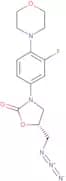
Deacetamide linezolid azide
CAS:Deacetamide linezolid azide is a molecule that binds to the regulatory domain of TNF-α, inhibiting its activation. This drug has been shown to have anticancer activity against cells that produce TNF-α. Deacetamide linezolid azide has been shown to be effective in the treatment of pancreatitis and neurodegenerative diseases such as Parkinson's disease, Alzheimer's disease, and Huntington's disease. Deacetamide linezolid azide is also used in the diagnosis of cancer by identifying the presence of tumour necrosis factor-α (TNF-α) induced hallmarks in cancer cells.
Formula:C14H16FN5O3Purity:Min. 95%Color and Shape:PowderMolecular weight:321.31 g/molRef: 3D-FD20813
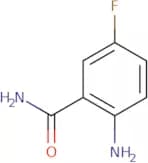
Discontinued product2-Amino-5-fluorobenzamide
CAS:2-Amino-5-fluorobenzamide (2AFB) is a compound that has been shown to have neurotoxic properties. 2AFB is a ring-opening agent, which means it can open the six-membered ring of aromatic compounds such as benzene or pyridine. 2AFB also has affinity for metal ions and therefore can be used in magnetic separations. The reaction system of 2AFB includes an enzyme, pentylenetetrazole (PTZ), that catalyzes the reaction between 2AFB and its substrate, 4-nitrophenol (4NP). This reaction produces free radicals that react with oxygen to produce peroxides. These peroxides are then detected by a chemiluminescence assay. In this way, the amount of 2AFB and 4NP can be measured quantitatively.
2AFB also has antioxidant properties, which may be due to its ability to scavenge free radicals fromFormula:C7H7FN2OPurity:Min. 95%Color and Shape:PowderMolecular weight:154.14 g/molRef: 3D-FA70235
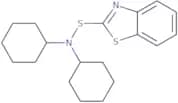
Discontinued productN,N-Dicyclohexyl-2-benzothiazolsulfene amide
CAS:2-Benzothiazolylsulfenamide is a heterocyclic amine that is used as a chemical intermediate. It reacts with hydrochloric acid to produce the corresponding dicyclohexyl amide, which then reacts with ammonia in the presence of an organic base to produce N,N-dicyclohexyl-2-benzothiazolsulfene amide. This reaction mechanism can be summarized as follows:Formula:C19H26N2S2Purity:Min. 95%Color and Shape:PowderMolecular weight:346.56 g/molRef: 3D-FD44040
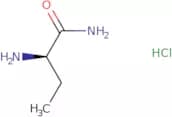
Discontinued product(R)-2-Aminobutanamide hydrochloride
CAS:(R)-2-Aminobutanamide hydrochloride is a compound that contains chloride gas. This compound is an alkylating agent, which means it can form new carbon-nitrogen bonds by adding to the electrophilic center of a molecule. This process is used industrially to produce butyronitrile, which is a precursor for nylon and other plastics. The introduction of (R)-2-aminobutanamide hydrochloride into industrial processes has decreased the use of l-tartaric acid, diluent, and hydrogen chloride. The impurities in this compound are typically quantified using gas chromatography with flame ionization detection.
(R)-2-Aminobutanamide hydrochloride is an acidic compound that dissociates in water to release hydrogen chloride. It has two chiral forms:
The enantiomers have different chemical properties due to their different configurations around the central carbon atom. In the case of (Formula:C4H10N2O·HClPurity:Min. 95%Color and Shape:White PowderMolecular weight:138.6 g/molRef: 3D-FA61376
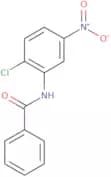
Discontinued productN-(2-Chloro-5-Nitrophenyl)Benzamide
CAS:Please enquire for more information about N-(2-Chloro-5-Nitrophenyl)Benzamide including the price, delivery time and more detailed product information at the technical inquiry form on this page
Formula:C13H9ClN2O3Purity:Min. 95%Color and Shape:PowderMolecular weight:276.67 g/molRef: 10-F987928
Discontinued product4-[(1E)-3,3-dimethyltriaz-1-en-1-yl]-1H-imidazole-5-carboxamide
CAS:Purity:98%Color and Shape:SolidMolecular weight:182.1869965Ref: 10-F801113
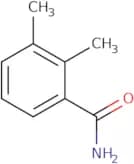
Discontinued product2,3-Dimethylbenzamide
CAS:2,3-Dimethylbenzamide is a polypropylene resin that is used as an antioxidant. It has been shown to have a good antioxidant effect on aluminum and polyamide, which are important for the production of plastics. The resin also resists oxidation by glycerol, borate, and epoxy. In addition, 2,3-dimethylbenzamide has a good antioxidant effect on polyurethane resins that are used in the production of tires and other rubber products.
Formula:C9H11NOPurity:Min. 95%Color and Shape:PowderMolecular weight:149.19 g/molRef: 3D-FD160849
Discontinued product2-chloro-N-(4-(trifluoromethylthio)phenyl)ethanamide
CAS:Please enquire for more information about 2-chloro-N-(4-(trifluoromethylthio)phenyl)ethanamide including the price, delivery time and more detailed product information at the technical inquiry form on this pageFormula:C9H7ClF3NOSPurity:Min. 95%Color and Shape:PowderMolecular weight:269.67 g/molRef: 3D-FC169732
Discontinued productN-(2,5-Difluorophenyl)-2-chloropropanamide
CAS:Please enquire for more information about N-(2,5-Difluorophenyl)-2-chloropropanamide including the price, delivery time and more detailed product information at the technical inquiry form on this pagePurity:Min. 95%Ref: 3D-FD169940
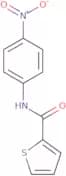
Discontinued productN-(4-Nitrophenyl)-2-thienylformamide
CAS:Please enquire for more information about N-(4-Nitrophenyl)-2-thienylformamide including the price, delivery time and more detailed product information at the technical inquiry form on this page
Formula:C11H8N2O3SPurity:Min. 95%Color and Shape:PowderMolecular weight:248.26 g/molRef: 3D-FN169074
Discontinued product2-Chloro-N-[2-(trifluoromethyl)phenyl]propanamide
CAS:Please enquire for more information about 2-Chloro-N-[2-(trifluoromethyl)phenyl]propanamide including the price, delivery time and more detailed product information at the technical inquiry form on this pageFormula:C10H9ClF3NOPurity:Min. 95%Molecular weight:251.63 g/molRef: 3D-FC127364
Discontinued product2-chloro-n-[3-(trifluoromethyl)phenyl]acetamide
CAS:Please enquire for more information about 2-chloro-n-[3-(trifluoromethyl)phenyl]acetamide including the price, delivery time and more detailed product information at the technical inquiry form on this page
Formula:C9H7ClF3NOPurity:Min. 95%Molecular weight:237.61 g/molRef: 3D-FC59251
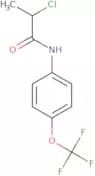
Discontinued product2-chloro-N-(4-(trifluoromethoxy)phenyl)propanamide
CAS:Please enquire for more information about 2-chloro-N-(4-(trifluoromethoxy)phenyl)propanamide including the price, delivery time and more detailed product information at the technical inquiry form on this page
Purity:Min. 95%Ref: 3D-FC169134
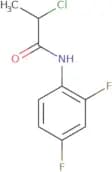
Discontinued productN-(2,4-Difluorophenyl)-2-chloropropanamide
CAS:Please enquire for more information about N-(2,4-Difluorophenyl)-2-chloropropanamide including the price, delivery time and more detailed product information at the technical inquiry form on this pagePurity:Min. 95%Ref: 3D-FD169151
Discontinued product2,5-Dichlorobenzenesulphonylacetamide oxime
Please enquire for more information about 2,5-Dichlorobenzenesulphonylacetamide oxime including the price, delivery time and more detailed product information at the technical inquiry form on this page
Purity:Min. 95%Ref: 3D-FD169401
Discontinued product2-(4,6-dimethylpyrimidin-2-ylthio)-N-(4-iodophenyl)acetamide
CAS:Please enquire for more information about 2-(4,6-dimethylpyrimidin-2-ylthio)-N-(4-iodophenyl)acetamide including the price, delivery time and more detailed product information at the technical inquiry form on this page
Purity:Min. 95%Ref: 3D-FD170036
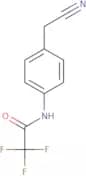
Discontinued productN-(4-(nitrilomethyl)phenyl)-2,2,2-trifluoroethanamide
CAS:Please enquire for more information about N-(4-(nitrilomethyl)phenyl)-2,2,2-trifluoroethanamide including the price, delivery time and more detailed product information at the technical inquiry form on this page
Formula:C10H7F3N2OPurity:Min. 95%Color and Shape:PowderMolecular weight:228.17 g/molRef: 3D-FN169117
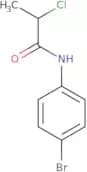
Discontinued productN-(4-Bromophenyl)-2-chloropropanamide
CAS:Please enquire for more information about N-(4-Bromophenyl)-2-chloropropanamide including the price, delivery time and more detailed product information at the technical inquiry form on this page
Formula:C9H9BrClNOPurity:Min. 95%Color and Shape:PowderMolecular weight:262.53 g/molRef: 3D-FB113989
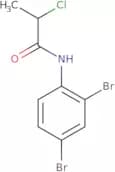
Discontinued productN-(2,4-Dibromophenyl)-2-chloropropanamide
CAS:Please enquire for more information about N-(2,4-Dibromophenyl)-2-chloropropanamide including the price, delivery time and more detailed product information at the technical inquiry form on this page
Purity:Min. 95%Ref: 3D-FD169162
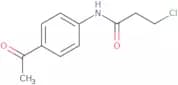
Discontinued productN-(4-Acetylphenyl)-3-chloropropanamide
CAS:Please enquire for more information about N-(4-Acetylphenyl)-3-chloropropanamide including the price, delivery time and more detailed product information at the technical inquiry form on this page
Formula:C11H12ClNO2Purity:Min. 95%Molecular weight:225.67 g/molRef: 3D-FA125325
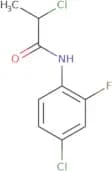
Discontinued productN-(4-Chloro-2-fluorophenyl)-2-chloropropanamide
CAS:Please enquire for more information about N-(4-Chloro-2-fluorophenyl)-2-chloropropanamide including the price, delivery time and more detailed product information at the technical inquiry form on this page
Purity:Min. 95%Ref: 3D-FC169939
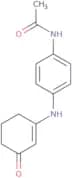
Discontinued productN-(4-((3-Oxocyclohex-1-enyl)amino)phenyl)ethanamide
CAS:Please enquire for more information about N-(4-((3-Oxocyclohex-1-enyl)amino)phenyl)ethanamide including the price, delivery time and more detailed product information at the technical inquiry form on this pageFormula:C14H16N2O2Purity:Min. 95%Color and Shape:PowderMolecular weight:244.29 g/molRef: 3D-FO168964
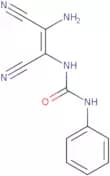
Discontinued productN-(2-Amino-1,2-dinitrilovinyl)(phenylamino)formamide
CAS:Please enquire for more information about N-(2-Amino-1,2-dinitrilovinyl)(phenylamino)formamide including the price, delivery time and more detailed product information at the technical inquiry form on this pageFormula:C11H9N5OPurity:Min. 95%Color and Shape:PowderMolecular weight:227.22 g/molRef: 3D-FA169541
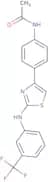
Discontinued productN-(4-(4-((3-(Trifluoromethyl)phenyl)amino)-3,5-thiazolyl)phenyl)ethanamide
CAS:Please enquire for more information about N-(4-(4-((3-(Trifluoromethyl)phenyl)amino)-3,5-thiazolyl)phenyl)ethanamide including the price, delivery time and more detailed product information at the technical inquiry form on this pageFormula:C18H14F3N3OSPurity:Min. 95%Color and Shape:PowderMolecular weight:377.38 g/molRef: 3D-FT169693
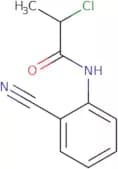
Discontinued productN-(2-Cyanophenyl)-2-chloropropanamide
CAS:Please enquire for more information about N-(2-Cyanophenyl)-2-chloropropanamide including the price, delivery time and more detailed product information at the technical inquiry form on this page
Purity:Min. 95%Ref: 3D-FC169928
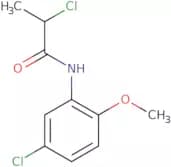
Discontinued product2-Chloro-N-(5-chloro-2-methoxyphenyl)propanamide
CAS:Please enquire for more information about 2-Chloro-N-(5-chloro-2-methoxyphenyl)propanamide including the price, delivery time and more detailed product information at the technical inquiry form on this pageFormula:C10H11Cl2NO2Purity:Min. 95%Molecular weight:248.11 g/molRef: 3D-FC114021
Discontinued product(3-Aminophenyl)-N-benzo[3,4-d]1,3-dioxolan-5-ylformamide
CAS:Please enquire for more information about (3-Aminophenyl)-N-benzo[3,4-d]1,3-dioxolan-5-ylformamide including the price, delivery time and more detailed product information at the technical inquiry form on this pagePurity:Min. 95%Ref: 3D-FA169410
Discontinued productN-(4-Hydroxyphenyl)-2-chloropropanamide
Please enquire for more information about N-(4-Hydroxyphenyl)-2-chloropropanamide including the price, delivery time and more detailed product information at the technical inquiry form on this page
Purity:Min. 95%Ref: 3D-FH169975
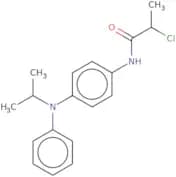
Discontinued product2-Chloro-N-(4-((isopropyl)phenylamino)phenyl)propanamide
Please enquire for more information about 2-Chloro-N-(4-((isopropyl)phenylamino)phenyl)propanamide including the price, delivery time and more detailed product information at the technical inquiry form on this page
Purity:Min. 95%Ref: 3D-FC169929
Discontinued productN-(3,5-bis(trifluoromethyl)phenyl)-2-pyrimidin-2-ylthioethanamide
CAS:Please enquire for more information about N-(3,5-bis(trifluoromethyl)phenyl)-2-pyrimidin-2-ylthioethanamide including the price, delivery time and more detailed product information at the technical inquiry form on this pagePurity:Min. 95%Ref: 3D-FB170018
Discontinued productN-(3,4-Difluorophenyl)-2-chloropropanamide
CAS:Please enquire for more information about N-(3,4-Difluorophenyl)-2-chloropropanamide including the price, delivery time and more detailed product information at the technical inquiry form on this pagePurity:Min. 95%Ref: 3D-FD169941
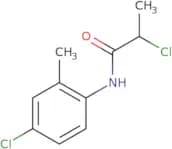
Discontinued productN-(4-Chloro-2-methylphenyl)-2-chloropropanamide
CAS:Please enquire for more information about N-(4-Chloro-2-methylphenyl)-2-chloropropanamide including the price, delivery time and more detailed product information at the technical inquiry form on this page
Purity:Min. 95%Ref: 3D-FC169985
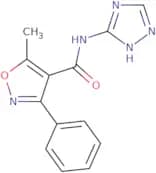
Discontinued productN-(5H-2,3,5-triazolyl)(5-methyl-3-phenylisoxazol-4-yl)formamide
CAS:Please enquire for more information about N-(5H-2,3,5-triazolyl)(5-methyl-3-phenylisoxazol-4-yl)formamide including the price, delivery time and more detailed product information at the technical inquiry form on this pageFormula:C13H11N5O2Purity:Min. 95%Color and Shape:PowderMolecular weight:269.26 g/molNaphthalene-2-sulphonylacetamide oxime
CAS:Please enquire for more information about Naphthalene-2-sulphonylacetamide oxime including the price, delivery time and more detailed product information at the technical inquiry form on this page
Purity:Min. 95%Ref: 3D-FN169404
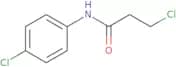
Discontinued product3-Chloro-N-(4-chlorophenyl)propanamide
CAS:Please enquire for more information about 3-Chloro-N-(4-chlorophenyl)propanamide including the price, delivery time and more detailed product information at the technical inquiry form on this page
Formula:C9H9Cl2NOPurity:Min. 95%Color and Shape:PowderMolecular weight:218.08 g/molRef: 3D-FC125304
Discontinued product(2-Aminophenyl)-N-(2-morpholin-4-ylphenyl)formamide
Please enquire for more information about (2-Aminophenyl)-N-(2-morpholin-4-ylphenyl)formamide including the price, delivery time and more detailed product information at the technical inquiry form on this pagePurity:Min. 95%Ref: 3D-FA169411
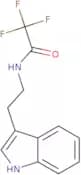
Discontinued product2,2,2-trifluoro-N-(2-indol-3-ylethyl)ethanamide
CAS:2,2,2-Trifluoro-N-(2-indol-3-ylethyl)ethanamide is a synthetic indole that can be used as an intermediate for the synthesis of carbamates.
Formula:C12H11F3N2OPurity:Min. 95%Color and Shape:PowderMolecular weight:256.22 g/molRef: 3D-FT169022
Discontinued product(3-Aminophenyl)-N-(4-phenoxyphenyl)formamide
CAS:Please enquire for more information about (3-Aminophenyl)-N-(4-phenoxyphenyl)formamide including the price, delivery time and more detailed product information at the technical inquiry form on this page
Purity:Min. 95%Ref: 3D-FA169407
Discontinued product[4-(4-Aminophenoxy)(2-pyridyl)]-N-methylcarboxamide
CAS:4-(4-Aminophenoxy)(2-pyridyl)]-N-methylcarboxamide is a chemical compound that inhibits the growth of cancer cells by binding to the active site of b-raf and blocking its activity. It has been shown in a pharmacokinetics study that 4-(4-aminophenoxy)(2-pyridyl)]-N-methylcarboxamide is absorbed rapidly through the oral administration, excreted in urine, and eliminated rapidly from the body. The optimal reaction for this drug was found to be at pH 7.0 with an ionic strength of 0.1 M (sodium chloride). This drug also has significant inhibitory activities against human cervical carcinoma and breast cancer cell lines (MDA-MB-231).Formula:C13H13N3O2Purity:Min. 95%Color and Shape:Off-White To Beige To Light Brown SolidMolecular weight:243.26 g/molRef: 3D-FA17813
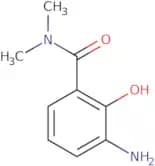
Discontinued product3-Amino-2-hydroxy-N,N-dimethylbenzamide
CAS:Please enquire for more information about 3-Amino-2-hydroxy-N,N-dimethylbenzamide including the price, delivery time and more detailed product information at the technical inquiry form on this page
Formula:C9H12N2O2Purity:Min. 95%Molecular weight:180.2 g/molRef: 3D-FA141220
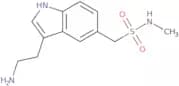
Discontinued product3-(2-Aminoethyl)-N-methyl-1H-indole-5-methanesulfonamide
CAS:3-(2-Aminoethyl)-N-methyl-1H-indole-5-methanesulfonamide (AMIS) is an intermediate in the preparation of medicaments. It is a stable process and can be used as an intermediate for other compounds. AMIS is prepared by reacting methanesulfonic acid with methanol and ammonium carbonate, which produces methanesulfonamide, succinic acid and ammonium hydroxide. The reaction liquid is then heated to produce a crystalline solid. The crystals are then recrystallized to yield AMIS as a white solid.
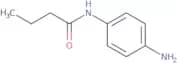
Formula:C12H17N3O2SPurity:Min. 95%Color and Shape:Off-White To Beige To Light Brown SolidMolecular weight:267.35 g/molN-(4-Aminophenyl)butanamide
CAS:Please enquire for more information about N-(4-Aminophenyl)butanamide including the price, delivery time and more detailed product information at the technical inquiry form on this page
Formula:C10H14N2OPurity:Min. 95%Molecular weight:178.23 g/molRef: 3D-FA134121
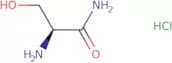
Discontinued productL-Serine amide hydrochloride
CAS:L-Serine amide hydrochloride is a synthetic, anti-HIV drug that is used as an antiviral agent. It inhibits the viral life cycle by inhibiting the activity of acyclic nucleoside phosphonates, which are vital to viral DNA synthesis. L-Serine amide hydrochloride binds to the cyclopentane ring of guanosine and prevents its interaction with the enzyme ribonucleotide reductase. This binding prevents the conversion of guanosine into GTP, thereby preventing HIV from using this molecule in their life cycle. L-Serine amide hydrochloride is not active against cellular proteins or prostaglandins.
Formula:C3H8N2O2·HClPurity:Min. 95%Molecular weight:140.57 g/molRef: 3D-FS49352
Discontinued product2-(4-Aminophenoxy)acetamide
CAS:2-(4-Aminophenoxy)acetamide is a chemical compound that belongs to the class of acetamides. It is used in the production of polyester fibers and dyes. 2-(4-Aminophenoxy)acetamide is a colorless, crystalline solid that has not been identified in nature.
Formula:C8H10N2O2Purity:Min. 95%Molecular weight:166.18 g/molRef: 3D-FA118868
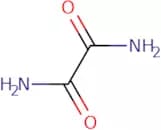
Discontinued productOxamide
CAS:Oxamide is a chemical compound with the molecular formula CHNO. It is a white solid that is moderately soluble in water and alcohol, but not in ether. Oxamide has been shown to have antioxidative properties and to inhibit the formation of reactive oxygen species. This drug also has an effect on thermal expansion and on the blood flow rate in human serum.
Formula:C2H4N2O2Purity:Min. 95%Molecular weight:88.07 g/molN,N-Dimethyformamide diethy acetal
CAS:N,N-Dimethyformamide diethy acetal is a compound with a pyrazole ring and an ethyl formate substituent. It is an amide that can be synthesized by the reaction of dimethylformamide with ethyl formate. This compound has been found to inhibit the production of inflammatory cytokines such as chemokines in bowel disease patients. N,N-Dimethyformamide diethy acetal's amine group can also bind to adenosine receptors with high affinity. The hybridized nitrogen atoms in this molecule are more soluble than other amines and can be used as a supercritical fluid extraction solvent for solubility data.
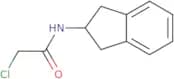
Formula:C7H17NO2Purity:Min. 95%Color and Shape:Clear LiquidMolecular weight:147.22 g/mol2-Chloro-N-(2,3-dihydro-1H-inden-2-yl)acetamide
CAS:Controlled ProductPlease enquire for more information about 2-Chloro-N-(2,3-dihydro-1H-inden-2-yl)acetamide including the price, delivery time and more detailed product information at the technical inquiry form on this page
Formula:C11H12ClNOPurity:Min. 95%Molecular weight:209.67 g/molRef: 3D-FC122537
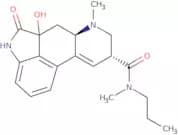
Discontinued product2-Oxo-3-hydroxy-N-methyl-N-propyl D-lysergamide
CAS:Controlled Product2-Oxo-3-hydroxy-N-methyl-N-propyl D-lysergamide (2OMD) is a metabolite of the drug lysergic acid diethylamide (LSD). It can be detected in urine, blood, and saliva. The detection time in urine is approximately 3 hours after ingestion. 2OMD can be found by chromatography techniques, such as thin layer chromatography or high performance liquid chromatography. It can also be detected using mass spectrometric techniques, such as gas chromatography/mass spectrometry or liquid chromatography/mass spectrometry. 2OMD can also be detected in urine samples by calibrations with standards of known concentration and by the use of analytical methods such as gas chromatography/mass spectroscopy.
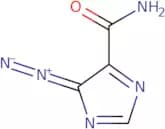
Formula:C20H25N3O3Purity:Min. 95%Molecular weight:355.43 g/mol5-Diazoimidazole-4-carboxamide
CAS:5-Diazoimidazole-4-carboxamide is an inhibitor of energy metabolism. It was found that dacarbazine, a drug used to treat cancer, and 5-diazoimidazole-4-carboxamide form a reversible complex. The formation of this complex leads to the irreversible inhibition of cellular respiration and cell lysis. This drug has been shown to be effective against malignant melanoma cells in animals and can be used as a photoinitiator for polymerization. 5-Diazoimidazole-4-carboxamide has also been shown to have an inhibitory effect on blood pressure in animals.
Formula:C4H3N5OPurity:Min. 95 Area-%Color and Shape:PowderMolecular weight:137.1 g/mol(NZ)-4-chloro-N-[1-[2-(4-nitrophenyl)ethyl]piperidin-2-ylidene]benzenesulfonamide
CAS:Controlled ProductPlease enquire for more information about (NZ)-4-chloro-N-[1-[2-(4-nitrophenyl)ethyl]piperidin-2-ylidene]benzenesulfonamide including the price, delivery time and more detailed product information at the technical inquiry form on this page
Formula:C19H20ClN3O4SPurity:Min. 95%Molecular weight:421.9 g/molRef: 3D-FN154024
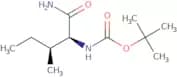
Discontinued productN-tert-Butoxycarbonyl-L-isoleucineamide
CAS:Please enquire for more information about N-tert-Butoxycarbonyl-L-isoleucineamide including the price, delivery time and more detailed product information at the technical inquiry form on this page
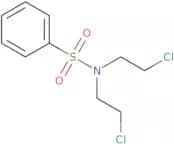
Formula:C11H22N2O3Purity:Min. 95%Color and Shape:SolidMolecular weight:230.3 g/molN,N-bis(2-Chloroethyl) benzenesulfonamide
CAS:Please enquire for more information about N,N-bis(2-Chloroethyl) benzenesulfonamide including the price, delivery time and more detailed product information at the technical inquiry form on this page
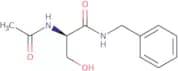
Formula:C10H13Cl2NO2SPurity:Min. 95 Area-%Molecular weight:282.19 g/molDesmethyl lacosamide
CAS:Lacosamide is an antiepileptic drug that has been shown to be bioequivalent to the reference product, Gabapentin. Lacosamide binds to voltage-gated sodium channels and is thought to have a similar clinical profile as Gabapentin. It is used in the treatment of partial seizures (with or without secondary generalization) and adjunctive therapy for generalized seizures in adults and children aged 2 years or older. Lacosamide can interact with other drugs, such as gabapentin, by increasing their serum concentrations. This interaction may lead to adverse effects such as dizziness and confusion. Lacosamide plasma concentrations are measured using LC-MS/MS methods after a two-way crossover study in healthy human volunteers. This study also showed that lacosamide is excreted unchanged in urine samples at a rate of about 50% over 24 hours, indicating that it does not undergo extensive metabolism in humans.
Formula:C12H16N2O3Purity:Min. 95%Color and Shape:White Off-White PowderMolecular weight:236.27 g/molRef: 3D-FD21285
Discontinued productC8-Ceramide
CAS:C8-Ceramide is a glucosylceramide that is involved in the production of C8-ceramides. It has shown to have potent apoptosis activity and inhibit p21, an inhibitor of cell cycle progression. C8-Ceramide also has been shown to be an inhibitor of tumor necrosis factor alpha (TNF-α) induced inflammation and apoptosis in mouse tumor cells. In addition, it can induce apoptosis by inhibiting the epidermal growth factor receptor (EGFR) pathway. This polymerase chain reaction (PCR) product was found to bind to DNA in a model system using calf thymus DNA as well as bacterial DNA gyrase and topoisomerase IV enzymes.
Formula:C26H51NO3Purity:Min. 95%Molecular weight:425.69 g/molRef: 3D-FC19618
Discontinued product5[(R)-(2-Aminopropyl)]-2-methoxybenzenesulfonamide hydrochloride
CAS:Controlled ProductPlease enquire for more information about 5[(R)-(2-Aminopropyl)]-2-methoxybenzenesulfonamide hydrochloride including the price, delivery time and more detailed product information at the technical inquiry form on this page
Formula:C10H17ClN2O3SPurity:Min. 95%Molecular weight:280.77 g/molRef: 3D-FA17834
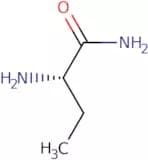
Discontinued productL-2-Aminobutanamide
CAS:L-2-Aminobutanamide is a compound that is used as an industrial preparation and as a reagent in kinetic studies. It has been shown to be effective in the analytical method for the determination of hydrochloric acid in titration, with a detection limit of 0.1%. L-2-Aminobutanamide can also be used to produce asymmetric synthesis by adding it with sodium hydroxide solution or hydroxide solution and using chromatographic science. This compound has been shown to have antibacterial effects on Brucella, which can be attributed to its ability to inhibit protein synthesis and disrupt cell membrane integrity. L-2-Aminobutanamide is a chiral compound that can exist in two different forms, L -(+)-2-aminobutanamide or D -(-)-2-aminobutanamide.
Formula:C4H10N2OPurity:Min. 95%Molecular weight:102.14 g/molRef: 3D-FA61400
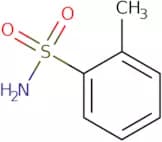
Discontinued product2-Methylbenzenesulfonamide
CAS:2-Methylbenzenesulfonamide is a chemical compound that has been shown to induce apoptosis in bladder cancer cells. It is an acid conjugate of the drug 2-methylbenzene-1,4-sulfonamide and it can be used for the treatment of bladder cancer. The compound binds to the apoptosis protein and inhibits its function, leading to cell death. The cytotoxic effects of 2-methylbenzenesulfonamide have been shown in short term toxicity studies in rats. In long term animal studies, this compound showed no adverse effects on the liver or kidneys, but did show some indication of reproductive toxicity. 2-Methylbenzenesulfonamide is not mutagenic and does not affect male fertility when given orally at doses up to 2000 mg/kg body weight for 90 days. 2-Methylbenzenesulfonamide binds to receptors on the surface of cancerous cells and induces apoptosis by inhib
Formula:C7H9NO2SPurity:Min. 95%Molecular weight:171.0354Ref: 3D-FM37539
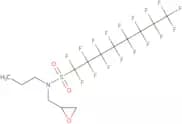
Discontinued productN-Propyl-N-(2,3-epoxypropyl)perfluoro-n-octylsulfonamide
CAS:Controlled ProductPlease enquire for more information about N-Propyl-N-(2,3-epoxypropyl)perfluoro-n-octylsulfonamide including the price, delivery time and more detailed product information at the technical inquiry form on this page
Formula:C14H12F17NO3SPurity:Min. 95%Molecular weight:597.29 g/molPyridine-3-sulfonamide
CAS:Pyridine-3-sulfonamide is a diazonium salt that has shown anticancer activity against human colon HCT116 cells. It inhibits the proliferation of leukemia cells by inhibiting the uptake of glucose, and it also has inhibitory properties on l1210 murine leukemia cells. Pyridine-3-sulfonamide binds to metal surfaces and accumulates in the cytoplasm of cancer cells, which may be due to its structural formula consisting of a pyridine group and a sulfonamide group. This compound can be used as an anticancer drug for cancer treatment.
Formula:C5H6N2O2SPurity:Min. 95%Color and Shape:PowderMolecular weight:158.18 g/molRef: 3D-FP139527
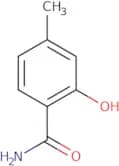
Discontinued product4-Methylsalicylamide
CAS:4-Methylsalicylamide is a chemical compound that belongs to the class of isonicotinic amides. It is a potent anti-inflammatory agent with minimal inhibitory concentration (MIC) values of 4 µg/mL for gram-positive bacteria and 8 µg/mL for gram-negative bacteria. This compound has been shown to be effective against methicillin-resistant Staphylococcus aureus (MRSA) and Clostridium perfringens, although is not active against acid-fast bacteria such as Mycobacterium tuberculosis or Mycobacterium avium complex. 4-Methylsalicylamide has been shown to have an inhibitory effect on ring-opening, which may be due to its ability to acetylate mitochondrial membranes, altering the membrane potential. The molecular modeling studies also showed that 4MSAM binds at the same site as antibiotics such as penicillin and erythromycin in bacterial ribos
Formula:C8H9NO2Purity:Min. 95%Color and Shape:PowderMolecular weight:151.16 g/molRef: 3D-FM70805
Discontinued productGlucagon-like peptide 1 (7-36) amide
CAS:Glucagon-like peptide 1 (7-36) amide is a peptide hormone produced by the ileum and colon of the small intestine in response to food intake. It stimulates insulin release from the pancreas, inhibits glucagon secretion, and slows gastric emptying. GLP-1 is also a potent regulator of glucose homeostasis. The GLP-1 analogues are used for treatment of type 2 diabetes mellitus. These analogues are either injected or taken orally and mimic the effect of natural GLP-1 on blood sugar regulation and appetite control. The long duration of action means that daily injections or multiple oral doses are required to maintain therapeutic levels.
Formula:C149H226N40O45Purity:Min. 95%Molecular weight:3,297.63 g/molRef: 3D-FG109975
Discontinued product(Phe4)-Dermorphin (1-4) amide
CAS:Dermorphin is a peptide that is derived from the proenkephalin gene. It is an opioid analgesic and has been shown to be effective in the treatment of hernias. Dermorphin has also been shown to inhibit platelet aggregation and blood coagulation, making it an antithrombotic therapy. The structure of dermorphin has been determined using a hydroxy group as the reactive site for synthesis and molecular modelling techniques. Dermorphin has also been shown to have an active oxygen species selectivity index (a measure of antioxidant activity) higher than those of other drugs in its class, which makes it suitable for use as a sealant in abdominal surgery.Formula:C30H35N5O5Purity:Min. 95%Molecular weight:545.63 g/molRef: 3D-FP110359
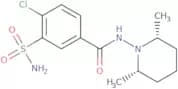
Discontinued productClopamide
CAS:Clopamide is a diuretic drug that belongs to the group of protein genes. It is used in the treatment of chronic heart failure, low-density lipoprotein cholesterol and infectious diseases. Clopamide has been shown to increase the glomerular filtration rate by inhibiting the sodium citrate enzyme, which is involved in the formation of urine from blood plasma. This drug also reduces blood pressure by blocking angiotensin II receptors on vascular smooth muscle cells. Clopamide does not have any significant interactions with other drugs, although caution should be exercised when using it with cardiac drugs due to its effects on blood pressure.
Formula:C14H20ClN3O3SPurity:Min. 98 Area-%Color and Shape:White PowderMolecular weight:345.85 g/molRef: 3D-FC20509
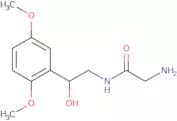
Discontinued productMidodrine
CAS:Controlled Product2-Amino-N-[2-(2,5-dimethoxyphenyl)-2-hydroxyethyl]-acetamide is a drug that has been used to treat a variety of diseases and conditions. It is an alpha adrenergic agonist that works by stimulating the alpha receptors in the body, which increase blood pressure and improve blood flow. This drug also has significant effects on energy metabolism, including the production of ATP. 2-Amino-N-[2-(2,5-dimethoxyphenyl)-2-hydroxyethyl]-acetamide is used to treat patients with congestive heart failure who are taking low doses of midodrine hydrochloride or nonsteroidal antiinflammatory drugs.Formula:C12H18N2O4Purity:Min. 95%Color and Shape:PowderMolecular weight:254.28 g/molCecropin A (1-8)-Melittin (1-18) amide
CAS:Please enquire for more information about Cecropin A (1-8)-Melittin (1-18) amide including the price, delivery time and more detailed product information at the technical inquiry form on this page
Formula:C136H233N33O29Purity:Min. 95%Molecular weight:2,794.51 g/molRef: 3D-FC109238
Discontinued productPAR-2 (1-6) amide (human) (scrambled) trifluoroacetate salt
CAS:Please enquire for more information about PAR-2 (1-6) amide (human) (scrambled) trifluoroacetate salt including the price, delivery time and more detailed product information at the technical inquiry form on this page
Formula:C28H54N8O7Purity:Min. 95%Molecular weight:614.78 g/molRef: 3D-FP109836
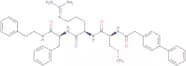
Discontinued product4-Biphenylac-Cys(Me)-D-Arg-Phe-(2-phenylethyl)amide
CAS:4-Biphenylac-Cys(Me)-D-Arg-Phe-(2-phenylethyl)amide is a tetrapeptide that has been shown to have antihypertensive properties. This drug binds to the regulatory proteins of the renin angiotensin system and blocks the production of angiotensin II, which decreases blood pressure. 4-Biphenylac-Cys(Me)-D-Arg-Phe-(2-phenylethyl)amide has also shown to be an effective treatment for skin care products, especially those used for inflammatory skin diseases. 4-Biphenylac-Cys(Me)-D-Arg-Phe-(2-phenylethyl)amide has been shown to be a potent inhibitor of serine proteases and can inhibit cellular proliferation and induce apoptosis in cancer cells.
Formula:C41H49N7O4SPurity:Min. 95%Molecular weight:735.94 g/molRef: 3D-FB111103
Discontinued productN,N-Bis(2-hydroxyethyl)dodecanamide
CAS:N,N-Bis(2-hydroxyethyl)dodecanamide is a surfactant that is used in the treatment of wastewater. It has been shown to be effective at removing p-hydroxybenzoic acid from water and at reducing the concentration of this compound in the environment. N,N-Bis(2-hydroxyethyl)dodecanamide also has antimicrobial properties and synergizes with other antimicrobial agents to provide a more potent effect than when it is used alone. This surfactant has been shown to have an effect on congestive heart failure by blocking the action of angiotensin II receptors.
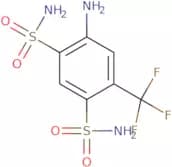
Formula:C16H33NO3Color and Shape:Clear LiquidMolecular weight:287.44 g/mol4-Amino-6-(trifluoromethyl)benzene-1,3-disulfonamide
CAS:4-Amino-6-(trifluoromethyl)benzene-1,3-disulfonamide (4AFBDS) is a chemical compound that can be used for the treatment of wastewater. It has shown to be effective against anhydrase, which is an enzyme that catalyzes the conversion of water to hydrogen peroxide and hydroxide ion. 4AFBDS also attenuates oxidative stress in cardiac cells and inhibits the production of active oxygen species by inhibiting the activity of carbonic anhydrase. The chromatographic method used to detect 4AFBDS was found to be more sensitive than a standard colorimetric assay, making it a better tool for detecting this compound in wastewater samples. br> br> br> br> br> This compound has been shown to have inhibitory effects on e3 ubiquitin ligase, which plays a role in protein degradation via aut
Formula:C7H8F3N3O4S2Purity:Min. 95%Molecular weight:319.28 g/molRef: 3D-FA29652
Discontinued product3-Nitro-4-[[(tetrahydropyran-4-yl)methyl]amino]benzenesulfonamide
CAS:Please enquire for more information about 3-Nitro-4-[[(tetrahydropyran-4-yl)methyl]amino]benzenesulfonamide including the price, delivery time and more detailed product information at the technical inquiry form on this page
Formula:C12H17N3O5SPurity:Min. 95%Molecular weight:315.35 g/molDynorphin A (1-13) amide trifluoroacetate salt
CAS:Please enquire for more information about Dynorphin A (1-13) amide trifluoroacetate salt including the price, delivery time and more detailed product information at the technical inquiry form on this page
Formula:C75H127N25O14Purity:Min. 95%Molecular weight:1,602.97 g/molRef: 3D-FD110159
Discontinued productKemptamide trifluoroacetate salt
CAS:Kemptamide is a peptide that has been shown to have cytotoxic and anti-proliferative effects on renal cancer cells. It is a synthetic analogue of an endogenous peptide, Lys-Lys-Arg-Pro-Gln-Arg-Ala-Thr-Ser-Asn-Val-Phe, that is found in porcine kidney. Kemptamide’s cytotoxic activity may be due to its ability to inhibit the activity of phosphatases. Kemptamide also has regulatory properties and can modulate the expression of genes that are involved in cell growth and apoptosis. This peptide has been shown to be reactive with kidney cells, which may lead to its therapeutic effect on renal cancer.
Formula:C65H112N24O18Purity:Min. 95%Molecular weight:1,517.74 g/molRef: 3D-FK110967
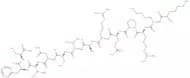
Discontinued product(Phe1-psi(CH2NH)Gly2)-Nociceptin (1-13) amide
Please enquire for more information about (Phe1-psi(CH2NH)Gly2)-Nociceptin (1-13) amide including the price, delivery time and more detailed product information at the technical inquiry form on this page
Formula:C61H102N22O14Purity:Min. 95%Molecular weight:1,367.6 g/molRef: 3D-FP109295
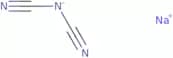
Discontinued productSodium dicyanamide
CAS:Sodium dicyanamide is a diphenyl ether that has been shown to be effective in the treatment of polycystic ovarian syndrome. It binds to picolinic acid, which is a cofactor for the enzyme phenylalanine hydroxylase, and inhibits the production of tyrosine. This leads to an increase in the levels of luteinizing hormone and follicle-stimulating hormone, which helps ovulation. Sodium dicyanamide also interacts with hydrogen bond interactions and chelate ligands. The reaction mechanism of this compound is not well understood, but it is known that it can react with oxygen at high temperatures.
Formula:C2N3NaPurity:Min. 95%Color and Shape:White PowderMolecular weight:89.03 g/molRef: 3D-FS16102
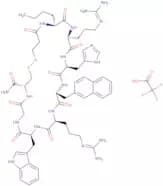
Discontinued product(Deamino-Cys3, Nle 4,Arg5,D-2-Nal 7,Cys11)-a-MSH (3-11) amide trifluoroacetate salt
CAS:Please enquire for more information about (Deamino-Cys3, Nle 4,Arg5,D-2-Nal 7,Cys11)-a-MSH (3-11) amide trifluoroacetate salt including the price, delivery time and more detailed product information at the technical inquiry form on this pageFormula:C56H76N18O9S2Purity:Min. 95%Molecular weight:1,209.45 g/molRef: 3D-FD109415
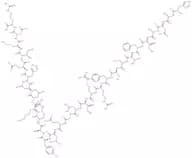
Discontinued productPhenylacetyl-(D-Arg2·28,p-chloro-Phe6, Homoarg 9·29,Tyr(Me)10, Abu 15, Nle 27)-GRF (1-29) amide (human)
CAS:Please enquire for more information about Phenylacetyl-(D-Arg2·28,p-chloro-Phe6, Homoarg 9·29,Tyr(Me)10, Abu 15, Nle 27)-GRF (1-29) amide (human) including the price, delivery time and more detailed product information at the technical inquiry form on this pageFormula:C172H284ClN53O41Purity:Min. 95%Molecular weight:3,785.88 g/molRef: 3D-FP109391
Discontinued productGRF (1-29) amide (rat)
CAS:Growth hormone-releasing factor (GRF) is a peptide fragment of amino acids 1–2 from GHRH (growth hormone-releasing hormone). This 1-29 region is the shortest fully functional fragment of GHRH. GRF is also known as sermorelin. Sermorelin binds to the growth hormone-releasing hormone receptor (GHRH-R), and acts as a surrogate for GHRH, causing growth hormone secretion.human: H-YADAIFTNSYRKVLGQLSARKLLQDIMSR-NH2rat: H-HADAIFTSSYRR I LGQLYARKLLHEIMNR-NH2Formula:C155H251N49O40SPurity:Min. 95%Molecular weight:3,473.02 g/molRef: 3D-FG108550
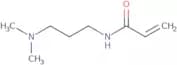
Discontinued productN-(3-Dimethylaminopropyl)acrylamide, stabilized with MEHQ
CAS:N-(3-Dimethylaminopropyl)acrylamide is a polymerization initiator that is used in the synthesis of polymers. It is also a model protein, which can be used to study bacterial growth rates and tissue metabolism. N-(3-Dimethylaminopropyl)acrylamide has been shown to have biological properties similar to human serum, as well as to serve as a model for primary cells. The FT-IR spectroscopy of N-(3-Dimethylaminopropyl)acrylamide reveals the presence of chloride ions in its molecular structure. The reaction mechanism for this compound has been determined by deionized water and ionic reactions with chloride ions.
Formula:C8H16N2OPurity:Min. 95%Molecular weight:156.23 g/molPAR-2 (1-6) amide (human) trifluoroacetate salt
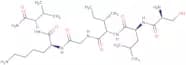
CAS:PAR-2 (1-6) amide (human) trifluoroacetate salt H-Ser-Leu-Ile-Gly-Lys-Val-NH2 trifluoroacetate salt is a protease inhibitor that inhibits the activity of PAR2, a protein receptor. PAR2 is implicated in cancer and inflammation. It has been shown to inhibit growth factor signaling, as well as activate toll-like receptor 4 and other inflammatory pathways. PAR2 inhibition has also been studied in vivo and found to be effective in treating wild type mice with melanoma cells. In vitro studies have shown that PAR2 inhibition by PAR 2 (1-6) amide (human) trifluoroacetate salt H-Ser-Leu-Ile-Gly-Lys-Val NH2 trifluoroacetate salt blocks the production of tumour necrosis factor alpha and interleukin 6.Formula:C28H54N8O7Purity:Min. 95%Molecular weight:614.78 g/molRef: 3D-FP109317
Discontinued productDnp-(Leu421)-Collagen Type VIII a1 Chain (419-426) amide (human, mouse) trifluoroacetate salt
Please enquire for more information about Dnp-(Leu421)-Collagen Type VIII a1 Chain (419-426) amide (human, mouse) trifluoroacetate salt including the price, delivery time and more detailed product information at the technical inquiry form on this page
Formula:C40H64N14O12SPurity:Min. 95%Molecular weight:965.09 g/molRef: 3D-FD110972
Discontinued productpTH (1-31) amide (human)
CAS:pTH (1-31) amide is a polymer conjugate that is used to treat osteoporosis. It has been shown to be effective in reducing the risk of fracture and increasing bone mineral density in animals. The compound binds to the extracellular domain of the estrogen receptor, altering its conformation and preventing it from interacting with other proteins in the nucleus. pTH (1-31) amide has also been shown to reduce blood pressure in animals by inhibiting angiotensin-converting enzyme. Clinical data on this drug are limited, but it has been well tolerated so far.Formula:C162H270N50O46S2Purity:Min. 95%Molecular weight:3,718.32 g/molRef: 3D-FP108995
Discontinued product(D-Ala2)-GRF (1-29) amide (human)
CAS:Please enquire for more information about (D-Ala2)-GRF (1-29) amide (human) including the price, delivery time and more detailed product information at the technical inquiry form on this pageFormula:C149H246N44O42SPurity:Min. 95%Molecular weight:3,357.88 g/molRef: 3D-FA109070
Discontinued product5-Fmoc-amino-10,11-dihydro-5H-dibenzo[a,d]-cycloheptenyl-2-oxyacetyl-DL-Nle-4- methyl-benzhydrylamide resin
Please enquire for more information about 5-Fmoc-amino-10,11-dihydro-5H-dibenzo[a,d]-cycloheptenyl-2-oxyacetyl-DL-Nle-4- methyl-benzhydrylamide resin including the price, delivery time and more detailed product information at the technical inquiry form on this page
Purity:Min. 95%Ref: 3D-FT111711
Discontinued product3-[[[2-[(Aminoiminomethyl)amino]-4-thiazolyl]methyl]sulfinyl]-N-(aminosulfonyl)propanamide
CAS:Please enquire for more information about 3-[[[2-[(Aminoiminomethyl)amino]-4-thiazolyl]methyl]sulfinyl]-N-(aminosulfonyl)propanamide including the price, delivery time and more detailed product information at the technical inquiry form on this page
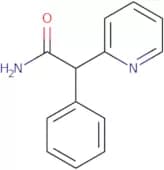
Formula:C8H14N6O4S3Purity:Min. 95%Molecular weight:354.43 g/molPhenyl-(2-pyridyl)acetamide
CAS:Please enquire for more information about Phenyl-(2-pyridyl)acetamide including the price, delivery time and more detailed product information at the technical inquiry form on this page
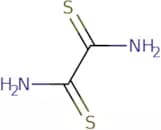
Formula:C13H12N2OPurity:Min. 95%Molecular weight:212.25 g/molDithiooxamide
CAS:Dithiooxamide is a chemical compound that contains two sulfur atoms, one oxygen atom, and one nitrogen atom. It has been shown to be an effective treatment for wastewater by removing nitrogen and phosphorus. Dithiooxamide binds to metal ions such as copper and iron in the water, forming a complex. This process prevents the metal ions from being available as catalysts in the oxidation of organic pollutants. The binding of dithiooxamide with these metals also removes them from wastewater, preventing them from being taken up by plants or animals. Dithiooxamide can be used to remove malonic acid (a carcinogen) and p-nitrophenyl phosphate (a liver toxin) from blood samples for analysis using electrochemical impedance spectroscopy, which relies on the ability of dithiooxamide to bind to these chemicals. Dithiooxamide is also used as a surfactant in analytical chemistry methods such as gas chromatography or liquid chromatography because it
Formula:C2H4N2S2Purity:Min. 95%Color and Shape:PowderMolecular weight:120.2 g/mol



![4-[(1E)-3,3-dimethyltriaz-1-en-1-yl]-1H-imidazole-5-carboxamide](/_next/image/?url=https%3A%2Fstatic.cymitquimica.com%2Fproducts%2F10%2Fthumb-webp%2FF801113.webp&w=3840&q=75)


![2-Chloro-N-[2-(trifluoromethyl)phenyl]propanamide](/_next/image/?url=https%3A%2Fstatic.cymitquimica.com%2Fproducts%2F3D%2Fthumb-webp%2FFC127364.webp&w=3840&q=75)
![2-chloro-n-[3-(trifluoromethyl)phenyl]acetamide](/_next/image/?url=https%3A%2Fstatic.cymitquimica.com%2Fproducts%2F3D%2Fthumb-webp%2FFC59251.webp&w=3840&q=75)


![(3-Aminophenyl)-N-benzo[3,4-d]1,3-dioxolan-5-ylformamide](/_next/image/?url=https%3A%2Fstatic.cymitquimica.com%2Fproducts%2F3D%2Fthumb-webp%2FFA169410.webp&w=3840&q=75)



![[4-(4-Aminophenoxy)(2-pyridyl)]-N-methylcarboxamide](/_next/image/?url=https%3A%2Fstatic.cymitquimica.com%2Fproducts%2F3D%2Fthumb-webp%2FFA17813.webp&w=3840&q=75)


![(NZ)-4-chloro-N-[1-[2-(4-nitrophenyl)ethyl]piperidin-2-ylidene]benzenesulfonamide](/_next/image/?url=https%3A%2Fstatic.cymitquimica.com%2Fproducts%2F3D%2Fthumb-webp%2FFN154024.webp&w=3840&q=75)

![5[(R)-(2-Aminopropyl)]-2-methoxybenzenesulfonamide hydrochloride](/_next/image/?url=https%3A%2Fstatic.cymitquimica.com%2Fproducts%2F3D%2Fthumb-webp%2FFA17834.webp&w=3840&q=75)





![3-Nitro-4-[[(tetrahydropyran-4-yl)methyl]amino]benzenesulfonamide](/_next/image/?url=https%3A%2Fstatic.cymitquimica.com%2Fproducts%2F3D%2Fthumb-webp%2FFN145631.webp&w=3840&q=75)



![5-Fmoc-amino-10,11-dihydro-5H-dibenzo[a,d]-cycloheptenyl-2-oxyacetyl-DL-Nle-4- methyl-benzhydrylam…](/_next/image/?url=https%3A%2Fstatic.cymitquimica.com%2Fproducts%2F3D%2Fthumb-webp%2FFT111711.webp&w=3840&q=75)
![3-[[[2-[(Aminoiminomethyl)amino]-4-thiazolyl]methyl]sulfinyl]-N-(aminosulfonyl)propanamide](/_next/image/?url=https%3A%2Fstatic.cymitquimica.com%2Fproducts%2F3D%2Fthumb-webp%2FFA21487.webp&w=3840&q=75)