Amides
Amides are a wide range of chemical compounds that contain at least one heterocyclic ring, which has atoms of at least two different elements in the ring structure, and at least one amide group (-CONH2). These compounds are crucial in the synthesis of pharmaceuticals, polymers, and agrochemicals. Amides exhibit unique properties and reactivity, making them valuable intermediates in organic synthesis. At CymitQuimica, we offer a comprehensive selection of high-quality amides to support your research and industrial needs.
Found 16399 products of "Amides"
Sort by
Purity (%)
0
100
|
0
|
50
|
90
|
95
|
100
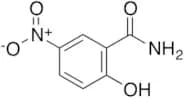
2-Hydroxy-5-nitrobenzamide
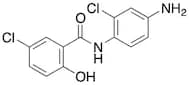
CAS:Controlled Product<p>Applications 2-Hydroxy-5-nitrobenzamide is used in the synthesis of salicylamides and its nitro derivatives.<br>References Gupta, G. L.: J. Proc. Inst. Chem., 38, 165 (1966)<br></p>Formula:C7H6N2O4Color and Shape:NeatMolecular weight:182.13N-(4-Amino-2-chlorophenyl)-5-chloro-2-hydroxybenzamide
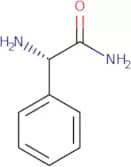
CAS:Controlled Product<p>Applications N-(4-amino-2-chlorophenyl)-5-chloro-2-hydroxybenzamide (cas# 10558-45-9) is a useful research chemical.<br></p>Formula:C13H10N2O2Cl2Color and Shape:NeatMolecular weight:297.14(S)-(+)-2-Phenylglycine amide
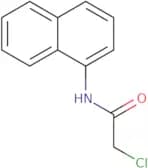
CAS:<p>(S)-(+)-2-Phenylglycine amide is a racemic mixture of the (R) and (S) enantiomers. It is an inhibitor of the enzyme, racemase, which converts one type of amino acid to another. This inhibition prevents allergic reactions that can be caused by acylation reactions or ph profiles in the body. The amino acid composition of this drug is unique because it contains an ester hydrochloride group, which does not exist in other drugs. The kinetic and thermodynamic properties of (S)-(+)-2-phenylglycine amide have been studied extensively, but there are no reports on its ability to inhibit inflammatory diseases. However, it has been shown that the β-amino acid in this drug can inhibit amide hydroxamic acids and stereoselective hydroxamic acids.</p>Formula:C8H10N2OPurity:Min. 95%Molecular weight:150.18 g/mol2-Chloro-N-1-naphthylacetamide
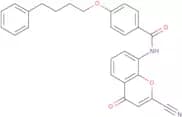
CAS:<p>2-Chloro-N-1-naphthylacetamide is a synthetic organic compound that belongs to the class of sulfur compounds. It is used in the synthesis of other compounds and has been shown to be a potent inhibitor of hydroxylapatite and sulfate hydrolysis. The reaction mechanism for this compound’s inhibition of sulfate hydrolysis is not known, but it may be due to its ability to act as an electron donor or acceptor. 2-Chloro-N-1-naphthylacetamide also has carcinogenic properties, with some studies suggesting that it can cause liver cancer in rodents.</p>Formula:C12H10ClNOPurity:Min. 95%Molecular weight:219.67 g/molN-(2-Cyano-4-oxo-4H-1-benzopyran-8-yl)-4-(4-phenylbutoxy)benzamide
CAS:<p>Please enquire for more information about N-(2-Cyano-4-oxo-4H-1-benzopyran-8-yl)-4-(4-phenylbutoxy)benzamide including the price, delivery time and more detailed product information at the technical inquiry form on this page</p>Formula:C27H22N2O4Purity:Min. 95%Molecular weight:438.47 g/molN-(6-Phenylhexyl)-5-chloro-1-naphthalenesulfonamide
CAS:<p>N-(6-Phenylhexyl)-5-chloro-1-naphthalenesulfonamide is a dibutyryl camp analog that has been shown to inhibit the L-type calcium channel in a dose-dependent manner. It has an effect on both spermatozoa and glioma cells, with its most significant effect being inhibition of the intracellular calcium ion. This drug inhibits the growth rate of these cells, which may be due to its ability to activate adrenergic receptors and cause increased intracellular calcium ion levels. N-(6-Phenylhexyl)-5-chloro-1-naphthalenesulfonamide also slows the cycle of the cell, which may be due to a kinetic effect.</p>Formula:C22H24ClNO2SPurity:Min. 95%Molecular weight:401.95 g/mol2-Methylbenzenesulfonamide
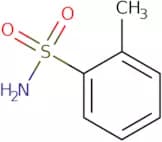
CAS:<p>2-Methylbenzenesulfonamide is a chemical compound that has been shown to induce apoptosis in bladder cancer cells. It is an acid conjugate of the drug 2-methylbenzene-1,4-sulfonamide and it can be used for the treatment of bladder cancer. The compound binds to the apoptosis protein and inhibits its function, leading to cell death. The cytotoxic effects of 2-methylbenzenesulfonamide have been shown in short term toxicity studies in rats. In long term animal studies, this compound showed no adverse effects on the liver or kidneys, but did show some indication of reproductive toxicity. 2-Methylbenzenesulfonamide is not mutagenic and does not affect male fertility when given orally at doses up to 2000 mg/kg body weight for 90 days. 2-Methylbenzenesulfonamide binds to receptors on the surface of cancerous cells and induces apoptosis by inhib</p>Formula:C7H9NO2SPurity:Min. 95%Molecular weight:171.03542-(4-Aminophenoxy)acetamide
CAS:<p>2-(4-Aminophenoxy)acetamide is a chemical compound that belongs to the class of acetamides. It is used in the production of polyester fibers and dyes. 2-(4-Aminophenoxy)acetamide is a colorless, crystalline solid that has not been identified in nature.</p>Formula:C8H10N2O2Purity:Min. 95%Molecular weight:166.18 g/molN-(3-Aminopropyl)acetamide
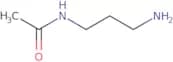
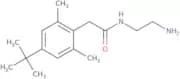
CAS:<p>N-(3-Aminopropyl)acetamide is a secondary amine that is used as a reagent in the profiling of tissues. It has been shown to inhibit the growth of Thermus thermophilus and other bacteria, including Staphylococcus aureus, Escherichia coli, and Pseudomonas aeruginosa. N-(3-Aminopropyl)acetamide has also been shown to inhibit the growth of cancer cells in cell culture. It was found to be effective against logarithmic growth phase cells and not against stationary phase cells. However, its mechanism of action is unknown.</p>Formula:C5H12N2OPurity:Min. 95%Color and Shape:Colorless PowderMolecular weight:116.16 g/molN-(2-Aminoethyl)-4-(1,1-dimethylethyl)-2,6-dimethylbenzeneacetamide
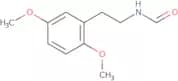
CAS:<p>Please enquire for more information about N-(2-Aminoethyl)-4-(1,1-dimethylethyl)-2,6-dimethylbenzeneacetamide including the price, delivery time and more detailed product information at the technical inquiry form on this page</p>Formula:C16H26N2OPurity:Min. 95%Color and Shape:PowderMolecular weight:262.39 g/mol2-(2,5-Dimethoxyphenyl)ethylformamide
CAS:Controlled Product<p>Please enquire for more information about 2-(2,5-Dimethoxyphenyl)ethylformamide including the price, delivery time and more detailed product information at the technical inquiry form on this page</p>Formula:C11H15NO3Purity:Min. 95%Molecular weight:209.24 g/molC20-Ceramide
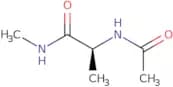
CAS:<p>Ceramide is a group of sphingolipids that are found in the outermost layer of cells. Ceramides have been shown to be important for maintaining cell structure and function, as well as regulating cellular processes such as apoptosis, insulin resistance, and inflammation. A ceramide profile can be used to identify an individual's risk for developing certain conditions such as cardiovascular disease, chronic kidney disease, or cancer. In addition to its role in cell biology, ceramide has been shown to increase insulin sensitivity in animals by increasing glucose uptake in adipocytes. Ceramides are also produced by the body from other lipids such as cholesterol or fatty acids. They are found in various tissues and organs including the brain, skin, lungs, and gut.</p>Formula:C38H75NO3Purity:Min. 95%Molecular weight:594.01 g/molAcetyl-L-alanine methyl amide
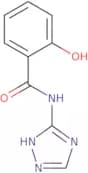
CAS:<p>Acetyl-L-alanine methyl amide is a pharmaceutical drug that is structurally similar to L-lysine. It has been synthesized as a model system for the study of receptor binding and intracellular signaling. Acetyl-L-alanine methyl amide has shown to be reactive and can form intramolecular hydrogen bonds with other molecules in the cell. This drug also reacts with microglia cells, which are responsible for clearing out dead cells and debris in the brain. Acetyl-L-alanine methyl amide is a proton donor, which may cause steric interactions with lysine residues on proteins due to their proximity within the cell. This drug also has an intermolecular hydrogen bond between its two molecules that could lead to an α subunit conformational change within the protein.</p>Formula:C6H12N2O2Purity:Min. 95%Molecular weight:144.17 g/mol2-Hydroxy-N-1H-1,2,4-triazol-3-ylbenzamide
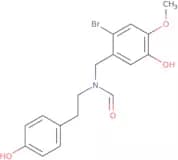
CAS:<p>2-Hydroxy-N-1H-1,2,4-triazol-3-ylbenzamide is a synthetic product that is a white crystalline solid. It has a melting point of 105°C and an average particle diameter of 3.5 nm. This compound is used as a precursor to produce the peroxide 2,2'-dihydroxybenzophenone, which can be used in the synthesis of other organic compounds. It can also be used in the production of amides and quaternary ammonium salts. 2-Hydroxy-N-1H-1,2,4-triazol-3-ylbenzamide is structurally similar to hydrotalcite and hydroxyl group which are both natural products found in nature.</p>Formula:C9H8N4O2Purity:Min. 95%Molecular weight:204.19 g/molN-(p-Hydroxyphenethyl)-N-(2-bromo-5-hydroxy-4-methoxybenzyl)formamide
CAS:Controlled Product<p>N-(p-Hydroxyphenethyl)-N-(2-bromo-5-hydroxy-4-methoxybenzyl)formamide is an anticancer drug that belongs to the class of phenethyl derivatives. It is a radiosensitizer that inhibits DNA and RNA synthesis, leading to cancer cell death. The drug has been shown to have a chiral center and two enantiomers, with the (S)-enantiomer being more active than the (R)-enantiomer. N-(p-Hydroxyphenethyl)-N-(2-bromo-5-hydroxy-4-methoxybenzyl)formamide has been shown to be effective in animal models for brain tumors and breast cancer cells. It has also been shown to be effective against leukemia cells, which are resistant to other treatments. N-(p-Hydroxyphenethyl)-N-(2-bromo-5-hydroxy-4</p>Formula:C17H18BrNO4Purity:Min. 95%Molecular weight:380.23 g/molPyridine-3-sulfonamide
CAS:<p>Pyridine-3-sulfonamide is a diazonium salt that has shown anticancer activity against human colon HCT116 cells. It inhibits the proliferation of leukemia cells by inhibiting the uptake of glucose, and it also has inhibitory properties on l1210 murine leukemia cells. Pyridine-3-sulfonamide binds to metal surfaces and accumulates in the cytoplasm of cancer cells, which may be due to its structural formula consisting of a pyridine group and a sulfonamide group. This compound can be used as an anticancer drug for cancer treatment.</p>Formula:C5H6N2O2SPurity:Min. 95%Color and Shape:PowderMolecular weight:158.18 g/molThionicotinamide
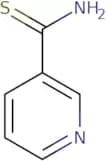
CAS:<p>Thionicotinamide is a drug that belongs to the group of ethionamide. It is a synthetic compound with synergistic activity against tuberculosis bacteria. Thionicotinamide inhibits bacterial growth by binding to mycolic acid, which is a component of the cell wall. Thionicotinamide also has conformational properties, which inhibit the enzyme activities. This drug also interacts with other drugs, such as ethionamide, and may have an effect on the metabolism of these drugs in humans. Thionicotinamide binds to lipids and reduces the activity of enzymes that are involved in lipid synthesis. The nitrogen atoms of thionicotinamide bind to four oxygen atoms from two molecules of glycol ethers in a 1:1 ratio. This binding leads to the formation of hydrogen bonds between these molecules, resulting in an increase in kinetic energy for these reactions and improved structural analysis for this molecule.</p>Formula:C6H6N2SPurity:Min. 95%Color and Shape:PowderMolecular weight:138.19 g/mol2-Methylnicotinamide
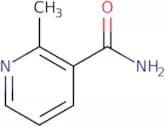
CAS:<p>2-Methylnicotinamide is an amide that is used to treat inflammatory bowel disease. It inhibits the production of glutamate and aspartate, which are neurotransmitters that are involved in the inflammation process. 2-Methylnicotinamide has been shown to have a protective effect on renal function by reducing blood flow to the kidneys, thereby decreasing renal damage caused by glutamate and aspartate. This drug also has anticancer properties, which may be due to its ability to inhibit viral replication and reduce the incidence of cancer in animals. 2-Methylnicotinamide has not yet been tested on humans, but it is thought to be safe for use in pharmaceutical dosages.</p>Formula:C7H8N2OPurity:Min. 95%Molecular weight:136.15 g/molN-Phenylpropanamide
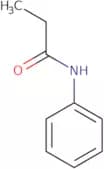
CAS:<p>N-Phenylpropanamide is a chemical inhibitor that has been shown to have a protective effect against the light-induced degradation of drugs in urine samples. The compound also inhibits the hydrolysis of amides by hydrochloric acid and hydrogen bonds with the receptor binding site on human liver cells. N-Phenylpropanamide has been shown to affect cardiac function, as well as growth factor production.</p>Formula:C9H11NOPurity:Min. 95%Molecular weight:149.19 g/molN-(tert-Butoxycarbonyl)glycine N'-methoxy-N'-methylamide
CAS:<p>Please enquire for more information about N-(tert-Butoxycarbonyl)glycine N'-methoxy-N'-methylamide including the price, delivery time and more detailed product information at the technical inquiry form on this page</p>Formula:C9H18N2O4Purity:Min. 95%Molecular weight:218.25 g/mol