Amides
Amides are a wide range of chemical compounds that contain at least one heterocyclic ring, which has atoms of at least two different elements in the ring structure, and at least one amide group (-CONH2). These compounds are crucial in the synthesis of pharmaceuticals, polymers, and agrochemicals. Amides exhibit unique properties and reactivity, making them valuable intermediates in organic synthesis. At CymitQuimica, we offer a comprehensive selection of high-quality amides to support your research and industrial needs.
Found 16393 products of "Amides"
Sort by
Purity (%)
0
100
|
0
|
50
|
90
|
95
|
100
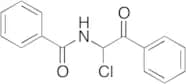
N-(1-Chloro-2-oxo-2-phenylethyl)benzamide
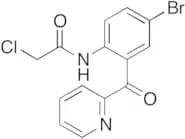
CAS:Controlled Product<p>Applications N-(1-Chloro-2-oxo-2-phenylethyl)benzamide is an amidophenacylating reagent used in various organic reactions, e.g. in the synthesis of thiohydantoin derivatives.<br>References Balya, A.G., et al.: Russ. J. Gen. Chem., 78, 1427 (2008); Belyuga, A.G., et al.: Zhurnal Organichnoi ta Farmatsevtichnoi Khimii, 2, 25 (2004)<br></p>Formula:C15H12ClNO2Color and Shape:NeatMolecular weight:273.714N-(4-Bromo-2-picolinoylphenyl)-2-chloroacetamide
CAS:Controlled Product<p>Applications N-(4-Bromo-2-picolinoylphenyl)-2-chloroacetamide is a derivative of 2-(2-Amino-5-bromobenzoyl)pyridine (A601785); an intermediate in the preparation of Bromazepam (B678500).<br>References Panderi, I., et al.: J. Pharm. Biomed. Anal., 17, 327 (1998); El-Haj, B., et al.: J. Anal. Toxicol., 25, 316 (2001); Hansen, S., et al.: J. Pharm. Biomed. Anal., 39, 322 (2005)<br></p>Formula:C14H10BrClN2O2Color and Shape:Light Yellow To BeigeMolecular weight:353.60N-(2,6-Dimethylphenyl)-2,2-dichloroacetamide
CAS:<p>Stability Hygrscopic<br>Applications N-(2,6-Dimethylphenyl)-2,2-dichloroacetamide is an intermediate used to prepare Ranolazine (R122500), an antianginal agent.<br>References Aalla, S., et al.: Org. Proc. Res. Dev.,16, 748 (2012)<br></p>Formula:C10H11Cl2NOColor and Shape:White To Light YellowMolecular weight:232.11N,N'-((Ethane-1,2-diylbis(azanediyl))bis(ethane-2,1-diyl))dibenzamide
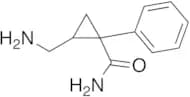
CAS:Controlled Product<p>Applications N,N'-((Ethane-1,2-diylbis(azanediyl))bis(ethane-2,1-diyl))dibenzamide is used in physical organic chemistry studies in determining proximity effects on general base catalyzed hydrolysis of amide linkage: the role of cationic surfactants, CTABr.<br>References Dash, Sarat C., Journal of Chemical Sciences (Bangalore, India), 123, 497-507, (2011)<br></p>Formula:C20H26N4O2Color and Shape:NeatMolecular weight:354.4462-(Aminomethyl)-1-phenylcyclopropanecarboxamide
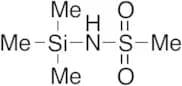
CAS:Controlled ProductFormula:C11H14N2OColor and Shape:NeatMolecular weight:190.242N-(Trimethylsilyl)methanesulfonamide
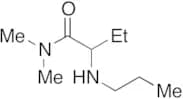
CAS:Controlled ProductFormula:C4H13NO2SSiColor and Shape:NeatMolecular weight:167.302N,N-Dimethyl-2-propylaminobutyramide
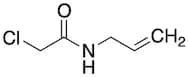
CAS:Controlled ProductFormula:C9H20N2OColor and Shape:NeatMolecular weight:172.268N-Allyl-2-chloro-acetamide
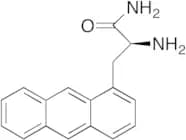
CAS:Controlled Product<p>Applications N-allyl-2-chloro-acetamide (cas# 13269-97-1) is a useful research chemical.<br></p>Formula:C5H8ClNOColor and Shape:NeatMolecular weight:133.576(S)-2-Amino-3-(anthracen-1-yl)propanamide
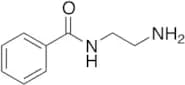
Controlled ProductFormula:C17H16N2OColor and Shape:NeatMolecular weight:264.322N-(2-Aminoethyl)benzamide
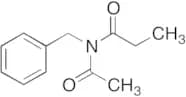
CAS:Controlled Product<p>Applications N-(2-aminoethyl)benzamide (cas# 1009-17-2) is a useful research chemical.<br></p>Formula:C9H12N2OColor and Shape:NeatMolecular weight:164.2N-Acetyl-N-(phenylmethyl)-propanamide
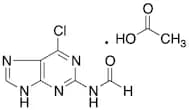
CAS:Controlled Product<p>Applications N-Acetyl-N-(phenylmethyl)-propanamide is an intermediate in the synthesis of N-Ethyl-N-nitroso-1-propanamine-d4 (E817997) and isotope labelled version of N-Ethyl-N-nitroso-1-propanamine. N-Ethyl-N-nitroso-1-propanamine is a derivative of N-Nitrosodiethylamine (N525465),a widely occurring nitrosamine that is one of the most important environmental carcinogens primarily inducing tumors of liver.<br>References Shirakami, Y., et al.: Bitamin, 87, 156 (2013); Fujii, Y., et al.: Toxicol., 305, 30 (2013); Uehara, T., et al.: Toxicol. Sci., 132, 53 (2013);<br></p>Formula:C12H15NO2Color and Shape:NeatMolecular weight:205.253N-(6-Chloro-9H-purin-2-yl)-formamide Acetate
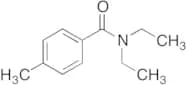
CAS:Controlled ProductFormula:C6H4ClN5O•C2H4O2Color and Shape:NeatMolecular weight:197.58 + 60.05N,N-Diethyl-p-toluamide
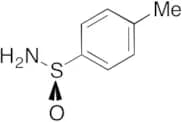
CAS:Controlled Product<p>Applications N,N-Diethyl-p-toluamide, is a buildig block used in the synthesis of phthalocyanines. It can also be used in preparation of new insect repellents.<br>References Liang, J., et al.: Nongyaoxue Xuebao, Vol. 16,P: 644-650 (2014);<br></p>Formula:C12H17NOColor and Shape:NeatMolecular weight:191.27(R)-(-)-p-Toluenesulfinamide
CAS:Controlled ProductFormula:C7H9NOSColor and Shape:NeatMolecular weight:185.286N-Isopropylbenzenesulfonamide
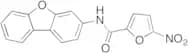
CAS:Controlled Product<p>Applications N-Isopropylbenzenesulfonamide (cas# 5339-69-5) is a useful research chemical.<br></p>Formula:C9H13NO2SColor and Shape:NeatMolecular weight:199.27N-(3-Dibenzofuranyl)-5-nitro-2-furancarboxamide
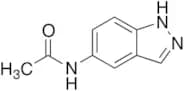
CAS:<p>Applications N-(3-Dibenzofuranyl)-5-nitro-2-furancarboxamide is synthesized from Dibenzo[b,d]furan-3-amine (D418205), which is a building block used as a reactant in the preparation of dibenzofuryl(phosphonomethyl)alanines as endothelin converting enzyme inhibitors.<br>References De Lombaert, S., et al.: J. Med. Chem., 43, 488 (2000);<br></p>Formula:C17H10N2O5Color and Shape:NeatMolecular weight:322.27N-(1H-indazol-5-yl)acetamide
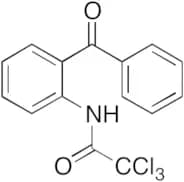
CAS:Controlled ProductFormula:C9H9N3OColor and Shape:NeatMolecular weight:175.187N-(Benzoylphenyl)-2,2,2-trichloroacetamide
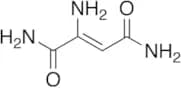
CAS:Controlled ProductFormula:C15H10Cl3NO2Color and Shape:NeatMolecular weight:342.6042-Amino-2-butenediamide
CAS:Controlled Product<p>Applications 2-Amino-2-butenediamide (cas# 18486-76-5) is a compound useful in organic synthesis.<br></p>Formula:C4H7N3O2Color and Shape:NeatMolecular weight:129.12Isopropamide Iodide
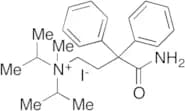
CAS:Controlled ProductFormula:C23H33N2O·IColor and Shape:NeatMolecular weight:480.43N-[[(2R,3S,4R)-4-[Bis[(3-cyanophenyl)methyl]amino]-3-hydroxyoxolan-2-yl]methyl]cyclopropanecarboxamide
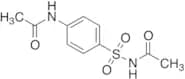
CAS:Controlled ProductFormula:C25H26N4O3Color and Shape:NeatMolecular weight:430.499N-(4-Acetamidobenzenesulfonyl)acetamide
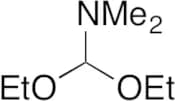
CAS:Controlled ProductFormula:C10H12N2O4SColor and Shape:NeatMolecular weight:256.28N,N-Dimethylformamide Diethyl Acetal
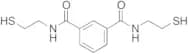
CAS:Controlled Product<p>Stability Moisture Sensitive<br>Applications N,N-Dimethylformamide Diethyl Acetal is used as a reagent in the design of EGF-R tyrosine kinase inhibitors. Also used in the synthesis of aminopyridine derivatives.<br> Not a dangerous good if item is equal to or less than 1g/ml and there is less than 100g/ml in the package<br>References Traxler, P. et al.: J. Med. Chem., 40, 3601 (1997); Cheikh, N. et al.: Tetrahedron, 69, 1234 (2013);<br></p>Formula:C7H17NO2Color and Shape:NeatMolecular weight:147.22Emeramide
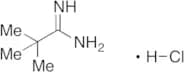
CAS:Controlled Product<p>Stability Hygroscopic<br>Applications is a novel lipid-soluble, thiol-redox antioxidant and heavy metal chelator.<br></p>Formula:C12H16N2O2S2Color and Shape:NeatMolecular weight:284.4Pivalimidamide Hydrochloride
CAS:Controlled Product<p>Applications Pivalimidamide Hydrochloride is used as a reagent in the preparation of 2-alkyl-4-aryltetrahydropyridopyrimidines and 2-alkyl-4-aryl-tetrahydropyrimidoazepines as selective 5-HT2A antagonists.<br>References Shireman, B. T., et al.: Bioorg. Med. Chem. Lett., 18, 2103 (2008);<br></p>Formula:C5H13ClN2Color and Shape:NeatMolecular weight:136.62N,N-Diethyl-3-nitrobenzeneacetamide
CAS:Controlled ProductFormula:C12H16N2O3Color and Shape:NeatMolecular weight:236.27N-(3-Morpholinopropyl)-2-(p-tolyl)benzo[d]imidazo[2,1-b]thiazole-7-carboxamide
Controlled Product<p>Applications N-(3-Morpholinopropyl)-2-(p-tolyl)benzo[d]imidazo[2,1-b]thiazole-7-carboxamide is a useful synthetic intermediate in organic synthesis and pharmaceuticals.<br></p>Formula:C24H26N4O2SColor and Shape:NeatMolecular weight:434.554N-{2-[(2-Acetamidoethyl)disulfanyl]ethyl}acetamide
CAS:Controlled ProductFormula:C8H16N2O2S2Color and Shape:NeatMolecular weight:236.355N-[2-[(3-Hydroxyphenyl)methylamino]ethyl]-acetamide
CAS:Controlled Product<p>Applications Used in the preparation of homobifunctional rhodamine for labeling proteins.<br>References Corrie, J. et al.; Bioconjugate Chem. 9, 160 (1998)<br></p>Formula:C11H16N2O2Color and Shape:NeatMolecular weight:208.26N-Ethyl-N-[2-(2S)-oxiranylethyl] Triflic Amide
CAS:Controlled ProductFormula:C7H12F3NO3SColor and Shape:NeatMolecular weight:277.403N-[4-(2-Chloroethoxy)phenyl]acetamide
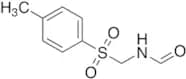
CAS:Controlled ProductFormula:C10H12ClNO2Color and Shape:NeatMolecular weight:213.661N-(p-Tolylsulfonylmethyl)formamide
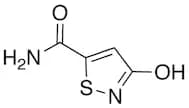
CAS:Controlled Product<p>Stability Hygroscopic<br>Applications N-(p-Tolylsulfonylmethyl)formamide (cas# 36635-56-0) is a useful research chemical.<br></p>Formula:C9H11NO3SColor and Shape:NeatMolecular weight:213.253-Hydroxyisothiazole-5-carboxamide
CAS:Controlled Product<p>Stability Not stable in Strong Base<br>Applications 3-Hydroxyisothiazole-5-carboxylate (cas# 62020-63-7) is a compound useful in organic synthesis.<br></p>Formula:C4H4N2O2SColor and Shape:NeatMolecular weight:144.15Methacrylamide
CAS:Controlled Product<p>Applications Methacrylamide (cas# 79-39-0) is a useful research chemical.<br></p>Formula:C4H7NOColor and Shape:White To Off-WhiteMolecular weight:85.10N-[4-Chloro-3-(trifluoromethyl)phenyl]-2-hydroxy-5-nitrobenzamide
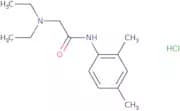
CAS:Controlled ProductFormula:C14H8ClF3N2O4Color and Shape:NeatMolecular weight:360.6732-(Diethylamino)-N-(2,4-dimethylphenyl ) acetamide HCl
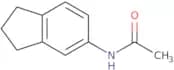
CAS:<p>Please enquire for more information about 2-(Diethylamino)-N-(2,4-dimethylphenyl ) acetamide HCl including the price, delivery time and more detailed product information at the technical inquiry form on this page</p>Formula:C14H22N2O·HClPurity:Min. 95 Area-%Molecular weight:270.8 g/molN-(2,3-Dihydro-1H-inden-5-yl)acetamide
CAS:<p>N-(2,3-Dihydro-1H-inden-5-yl)acetamide (DHICA) is an organic compound that is used in the synthesis of stilbazolium and trichophyton. It has been shown to be a kinetic model for photoisomerization of indene derivatives, which is important in the study of chemistry. DHICA has also been shown to be active against the violaceum fungus. The fluorescence properties of DHICA have been studied extensively and it has been found to have high quantum yields and a large number of channels.</p>Formula:C11H13NOPurity:Min. 95%Molecular weight:175.23 g/molL-Alanine amide hydrobromide
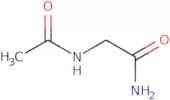
CAS:<p>L-Alanine amide hydrobromide is a carboxylic acid that can be used as an antibacterial agent. It reacts with the amino group of l-tyrosine and alkylsulfonyl groups to form an amide. L-Alanine amide hydrobromide has been shown to inhibit bacterial growth in vitro, and it also has anti-inflammatory properties. The antibacterial activity of L-alanine amide hydrobromide is activated by reaction time, which may be due to its ability to react with the basic proteins found in bacteria. This drug also interacts with vinyl alcohol, which may be important for its immobilized application.</p>Formula:C3H8N2O·HBrPurity:Min. 95%Molecular weight:169.02 g/molN-Acetylglycinamide
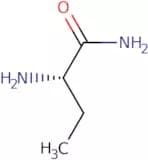
CAS:Controlled Product<p>N-Acetylglycinamide is an amide that is structurally similar to the amino acid glycine. It has been shown to have anti-inflammatory properties by inhibiting prostaglandin synthesis in vitro. In vivo, N-acetylglycinamide is metabolized and excreted as the non-polar solvents n-acetylglycine and chloride. This amide is soluble in non-polar solvents such as chloroform, dichloromethane, or ether. N-acetylglycinamide also has a pairwise orientational order with respect to solvent molecules and exhibits a low degree of hydrogen bonding interactions with water molecules.</p>Purity:Min. 95%L-2-Aminobutanamide
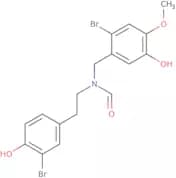
CAS:<p>L-2-Aminobutanamide is a compound that is used as an industrial preparation and as a reagent in kinetic studies. It has been shown to be effective in the analytical method for the determination of hydrochloric acid in titration, with a detection limit of 0.1%. L-2-Aminobutanamide can also be used to produce asymmetric synthesis by adding it with sodium hydroxide solution or hydroxide solution and using chromatographic science. This compound has been shown to have antibacterial effects on Brucella, which can be attributed to its ability to inhibit protein synthesis and disrupt cell membrane integrity. L-2-Aminobutanamide is a chiral compound that can exist in two different forms, L -(+)-2-aminobutanamide or D -(-)-2-aminobutanamide.</p>Formula:C4H10N2OPurity:Min. 95%Molecular weight:102.14 g/molN-(3-Bromo-4-hydroxyphenethyl)-N-(2-bromo-5-hydroxy-4-methoxybenzyl)formamide
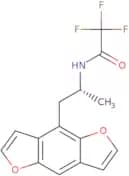
CAS:Controlled Product<p>Please enquire for more information about N-(3-Bromo-4-hydroxyphenethyl)-N-(2-bromo-5-hydroxy-4-methoxybenzyl)formamide including the price, delivery time and more detailed product information at the technical inquiry form on this page</p>Formula:C17H17Br2NO4Purity:Min. 95%Molecular weight:459.13 g/mol(R)-Dragonfly N-trifluoroacetamide
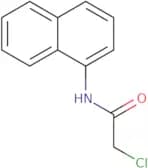
CAS:Controlled Product<p>Please enquire for more information about (R)-Dragonfly N-trifluoroacetamide including the price, delivery time and more detailed product information at the technical inquiry form on this page</p>Formula:C15H12F3NO3Purity:Min. 95%Molecular weight:311.26 g/mol2-Chloro-N-1-naphthylacetamide
CAS:<p>2-Chloro-N-1-naphthylacetamide is a synthetic organic compound that belongs to the class of sulfur compounds. It is used in the synthesis of other compounds and has been shown to be a potent inhibitor of hydroxylapatite and sulfate hydrolysis. The reaction mechanism for this compound’s inhibition of sulfate hydrolysis is not known, but it may be due to its ability to act as an electron donor or acceptor. 2-Chloro-N-1-naphthylacetamide also has carcinogenic properties, with some studies suggesting that it can cause liver cancer in rodents.</p>Formula:C12H10ClNOPurity:Min. 95%Molecular weight:219.67 g/mol5[(R)-(2-Aminopropyl)]-2-methoxybenzenesulfonamide hydrochloride
CAS:Controlled Product<p>Please enquire for more information about 5[(R)-(2-Aminopropyl)]-2-methoxybenzenesulfonamide hydrochloride including the price, delivery time and more detailed product information at the technical inquiry form on this page</p>Formula:C10H17ClN2O3SPurity:Min. 95%Molecular weight:280.77 g/molThionicotinamide
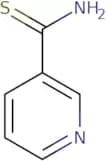
CAS:<p>Thionicotinamide is a drug that belongs to the group of ethionamide. It is a synthetic compound with synergistic activity against tuberculosis bacteria. Thionicotinamide inhibits bacterial growth by binding to mycolic acid, which is a component of the cell wall. Thionicotinamide also has conformational properties, which inhibit the enzyme activities. This drug also interacts with other drugs, such as ethionamide, and may have an effect on the metabolism of these drugs in humans. Thionicotinamide binds to lipids and reduces the activity of enzymes that are involved in lipid synthesis. The nitrogen atoms of thionicotinamide bind to four oxygen atoms from two molecules of glycol ethers in a 1:1 ratio. This binding leads to the formation of hydrogen bonds between these molecules, resulting in an increase in kinetic energy for these reactions and improved structural analysis for this molecule.</p>Formula:C6H6N2SPurity:Min. 95%Color and Shape:PowderMolecular weight:138.19 g/mol2-Methylnicotinamide
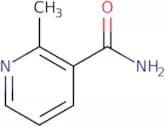
CAS:<p>2-Methylnicotinamide is an amide that is used to treat inflammatory bowel disease. It inhibits the production of glutamate and aspartate, which are neurotransmitters that are involved in the inflammation process. 2-Methylnicotinamide has been shown to have a protective effect on renal function by reducing blood flow to the kidneys, thereby decreasing renal damage caused by glutamate and aspartate. This drug also has anticancer properties, which may be due to its ability to inhibit viral replication and reduce the incidence of cancer in animals. 2-Methylnicotinamide has not yet been tested on humans, but it is thought to be safe for use in pharmaceutical dosages.</p>Formula:C7H8N2OPurity:Min. 95%Molecular weight:136.15 g/molD-Leucine amide
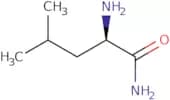
CAS:<p>D-Leucine amide is a hydrophobic, carboxyamide amino acid that is found in the fungus Ochrobactrum anthropi. D-Leucine amide has been shown to catalyze the formation of tripeptides, such as d-alanine and d-tryptophan, from their monomers. The presence of this compound enhances the expression of genes encoding proteins involved in the synthesis of these amino acids. This compound also has been shown to enhance gene analysis by increasing the stability of DNA and RNA molecules.</p>Formula:C6H14N2OPurity:Min. 95%Molecular weight:130.19 g/mol3-(2-Ethyl-1H-benzimidazol-1-yl)propanamide
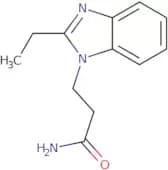
CAS:Controlled Product<p>Please enquire for more information about 3-(2-Ethyl-1H-benzimidazol-1-yl)propanamide including the price, delivery time and more detailed product information at the technical inquiry form on this page</p>Formula:C12H15N3OPurity:Min. 95%Molecular weight:217.27 g/molDeshydroxy bicalutamide
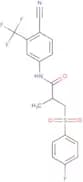
CAS:<p>Deshydroxy bicalutamide is a ligand that has been synthesized to bind to the androgen receptor. It is an antagonist of the androgen receptor. Deshydroxy bicalutamide has been shown to inhibit cancer cell growth in prostate cancer cell lines, which is due to its ability to bind and block the ligand-binding domain of the androgen receptor. Molecular modelling has shown that deshydroxy bicalutamide binds in the hydroxyl group region of the binding site, which blocks it from binding with other ligands such as testosterone. This may lead to decreased levels of testosterone in males, leading to decreased levels of androgens in prostate cancer cells.</p>Formula:C18H14F4N2O3SPurity:Min. 95%Molecular weight:414.38 g/mol





![N-[[(2R,3S,4R)-4-[Bis[(3-cyanophenyl)methyl]amino]-3-hydroxyoxolan-2-yl]methyl]cyclopropanecarboxa…](/_next/image/?url=https%3A%2Fstatic.cymitquimica.com%2Fproducts%2FTR%2Fthumb-webp%2FB400145.webp&w=3840&q=75)

![N-(3-Morpholinopropyl)-2-(p-tolyl)benzo[d]imidazo[2,1-b]thiazole-7-carboxamide](/_next/image/?url=https%3A%2Fstatic.cymitquimica.com%2Fproducts%2FTR%2Fthumb-webp%2FM723900.webp&w=3840&q=75)
![N-{2-[(2-Acetamidoethyl)disulfanyl]ethyl}acetamide](/_next/image/?url=https%3A%2Fstatic.cymitquimica.com%2Fproducts%2FTR%2Fthumb-webp%2FA158288.webp&w=3840&q=75)
![N-[2-[(3-Hydroxyphenyl)methylamino]ethyl]-acetamide](/_next/image/?url=https%3A%2Fstatic.cymitquimica.com%2Fproducts%2FTR%2Fthumb-webp%2FH949285.webp&w=3840&q=75)
![N-Ethyl-N-[2-(2S)-oxiranylethyl] Triflic Amide](/_next/image/?url=https%3A%2Fstatic.cymitquimica.com%2Fproducts%2FTR%2Fthumb-webp%2FE925320.webp&w=3840&q=75)
![N-[4-(2-Chloroethoxy)phenyl]acetamide](/_next/image/?url=https%3A%2Fstatic.cymitquimica.com%2Fproducts%2FTR%2Fthumb-webp%2FC162810.webp&w=3840&q=75)

![N-[4-Chloro-3-(trifluoromethyl)phenyl]-2-hydroxy-5-nitrobenzamide](/_next/image/?url=https%3A%2Fstatic.cymitquimica.com%2Fproducts%2FTR%2Fthumb-webp%2FB680370.webp&w=3840&q=75)


![5[(R)-(2-Aminopropyl)]-2-methoxybenzenesulfonamide hydrochloride](/_next/image/?url=https%3A%2Fstatic.cymitquimica.com%2Fproducts%2F3D%2Fthumb-webp%2FFA17834.webp&w=3840&q=75)