Amides
Amides are a wide range of chemical compounds that contain at least one heterocyclic ring, which has atoms of at least two different elements in the ring structure, and at least one amide group (-CONH2). These compounds are crucial in the synthesis of pharmaceuticals, polymers, and agrochemicals. Amides exhibit unique properties and reactivity, making them valuable intermediates in organic synthesis. At CymitQuimica, we offer a comprehensive selection of high-quality amides to support your research and industrial needs.
Found 16401 products of "Amides"
Sort by
Purity (%)
0
100
|
0
|
50
|
90
|
95
|
100
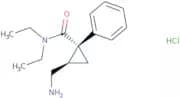
(E)-2-(Aminomethyl)-N,N-diethyl-1-phenylcyclopropanecarboxamideHydrochloride
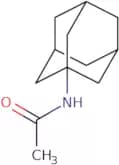
CAS:Controlled Product<p>Levomilnacipran is a serotonin-norepinephrine reuptake inhibitor (SNRI) that is used for the treatment of major depressive disorder and fibromyalgia. It has been shown to have antidepressant effects in patients with major depressive disorder and fibromyalgia. Levomilnacipran inhibits the reuptake of serotonin and norepinephrine by blocking the transporter proteins in these neurotransmitter pathways, increasing their availability to interact with receptors in the brain. Levomilnacipran also has been found to inhibit aminotransferase activity, which may be responsible for its hepatotoxicity.</p>Formula:C15H23ClN2OPurity:Min. 95%Molecular weight:282.81 g/molN-(1-Adamantyl)-acetamide
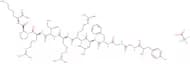
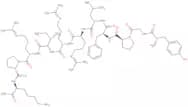
CAS:<p>Adamantane is a cyclic hydrocarbon with 18 carbon atoms. It is a colorless, crystalline compound that is soluble in organic solvents. Adamantane has been used as an anti-influenza drug for the treatment of pandemic influenza. Adamantane binds to the virus and inhibits its ability to bind to the host cell surface receptor, preventing viral entry into the cell. Adamantane has been shown to be effective against both influenza A and B viruses in animal studies. Adamantane also has an inhibitory effect on amine metabolism and aryl halide reactions, which may be due to its hydrogen bond forming abilities.</p>Purity:Min. 95%Color and Shape:PowderMolecular weight:193.29 g/mol(Pro3)-Dynorphin A (1-11) amide trifluoroacetate salt
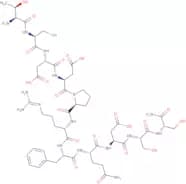
CAS:<p>Please enquire for more information about (Pro3)-Dynorphin A (1-11) amide trifluoroacetate salt including the price, delivery time and more detailed product information at the technical inquiry form on this page</p>Formula:C66H108N22O12Purity:Min. 95%Molecular weight:1,401.7 g/molpTH (1-31) amide (human)
CAS:<p>pTH (1-31) amide is a polymer conjugate that is used to treat osteoporosis. It has been shown to be effective in reducing the risk of fracture and increasing bone mineral density in animals. The compound binds to the extracellular domain of the estrogen receptor, altering its conformation and preventing it from interacting with other proteins in the nucleus. pTH (1-31) amide has also been shown to reduce blood pressure in animals by inhibiting angiotensin-converting enzyme. Clinical data on this drug are limited, but it has been well tolerated so far.</p>Formula:C162H270N50O46S2Purity:Min. 95%Molecular weight:3,718.32 g/molChorionic Gonadotropin-beta (109-119) amide (human)
CAS:<p>Please enquire for more information about Chorionic Gonadotropin-beta (109-119) amide (human) including the price, delivery time and more detailed product information at the technical inquiry form on this page</p>Formula:C50H76N16O21SPurity:Min. 95%Molecular weight:1,269.3 g/molAcetyl-Amyloid b-Protein (15-20) amide trifluoroacetate salt
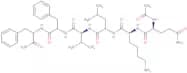
CAS:<p>Please enquire for more information about Acetyl-Amyloid b-Protein (15-20) amide trifluoroacetate salt including the price, delivery time and more detailed product information at the technical inquiry form on this page</p>Formula:C42H63N9O8Purity:Min. 95%Molecular weight:822.01 g/molOsteostatin (1-5) amide (human, bovine, dog, horse, mouse, rabbit, rat) trifluoroacetate salt
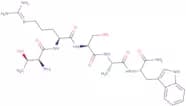
CAS:<p>Please enquire for more information about Osteostatin (1-5) amide (human, bovine, dog, horse, mouse, rabbit, rat) trifluoroacetate salt including the price, delivery time and more detailed product information at the technical inquiry form on this page</p>Formula:C27H42N10O7Purity:Min. 95%Molecular weight:618.69 g/mol2-Aminoethanesulphonamide monohydrochloride
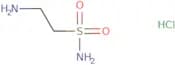
CAS:<p>2-Aminoethanesulphonamide monohydrochloride is a perovskite with a hexagonal shape. It has been shown to interact with the pharmacophore of the enzyme cytochrome P450, and it has been optimized for the reaction by altering its structure. This product is soluble in gaseous form, but can also be used as a solid. 2-Aminoethanesulphonamide monohydrochloride has an absorption maximum at 325 nm and emits fluorescence at 420 nm. It is used in devices that detect ionizing radiation.</p>Formula:C2H8N2O2S•HClPurity:Min. 95%Color and Shape:PowderMolecular weight:160.62 g/mol(D-Phe5,Cys6·11,N-Me-D-Trp8)-Somatostatin-14 (5-12) amide
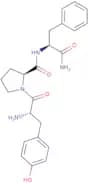
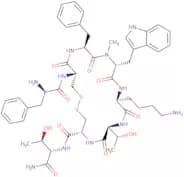
CAS:<p>Please enquire for more information about (D-Phe5,Cys6·11,N-Me-D-Trp8)-Somatostatin-14 (5-12) amide including the price, delivery time and more detailed product information at the technical inquiry form on this page</p>Formula:C50H67N11O10S2Purity:Min. 95%Molecular weight:1,046.27 g/molbeta-Casomorphin (1-2) amide
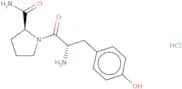
CAS:<p>Please enquire for more information about beta-Casomorphin (1-2) amide including the price, delivery time and more detailed product information at the technical inquiry form on this page</p>Formula:C14H19N3O3·HClPurity:Min. 95%Molecular weight:313.78 g/molLeptin (116-130) amide (mouse) trifluoroacetate salt
CAS:<p>Amide; Trifluoroacetate salt</p>Formula:C64H109N19O24SPurity:Min. 95%Molecular weight:1,560.73 g/molN-alpha-Benzoyl-L-argininamide
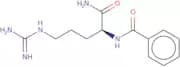
CAS:<p>N-alpha-Benzoyl-L-argininamide is a synthetic compound that is used as an enzyme inhibitor. It binds to the active site of proteases, thereby inhibiting their activity. This drug has been shown to inhibit the activities of phosphodiesterase and phosphatase enzymes in vitro. N-alpha-Benzoyl-L-argininamide also inhibits the proteolytic degradation of hippuric acid and casein in vitro. The binding affinity for this drug is due to its structural similarity with substrates such as glutamate and rhizosphere exudates.</p>Formula:C13H19N5O2Purity:Min 98%Color and Shape:White PowderMolecular weight:277.32 g/molClopamide
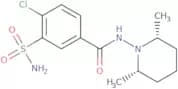
CAS:<p>Clopamide is a diuretic drug that belongs to the group of protein genes. It is used in the treatment of chronic heart failure, low-density lipoprotein cholesterol and infectious diseases. Clopamide has been shown to increase the glomerular filtration rate by inhibiting the sodium citrate enzyme, which is involved in the formation of urine from blood plasma. This drug also reduces blood pressure by blocking angiotensin II receptors on vascular smooth muscle cells. Clopamide does not have any significant interactions with other drugs, although caution should be exercised when using it with cardiac drugs due to its effects on blood pressure.</p>Formula:C14H20ClN3O3SPurity:Min. 98 Area-%Color and Shape:White PowderMolecular weight:345.85 g/mol(D-Arg6,Asn10)-MCH (6-16) amide (human, mouse, rat) trifluoroacetate salt
CAS:<p>Please enquire for more information about (D-Arg6,Asn10)-MCH (6-16) amide (human, mouse, rat) trifluoroacetate salt including the price, delivery time and more detailed product information at the technical inquiry form on this page</p>Formula:C60H100N22O14S3Purity:Min. 95%Molecular weight:1,449.77 g/mol(D-Ala2)-Leu-Enkephalin amide
CAS:<p>Hyaluronic acid is a natural component of connective tissue and synovial fluid in animals. It is a linear, unbranched polysaccharide consisting of alternating D-glucuronic acid and N-acetyl-D-glucosamine. Hyaluronic acid has been shown to be useful in the treatment of long-term diseases such as heart disease or skin conditions like eczema. It is important for the efficient production of vaccines, which are used to prevent infectious diseases such as streptococcal infections. Hyaluronic acid can also be used as a microcontroller for minimally invasive procedures. This molecule can be used as an additive in the production of metallocene catalysts to increase the efficiency of these reactions, while reducing impurities during the process. The use of hyaluronic acid has been studied extensively, with many techniques employed to study its properties and functions. Genetic factors have also been found to play a role in</p>Formula:C29H40N6O6Purity:Min. 95%Molecular weight:568.66 g/molN-[4-(2-Bromoacetyl)phenyl]methanesulfonamide
CAS:<p>N-[4-(2-Bromoacetyl)phenyl]methanesulfonamide is a chiral biocatalytic agent, which is synthesized by chemoenzymatic or enzymatic reactions. It has been used in enantioselective synthesis of 4-aminoacetophenone and as an antiarrhythmic agent. This compound is not active against bacterial infections.</p>Formula:C9H10BrNO3SPurity:Min. 95%Molecular weight:292.15 g/molKemptamide trifluoroacetate salt
CAS:<p>Kemptamide is a peptide that has been shown to have cytotoxic and anti-proliferative effects on renal cancer cells. It is a synthetic analogue of an endogenous peptide, Lys-Lys-Arg-Pro-Gln-Arg-Ala-Thr-Ser-Asn-Val-Phe, that is found in porcine kidney. Kemptamide’s cytotoxic activity may be due to its ability to inhibit the activity of phosphatases. Kemptamide also has regulatory properties and can modulate the expression of genes that are involved in cell growth and apoptosis. This peptide has been shown to be reactive with kidney cells, which may lead to its therapeutic effect on renal cancer.</p>Formula:C65H112N24O18Purity:Min. 95%Molecular weight:1,517.74 g/mol1-(2-Fluorobenzyl)-1H-pyrazolo[3,4-b]pyridine-3-carboximidamide hydrochloride
CAS:Controlled Product<p>Please enquire for more information about 1-(2-Fluorobenzyl)-1H-pyrazolo[3,4-b]pyridine-3-carboximidamide hydrochloride including the price, delivery time and more detailed product information at the technical inquiry form on this page</p>Formula:C14H12FN5•HClPurity:Min. 95%Color and Shape:PowderMolecular weight:305.74 g/mol(Tyr34)-pTH (7-34) amide (bovine) trifluoroacetate salt
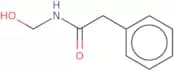
CAS:<p>Please enquire for more information about (Tyr34)-pTH (7-34) amide (bovine) trifluoroacetate salt including the price, delivery time and more detailed product information at the technical inquiry form on this page</p>Formula:C156H244N48O40S2Purity:Min. 95%Molecular weight:3,496.04 g/molN-(Hydroxymethyl)-phenylacetamide
CAS:<p>N-(Hydroxymethyl)-phenylacetamide is an organic solvent that is used in the synthesis of certain antibiotics. It is a synthetic compound and can be obtained by reacting toluene with benzene, using a strong acid catalyst such as sulfuric acid. N-(Hydroxymethyl)-phenylacetamide has been used in the synthesis of isoquinolones, which are also antibiotics. This organic solvent can also be used for recrystallization, which is a process that helps purify solids from liquids or liquids from solids. The yield of this reaction is high, making it an efficient way to synthesize these compounds.</p>Formula:C9H11NO2Purity:Min. 95%Molecular weight:165.19 g/molMca-Amyloid beta/A4 Protein Precursor770 (667-676)-Lys(Dnp)-Arg-Arg amide trifluoroacetate salt
CAS:<p>Please enquire for more information about Mca-Amyloid beta/A4 Protein Precursor770 (667-676)-Lys(Dnp)-Arg-Arg amide trifluoroacetate salt including the price, delivery time and more detailed product information at the technical inquiry form on this page</p>Formula:C87H129N27O28SPurity:Min. 95%Molecular weight:2,033.19 g/molGLP-1 (1-36) amide (human, bovine, guinea pig, mouse, rat) trifluoroacetate salt
CAS:<p>Please enquire for more information about GLP-1 (1-36) amide (human, bovine, guinea pig, mouse, rat) trifluoroacetate salt including the price, delivery time and more detailed product information at the technical inquiry form on this page</p>Formula:C184H273N51O57Purity:Min. 95%Molecular weight:4,111.45 g/mol(D-Trp6)-LHRH (1-6) amide
CAS:<p>Please enquire for more information about (D-Trp6)-LHRH (1-6) amide including the price, delivery time and more detailed product information at the technical inquiry form on this page</p>Formula:C45H49N11O9Purity:Min. 95%Molecular weight:887.94 g/molPAR-2 (1-6) amide (mouse, rat) trifluoroacetate salt
CAS:<p>PAR-2 agonist is a synthetic peptide that activates PAR-2. It binds to PAR-2 receptors, which are present in the mesenteric vasculature and in various other tissues. Activation of PAR-2 leads to an increase in intracellular calcium concentration, activation of protein kinase C, cytosolic calcium ion release, phosphorylation of myosin light chain, muscle cell proliferation, transcription and translation initiation, and increased production of vasoactive intestinal peptide. This drug also has anti-inflammatory effects and stimulates epidermal growth factor (EGF) and thrombin receptor expression as well as growth factor production.</p>Formula:C29H56N10O7Purity:Min. 95%Molecular weight:656.82 g/mol(Phe4)-Dermorphin (1-4) amide
CAS:<p>Dermorphin is a peptide that is derived from the proenkephalin gene. It is an opioid analgesic and has been shown to be effective in the treatment of hernias. Dermorphin has also been shown to inhibit platelet aggregation and blood coagulation, making it an antithrombotic therapy. The structure of dermorphin has been determined using a hydroxy group as the reactive site for synthesis and molecular modelling techniques. Dermorphin has also been shown to have an active oxygen species selectivity index (a measure of antioxidant activity) higher than those of other drugs in its class, which makes it suitable for use as a sealant in abdominal surgery.</p>Formula:C30H35N5O5Purity:Min. 95%Molecular weight:545.63 g/molGlycinamide hydrochloride
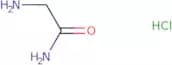
CAS:<p>Glycinamide hydrochloride is an inhibitor that binds to the glycine-binding site of the protein synthetase and inhibits the formation of glycinamide ribonucleotide. It has been shown to inhibit human glycinamide ribonucleotide synthetase in vitro. Glycinamide hydrochloride is also a glycinamide amide, which was synthesized by linking two molecules of glycine with an amide bond. This molecule is cross-linked with a macrogel, forming a hydrogel. The hydrogel can be used in biomedical applications, such as tissue engineering and drug delivery systems.</p>Formula:C2H7ClN2OColor and Shape:White PowderMolecular weight:110.54 g/mol4-Chloro-3-nitrobenzenesulfonamide
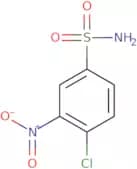
CAS:<p>4-Chloro-3-nitrobenzenesulfonamide is a fluorogenic probe that can be used in the diagnosis of cancer. It inhibits the activity of MCL-1, which is an antiapoptotic protein. The skeleton of 4-Chloro-3-nitrobenzenesulfonamide has been shown to have carbonic and fluorescence properties. This chemical compound is also metabolized by azobenzene to form a fluorescent derivative that can be used for optical imaging in vivo.</p>Formula:C6H5ClN2O4SPurity:Min. 95%Molecular weight:236.63 g/mol(Phe1-psi(CH2NH)Gly2)-Nociceptin (1-13) amide
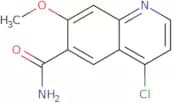
<p>Please enquire for more information about (Phe1-psi(CH2NH)Gly2)-Nociceptin (1-13) amide including the price, delivery time and more detailed product information at the technical inquiry form on this page</p>Formula:C61H102N22O14Purity:Min. 95%Molecular weight:1,367.6 g/mol4-Chloro-7-methoxyquinoline-6-carboxamide
CAS:<p>Intermediate in the synthesis of lenvatinib</p>Formula:C11H9ClN2O2Purity:Min. 95%Molecular weight:236.65 g/mol3-Nitro-4-[[(tetrahydropyran-4-yl)methyl]amino]benzenesulfonamide
CAS:<p>Please enquire for more information about 3-Nitro-4-[[(tetrahydropyran-4-yl)methyl]amino]benzenesulfonamide including the price, delivery time and more detailed product information at the technical inquiry form on this page</p>Formula:C12H17N3O5SPurity:Min. 95%Molecular weight:315.35 g/molHSV-1-amide UL 26 Open Reading Frame (242-255)
CAS:<p>Please enquire for more information about HSV-1-amide UL 26 Open Reading Frame (242-255) including the price, delivery time and more detailed product information at the technical inquiry form on this page</p>Formula:C80H117N21O20SPurity:Min. 95%Molecular weight:1,724.98 g/mol(Deamino-Cys11,D-2-Nal 14,Cys18)-b-MSH (11-22) amide trifluoroacetate salt
CAS:<p>Please enquire for more information about (Deamino-Cys11,D-2-Nal 14,Cys18)-b-MSH (11-22) amide trifluoroacetate salt including the price, delivery time and more detailed product information at the technical inquiry form on this page</p>Formula:C69H91N19O16S2Purity:Min. 95%Molecular weight:1,506.71 g/molC14-Ceramide
CAS:<p>Ceramide is a fatty acid that is an important component of cell membranes. It has been shown to inhibit the activity of enzymes such as phospholipase A2 and lipoxygenase, which are involved in inflammatory reactions. Ceramide can also be used to diagnose infectious diseases, such as tuberculosis and malaria. The diagnostic procedure involves measuring the enzyme activities of ceramidase and lysosomal sphingomyelinase with the help of a radioactive substrate. This can be done by extracting tissue from mammalian cells or by drawing blood samples from patients. In addition, ceramide may be associated with insulin resistance and cancer.</p>Formula:C32H63NO3Purity:Min. 95%Molecular weight:509.85 g/molN-Benzoyl-L-leucine-beta-naphthylamide
CAS:<p>N-Benzoyl-L-leucine-beta-naphthylamide is a chromogenic substrate for transpeptidase. It is hydrolyzed to L-phenylalanine and 2-naphthylamine, which react with the chromogen to produce a color change. The reaction occurs in both spermatozoa and epithelial cells, but can be inhibited by aminopeptidase and peptidase. This substrate is used as a marker for spermatozoa in semen analysis.</p>Formula:C23H24N2O2Purity:Min. 95%Color and Shape:PowderMolecular weight:360.45 g/mol(Nle 8·18,Tyr34)-pTH (3-34) amide (bovine)
CAS:<p>Please enquire for more information about (Nle 8·18,Tyr34)-pTH (3-34) amide (bovine) including the price, delivery time and more detailed product information at the technical inquiry form on this page</p>Formula:C177H279N53O48Purity:Min. 95%Molecular weight:3,917.44 g/molPhenylacetyl-(D-Arg2·28,p-chloro-Phe6, Homoarg 9·29,Tyr(Me)10, Abu 15, Nle 27)-GRF (1-29) amide (human)
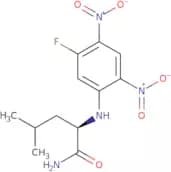
CAS:<p>Please enquire for more information about Phenylacetyl-(D-Arg2·28,p-chloro-Phe6, Homoarg 9·29,Tyr(Me)10, Abu 15, Nle 27)-GRF (1-29) amide (human) including the price, delivery time and more detailed product information at the technical inquiry form on this page</p>Formula:C172H284ClN53O41Purity:Min. 95%Molecular weight:3,785.88 g/molNalpha-(5-fluoro-2,4-dinitrophenyl)-D-leucinamide
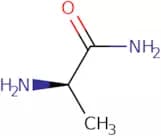
CAS:<p>Nalpha-(5-fluoro-2,4-dinitrophenyl)-D-leucinamide is a chemical compound that inhibits the activity of proteases. It has been shown to inhibit leukemia cells and actinomycetes. This chemical binds to the active site of proteases, inhibiting the hydrolysis of peptides by blocking the access of water molecules to the reactive site. In addition, Nalpha-(5-fluoro-2,4-dinitrophenyl)-D-leucinamide can also be used as a fluorescent probe for protease activity in analytical methods. The product research on this compound has shown that it is a potent inhibitor of cyclic peptide synthetases and can be used as an anti-inflammatory agent.</p>Formula:C12H15FN4O5Purity:Min. 95%Color and Shape:Off-White To Yellow SolidMolecular weight:314.27 g/mol(2R)-2-Aminopropanamide
CAS:<p>(2R)-2-Aminopropanamide is a chemical compound that is classified as an amide. It has been shown to inhibit bacterial growth and induce apoptosis in mammalian cells, but not in bacteria. This drug has a number of hydrogen bonding interactions with the carbonyl group and amide functional groups and can bind to affinity ligands with hydrogen bonding interactions. (2R)-2-Aminopropanamide inhibits the activity of enzymes that are involved in the synthesis of d-alanine, which is a precursor for protein synthesis. It also inhibits the enzyme glutamine synthase, which plays a key role in building up nitrogen reserves in bacteria. The drug binds to DNA by forming hydrogen bonds with the phosphate backbone and intercalates into double-stranded DNA by forming van der Waals interactions with base pairs.</p>Formula:C3H8N2OPurity:Min. 95%Molecular weight:88.11 g/molpTH (1-34) amide (human) trifluoroacetate salt
CAS:<p>Parathyroid hormone (PTH) is a peptide hormone that regulates calcium and phosphate balance in the body. PTH is secreted by the parathyroid glands, located near the thyroid gland in the neck. It is also known as parathormone or parathyrin. The active form of PTH, called pTH (1-34) amide, has been shown to stimulate bone resorption and to inhibit bone formation. The amino acid sequence of this hormone starts with arginine and ends with phenylalanine. The N-terminal amino acid residue is an aspartic acid or asparagine and histidine is the only basic residue in this molecule. This molecule has two acidic residues, glutamic acid and aspartic acid, which are found on the side chains of two amino acids: aspartic acid and glutamic acid. Valine is found at position 3 and phenylalanine at position 34.</p>Formula:C181H292N56O50S2Purity:Min. 95%Molecular weight:4,116.73 g/molMca-(endo-1a-Dap (Dnp))-TNF-a (-5 to +6) amide (human) trifluoroacetate salt
CAS:<p>Please enquire for more information about Mca-(endo-1a-Dap (Dnp))-TNF-a (-5 to +6) amide (human) trifluoroacetate salt including the price, delivery time and more detailed product information at the technical inquiry form on this page</p>Formula:C69H103N23O24Purity:Min. 95%Molecular weight:1,638.7 g/molDynorphin A (1-11) amide trifluoroacetate salt
CAS:<p>Dynorphin A (1-11) amide trifluoroacetate salt is a modified form of the opioid peptide dynorphin, which is a natural ligand for kappa-opioid receptors. It has affinity for the surface receptors and can be used to study the modifications that occur in cell function. Dynorphin A (1-11) amide trifluoroacetate salt has been shown to decrease cell function when it interacts with these surface receptors, which are found in brain homogenates and other tissues. Dynorphin A (1-11) amide trifluoroacetate salt also has an effect on brain cells, which may be due to its ability to alter conformational changes in proteins by binding to them. This can lead to alterations in the structure of certain enzymes or receptor proteins.</p>Formula:C63H104N22O12Purity:Min. 95%Molecular weight:1,361.64 g/molBeta-Casomorphin (1-3) amide acetate salt
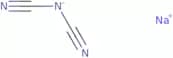
CAS:<p>Beta-casomorphin (1-3) amide acetate salt (BCMA) is a peptide that belongs to the class of opioid compounds. It is an amino acid and has been shown to be a potent agonist at opioid receptors. BCMA is used in vivo as a tritiated ligand for mapping the distribution of opioid receptors in rat brain. The affinity of BCMA for opioid receptors increases with dose, and its antinociceptive effects are dose-dependent. Beta-casomorphin (1-3) amide acetate salt has also been shown to have affinity for enkephalins, which are naturally occurring peptides that bind to opioid receptors.</p>Formula:C23H28N4O4Purity:Min. 95%Molecular weight:424.49 g/molSodium dicyanamide
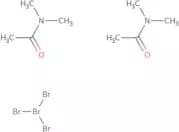
CAS:<p>Sodium dicyanamide is a diphenyl ether that has been shown to be effective in the treatment of polycystic ovarian syndrome. It binds to picolinic acid, which is a cofactor for the enzyme phenylalanine hydroxylase, and inhibits the production of tyrosine. This leads to an increase in the levels of luteinizing hormone and follicle-stimulating hormone, which helps ovulation. Sodium dicyanamide also interacts with hydrogen bond interactions and chelate ligands. The reaction mechanism of this compound is not well understood, but it is known that it can react with oxygen at high temperatures.</p>Formula:C2N3NaPurity:Min. 95%Color and Shape:White PowderMolecular weight:89.03 g/molBis(N,N-dimethylacetamide) hydrogen dibromobromate
CAS:<p>Bis(N,N-dimethylacetamide) hydrogen dibromobromate (DMBB) is a chemical with a variety of uses in research and industrial chemistry. It is an intermediate for the synthesis of other chemicals and can be used as a reagent in organic synthesis. DMBB is also known to be useful as a building block for the synthesis of complex compounds. The CAS number for DMBB is 75381-80-5.</p>Formula:C4H9NO·HBr4Purity:Min. 95%Color and Shape:PowderMolecular weight:494.86 g/mol(Nle 8·18,Tyr34)-pTH (7-34) amide (bovine)
CAS:<p>Please enquire for more information about (Nle 8·18,Tyr34)-pTH (7-34) amide (bovine) including the price, delivery time and more detailed product information at the technical inquiry form on this page</p>Formula:C158H248N48O49Purity:Min. 95%Molecular weight:3,603.95 g/molPhenylacetyl-(D-Arg2·28,p-chloro-Phe6,Arg9, Abu 15, Nle 27, Homoarg 29)-GRF (1-29) amide (human)
CAS:Please enquire for more information about Phenylacetyl-(D-Arg2·28,p-chloro-Phe6,Arg9, Abu 15, Nle 27, Homoarg 29)-GRF (1-29) amide (human) including the price, delivery time and more detailed product information at the technical inquiry form on this pageFormula:C170H280ClN53O41Purity:Min. 95%Molecular weight:3,757.83 g/molGRF (1-29) amide (human) acetate salt
CAS:<p>Growth hormone-releasing factor (GRF) is a peptide fragment of amino acids 1–2 from GHRH (growth hormone-releasing hormone). This 1-29 region is the shortest fully functional fragment of GHRH. GRF is also known as sermorelin. Sermorelin binds to the growth hormone-releasing hormone receptor (GHRH-R), and acts as a surrogate for GHRH, causing growth hormone secretion.human: H-YADAIFTNSYRKVLGQLSARKLLQDIMSR-NH2rat: H-HADAIFTSSYRR I LGQLYARKLLHEIMNR-NH2</p>Formula:C149H246N44O42SPurity:Min. 95%Molecular weight:3,357.88 g/molGalanin Message Associated Peptide (16-41) amide
CAS:<p>Please enquire for more information about Galanin Message Associated Peptide (16-41) amide including the price, delivery time and more detailed product information at the technical inquiry form on this page</p>Formula:C134H219N35O37SPurity:Min. 95%Molecular weight:2,944.45 g/molN1-Glutathionyl-spermidine disulfide [
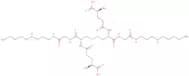
CAS:<p>N1-Glutathionyl-spermidine disulfide (N1-GS) is a molecule that has been shown to have clinical use in the treatment of chronic hepatitis C infection. The N1-GS molecule is composed of a glutathione (GSH) scaffold with two sulfhydryl groups and an amino acid side chain. N1-GS has a hydrophobic nature, which allows it to penetrate the cellular membrane and enter cells. It is also able to form hydrogen bonds and act as a catalyst for reactions. Fluorescence analysis revealed that this molecule is selective for disulfides over thiols, amines, or alcohols. Disulfides are very important in biological systems since they can be found in enzymes, proteins, and cellular membranes. The insolubility of the N1-GS molecule makes it difficult to analyze its structure using traditional methods such as gas chromatography or nuclear magnetic resonance spectroscopy. However, fluorescence</p>Formula:C34H66N12O10S2Purity:Min. 95%Molecular weight:867.09 g/molSalicylamide
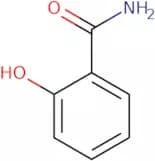
CAS:<p>Salicylamide is a drug that is used as an analgesic, antipyretic, and anti-inflammatory agent. It is also used to treat bowel disease, including ulcerative colitis and Crohn's disease. Salicylamide has been shown to inhibit the activity of enzymes such as cyclooxygenase-2 (COX-2) and 5-lipoxygenase (5-LOX), which are responsible for the production of inflammatory mediators. Salicylamide also inhibits copper chloride induced synchronous fluorescence in rat colon cells. Salicylamide also binds to human serum albumin and other nitrogen atoms, which can be measured using chemiluminescence methods. Salicylamide may also have properties that make it useful for the detection of cancerous tumors in the colon. Salicylamide can be detected using electrochemical impedance spectroscopy by measuring its resistance at different frequencies when a voltage is applied across a cell containing sal</p>Formula:C7H7NO2Purity:Min. 98 Area-%Color and Shape:PowderMolecular weight:137.14 g/mol


![N-[4-(2-Bromoacetyl)phenyl]methanesulfonamide](/_next/image/?url=https%3A%2Fstatic.cymitquimica.com%2Fproducts%2F3D%2Fthumb-webp%2FFB19192.webp&w=3840&q=75)
![1-(2-Fluorobenzyl)-1H-pyrazolo[3,4-b]pyridine-3-carboximidamide hydrochloride](/_next/image/?url=https%3A%2Fstatic.cymitquimica.com%2Fproducts%2F3D%2Fthumb-webp%2FFF104255.webp&w=3840&q=75)

![3-Nitro-4-[[(tetrahydropyran-4-yl)methyl]amino]benzenesulfonamide](/_next/image/?url=https%3A%2Fstatic.cymitquimica.com%2Fproducts%2F3D%2Fthumb-webp%2FFN145631.webp&w=3840&q=75)