Amides
Amides are a wide range of chemical compounds that contain at least one heterocyclic ring, which has atoms of at least two different elements in the ring structure, and at least one amide group (-CONH2). These compounds are crucial in the synthesis of pharmaceuticals, polymers, and agrochemicals. Amides exhibit unique properties and reactivity, making them valuable intermediates in organic synthesis. At CymitQuimica, we offer a comprehensive selection of high-quality amides to support your research and industrial needs.
Found 16485 products of "Amides"
Sort by
Purity (%)
0
100
|
0
|
50
|
90
|
95
|
100
Osteostatin amide trifluoroacetate
CAS:<p>Please enquire for more information about Osteostatin amide trifluoroacetate including the price, delivery time and more detailed product information at the technical inquiry form on this page</p>Formula:C142H229N43O57•(C2HF3O2)xPurity:Min. 95%Molecular weight:3,450.59 g/molBeta-Casomorphin (1-3) amide acetate salt
CAS:<p>Beta-casomorphin (1-3) amide acetate salt (BCMA) is a peptide that belongs to the class of opioid compounds. It is an amino acid and has been shown to be a potent agonist at opioid receptors. BCMA is used in vivo as a tritiated ligand for mapping the distribution of opioid receptors in rat brain. The affinity of BCMA for opioid receptors increases with dose, and its antinociceptive effects are dose-dependent. Beta-casomorphin (1-3) amide acetate salt has also been shown to have affinity for enkephalins, which are naturally occurring peptides that bind to opioid receptors.</p>Formula:C23H28N4O4Purity:Min. 95%Molecular weight:424.49 g/mol(D-Ala2)-Leu-Enkephalin amide
CAS:<p>Hyaluronic acid is a natural component of connective tissue and synovial fluid in animals. It is a linear, unbranched polysaccharide consisting of alternating D-glucuronic acid and N-acetyl-D-glucosamine. Hyaluronic acid has been shown to be useful in the treatment of long-term diseases such as heart disease or skin conditions like eczema. It is important for the efficient production of vaccines, which are used to prevent infectious diseases such as streptococcal infections. Hyaluronic acid can also be used as a microcontroller for minimally invasive procedures. This molecule can be used as an additive in the production of metallocene catalysts to increase the efficiency of these reactions, while reducing impurities during the process. The use of hyaluronic acid has been studied extensively, with many techniques employed to study its properties and functions. Genetic factors have also been found to play a role in</p>Formula:C29H40N6O6Purity:Min. 95%Molecular weight:568.66 g/molAmyloid b-Protein (1-40) amide trifluoroacetate salt
CAS:<p>Please enquire for more information about Amyloid b-Protein (1-40) amide trifluoroacetate salt including the price, delivery time and more detailed product information at the technical inquiry form on this page</p>Formula:C194H296N54O57SPurity:Min. 95%Molecular weight:4,328.82 g/molPAR-2 (6-1) amide (human) trifluoroacetate salt
CAS:<p>Please enquire for more information about PAR-2 (6-1) amide (human) trifluoroacetate salt including the price, delivery time and more detailed product information at the technical inquiry form on this page</p>Formula:C28H54N8O7Purity:Min. 95%Molecular weight:614.78 g/molN-Hydroxyethylacrylamide
CAS:<p>N-Hydroxyethylacrylamide is a compound that has been shown to have anti-infective properties against microbial infection. It was found to inhibit the growth of bacteria in human serum and fetal bovine serum, and it has minimal toxicity in mice. N-Hydroxyethylacrylamide also prevents the growth of fungi and yeasts by binding to basic proteins, such as lysine, arginine, and histidine. This drug also inhibits the growth of viruses by inhibiting their ability to replicate their own nucleic acids. In addition, N-Hydroxyethylacrylamide may be used as an inhibitor in titration calorimetry to measure the concentration of other compounds.</p>Formula:C5H9NO2Purity:Min. 95%Color and Shape:Colourless To Pale Yellow Clear LiquidMolecular weight:115.13 g/molL-Prolinamide
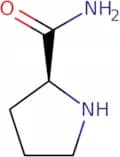
CAS:<p>Intermediate in the synthesis of vildagliptin</p>Formula:C5H10N2OPurity:Min. 95%Color and Shape:PowderMolecular weight:114.15 g/molTyr-Amyloid P Component (27-38) amide trifluoroacetate salt
CAS:<p>Please enquire for more information about Tyr-Amyloid P Component (27-38) amide trifluoroacetate salt including the price, delivery time and more detailed product information at the technical inquiry form on this page</p>Formula:C77H116N20O19SPurity:Min. 95%Molecular weight:1,657.93 g/molPAR-4 (1-6) amide (mouse) trifluoroacetate salt
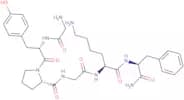
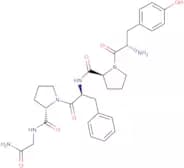
CAS:<p>PAR-4 (1-6) amide (mouse) trifluoroacetate salt H-Gly-Tyr-Pro-Gly-Lys-Phe-NH2 trifluoroacetate salt is a guanine nucleotide binding protein that belongs to the PAR family of proteins. It is expressed in wild type mice and binds to the cytosolic calcium, which regulates polymerase chain reaction. PAR-4 (1-6) amide (mouse) trifluoroacetate salt H-Gly-Tyr-Pro-Gly-Lys-Phe NH2 trifluoroacetate salt can be used as a potential drug target for epidermal growth factor. It has been shown to activate transcription polymerase chain and transcriptase polymerase chain during transcriptional regulation of messenger RNA.</p>Formula:C33H46N8O7Purity:Min. 95%Molecular weight:666.77 g/molPAR-3 (1-6) amide (mouse) trifluoroacetate salt
CAS:<p>Please enquire for more information about PAR-3 (1-6) amide (mouse) trifluoroacetate salt including the price, delivery time and more detailed product information at the technical inquiry form on this page</p>Formula:C25H36N8O8Purity:Min. 95%Molecular weight:576.6 g/molNociceptin (1-13) amide trifluoroacetate salt
CAS:<p>Please enquire for more information about Nociceptin (1-13) amide trifluoroacetate salt including the price, delivery time and more detailed product information at the technical inquiry form on this page</p>Formula:C61H100N22O15Purity:Min. 95%Molecular weight:1,381.59 g/mol(Nle 8·18,Tyr34)-pTH (7-34) amide (bovine)
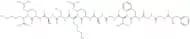
CAS:<p>Please enquire for more information about (Nle 8·18,Tyr34)-pTH (7-34) amide (bovine) including the price, delivery time and more detailed product information at the technical inquiry form on this page</p>Formula:C158H248N48O49Purity:Min. 95%Molecular weight:3,603.95 g/molPhenylacetyl-(D-Arg2·28,p-chloro-Phe6,Arg9, Abu 15, Nle 27, Homoarg 29)-GRF (1-29) amide (human)
CAS:Please enquire for more information about Phenylacetyl-(D-Arg2·28,p-chloro-Phe6,Arg9, Abu 15, Nle 27, Homoarg 29)-GRF (1-29) amide (human) including the price, delivery time and more detailed product information at the technical inquiry form on this pageFormula:C170H280ClN53O41Purity:Min. 95%Molecular weight:3,757.83 g/mol2-Amino-5-chloro-N,3-dimethylbenzamide
CAS:<p>2-Amino-5-chloro-N,3-dimethylbenzamide is a synthetic compound. It has been shown to induce necrotic cell death in mammalian cells. This compound was synthesized by the reaction of 2-aminoquinoline with a Grignard reagent, followed by nitration of the resultant amine. The synthesis of this compound was thermodynamically favorable and exhibited good solubility in water. The chlorantraniliprole and anthranilic acid moieties are activated with an acylation reaction, which allows them to bind to the ryanodine receptor and inhibit calcium release from the sarcoplasmic reticulum (SR) with ammonolysis. This inhibition leads to ferroptosis, a type of programmed necrosis.</p>Formula:C9H11ClN2OPurity:Min. 95%Color and Shape:PowderMolecular weight:198.65 g/molFITC-epsilonAhx-Antennapedia Homeobox (43-58) amide trifluoroacetate salt
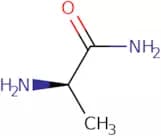
CAS:<p>Please enquire for more information about FITC-epsilonAhx-Antennapedia Homeobox (43-58) amide trifluoroacetate salt including the price, delivery time and more detailed product information at the technical inquiry form on this page</p>Formula:C131H191N37O25S2Purity:Min. 95%Molecular weight:2,748.28 g/mol(2R)-2-Aminopropanamide
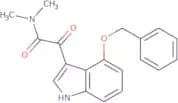
CAS:<p>(2R)-2-Aminopropanamide is a chemical compound that is classified as an amide. It has been shown to inhibit bacterial growth and induce apoptosis in mammalian cells, but not in bacteria. This drug has a number of hydrogen bonding interactions with the carbonyl group and amide functional groups and can bind to affinity ligands with hydrogen bonding interactions. (2R)-2-Aminopropanamide inhibits the activity of enzymes that are involved in the synthesis of d-alanine, which is a precursor for protein synthesis. It also inhibits the enzyme glutamine synthase, which plays a key role in building up nitrogen reserves in bacteria. The drug binds to DNA by forming hydrogen bonds with the phosphate backbone and intercalates into double-stranded DNA by forming van der Waals interactions with base pairs.</p>Formula:C3H8N2OPurity:Min. 95%Molecular weight:88.11 g/mol4-(Benzyloxy)-N,N-dimethyl-indole-3-glyoxylamide
CAS:<p>Please enquire for more information about 4-(Benzyloxy)-N,N-dimethyl-indole-3-glyoxylamide including the price, delivery time and more detailed product information at the technical inquiry form on this page</p>Formula:C19H18N2O3Purity:Min. 95%Molecular weight:322.36 g/molPAR-2 (1-6) amide (human) trifluoroacetate salt
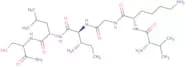
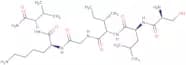
CAS:<p>PAR-2 (1-6) amide (human) trifluoroacetate salt H-Ser-Leu-Ile-Gly-Lys-Val-NH2 trifluoroacetate salt is a protease inhibitor that inhibits the activity of PAR2, a protein receptor. PAR2 is implicated in cancer and inflammation. It has been shown to inhibit growth factor signaling, as well as activate toll-like receptor 4 and other inflammatory pathways. PAR2 inhibition has also been studied in vivo and found to be effective in treating wild type mice with melanoma cells. In vitro studies have shown that PAR2 inhibition by PAR 2 (1-6) amide (human) trifluoroacetate salt H-Ser-Leu-Ile-Gly-Lys-Val NH2 trifluoroacetate salt blocks the production of tumour necrosis factor alpha and interleukin 6.</p>Formula:C28H54N8O7Purity:Min. 95%Molecular weight:614.78 g/molHexahydroisonicotinamide
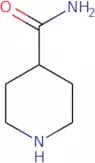
CAS:<p>Hexahydroisonicotinamide (HNI) is a potent amyloid protein inhibitor that is structurally related to picolinic acid. HNI has been shown to be effective in the treatment of infectious diseases caused by bacteria, such as diazonium salt-resistant strains of Pseudomonas aeruginosa and Enterobacter cloacae. Hexahydroisonicotinamide is also active against methicillin-resistant Staphylococcus aureus (MRSA), which may be due to its structural similarity to picolinic acid. The molecular weight of HNI is 587.6, with a molecular formula of C9H11N3O2. It has been shown that hexahydroisonicotinamide inhibits the transfer reaction between an amide and piperidinium, as well as the phosphorylation of proteins by enzyme kinases. This drug binds to hydrated biphenyl molecules and inhibits their</p>Formula:C6H12N2OPurity:Min. 95%Color and Shape:White To Yellow SolidMolecular weight:128.17 g/mol4-Amino-N-(4-methylpyrimidin-2-yl)benzenesulfonamide
CAS:4-Amino-N-(4-methylpyrimidin-2-yl)benzenesulfonamide (AMBPS) is a sulfonamide antimicrobial agent that belongs to the group of sulfa drugs. It is a potent inhibitor of tetracycline resistance in bacterial cells, and has been shown to be effective against infectious diseases such as tuberculosis, leprosy and pneumonia. AMBPS has also been used in wastewater treatment and biological studies with high values. This drug binds to sulfamerazine, which inhibits bacterial growth by inhibiting RNA synthesis. The hydrogen bonding interactions between AMBPS and sulfadiazine are thought to be responsible for the effects on congestive heart failure.Formula:C11H12N4O2SPurity:Min. 95%Molecular weight:264.3 g/mol2-Phenylacetamide
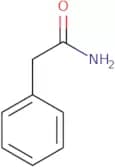
CAS:Controlled Product<p>2-Phenylacetamide is a nitro, acetate extract that has been shown to have antimicrobial activity. It can inhibit HIV infection and has been investigated as an antiviral drug. 2-Phenylacetamide binds to the 2-adrenergic receptor, which is found in high concentrations in the brain and inhibits the release of neurotransmitters. It also binds to κ-opioid receptors and sodium carbonate, which are found on cells throughout the body. The biological properties of this substance have not been fully elucidated but some studies suggest that it may be able to inhibit microbial metabolism or stimulate monoamine neurotransmitters.</p>Formula:C8H9NOPurity:Min. 95%Color and Shape:White PowderMolecular weight:135.16 g/molPep-1-cysteamide trifluoroacetate salt
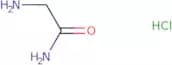
CAS:Please enquire for more information about Pep-1-cysteamide trifluoroacetate salt including the price, delivery time and more detailed product information at the technical inquiry form on this pageFormula:C140H202N36O33SPurity:Min. 95%Molecular weight:2,949.39 g/molGlycinamide hydrochloride
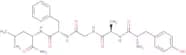
CAS:<p>Glycinamide hydrochloride is an inhibitor that binds to the glycine-binding site of the protein synthetase and inhibits the formation of glycinamide ribonucleotide. It has been shown to inhibit human glycinamide ribonucleotide synthetase in vitro. Glycinamide hydrochloride is also a glycinamide amide, which was synthesized by linking two molecules of glycine with an amide bond. This molecule is cross-linked with a macrogel, forming a hydrogel. The hydrogel can be used in biomedical applications, such as tissue engineering and drug delivery systems.</p>Formula:C2H7ClN2OColor and Shape:White PowderMolecular weight:110.54 g/molLeu-Enkephalin amide acetate salt
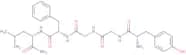
CAS:<p>Leu-Enkephalin amide acetate salt H-Tyr-Gly-Gly-Phe-Leu-NH2 acetate salt is a peptide that is used as an analgesic and antipyretic drug. It is a synthetic form of endogenous enkephalins, which are natural pain relievers. The chemical stability of Leu-Enkephalin amide acetate salt H-Tyr-Gly-Gly-Phe-Leu-NH2 acetate salt makes it an effective drug for chronic use, and it has been shown to have a low side effect profile. This compound also has been shown to block the synthesis of histamine in vivo, but its bioavailability in vivo is not high due to its rapid degradation by proteases.</p>Formula:C28H38N6O6Purity:Min. 95%Color and Shape:PowderMolecular weight:554.64 g/molN-3,5-Dimethyladamantan-1-yl formamide
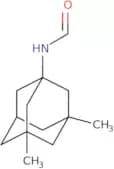
CAS:<p>N-3,5-Dimethyladamantan-1-yl formamide is a hydrocarbon that is synthesized by the amination of 3,5-dimethyladamantane with formic acid in the presence of hydrochloric acid. It is used as a solvent for various chemical reactions and has been shown to be an effective catalyst for the reduction of nitrobenzene to aniline. N-3,5-Dimethyladamantan-1-yl formamide is also a pollutant that can cause environmental pollution when it reacts with chlorine in the atmosphere. The reaction time can be shortened by using acetonitrile as a solvent instead of water.</p>Formula:C13H21NOPurity:Min. 95%Molecular weight:207.31 g/molChorionic Gonadotropin-beta (109-119) amide (human)
CAS:<p>Please enquire for more information about Chorionic Gonadotropin-beta (109-119) amide (human) including the price, delivery time and more detailed product information at the technical inquiry form on this page</p>Formula:C50H76N16O21SPurity:Min. 95%Molecular weight:1,269.3 g/mol(Asn10,Leu11,D-Trp12)-pTH-Related Protein (7-34) amide (human, mouse, rat)
CAS:<p>Please enquire for more information about (Asn10,Leu11,D-Trp12)-pTH-Related Protein (7-34) amide (human, mouse, rat) including the price, delivery time and more detailed product information at the technical inquiry form on this page</p>Formula:C162H254N50O36Purity:Min. 95%Molecular weight:3,478.07 g/molGalanin Message Associated Peptide (1-41) amide trifluoroacetate salt
CAS:<p>Please enquire for more information about Galanin Message Associated Peptide (1-41) amide trifluoroacetate salt including the price, delivery time and more detailed product information at the technical inquiry form on this page</p>Formula:C206H326N56O64SPurity:Min. 95%Molecular weight:4,643.2 g/molC14-Ceramide
CAS:<p>Ceramide is a fatty acid that is an important component of cell membranes. It has been shown to inhibit the activity of enzymes such as phospholipase A2 and lipoxygenase, which are involved in inflammatory reactions. Ceramide can also be used to diagnose infectious diseases, such as tuberculosis and malaria. The diagnostic procedure involves measuring the enzyme activities of ceramidase and lysosomal sphingomyelinase with the help of a radioactive substrate. This can be done by extracting tissue from mammalian cells or by drawing blood samples from patients. In addition, ceramide may be associated with insulin resistance and cancer.</p>Formula:C32H63NO3Purity:Min. 95%Molecular weight:509.85 g/molN-Me-Abz-Amyloid beta/A4 Protein Precursor770 (708-715)-Lys(Dnp)-D-Arg-D-Arg-D-Arg amide trifluoroacetate salt
CAS:<p>Please enquire for more information about N-Me-Abz-Amyloid beta/A4 Protein Precursor770 (708-715)-Lys(Dnp)-D-Arg-D-Arg-D-Arg amide trifluoroacetate salt including the price, delivery time and more detailed product information at the technical inquiry form on this page</p>Formula:C70H116N26O18Purity:Min. 95%Molecular weight:1,609.83 g/molGLP-1 (1-36) amide (human, bovine, guinea pig, mouse, rat) trifluoroacetate salt
CAS:<p>Please enquire for more information about GLP-1 (1-36) amide (human, bovine, guinea pig, mouse, rat) trifluoroacetate salt including the price, delivery time and more detailed product information at the technical inquiry form on this page</p>Formula:C184H273N51O57Purity:Min. 95%Molecular weight:4,111.45 g/molGalanin Message Associated Peptide (16-41) amide
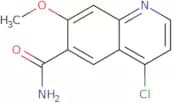
CAS:<p>Please enquire for more information about Galanin Message Associated Peptide (16-41) amide including the price, delivery time and more detailed product information at the technical inquiry form on this page</p>Formula:C134H219N35O37SPurity:Min. 95%Molecular weight:2,944.45 g/mol4-Chloro-7-methoxyquinoline-6-carboxamide
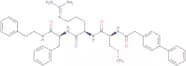
CAS:<p>Intermediate in the synthesis of lenvatinib</p>Formula:C11H9ClN2O2Purity:Min. 95%Molecular weight:236.65 g/mol4-Biphenylac-Cys(Me)-D-Arg-Phe-(2-phenylethyl)amide
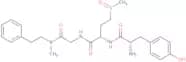
CAS:<p>4-Biphenylac-Cys(Me)-D-Arg-Phe-(2-phenylethyl)amide is a tetrapeptide that has been shown to have antihypertensive properties. This drug binds to the regulatory proteins of the renin angiotensin system and blocks the production of angiotensin II, which decreases blood pressure. 4-Biphenylac-Cys(Me)-D-Arg-Phe-(2-phenylethyl)amide has also shown to be an effective treatment for skin care products, especially those used for inflammatory skin diseases. 4-Biphenylac-Cys(Me)-D-Arg-Phe-(2-phenylethyl)amide has been shown to be a potent inhibitor of serine proteases and can inhibit cellular proliferation and induce apoptosis in cancer cells.</p>Formula:C41H49N7O4SPurity:Min. 95%Molecular weight:735.94 g/molBeta-Casomorphin (1-5) amide (bovine)
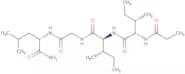
CAS:<p>Please enquire for more information about Beta-Casomorphin (1-5) amide (bovine) including the price, delivery time and more detailed product information at the technical inquiry form on this page</p>Formula:C30H38N6O6Purity:Min. 95%Molecular weight:578.66 g/molPropionyl-Amyloid b-Protein (31-34) amide
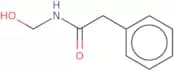
CAS:<p>Please enquire for more information about Propionyl-Amyloid b-Protein (31-34) amide including the price, delivery time and more detailed product information at the technical inquiry form on this page</p>Formula:C23H43N5O5Purity:Min. 95%Molecular weight:469.62 g/molN-(Hydroxymethyl)-phenylacetamide
CAS:<p>N-(Hydroxymethyl)-phenylacetamide is an organic solvent that is used in the synthesis of certain antibiotics. It is a synthetic compound and can be obtained by reacting toluene with benzene, using a strong acid catalyst such as sulfuric acid. N-(Hydroxymethyl)-phenylacetamide has been used in the synthesis of isoquinolones, which are also antibiotics. This organic solvent can also be used for recrystallization, which is a process that helps purify solids from liquids or liquids from solids. The yield of this reaction is high, making it an efficient way to synthesize these compounds.</p>Formula:C9H11NO2Purity:Min. 95%Molecular weight:165.19 g/molDnp-(Leu421)-Collagen Type VIII a1 Chain (419-426) amide (human, mouse) trifluoroacetate salt
<p>Please enquire for more information about Dnp-(Leu421)-Collagen Type VIII a1 Chain (419-426) amide (human, mouse) trifluoroacetate salt including the price, delivery time and more detailed product information at the technical inquiry form on this page</p>Formula:C40H64N14O12SPurity:Min. 95%Molecular weight:965.09 g/molN-(2-Hydroxypropyl)benzenesulfonamide
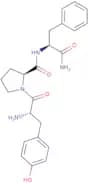
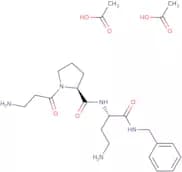
CAS:<p>N-(2-Hydroxypropyl)benzenesulfonamide is a sulfonamide that is used as a plasticizer in thermoplastics. It is the sodium salt of 2-hydroxypropyl benzenesulfonic acid and has been shown to be effective as an antimicrobial agent in plastics. N-(2-Hydroxypropyl)benzenesulfonamide may be used for the prevention of bacterial growth and may inhibit the growth of fungi and algae, although more studies are needed to determine its effectiveness.</p>Formula:C9H13NO3SPurity:Min. 95%Molecular weight:215.27 g/mol(2S)-beta-Alanyl-L-prolyl-2,4-diamino-N-(phenylmethyl)butanamideacetate
CAS:Controlled Product<p>(2S)-beta-Alanyl-L-prolyl-2,4-diamino-N-(phenylmethyl)butanamideacetate (BAP) is a skin care product that can be applied topically to the skin. BAP is an amino acid derivative that has been shown in clinical studies to hydrate the skin. It acts as a humectant and binds to water molecules, thus increasing the moisture content of the skin. This product also has antioxidant and anti-inflammatory properties, as well as anti-aging effects. BAP is often used in cosmetic products for its film forming properties and ability to form polymeric films on the surface of cells.</p>Formula:C21H33N5O5Purity:Min. 95%Molecular weight:435.52 g/molpTH-Related Protein (67-86) amide (human, bovine, dog, mouse, ovine, rat) trifluoroacetate salt
CAS:<p>Please enquire for more information about pTH-Related Protein (67-86) amide (human, bovine, dog, mouse, ovine, rat) trifluoroacetate salt including the price, delivery time and more detailed product information at the technical inquiry form on this page</p>Formula:C108H173N27O35Purity:Min. 95%Molecular weight:2,409.69 g/molBig Endothelin-3 (22-41) amide (human) trifluoroacetate salt
CAS:<p>Please enquire for more information about Big Endothelin-3 (22-41) amide (human) trifluoroacetate salt including the price, delivery time and more detailed product information at the technical inquiry form on this page</p>Formula:C102H156N30O31Purity:Min. 95%Molecular weight:2,298.51 g/molGLP-1 (7-36)-Lys(biotinyl) amide (human, bovine, guinea pig, mouse, rat) trifluoroacetate
CAS:<p>Please enquire for more information about GLP-1 (7-36)-Lys(biotinyl) amide (human, bovine, guinea pig, mouse, rat) trifluoroacetate including the price, delivery time and more detailed product information at the technical inquiry form on this page</p>Formula:C165H252N44O48S•(C2HF3O2)xPurity:Min. 95%Molecular weight:3,652.1 g/molDynorphin A (1-11) amide trifluoroacetate salt
CAS:<p>Dynorphin A (1-11) amide trifluoroacetate salt is a modified form of the opioid peptide dynorphin, which is a natural ligand for kappa-opioid receptors. It has affinity for the surface receptors and can be used to study the modifications that occur in cell function. Dynorphin A (1-11) amide trifluoroacetate salt has been shown to decrease cell function when it interacts with these surface receptors, which are found in brain homogenates and other tissues. Dynorphin A (1-11) amide trifluoroacetate salt also has an effect on brain cells, which may be due to its ability to alter conformational changes in proteins by binding to them. This can lead to alterations in the structure of certain enzymes or receptor proteins.</p>Formula:C63H104N22O12Purity:Min. 95%Molecular weight:1,361.64 g/mol2-[(4-Chloro-2-nitrophenyl)azo]-N-(2-methoxyphenyl)-3-oxobutanamide
CAS:2-[(4-Chloro-2-nitrophenyl)azo]-N-(2-methoxyphenyl)-3-oxobutanamide is a chelating agent that has been used as a control agent in the manufacture of dyes, plastics, and rubber. It is also used as an additive in paints, textiles, and paper. 2-[(4-Chloro-2-nitrophenyl)azo]-N-(2-methoxyphenyl)-3-oxobutanamide is nonvolatile, nonflammable, and does not produce toxic byproducts when heated. This compound has low molecular weight with a molecular formula of C12H13NO5Cl. The structure of this compound includes two hydroxy groups (OH), one aliphatic hydrocarbon group (CH3), one carboxylic acid group (COOH), and three chlorine atoms (Cl). This product is soluble in waterFormula:C17H15ClN4O5Color and Shape:Yellow Clear LiquidMolecular weight:390.78 g/molBiotinyl-LL-37 amide trifluoroacetate salt
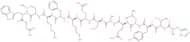
CAS:<p>Please enquire for more information about Biotinyl-LL-37 amide trifluoroacetate salt including the price, delivery time and more detailed product information at the technical inquiry form on this page</p>Formula:C215H355N63O54SPurity:Min. 95%Molecular weight:4,718.58 g/molHSV-1-amide UL 26 Open Reading Frame (242-255)
CAS:<p>Please enquire for more information about HSV-1-amide UL 26 Open Reading Frame (242-255) including the price, delivery time and more detailed product information at the technical inquiry form on this page</p>Formula:C80H117N21O20SPurity:Min. 95%Molecular weight:1,724.98 g/mol4-Amino-6-(trifluoromethyl)benzene-1,3-disulfonamide
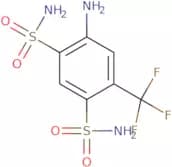
CAS:<p>4-Amino-6-(trifluoromethyl)benzene-1,3-disulfonamide (4AFBDS) is a chemical compound that can be used for the treatment of wastewater. It has shown to be effective against anhydrase, which is an enzyme that catalyzes the conversion of water to hydrogen peroxide and hydroxide ion. 4AFBDS also attenuates oxidative stress in cardiac cells and inhibits the production of active oxygen species by inhibiting the activity of carbonic anhydrase. The chromatographic method used to detect 4AFBDS was found to be more sensitive than a standard colorimetric assay, making it a better tool for detecting this compound in wastewater samples. br> br> br> br> br> This compound has been shown to have inhibitory effects on e3 ubiquitin ligase, which plays a role in protein degradation via aut</p>Formula:C7H8F3N3O4S2Purity:Min. 95%Molecular weight:319.28 g/molSyndyphalin SD-33
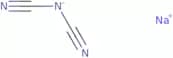
CAS:<p>Please enquire for more information about Syndyphalin SD-33 including the price, delivery time and more detailed product information at the technical inquiry form on this page</p>Formula:C25H34N4O5SPurity:Min. 95%Molecular weight:502.63 g/molSodium dicyanamide
CAS:<p>Sodium dicyanamide is a diphenyl ether that has been shown to be effective in the treatment of polycystic ovarian syndrome. It binds to picolinic acid, which is a cofactor for the enzyme phenylalanine hydroxylase, and inhibits the production of tyrosine. This leads to an increase in the levels of luteinizing hormone and follicle-stimulating hormone, which helps ovulation. Sodium dicyanamide also interacts with hydrogen bond interactions and chelate ligands. The reaction mechanism of this compound is not well understood, but it is known that it can react with oxygen at high temperatures.</p>Formula:C2N3NaPurity:Min. 95%Color and Shape:White PowderMolecular weight:89.03 g/mol












![2-[(4-Chloro-2-nitrophenyl)azo]-N-(2-methoxyphenyl)-3-oxobutanamide](/_next/image/?url=https%3A%2Fstatic.cymitquimica.com%2Fproducts%2F3D%2Fthumb-webp%2FFC149929.webp&w=3840&q=75)