Amides
Amides are a wide range of chemical compounds that contain at least one heterocyclic ring, which has atoms of at least two different elements in the ring structure, and at least one amide group (-CONH2). These compounds are crucial in the synthesis of pharmaceuticals, polymers, and agrochemicals. Amides exhibit unique properties and reactivity, making them valuable intermediates in organic synthesis. At CymitQuimica, we offer a comprehensive selection of high-quality amides to support your research and industrial needs.
Found 16485 products of "Amides"
Sort by
Purity (%)
0
100
|
0
|
50
|
90
|
95
|
100
Ref: 10-F079428
Discontinued product3-AMINO-6,7-DIHYDROPYRAZOLO[1,5-A]PYRAZIN-4(5H)-ONE
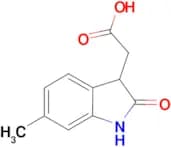
CAS:Purity:95.0%Molecular weight:152.15699768066406(6-methyl-2-oxo-2,3-dihydro-1H-indol-3-yl)acetic acid
CAS:Purity:95.0%Molecular weight:205.212997436523443-(4-Methoxyphenyl)propionamide
CAS:<p>3-(4-Methoxyphenyl)propionamide is a compound that belongs to the group of benzene amides. It is synthesized by reacting an excess of 3-bromopropionaldehyde with an amine in the presence of sodium hydroxide. This reaction produces a mixture of products, which are separated by chromatography. The yields for this reaction are approximately 90%. 3-(4-Methoxyphenyl)propionamide has been used as a biomolecular building block, and its traceless nature makes it useful in organic synthesis.<br>3-(4-Methoxyphenyl)propionamide can be used to synthesize alkanesulfonamides and spirolactams, which are important intermediates in chemical synthesis. 3-(4-Methoxyphenyl)propionamide also reacts with phenanthridone to produce chloride derivatives and with arenes to produce linkers.</p>Formula:C10H13NO2Purity:Min. 95%Color and Shape:PowderMolecular weight:179.22 g/molRef: 3D-FM70782
Discontinued productN-Propyl-N-(2,3-dihydroxypropyl)perfluoro-n-octylsulfonamide
CAS:Controlled Product<p>N-Propyl-N-(2,3-dihydroxypropyl)perfluoro-n-octylsulfonamide is a fine chemical that can be used as a reagent and speciality chemical. It is a versatile building block that can react with other compounds to produce new products. The compound is a complex compound that has been shown to have high quality in the laboratory.</p>Formula:C14H14F17NO4SPurity:Min. 95%Color and Shape:PowderMolecular weight:615.3 g/molHydroxy tolbutamide
CAS:<p>Hydroxy tolbutamide is a drug with an unknown mechanism of action. It has been shown to inhibit the transcription-polymerase chain reaction and human serum in vitro. This drug may be used as a marker for renal disease, as it has been shown to increase the level of magnesium in urine and reduce the rate of protein synthesis in rat liver microsomes. Hydroxy tolbutamide also inhibits receptor activity, which may be due to its ability to inhibit the metabolic rate.</p>Formula:C12H18N2O4SPurity:Min. 95%Molecular weight:286.35 g/molRef: 3D-FH24142
Discontinued product(E)-N-(2-Chloro-6-methylphenyl)-3-ethoxyacrylamide
CAS:<p>(E)-N-(2-Chloro-6-methylphenyl)-3-ethoxyacrylamide is a reagent and research chemical that can be used as a building block in the synthesis of other compounds. It is also a versatile building block in organic chemistry. (E)-N-(2-Chloro-6-methylphenyl)-3-ethoxyacrylamide has been shown to be an effective intermediate for the synthesis of various complex compounds, such as pharmaceuticals and pesticides. This compound is also a useful scaffold for the synthesis of other fine chemicals.</p>Formula:C12H14ClNO2Purity:(¹H-Nmr) Min. 95 Area-%Color and Shape:PowderMolecular weight:239.7 g/molRef: 3D-FC149928
Discontinued productN-(4-Fluorophenyl)(5-methyl-3-phenylisoxazol-4-yl)formamide
CAS:<p>Please enquire for more information about N-(4-Fluorophenyl)(5-methyl-3-phenylisoxazol-4-yl)formamide including the price, delivery time and more detailed product information at the technical inquiry form on this page</p>Formula:C17H13FN2O2Purity:Min. 95%Color and Shape:PowderMolecular weight:296.3 g/molRef: 3D-FF169746
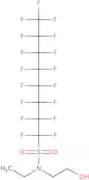
Discontinued productN-Ethyl-N-(2-hydroxyethyl)perfluorooctylsulphonamide
CAS:Controlled Product<p>N-Ethyl-N-(2-hydroxyethyl)perfluorooctylsulphonamide is a novel glycol ester with cytotoxic effects. It has been shown to inhibit the growth of cancer cells in rat liver microsomes and in vivo. N-Ethyl-N-(2-hydroxyethyl)perfluorooctylsulphonamide inhibits the synthesis of fatty acids by inhibiting the enzyme lipoxygenase. This drug also has a reactive carbon nanotube that may be used as an anticancer agent, which can bind to cell membranes and disrupt their function.</p>Formula:C12H10F17NO3SPurity:Min. 95%Color and Shape:PowderMolecular weight:571.25 g/molRef: 3D-FE104045
Discontinued productCyanamide
CAS:Controlled Product<p>Cyanamide is a nitrogen-containing organic compound that is used as a plant nutrient. It has been shown to increase the activity of enzymes in methyl ethyl x-ray crystal structures and locomotor activity in mice. Cyanamide is also used as an herbicide and chemical pesticide, with calcium as its main target. The cyanamide molecule binds to the calcium ion and undergoes a reaction mechanism that results in the release of ammonia gas, which is toxic to plants. In addition, cyanamide can cause kidney damage in humans due to its ability to inhibit protein synthesis.</p>Formula:CH2N2Purity:Min. 95%Color and Shape:White PowderMolecular weight:42.02 g/molN-(2-Indol-3-ylethyl)benzamide
CAS:<p>N-(2-indol-3-ylethyl)benzamide (4-AIBA) is a functional, health functional food. It has shown anticancer activity in a human colon carcinoma cell line, and it inhibits the production of nitrous oxide from inducible nitric oxide synthase, which is important for tumor invasion. 4-AIBA also inhibits tyrosinase activity, an enzyme that is involved in melanin synthesis. This inhibition may be beneficial to skin conditions such as acne or pigmentation disorders. The compound also inhibits the degranulation of mast cells and stimulates cell proliferation in rat mesenteric lymph nodes.</p>Formula:C17H16N2OPurity:Min. 95%Color and Shape:PowderMolecular weight:264.32 g/molRef: 3D-FI169767
Discontinued product2-Phenyl-2-(2-piperidyl)acetamide
CAS:<p>2-Phenyl-2-(2-piperidyl)acetamide is an enantiomeric amide that can be used as a chiral building block for the synthesis of other organic compounds. It is synthesized by reacting phenylacetic acid with piperidine. 2-Phenyl-2-(2-piperidyl)acetamide is a primary amide and has been shown to have analgesic properties.</p>Formula:C13H18N2OPurity:Min. 97 Area-%Color and Shape:PowderMolecular weight:218.29 g/molN-[S-(2-Pyridylthio)cysteaminyl]ethylenediamine-N,N,N',N'-tetraacetic acid, monoamide - Technical grade 90%
CAS:<p>Furiosus is a monomeric and homodimeric protein that belongs to the group of S-adenosylmethionine synthetases. Furiosus is an enzyme that catalyzes the formation of S-adenosylmethionine from methylamine and ATP. Furiosus interacts with polymerase, subtilis, and catalysis to form a holoenzyme complex. Furiosus has been shown to have cleavage activity against peroxide and hydrogen peroxide, which is due to its ability to generate reactive oxygen species. Furiosus has also been shown to be a molecular modeling target for the development of new antibiotics.</p>Formula:C17H24N4O7S2Purity:Min. 95%Color and Shape:Pale yellow solid.Molecular weight:460.53 g/molRef: 3D-FP27342
Discontinued product(1Z)-N'-Hydroxypropanimidamide
CAS:<p>1-Z-N'-Hydroxypropanimidamide is a novel anion that has been shown to inhibit the proliferation of human cancer cells. It binds to the cholinergic receptor subtype and inhibits the uptake of acetylcholine, which leads to a reduction in the production of nitric oxide. 1-Z-N'-Hydoxypropanimidamide also inhibits the growth of Mycobacterium tuberculosis and possesses antimycobacterial activity. This compound is a ligand that binds bidentate to both DNA and RNA molecules and inhibits chemokine signaling.</p>Formula:C3H8N2OPurity:Min. 95%Color and Shape:White PowderMolecular weight:88.11 g/molRef: 3D-FH122298
Discontinued product2-Chloro-N-(hydroxymethyl)acetamide
CAS:<p>2-Chloro-N-(hydroxymethyl)acetamide (2CHAA) is an inhibitor that has been shown to be effective against a number of infectious diseases. 2CHAA inhibits the growth of bacteria by inhibiting the synthesis of proteins from RNA. This drug is also active against viruses, including herpes simplex virus and human immunodeficiency virus type 1, as well as fungi, such as Aspergillus niger. 2CHAA has no genotoxic effects in humans, but it does have carcinogenic potential and can cause allergic reactions. It also reacts with strong acids to form toxic compounds.</p>Formula:C3H6ClNO2Purity:Min. 95%Color and Shape:White PowderMolecular weight:123.54 g/molRef: 3D-FC140226
Discontinued productRef: 10-F987928
Discontinued product2-Amino-N-(4-chlorophenyl)benzamide
CAS:<p>Please enquire for more information about 2-Amino-N-(4-chlorophenyl)benzamide including the price, delivery time and more detailed product information at the technical inquiry form on this page</p>Formula:C13H11ClN2OPurity:Min. 95%Color and Shape:PowderMolecular weight:246.69 g/molRef: 3D-FA133474
Discontinued product2-Chloro-N-(4-isopropylphenyl)acetamide
CAS:<p>Please enquire for more information about 2-Chloro-N-(4-isopropylphenyl)acetamide including the price, delivery time and more detailed product information at the technical inquiry form on this page</p>Formula:C11H14ClNOPurity:Min. 95%Molecular weight:211.69 g/molRef: 3D-FC113929
Discontinued product2-Chloro-N-(2-phenylethyl)acetamide
CAS:<p>2-Chloro-N-(2-phenylethyl)acetamide is a synthetic amide that has been used in research as an anorectic agent. It has also been shown to have hepatoprotective properties, and is able to protect cells against oxidative injury. This drug may act by binding to the sulfoxide group of cysteine residues on the cell surface membrane and by inducing changes in protein structure that prevent the formation of reactive oxygen species (ROS). 2-Chloro-N-(2-phenylethyl)acetamide has also been shown to promote cellular proliferation and differentiation, which may be due to its ability to bind with DNA.</p>Formula:C10H12ClNOPurity:Min. 95%Color and Shape:PowderMolecular weight:197.66 g/molRef: 3D-FC113967
Discontinued product(4-nitrophenyl)-N-(3-(trifluoromethyl)phenyl)formamide
CAS:<p>Please enquire for more information about (4-nitrophenyl)-N-(3-(trifluoromethyl)phenyl)formamide including the price, delivery time and more detailed product information at the technical inquiry form on this page</p>Purity:Min. 95%Ref: 3D-FN169066
Discontinued productN-(4-iodophenyl)(3-methylphenyl)formamide
CAS:<p>Please enquire for more information about N-(4-iodophenyl)(3-methylphenyl)formamide including the price, delivery time and more detailed product information at the technical inquiry form on this page</p>Formula:C14H12INOPurity:Min. 95%Color and Shape:PowderMolecular weight:337.16 g/molRef: 3D-FI169127
Discontinued productN-(4-(indolinylsulfonyl)phenyl)ethanamide
CAS:<p>Please enquire for more information about N-(4-(indolinylsulfonyl)phenyl)ethanamide including the price, delivery time and more detailed product information at the technical inquiry form on this page</p>Formula:C16H16N2O3SPurity:Min. 95%Color and Shape:PowderMolecular weight:316.38 g/molRef: 3D-FI169113
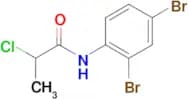
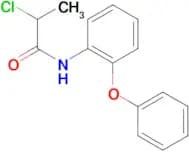
Discontinued product2-Chloro-N-(4-(cyanomethyl)phenyl)propanamide
<p>Please enquire for more information about 2-Chloro-N-(4-(cyanomethyl)phenyl)propanamide including the price, delivery time and more detailed product information at the technical inquiry form on this page</p>Purity:Min. 95%Ref: 3D-FC169965
Discontinued productWAY 316606
CAS:<p>WAY 316606 is a potent, orally administered small molecule that inhibits the Wnt signaling pathway by blocking the action of β-catenin. It has been shown to have potential for treating eye disorders, including age-related macular degeneration. This drug also has potential for treatment of cell and nervous system diseases such as Alzheimer's disease and Huntington's disease. WAY 316606 inhibits the transcriptional activity of the β-catenin/Tcf4 complex by binding to it and preventing its translocation into the nucleus. In addition, WAY 316606 prevents downstream activation of genes regulated by β-catenin signaling, including c-myc and cyclin D1. This drug also blocks growth factor receptor tyrosine kinases and monoclonal antibodies that activate these receptors.</p>Formula:C18H19F3N2O4S2Purity:Min. 95%Molecular weight:448.48 g/molRef: 3D-FP101364
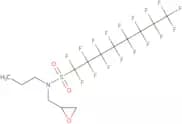
Discontinued productN-Propyl-N-(2,3-epoxypropyl)perfluoro-n-octylsulfonamide
CAS:Controlled Product<p>Please enquire for more information about N-Propyl-N-(2,3-epoxypropyl)perfluoro-n-octylsulfonamide including the price, delivery time and more detailed product information at the technical inquiry form on this page</p>Formula:C14H12F17NO3SPurity:Min. 95%Molecular weight:597.29 g/mol(R)-Dragonfly N-trifluoroacetamide
CAS:Controlled Product<p>Please enquire for more information about (R)-Dragonfly N-trifluoroacetamide including the price, delivery time and more detailed product information at the technical inquiry form on this page</p>Formula:C15H12F3NO3Purity:Min. 95%Molecular weight:311.26 g/molC20-Ceramide
CAS:<p>Ceramide is a group of sphingolipids that are found in the outermost layer of cells. Ceramides have been shown to be important for maintaining cell structure and function, as well as regulating cellular processes such as apoptosis, insulin resistance, and inflammation. A ceramide profile can be used to identify an individual's risk for developing certain conditions such as cardiovascular disease, chronic kidney disease, or cancer. In addition to its role in cell biology, ceramide has been shown to increase insulin sensitivity in animals by increasing glucose uptake in adipocytes. Ceramides are also produced by the body from other lipids such as cholesterol or fatty acids. They are found in various tissues and organs including the brain, skin, lungs, and gut.</p>Formula:C38H75NO3Purity:Min. 95%Molecular weight:594.01 g/molRef: 3D-FC19608
Discontinued productN-Allyl-n-(2-chloro-5-cyanophenyl)acetamide
CAS:<p>N-Allyl-n-(2-chloro-5-cyanophenyl)acetamide is a fine chemical that is used as a building block in the synthesis of other compounds. It is also used in research and as a reagent or speciality chemical. N-Allyl-n-(2-chloro-5-cyanophenyl)acetamide has been shown to be an excellent intermediate for complex organic reactions, such as coupling reactions with amines, alcohols, and thiols. In addition, this compound can be used to form new scaffolds for biological studies.</p>Formula:C12H11ClN2OPurity:Min. 95%Color and Shape:PowderMolecular weight:234.68 g/molRef: 3D-FA145691
Discontinued productGlucagon-like peptide 1 (7-36) amide
CAS:<p>Glucagon-like peptide 1 (7-36) amide is a peptide hormone produced by the ileum and colon of the small intestine in response to food intake. It stimulates insulin release from the pancreas, inhibits glucagon secretion, and slows gastric emptying. GLP-1 is also a potent regulator of glucose homeostasis. The GLP-1 analogues are used for treatment of type 2 diabetes mellitus. These analogues are either injected or taken orally and mimic the effect of natural GLP-1 on blood sugar regulation and appetite control. The long duration of action means that daily injections or multiple oral doses are required to maintain therapeutic levels.</p>Formula:C149H226N40O45Purity:Min. 95%Molecular weight:3,297.63 g/molRef: 3D-FG109975
Discontinued productAcetyl-(Cys(Acm)33·42)-EGF (33-42) amide (mouse)
CAS:<p>Please enquire for more information about Acetyl-(Cys(Acm)33·42)-EGF (33-42) amide (mouse) including the price, delivery time and more detailed product information at the technical inquiry form on this page</p>Formula:C51H82N16O17S2Purity:Min. 95%Molecular weight:1,255.43 g/molRef: 3D-FA109117
Discontinued productN-(2-Amino-ethyl)-2-(benzyl-phenyl-amino)-acetamide
CAS:<p>Please enquire for more information about N-(2-Amino-ethyl)-2-(benzyl-phenyl-amino)-acetamide including the price, delivery time and more detailed product information at the technical inquiry form on this page</p>Formula:C17H21N3OPurity:Min. 95%Color and Shape:White PowderMolecular weight:283.37 g/molRef: 3D-FA111189
Discontinued product6-Aminopicolinamide
CAS:<p>6-Aminopicolinamide is a metabolite of nicotinamide, which can be found in the urine of humans and animals. 6-Aminopicolinamide has been shown to have anti-leukemic activity against experimental leukemias in animals. The mechanism of action is not well understood but may involve inhibition of nucleotide synthesis or the inhibition of dehydrogenase activity. Clinical trials are underway to determine its efficacy as an anti-tumor agent.</p>Formula:C6H7N3OPurity:Min. 95%Molecular weight:137.14 g/molRef: 3D-FA46017
Discontinued productBenzenesulfonamide,3-hydrazino-
CAS:<p>Please enquire for more information about Benzenesulfonamide,3-hydrazino- including the price, delivery time and more detailed product information at the technical inquiry form on this page</p>Formula:C6H9N3O2SPurity:Min. 95%Molecular weight:187.22 g/mol