Amides
Amides are a wide range of chemical compounds that contain at least one heterocyclic ring, which has atoms of at least two different elements in the ring structure, and at least one amide group (-CONH2). These compounds are crucial in the synthesis of pharmaceuticals, polymers, and agrochemicals. Amides exhibit unique properties and reactivity, making them valuable intermediates in organic synthesis. At CymitQuimica, we offer a comprehensive selection of high-quality amides to support your research and industrial needs.
Found 16393 products of "Amides"
Sort by
Purity (%)
0
100
|
0
|
50
|
90
|
95
|
100
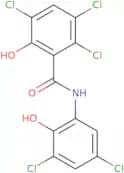
2,3,5-Trichloro-N-(3,5-dichloro-2-hydroxyphenyl)-6-hydroxybenzamide
CAS:<p>Oxyclozanide is an antimicrobial agent that inhibits the enzyme activity of chitin synthase in the nematode, which is necessary for the production of chitin. This inhibition leads to disruption of the nematode's cell membrane and death. Oxyclozanide has been shown to be effective against resistant mutants, as well as synergistic with other antimicrobial agents. It is also a specific antidote for oxyclozanide poisoning.</p>Formula:C13H6Cl5NO3Purity:Min. 95%Color and Shape:PowderMolecular weight:401.46 g/molN-[(4-Amino-2-methylpyrimidin-5-yl)methyl]formamide
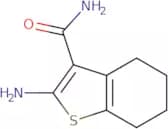
CAS:<p>N-[(4-Amino-2-methylpyrimidin-5-yl)methyl]formamide (NAMPT) is a triazolo compound that inhibits the ATP binding cassette transporter and blocks the uptake of uridine and pyrimidine compounds. It also inhibits inorganic pyrophosphatase, which is an enzyme that catalyzes the hydrolysis of pyrophosphate to inorganic phosphate. NAMPT has been shown to be a substrate for hypochlorous acid production in neutrophils, suggesting it may play a role in the regulation of oxidative stress. Chemical biology studies have demonstrated that NAMPT plays a physiological function as an intermediate in vitamin B1 biosynthesis.</p>Formula:C7H10N4OPurity:Min. 95%Color and Shape:PowderMolecular weight:166.18 g/mol2-Amino-4,5,6,7-tetrahydro-1-benzothiophene-3-carboxamide
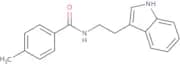
CAS:<p>2-Amino-4,5,6,7-tetrahydro-1-benzothiophene-3-carboxamide is an anticancer agent that inhibits the synthesis of proteins required for cell division. It has been shown to have anticancer activity and efficacy in vitro studies against human cancer cells, such as HCT116. This compound also induces apoptosis in infected cells by binding to viral particles and inducing the release of chloride ions. 2-Amino-4,5,6,7-tetrahydro-1-benzothiophene-3-carboxamide has been found to be effective against influenza virus and particle production by inhibiting neuraminidase activity.</p>Formula:C9H12SN2OPurity:Min. 95%Color and Shape:PowderMolecular weight:196.27 g/molN-(2-Indol-3-ylethyl)(4-methylphenyl)formamide
CAS:<p>Please enquire for more information about N-(2-Indol-3-ylethyl)(4-methylphenyl)formamide including the price, delivery time and more detailed product information at the technical inquiry form on this page</p>Formula:C18H18N2OPurity:Min. 95%Color and Shape:PowderMolecular weight:278.35 g/mol4-[2-[(3-Ethyl-4-methyl-2-oxo-3-pyrrolin-1-yl)carboxamido]ethyl]benzenesulfonamide
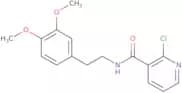
CAS:<p>Metformin is an antidiabetic drug that is used to treat type 2 diabetes. It works by increasing insulin sensitivity and decreasing glucose production in the liver. Metformin does not cause low blood sugar in people with diabetes, but it can lower blood sugar in those without the condition. Metformin is available as metformin hydrochloride and has a molecular weight of 314.5 g/mol. Metformin is excreted primarily through the kidneys, with less than 10% of a dose being excreted unchanged in the urine. Excipients include acetonitrile, which is used as an organic solvent for liquid drug products; impurities may be present due to incomplete synthesis or purification processes; and animal studies are performed to assess safety and efficacy of drugs that may have adverse effects on humans.<br>Metformin has been shown to decrease blood sugar levels in animals through its antidiabetic potential, but there are no studies showing its effect on humans with type</p>Formula:C16H21N3O4SPurity:Min. 95%Color and Shape:White PowderMolecular weight:351.42 g/molN-(2-(3,4-dimethoxyphenyl)ethyl)(2-chloro(3-pyridyl))formamide
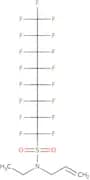
CAS:<p>Please enquire for more information about N-(2-(3,4-dimethoxyphenyl)ethyl)(2-chloro(3-pyridyl))formamide including the price, delivery time and more detailed product information at the technical inquiry form on this page</p>Purity:Min. 90%N-Allyl-N-ethylheptadecafluorooctanesulphonamide
CAS:Controlled Product<p>N-Allyl-N-Ethylheptadecafluorooctanesulphonamide is a chemical substance that belongs to the group of sulfonates. It is an oily liquid with a boiling point of about 160°C, and is soluble in water. N-Allyl-N-Ethylheptadecafluorooctanesulphonamide has been used as a component of mixtures, such as cleaning agents and cosmetics. The chemical properties of this substance are not well studied due to its limited use.</p>Formula:C13H10F17NO2SPurity:Min. 95%Molecular weight:567.26 g/mol2-Chloro-N-(4-chlorophenyl)propanamide
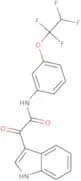
CAS:<p>2-Chloro-N-(4-chlorophenyl)propanamide is an acetanilide that is used as a research chemical in the preparation of other compounds. It also has been used to synthesize chloroacetanilides and chloroanilides. 2-Chloro-N-(4-chlorophenyl)propanamide can be prepared by reacting 4-chloroaniline with acetic anhydride and potassium chloride in a basic solution. The reaction will take place at room temperature, but will produce a greater yield when heated to 40°C for 1 hour. This compound can be used as a starting material for the synthesis of other compounds, such as chlorinated analogues of acetaminophen (paracetamol).</p>Formula:C9H9Cl2NOPurity:Min. 95%Molecular weight:218.08 g/mol2-Indol-3-yl-2-oxo-N-(3-(1,1,2,2-tetrafluoroethoxy)phenyl)ethanamide
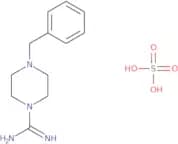
CAS:<p>Please enquire for more information about 2-Indol-3-yl-2-oxo-N-(3-(1,1,2,2-tetrafluoroethoxy)phenyl)ethanamide including the price, delivery time and more detailed product information at the technical inquiry form on this page</p>Formula:C18H12F4N2O3Purity:Min. 95%Color and Shape:PowderMolecular weight:380.29 g/mol4-Benzylpiperazine-1-carboximidamide sulfate
CAS:<p>4-Benzylpiperazine-1-carboximidamide sulfate is a versatile building block that can be used in the synthesis of complex compounds. It is a useful intermediate that can be used in the production of research chemicals and speciality chemicals. 4-Benzylpiperazine-1-carboximidamide sulfate is also an excellent reagent for reactions involving complex substrates, such as high quality and useful scaffolds.</p>Formula:C12H20N4O4SPurity:Min. 95%Color and Shape:PowderMolecular weight:316.4 g/molTenofovir alafenamide fumarate
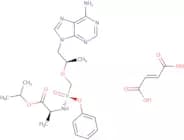
CAS:<p>Tenofovir alafenamide fumarate is a prodrug of tenofovir, an active antiretroviral agent. Tenofovir binds to the viral polymerase and blocks the synthesis of viral DNA. Tenofovir alafenamide fumarate is a prodrug that undergoes hydrolysis to form tenofovir. It has been shown to inhibit growth factor-β1, which may reduce the risk of opportunistic infections in people with HIV or AIDS. Tenofovir alafenamide fumarate has also been shown to be effective as an antiviral prophylaxis when used in combination with other drugs for active antiretroviral therapy.</p>Formula:C21H29N6O5P•C4H4O4Purity:Min. 95%Color and Shape:PowderMolecular weight:592.54 g/mol2-Hydroxy-5-methylbenzamide
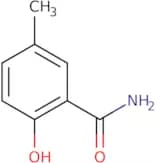
CAS:<p>Labetalol is a β-blocker that is used to treat high blood pressure. Labetalol hydrochloride, the active form of labetalol, is a white, crystalline compound with a melting point of 200 °C. It is soluble in water and has an acidic pH of 2. Labetalol hydrochloride is synthesized by reacting methylbenzene with labetalol, which forms intermediates such as methyl 4-hydroxylbenzoate and methyl 3-hydroxylbenzoate in the process. The intermediates are then recrystallized to form the final product. Labetalol hydrochloride undergoes thermal analysis using thermogravimetry, calorimetry, and residue analysis to determine its purity. This product also undergoes carbonaceous and oxidative analysis by GC-MS for quality control purposes.</p>Formula:C8H9NO2Purity:Min. 95%Color and Shape:PowderMolecular weight:151.16 g/mol2-Amino-3-benzoylbenzeneacetamide
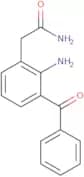
CAS:<p>2-Amino-3-benzoylbenzeneacetamide is an ophthalmic drug that has significant cytotoxicity. It is used to treat inflammation of the retina and macula, as well as other diseases of the eye such as uveitis. 2-Amino-3-benzoylbenzeneacetamide is a nonsteroidal anti-inflammatory drug (NSAID) that inhibits prostaglandin synthesis by blocking cyclooxygenase. This agent has been shown to be effective in reducing pain and inflammation in animal models, but there are no studies on its side effects or analytical methods for detection. There are also no studies on the effectiveness of this drug for treating uveitis.</p>Formula:C15H14N2O2Purity:Min. 95%Color and Shape:PowderMolecular weight:254.28 g/mol(2-chloro(3-pyridyl))-N-((3-(trifluoromethoxy)phenyl)methyl)formamide
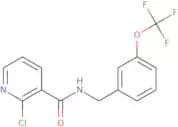
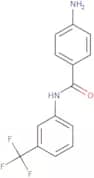
CAS:<p>Please enquire for more information about (2-chloro(3-pyridyl))-N-((3-(trifluoromethoxy)phenyl)methyl)formamide including the price, delivery time and more detailed product information at the technical inquiry form on this page</p>Purity:Min. 95%(4-Aminophenyl)-N-(3-(trifluoromethyl)phenyl)formamide
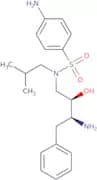
CAS:<p>Please enquire for more information about (4-Aminophenyl)-N-(3-(trifluoromethyl)phenyl)formamide including the price, delivery time and more detailed product information at the technical inquiry form on this page</p>Formula:C14H11F3N2OPurity:Min. 95%Color and Shape:PowderMolecular weight:280.25 g/mol4-Amino-N-((2R,3S)-3-amino-2-hydroxy-4-phenylbutyl)-N-ispobutylbenzenesulfonamide
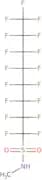
CAS:<p>4-Amino-N-((2R,3S)-3-amino-2-hydroxy-4-phenylbutyl)-N-isobutylbenzenesulfonamide is an amide that is used to treat HIV infections. It has been shown to have potent anti-viral activity against HIV infected cells in the laboratory and can inhibit the replication of HIV by interfering with the virus's ability to use the reverse transcriptase enzyme. 4ABAB has been shown to bind to the enzyme ribonuclease H (crth2), which is responsible for breaking down viral RNA. This binding prevents crth2 from cleaving viral RNA, thus inhibiting DNA synthesis and preventing cell death. 4ABAB also interferes with a hydrogen bond between ethyl group and the hydroxyl group on crth2, leading to a decrease in activity.</p>Formula:C20H29N3O3SPurity:Min. 95%Color and Shape:White PowderMolecular weight:391.53 g/mol1,1,2,2,3,3,4,4,5,5,6,6,7,7,8,8,8-Heptadecafluoro-N-methyloctane-1-sulfonamide
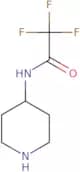
CAS:Controlled Product<p>1,1,2,2,3,3,4,4,5,5,6,6,7,7,8,8-heptadecafluoro-N-methyloctane-1-sulfonamide is a perfluorinated sulfonate that is used as a surfactant in wastewater treatment and to package food. This compound is not water soluble and requires an organic solvent to dissolve it. It has been shown that the use of 1HFAFMS can reduce the amount of phosphates in packaging materials by up to 50%. 1HFAFMS also has been found to be safe for humans and does not accumulate in the environment. It does not bioaccumulate and is rapidly excreted through urine.</p>Formula:C9H4F17NO2SPurity:Min. 95%Color and Shape:PowderMolecular weight:513.17 g/mol2,2,2-Trifluoro-N-(4-piperidinyl)acetamide
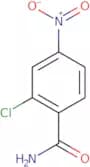
CAS:<p>2,2,2-Trifluoro-N-(4-piperidinyl)acetamide (TFAPA) is a nucleic acid analog that binds to the target nucleic acid. TFAPA is a morpholino compound with an amide linkage between the morpholine ring and the acetic acid group. TFAPA is a sequence-specific DNA analog that inhibits protein synthesis by binding to the target nucleic acid. TFAPA can also be used as a probe for the detection of abnormal sequences in RNA.</p>Formula:C7H11F3N2OPurity:Min. 95%Color and Shape:White PowderMolecular weight:196.17 g/mol2-Chloro-4-nitro benzamide
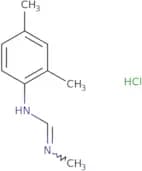
CAS:<p>2-Chloro-4-nitrobenzamide is a drug that belongs to the sulfa drugs. It has been shown to be effective in treating autoimmune diseases, particularly bowel disease and inflammatory bowel disease. 2-Chloro-4-nitrobenzamide inhibits the synthesis of fatty acids by blocking the enzyme acetyl CoA carboxylase, which is involved in the formation of long chain fatty acids. This drug also has immunosuppressive activities, which may be due to its ability to block T cell proliferation. 2-Chloro-4-nitrobenzamide is used as a chemical intermediate for antibiotics such as maduramicin ammonium and salinomycin sodium. It is also used as a dietary supplement or pharmaceutical dosage form for cardiac glycoside drugs such as digoxin.</p>Formula:C7H5ClN2O3Purity:Min. 95%Color and Shape:PowderMolecular weight:200.58 g/molN'-(2,4-Dimethylphenyl)-N-methylformamide hydrochloride
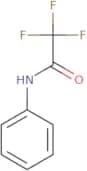
CAS:<p>Bifenthrin is a broad-spectrum, synthetic pyrethroid insecticide that has been used to control pests in the agricultural and residential sectors. It is applied as a spray or dust on plants and animals. Bifenthrin is highly toxic to mammals, with an oral LD50 of less than 10 milligrams per kilogram of body weight in rats and mice. The acute toxicity can be attributed to its ability to inhibit protein synthesis by binding to the cholinesterases, which are found in high concentrations in mammalian tissues.</p>Formula:C10H14N2·HClPurity:Min. 95%Color and Shape:PowderMolecular weight:198.69 g/mol2,2,2-Trifluoro-n-phenylacetamide
CAS:<p>2,2,2-Trifluoro-n-phenylacetamide is a functionalized trifluoroacetic acid. It is inactive and can be used for diagnostic purposes. 2,2,2-Trifluoro-n-phenylacetamide reacts with amines to form the corresponding deuterium isotope labeled amine. The heterocyclic amines that are formed react with diazonium salt to produce an enolate anion that reacts with chloride to form the corresponding carboxylic acid derivative. The proton of the carboxylic acid leaves as a protonated ammonium ion, which is stable in alkaline solutions. Amides have a negative charge on the nitrogen atom due to its electron withdrawing properties.</p>Formula:C8H6F3NOPurity:Min. 95%Color and Shape:PowderMolecular weight:189.13 g/mol4-Sulfonamidephenylhydrazine hydrochloride
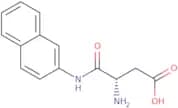
CAS:<p>4-Sulfonamidephenylhydrazine HCl is a sulfonamide that inhibits the enzyme Cox-2, which is involved in inflammation. It also has anti-inflammatory activity and has been shown to inhibit the growth of fungi. 4-Sulfonamidephenylhydrazine HCl is an antifungal agent used for the treatment of dermatophytic infections such as tinea pedis and tinea cruris. The chemical structure of 4-Sulfonamidephenylhydrazine HCl consists of a methyl sulfone group linked with a pyrazole ring and a hydrazine hydrate group. The carbonic acid moiety in this compound stabilizes the pyrazole ring by forming hydrogen bonds with the nitrogen atom and oxygen atom on either side of it. This allows for the formation of two resonance structures to be maintained, which make it more stable than other similar compounds without this moiety.</p>Formula:C6H9N3O2S•(HCl)xPurity:Min. 95%Color and Shape:PowderMolecular weight:223.68 g/molL-Aspartic acid β-naphthylamide
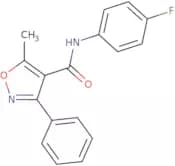
CAS:<p>L-Aspartic acid beta-naphthylamide is a dietary amino acid that is metabolized to oxaloacetate in the liver. This metabolite is then converted to aspartate and glutamate, which are both important for brain functions. L-Aspartic acid beta-naphthylamide has been shown to have regulatory effects on peptide hormones, such as inhibiting the synthesis of angiotensin II and vasopressin in rats. L-Aspartic acid beta-naphthylamide also has anti-cancer properties, which may be due to its ability to inhibit the growth of cancer cells by hydrolyzing proteins and enzymes involved in fatty acid synthesis.</p>Formula:C14H14N2O3Purity:Min. 95%Molecular weight:258.27 g/molN-(4-Fluorophenyl)(5-methyl-3-phenylisoxazol-4-yl)formamide
CAS:<p>Please enquire for more information about N-(4-Fluorophenyl)(5-methyl-3-phenylisoxazol-4-yl)formamide including the price, delivery time and more detailed product information at the technical inquiry form on this page</p>Formula:C17H13FN2O2Purity:Min. 95%Color and Shape:PowderMolecular weight:296.3 g/molGlycine amide acetate
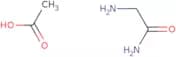
CAS:Controlled Product<p>Glycine amide acetate is a product that contains an imine group. It has been shown to have staining properties when applied to human keratin and is used in the cosmetic industry as a depigmenting agent. Glycine amide acetate has been shown to be effective in the treatment of depression, although it is not yet approved for this use. The molecule also contains an iridoid compound, which may be responsible for its effects on mood.</p>Formula:C2H6N2O•C2H4O2Purity:Min. 95%Color and Shape:PowderMolecular weight:134.13 g/mol2-Amino-5-chlorobenzenesulfonamide
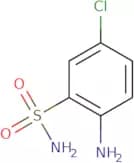
CAS:<p>2-Amino-5-chlorobenzenesulfonamide is a synthetic chemical that is used in the manufacture of amides and diazoxide. It is also found naturally in humans as a metabolite of the amino acid histidine. 2-Amino-5-chlorobenzenesulfonamide has been shown to be a potent receptor for the modulation of acetylcholine release by binding to muscarinic receptors, including M1 and M2 subtypes, and inhibiting the enzyme hydrolysis of acetylcholine. This chemical has been shown to be chemically stable at pH 5 or higher, and it has been found to be resistant to hydrolysis by enzymes such as esterases, glucuronidases, glutathione reductase, and cytochrome P450. 2-Amino-5-chlorobenzenesulfonamide is also an enantiomer that can bind to collagen in the human</p>Formula:C6H7ClN2O2SPurity:Min. 95%Color and Shape:PowderMolecular weight:206.65 g/mol(E)-N-(3-Methylaminopropyl)-2-thiopheneacrylamide
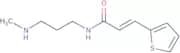
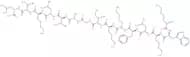
CAS:<p>(E)-N-(3-Methylaminopropyl)-2-thiopheneacrylamide is a high quality chemical that can be used as an intermediate in the synthesis of complex compounds. It is also a useful scaffold and building block for the synthesis of speciality chemicals with versatile reactions.</p>Formula:C11H16N2OSPurity:Min. 95%Color and Shape:Colorless Clear LiquidMolecular weight:224.32 g/molCecropin A (1-7)-Melittin A (2-9) amide trifluoroacetate salt
CAS:<p>Cecropin A (1-7)-Melittin A (2-9) amide trifluoroacetate salt is a cecropin-melittin hybrid peptide that has been immobilized on cellulose nanofibers for use as an antimicrobial. It has been shown to have strong antimicrobial activity against bacillus subtilis, and the immobilization process ensures that the peptide is not released from the surface of the material. The process of coating with nanopaper and then applying the peptides provides a stable surface with high antimicrobial activity. The synthetic peptides are synthesized by solid phase synthesis using Fmoc chemistry and purified by preparative HPLC.</p>Formula:C89H152N22O15Purity:Min. 95%Color and Shape:PowderMolecular weight:1,770.3 g/molN-(2-Indol-3-ylethyl)(2-nitrophenyl)formamide
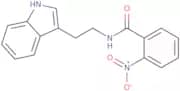
CAS:<p>Please enquire for more information about N-(2-Indol-3-ylethyl)(2-nitrophenyl)formamide including the price, delivery time and more detailed product information at the technical inquiry form on this page</p>Formula:C17H15N3O3Purity:Min. 95%Color and Shape:PowderMolecular weight:309.32 g/molClofenamide
CAS:<p>Clofenamide is a drug that is used to treat insulin resistance. It is an at1 receptor antagonist that blocks the action of histamine, which stimulates the release of insulin from the pancreas. Clofenamide has been shown to reduce systolic blood pressure in patients with autoimmune diseases and cardiac hypertrophy. It is also used for treating infectious diseases, such as pneumonia and tuberculosis. Clofenamide reduces inflammation by inhibiting inflammatory enzymes, such as butyric acid. This drug has been found to have anticancer activity in cell-based studies by inhibiting cellular proliferation and inducing apoptosis in cancer cells.</p>Formula:C6H7ClN2O4S2Purity:Min. 95%Color and Shape:Slightly Yellow PowderMolecular weight:270.72 g/mol(8β)-N-[3-(Dimethylamino)propyl]-N-[(ethylamino)carbonyl] -6-(2-propen-1-yl)-ergoline-8-carboxamide
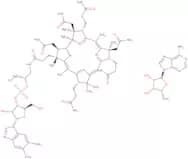
CAS:<p>Agonist of D2 dopamine receptors</p>Formula:C26H37N5O2Purity:Min. 95%Color and Shape:PowderMolecular weight:451.6 g/molCoenzyme B12
CAS:<p>Coenzyme B12, also known as vitamin B12, is a coenzyme that participates in the metabolism of amino acids and fatty acids. It is required for the conversion of homocysteine to methionine, which is an important step in the synthesis of S-adenosylmethionine (SAM), a major methyl donor. Coenzymes are required for many different reactions in cells, but they are not consumed during these reactions. Instead, they are regenerated and reused. Coenzyme B12 is synthesized by bacteria and archaea but not by animals. The cobalamin form of this coenzyme is made from cobaltous chloride or cobaltous sulfate and cyanide. This coenzyme has been shown to bind to riboswitches in bacteria and to ATP-binding cassette transporters in humans. Coenzyme B12 can exist in two different forms: adenosylcobalamin and methylcobalamin.</p>Formula:C72H100CoN18O17PPurity:Min. 97 Area-%Color and Shape:PowderMolecular weight:1,579.58 g/mol(4-Benzylpiperazinyl)-N-propylformamide
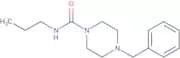
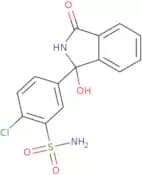
CAS:Controlled Product<p>Please enquire for more information about (4-Benzylpiperazinyl)-N-propylformamide including the price, delivery time and more detailed product information at the technical inquiry form on this page</p>Formula:C15H23N3OPurity:Min. 95%Color and Shape:PowderMolecular weight:261.36 g/mol2-Chloro-5-(2,3-dihydro-1-hydroxy-3-oxo-1H-isoindol-1-yl)-benzenesulfonamide
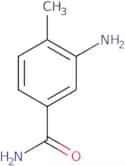
CAS:Controlled Product<p>2-Chloro-5-(2,3-dihydro-1-hydroxy-3-oxo-1H-isoindol-1-yl)-benzenesulfonamide is a drug that belongs to the class of sulfonamides which is used in pharmaceutical formulations. It has been shown to have potent antihypertensive effects, and it also lowers blood pressure by inhibiting an enzyme called carbonic anhydrase. 2CCHIB binds to the chloride channel in kidney tubule cells and prevents the reabsorption of chloride ions in these cells. This leads to more water being excreted from the body, which reduces blood volume and pressure. The low density lipoprotein (LDL) cholesterol levels are also reduced when this drug is taken orally. 2CCHIB increases high sensitivity C reactive protein (hsCRP), a marker for inflammation, but it can also have antioxidant effects.</p>Formula:C14H11ClN2O4SPurity:Min. 95%Color and Shape:PowderMolecular weight:338.77 g/mol3-Amino-4-methylbenzamide
CAS:<p>3-Amino-4-methylbenzamide is an interchemical that can be utilized to synthesize naphthol. 3-Amino-4-methylbenzamide is an amide that has been shown to have a molecular modeling structure of a conformation. The interaction of 3-amino-4-methylbenzamide with the P38 kinase enzyme has been shown to inhibit the activity of this enzyme, which may lead to its use as a drug for the treatment of inflammation.</p>Formula:C8H10N2OPurity:Min. 95%Color and Shape:PowderMolecular weight:150.18 g/molPhthalimidoyl-N-(methyltosyl)hexanamide
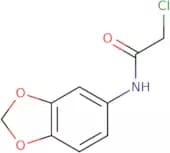
<p>Phthalimidoyl-N-(methyltosyl)hexanamide is a fine chemical that can be used as a versatile building block and reaction component. It is an intermediate in the production of a variety of products, including pharmaceuticals and pesticides. Phthalimidoyl-N-(methyltosyl)hexanamide is also used as a reagent for the preparation of other compounds. This compound has high purity and quality, making it suitable for research purposes. The CAS number for this compound is 183828-04-7.</p>Formula:C21H22N2O5SMolecular weight:414.48 g/molN-1,3-Benzodioxol-5-yl-2-chloroacetamide
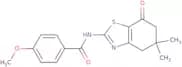
CAS:<p>Please enquire for more information about N-1,3-Benzodioxol-5-yl-2-chloroacetamide including the price, delivery time and more detailed product information at the technical inquiry form on this page</p>Formula:C9H8ClNO3Purity:Min. 95%Molecular weight:213.62 g/molN-(5,5-dimethyl-7-oxo(4,5,6-trihydrobenzothiazol-2-yl))(4-methoxyphenyl)formamide
CAS:<p>Please enquire for more information about N-(5,5-dimethyl-7-oxo(4,5,6-trihydrobenzothiazol-2-yl))(4-methoxyphenyl)formamide including the price, delivery time and more detailed product information at the technical inquiry form on this page</p>Purity:Min. 95%Retinamide
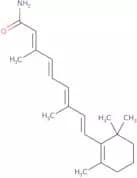
CAS:<p>Retinamide is a synthetic retinoid that is used for the treatment of skin cancer. It has been shown to induce apoptosis by activation of the c-jun N-terminal kinase (JNK) and p38 pathways, as well as by suppression of signaling through the phosphatidylinositol 3-kinase (PI3K)/Akt pathway. Retinamide also inhibits proliferation of HL60 cells and induces mitochondrial membrane depolarization in colon carcinoma cells. This drug has been shown to be a potent inhibitor of squamous cell carcinoma growth in vitro and in vivo, especially when combined with other chemotherapeutic agents. Retinamide has also been found to be effective against group P2 carcinomas, which are characterized by mutations in the BRAF gene.<br>Retinamide is metabolized by cytochrome P450 enzymes, leading to reactive metabolites that may cause toxic effects on cells. These metabolites can bind to DNA and cause strand breaks</p>Formula:C20H29NOPurity:Min. 95%Color and Shape:PowderMolecular weight:299.45 g/molN-[4-[1-(2-Fluorobenzyl)-3-butyl-2,6-dixo-2,3,6,7-tetrahydro-1H-purin-8-ylmethyl]phenyl]acetamide
CAS:Controlled Product<p>N-[4-[1-(2-Fluorobenzyl)-3-butyl-2,6-dixo-2,3,6,7-tetrahydro-1H-purin-8-ylmethyl]phenyl]acetamide is a fine chemical with a diverse range of potential applications. It can be used as a versatile building block in the synthesis of complex compounds and is useful as a reaction component or reagent. Its CAS number is 628279-07-2.</p>Formula:C25H26FN5O3Purity:Min. 95%Color and Shape:White PowderMolecular weight:463.5 g/molN-(5-Bromoacetamidylpentyl) acrylamide
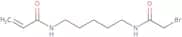
CAS:<p>N-(5-Bromoacetamidylpentyl) acrylamide is employed in the synthesis of substrates used for nucleotide sequence determination, covalently linked to polymer coatings such as poly(N-(5-azidoacetamidylpentyl)acrylamide-co-acrylamide) (PAZAM). Polynucleotide-binding substrates find application as molecular arrays and flow cells.</p>Formula:C10H17BrN2O2Purity:Min. 95%Color and Shape:PowderMolecular weight:277.16 g/mol3,5-Dinitrobenzamide
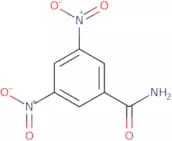
CAS:<p>3,5-Dinitrobenzamide is a sulfa drug that inhibits the growth of bacteria by inhibiting 3-dehydroquinate synthase (EC 4.2.1.23) and 3-dehydroquinate dehydratase (EC 4.2.1.46). The enzyme catalyzes the conversion of 3-dehydroquinic acid to quinic acid, which is an intermediate in the biosynthesis of benzoic acid from glucose. This inhibition occurs because 3,5-dinitrobenzamide forms a glycosidic bond with Cys34 in these enzymes, which prevents their function. This drug has been shown to have significant cytotoxicity against human pathogens and model organisms such as Salmonella typhimurium and Escherichia coli, but not against Saccharomyces cerevisiae or Candida albicans.</p>Formula:C7H5N3O5Purity:Min. 95%Color and Shape:PowderMolecular weight:211.13 g/mol2-(5-Bromo-1H-indol-3-yl)acetamide
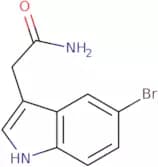
CAS:<p>2-(5-Bromo-1H-indol-3-yl)acetamide is a high quality, reagent, complex compound, useful intermediate and fine chemical. It is also a useful scaffold or building block for the synthesis of speciality chemicals. 2-(5-Bromo-1H-indol-3-yl)acetamide is used in research and development as a versatile building block for the synthesis of new compounds. The CAS number for this compound is 196081-79-5.</p>Formula:C10H9BrN2OPurity:Min. 98 Area-%Color and Shape:PowderMolecular weight:253.1 g/molVeratramide
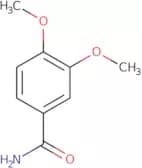
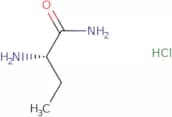
CAS:<p>Veratramide is a levorotatory, vanillic acid that has been synthesized by hydrolysis of esomeprazole. It is an ester of vanillic acid and hydrochloric acid. The cis-isomer is the more active form. Veratramide has been shown to be a prodrug for cisplatin, which is used in the treatment of cancer. Veratramide can also be metabolized to acetyl derivatives or flavonoids such as vitexin and metformin hydrochloride, which have anti-diabetic effects. Veratramide also binds to chloride ion channels, hypervalent ions (e.g., AlCl3), and quaternary ammonium salts (e.g., tetraethylammonium chloride).</p>Formula:C9H11NO3Purity:Min. 95%Color and Shape:PowderMolecular weight:181.19 g/mol(S)-2-Aminobutyramide hydrochloride
CAS:<p>(S)-2-Aminobutyramide hydrochloride is a strong acid that can be used in the synthesis of other compounds. It is made by dissociating acetic acid with hydrogen chloride, or by reacting ammonia with hydrochloric acid. (S)-2-Aminobutyramide hydrochloride is also known as 2-aminobutyric acid dihydrochloride and protonated aminobutyric acid. It can be used to synthesize many other compounds, including amino acids, pharmaceuticals, and polymers. The virulent properties of this compound make it useful for industrial purposes.</p>Formula:C4H11ClN2OPurity:Min. 95%Color and Shape:White PowderMolecular weight:138.6 g/mol3-Iodobenzamide
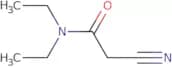
CAS:<p>3-Iodobenzamide is a metalloporphyrin that is used as a research tool. It has been shown to inhibit the tyrosine kinase activity of the BCR-ABL protein and to induce apoptosis in chronic myeloid leukemia cells. 3-Iodobenzamide binds to the dopamine D2 receptor, which leads to inhibition of adenylate cyclase and decreased levels of cAMP. The binding affinity of 3-iodobenzamide for dopamine receptors and its ability to inhibit cAMP production make it an ideal candidate for use in studies on striatal membrane preparations and homogenates.</p>Formula:C7H6INOPurity:Min. 95%Color and Shape:PowderMolecular weight:247.03 g/molN,N-Diethylcyanoacetamide
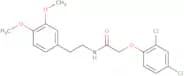
CAS:<p>N,N-Diethylcyanoacetamide is an organic compound that is used in the industrial production of polyurethane. It reacts with a nucleophile to form a new carbon-nitrogen bond. The reaction can be monitored in real time, and it has high specificity for the desired product. N,N-Diethylcyanoacetamide reacts with piperidine to produce a mixture of isomers in which the methyl group is attached to either the nitrogen or the oxygen atom. This mixture can be separated by crystallization, and it generates a pure product that can be used as a monocarboxylic acid.</p>Formula:C7H12N2OPurity:Min. 95%Color and Shape:Clear LiquidMolecular weight:140.18 g/mol2-(2,4-dichlorophenoxy)-N-(2-(3,4-dimethoxyphenyl)ethyl)ethanamide
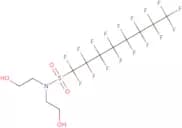
CAS:<p>Please enquire for more information about 2-(2,4-dichlorophenoxy)-N-(2-(3,4-dimethoxyphenyl)ethyl)ethanamide including the price, delivery time and more detailed product information at the technical inquiry form on this page</p>Purity:Min. 95%Heptadecafluoro-N,N-Bis(2-Hydroxyethyl)Octanesulphonamide
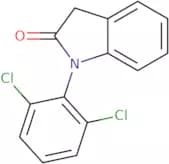
CAS:Controlled Product<p>Heptadecafluoro-N,N-Bis(2-Hydroxyethyl)Octanesulphonamide is a lubricant that is used in the manufacture of polyester films. It is insoluble and has excellent compressive properties. This compound is soluble in both organic solvents and water, and can be applied as a transfer agent or to obviate the need for a separate lubricant. Heptadecafluoro-N,N-Bis(2-Hydroxyethyl)Octanesulphonamide is an inorganic material that does not react with other materials. It also has good deformation resistance and low hardness. The particle size of this compound is between 5 and 10 microns.</p>Formula:C12H10F17NO4SPurity:Min. 95%Molecular weight:587.25 g/molDiclofenac amide
CAS:<p>COX inhibitor; non-steroidal anti-inflammatory drug</p>Formula:C14H9Cl2NOPurity:Min. 95%Color and Shape:Yellow PowderMolecular weight:278.13 g/mol

![N-[(4-Amino-2-methylpyrimidin-5-yl)methyl]formamide](/_next/image/?url=https%3A%2Fstatic.cymitquimica.com%2Fproducts%2F3D%2Fthumb-webp%2FFA31702.webp&w=3840&q=75)
![4-[2-[(3-Ethyl-4-methyl-2-oxo-3-pyrrolin-1-yl)carboxamido]ethyl]benzenesulfonamide](/_next/image/?url=https%3A%2Fstatic.cymitquimica.com%2Fproducts%2F3D%2Fthumb-webp%2FFE23124.webp&w=3840&q=75)



![(8β)-N-[3-(Dimethylamino)propyl]-N-[(ethylamino)carbonyl] -6-(2-propen-1-yl)-ergoline-8-carboxamide](/_next/image/?url=https%3A%2Fstatic.cymitquimica.com%2Fproducts%2F3D%2Fthumb-webp%2FFD19622.webp&w=3840&q=75)

![N-[4-[1-(2-Fluorobenzyl)-3-butyl-2,6-dixo-2,3,6,7-tetrahydro-1H-purin-8-ylmethyl]phenyl]acetamide](/_next/image/?url=https%3A%2Fstatic.cymitquimica.com%2Fproducts%2F3D%2Fthumb-webp%2FFF23426.webp&w=3840&q=75)