Amides
Amides are a wide range of chemical compounds that contain at least one heterocyclic ring, which has atoms of at least two different elements in the ring structure, and at least one amide group (-CONH2). These compounds are crucial in the synthesis of pharmaceuticals, polymers, and agrochemicals. Amides exhibit unique properties and reactivity, making them valuable intermediates in organic synthesis. At CymitQuimica, we offer a comprehensive selection of high-quality amides to support your research and industrial needs.
Found 16385 products of "Amides"
Sort by
Purity (%)
0
100
|
0
|
50
|
90
|
95
|
100
2,2'-(Diazene-1,2-diyl)bis(2-methylpropanimidamide) dihydrochloride
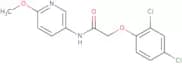
CAS:<p>2,2'-(Diazene-1,2-diyl)bis(2-methylpropanimidamide) dihydrochloride (BPDC) is a synthetic compound that is used as an analytical reagent and a model system for oxidative injury. It has significant cytotoxicity on human cells in cell culture. BPDC induces oxidative damage to proteins and DNA by increasing the production of reactive oxygen species such as hydrogen peroxide, superoxide, and hydroxyl radicals. The mechanism of action is not well understood but may be due to Toll-like receptor signalling pathways. This compound has been shown to inhibit the activity of antioxidant enzymes such as glutathione peroxidase and catalase. It also inhibits the activity of proinflammatory cytokines such as IL-6 and IL-8. BPDC is being investigated for its potential use in bowel disease treatment.</p>Formula:C8H20Cl2N6Purity:Min. 95%Color and Shape:PowderMolecular weight:271.19 g/mol2-(2,4-dichlorophenoxy)-N-(6-methoxy(3-pyridyl))ethanamide
CAS:<p>Please enquire for more information about 2-(2,4-dichlorophenoxy)-N-(6-methoxy(3-pyridyl))ethanamide including the price, delivery time and more detailed product information at the technical inquiry form on this page</p>Purity:Min. 95%Acetazolamide
CAS:Controlled Product<p>Inhibits carbonic anhydrase; diuretic</p>Formula:C4H6N4O3S2Purity:98.00 To 102.00%Color and Shape:White PowderMolecular weight:222.25 g/molAvanafil
CAS:<p>Avanafil is a drug that can be used as a treatment for male erectile dysfunction. It works by inhibiting the production of PDE5, which is an enzyme that regulates the levels of cGMP in the penis. Avanafil has been shown to be effective when taken at a dose of 100 mg; this is because it takes about 30 minutes for avanafil to reach its peak level. Avanafil has a chemical stability that is greater than 12 hours, with an average lifespan of 24 hours. The drug also has no major drug interactions and does not inhibit any other drugs from working.</p>Formula:C23H26ClN7O3Purity:Min. 98 Area-%Color and Shape:White PowderMolecular weight:483.95 g/molN-Methyl-4-pyridone-3-carboxamide
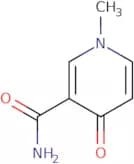
CAS:<p>N-Methyl-4-pyridone-3-carboxamide is a nonnutritive sweetener that has been shown to have no effect on peroxisome proliferation. It also had no effect on the levels of fatty acids in rat cardiomyocytes and did not affect uv absorption. N-Methyl-4-pyridone-3-carboxamide binds to the receptor α subunit of the taste receptor and inhibits adenosine uptake, which may be responsible for its effects on depression. This compound also alters energy metabolism by inhibiting mitochondrial ATP production and glycolysis.</p>Formula:C7H8N2O2Purity:(%) Min. 95%Color and Shape:PowderMolecular weight:152.15 g/molClofenamide
CAS:<p>Clofenamide is a drug that is used to treat insulin resistance. It is an at1 receptor antagonist that blocks the action of histamine, which stimulates the release of insulin from the pancreas. Clofenamide has been shown to reduce systolic blood pressure in patients with autoimmune diseases and cardiac hypertrophy. It is also used for treating infectious diseases, such as pneumonia and tuberculosis. Clofenamide reduces inflammation by inhibiting inflammatory enzymes, such as butyric acid. This drug has been found to have anticancer activity in cell-based studies by inhibiting cellular proliferation and inducing apoptosis in cancer cells.</p>Formula:C6H7ClN2O4S2Purity:Min. 95%Color and Shape:Slightly Yellow PowderMolecular weight:270.72 g/molHexadecanamide
CAS:<p>Hexadecanamide is a reactive amide that has an optimum concentration of 1.5-2.0 M in water and a pH range of 3.0-8.0. Hexadecanamide is oxidized by an oxidation catalyst to form hexadecane, which can be analyzed by gas chromatography or high performance liquid chromatography. The oxidation reaction can be monitored under constant pressure conditions using electrochemical impedance spectroscopy. Hexadecanamide reacts with hydroxyl groups and fatty acids to form hexadecanoic acid, which can be analyzed using gas chromatography or high performance liquid chromatography. Hexadecanamide also reacts with viral life to form hexadecanoic acid, which can be analyzed using gas chromatography or high performance liquid chromatography.<br>Hexadecanamide has been shown to have anti-inflammatory properties, which may be due to its ability to inhibit the production of pro-inflammatory cytokines such as histamine and leukotrienes</p>Formula:C16H33NOPurity:Min. 95%Color and Shape:PowderMolecular weight:255.44 g/molHydroxy flutamide
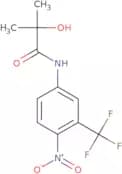
CAS:<p>Hydroxyflutamide is an anti-androgen drug that belongs to the group of nonsteroidal anti-androgens. It has been shown to bind to the androgen receptor with high affinity and inhibit the growth of cancer cells in vitro. Hydroxyflutamide also has a strong antitumor response in vivo, which is due to its ability to inhibit cellular proliferation by binding to DNA polymerase during replication. The drug may also have some activity as an antineoplastic agent because it inhibits the growth of prostate cancer cells. However, hydroxyflutamide has never been tested on humans or animals, so its effects are unknown.</p>Formula:C11H11F3N2O4Purity:Min. 98 Area-%Color and Shape:Yellow PowderMolecular weight:292.21 g/molN-[3-(3-Dimethylamino-1-oxo-2-propenyl)phenyl]-N-ethylacetamide
CAS:<p>N-[3-(3-Dimethylamino-1-oxo-2-propenyl)phenyl]-N-ethylacetamide is a high quality, complex compound that is useful as a reagent, intermediate, and building block. The CAS number for this product is 96605-66-2. This product has shown to have use in the synthesis of fine chemicals and research chemicals. It is a versatile building block that can be used as a reaction component.</p>Formula:C15H20N2O2Purity:Min. 95%Color and Shape:PowderMolecular weight:260.33 g/mol3-Cyanobenzamide
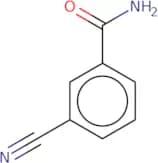
CAS:<p>3-Cyanobenzamide is an organic compound with the formula CHC(N)NH. It is a white crystalline solid that can be obtained by reacting benzamide with cyanoacetylene. There are three possible isomers of 3-cyanobenzamide: 3-cyano-1-(substituted phenyl)benzamide, 3-cyano-2-(substituted phenyl)benzamide, and 3-cyano-3-(substituted phenyl)benzamide. The optimal reaction conditions for the synthesis of 3-cyanobenzamide are in the presence of hydrogen bonding, such as n-hexane, amide, and phase equilibrium. Studies have determined that 3-cyanobenzamide has the potential to cause cancer or liver toxicity in humans. In addition, this chemical has been shown to be an effective inhibitor of alpha glucosidase enzymes in vitro and in vivo.</p>Formula:C8H6N2OPurity:Min. 90%Molecular weight:146.15 g/molDL-alanine-β-naphthylamide hydrochloride
CAS:<p>DL-Alanine-beta-naphthylamide hydrochloride is a fine chemical that is used as a building block for other compounds. It can be used in the synthesis of complex compounds and as a reagent to synthesize speciality chemicals and research chemicals. DL-Alanine-beta-naphthylamide hydrochloride is also a versatile building block that can be used as an intermediate in organic reactions or as a reaction component. This compound has CAS No. 74144-49-3 and is soluble in water.</p>Formula:C13H15ClN2OPurity:Min. 95%Color and Shape:PowderMolecular weight:250.72 g/mol2-Piperazin-1-ylnicotinamide dihydrochloride
CAS:<p>Please enquire for more information about 2-Piperazin-1-ylnicotinamide dihydrochloride including the price, delivery time and more detailed product information at the technical inquiry form on this page</p>Formula:C10H14N4OPurity:95%MinColor and Shape:PowderMolecular weight:206.24 g/molN-(4-(tert-Butyl)phenyl)-3-(4-chlorophenyl)prop-2-enamide
<p>Please enquire for more information about N-(4-(tert-Butyl)phenyl)-3-(4-chlorophenyl)prop-2-enamide including the price, delivery time and more detailed product information at the technical inquiry form on this page</p>Purity:Min. 95%Color and Shape:Powder3-(4-Methoxyphenyl)propionamide
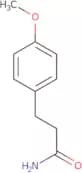
CAS:<p>3-(4-Methoxyphenyl)propionamide is a compound that belongs to the group of benzene amides. It is synthesized by reacting an excess of 3-bromopropionaldehyde with an amine in the presence of sodium hydroxide. This reaction produces a mixture of products, which are separated by chromatography. The yields for this reaction are approximately 90%. 3-(4-Methoxyphenyl)propionamide has been used as a biomolecular building block, and its traceless nature makes it useful in organic synthesis.<br>3-(4-Methoxyphenyl)propionamide can be used to synthesize alkanesulfonamides and spirolactams, which are important intermediates in chemical synthesis. 3-(4-Methoxyphenyl)propionamide also reacts with phenanthridone to produce chloride derivatives and with arenes to produce linkers.</p>Formula:C10H13NO2Purity:Min. 95%Color and Shape:PowderMolecular weight:179.22 g/mol3,4-Dichlorobenzamide
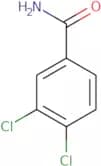
CAS:<p>3,4-Dichlorobenzamide is a synthetic opioid analgesic that binds to the μ-opioid receptor. It has a side-effect profile that is similar to other opioids, with an addiction risk and potential for abuse. 3,4-Dichlorobenzamide has been used in the synthesis of new drugs, such as phenazepam (a benzodiazepine) and etizolam (a thienodiazepine). This drug is chiral and can be synthesized in two stereoisomeric forms: 3-(+)-chloro-N-(2-chlorophenyl)benzamide and 3-(−)-chloro-N-(2-chlorophenyl)benzamide. The former form is marketed under the trade name Analgin, while the latter form is marketed under the trade name Etilex. The (+) form of this drug has a higher affinity for μ receptors than the (−) form.</p>Formula:C7H5Cl2NOPurity:Min. 95%Molecular weight:190.03 g/mol5-Amino-N,N'-bis(2,3-dihydroxypropyl)-2,4,6-triiodo-1,3-benzenedicarboxamide
CAS:<p>5-Amino-N,N'-bis(2,3-dihydroxypropyl)-2,4,6-triiodo-1,3-benzenedicarboxamide is an experimental compound that is used in the industrial preparation of pharmaceuticals and agricultural chemicals. It has a molecular weight of 191.14 g/mol. The crystallization process involves the use of ethanol to create supersaturation and then cooling to induce crystallization. This compound can be synthesized by an iodination reaction with x-ray irradiation at low temperatures.</p>Formula:C14H18I3N3O6Purity:Min. 95%Color and Shape:White PowderMolecular weight:705.02 g/molD-Valine amide hydrochloride
CAS:<p>Please enquire for more information about D-Valine amide hydrochloride including the price, delivery time and more detailed product information at the technical inquiry form on this page</p>Formula:C5H12N2O•HClPurity:Min. 95%Color and Shape:PowderMolecular weight:152.62 g/molMorpholine-4-carboxamide
CAS:<p>Morpholine-4-carboxamide is a polymerase chain inhibitor that inhibits the activity of DNA polymerases. It binds to the DNA template strand and prevents the enzyme from adding nucleotides to the primer strand, thereby inhibiting DNA synthesis. Morpholine-4-carboxamide has shown efficacy in treating hyperproliferative diseases such as cancer cells and psoriasis. This drug has been shown to inhibit caspase activation and histone protein acetylation, which may be related to its anti-cancer properties. Morpholine-4-carboxamide also binds to cannabinoid receptor 2 (CB2) and may have therapeutic effects on inflammatory diseases such as psoriasis and arthritis.</p>Formula:C5H10N2O2Purity:Min. 95%Molecular weight:130.15 g/mol2-Veratramide
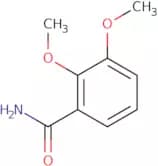
CAS:<p>2-Veratramide is a drug that belongs to the group of amides. It is a highly soluble, water-soluble and lipophilic molecule. The molecular modeling study revealed that it has a hydroxyl group in its structure and a hydrogen bond with the intramolecular hydrogen atom. 2-Veratramide has been observed to inhibit protein synthesis and cellular proliferation by binding to cancer cells or inflammatory cells. It also binds to dopamine receptors, inhibiting uptake of dopamine and subsequent activation of downstream signaling pathways. 2-Veratramide is an inhibitor of nitric oxide synthase (NOS), which plays an important role in inflammation, vascular tone, neurotransmission, and cell proliferation.<br>2-Veratramide inhibits NOS by competitively binding to the heme moiety at the active site of the enzyme, thereby blocking access to substrate arginine.</p>Formula:C9H11NO3Purity:Min. 97%Color and Shape:PowderMolecular weight:181.19 g/molEliglustat
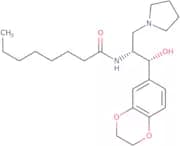
CAS:<p>Eliglustat is an oral medication used as a substrate reduction therapy for Gaucher disease type 1, which is an inherited lysosomal storage disorder. This product is a small-molecule inhibitor derived via chemical synthesis. Its primary mode of action involves the selective inhibition of glucosylceramide synthase, an enzyme responsible for the first committed step in glycosphingolipid biosynthesis. By reducing the production of glucosylceramide, eliglustat decreases the substrate accumulation that contributes to the pathophysiology of Gaucher disease.</p>Formula:C23H36N2O4Purity:Min. 97 Area-%Color and Shape:White PowderMolecular weight:404.54 g/mol(2-Aminophenyl)-N-((((4-methoxyphenyl)amino)thioxomethyl)amino)formamide
CAS:<p>Please enquire for more information about (2-Aminophenyl)-N-((((4-methoxyphenyl)amino)thioxomethyl)amino)formamide including the price, delivery time and more detailed product information at the technical inquiry form on this page</p>Formula:C15H16N4O2SPurity:Min. 95%Color and Shape:PowderMolecular weight:316.38 g/molN-[(8-Fluoro-2,3-Dihydro-1-Methyl-5-Phenyl-1H-1,4-Benzodiazepin-2-Yl)Methyl]-3-Furancarboxamide
CAS:Controlled Product<p>N-[(8-Fluoro-2,3-Dihydro-1-Methyl-5-Phenyl-1H-1,4-Benzodiazepin-2-Yl)Methyl]-3-Furancarboxamide is a hydrophobic, implanting drug with an iontophoresis device. It has been shown to have therapeutic effects in cancer. The drug is a targetable molecule that can be used for diagnostic purposes and the treatment of various cancers. N-[(8-Fluoro-2,3-Dihydro-1,5 -Phenyl 1H -1,4 Benzodiazepin 2 Yl) Methyl] 3 Furancarboxamide has been shown to inhibit cell proliferation by blocking the synthesis of proteins required for DNA replication and also inhibits the activity of protein kinase C.</p>Purity:Min. 95%N-[2-Iodoethyl]trifluoroacetamide
CAS:<p>N-[2-Iodoethyl]trifluoroacetamide is a reactive alkylating agent that is used in the synthesis of biologically active molecules. It reacts with lysines, tryptic and other amino acids to form covalent bonds, which can be cleaved by hydrolysis. The compound also reacts with sulfhydryl groups to produce sulfonium ions, which react with the thiol group at position C6 on the sarcoplasmic reticulum Ca2+ -ATPase to inhibit muscle contraction. N-[2-Iodoethyl]trifluoroacetamide has been shown to cause allergic reactions in rats, mice, and guinea pigs. This drug has also been observed to have an effect on the central nervous system when administered at high doses.</p>Formula:C4H5NOIF3Purity:Min. 95%Color and Shape:PowderMolecular weight:266.99 g/mol2-Chloro-5-(2,3-dihydro-1-hydroxy-3-oxo-1H-isoindol-1-yl)-benzenesulfonamide
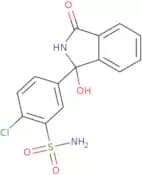
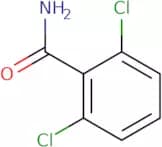
CAS:Controlled Product<p>2-Chloro-5-(2,3-dihydro-1-hydroxy-3-oxo-1H-isoindol-1-yl)-benzenesulfonamide is a drug that belongs to the class of sulfonamides which is used in pharmaceutical formulations. It has been shown to have potent antihypertensive effects, and it also lowers blood pressure by inhibiting an enzyme called carbonic anhydrase. 2CCHIB binds to the chloride channel in kidney tubule cells and prevents the reabsorption of chloride ions in these cells. This leads to more water being excreted from the body, which reduces blood volume and pressure. The low density lipoprotein (LDL) cholesterol levels are also reduced when this drug is taken orally. 2CCHIB increases high sensitivity C reactive protein (hsCRP), a marker for inflammation, but it can also have antioxidant effects.</p>Formula:C14H11ClN2O4SPurity:Min. 95%Color and Shape:PowderMolecular weight:338.77 g/mol2,6-Dichlorobenzamide
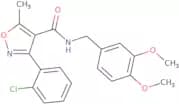
CAS:<p>2,6-Dichlorobenzamide is a chemical compound that belongs to the group of organochlorine compounds. It is soluble in water and has been shown to be an effective treatment for metal contamination in groundwater. 2,6-Dichlorobenzamide reacts with metal ions at the surface of cells by forming an insoluble metal chloride complex that accumulates inside the cell and leads to cell death. 2,6-Dichlorobenzamide has been shown to be toxic to bacteria, particularly gram-positive bacteria such as Staphylococcus aureus and Bacillus subtilis. This compound also binds to bacterial membrane lipids with high affinity constants. This activity may be due to its ability to form lipid hydroperoxides and free radicals.</p>Formula:C7H5Cl2NOPurity:Min. 95%Color and Shape:PowderMolecular weight:190.03 g/molN-((3,4-dimethoxyphenyl)methyl)(3-(2-chlorophenyl)-5-methylisoxazol-4-yl)formamide
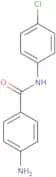
CAS:<p>Please enquire for more information about N-((3,4-dimethoxyphenyl)methyl)(3-(2-chlorophenyl)-5-methylisoxazol-4-yl)formamide including the price, delivery time and more detailed product information at the technical inquiry form on this page</p>Purity:Min. 95%(4-Aminophenyl)-N-(4-chlorophenyl)formamide
CAS:<p>Please enquire for more information about (4-Aminophenyl)-N-(4-chlorophenyl)formamide including the price, delivery time and more detailed product information at the technical inquiry form on this page</p>Formula:C13H11ClN2OPurity:Min. 95%Color and Shape:PowderMolecular weight:246.69 g/molN-[6-Chloro-5-(2-methoxyphenoxy)-(2,2-bipyrimidine)4-4-yl]-(1,1-dimethylethyl)-benzenesulfonamide
CAS:<p>N-[6-Chloro-5-(2-methoxyphenoxy)-(2,2-bipyrimidine)4-4-yl]-(1,1-dimethylethyl)-benzenesulfonamide is a reagent that can be used as a reaction component in the synthesis of complex compounds. It has high quality and is a versatile building block for the synthesis of speciality chemicals. N-[6-Chloro-5-(2-methoxyphenoxy)-(2,2-bipyrimidine)4-4-yl]-(1,1-dimethylethyl)-benzenesulfonamide is also a useful intermediate in the synthesis of fine chemicals.</p>Formula:C25H24ClN5O4SPurity:Min. 95%Color and Shape:White PowderMolecular weight:526.01 g/molAZD 1152
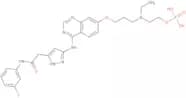
CAS:<p>AZD 1152 is an Aurora kinase inhibitor, which is a type of small-molecule therapeutic agent. It is derived from the pharmaceutical research conducted by AstraZeneca. Its primary mode of action involves the selective inhibition of Aurora B kinase, an enzyme crucial for the regulation of mitosis. By interfering with this enzyme, AZD 1152 disrupts the normal progression of cell division, leading to the inhibition of proliferation and induction of apoptosis in rapidly dividing cells.</p>Formula:C26H31FN7O6PPurity:Min. 97 Area-%Color and Shape:Slightly Yellow PowderMolecular weight:587.54 g/molN,N'-Dimethyl benzamide
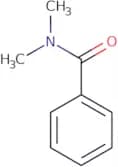
CAS:<p>N,N'-Dimethyl benzamide (DMAB) is an aryl halide that reacts with hydrogen to form the corresponding carbonyl group. The reaction solution of DMAB and hydrogen gas produces a chemical structure that resembles a hydrogen bond. DMAB has been shown to have anti-inflammatory effects in animals with inflammatory diseases. It has also been studied for its ability to inhibit the formation of amyloid plaque, which is associated with Alzheimer's disease. In addition, DMAB has been shown to have therapeutic effects against boron nitride and amides.<br>The crystal structure of DMAB can be found in both crystalline polymorphs: monoclinic and triclinic. The triclinic form is stable at room temperature and pressure, while the monoclinic form is only stable at higher temperatures. The monoclinic form is more soluble than the triclinic form, as it contains fewer hydrogen bonds between</p>Formula:C9H11NOPurity:Min. 95%Color and Shape:White PowderMolecular weight:149.19 g/mol2-Chloro-N-(2-fluorophenyl)propanamide
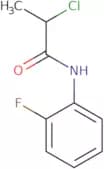
CAS:<p>Please enquire for more information about 2-Chloro-N-(2-fluorophenyl)propanamide including the price, delivery time and more detailed product information at the technical inquiry form on this page</p>Formula:C9H9ClFNOPurity:Min. 95%Molecular weight:201.63 g/molN-α-Benzoyl-L-arginine amide hydrochloride
CAS:<p>N-alpha-Benzoyl-L-arginine amide hydrochloride (BA) is a synthetic, noncompetitive inhibitor of phosphodiesterase. It has been shown to inhibit protease activity in vitro and rhizosphere enzyme activities in vivo. BA also inhibits the formation of hippuric acid from benzoic acid, which is a reaction catalyzed by the enzyme phosphatase. The kinetics of this inhibition have been studied using a number of different substrates and enzymes. BA binds to the catalytic site on the enzyme, sterically hindering binding of the substrate and preventing hydrolysis.</p>Formula:C13H19N5O2·HClPurity:Min. 95%Color and Shape:PowderMolecular weight:313.78 g/molPantethine
CAS:<p>Pantethine is a dietary supplement, which is a derivative of pantothenic acid, sourced from vitamin B5. As a biologically active compound, it undergoes conversion to pantetheine, which then forms coenzyme A (CoA) and acyl-carrier proteins. This conversion is critical, as CoA is an essential cofactor involved in numerous biochemical reactions that are integral to fatty acid metabolism, among other processes.</p>Formula:C22H42N4O8S2Purity:Min. 95%Color and Shape:PowderMolecular weight:554.72 g/mol2-Chloro-N,N-diphenylacetamide
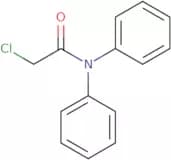
CAS:<p>2-Chloro-N,N-diphenylacetamide is a functional theory that has been shown to have antimicrobial activity against mammalian cells. It is an acetamide derivative with a formyl group and two chloro substituents. 2-Chloro-N,N-diphenylacetamide inhibits the growth of Mycobacterium tuberculosis by binding to the ribosomal protein P0, which inhibits the production of proteins vital for cell division. This drug also has antifungal properties, inhibiting the synthesis of ergosterol in filamentous fungi such as Candida albicans.<br>2-Chloro-N,N-diphenylacetamide is also known to inhibit the growth of other bacteria by binding to their ribosomes and interfering with protein synthesis. This drug may also be active against viruses due to its ability to bind chloride ions.</p>Formula:C14H12ClNOPurity:Min. 95%Molecular weight:245.7 g/molN-(2-Amino-1,2-dinitrilovinyl)(propylamino)formamide
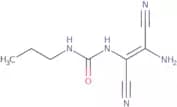
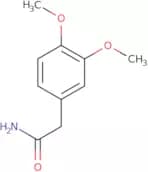
CAS:<p>Please enquire for more information about N-(2-Amino-1,2-dinitrilovinyl)(propylamino)formamide including the price, delivery time and more detailed product information at the technical inquiry form on this page</p>Formula:C8H11N5OPurity:Min. 95%Color and Shape:PowderMolecular weight:193.21 g/molHomoveratramide
CAS:<p>Homoveratramide is a synthetic drug that is used as an antibacterial agent. It has a broad spectrum of activity against bacteria, fungi, and protozoa. Homoveratramide has been shown to be effective against both Gram-positive and Gram-negative bacteria, including Staphylococcus aureus, Streptococcus pneumoniae, Escherichia coli, Salmonella enterica, Pseudomonas aeruginosa, and Klebsiella pneumoniae. Homoveratramide inhibits the synthesis of DNA by binding to the enzyme ribonucleotide reductase. This produces a bacteriostatic effect on the cell by halting DNA replication and transcription.</p>Formula:C10H13NO3Purity:Min. 95%Color and Shape:PowderMolecular weight:195.22 g/mol(2R)-1-(Phenylmethyl)-N-[3-(spiro[isobenzofuran-1(3H),4'-piperidin]-1-yl)propyl-2-pyrrolidinecarboxamide HCl
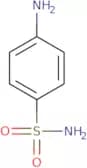
CAS:<p>(2R)-1-(Phenylmethyl)-N-[3-(spiro[isobenzofuran-1(3H),4'-piperidin]-1-yl)propyl-2-pyrrolidinecarboxamide HCl is an endogenous opioid that has been shown to have antidepressant-like effects. It can bind to γ-aminobutyric acid (GABA) receptors, catecholamine receptors, and nociceptin receptors. This drug also has anti-cancer properties and may be used for the treatment of autoimmune diseases. The interaction of this drug with other drugs is not well understood, but it has been shown to modulate the effects of opioids and increase the aversive nature of some substances.</p>Formula:C27H35N3O2Purity:Min. 95%Color and Shape:PowderMolecular weight:433.59 g/molSulphanilamide
CAS:<p>Sulphanilamide is an antimicrobial agent that inhibits the growth of bacteria by binding to their enzymes and blocking protein synthesis. In addition, sulphanilamide has been shown to inhibit the production of sulfanilamide, a potent inhibitor of tetracycline. Sulphanilamide is soluble in water and alcohol but not in organic solvents. The solubility of sulphanilamide can be increased by adding sodium salts or pH adjustment. Sulphanilamide is also used for wastewater treatment as it has inhibitory properties against sulfate-reducing bacteria. X-ray crystal structures have revealed that sulphanilamide binds to the active site of bacterial beta-lactamases through hydrogen bonds with both the NH group and the COOH group on its sulfur atom, resulting in inhibition of these enzymes. Sulphanilamide also interferes with bacterial DNA replication by inhibiting dna gyrase and topoisomerase IV. Sulphanilamide also</p>Formula:C6H8N2O2SColor and Shape:PowderMolecular weight:172.21 g/mol2'-Hydroxy-5'-nitrohexadecanamide
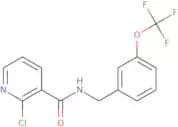
CAS:<p>2'-Hydroxy-5'-nitrohexadecanamide is a synthetic fatty acid derivative that inhibits lysosomal hydrolase, which is an enzyme that breaks down cellular lipids. This compound can be used as a diagnostic agent for the detection of certain types of cancer. 2'-Hydroxy-5'-nitrohexadecanamide reacts with the magnesium ion in the lysosome to form an insoluble precipitate, which then settles to the bottom of the test tube, allowing for easy detection of cells with high levels of lysosomal hydrolase.</p>Formula:C22H36N2O4Purity:Min. 95%Color and Shape:PowderMolecular weight:392.53 g/mol(2-chloro(3-pyridyl))-N-((3-(trifluoromethoxy)phenyl)methyl)formamide
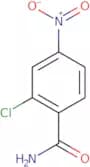
CAS:<p>Please enquire for more information about (2-chloro(3-pyridyl))-N-((3-(trifluoromethoxy)phenyl)methyl)formamide including the price, delivery time and more detailed product information at the technical inquiry form on this page</p>Purity:Min. 95%2-Chloro-4-nitro benzamide
CAS:<p>2-Chloro-4-nitrobenzamide is a drug that belongs to the sulfa drugs. It has been shown to be effective in treating autoimmune diseases, particularly bowel disease and inflammatory bowel disease. 2-Chloro-4-nitrobenzamide inhibits the synthesis of fatty acids by blocking the enzyme acetyl CoA carboxylase, which is involved in the formation of long chain fatty acids. This drug also has immunosuppressive activities, which may be due to its ability to block T cell proliferation. 2-Chloro-4-nitrobenzamide is used as a chemical intermediate for antibiotics such as maduramicin ammonium and salinomycin sodium. It is also used as a dietary supplement or pharmaceutical dosage form for cardiac glycoside drugs such as digoxin.</p>Formula:C7H5ClN2O3Purity:Min. 95%Color and Shape:PowderMolecular weight:200.58 g/mol4-Aminothiobenzamide
CAS:<p>4-Aminothiobenzamide (4ATB) is a chemical compound that is used as an anticancer agent and an antimicrobial agent. It has been shown to have antitumor activity against human liver cancer cells and anticancer activity against human adrenergic receptor-positive lung cancer cells. 4ATB binds to the chloride ion present in the cell membrane, which prevents the influx of chloride ions into the cell. This leads to an increase in intracellular pH and disruption of cellular functions. 4ATB has also been shown to inhibit methicillin-resistant Staphylococcus aureus (MRSA) infections by inhibiting bacterial growth and reducing the production of proteins vital for cell division.</p>Formula:C7H8N2SPurity:Min. 95%Color and Shape:PowderMolecular weight:152.22 g/mol3-Oxo-2-phenyl butanamide
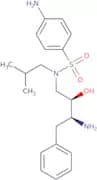
CAS:Controlled Product<p>3-Oxo-2-phenyl butanamide is an amphetamine that has been shown to be a potential marker for wastewater. 3-Oxo-2-phenyl butanamide is one of the many intermediates in the synthesis of amphetamine from phenylacetone and can be found in wastewater as an impurity. This compound has also been used as a marker for wastewater treatment malfunctioning. 3-Oxo-2-phenyl butanamide is excreted into the environment through urine, and its presence can be measured in water samples by gas chromatography/mass spectrometry or liquid chromatography/mass spectrometry.</p>Formula:C10H11NO2Purity:Min. 95%Color and Shape:PowderMolecular weight:177.2 g/mol4-Amino-N-((2R,3S)-3-amino-2-hydroxy-4-phenylbutyl)-N-ispobutylbenzenesulfonamide
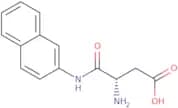
CAS:<p>4-Amino-N-((2R,3S)-3-amino-2-hydroxy-4-phenylbutyl)-N-isobutylbenzenesulfonamide is an amide that is used to treat HIV infections. It has been shown to have potent anti-viral activity against HIV infected cells in the laboratory and can inhibit the replication of HIV by interfering with the virus's ability to use the reverse transcriptase enzyme. 4ABAB has been shown to bind to the enzyme ribonuclease H (crth2), which is responsible for breaking down viral RNA. This binding prevents crth2 from cleaving viral RNA, thus inhibiting DNA synthesis and preventing cell death. 4ABAB also interferes with a hydrogen bond between ethyl group and the hydroxyl group on crth2, leading to a decrease in activity.</p>Formula:C20H29N3O3SPurity:Min. 95%Color and Shape:White PowderMolecular weight:391.53 g/molL-Aspartic acid β-naphthylamide
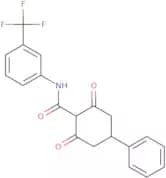
CAS:<p>L-Aspartic acid beta-naphthylamide is a dietary amino acid that is metabolized to oxaloacetate in the liver. This metabolite is then converted to aspartate and glutamate, which are both important for brain functions. L-Aspartic acid beta-naphthylamide has been shown to have regulatory effects on peptide hormones, such as inhibiting the synthesis of angiotensin II and vasopressin in rats. L-Aspartic acid beta-naphthylamide also has anti-cancer properties, which may be due to its ability to inhibit the growth of cancer cells by hydrolyzing proteins and enzymes involved in fatty acid synthesis.</p>Formula:C14H14N2O3Purity:Min. 95%Molecular weight:258.27 g/mol(2,6-dioxo-4-phenylcyclohexyl)-N-(3-(trifluoromethyl)phenyl)formamide
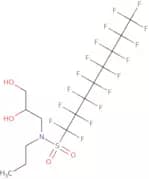
CAS:<p>Please enquire for more information about (2,6-dioxo-4-phenylcyclohexyl)-N-(3-(trifluoromethyl)phenyl)formamide including the price, delivery time and more detailed product information at the technical inquiry form on this page</p>Purity:Min. 95%N-Propyl-N-(2,3-dihydroxypropyl)perfluoro-n-octylsulfonamide
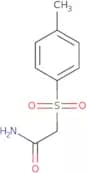
CAS:Controlled Product<p>N-Propyl-N-(2,3-dihydroxypropyl)perfluoro-n-octylsulfonamide is a fine chemical that can be used as a reagent and speciality chemical. It is a versatile building block that can react with other compounds to produce new products. The compound is a complex compound that has been shown to have high quality in the laboratory.</p>Formula:C14H14F17NO4SPurity:Min. 95%Color and Shape:PowderMolecular weight:615.3 g/mol2-((4-Methylphenyl)sulfonyl)ethanamide
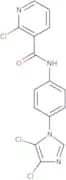
CAS:<p>2-((4-Methylphenyl)sulfonyl)ethanamide is an amide that has been shown to have antibacterial activity. It binds to the DNA of bacteria, inhibiting its replication and transcription. This drug also inhibits the growth of influenza virus in cell culture. 2-((4-Methylphenyl)sulfonyl)ethanamide is a sensor for chloride ions, which may be used as treatments for bacterial infections. This drug is also able to inhibit the replication of bacteria that are resistant to other antibiotics, such as penicillin. The unsaturated alkyl group on this molecule allows it to be activated by radiation treatment, which may be useful in the treatment of cancer cells or viral infections.</p>Formula:C9H11NO3SPurity:Min. 95%Color and Shape:PowderMolecular weight:213.25 g/molN-(4-(4,5-dichloroimidazolyl)phenyl)(2-chloro(3-pyridyl))formamide
CAS:<p>Please enquire for more information about N-(4-(4,5-dichloroimidazolyl)phenyl)(2-chloro(3-pyridyl))formamide including the price, delivery time and more detailed product information at the technical inquiry form on this page</p>Purity:Min. 95%N,3-Diphenylacrylamide
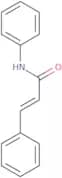
CAS:<p>N,3-Diphenylacrylamide is an amide that has been shown to exhibit carcinoid syndrome in humans. It also inhibits the growth of some human pathogens, including viruses and bacteria, as well as some fungi. The compound is metabolized by a number of enzymes and can be found circulating in the blood. Magnetic resonance spectroscopy has been used to study the structure of this molecule, which is composed of a carbonyl group and hydrogen bond. The effective dose for N,3-Diphenylacrylamide is not known.</p>Formula:C15H13NOPurity:Min. 95%Color and Shape:PowderMolecular weight:223.27 g/mol






![N-[3-(3-Dimethylamino-1-oxo-2-propenyl)phenyl]-N-ethylacetamide](/_next/image/?url=https%3A%2Fstatic.cymitquimica.com%2Fproducts%2F3D%2Fthumb-webp%2FFD70834.webp&w=3840&q=75)





![N-[(8-Fluoro-2,3-Dihydro-1-Methyl-5-Phenyl-1H-1,4-Benzodiazepin-2-Yl)Methyl]-3-Furancarboxamide](/_next/image/?url=https%3A%2Fstatic.cymitquimica.com%2Fproducts%2F3D%2Fthumb-webp%2FFF102093.webp&w=3840&q=75)
![N-[2-Iodoethyl]trifluoroacetamide](/_next/image/?url=https%3A%2Fstatic.cymitquimica.com%2Fproducts%2F3D%2Fthumb-webp%2FFI52744.webp&w=3840&q=75)
![N-[6-Chloro-5-(2-methoxyphenoxy)-(2,2-bipyrimidine)4-4-yl]-(1,1-dimethylethyl)-benzenesulfonamide](/_next/image/?url=https%3A%2Fstatic.cymitquimica.com%2Fproducts%2F3D%2Fthumb-webp%2FFC20113.webp&w=3840&q=75)


![(2R)-1-(Phenylmethyl)-N-[3-(spiro[isobenzofuran-1(3H),4'-piperidin]-1-yl)propyl-2-pyrrolidinecarbo…](/_next/image/?url=https%3A%2Fstatic.cymitquimica.com%2Fproducts%2F3D%2Fthumb-webp%2FFP73252.webp&w=3840&q=75)