Carboxylic Acids
Carboxylic acids are organic molecules characterized by having a carboxyl-type functional group (-COOH). These acids are fundamental in various chemical reactions, including esterification, amidation, and decarboxylation. Carboxylic acids are widely used in the production of pharmaceuticals, polymers, and agrochemicals. In this section, you can find a large number of carboxylic acids ready to be used. At CymitQuimica, we provide a broad range of high-quality carboxylic acids to support your research and industrial applications.
Found 12454 products of "Carboxylic Acids"
Sort by
Purity (%)
0
100
|
0
|
50
|
90
|
95
|
100
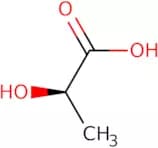
D-Lactic acid
CAS:<p>D-lactic acid is a metabolic byproduct of lactic acid bacteria that can be found in food products such as fermented vegetables and dairy products. It is also produced in the human body and can be used as an energy source. D-lactic acid has been shown to have antibacterial efficacy against wild-type strains of Escherichia coli, but not against multidrug-resistant strains. D-lactic acid has been shown to increase the mitochondrial membrane potential and decrease the surface area of squamous carcinoma cells.</p>Formula:C3H6O3Color and Shape:Clear LiquidMolecular weight:90.08 g/molRef: 3D-FL14253
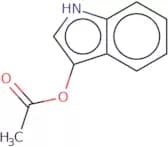
Discontinued product3-Indoxylacetate
CAS:<p>Please enquire for more information about 3-Indoxylacetate including the price, delivery time and more detailed product information at the technical inquiry form on this page</p>Formula:C10H9NO2Color and Shape:White PowderMolecular weight:175.18 g/molRef: 3D-FI10731
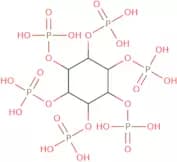
Discontinued productPhytic acid, 50% aqueous solution
CAS:<p>Phytic acid is a naturally occurring compound that is found in plants. It can be found in grains such as wheat, corn, rice, and oats. Phytic acid has been shown to inhibit the absorption of calcium, magnesium, copper, iron, and zinc from the diet. This may be due to its ability to bind these minerals in the gastrointestinal tract. The binding of these minerals may also lead to an increase in bioavailability of phytates by preventing their absorption from the gut. Phytic acid has been shown to have a number of physiological effects on humans including inhibition of squamous carcinoma growth and autoimmune diseases. It also has been shown to have biological properties that include being an inhibitor for binding with other compounds such as sodium citrate and inositol.</p>Formula:C6H18O24P6Color and Shape:Colorless PowderMolecular weight:660.04 g/molRef: 3D-FP59532
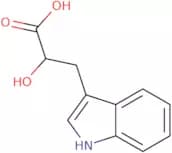
Discontinued productDL-Indole-3-lactic acid
CAS:<p>Indole-3-lactic acid is a plant hormone that is produced in the leaves of the plant when they are under stress. It has been shown to have activity against bowel diseases and metabolic disorders. Indole-3-lactic acid has been isolated from plants like Caproicum album, which is used in vitro to measure its effect on caproic acid production. This compound has also been detected in human serum and wastewater treatment. Indole-3-lactic acid inhibits tryptophan degradation by competing with indolecarboxylase for substrate. The effect of indole-3-lactic acid on dextran sulfate and glomerular filtration rate was studied using a rat model, where it was found that it had no significant effects.</p>Formula:C11H11NO3Purity:Min. 95%Color and Shape:PowderMolecular weight:205.21 g/molBis(2,2,2-trichloroethyl)azodicarboxylate
CAS:<p>Bis(2,2,2-trichloroethyl)azodicarboxylate is a nucleophile that can be used as an alkylating agent in the industrial process. It is also used to prepare chiral amines by adding an amine to the enantiomerically pure bis(2,2,2-trichloroethyl)azodicarboxylate. The anticancer activity of Bis(2,2,2-trichloroethyl)azodicarboxylate is due to its ability to inhibit tumor cell proliferation. Bis(2,2,2-trichloroethyl)azodicarboxylate is not effective against cancerous cells that do not have functional groups such as amino acids.</p>Formula:C6H4Cl6N2O4Purity:Min. 95%Color and Shape:Yellow SolidMolecular weight:380.82 g/molRef: 3D-FB01254
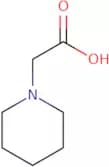
Discontinued productPiperidin-1-yl-acetic acid
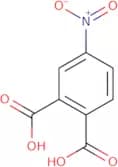
CAS:<p>Piperidin-1-yl-acetic acid is a nitrogen-containing organic compound, which is an alkanoic acid. It has a molecular weight of 104.09 and empirical formula C6H11NO2. Piperidin-1-yl-acetic acid is not soluble in cold water, but it dissolves in boiling water to form a white solid. This compound can be used as an enzyme inhibitor or as a pharmacological agent.<br>Piperidin-1-yl-acetic acid has been shown to inhibit the transcriptional regulation of enzymes that are involved in the production of porphyrins and other heme protein cofactors such as cytochrome c. The compound also inhibits the synthesis of these enzymes by binding to their active sites and inhibiting their function.</p>Formula:C7H13NO2Purity:Min. 95 Area-%Color and Shape:PowderMolecular weight:143.18 g/mol4-Nitrophthalic acid
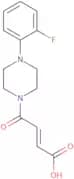
CAS:<p>4-Nitrophthalic acid is a white crystalline solid that has an acid and basic character. It has been shown to be antigenic, with a specific antibody able to bind to the 4-nitro group. The structure of 4-Nitrophthalic acid was determined using X-ray crystallography and NMR spectroscopy. The molecular weight of 4-Nitrophthalic acid is 177.2 g/mol, with a melting point of 174 °C and a boiling point of 341 °C. It is soluble in water and organic solvents such as ethanol, acetone, chloroform, ethyl ether, benzene, hexane, dichloromethane and ethyl acetate.</p>Formula:C8H5NO6Purity:Min. 97 Area-%Color and Shape:White PowderMolecular weight:211.13 g/mol3-((2-Fluorophenyl)piperazinylcarbamoyl)prop-2-enoic acid
CAS:Controlled Product<p>Please enquire for more information about 3-((2-Fluorophenyl)piperazinylcarbamoyl)prop-2-enoic acid including the price, delivery time and more detailed product information at the technical inquiry form on this page</p>Formula:C14H15Fn2O3Purity:Min. 80%Color and Shape:PowderMolecular weight:278.29 g/molRef: 3D-FF168923
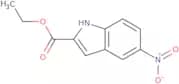
Discontinued productEthyl 5-Nitroindole-2-Carboxylate
CAS:<p>Ethyl 5-Nitroindole-2-Carboxylate is a precursor to the anti-HIV drug Delavirdine. It is synthesized by condensation of ethyl pyruvate and urea derivative in the presence of thionyl chloride. This compound can be used as an intermediate in the synthesis of other compounds such as ethyl ester and ethyl pyruvate. The chemical reaction is carried out at room temperature using a chlorinated solvent such as methylene chloride or chloroform. Ethyl 5-nitroindole-2-carboxylate can also be used for the synthesis of other drugs, including antitumor agents.</p>Formula:C11H10N2O4Purity:Min. 95%Color and Shape:PowderMolecular weight:234.21 g/molRef: 3D-FE56789
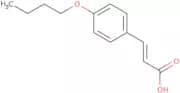
Discontinued product4-N-Butoxycinnamic acid
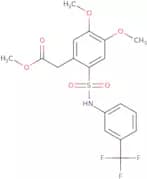
CAS:<p>4-N-Butoxycinnamic acid is a chemical compound with the molecular formula CH3(CH2)7COCH=CH(COOH). It belongs to the group of cinnamic acid derivatives, which are organic compounds that may be synthesized by condensation of malonic acid and benzene. 4-N-Butoxycinnamic acid has been shown to have anti-inflammatory properties in animal models. This compound inhibits inflammatory cytokines and their signaling pathways, thereby preventing the translocation of neutrophils into inflamed tissues.</p>Formula:C13H16O3Purity:Min. 95%Molecular weight:220.26 g/molmethyl 2-(4,5-dimethoxy-2-(((3-(trifluoromethyl)phenyl)amino)sulfonyl)phenyl)acetate
CAS:<p>Please enquire for more information about methyl 2-(4,5-dimethoxy-2-(((3-(trifluoromethyl)phenyl)amino)sulfonyl)phenyl)acetate including the price, delivery time and more detailed product information at the technical inquiry form on this page</p>Purity:Min. 95%Ref: 3D-FM169711
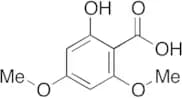
Discontinued product2-Hydroxy-4,6-dimethoxybenzoic Acid
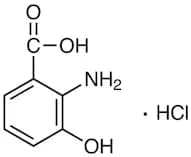
CAS:Controlled Product<p>Applications 2-Hydroxy-4,6-dimethoxybenzoic acid is a reagent used in the synthesis of rac Zearalenone-d6 (Z270502). rac Zearalenone-d6 s an estrogenic mycotoxin produced by Fusarium fungi commonly found in grains. One of a group of compounds known as resorcylic acid lactones.<br>References Tanaka, T., et al.: J. Agric. Food Chem., 36, 979 (1988), Hamilton, S., et al.: Anticancer Res., 16, 3597 (1996), Hecht, S., et al.: Cancer Lett., 150, 49 (2000), Hussein, H., et al.: Toxicology, 167, 101 (2001), Lim, H., et al.: J. Immunol., 175, 4180 (2005),<br></p>Formula:C9H10O5Color and Shape:Light Orange Colour To Light BrownMolecular weight:198.052-Amino-3-hydroxybenzoic Acid Hydrochloride
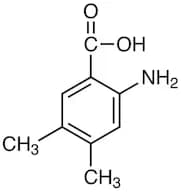
CAS:Formula:C7H7NO3·HClPurity:>98.0%(T)(HPLC)Color and Shape:White to Light yellow to Purple powder to crystalMolecular weight:189.602-Amino-4,5-dimethylbenzoic Acid
CAS:Formula:C9H11NO2Purity:>97.0%(T)(HPLC)Color and Shape:White to Yellow powder to crystalMolecular weight:165.19Succinic acid
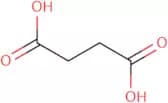
CAS:<p>Succinic acid is a calcium salt of succinic acid that can be used as a chemical reagent. It has been shown to have protective effects against ischemic preconditioning, which may be due to its ability to inhibit the production of nitric oxide. Succinic acid also inhibits alcohol dehydrogenase and has been shown to have an anti-inflammatory effect in human mdr1 knockout mice. This compound is used as an analytical reagent for the determination of nitrate reductase activity in biological samples. Succinic acid is also used as a reagent for coordination geometry in organic chemistry.</p>Formula:C4H6O4Color and Shape:PowderMolecular weight:118.09 g/molPeriodic acid
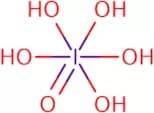
CAS:<p>Periodic acid is a natural product that has been used as an antimicrobial agent for more than 100 years. It has been shown to have pro-apoptotic properties in a number of cell systems, including monocyte-like cells, hepatocyte-like cells, and epidermal growth factor receptor-transfected cells. Periodic acid is also effective against inflammatory bowel disease in infants. This drug also has anti-inflammatory effects and may be useful for the treatment of autoimmune diseases. Periodic acid inhibits the metabolic rate in cell cultures by blocking oxidative phosphorylation at complex I and II, leading to increased levels of reactive oxygen species (ROS). This ROS production induces apoptosis through a caspase cascade.</p>Formula:H5IO6Purity:Min. 95%Color and Shape:White Clear LiquidMolecular weight:227.94 g/molRef: 3D-FP16075
Discontinued product1-(4-Chlorophenyl)-1-cyclopentanecarboxylic Acid
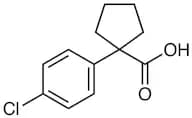
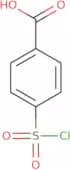
CAS:Formula:C12H13ClO2Purity:>98.0%(GC)(T)Color and Shape:White to Almost white powder to crystalMolecular weight:224.684-(Chlorosulfonyl)benzoic acid
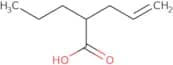
CAS:<p>4-(Chlorosulfonyl)benzoic acid is a growth factor that has been shown to stimulate epidermal growth. It is used in the treatment of glaucoma, carbonic anhydrase inhibitor therapy, and immobilization. 4-(Chlorosulfonyl)benzoic acid may also be useful in the treatment of viral infections, as it inhibits viral replication by binding to the virus's envelope protein. This drug has been shown to act as an adrenergic receptor agonist and has molecular modeling properties. 4-(Chlorosulfonyl)benzoic acid inhibits matrix metalloproteinase activity and increases the expression of matrix metalloproteinase inhibitors. The drug was not found to inhibit collagenase and elastase activities in vitro.</p>Formula:C7H5ClO4SPurity:Min. 95%Color and Shape:SolidMolecular weight:220.63 g/mol(+/-)-2-Propyl-4-pentenoic acid
CAS:<p>(+/-)-2-Propyl-4-pentenoic acid is a reactive chemical that is used in the synthesis of sodium salts. This compound has been shown to produce a matrix effect and to be pharmacologically active. (+/-)-2-Propyl-4-pentenoic acid is also used in the preparation of monoclonal antibodies and can be used as an analytical method for determining the concentration–time curve. The use of this compound has been shown to be clinically relevant, with irreversible inhibition observed in rat liver microsomes and fatty acids. In addition, it has been shown to inhibit fatty acid synthase in vitro and can be used as a marker for measuring oxidative stress.</p>Formula:C8H14O2Purity:Min. 95%Color and Shape:PowderMolecular weight:142.2 g/molRef: 3D-FP27231
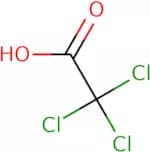
Discontinued productTrichloroacetic acid
CAS:<p>Trichloroacetic acid is a chemical compound that is commonly used as an analytical reagent. It is a white solid that can be dissolved in water and has a faint odor of chlorine. Trichloroacetic acid is used to measure the concentration of sodium trifluoroacetate in biological samples or as an analytical reagent in various chemical reactions. Trichloroacetic acid has been shown to cause oxidative injury to cells, which may be due to its ability to inhibit growth factor-β1 synthesis and glycol ether metabolism. Trichloroacetic acid also causes cancer cells to die by inducing apoptosis, which may be due to its ability to inhibit basic protein synthesis.</p>Formula:C2HCl3O2Purity:Min. 95%Color and Shape:White/Off-White SolidMolecular weight:163.39 g/molRef: 3D-FT33532
Discontinued productmethyl 5-(((4-bromophenyl)sulfonyl)methyl)furan-2-carboxylate
CAS:<p>Please enquire for more information about methyl 5-(((4-bromophenyl)sulfonyl)methyl)furan-2-carboxylate including the price, delivery time and more detailed product information at the technical inquiry form on this page</p>Purity:Min. 95%Ref: 3D-FM169416
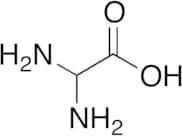
Discontinued product2,2-Diaminoacetic Acid
CAS:Controlled ProductFormula:C2H6N2O2Color and Shape:NeatMolecular weight:90.081Dichloroisocyanuric acid sodium dihydrate
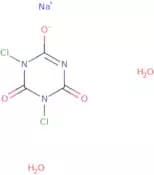
CAS:<p>Dichloroisocyanduric acid sodium salt (DCD) is a disinfectant that is used to control bacteria, fungi, and algae in wastewater treatment plants. DCD has been shown to be an effective antimicrobial agent against bacterial spores and the fungal plant pathogen "Botrytis cinerea" when used at concentrations of 0.1-0.3%. DCD also has a low toxicity for mammals, with LD50 values of 3.5g/kg for rats and 2g/kg for mice. The chemical stability of DCD can be increased by adding sodium carbonate or other alkaline substances in a neutral pH environment.</p>Formula:C3HCl2N3O3•(H2O)2•NaPurity:Min. 95%Color and Shape:PowderMolecular weight:256.98 g/mol2,3-Dibromopropanoic acid
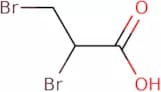
CAS:<p>2,3-Dibromopropanoic acid is a carcinogenic chemical that has been shown to cause liver tumors in rats. It is a nucleophile that reacts with amide groups to form an amide bond. The analytical method for 2,3-dibromopropanoic acid is gas chromatography with flame ionization detection. Its structural formula is CHBrCHBrCOH. It has a carbonyl group and acidic properties, as well as a chloride ion present on the molecule. 2,3-Dibromopropanoic acid is an anxiolytic drug that has been shown to have health effects such as drowsiness and headache.</p>Formula:C3H4Br2O2Purity:Min. 95%Color and Shape:PowderMolecular weight:231.87 g/molRef: 3D-FD37217
Discontinued productPeptide YY (canine, mouse, porcine, rat)
CAS:<p>Peptide YY (PYY) is a peptide hormone that inhibits gastric emptying and increases intestinal transit time. This peptide can be given as an intubation, perfusion, or intravenous infusion to increase the absorption of nutrients. It also has the potential to reduce body weight in obese people. PYY is a potent activator of protein synthesis and it has been shown to stimulate lipolysis in adipocytes. PYY is found in the ileum and colon, where it may have its effects on appetite suppression and regulation of gastrointestinal motility.</p>Formula:C190H288N54O57Purity:Min. 95%Color and Shape:PowderMolecular weight:4,240.65 g/molRef: 3D-FP109287
Discontinued productMethyl4-aminomethyl-1-boc-piperidine-4-carboxylate
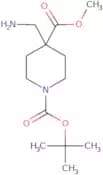
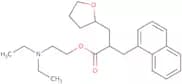
CAS:<p>Please enquire for more information about Methyl4-aminomethyl-1-boc-piperidine-4-carboxylate including the price, delivery time and more detailed product information at the technical inquiry form on this page</p>Formula:C13H24N2O4Purity:Min. 95%Molecular weight:272.34 g/molTetrahydro-a-(1-naphthalenylmethyl)-2-furanpropanoic Acid 2-(Diethylamino)ethyl Ester
CAS:Controlled Product<p>Tetrahydro-a-(1-naphthalenylmethyl)-2-furanpropanoic Acid 2-(Diethylamino)ethyl Ester is a fatty acid analog that has antimicrobial properties. It is used in the treatment of bone cancer, and can be used to diagnose and treat other diseases such as glomerular filtration rate, receptor binding, and malonic acid. Tetrahydro-a-(1-naphthalenylmethyl)-2-furanpropanoic Acid 2-(Diethylamino)ethyl Ester binds to receptors on cells, which leads to an increase in the amount of monoamine neurotransmitters released by the cells.</p>Formula:C24H33NO3Purity:Min. 95%Molecular weight:383.52 g/molRef: 3D-FT26121
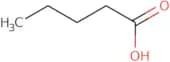
Discontinued productValeric acid
CAS:<p>Valeric acid is a fatty acid that is used in the manufacture of polymers. Valeric acid can be synthesized from caproic acid, which is found in palm oil and coconut oil. Valeric acid has been shown to inhibit the activity of nicotinic acetylcholine receptors at low concentrations and to have an inhibitory effect on the ryanodine receptor at high concentrations. Valeric acid also has a matrix effect on analytical methods such as gas-liquid chromatography, which has been modeled using polymer compositions.</p>Formula:C5H10O2Purity:Min. 95%Molecular weight:102.13 g/molRef: 3D-FV34914
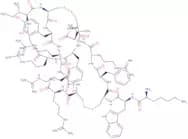
Discontinued productTachyplesin I trifluoroacetate
CAS:<p>Tachyplesin I trifluoroacetate is an antimicrobial peptide with action on bacterial and fungal membranes by disrupting their integrity and is used for research on antimicrobial properties and potential therapeutic applications.</p>Formula:C99H151N35O19S4•(C2HF3O2)xPurity:Min. 95%Color and Shape:PowderMolecular weight:2,263.75 g/molButyric acid
CAS:<p>Butyric acid is a short-chain fatty acid that is produced by the fermentation of carbohydrates in the colon and it is an important energy source for cells in the colon. It can be found in sodium salts, such as sodium butyrate, or as a free acid. Butyric acid has been shown to have physiological effects on the bowel disease, including improving symptoms of diarrhea and constipation. It also helps to maintain a healthy gut by preventing the growth of unwanted bacteria. Butyric acid inhibits certain enzymes, such as glutamine synthetase, which is important for energy metabolism. The chemical pesticide DDT has been shown to inhibit butyric acid production in cells.</p>Formula:C4H8O2Purity:Min. 95%Color and Shape:Clear Colourless LiquidMolecular weight:88.11 g/molRef: 3D-FB159569
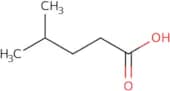
Discontinued product4-Methylpentanoic acid
CAS:<p>4-Methylpentanoic acid is a fatty acid that is the product of anaerobic fermentation in the colon and can be found as an end product in the body. It can be used as a substrate in film tests for detecting bacteria, such as Escherichia coli, which are associated with bowel diseases. 4-Methylpentanoic acid has been shown to have inhibitory effects against nuclear dna replication, mitochondrial membrane potential, and energy metabolism. 4-Methylpentanoic acid also has antiinflammatory properties and has been shown to decrease body mass index. The 6-Fluoro-3-indoxyl-beta-D-galactopyranoside is an antituberculosis drug that belongs to the class of rifamycins. It is the most active of the rifamycins for the treatment of tuberculosis. Rifapentine inhibits bacterial growth by binding to DNA-dependent RNA polymerase, thereby preventing transcription</p>Formula:C6H12O2Purity:Min. 95%Molecular weight:116.16 g/molRef: 3D-FM35595
Discontinued productRuthenium(III) nitrosyl nitrate, soluble in 10% dilute nitric acid
CAS:<p>Please enquire for more information about Ruthenium(III) nitrosyl nitrate, soluble in 10% dilute nitric acid including the price, delivery time and more detailed product information at the technical inquiry form on this page</p>Formula:RuN4O10Purity:Min. 95%Color and Shape:Clear LiquidMolecular weight:317.09 g/molEthyl 2-chloro-2,2-difluoroacetate
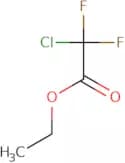
CAS:<p>Ethyl 2-chloro-2,2-difluoroacetate is an organic compound that is used in the synthesis of benzofuran derivatives. It reacts with chlorine to generate a reactive intermediate and then undergoes a nucleophilic substitution reaction to produce the desired compound. The kinetic studies of this reaction have been conducted using isolated yields of the reactants. The active methylene group can undergo a variety of reactions because it has a reactive chlorine atom attached to it. This active substance inhibits the NS5B polymerase, which is responsible for converting RNA into DNA. Ethyl 2-chloro-2,2-difluoroacetate may be used as a potential treatment for inflammatory diseases such as asthma and arthritis because it prevents acetylcholine from binding to its receptor α.</p>Formula:C4H5ClF2O2Purity:Min. 95%Color and Shape:Clear LiquidMolecular weight:158.53 g/molRef: 3D-FE104674
Discontinued productIsobutyric acid
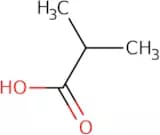
CAS:<p>Isobutyric acid is a short-chain carboxylic acid that has been shown to be a potent inhibitor of congestive heart failure. Isobutyric acid binds to the dinucleotide phosphate and is then hydrolyzed by glycol ethers to release isobutyric acid, which can induce vasodilation. The surface methodology used in this study revealed that Isobutyric acid inhibits the polymerase chain reaction activity of human DNA. This inhibition may be due to its structural similarity with mycobacterial sesquiterpene lactones, which have been shown to inhibit protein synthesis in human cells. Isobutyric acid also has antibacterial properties, and has been shown to have an activity index of 0.5 against methicillin-resistant Staphylococcus aureus (MRSA) isolates and erythromycin-resistant Mycobacterium avium complex isolates.</p>Formula:C4H8O2Purity:Min. 95%Color and Shape:Colorless Clear LiquidMolecular weight:88.11 g/molRef: 3D-FI46255
Discontinued productDideuterosulfuric acid
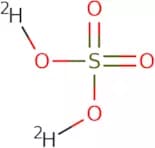
CAS:Controlled Product<p>Dideuterosulfuric acid is a protonated molecule that is found in the tropone class of organic compounds. It has been shown to have optical properties similar to those of ferrocene, which is why it is often used as a replacement for this compound. Dideuterosulfuric acid has been studied extensively using a kinetic method with the goal of determining its mechanism and rate constants. Hydroxyl groups are found on the molecule's trifluoroacetic acid side chains, which may contribute to its reactivity with chloride ions and nitrogen atoms. Electrophotographic measurements show that hydrogen bonding occurs between molecules in dilute solutions.</p>Formula:D2SO4Purity:Min. 95%Molecular weight:100.09 g/molRef: 3D-FD167508
Discontinued product4-Piperazinylphenylboronic acid, pinacol ester
CAS:<p>Please enquire for more information about 4-Piperazinylphenylboronic acid, pinacol ester including the price, delivery time and more detailed product information at the technical inquiry form on this page</p>Formula:C16H25BN2O2Purity:Min. 95%Color and Shape:PowderMolecular weight:288.19 g/molRef: 3D-FP160911
Discontinued productACTH (2-24) (human, bovine, rat) trifluoroacetate salt
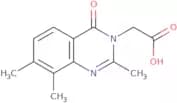
CAS:<p>Please enquire for more information about ACTH (2-24) (human, bovine, rat) trifluoroacetate salt including the price, delivery time and more detailed product information at the technical inquiry form on this page</p>Formula:C133H205N39O29SPurity:Min. 95%Molecular weight:2,846.36 g/mol(2,7,8-Trimethyl-4-oxoquinazolin-3(4H)-yl)acetic acid
CAS:Controlled Product<p>Please enquire for more information about (2,7,8-Trimethyl-4-oxoquinazolin-3(4H)-yl)acetic acid including the price, delivery time and more detailed product information at the technical inquiry form on this page</p>Formula:C13H14N2O3Purity:Min. 95%Molecular weight:246.26 g/molRef: 3D-FT135574
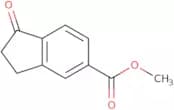
Discontinued productMethyl 1-oxo-2,3-dihydro-1H-indene-5-carboxylate
CAS:<p>Methyl 1-oxo-2,3-dihydro-1H-indene-5-carboxylate is a metabotropic glutamate receptor antagonist. It blocks the glutamate receptor and prevents the transmission of nerve impulses in the central nervous system. This drug is used to treat neurological disorders such as anxiety, depression, and schizophrenia. Methyl 1-oxo-2,3-dihydro-1H-indene-5-carboxylate has been shown to have a number of side effects including drowsiness, nausea, dizziness and headache.</p>Formula:C11H10O3Purity:Min. 95%Molecular weight:190.2 g/molRef: 3D-FM141310
Discontinued productPhosphomolybdic acid hydrate
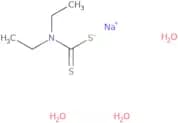
CAS:<p>Phosphomolybdic acid hydrate is a molybdenum-containing compound that exhibits biological activity. It has been found to have an effect on water permeability and the biological sample, which can be detected by synchronous fluorescence. The electrochemical impedance spectroscopy can be used to measure the effects of phosphomolybdic acid hydrate on energy metabolism. This compound has also been shown to act as a catalyst in analytical methods, such as laser ablation, and can be used in a model system for hydrogen bonding interactions with zirconium oxide.</p>Formula:MoO3·H3PO4·xH2OPurity:Min. 95%Color and Shape:Off-White To Dark Yellow SolidMolecular weight:1,825.49 g/molDiethyldithiocarbamic acid sodium trihydrate
CAS:<p>Diethyldithiocarbamic acid sodium salt trihydrate (DDC) is an inhibitor of the response element that belongs to a class of pharmacological agents called diethyldithiocarbamates. DDC inhibits the growth of tumor cells by blocking enzyme activities and decreasing the production of GSH-Px enzymes, which are required for cellular protection against oxidative stress. DDC is also a potent inducer of experimental models for myocardial infarcts. The matrix effect is another mechanism by which DDC exerts its antitumor activity. This effect is due to its ability to inhibit protein synthesis in tumor cells and its ability to inhibit the synthesis of collagen in endothelial cells, thereby preventing angiogenesis.</p>Formula:C5H11NS2•Na•(H2O)3Purity:Min. 95%Color and Shape:PowderMolecular weight:226.32 g/molRef: 3D-FD21836
Discontinued productPeptide YY (3-36) (human) trifluoroacetate salt
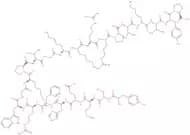
CAS:<p>Peptide YY (3-36) (human) trifluoroacetate salt H-Ile-Lys-Pro-Glu-Ala-Pro-Gly-Glu-Asp-Ala-Ser-Pro-Glu-Glu-Leu-Asn -Arg -Tyr -Tyr -Ala -Ser -Leu -Arg <br>Peptide YY (3.36) is a peptide hormone that is secreted by L cells in the small intestine and colon. It has been shown to be an effective treatment for obesity, type 2 diabetes, and other metabolic disorders. Peptide YY (3.36) has been shown to increase insulin sensitivity, reduce food intake and body weight, increase metabolic rate, and improve glucose homeostasis in animal studies. In humans, it has been found to have similar effects on postprandial plasma levels of peptide YY (3.</p>Formula:C180H279N53O54Purity:Min. 95%Molecular weight:4,049.47 g/molRef: 3D-FP110326
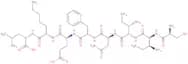
Discontinued productOvalbumin (257-264) (chicken) trifluoroacetate salt
CAS:<p>Please enquire for more information about Ovalbumin (257-264) (chicken) trifluoroacetate salt including the price, delivery time and more detailed product information at the technical inquiry form on this page</p>Formula:C45H74N10O13·C2HF3O2Purity:Min. 95%Molecular weight:1,077.15 g/molRef: 3D-FO109383
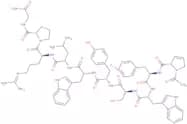
Discontinued productAcetyl-(3,4-dehydro-Pro1,4-fluoro-D-Phe2,D-Trp3·6)-LHRH trifluoroacetate salt
CAS:<p>Please enquire for more information about Acetyl-(3,4-dehydro-Pro1,4-fluoro-D-Phe2,D-Trp3·6)-LHRH trifluoroacetate salt including the price, delivery time and more detailed product information at the technical inquiry form on this page</p>Formula:C69H85FN16O13Purity:Min. 95%Molecular weight:1,365.51 g/molRef: 3D-FA109161
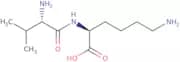
Discontinued productH-Val-Lys-OH monoacetate salt
CAS:<p>Please enquire for more information about H-Val-Lys-OH monoacetate salt including the price, delivery time and more detailed product information at the technical inquiry form on this page</p>Formula:C11H23N3O3•C2H4O2Purity:Min. 95%Molecular weight:305.37 g/molRef: 3D-FV108283
Discontinued productH-D-Leu-Thr-Arg-pNA acetate salt
CAS:<p>Please enquire for more information about H-D-Leu-Thr-Arg-pNA acetate salt including the price, delivery time and more detailed product information at the technical inquiry form on this page</p>Formula:C22H36N8O6Purity:Min. 95%Molecular weight:508.57 g/molRef: 3D-FL110734
Discontinued productFmoc-L-Lys[Oct-(otBu)-Glu-(otBu)-AEEA-AEEA]-OH
CAS:<p>Please enquire for more information about Fmoc-L-Lys[Oct-(otBu)-Glu-(otBu)-AEEA-AEEA]-OH including the price, delivery time and more detailed product information at the technical inquiry form on this page</p>Formula:C64H101N5O16Purity:Min. 95%Molecular weight:1,196.51 g/mol2,2'-Biphenyldicarboxylic acid anhydride - 70%
CAS:<p>2,2'-Biphenyldicarboxylic acid anhydride is a diphenic anhydride that has a carboxylate group on one end and a phenyl group on the other. The nitrogen atoms in this molecule are part of the intramolecular hydrogen bonds that stabilize the molecule. 2,2'-Biphenyldicarboxylic acid anhydride is used in wastewater treatment as it reacts with amines to form ammonium salts. This process also releases hydrogen, which can be used for fuel cells or light emission. It is also used to produce other compounds such as malonic acid and phenylacetic acid.</p>Formula:C14H8O3Purity:(%) Min. 70%Color and Shape:Brown Beige PowderMolecular weight:224.21 g/molNaphthenic acid
CAS:<p>Naphthenic acid is a metal chelate that is used in synchronous fluorescence spectroscopy. It has been shown to have biodegradation properties and can be used as an indicator for water quality. Naphthenic acid has been found to be a potent inhibitor of corrosion and is often used as an additive to petroleum products, such as gasoline, that are made from crude oil. Naphthenic acid also has acute toxicities and can cause toxicity studies on humans. It is able to inhibit energy metabolism in cells by binding to the mitochondrial membrane, which may be due to its ability to bind with benzalkonium chloride. Naphthenic acid can also be used for analytical methods, such as electrochemical impedance spectroscopy, because it has high sensitivity and specificity.</p>Formula:C7H10O2Color and Shape:Clear LiquidMolecular weight:126.15 g/molRef: 3D-FN139341
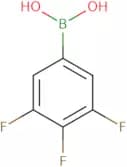
Discontinued product(3,4,5-Trifluorophenyl)boronic acid
CAS:<p>The trifluorophenylboronic acid is a boronic acid that has been used in the synthesis of vitamin B12. This compound is often used as a catalyst for the Suzuki coupling reaction. It can also be used to synthesize amides and synthons. The trifluorophenylboronic acid is soluble in water, ethanol, and acetone. The pH of the solution depends on the type of base added. For example, when an amine is added to the solution, it increases to approximately 8-9. When a p-hydroxybenzoic acid is added to the solution, it decreases to approximately 2-3.</p>Formula:C6H4BF3O2Purity:Min. 95%Color and Shape:PowderMolecular weight:175.9 g/molKR-12 (human) trifluoroacetate salt
CAS:<p>Please enquire for more information about KR-12 (human) trifluoroacetate salt including the price, delivery time and more detailed product information at the technical inquiry form on this page</p>Formula:C71H127N25O15Purity:Min. 95%Molecular weight:1,570.93 g/molRef: 3D-FK109932
Discontinued productEndothelin-1 (human, bovine, dog, mouse, porcine, rat) acetate
CAS:<p>Endothelin-1 (ET-1) is a peptide that is produced by the endothelium. ET-1 is involved in numerous biological processes, including vasoconstriction, inflammation, and cell proliferation. Endothelin-1 (human ET-1) acetate salt H-Cys-Ser-Cys-Ser-Ser-Leu-Met-Asp-Lys-(Glu)-Cys-(Val)-Tyr-(Phe)-Cys-(His)-Leu -Asp(-Ile)-Ile(-Trp)) acetate salt is a recombinant protein that has been shown to significantly upregulate the production of endothelin in primary pulmonary hypertension. It also plays an important role in bowel disease, where it may be involved in the development of chronic inflammatory bowel disease.</p>Formula:C109H159N25O32S5•(C2H4O2)xPurity:Min. 95%Molecular weight:2,491.91 g/molRef: 3D-FE109997
Discontinued productLysergic acid hydrazide
CAS:Controlled Product<p>Lysergic acid hydrazide is a synthetic drug with an active form of lysergic acid. It is used in the synthesis of ergocryptine and other drugs. The compound can be synthesized using methyl alcohol, trifluoromethyl group, hydroxy group, skeleton, and C1-4 alkyl as reactants. Lysergic acid hydrazide can also be synthesized from an inorganic acid such as nitrous or oxoalkyl. This compound has been used as a pharmaceutical preparation for the treatment of psychotic disorders. Lysergic acid hydrazide has shown to have reactive amide groups that may react with organic amines to form neurotoxic compounds.</p>Formula:C16H18N4OPurity:Min. 95%Molecular weight:282.34 g/molRef: 3D-FL24963
Discontinued productN,N-Bis(carboxymethyl)-L-glutamic acid
CAS:<p>N,N-bis(Carboxymethyl)-L-glutamic acid is a synthetic compound that functions as a disinfectant. It has been shown to be effective against bacteria and fungi in vitro, with an efficacy of over 90%. N,N-bis(Carboxymethyl)-L-glutamic acid is used as a treatment for tumors due to its ability to penetrate the tumor cells and inhibit fatty acid uptake. This compound also prevents the formation of new blood vessels by inhibiting the synthesis of DNA and RNA. N,N-bis(Carboxymethyl)-L-glutamic acid can be used in coatings for metals or metal surfaces that are exposed to water or air because it is biodegradable and noncorrosive.</p>Formula:C9H13NO8Purity:Min. 95%Color and Shape:Clear LiquidMolecular weight:263.2 g/mol










![Fmoc-L-Lys[Oct-(otBu)-Glu-(otBu)-AEEA-AEEA]-OH](/_next/image/?url=https%3A%2Fstatic.cymitquimica.com%2Fproducts%2F3D%2Fthumb-webp%2FFC165871.webp&w=3840&q=75)