Carboxylic Acids
Carboxylic acids are organic molecules characterized by having a carboxyl-type functional group (-COOH). These acids are fundamental in various chemical reactions, including esterification, amidation, and decarboxylation. Carboxylic acids are widely used in the production of pharmaceuticals, polymers, and agrochemicals. In this section, you can find a large number of carboxylic acids ready to be used. At CymitQuimica, we provide a broad range of high-quality carboxylic acids to support your research and industrial applications.
Found 12453 products of "Carboxylic Acids"
Sort by
Purity (%)
0
100
|
0
|
50
|
90
|
95
|
100
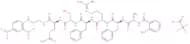
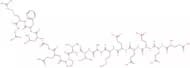
Abz-Ala-Phe-Arg-Phe-Ser-Gln-EDDnp trifluoroacetate salt
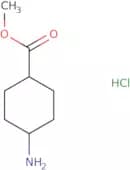
CAS:<p>Please enquire for more information about Abz-Ala-Phe-Arg-Phe-Ser-Gln-EDDnp trifluoroacetate salt including the price, delivery time and more detailed product information at the technical inquiry form on this page</p>Formula:C50H63N15O13Purity:Min. 95%Molecular weight:1,082.13 g/molcis-4-Aminocyclohexanecarboxylic acid methyl ester hcl
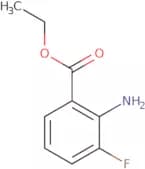
CAS:<p>cis-4-Aminocyclohexanecarboxylic acid methyl ester hcl is a chemical compound that is used in research and industry. It is an efficient isomer of 4-aminocyclohexanecarboxylic acid methyl ester hydrochloride. cis-4-Aminocyclohexanecarboxylic acid methyl ester hcl has been used as a model for the study of glimepiride, an insulin secretagogue, and has been shown to be active against Toxoplasma gondii.</p>Formula:C8H15NO2·HClPurity:Min. 95%Color and Shape:SolidMolecular weight:193.67 g/mol2-Amino-3-fluorobenzoic acid ethyl ester
CAS:<p>Please enquire for more information about 2-Amino-3-fluorobenzoic acid ethyl ester including the price, delivery time and more detailed product information at the technical inquiry form on this page</p>Formula:C9H10FNO2Purity:Min. 95%Color and Shape:PowderMolecular weight:183.18 g/molGLP-1 (7-36)-Lys(biotinyl) amide (human, bovine, guinea pig, mouse, rat) trifluoroacetate
CAS:<p>Please enquire for more information about GLP-1 (7-36)-Lys(biotinyl) amide (human, bovine, guinea pig, mouse, rat) trifluoroacetate including the price, delivery time and more detailed product information at the technical inquiry form on this page</p>Formula:C165H252N44O48S•(C2HF3O2)xPurity:Min. 95%Molecular weight:3,652.1 g/molH-Gly-Arg-Gly-Glu-Ser-OH trifluoroacetate salt
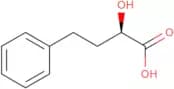
CAS:<p>Please enquire for more information about H-Gly-Arg-Gly-Glu-Ser-OH trifluoroacetate salt including the price, delivery time and more detailed product information at the technical inquiry form on this page</p>Formula:C18H32N8O9Purity:Min. 95%Molecular weight:504.5 g/mol(R)-2-Hydroxy-4-phenylbutanoic acid
CAS:<p>(R)-2-Hydroxy-4-phenylbutanoic acid is an ester compound that is produced by the conversion of (S)-malic acid to its enantiomer. This reaction is catalyzed by a phosphoric acid esterase. The kinetic, immobilization, and transfer mechanisms have been characterized. The solubilized form of the enzyme was found to be more active than the crystalline form. Enzyme inhibitors such as hydrogen chloride and hydrochloric acid were also investigated in order to determine their effect on the reaction rate and product distribution. A structural formula for (R)-2-Hydroxy-4-phenylbutanoic acid was determined using nuclear magnetic resonance spectroscopy and mass spectrometry, revealing a dinucleotide phosphate as a possible intermediate in the synthesis pathway.</p>Formula:C10H12O3Purity:Min. 95%Molecular weight:180.2 g/molpTH-Related Protein (1-34) amide (human, mouse, rat) trifluoroacetate salt
CAS:<p>Parathyroid hormone-related protein (PTHrP) is a peptide hormone produced by the parathyroid gland that functions as a phosphatase, inhibiting alkaline phosphatase. It also has an inhibitory effect on osteoclastic bone resorption and stimulates osteoblastic bone formation. PTHrP has been shown to be useful in treating osteoporosis and Paget's disease. It also has been used in conjunction with dexamethasone to treat patients with malignancies of the head and neck. PTHrP is an inhibitor of protein kinase A and phosphodiesterases, which are enzymes that regulate cellular processes such as proliferation and differentiation.</p>Formula:C180H288N58O47Purity:Min. 95%Molecular weight:4,016.58 g/mol4-Hydroxyphenylboronic acid
CAS:<p>4-Hydroxyphenylboronic acid is a potential anticancer agent that has been studied in vitro and in vivo. It has been shown to inhibit the activity of p-glycoprotein, which is a protein that pumps drugs out of cells, and it is also an inhibitor of lipid kinase. 4-Hydroxyphenylboronic acid binds to the ATP binding site of the enzyme and forms covalent bonds with Lys residues on the enzyme, inhibiting its function. The compound can be detected at low concentrations using fluorescence or chemiluminescence techniques. This compound may have therapeutic benefits for antimicrobial agents as well as for cancer treatment.</p>Formula:C6H7BO3Purity:Min. 95%Color and Shape:White PowderMolecular weight:137.93 g/mol2-Mercaptonicotinic acid
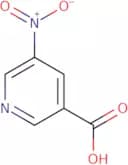
CAS:<p>2-Mercaptonicotinic acid (2MNA) is an inhibitor of the P-glycoprotein, which is a multidrug resistance-associated protein. It prevents the transport of drugs and other molecules across the cell membrane. 2MNA has been shown to inhibit cancer cells in cervical cancer studies, and has been proven to reduce the toxicity of chemotherapy drugs in rats. 2MNA binds to p-glycoprotein and inhibits its function by forming a disulfide bond with cysteine residues on the transporter. 2MNA also has toxic effects on human serum and may be hazardous for use as a therapeutic agent.</p>Formula:C6H5NO2SPurity:Min. 95%Molecular weight:155.18 g/mol5-Nitro nicotinic acid
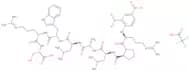
CAS:<p>5-Nitro nicotinic acid is a drug that has been synthesized in the laboratory. It is a white crystalline solid with a molecular weight of 201.18, and it has the chemical formula of C6H5NO2. 5-Nitro nicotinic acid is an antitubercular drug that inhibits Mycobacterium tuberculosis and Mycobacterium avium complex without inhibiting other human cells. It also inhibits the growth of bacteria that are resistant to aminoglycosides (e.g., Pbtz169). This drug binds to the enzyme NADH dehydrogenase, which leads to inhibition of bacterial respiration and ATP synthesis. 5-Nitro nicotinic acid also has antimycobacterial activity against mycobacteria by forming nitric oxide radicals (NO) through hydrogen peroxide oxidation, which react with cellular components such as DNA and proteins.</p>Formula:C6H4N2O4Purity:Min. 95%Molecular weight:168.11 g/molDnp-Arg-Pro-Leu-Ala-Leu-Trp-Arg-Ser-OH trifluoroacetate salt
CAS:<p>Dnp-Arg-Pro-Leu-Ala-Leu-Trp-Arg-Ser-OH trifluoroacetate salt is a potent, competitive inhibitor of matrix metalloproteinase (MMP) 3 and MMP9. It binds to the catalytic zinc ion in the active site of these enzymes. Dnp-Arg-Pro-Leu-Ala-Leu-Trp-Arg-Ser-OH trifluoroacetate salt has been shown to inhibit tumor growth and promote neuronal death in vitro. This drug also blocks the release of matrix metalloproteins from cells, which are involved in extracellular processes such as cell migration and cell adhesion.</p>Formula:C52H77N17O14Purity:Min. 95%Molecular weight:1,164.27 g/molFibronectin Adhesion-Promoting Peptide trifluoroacetate salt
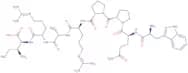
CAS:<p>Fibronectin Adhesion-Promoting Peptide trifluoroacetate salt H-Trp-Gln-Pro-Pro-Arg-Ala-Arg-Ile-OH trifluoroacetate salt (FAP) is a synthetic peptide that promotes fibronectin adhesion. It binds to the amino acid sequence in the C terminal end of fibronectin, which is known to be responsible for binding to actin filaments and growth factors. FAP has been shown to promote wound healing by stimulating the proliferation of corneal epithelial cells in vitro. The mechanism of action of FAP may be due to its ability to bind to chloride ions, which are involved in the regulation of cell proliferation and migration.</p>Formula:C47H74N16O10Purity:Min. 95%Molecular weight:1,023.19 g/mol4-Amino-5-methoxy-2-methylbenzenesulfonic acid
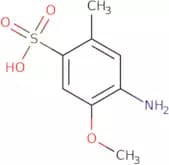
CAS:<p>4-Amino-5-methoxy-2-methylbenzenesulfonic acid is a compound that has been used as an additive to analytical reagents in order to improve their sensitivity. This compound is used as the sodium salt, which is water soluble and has a high degree of reproducibility. 4-Amino-5-methoxy-2-methylbenzenesulfonic acid has also been used for the validation of analytical methods, including calibration and cytotoxicity testing. The validation procedure includes colorants, spectra analysis, impurities, and solvents.</p>Formula:C8H11NO4SPurity:Min. 95%Color and Shape:PowderMolecular weight:217.24 g/molBuccalin trifluoroacetate salt
CAS:<p>Buccalin is a cholinergic pharmaceutical drug that has been shown to have metabolic, growth factor, and chemotactic activities. It has been used in the treatment of various autoimmune diseases and infectious diseases. The mechanism of action for buccalin is unknown. Buccalin has been shown to have receptor activity in a variety of diagnostic agents such as monoclonal antibodies and fatty acids. It binds to acetylcholine receptors at the neuromuscular junction, leading to activation of muscle fibers by acetylcholine release from nerve endings.</p>Formula:C45H72N12O15SPurity:Min. 95%Molecular weight:1,053.19 g/molGlucagon (19-29) (human, rat, porcine) trifluoroacetate salt
CAS:<p>Glucagon is a peptide hormone that belongs to the group of vasoactive intestinal peptides. It is produced by the alpha cells of the pancreas and stimulates gluconeogenesis in the liver, thereby increasing blood glucose levels. Glucagon has also been shown to cause membrane hyperpolarization and cell death in cancer cells. Glucagon is a homologous protein that has been shown to have physiological effects similar to those of insulin, such as increased levels of cytosolic Ca2+ ions and camp levels. Glucagon binds to its receptor on the plasma membrane with high affinity, activating adenylate cyclase and phospholipase C, which leads to an increase in intracellular camp levels. This results in activation of protein kinase A (PKA), which phosphorylates proteins involved in glycogenolysis, glycolysis, and lipolysis. Glucagon also activates mitogen-activated protein kinases (MAPK</p>Formula:C61H89N15O18SPurity:Min. 95%Molecular weight:1,352.52 g/mol3-Pyridylboronic acid pinacol ester
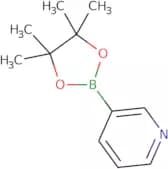
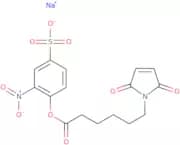
CAS:<p>3-Pyridylboronic acid pinacol ester is a versatile reagent that can be used in the synthesis of polymers with reactive functionalities. This compound is a crosslinker, which means that it reacts with two or more other molecules to form a covalent bond. 3-Pyridylboronic acid pinacol ester has been shown to react with ring-opening methacrylate monomers and expand their polymer backbone, which leads to an increase in the number of reactive groups on the chain. The introduction of 3-pyridylboronic acid pinacol ester can also introduce fluorescent units into polymers for use as probes for biological systems. There are many possible applications for this versatile reagent, including its use in the synthesis of imidazopyridine ligands.</p>Formula:C11H16BNO2Purity:Min. 95%Color and Shape:PowderMolecular weight:205.06 g/molε-Maleimidocaproic acid-(2-nitro-4-sulfo)-phenyl ester·sodium salt
CAS:<p>Epsilon-Maleimidocaproic acid-(2-nitro-4-sulfo)-phenyl ester·sodium salt (EMAP) is a crosslinker that belongs to the group of heterobifunctional reagents. It has been used to conjugate monoclonal antibodies with other molecules, such as toxins. EMAP is activated by the dianion generated by protonation of the nitro groups on the phenyl ring and reacts with free amines or thiols in proteins. EMAP can be used for labeling immunotoxins for diagnostic use, maximizing detection sensitivity, and crosslinking DNA molecules for use in molecular cloning experiments.</p>Formula:C16H15N2NaO9SPurity:Min. 95%Molecular weight:434.35 g/molBig Endothelin-3 (22-41) amide (human) trifluoroacetate salt
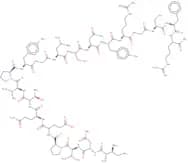
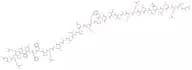
CAS:<p>Please enquire for more information about Big Endothelin-3 (22-41) amide (human) trifluoroacetate salt including the price, delivery time and more detailed product information at the technical inquiry form on this page</p>Formula:C102H156N30O31Purity:Min. 95%Molecular weight:2,298.51 g/mol(Leu116)-Prepro-Neuromedin U (104-136) (human) trifluoroacetate salt
<p>Please enquire for more information about (Leu116)-Prepro-Neuromedin U (104-136) (human) trifluoroacetate salt including the price, delivery time and more detailed product information at the technical inquiry form on this page</p>Formula:C177H276N46O45Purity:Min. 95%Molecular weight:3,768.37 g/mol4-(3-(Trifluoromethyl)-3H-diazirin-3-yl)benzoic acid
CAS:<p>4-(3-(Trifluoromethyl)-3H-diazirin-3-yl)benzoic acid is a diazirine that is used to form copper complexes. These complexes are then used as diagnostic agents for the detection of nucleic acids in biological samples, such as wheat germ and human tissue. 4-(3-(Trifluoromethyl)-3H-diazirin-3-yl)benzoic acid may also be used in the production of polymer films. It has been shown to have a dihedral angle (C), which is an important factor in the properties of surfactants. The properties of 4-(3-(Trifluoromethyl)-3H-diazirin-3-yl)benzoic acid depend on its functional groups, fatty acids, and dimethylformamide content.</p>Formula:C9H5F3N2O2Purity:Min. 95%Color and Shape:White/Off-White SolidMolecular weight:230.14 g/molNeuromedin S (rat) trifluoroacetate salt
CAS:<p>Please enquire for more information about Neuromedin S (rat) trifluoroacetate salt including the price, delivery time and more detailed product information at the technical inquiry form on this page</p>Formula:C193H307N57O49SPurity:Min. 95%Molecular weight:4,241.92 g/molEthylene glycol monoacetoacetate monomethacrylate
CAS:<p>Ethylene glycol monoacetoacetate monomethacrylate is a metal chelate that is used to treat muscle diseases. It has been shown to act as a gamma-aminobutyric acid agonist and inhibit the release of acetylcholine from nerve endings. This drug can also be used as a chemical stabilizer in the synthesis of polymers in organic chemistry. Ethylene glycol monoacetoacetate monomethacrylate is insoluble in water and soluble in organic solvents such as ethanol, acetone, or benzene. It has been found to have a phase transition temperature at -139°C, which is suitable for applications that require low temperatures. Ethylene glycol monoacetoacetate monomethacrylate reacts with sodium carbonate to form an ester and methacrylic acid (MAA). The reaction solution is typically heated with stirring until it reaches 40°C-50°C. The particle size of</p>Formula:C10H14O5Purity:Min. 95%Color and Shape:Clear LiquidMolecular weight:214.22 g/molPancreastatin (33-48) (human) trifluoroacetate salt
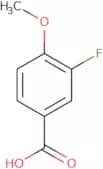
CAS:<p>Pancreastatin (33-48) is a synthetic, acidic, sulfated peptide that has been shown to have high activity against pancreatic cancer cells. Pancreastatin (33-48) has been synthesized by reacting an oligopeptide with glutamic acid and aspartic acid. The N-terminal of this peptide is amidated and contains a sulfate group. This molecule has been purified by SDS-polyacrylamide gel electrophoresis and the sulfate fractionation method. Pancreastatin (33-48) is able to inhibit the proliferation of pancreatic tumor cells in vitro, but it does not appear to be cytotoxic to normal pancreatic cells. In addition, pancreastatin (33-48) has also been shown to decrease tumor growth in vivo in mice bearing a transplanted human pancreatic tumor.</p>Formula:C78H123N21O27SPurity:Min. 95%Molecular weight:1,819 g/mol3-Fluoro-4-methoxybenzoic acid
CAS:<p>3-Fluoro-4-methoxybenzoic acid is a dipolar molecule with a fluorine atom. It has been synthesized experimentally and the yields are determined by the experimental conditions. 3-Fluoro-4-methoxybenzoic acid has two isomers, which can be differentiated by their resonances. The molecule also has an asymmetric C3(CF)2Cl group in the middle of its structure that can rotate freely.</p>Formula:C8H7FO3Purity:Min. 95%Color and Shape:PowderMolecular weight:170.14 g/mol([ring-D5]Phe8)-Angiotensin II acetate salt
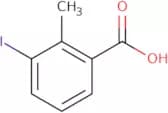
CAS:<p>Please enquire for more information about ([ring-D5]Phe8)-Angiotensin II acetate salt including the price, delivery time and more detailed product information at the technical inquiry form on this page</p>Formula:C50H66D5N13O12Purity:Min. 95%Molecular weight:1,051.21 g/mol3-Iodo-2-methylbenzoic acid
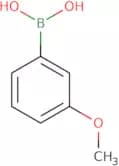
CAS:<p>3-Iodo-2-methylbenzoic acid is a reagent that is used as an intermediate in the synthesis of complex compounds and fine chemicals. 3-Iodobenzoic acid is classified as a speciality chemical, which means it can be used for research purposes only. 3-Iodo-2-methylbenzoic acid has many uses, including being a versatile building block in chemical reactions and a reaction component in the synthesis of useful scaffolds and building blocks.</p>Formula:C8H7IO2Purity:Min. 95%Color and Shape:SolidMolecular weight:262.04 g/mol3-Methoxyphenylboronic acid
CAS:<p>3-Methoxyphenylboronic acid is a photophysical molecule that can be used as an analytical reagent in plant physiology and analytical chemistry. 3-Methoxyphenylboronic acid reacts reversibly with copper ions to form a complex. The binding constants of the copper complex depend on the pH of the solution, which can be altered by adding a phosphate derivative to the solution. This reaction was investigated using cross-coupling techniques and showed that the binding constants for this complex are dependent on the type of solvent used. 3-Methoxyphenylboronic acid has also been used to measure glucose levels in blood samples.</p>Formula:C7H9BO3Purity:Min. 95%Color and Shape:White PowderMolecular weight:151.96 g/molAmyloid β-Protein (35-25) trifluoroacetate salt
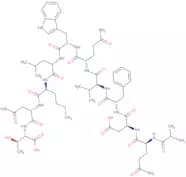
CAS:<p>Please enquire for more information about Amyloid beta-Protein (35-25) trifluoroacetate salt including the price, delivery time and more detailed product information at the technical inquiry form on this page</p>Formula:C45H81N13O14SPurity:Min. 95%Color and Shape:PowderMolecular weight:1,060.27 g/molPz-Pro-Leu-Gly-Pro-D-Arg-OH trifluoroacetate salt
CAS:<p>Pz-Pro-Leu-Gly-Pro-D-Arg-OH trifluoroacetate salt is a synthetic substrate that can be used for the synthesis of cyclic peptides. It has been shown to act as a competitive inhibitor of the serine protease, chymotrypsin, and cytochalasin B. Pz-Pro-Leu-Gly-Pro-D-Arg is a soluble substrate that can be used in tissue culture experiments with caco2 cells. This compound also has high solubility and is stable at pH values between 5 and 12. The optimum pH for this compound is 8.</p>Formula:C38H52N10O8Purity:Min. 95%Molecular weight:776.88 g/mol3-Bromobenzoic acid
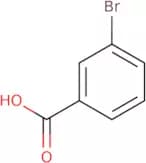
CAS:<p>3-Bromobenzoic acid is a molecule that is classified as a Group P2. It has an electronegativity of 1.3 and an acidity of 0.8, which are both in the middle range of values for this group. 3-Bromobenzoic acid is soluble in water and is soluble in ethanol, acetone, and ether. The chemical structure of 3-bromobenzoic acid can be determined by its monoclonal antibody binding sites, electrochemical impedance spectroscopy data, and Langmuir adsorption isotherm data. 3-Bromobenzoic acid reacts with hydrochloric acid to form benzoate and HCl gas. Chronic exposure to 3-bromobenzoic acid has been shown to cause glutamate dehydrogenase inhibition, leading to an accumulation of p-hydroxybenzoic acid in the body. This compound also reacts with thiourea or</p>Formula:C7H5BrO2Purity:Min. 95%Color and Shape:PowderMolecular weight:201.02 g/molGalanin (human) trifluoroacetate salt
CAS:<p>Please enquire for more information about Galanin (human) trifluoroacetate salt including the price, delivery time and more detailed product information at the technical inquiry form on this page</p>Formula:C139H210N42O43Purity:Min. 95%Molecular weight:3,157.41 g/mol2-Pyridineboronic acid
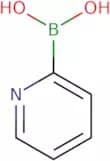
CAS:<p>2-Pyridineboronic acid is a chemical compound that belongs to the group of quinoline derivatives. It is used in pharmaceutical preparations, including as an intermediate for the synthesis of other compounds. 2-Pyridineboronic acid has been shown to have antiproliferative effects on cancer cells and has been found to be active against nicotinic acetylcholine receptors (NAR). The compound also inhibits lipid kinase activity, which is involved in the production of phosphatidylcholine and phosphatidylethanolamine from phosphatidylserine. 2-Pyridineboronic acid can react with hydrochloric acid and electrochemical impedance spectroscopy to produce a solution that has a detection time of about 10 minutes.</p>Formula:C5H6BNO2Purity:Min. 95%Molecular weight:122.92 g/molH-Gly-Arg-Ala-Asp-Ser-Pro-OH trifluoroacetate salt
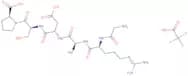
CAS:<p>H-Gly-Arg-Ala-Asp-Ser-Pro-OH trifluoroacetate salt is a peptide that binds to the α5β1 integrin receptor. It has been shown to inhibit the growth of carcinoma cell lines and induce apoptosis in tumor cells by binding to receptors on the surface of cancer cells. H-Gly-Arg-Ala-Asp-Ser-Pro-OH trifluoroacetate salt has also been shown to be effective against damaged tissue, such as adhesions, and promote wound healing by stimulating collagen production. This agent also has genotoxic effects and can cause DNA damage. H-Gly-Arg-Ala-Asp-Ser-Pro -OH trifluoroacetate salt may also have an antiapoptotic effect through its ability to bind with basic proteins, proapoptotic proteins, and epidermal growth factor receptor.</p>Formula:C23H39N9O10Purity:Min. 95%Molecular weight:601.61 g/molpTH (28-48) (human) trifluoroacetate salt
CAS:<p>Please enquire for more information about pTH (28-48) (human) trifluoroacetate salt including the price, delivery time and more detailed product information at the technical inquiry form on this page</p>Formula:C95H150N28O29Purity:Min. 95%Molecular weight:2,148.38 g/mol4-Nitrobenzaldiacetate
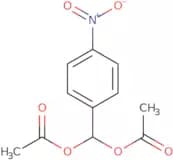
CAS:<p>4-Nitrobenzaldiacetate is a crystalline solid that can be obtained by two-dimensional experimental methods. It has been shown to have high reactivity in the presence of ozone and sulfuric acid. The reaction product is the corresponding sulfate salt. The filtration technique is used to separate the desired product from the reaction mixture. This product can also be crystallized with catalytic amounts of sulfuric acid and 4-nitrobenzoic acid. The catalytic oxidation of 4-nitrobenzoic acid to form 4-nitrobenzaldaicetic acid, as well as its subsequent conversion to 4-nitrobenzaldiacetate, are both feasible reactions for this compound.</p>Formula:C11H11NO6Purity:Min. 95%Color and Shape:PowderMolecular weight:253.21 g/molNeuropeptide AF (human) trifluoroacetate salt
CAS:<p>Neuropeptide AF is a peptide that is synthesized in the brain and has been shown to have a wide range of biological activities. It has been shown to block growth factor-β1, activate the ryanodine receptor, and cause neuronal death. Neuropeptide AF also activates the polymerase chain reaction (PCR) and can be used as a potential biomarker for Alzheimer's disease. Neuropeptide AF has been shown to decrease body mass index and improve long-term efficacy in patients with chronic heart disease. There is also evidence that Neuropeptide AF binds calcium ions, which may play a role in structural heart disease or cardiac function.</p>Formula:C90H132N26O25Purity:Min. 95%Molecular weight:1,978.17 g/mol2-Hydroxy-3-mercapto-1-propanesulfonic acid sodium salt
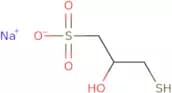
CAS:<p>2-Hydroxy-3-mercapto-1-propanesulfonic acid sodium salt (2HMP) is a diagnostic agent that can be used for the detection of bacterial infections. The conformational properties of 2HMP are similar to those of ATP, which allows it to bind to the polymerase chain reaction enzyme and initiate an enzymatic reaction. This leads to the production of a signal that can be detected by spectrophotometry or fluorometry. 2HMP has also been shown to have chemokine activity in vitro, but this has not been tested in vivo. 2HMP is a competitive inhibitor of human protein serine proteases, such as trypsin and chymotrypsin, with an IC50 value of approximately 1 μM.</p>Formula:C3H7NaO4S2Purity:Min. 95%Molecular weight:194.2 g/molN-Boc-L-pyroglutamic acid ethyl ester
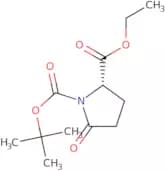
CAS:<p>N-Boc-L-pyroglutamic acid ethyl ester is a chiral building block that can be used for the preparation of amides. It is a good activating agent and is used to synthesize amide bonds from carboxylic acids. N-Boc-L-pyroglutamic acid ethyl ester can be used to synthesize sulfoxides and piperidines, which are ligands. It is also an amido, stereoselective and DPP-4 inhibitor. This chemical simplifies catalysis reactions by replacing the use of toxic solvents.</p>Formula:C12H19NO5Purity:Min. 95%Molecular weight:257.28 g/molD-Lactic acid benzyl ester
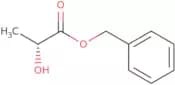
CAS:<p>D-Lactic acid benzyl ester is a chiral molecule that can be used as a feedstock for the production of D-lactic acid. It has been shown to catalyze hydrogenation reactions with an enhanced reaction rate and high selectivity when compared to other methods. The catalytic activity of D-lactic acid benzyl ester can be increased by using zeolites or iron catalyst, which are more expensive than the ligand used in this study. In addition, D-lactic acid benzyl ester was found to be more effective at catalysing the reaction between alkenes and hydrogen gas than other known catalysts. These findings indicate that it may be possible to use D-lactic acid benzyl ester as a cost-effective alternative to other catalysts in industrial processes.</p>Formula:C10H12O3Purity:Min. 95%Molecular weight:180.2 g/molNociceptin trifluoroacetate salt
CAS:<p>Nociceptin trifluoroacetate salt is an opioid with low potency that is used in the treatment of pain. It has been shown to bind to the protein and inhibit protease, which has been proposed as a possible mechanism for its analgesic effects. Nociceptin trifluoroacetate salt may also have indirect effects on brain functions by regulating levels of nociceptin, a neuropeptide that interacts with nociceptive neurons in the brain. This drug has been shown to have nootropic effects in mice, including increased locomotor activity and improved memory retention. Nociceptin trifluoroacetate salt inhibits kappa-opioid receptors and is therefore used as a pharmacological tool for research into opioid receptor function.</p>Formula:C79H129N27O22Purity:Min. 95%Molecular weight:1,809.04 g/molGastric Inhibitory Polypeptide (6-30) amide (human) trifluoroacetate salt
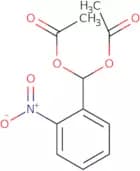
CAS:<p>Please enquire for more information about Gastric Inhibitory Polypeptide (6-30) amide (human) trifluoroacetate salt including the price, delivery time and more detailed product information at the technical inquiry form on this page</p>Formula:C139H209N35O38SPurity:Min. 95%Molecular weight:3,010.43 g/mol2-Nitrobenzaldiacetate
CAS:<p>2-Nitrobenzaldiacetate is a chemical compound that has been used as a reaction component and reagent. It is also useful for the synthesis of other compounds. 2-Nitrobenzaldiacetate is a high quality, versatile building block that can be used to make complex compounds. The CAS number for this chemical is 6345-63-7. This compound has been shown to have many uses in research, such as being a useful intermediate or building block in synthetic organic chemistry.</p>Formula:C11H11NO6Purity:Min. 95%Color and Shape:PowderMolecular weight:253.21 g/molH-Lys-Lys-Lys-Trp-Lys-Lys-Lys-OH acetate salt
CAS:Controlled Product<p>Please enquire for more information about H-Lys-Lys-Lys-Trp-Lys-Lys-Lys-OH acetate salt including the price, delivery time and more detailed product information at the technical inquiry form on this page</p>Formula:C47H84N18O8Purity:Min. 95%Molecular weight:1,029.29 g/molEledoisin acetate salt
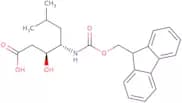
CAS:<p>Eledoisin acetate salt is a cell-lysing agent that belongs to the group of potent antagonists. It is an inhibitor of neurokinin-1 receptor which regulates the release of substance P and other inflammatory mediators from nerve terminals. Eledoisin acetate salt has shown to inhibit locomotor activity in rats, as well as nucleotide levels in cells. This drug also has been shown to have carcinoid syndrome-like effects, such as weight loss and diarrhea. These symptoms are caused by the inhibition of substance P at its receptors. The tumor necrosis factor (TNF) may be responsible for these effects, since it causes increased production of substance P in cells.</p>Formula:C54H85N13O15S·xC2H4O2Purity:Min. 95%Molecular weight:1,188.4 g/molFmoc-(3S,4S)-4-amino-3-hydroxy-6-methylheptanoic acid
CAS:<p>Fmoc-(3S,4S)-4-amino-3-hydroxy-6-methylheptanoic acid is a pharmacokinetic drug that is under investigation for prostate cancer. It has been shown to inhibit the growth of prostate carcinoma cells and reduce the expression of prostate specific antigen (PSA) in vivo. Fmoc-(3S,4S)-4-amino-3-hydroxy-6-methylheptanoic acid has also been used in bioconjugate chemistry to produce a prodrug that can be taken orally. This prodrug is activated by viral proteases in the stomach, leading to an increase in cytotoxicity against HIV virus and other retroviruses. Fmoc-(3S,4S)-4-amino-3-hydroxy-6-methylheptanoic acid has also been shown to inhibit the production of human serum erythropoietin (EPO).</p>Formula:C23H27NO5Purity:Min. 95%Color and Shape:White To Off-White SolidMolecular weight:397.46 g/molOsteoblast Activating Peptide (mouse, rat) trifluoroacetate salt
CAS:<p>Please enquire for more information about Osteoblast Activating Peptide (mouse, rat) trifluoroacetate salt including the price, delivery time and more detailed product information at the technical inquiry form on this page</p>Formula:C120H196N38O37Purity:Min. 95%Molecular weight:2,763.07 g/mol(Gly1,Ser3·22,Gln4·34,Thr6,Arg19,Tyr21,Ala23·31, Aib 32)-Pancreatic Polypeptide (human) trifluoroacetate salt
CAS:<p>Please enquire for more information about (Gly1,Ser3·22,Gln4·34,Thr6,Arg19,Tyr21,Ala23·31, Aib 32)-Pancreatic Polypeptide (human) trifluoroacetate salt including the price, delivery time and more detailed product information at the technical inquiry form on this page</p>Formula:C183H281N57O54S2Purity:Min. 95%Molecular weight:4,207.67 g/mol[2-fluoro-4-(trifluoromethyl)phenyl]boronic Acid
CAS:<p>2-Fluoro-4-(trifluoromethyl)phenylboronic acid is a boron compound that can be used to synthesize a variety of target products. 2-Fluoro-4-(trifluoromethyl)phenylboronic acid occurs in the form of an oil and is an impurity in the target product, phenylboronic acid. This impurity can be removed by reacting with lithium benzotrifluoride. Lithiated 2-fluoro-4-(trifluoromethyl)phenylboronic acid is then reacted with phenylboronic acid to give lithiated phenylboronic ester in high yield. The lithiation reaction can be carried out under alkaline conditions or under a condition where the reactants are dissolved in water.</p>Formula:C7H5BF4O2Purity:Min. 95%Molecular weight:207.92 g/mol(Deamino-Cys11,D-2-Nal 14,Cys18)-b-MSH (11-22) amide trifluoroacetate salt
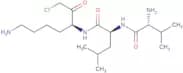
CAS:<p>Please enquire for more information about (Deamino-Cys11,D-2-Nal 14,Cys18)-b-MSH (11-22) amide trifluoroacetate salt including the price, delivery time and more detailed product information at the technical inquiry form on this page</p>Formula:C69H91N19O16S2Purity:Min. 95%Molecular weight:1,506.71 g/molH-D-Val-Leu-Lys-chloromethylketone trifluoroacetate salt
CAS:<p>Please enquire for more information about H-D-Val-Leu-Lys-chloromethylketone trifluoroacetate salt including the price, delivery time and more detailed product information at the technical inquiry form on this page</p>Formula:C18H35ClN4O3Purity:Min. 95%Molecular weight:390.95 g/mol









![([ring-D5]Phe8)-Angiotensin II acetate salt](/_next/image/?url=https%3A%2Fstatic.cymitquimica.com%2Fproducts%2F3D%2Fthumb-webp%2FFR110025.webp&w=3840&q=75)




![[2-fluoro-4-(trifluoromethyl)phenyl]boronic Acid](/_next/image/?url=https%3A%2Fstatic.cymitquimica.com%2Fproducts%2F3D%2Fthumb-webp%2FFF105416.webp&w=3840&q=75)