


Carboxylic Acids
Carboxylic acids are organic molecules characterized by having a carboxyl-type functional group (-COOH). These acids are fundamental in various chemical reactions, including esterification, amidation, and decarboxylation. Carboxylic acids are widely used in the production of pharmaceuticals, polymers, and agrochemicals. In this section, you can find a large number of carboxylic acids ready to be used. At CymitQuimica, we provide a broad range of high-quality carboxylic acids to support your research and industrial applications.
Found 12453 products of "Carboxylic Acids"
Sort by
Purity (%)
0
100
|
0
|
50
|
90
|
95
|
100
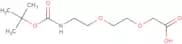
N-(tert-Butyloxycarbonyl)-8-amino-3,6-dioxaoctanoic acid
CAS:<p>N-(tert-Butyloxycarbonyl)-8-amino-3,6-dioxaoctanoic acid is a potential drug for hypercholesterolemia. It has been shown to lower LDL cholesterol and triglycerides levels in monkeys. The compound is orally bioavailable and can be taken orally. This drug also has the potential to be developed as a PCSK9 (proprotein convertase subtilisin/kexin type 9) inhibitor.</p>Formula:C11H21NO6Purity:Min. 95%Color and Shape:Clear LiquidMolecular weight:263.29 g/mol(D-Trp32)-Neuropeptide Y (porcine) trifluoroacetate salt
CAS:<p>Please enquire for more information about (D-Trp32)-Neuropeptide Y (porcine) trifluoroacetate salt including the price, delivery time and more detailed product information at the technical inquiry form on this page</p>Formula:C197H290N56O56Purity:Min. 95%Molecular weight:4,338.75 g/molPancreatic Polypeptide (1-17)-(Ala31, Aib 32)-Neuropeptide Y (18-36) (human) trifluoroacetate salt
CAS:<p>Please enquire for more information about Pancreatic Polypeptide (1-17)-(Ala31, Aib 32)-Neuropeptide Y (18-36) (human) trifluoroacetate salt including the price, delivery time and more detailed product information at the technical inquiry form on this page</p>Formula:C189H287N55O53SPurity:Min. 95%Molecular weight:4,209.71 g/molClofibric acid
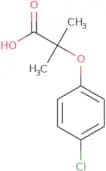
CAS:<p>Clofibric acid is a growth factor-β1 (GF-β1) that is an agonist of the nuclear receptor PPARα. Clofibric acid has been shown to inhibit the activity of benzalkonium chloride, an enzyme that degrades DNA, and it also inhibits polymerase chain reactions. Clofibric acid is believed to act as a competitive inhibitor of the ryanodine receptor. It has been shown to have anti-inflammatory properties in transfection experiments with human cells and may be used in analytical methods for measuring clofibric acid levels in pharmaceutical products.</p>Formula:C10H11ClO3Purity:Min. 95%Molecular weight:214.65 g/mol(D-Ser6,Azagly10)-LHRH acetate salt
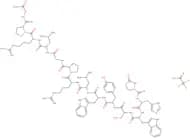
CAS:<p>Please enquire for more information about (D-Ser6,Azagly10)-LHRH acetate salt including the price, delivery time and more detailed product information at the technical inquiry form on this page</p>Formula:C55H76N18O14Purity:Min. 95%Molecular weight:1,213.3 g/molOM99-2trifluoroacetate salt
CAS:<p>Please enquire for more information about OM99-2trifluoroacetate salt including the price, delivery time and more detailed product information at the technical inquiry form on this page</p>Formula:C41H64N8O14Purity:Min. 95%Molecular weight:892.99 g/mol(Lys15,Arg16,Leu27)-VIP (1-7)-GRF (8-27) trifluoroacetate salt
CAS:<p>Please enquire for more information about (Lys15,Arg16,Leu27)-VIP (1-7)-GRF (8-27) trifluoroacetate salt including the price, delivery time and more detailed product information at the technical inquiry form on this page</p>Formula:C142H240N44O38Purity:Min. 95%Molecular weight:3,171.7 g/mol(Des-Gly10,D-Leu6,[13C6]Leu7,Pro-NHEt 9)-LHRH trifluoroacetate salt
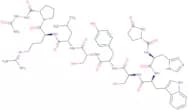
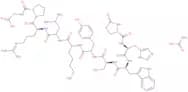
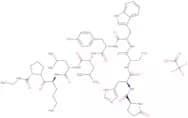
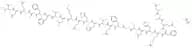
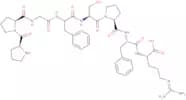
<p>Please enquire for more information about (Des-Gly10,D-Leu6,[13C6]Leu7,Pro-NHEt 9)-LHRH trifluoroacetate salt including the price, delivery time and more detailed product information at the technical inquiry form on this page</p>Purity:Min. 95%3-Bromophenyl boronic acid
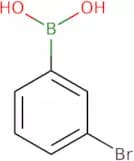
CAS:<p>3-Bromophenyl boronic acid is a group P2 molecule with functional groups of vibrational and cross-coupling. It has been shown to inhibit the activity of aryl boronic acids, which are commonly used in analytical methods. 3-Bromophenyl boronic acid is also capable of inhibiting the production of alizarin, which is a dye that is used for staining biological tissue. The molecular modeling study revealed that this molecule has an atomic orbital with electron density distribution around the central carbon atom. This distribution indicates that it is more stable than other molecules with similar structures.</p>Formula:C6H6BBrO2Purity:Min. 95%Color and Shape:PowderMolecular weight:200.83 g/mol(Arg17)-Amyloid b-Protein (1-42) trifluoroacetate salt
CAS:<p>Please enquire for more information about (Arg17)-Amyloid b-Protein (1-42) trifluoroacetate salt including the price, delivery time and more detailed product information at the technical inquiry form on this page</p>Formula:C203H312N58O60SPurity:Min. 95%Molecular weight:4,557.07 g/molNaphthenic acid
CAS:<p>Naphthenic acid is a metal chelate that is used in synchronous fluorescence spectroscopy. It has been shown to have biodegradation properties and can be used as an indicator for water quality. Naphthenic acid has been found to be a potent inhibitor of corrosion and is often used as an additive to petroleum products, such as gasoline, that are made from crude oil. Naphthenic acid also has acute toxicities and can cause toxicity studies on humans. It is able to inhibit energy metabolism in cells by binding to the mitochondrial membrane, which may be due to its ability to bind with benzalkonium chloride. Naphthenic acid can also be used for analytical methods, such as electrochemical impedance spectroscopy, because it has high sensitivity and specificity.</p>Formula:C7H10O2Color and Shape:Clear LiquidMolecular weight:126.15 g/molEthyl 2-fluoroacetoacetate
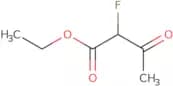
CAS:<p>Ethyl 2-fluoroacetoacetate is a phosphorus oxychloride synthon that can be used to synthesize fluorinated compounds. It has been shown to react with a carbonyl group, like tyrosine, in the presence of an organocatalyst to form a tetrafluoroborate ester. The reaction mechanism of this compound is intramolecular hydrogen transfer from the phosphite oxygen atom to the electrophilic carbon atom. Ethyl 2-fluoroacetoacetate has been shown to react with alkyl halides and hydroxyl groups in the presence of base, forming enantiomeric alcohols. This compound has also been shown to have optical properties that are stable at room temperature and pressure, including infrared absorption maxima at 1740 cm-1 and 1775 cm-1 as well as ultraviolet absorption maxima at 225 nm and 254 nm.</p>Formula:C6H9FO3Purity:Min. 95%Molecular weight:148.13 g/mol2-(4-((aminothioxomethyl)amino)-3,5-thiazolyl)acetic acid
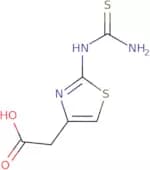
CAS:<p>Please enquire for more information about 2-(4-((aminothioxomethyl)amino)-3,5-thiazolyl)acetic acid including the price, delivery time and more detailed product information at the technical inquiry form on this page</p>Formula:C6H7N3O2S2Purity:Min. 95%Color and Shape:PowderMolecular weight:217.27 g/mol(D-Lys6)-LHRH (free acid) acetate salt
CAS:Controlled Product<p>Please enquire for more information about (D-Lys6)-LHRH (free acid) acetate salt including the price, delivery time and more detailed product information at the technical inquiry form on this page</p>Formula:C59H83N17O14Purity:Min. 95%Molecular weight:1,254.4 g/molNeuronostatin-19 (mouse, rat) trifluoroacetate salt
<p>Please enquire for more information about Neuronostatin-19 (mouse, rat) trifluoroacetate salt including the price, delivery time and more detailed product information at the technical inquiry form on this page</p>Formula:C91H153N29O26Purity:Min. 95%Molecular weight:2,069.37 g/molAmyloid β-Protein (11-42) trifluoroacetate salt
CAS:<p>Please enquire for more information about Amyloid beta-Protein (11-42) trifluoroacetate salt including the price, delivery time and more detailed product information at the technical inquiry form on this page</p>Formula:C152H244N40O42SPurity:Min. 95%Molecular weight:3,335.87 g/molIDR-1 trifluoroacetate salt
CAS:<p>IDR-1 is a peptide that is derived from the sequence of the human typhimurium protein. IDR-1 has been shown to have anti-inflammatory properties and modulates immune responses in mice. In particular, IDR-1 inhibits neutrophil chemotaxis by inhibiting formyl peptide receptor signaling. This peptide also inhibits bacterial chemokines, which are important for the recruitment of neutrophils. IDR-1 also has been shown to be effective against methicillin-resistant Staphylococcus aureus (MRSA) and pertussis.</p>Formula:C65H118N18O15Purity:Min. 95%Molecular weight:1,391.74 g/molLithium acetoacetate
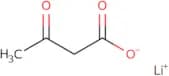
CAS:<p>Lithium acetoacetate is a compound that is used in the treatment of cancer. It is a salt that contains lithium and acetoacetate. Lithium acetoacetate has been shown to be clinically relevant for the treatment of cancer, particularly in patients who have not responded well to other treatments. This drug has also been shown to induce apoptosis in animal cells, which may be due to its ability to produce acid.</p>Formula:C4H6O3•LiPurity:Min. 95%Color and Shape:PowderMolecular weight:109.03 g/molGLP-1 (7-37) (human, bovine, guinea pig, mouse, rat) acetate salt
CAS:<p>Please enquire for more information about GLP-1 (7-37) (human, bovine, guinea pig, mouse, rat) acetate salt including the price, delivery time and more detailed product information at the technical inquiry form on this page</p>Formula:C151H228N40O47·xC2H4O2Purity:Min. 95%Molecular weight:3,355.67 g/mol3,4,9,10-Perylenetetracarboxylic dianhydride
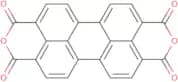
CAS:<p>3,4,9,10-Perylenetetracarboxylic dianhydride is a dianhydride that is used in the production of polyesters. It has been shown to form herringbone structures when it is heated and forms kinetic energy. The formation of these structures can be induced by laser ablation. 3,4,9,10-Perylenetetracarboxylic dianhydride also has a redox potential that is more positive than most other organic compounds. This compound can undergo intermolecular hydrogen bonding with glycol ethers and copper chloride and can react with nitrogen atoms to produce photocurrent in model systems. 3,4,9,10-Perylenetetracarboxylic dianhydride also has hydroxyl groups that are important for the biosynthesis of fatty acids.</p>Formula:C24H8O6Purity:Min. 95%Color and Shape:Red PowderMolecular weight:392.32 g/molLIP1 (human) trifluoroacetate salt
<p>Please enquire for more information about LIP1 (human) trifluoroacetate salt including the price, delivery time and more detailed product information at the technical inquiry form on this page</p>Formula:C133H229N45O37Purity:Min. 95%Molecular weight:3,050.52 g/moltrans 4-Dimethylaminocrotonic acid HCl
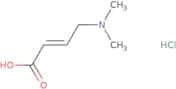
CAS:<p>Intermediate in the synthesis of afatinib</p>Formula:C6H12ClNO2Purity:Min. 95%Color and Shape:White To Off-White SolidMolecular weight:165.62 g/mol(D-Trp6)-LHR
<p>Please enquire for more information about (D-Trp6)-LHR including the price, delivery time and more detailed product information at the technical inquiry form on this page</p>Formula:C83H115N25O17Purity:Min. 95%Molecular weight:1,734.96 g/mol(Val438)-Tyrosinase (432-444) (human) acetate salt
CAS:<p>H-SYLQDSVPDSFQD-OH peptide, corresponding to amino acids 432-444 of human Tyrosinase. The peptide is supplied as an acetate salt.</p>Formula:C65H93N15O26Purity:Min. 95%Molecular weight:1,500.52 g/molGLP-1 (1-37) (human, bovine, guinea pig, mouse, rat) trifluoroacetate salt
CAS:<p>GLP-1 (1-37) (human, bovine, guinea pig, mouse, rat) trifluoroacetate salt is a posttranslational modification of the endogenous human hormone GLP-1. It is a synthetic form of this hormone that has been modified to allow for improved stability and solubility. This peptide is found in the pancreatic alpha cells and intestinal L cells and stimulates the release of insulin from pancreatic beta cells. GLP-1 (1-37) (human, bovine, guinea pig, mouse, rat) trifluoroacetate salt has also been shown to increase glucose uptake by muscle tissue as well as stimulate the release of incretin hormones such as glucagon-like peptide 1 and gastric inhibitory polypeptide. GLP-1 (1-37) (human, bovine, guinea pig, mouse, rat) trifluoroacetate salt</p>Formula:C186H275N51O59Purity:Min. 95%Molecular weight:4,169.48 g/mol(Des-Gly10,D-Leu6, Orn 8,Pro-NHEt 9)-LHRH trifluoroacetate salt
CAS:<p>Please enquire for more information about (Des-Gly10,D-Leu6, Orn 8,Pro-NHEt 9)-LHRH trifluoroacetate salt including the price, delivery time and more detailed product information at the technical inquiry form on this page</p>Formula:C58H82N14O12Purity:Min. 95%Molecular weight:1,167.36 g/mol([13C6]Leu6)-Endothelin-1 (human, bovine, dog, mouse, porcine, rat) acetate salt
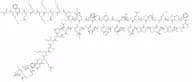
<p>Please enquire for more information about ([13C6]Leu6)-Endothelin-1 (human, bovine, dog, mouse, porcine, rat) acetate salt including the price, delivery time and more detailed product information at the technical inquiry form on this page</p>Purity:Min. 95%Bz-Val-Gly-Arg-AMC trifluoroacetate salt
CAS:<p>Bz-Val-Gly-Arg-AMC is a growth factor that activates the extracellular signal-regulated protein kinase (ERK) pathway. The activation of this pathway results in an increase in cellular proliferation and inhibition of tumor growth. Bz-Val-Gly-Arg-AMC has been shown to activate ERK by interacting with VSMCs, which are cells that act as a structural component of blood vessels and play a role in regulating blood flow. This compound also induces phosphorylation of glycogen synthase kinase 3β and inhibits its activity, leading to increased protein synthesis through glycolysis. Bz-Val-Gly-Arg-AMC can be used as an inhibitor to bortezomib, a proteolytic enzyme that is used to treat cancer.</p>Formula:C30H37N7O6Purity:Min. 95%Molecular weight:591.66 g/mol(+)-3-Bromo-10-camphorsulfonic acid monohydate
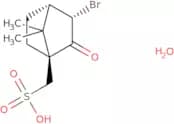
CAS:<p>Please enquire for more information about (+)-3-Bromo-10-camphorsulfonic acid monohydate including the price, delivery time and more detailed product information at the technical inquiry form on this page</p>Formula:C10H15BrO4S•H2OPurity:Min. 95%Color and Shape:PowderMolecular weight:329.21 g/molBoc-Val-Leu-Lys-AMC acetate salt
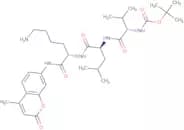
CAS:<p>Boc-Val-Leu-Lys-AMC acetate salt is a protease inhibitor that binds to the active site of trypsin and inhibits its proteolytic activity. It has been shown to protect neuronal cells from death caused by amyloid beta (Aβ) peptide. Boc-Val-Leu-Lys-AMC acetate salt also inhibits the secretion of proinflammatory cytokines and reduces the permeability of mitochondrial membranes in human neutrophils. This drug is stable in acidic environments, with a pH optimum of 2.0, but is sensitive to alkaline conditions with a pH optimum of 8.5. Boc-Val-Leu-Lys-AMC acetate salt has been shown to bind to casein, which may result in high values on sephadex g100 chromatography.</p>Formula:C32H49N5O7•C2H4O2Purity:Min. 98 Area-%Color and Shape:PowderMolecular weight:675.81 g/molAbz-Lys-Pro-Leu-Gly-Leu-Dap (Dnp)-Ala-Arg-NH2 trifluoroacetate salt
CAS:<p>Please enquire for more information about Abz-Lys-Pro-Leu-Gly-Leu-Dap (Dnp)-Ala-Arg-NH2 trifluoroacetate salt including the price, delivery time and more detailed product information at the technical inquiry form on this page</p>Formula:C50H77N17O13Purity:Min. 95%Molecular weight:1,124.25 g/molBiotinyl-BNP-32 (human) trifluoroacetate salt
CAS:<p>Please enquire for more information about Biotinyl-BNP-32 (human) trifluoroacetate salt including the price, delivery time and more detailed product information at the technical inquiry form on this page</p>Formula:C153H258N52O44S5Purity:Min. 95%Molecular weight:3,690.34 g/molTRAP-5 trifluoroacetate salt
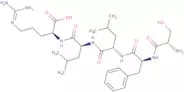
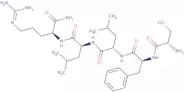
CAS:<p>TRAP-5 is a peptide consisting of the amino acid sequence H-Ser-Phe-Leu-Leu-Arg. This peptide has been shown to have antiviral, anti-inflammatory, and anticancer properties. It has also been found to inhibit platelet activation in vitro and to reduce atherosclerotic lesions in mice. TRAP-5 has been shown to have therapeutic potential for diseases such as heart disease and lung diseases, although its efficacy has not yet been tested in humans.</p>Formula:C30H50N8O7Purity:Min. 95%Molecular weight:634.77 g/molModafinil carboxylate
CAS:<p>Modafinil is a drug that belongs to the class of wakefulness-promoting agents. It has been shown to have a long half-life and low toxicity in humans, which may be due to its effects on cytochrome P450 isoenzymes. Modafinil has been studied in clinical trials for its tolerability, with no significant side effects reported. The drug has also been shown to have anticonvulsant properties and can be used as an adjunctive treatment for patients with partial seizures. Modafinil binds to the GABA receptor in the brain and increases GABAergic neurotransmission. The compound's mechanism of action is not fully understood, but it is believed that it acts by inhibiting cyclic AMP degradation and increasing cAMP levels in the brain. This increase in cAMP levels may lead to increased protein kinase activity, decreased phosphorylation of glutamate receptors, increased release of dopamine, and decreased release of histamine from mast cells.</p>Formula:C15H14O3SPurity:Min. 95%Color and Shape:PowderMolecular weight:274.34 g/molCyclohexylacetic acid
CAS:<p>Cyclohexylacetic acid is a cyclic fatty acid that has been shown to inhibit the production of gamma-aminobutyric acid in hl-60 cells. This inhibition leads to an increase in epidermal growth factor and a decrease in malonic acid. Cyclohexylacetic acid also inhibits microbial metabolism by preventing the conversion of nitrogen atoms into ammonia, which can cause cardiac arrest or sublethal doses. The effects of cyclohexylacetic acid on coronary heart disease have not been determined because it is not commercially available for purchase.</p>Formula:C8H14O2Purity:Min. 95%Molecular weight:142.2 g/molSodium fluoroacetate
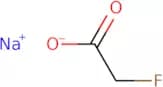
CAS:<p>Sodium fluoroacetate is a salt that is synthesized by the reaction of methyl ethyl and sodium trifluoroacetate. It has been used as an insecticide, but also has been used to treat metabolic disorders such as bowel disease and eye disorders. Sodium fluoroacetate also has been used in natural products for the treatment of autoimmune diseases. The toxicological studies of sodium fluoroacetate have shown that it can cause eye disorders and x-ray crystal structures have revealed its mechanism of action.</p>Formula:C2H2FNaO2Color and Shape:White PowderMolecular weight:100.02 g/molOctreotide trifluoroacetate salt (Dimer, Antiparallel) (
<p>Please enquire for more information about Octreotide trifluoroacetate salt (Dimer, Antiparallel) ( including the price, delivery time and more detailed product information at the technical inquiry form on this page</p>Formula:C98H132N20O20S4Purity:Min. 95%Molecular weight:2,038.48 g/molAmyloid β-Protein (1-24) trifluoroacetate salt
CAS:<p>Please enquire for more information about Amyloid beta-Protein (1-24) trifluoroacetate salt including the price, delivery time and more detailed product information at the technical inquiry form on this page</p>Formula:C130H183N35O40Purity:Min. 95%Molecular weight:2,876.06 g/molMaxadilan trifluoroacetate salt
CAS:<p>Maxadilan trifluoroacetate salt is a low-potency drug that binds to the GABA receptor and affects the central nervous system. Maxadilan trifluoroacetate salt is structurally related to leishmaniasis, an infectious disease caused by protozoa of the genus Leishmania. Maxadilan trifluoroacetate salt has been shown to prevent the development of autoimmune diseases in mice, including systemic lupus erythematosus, experimental autoimmune encephalomyelitis, and collagen-induced arthritis. Maxadilan trifluoroacetate salt has also been shown to be effective against cutaneous lesions in mice infected with Leishmania major. The mechanism of action is not yet known but may be due to its ability to influence mitochondrial membrane potential or fatty acid metabolism.</p>Formula:C291H466N86O94S6Purity:Min. 95%Molecular weight:6,865.73 g/molGRF (ovine, caprine) trifluoroacetate salt
CAS:<p>Growth hormone-releasing factor (GRF) or GHRH (growth hormone-releasing hormone).Binds to the growth hormone-releasing hormone receptor (GHRH-R), causing growth hormone secretion.porcine: H-YADAIFTNSYRKVLGQLSARKLLQDIMSRQQGERNQEQGARVRL-NH2bovine: H-YADAIFTNSYRKVLGQLSARKLLQDIMNRQQGERNQEQGAKVRL-NH2ovine: H-YADAIFTNSYRKILGQLSARKLLQDIMNRQQGERNQEQGAKVRL-NH2human: H-YADAIFTNSYRKVLGQLSARKLLQDIMSRQQGESNQERGARARL-NH2</p>Formula:C221H368N72O66SPurity:Min. 95%Molecular weight:5,121.8 g/molOxalic acid dihydrate
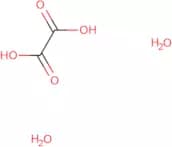
CAS:<p>Oxalic acid dihydrate is an organic compound with the molecular formula of (C2H2O4)2. It has a molecular weight of 226.07 g/mol and a melting point of 173°C. The intermolecular hydrogen bonding between the hydroxyl groups and the fatty acid chains creates an oxalic acid molecule that is able to exist in two different structures, alpha and beta. Alpha oxalic acid molecules have a particle phase transition temperature of -10°C, while beta oxalic acid molecules have a particle phase transition temperature of 30°C. Oxalic acid dihydrate is soluble in n-dimethylformamide (DMF) and hydrochloric acid (HCl). br>br> Oxalic acid dihydrate is used as an additive in metal-working fluids, which are used during machining processes to prevent corrosion. It also acts as a catalyst for transfer reactions between phosphorus pentoxide</p>Formula:C2H2O4•(H2O)2Purity:Min. 95%Molecular weight:126.07 g/molBradykinin (2-9) acetate salt
CAS:<p>Acetate salt</p>Formula:C44H61N11O10Purity:Min. 95%Molecular weight:904.02 g/molH-Pro-Pro-Asp-NH2 trifluoroacetate salt
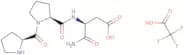
CAS:<p>Please enquire for more information about H-Pro-Pro-Asp-NH2 trifluoroacetate salt including the price, delivery time and more detailed product information at the technical inquiry form on this page</p>Formula:C14H22N4O5·C2HF3O2Purity:Min. 95%Color and Shape:SolidMolecular weight:440.37 g/molN-Boc-L-pyroglutamic acid ethyl ester
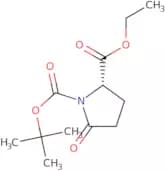
CAS:<p>N-Boc-L-pyroglutamic acid ethyl ester is a chiral building block that can be used for the preparation of amides. It is a good activating agent and is used to synthesize amide bonds from carboxylic acids. N-Boc-L-pyroglutamic acid ethyl ester can be used to synthesize sulfoxides and piperidines, which are ligands. It is also an amido, stereoselective and DPP-4 inhibitor. This chemical simplifies catalysis reactions by replacing the use of toxic solvents.</p>Formula:C12H19NO5Purity:Min. 95%Molecular weight:257.28 g/mol(Ala11·22·28)-VIP (human, mouse, rat) trifluoroacetate salt
CAS:<p>(Ala11·22·28)-VIP is an endogenous peptide which is involved in the regulation of inflammation. It is a specific agonist for the vasoactive intestinal peptide receptor (VIP-R) and has been shown to exacerbate inflammatory responses such as those seen in tissues, intestines, and phagocytes. VIP also has effects on other cells types that are mediated by its ability to activate the VIP-R. These include increased vascular permeability and vasodilation, as well as increases in reactive oxygen species and cytokine production.</p>Formula:C139H231N43O39SPurity:Min. 95%Molecular weight:3,160.65 g/molTRAP-5 amide trifluoroacetate salt
CAS:<p>Please enquire for more information about TRAP-5 amide trifluoroacetate salt including the price, delivery time and more detailed product information at the technical inquiry form on this page</p>Formula:C30H51N9O6Purity:Min. 95%Molecular weight:633.78 g/mol2,7-Naphthalenedicarboxylicacid
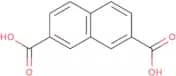
CAS:<p>2,7-Naphthalenedicarboxylic acid is a synthetic compound that belongs to the group of aromatic hydrocarbons. It has been shown to have magnetic resonance spectroscopy (MRS) and X-ray structures that are similar to those of phenyl substituents. 2,7-Naphthalenedicarboxylic acid also shows supramolecular interactions with other molecules. The asymmetry can be explained by the presence of a nitrogen atom in the molecule, which can form intramolecular hydrogen bonds.</p>Formula:C12H8O4Purity:Min. 95%Molecular weight:216.19 g/molErythropoietin Mimetic Peptide Sequence 20 trifluoroacetate salt
CAS:<p>Please enquire for more information about Erythropoietin Mimetic Peptide Sequence 20 trifluoroacetate salt including the price, delivery time and more detailed product information at the technical inquiry form on this page</p>Formula:C72H99N17O17S2Purity:Min. 95%Molecular weight:1,538.79 g/mol3-(Difluoromethyl)-1-methyl-1H-pyrazole-4-carboxylic acid
CAS:<p>3-(Difluoromethyl)-1-methyl-1H-pyrazole-4-carboxylic acid is a synthetic chemical that is used as a pesticide. This chemical has been found to be more effective than other pesticides because it can inhibit the synthesis of fatty acids, which are necessary for the growth of insect larvae. 3-(Difluoromethyl)-1-methyl-1H-pyrazole-4-carboxylic acid is synthesized by reacting sodium hydroxide solution with triethyl orthoformate in the presence of hexamethylenetetramine. This reaction produces a mixture of diethyl ester and carboxylate esters, which are then separated from each other. The resulting carboxylate ester is then oxidized to produce 3-(difluoromethyl)-1-methyl-1H pyrazole 4 carboxylic acid.</p>Formula:C6H6F2N2O2Purity:Min. 95%Color and Shape:White Off-White PowderMolecular weight:176.12 g/mol1b-(4-Fluorophenyl)hexahydro-',7-dihydroxy-7-(1-methylethyl)-1a-phenyl-7a-[(phenylamino)carbonyl]-3H-oxireno[3,4]pyrrolo[2,1-b][1,3] oxazine-3-butanoic Acid
CAS:<p>Please enquire for more information about 1b-(4-Fluorophenyl)hexahydro-',7-dihydroxy-7-(1-methylethyl)-1a-phenyl-7a-[(phenylamino)carbonyl]-3H-oxireno[3,4]pyrrolo[2,1-b][1,3] oxazine-3-butanoic Acid including the price, delivery time and more detailed product information at the technical inquiry form on this page</p>Formula:C33H35FN2O7Purity:Min. 95%Molecular weight:590.64 g/mol


![(Des-Gly10,D-Leu6,[13C6]Leu7,Pro-NHEt 9)-LHRH trifluoroacetate salt](/_next/image/?url=https%3A%2Fstatic.cymitquimica.com%2Fproducts%2F3D%2Fthumb-webp%2FFD109775.webp&w=3840&q=75)





![([13C6]Leu6)-Endothelin-1 (human, bovine, dog, mouse, porcine, rat) acetate salt](/_next/image/?url=https%3A%2Fstatic.cymitquimica.com%2Fproducts%2F3D%2Fthumb-webp%2FFL110023.webp&w=3840&q=75)







![1b-(4-Fluorophenyl)hexahydro-',7-dihydroxy-7-(1-methylethyl)-1a-phenyl-7a-[(phenylamino)carbonyl]-…](/_next/image/?url=https%3A%2Fstatic.cymitquimica.com%2Fproducts%2F3D%2Fthumb-webp%2FFF171220.webp&w=3840&q=75)