Aldehydes
Aldehydes are organic compounds containing a carbonyl group (C=O) bonded to at least one hydrogen atom. These versatile compounds are fundamental in various chemical reactions, including oxidation, reduction, and nucleophilic addition. Aldehydes are essential building blocks in the synthesis of pharmaceuticals, fragrances, and polymers. At CymitQuimica, we provide a diverse selection of high-quality aldehydes to support your research and industrial applications.
Found 8540 products of "Aldehydes"
Sort by
Purity (%)
0
100
|
0
|
50
|
90
|
95
|
100
3-Chloro-2-nitrobenzaldehyde
CAS:<p>3-Chloro-2-nitrobenzaldehyde is an analog of 2-nitrobenzaldehyde. It can be synthesized by reacting a halogen with benzaldehyde, such as chlorine or bromine. 3-Chloro-2-nitrobenzaldehyde is unreactive and can be used in the production of other compounds, such as pharmaceuticals. 3-Chloro-2-nitrobenzaldehyde has been shown to react with sodium methoxide to produce a methoxide. The methoxide is then reacted with an alcohol to produce an ester.</p>Formula:C7H4ClNO3Purity:Min. 95%Molecular weight:185.56 g/mol2-Chloro-6-fluorobenzaldehyde oxime
CAS:<p>2-Chloro-6-fluorobenzaldehyde oxime is the chemical compound with the formula ClCH=C(O)N(OH)Cl. It is a white solid that is soluble in water and ethanol. 2-Chloro-6-fluorobenzaldehyde oxime is used as a versatile building block in organic synthesis, for example as a reagent for the preparation of amides, esters, and nitriles. It is also useful as a reagent for the conversion of ketones to nitriles.</p>Formula:C7H5ClFNOPurity:Min. 95%Molecular weight:173.57 g/mol3,5-Dichlorobenzaldehyde
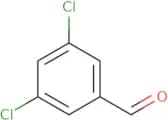
CAS:<p>3,5-Dichlorobenzaldehyde is an organic compound with the formula CHClO. It is a colorless liquid that smells like freshly cut grass. 3,5-Dichlorobenzaldehyde is used in organic synthesis as an electrophile for the preparation of substituted benzoquinones and other heterocycles. It is also used to prepare aromatic amines via aldol condensation with ketones. In addition, it can be used to generate azides from nitroarenes or nitroalkanes in the presence of sodium azide or potassium azide. Finally, it can be used to synthesize molybdenum compounds such as molybdic acid and ammonium molybdate.</p>Formula:C7H4Cl2OPurity:Min. 95%Color and Shape:PowderMolecular weight:175.01 g/mol5-(4-Chlorophenyl)-2-furaldehyde
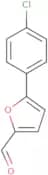
CAS:<p>5-(4-Chlorophenyl)-2-furaldehyde (5-CPFA) is an antitubercular drug that inhibits the growth of tuberculosis bacteria by disrupting the synthesis of DNA. It is a functional theory that 5-CPFA inhibits the bacterial enzyme, chalcone hydroxylase, which is involved in the conversion of chalcones to flavones. This inhibition prevents the formation of reactive oxygen species and leads to cell death. The mechanism of action for 5-CPFA has been shown to be due to its ability to form covalent bonds with metal ions such as copper, zinc, and iron. When exposed to ultraviolet radiation, this compound reacts with these metal ions and causes bond cleavage in DNA strands. The resulting damage in DNA strands leads to cell death within hours.</p>Formula:C11H7ClO2Purity:Min. 95%Color and Shape:PowderMolecular weight:206.62 g/mol3,5-Dichloro-4-hydroxybenzaldehyde
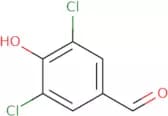
CAS:<p>3,5-Dichloro-4-hydroxybenzaldehyde is a triiodomethane derivative that reacts with chlorine to form a chlorinated aldehyde. It is used as an intermediate in the production of 4-hydroxybenzoic acid from phenylacetic acid and 4,4'-dichlorodiphenyl sulfone. 3,5-Dichloro-4-hydroxybenzaldehyde can be decarboxylated at elevated temperatures to produce formic acid. This compound has been used in wastewater treatment as it can remove chlorine byproducts and other pollutants such as nitrates, nitrites, and iron ions. The reaction kinetics of 3,5-dichloro-4-hydroxybenzaldehyde have been studied using hydroxymethyl groups and formyl groups to determine the rate of demethylation. The rates were found to be dependent on temperature.</p>Formula:C7H4Cl2O2Purity:Min. 95%Color and Shape:White PowderMolecular weight:191.01 g/mol4-Hydroxy-3-nitrobenzaldehyde
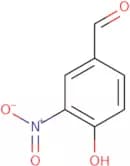
CAS:<p>4-Hydroxy-3-nitrobenzaldehyde (4NBA) is a chemical compound that belongs to the class of aromatic compounds. It is an intermediate in the synthesis of various pharmaceuticals, including benzocaine and nitroglycerin, and has been researched for its potential use in cancer diagnosis. 4NBA has shown optical properties that allow it to be used as a model system for studying the interactions between water and benzyl groups. It also possesses anti-inflammatory properties due to its ability to inhibit the production of inflammatory cytokines such as IL-1β, IL-6, and TNFα.</p>Formula:C7H5NO4Purity:Min. 95%Color and Shape:PowderMolecular weight:167.12 g/mol4-Aminobenzaldehyde polymer
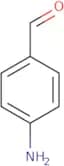
CAS:<p>4-Aminobenzaldehyde polymer is a crystalline solid that is soluble in organic solvents. It can be used as a reaction vessel for acylation reactions, such as the conversion of an acid chloride to the corresponding amide. 4-Aminobenzaldehyde polymer has been shown to react with diazonium salts to form the corresponding diazo compounds in high yields. The electron activity of the molecule was tested by measuring its oxidation potentials and reducing power. 4-Aminobenzaldehyde polymer is functionalized with both nucleophilic and electrophilic groups. This compound also has electrochemical properties, including optical properties and nmr spectra. The control experiments for this substance are sodium nitrate, which does not react with diazonium salts or react with 4-aminobenzaldehyde polymer at all.</p>Formula:(C7H7NO)xPurity:Min. 95%Color and Shape:Powder3,4-Dihydroxy-6-nitrobenzaldehyde
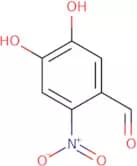
CAS:<p>3,4-Dihydroxy-6-nitrobenzaldehyde is a nitrite that can be used to produce nitric acid. It can also be used in the synthesis of caffeic acid and protocatechuic aldehyde. This molecule is also a catalyst for the conversion of 3,4-dihydroxybenzoic acid to chloride and purine derivatives. 3,4-Dihydroxy-6-nitrobenzaldehyde is nucleophilic and can react with an electron pair donor such as methyl ester or dimerization. The product of this reaction is an unsaturated compound called hyperuricemic mice.</p>Formula:C7H5NO5Purity:Min. 95%Color and Shape:Yellow PowderMolecular weight:183.12 g/mol2,2,7-Trimethyl-2,3-dihydro-1-benzofuran-5-carbaldehyde
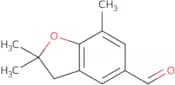
CAS:<p>2,2,7-Trimethyl-2,3-dihydro-1-benzofuran-5-carbaldehyde is a fine chemical that is used as a building block in research and synthesis of other chemicals. It has been shown to be a versatile building block for the synthesis of complex compounds. 2,2,7-Trimethyl-2,3-dihydro-1-benzofuran-5-carbaldehyde is also a useful intermediate to make other chemicals as well as a reagent in the production of speciality chemicals. This compound can be used in reactions with amines and alcohols. It has been found to have high quality that makes it useful for use in reactions with DNA and RNA nucleotides and proteins.</p>Formula:C12H14O2Purity:Min. 95%Color and Shape:White PowderMolecular weight:190.24 g/molGallaldehyde hemihydrate
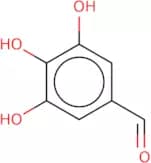
CAS:<p>Gallaldehyde hemihydrate is a bioactive phenolic compound that inhibits the tyrosine kinase domain of the epidermal growth factor receptor (EGFR). It has been shown to inhibit tumor cell growth and induce apoptosis in cancer tissues. Gallaldehyde hemihydrate has also been found in lentils, which might be used as a potential biomarker for this compound. The optimum pH for gallaldehyde hemihydrate is between 2.0-4.0, and it can bind to cation channels and act as a potential biomarker for skin cancer cells.</p>Formula:C7H6O4Purity:Min. 95%Color and Shape:PowderMolecular weight:154.12 g/mol2-fluoro-4-(trifluoromethyl)benzaldehyde
CAS:<p>2-fluoro-4-(trifluoromethyl)benzaldehyde is a chemical compound that can be synthesized by the reaction of peroxide with fluorine. It is used as a solvent in coatings and in the production of organic chemicals. 2-fluoro-4-(trifluoromethyl)benzaldehyde has been shown to be toxic to cancer cells at high concentrations, but not normal cells. The waveguide effect can be observed at temperatures below -60°C and it has three functional groups that are hydrolyzed by HCl.</p>Formula:C8H4F4OPurity:Min. 95%Color and Shape:Clear LiquidMolecular weight:192.11 g/mol2-Furaldehyde dimethylacetal
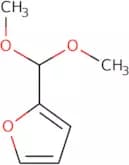
CAS:<p>2-Furaldehyde dimethylacetal is a monomer with a hydroxyl group and an aldehyde group in the molecule. It is produced by the reaction of formaldehyde with methanol and sodium hydroxide, which react to create formaldehyde hemiacetal. The formaldehyde hemiacetal then reacts with methanol to produce 2-furaldehyde dimethylacetal. This compound has been shown to polymerize when heated or irradiated with ultraviolet light, forming polymers. Gel chromatography can be used to separate this compound from other compounds in a mixture. The molecular weight of 2-furaldehyde dimethylacetal is 186g/mol.</p>Formula:C7H10O3Purity:Min. 95 Area-%Color and Shape:Clear LiquidMolecular weight:142.15 g/mol4-Diethylamino-2-methoxybenzaldehyde
CAS:<p>4-Diethylamino-2-methoxybenzaldehyde (4DMMB) is a protonated molecule that is able to penetrate the mitochondrial membrane due to its low charge. Once inside, 4DMMB can be reduced by electron transfer from the mitochondria's membrane potential. This reduction leads to an increase in the mitochondrial membrane potential and subsequent photophysical emissions. The introduction of 4DMMB has been shown to cause mitochondrial membrane potential changes in cells, which may lead to pathophysiologic conditions such as cancer.</p>Formula:C12H17NO2Purity:Min. 95%Color and Shape:PowderMolecular weight:207.27 g/mol4-Cyano-2-hydroxybenzaldehyde
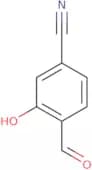
CAS:<p>4-Cyano-2-hydroxybenzaldehyde is a high quality chemical that can be used as a reagent and intermediate in the synthesis of complex compounds. It is also an important building block in the synthesis of fine chemicals. 4-Cyano-2-hydroxybenzaldehyde has been used as a versatile building block in the synthesis of organic compounds, useful scaffolds in medicinal chemistry, and reactive intermediates. It has also been shown to have anti-inflammatory properties and may be a potential treatment for inflammatory bowel disease.</p>Formula:C8H5NO2Purity:Min. 95%Molecular weight:147.13 g/mol4-Ethoxy-3-methoxybenzaldehyde
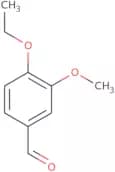
CAS:<p>4-Ethoxy-3-methoxybenzaldehyde is an organic compound that can be found in plants, such as in the leaves of the nutmeg plant. It is a cleavage product of 4-hydroxycoumarin. 4-Ethoxy-3-methoxybenzaldehyde is a dicarboxylic acid by substructure and it has been shown to be an intermediate in the synthesis of ethylene acetal and hydrogen peroxide. It is also postulated to react with chloride to form 4-chloroacetophenone and chloride ions, which are then reacted with hydrogen peroxide to form hydrochloric acid. The acute toxicity of this compound has not been determined but it may cause toxic effects on extracellular cells, such as radical species. The toxicities of 4-ethoxy-3-methoxybenzaldehyde have been observed in biphenyl which causes skin irritation, liver toxicity, kidney damage, and respiratory irritation</p>Formula:C10H12O3Purity:Min. 95%Color and Shape:PowderMolecular weight:180.2 g/mol3,4-Dihydroxybenzaldehyde
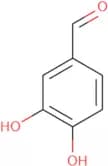
CAS:<p>3,4-Dihydroxybenzaldehyde is an active compound that is a protocatechuic aldehyde. It has been shown to inhibit protein oxidation and kidney injury. 3,4-Dihydroxybenzaldehyde also inhibits the production of bcl-2 protein and growth factor-β in rat urine. This compound has been used in Chinese medicinal preparations as well as in control methods for oxidizing agents.</p>Formula:C7H6O3Color and Shape:Brown White PowderMolecular weight:138.12 g/mol4-Hydroxybutyraldehyde
CAS:Controlled Product<p>4-Hydroxybutyraldehyde is a carbonyl group that contains a zirconium oxide fragment. It is acidic and can be used as an inhibitor of tumor cells. 4-Hydroxybutyraldehyde has been shown to deuterium isotope effect on the reaction mechanism. This chemical ionization process leads to the production of an H3+ cation, which reacts with the sample in order to produce a protonated product. The hydrogenated form of this molecule undergoes an addition reaction with butyrolactone, forming the desired product. The synthetic pathway for this molecule starts with metal carbonyl complexes, which react with nucleophiles such as ammonia or amines to produce 4-hydroxybutyraldehyde.</p>Formula:C4H8O2Purity:Min. 95%Color and Shape:Clear LiquidMolecular weight:88.11 g/mol2-Oxocyclohexanecarbaldehyde
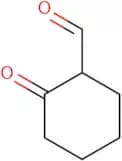
CAS:<p>2-Oxocyclohexanecarbaldehyde is a bifunctional carbonyl compound that reacts with amines to form carbinols. It can be used as a cheaper and more environmentally friendly alternative to the use of piperidine. 2-Oxocyclohexanecarbaldehyde also reacts with potassium hydride to form the corresponding ketones. The reaction of 2-oxocyclohexanecarbaldehyde with primary amines leads to isomeric products, depending on the position of substitution on the aromatic ring. This compound has been shown to react electrochemically in an asymmetric synthesis and has been used in the synthesis of morpholine, which is an important intermediate for pharmaceuticals, agrochemicals, and other chemical compounds.</p>Formula:C7H10O2Purity:Min. 90%Color and Shape:Clear LiquidMolecular weight:126.15 g/molImidazole-2-carboxaldehyde
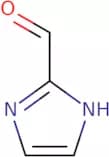
CAS:<p>Imidazole-2-carboxaldehyde is a broad-spectrum antimicrobial that has been shown to inhibit the growth of bacteria by interfering with protein synthesis. It binds to the cytosolic protein and receptor molecule, which are involved in the activation of bacterial enzymes. Imidazole-2-carboxaldehyde reacts with anhydrous sodium and copper complex to produce hydrogen bonds, which prevent the formation of the nitrogen atoms necessary for cellular processes. This chemical also has biological properties such as glyoxal, which inhibits bacterial growth by reacting with amino groups on proteins.</p>Formula:C4H4N2OPurity:Min. 98 Area-%Color and Shape:Slightly Yellow PowderMolecular weight:96.09 g/mol3-Cyclohexene-1-carboxaldehyde
CAS:<p>3-Cyclohexene-1-carboxaldehyde is a carbonyl reduction agent that converts primary alcohols to aldehydes. 3-Cyclohexene-1-carboxaldehyde is an effective catalyst for the reduction of alpha, beta unsaturated carbonyls. The mechanism of this reaction involves the elimination of hydrogen chloride, which forms hydrochloric acid. The reaction can be controlled by adding either alkali metal or chloride ions to the reaction mixture. This process produces 2 products: aldehyde and alkyl chlorides. 3-Cyclohexene-1-carboxaldehyde is primarily used in the production of polyethylene terephthalate (PET) and nylon 6,6 from ethylene glycol.</p>Formula:C7H10OPurity:Min. 95%Molecular weight:110.15 g/mol2,4,6-Trimethoxybenzaldehyde
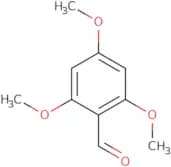
CAS:<p>2,4,6-Trimethoxybenzaldehyde is a chemical compound that is used as an intermediate in organic chemistry. It has been shown to have antiviral effects on influenza A virus by inhibiting the enzyme neuraminidase. This inhibition prevents the release of viruses from infected cells and thus prevents viral replication. 2,4,6-Trimethoxybenzaldehyde also inhibits the growth of cancer cells in vitro and has minimal toxicity to normal cells. This chemical has been shown to inhibit the reaction mechanism of proton pumps in mammalian cells, which may be due to its ability to inhibit p2y receptors or nitrogen atoms. 2,4,6-Trimethoxybenzaldehyde can also be used as a solvent for pharmaceutical preparations and as a reagent in x-ray diffraction data analysis.</p>Formula:C10H12O4Purity:Min. 95%Color and Shape:PowderMolecular weight:196.2 g/mol2-Nitro-4,5-methylenedioxybenzaldehyde
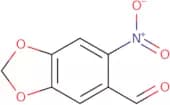
CAS:<p>2-Nitro-4,5-methylenedioxybenzaldehyde (2NMB) is a molecule with a molecular weight of 188.24, an empirical formula of C8H8NO2 and a chemical structure consisting of a benzene ring attached to two nitro groups. 2NMB has been shown to bind to the dopamine β-hydroxylase enzyme in human serum and inhibit the production of dopa, which leads to a decrease in dopamine levels. It also inhibits the growth of staphylococcus, cryptococcus neoformans, and typhimurium. 2NMB also has been used as radiotracers for gyrase activity and can be used for asymmetric synthesis due to its piperonal group. The uptake of 2NMB by cells is dependent on its nucleophilic properties.</p>Formula:C8H5NO5Purity:Min. 98%Color and Shape:PowderMolecular weight:195.13 g/mol4-Hydroxy-3,5-dimethylbenzaldehyde
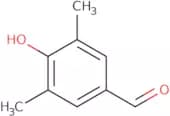
CAS:<p>4-Hydroxy-3,5-dimethylbenzaldehyde (HDA) is an aromatic hydrocarbon that can be found in plants. It is a product of the oxidation of hydroxyl groups by inorganic acids and has been shown to induce hepatic steatosis in mice. This reaction is mediated by malic acid, which reacts with the benzyl group to form a cavity. The molecular modeling study of this reaction mechanism shows that the carboxylate group deprotonates, which leads to the formation of a carbocation intermediate when it attacks the aromatic ring. The aromatic ring opens up during this step, leading to a carbocation. The carbocation then collapses and hydrogen from the hydroxyl group attaches to carbon 2 on C4, forming HDA and releasing water.</p>Formula:C9H10O2Purity:Min. 95%Color and Shape:Off-White PowderMolecular weight:150.17 g/mol6-Methyl-1H-indole-3-carbaldehyde
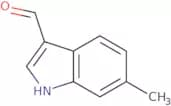
CAS:<p>6-Methyl-1H-indole-3-carbaldehyde is a synthetic chemical that has been used as a reagent in the form of its sodium salt. It is an acetylating agent and can be used for formylation reactions. 6-Methyl-1H-indole-3-carbaldehyde has shown strong antifungal activity against phytopathogenic fungi such as Fusarium, Rhizoctonia, and Phytophthora. This chemical also has a triazine group, which can be used to enhance the herbicidal properties of certain compounds.</p>Formula:C10H9NOPurity:Min. 95%Color and Shape:PowderMolecular weight:159.18 g/mol2-Iodobenzaldehyde
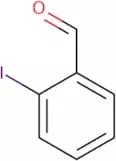
CAS:<p>2-Iodobenzaldehyde is a chemical compound that contains a benzene ring with two iodine substituents. 2-Iodobenzaldehyde has been shown to have affinity for ligands with electron-donating groups, such as methoxy and hydroxyl groups, which may contribute to its high reactivity. This chemical also has the ability to inhibit estrogen receptor modulators, which may be beneficial in treating autoimmune diseases. 2-Iodobenzaldehyde has been shown to reduce electron density between two molecules, allowing it to form hydrogen bonds and interact with stilbene derivatives.</p>Formula:IC6H4CHOPurity:Min. 95%Color and Shape:White PowderMolecular weight:232.02 g/mol5-Bromo-3,4-dihydroxybenzaldehyde
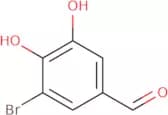
CAS:<p>5-Bromo-3,4-dihydroxybenzaldehyde (5BDBA) is a chemical compound that can be used as a reactive dye and photochemical crosslinker in the preparation of polymers. 5BDBA has been shown to have chemoattractant properties for immune cells, such as activated T lymphocytes and neutrophils. It also has been shown to have an effect on β-cells in the pancreas and skin cells. This compound has been found to activate the nuclear factor kappa-light-chain enhancer (NFκB), which leads to increased expression of chemoattractant protein (MCP). In 3T3-L1 preadipocytes, 5BDBA has been shown to induce accumulation of fatty acids by activating peroxisome proliferator activator receptor gamma.</p>Formula:C7H5BrO3Purity:Min. 95%Color and Shape:Yellow PowderMolecular weight:217.02 g/mol5-Carboxyvanillin
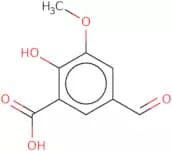
CAS:<p>5-Carboxyvanillin is the oxidation product of isoeugenol and p-hydroxybenzoic acid. It can be produced by reacting these two compounds with a peroxide in an oxidizing reaction. The reaction products include 5-carboxyvanillic acid, which can be hydrolyzed to vanillin. 5-Carboxyvanillin is a white crystalline solid with a chemical nature similar to that of vanillin. It has been shown to have antimicrobial properties against tissues, such as guinea pig ileum and rat liver, but not against bacterial cultures. This compound may also be used in pulping processes for the production of paper or cellulose fibers.</p>Formula:C9H8O5Purity:Min. 95%Color and Shape:PowderMolecular weight:196.16 g/molBenzaldehyde dimethyl acetal
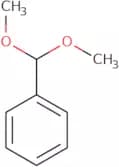
CAS:<p>Vegetable, nutty and floral flavour/fragrance</p>Formula:C9H12O2Purity:Min. 95%Color and Shape:Clear LiquidMolecular weight:152.19 g/mol4-Fluoro-3-phenoxybenzaldehyde
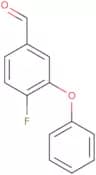
CAS:<p>4-Fluoro-3-phenoxybenzaldehyde is a chiral organic compound that has been synthesized in the laboratory. This compound has a linear response to peroxide and can be used as an environmental pollutant indicator. It is produced by the reaction of phenol with peroxide in deionized water, which is catalyzed by acid. The reaction time is dependent on the diluent used, and ultrasonic irradiation can be used to speed up the reaction. 4-Fluoro-3-phenoxybenzaldehyde's structure consists of two isomers, each containing either a fluorine atom or hydrogen atom on one of the phenyl rings. 4-Fluoro-3-phenoxybenzaldehyde can be purified using distillation or recrystallization techniques.</p>Formula:C13H9FO2Purity:Min. 95%Color and Shape:LiquidMolecular weight:216.21 g/mol2-Methoxybenzaldehyde oxime
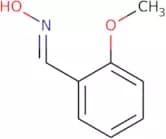
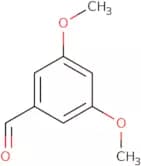
CAS:<p>2-Methoxybenzaldehyde oxime is a synthetic amine that is used in the synthesis of peroxides. The reaction rate and nature depend on the type of peroxide being synthesized, but typically, it is used with acetonitrile as a solvent and an acid catalyst. 2-Methoxybenzaldehyde oxime reacts with peracid to create an aldoxime and nitrite. This product can also be made by reacting benzaldehyde with nitrous acid, which will produce dioxane as an intermediate. The reaction time for this process takes about four hours at room temperature.</p>Formula:C8H9NO2Purity:Min. 95%Color and Shape:PowderMolecular weight:151.16 g/mol3,5-Dimethoxybenzaldehyde
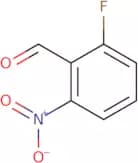
CAS:<p>3,5-Dimethoxybenzaldehyde is a fungicide that can kill fungal cells by inhibiting the synthesis of ergosterol, an important component of the fungal cell membrane. It has been shown to be effective against Cryptococcus neoformans and other fungi. 3,5-Dimethoxybenzaldehyde inhibits mitochondrial superoxide production and the growth of fungi in a model system. The optimum concentration for inhibition was determined in a kinetic and thermodynamic study. This compound has also been shown to have anti-inflammatory properties, which may be due to its ability to inhibit prostaglandin synthesis.</p>Formula:C9H10O3Purity:Min. 98%Color and Shape:PowderMolecular weight:166.17 g/mol2-Fluoro-6-nitrobenzaldehyde
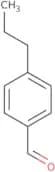
CAS:<p>2-Fluoro-6-nitrobenzaldehyde is an electron donor that reduces a range of electron acceptors including piperazine. This compound has been shown to have antitumor effects. 2-Fluoro-6-nitrobenzaldehyde has also been shown to inhibit the growth of cancer cells in vitro and in vivo. The mechanism of action is not yet known, but it is thought that 2-fluoro-6-nitrobenzaldehyde may be a potential chemotherapeutic agent for pancreatic cancer therapy.</p>Formula:C7H4FNO3Purity:Min. 95%Color and Shape:PowderMolecular weight:169.11 g/mol4-n-Propylbenzaldehyde
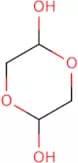
CAS:<p>4-n-Propylbenzaldehyde is a chemical compound that belongs to the group of aromatic aldehydes. It is used in the production of other chemicals, such as pharmaceuticals and fragrances. 4-n-Propylbenzaldehyde has been shown to be genotoxic, causing DNA damage and mutating genes. This chemical also has an inhibitory effect on cancer cells, which may be due to its ability to interfere with histone deacetylase activity. The genotoxic potential of this substance is considered low based on its lack of genotoxicity in vitro and in vivo. This compound does not have any structural formula for the corresponding metal complex.</p>Formula:C10H12OPurity:Min. 98 Area-%Color and Shape:Colorless Clear LiquidMolecular weight:148.2 g/molGlycolaldehyde dimer
CAS:<p>Glycolaldehyde dimer is a molecule that is the product of an intramolecular hydrogenation reaction. It has been shown to have estrogen receptor modulator activity, which may be due to its ability to bind to estrogen receptors and inhibit the production of inflammatory cytokines. Glycolaldehyde dimer also has the potential to be used as a therapeutic agent for inflammatory bowel disease. Glycolaldehyde dimer binds to crystalline cellulose and undergoes a series of chemical reactions, including hydrolysis by hydroxyl group, hydrochloric acid, and hydrogen bond. The logistic regression analysis shows that the molecule is more potent in rats with bowel disease than those without.</p>Formula:C4H8O4Purity:Min. 95%Color and Shape:White PowderMolecular weight:120.1 g/mol4-Iodobenzaldehyde
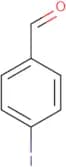
CAS:<p>4-Iodobenzaldehyde is a chemical compound with the molecular formula C6H5IO. It is an aromatic compound that can be used in cancer therapy. 4-Iodobenzaldehyde reacts with trifluoroacetic acid to form an intramolecular hydrogen, which is detected using a low-energy monomer and high detection sensitivity. 4-Iodobenzaldehyde has two phenyl substituents and a serine protease functional group, which are required for its interaction with other molecules. The presence of these functional groups allows analytical methods to be used to identify 4-iodobenzaldehyde in various samples. Using analytical methods, it can be determined that 4-iodobenzaldehyde interacts with an acceptor molecule at the reaction vessel thermally or by irradiation.</p>Formula:C7H5IOPurity:Min. 95%Color and Shape:Yellow PowderMolecular weight:232.02 g/mol2-Hydroxy-4-methoxybenzaldehyde
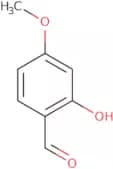
CAS:<p>2-Hydroxy-4-methoxybenzaldehyde is an antifungal agent that has been shown to have a broad spectrum of activity against filamentous fungi. It is able to inhibit the growth of fungi by inhibiting the enzyme shikimate dehydrogenase, which is involved in the synthesis of aromatic amino acids and other essential metabolites. 2-Hydroxy-4-methoxybenzaldehyde also inhibits xylose reductase and alpha-galactosidase, enzymes that are involved in cell wall biosynthesis. This compound is effective against Candida albicans, Aspergillus niger, and Trichophyton mentagrophytes. 2-Hydroxy-4-methoxybenzaldehyde has also been shown to have bacteriostatic effects on Escherichia coli.</p>Formula:C8H8O3Purity:Min. 95%Color and Shape:Off-White PowderMolecular weight:152.15 g/mol3-Fluoro-4-hydroxybenzaldehyde
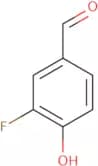
CAS:<p>3-Fluoro-4-hydroxybenzaldehyde is a hydroxyl group with an activation energy of 87.7 kJ/mol. The molecule can be synthesized by the reaction of salicylaldehyde and 3,4-dihydroxybenzaldehyde in the presence of an organic solvent such as chloroform or methylene chloride. This compound has been shown to cause cell death in ht-29 cells and cancer cell lines, as well as human ovarian carcinoma cells. It causes apoptosis by inhibiting mitochondrial membrane potential, which leads to decreased intracellular ATP levels. 3-Fluoro-4-hydroxybenzaldehyde is most commonly used in molecular modeling studies to represent the hydroxyl group due to its simplicity in comparison to other hydroxyl groups like methanol or ethanol.</p>Formula:C7H5FO2Purity:90%Color and Shape:White PowderMolecular weight:140.11 g/mol2-Phenylindole-3-carboxaldehyde
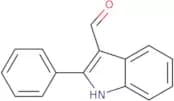
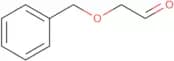
CAS:<p>2-Phenylindole-3-carboxaldehyde is an organic compound that belongs to the class of bioactive molecules. It is a nitrogen heterocycle that has been shown to inhibit the growth of cancer cells in culture. 2-Phenylindole-3-carboxaldehyde has also been shown to have anti-inflammatory and antimicrobial properties. This molecule can be used in the treatment of cancer, as it inhibits the growth of tumor cells by inhibiting DNA synthesis, which leads to cell death. The molecular structure can be altered by allylation or replacement with other functional groups. The 2-phenylindole moiety can be modified at its C2 position, altering its pharmacological properties and may lead to new anticancer drugs.</p>Formula:C15H11NOPurity:Min. 95%Color and Shape:PowderMolecular weight:221.25 g/mol2-(Benzyloxy)acetaldehyde
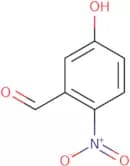
CAS:<p>2-(Benzyloxy)acetaldehyde (BA) is an aldol that is used as an oxidation catalyst for chemical stability. It can be synthesized with the use of asymmetric synthesis and coordination geometry. 2-(Benzyloxy)acetaldehyde has been shown to bind to the enzyme aldehyde dehydrogenase and inhibit its activity, which may lead to the treatment of infectious diseases. This compound also has receptor activity in coli K-12 cells, which can be used to detect BA in urine samples. The reaction mechanism of BA is similar to that of benzimidazole compounds, hydroxyl group, and trifluoroacetic acid.</p>Formula:C9H10O2Purity:Min. 95%Color and Shape:Slightly Yellow Clear LiquidMolecular weight:150.17 g/mol5-Hydroxy-2-nitrobenzaldehyde
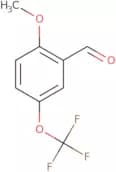
CAS:<p>5-Hydroxy-2-nitrobenzaldehyde is an acidic chemical with a pKa of 1.8. It is used as a starting material in the synthesis of quinoline derivatives, which are used in the production of monoclonal antibodies for use in medical research and diagnosis. The chemical reacts with hydrochloric acid to form hydrogen chloride and 5-hydroxy-2-nitrobenzoic acid. 5-Hydroxy-2-nitrobenzaldehyde has an anticholinesterase activity that is inhibited by sodium carbonate. This product is also reactive to an acidic environment and polymer film, which may result in the formation of new compounds through a chemical reaction.</p>Formula:C7H5NO4Purity:Min. 95%Color and Shape:Off-White PowderMolecular weight:167.12 g/mol2-Methoxy-5-(trifluoromethoxy)benzaldehyde
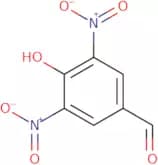
CAS:<p>2-Methoxy-5-(trifluoromethoxy)benzaldehyde is a tachykinin antagonist that inhibits the binding of neurokinin to its receptor with high affinity. This compound has shown potential as a drug for the treatment of pain and other conditions such as asthma, allergies, and depression. The efficacy of 2-methoxy-5-(trifluoromethoxy)benzaldehyde has been demonstrated in high-throughput screening for the detection of nk1 receptor antagonists. Further studies have shown that modification of this molecule may increase its potency and reduce side effects.</p>Formula:C9H7F3O3Purity:Min. 95%Color and Shape:Clear LiquidMolecular weight:220.15 g/mol3,5-Dinitro-4-hydroxybenzaldehyde
CAS:<p>Please enquire for more information about 3,5-Dinitro-4-hydroxybenzaldehyde including the price, delivery time and more detailed product information at the technical inquiry form on this page</p>Formula:C7H4N2O6Purity:Min. 95%Color and Shape:PowderMolecular weight:212.12 g/mol(E)-2-Octenal
CAS:<p>(E)-2-Octenal is a reactive compound that is produced by the degradation of unsaturated fatty acids. It has been shown to have antioxidant properties, which may be due to its ability to inhibit the activity of lipoxygenase and cyclooxygenase enzymes. (E)-2-Octenal also inhibits bacterial growth through genotoxic effects, such as DNA damage and mutations. The chemical ionization mass spectrometry method has been used for identification and quantification of (E)-2-octenal in a variety of natural products, including ethyl decanoate, caproic acid, and galacturonic acid.</p>Formula:C8H14OPurity:Min. 95 Area-%Color and Shape:Clear LiquidMolecular weight:126.2 g/mol2-(2-Bromoethyl)benzaldehyde
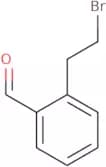
CAS:<p>2-(2-Bromoethyl)benzaldehyde is an organic compound that is used in the synthesis of many other compounds. It is produced by the acetylation of 2-bromoethanol with acetic anhydride and hydrochloric acid. This reaction mechanism starts with the formation of a carbocation from the protonated bromine and ethylene, followed by nucleophilic attack by the acetate anion to form a tertiary alcohol. The final step involves elimination of bromine to give 2-(2-bromoethyl)benzaldehyde. Techniques such as basic hydrolysis or chiral resolution can be used to produce optically pure 2-(2-bromoethyl)benzaldehyde.</p>Formula:C9H9BrOPurity:(%) Min. 80%Color and Shape:Clear LiquidMolecular weight:213.07 g/mol3-Methylbenzaldehyde oxime
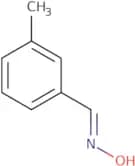
CAS:<p>3-Methylbenzaldehyde oxime is a fine chemical that can be used as a versatile building block. It has the CAS No. 41977-54-2 and is also known as benzoic acid, 3-methyl-, oxime. 3-Methylbenzaldehyde oxime is a complex compound that can be used in research chemicals and reagents. The chemical has been found to have high quality and is useful for making speciality chemicals and useful intermediates. The compound is also a reaction component for use in synthesis of other compounds. 3-Methylbenzaldehyde oxime can be used as a scaffold for drug design and development.</p>Formula:C8H9NOPurity:Min. 95%Color and Shape:Off-White PowderMolecular weight:135.16 g/mol6-Fluoroindole-3-carboxaldehyde
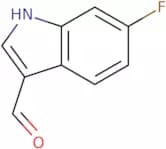
CAS:<p>6-Fluoroindole-3-carboxaldehyde (6FLA) is a synthetic compound that inhibits biosynthesis of the phytoalexins salicylic acid and lignin in plants. It also inhibits the β-glucuronidase enzyme, which hydrolyzes the glucuronide conjugates of phenolic compounds and xenobiotics. 6FLA has been shown to cause mild liver damage in rats, but its effects on humans are unknown. 6FLA may be used as a detectable substance for assays.</p>Formula:C9H6FNOPurity:Min. 95%Molecular weight:163.15 g/mol5-Hydroxy-3-methyl-1H-pyrazole-4-carbaldehyde
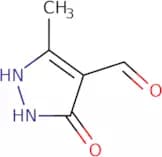
CAS:<p>5-Hydroxy-3-methyl-1H-pyrazole-4-carbaldehyde is an organic compound that is used as a building block in the synthesis of a variety of complex compounds. It can be used as a reaction component and is also useful in the production of speciality chemicals. 5-Hydroxy-3-methyl-1H-pyrazole-4-carbaldehyde has been shown to form complexes with metals, such as copper, silver, and gold. These complexes are useful for research into catalytic reactions and electrochemistry. This chemical is also used in the production of pharmaceuticals, agrochemicals, and other high quality reagents.</p>Formula:C5H6N2O2Purity:Min. 95%Color and Shape:PowderMolecular weight:126.11 g/mol2-Bromobenzaldehyde
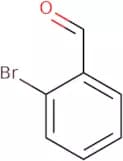
CAS:<p>2-Bromobenzaldehyde is an important aryl aldehyde that can be synthesized through the copper-catalyzed coupling of 2-bromobenzyl bromide and phenylacetone. The synthesis of 2-bromobenzaldehyde has been used to study the effects of physiological activities on the coordination geometry. It is also used as a fluorescent probe for amines and esters, which are commonly found in bioinorganic chemistry. The compound is characterized by intermolecular hydrogen bonding and hydrogen bonding between the hydroxy group and chloride, which are associated with its acidity.<br>2-Bromobenzaldehyde has been shown to have antiinflammatory properties, which may be due to its ability to inhibit prostaglandin synthesis.</p>Formula:C7H5BrOPurity:Min. 95%Color and Shape:Off-White PowderMolecular weight:185.02 g/mol7-Methoxy-1-naphthaldehyde
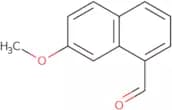
CAS:<p>7-Methoxy-1-naphthaldehyde is an aldehyde that is synthesized from acetaldehyde and 7-methoxy-1-naphthol. It has been shown to inhibit the cytosolic aldehyde dehydrogenase, which converts acetaldehyde to acetate. This reaction is one of the major routes for the metabolism of alcohol in humans. 7-Methoxy-1-naphthaldehyde can be used as a substrate in immunochemical assays, and its synthetic scheme has been published. 7MNA was also found to have cytotoxic effects on human liver cells in vitro.</p>Formula:C12H10O2Purity:Min. 95%Molecular weight:186.21 g/mol3-Phenoxybenzaldehyde
CAS:<p>3-Phenoxybenzaldehyde is a chemical compound that is used as an analytical reagent in the surface methodology. It can be synthesized from 3-phenoxybenzoic acid and phenylmagnesium bromide. The synthesis of 3-phenoxybenzaldehyde was accomplished by the hydrogenation of p-nitrophenyl phosphate, which was catalyzed by rat liver microsomes. The resulting product had a molecular formula of C9H8O2 and a molar mass of 156.2 g/mol. 3-Phenoxybenzaldehyde has been shown to inhibit bacterial growth through the inhibition of fatty acid synthesis, as well as inhibiting fatty acid oxidation in recombinant cytochrome P450 enzymes.</p>Formula:C13H10O2Purity:Min. 95%Color and Shape:Clear LiquidMolecular weight:198.22 g/mol