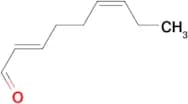
Aldehydes
Aldehydes are organic compounds containing a carbonyl group (C=O) bonded to at least one hydrogen atom. These versatile compounds are fundamental in various chemical reactions, including oxidation, reduction, and nucleophilic addition. Aldehydes are essential building blocks in the synthesis of pharmaceuticals, fragrances, and polymers. At CymitQuimica, we provide a diverse selection of high-quality aldehydes to support your research and industrial applications.
Found 8540 products of "Aldehydes"
Sort by
Purity (%)
0
100
|
0
|
50
|
90
|
95
|
100
2-Chloro-4-hydroxybenzaldehyde
CAS:<p>2-Chloro-4-hydroxybenzaldehyde is a potent competitive inhibitor of serine proteases, including thrombin. It also has an anticoagulant effect and can be used as an anti-cancer agent. 2-Chloro-4-hydroxybenzaldehyde has been shown to have a strong affinity for the progesterone receptor, which is a protein that regulates the activity of progesterone in cells. 2-Chloro-4-hydroxybenzaldehyde also binds to the formyl group of phenols and quinones, which leads to its use as an antioxidant in various applications. This compound is found in environmental pollution, where it can chelate metal ions such as chloride and lead.</p>Formula:C7H5ClO2Purity:Min. 95%Color and Shape:PowderMolecular weight:156.57 g/mol4-Fluorobenzaldehyde
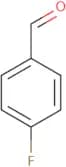
CAS:<p>4-Fluorobenzaldehyde is an organic compound that is used in the synthesis of other chemicals. 4-Fluorobenzaldehyde has been shown to have hemolytic activity and to be a copper complex that reacts with hydrochloric acid. The reaction mechanism of 4-fluorobenzaldehyde with copper chloride is thought to involve the formation of a copper complex, which then undergoes nucleophilic attack by the trifluoroacetic acid, forming a positronium ion. This positronium ion then reacts with hydroxide ions from water, forming hydrogen peroxide and a pyrimidine compound.</p>Formula:C7H5FOPurity:Min. 98 Area-%Color and Shape:Colourless To Yellow LiquidMolecular weight:124.11 g/mol2-Nitro-4,5-methylenedioxybenzaldehyde
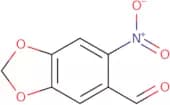
CAS:<p>2-Nitro-4,5-methylenedioxybenzaldehyde (2NMB) is a molecule with a molecular weight of 188.24, an empirical formula of C8H8NO2 and a chemical structure consisting of a benzene ring attached to two nitro groups. 2NMB has been shown to bind to the dopamine β-hydroxylase enzyme in human serum and inhibit the production of dopa, which leads to a decrease in dopamine levels. It also inhibits the growth of staphylococcus, cryptococcus neoformans, and typhimurium. 2NMB also has been used as radiotracers for gyrase activity and can be used for asymmetric synthesis due to its piperonal group. The uptake of 2NMB by cells is dependent on its nucleophilic properties.</p>Formula:C8H5NO5Purity:Min. 98%Color and Shape:PowderMolecular weight:195.13 g/mol2,4-Dichloro-6-hydroxybenzaldehyde
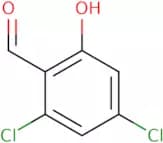
CAS:<p>2,4-Dichloro-6-hydroxybenzaldehyde is a potential antineoplastic agent that inhibits mitochondrial function and induces apoptosis. This drug blocks the mitochondrial membrane potential and inhibits ATP production by blocking the mitochondrial respiratory chain complexes I and III. 2,4-Dichloro-6-hydroxybenzaldehyde has been shown to inhibit tumor cell growth in culture and in animal models of cancer. It also selectively kills tumor cells with low levels of cisplatin resistance through concurrent inhibition of mitochondria and caspase activation.<br>2,4-Dichloro-6-hydroxybenzaldehyde binds to both the inner membrane of mitochondria and to the plasma membrane of cancer cells, thereby inhibiting their function.</p>Formula:C7H4Cl2O2Purity:Min. 95%Color and Shape:PowderMolecular weight:191.01 g/mol5-(Trifluoromethoxy)salicylaldehyde
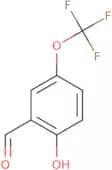
CAS:<p>5-(Trifluoromethoxy)salicylaldehyde is a ligand that binds to the active site of the enzyme catalysis, thereby inhibiting its activity. It has been shown to be effective in colon cancer and other cancers due to its ability to inhibit protein synthesis. 5-(Trifluoromethoxy)salicylaldehyde also inhibits the production of prostaglandins, which may prevent inflammation. The compound is also used in supramolecular chemistry and biological studies as a tool for studying protein-ligand interactions. 5-(Trifluoromethoxy)salicylaldehyde has been shown to have dose-dependent effects on cell proliferation and protein synthesis.</p>Formula:C8H5F3O3Purity:Min. 95%Color and Shape:PowderMolecular weight:206.12 g/molPhthalaldehyde
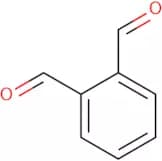
CAS:<p>Phthalaldehyde is a disinfectant that is used for the prevention of microbial contamination in the manufacturing process of pharmaceuticals, cosmetics, and many other products. It has been shown to inhibit the growth of bacteria by inhibiting protein synthesis. The mechanism of action is thought to be due to its reaction with amino acids, which are important for protein synthesis. Phthalaldehyde also reacts with benzalkonium chloride to form a fluorescent derivative, which can be detected using fluorescence detectors or LC-MS/MS methods. The use of this compound as a fluorescence probe allows for the detection of probiotic bacteria in nutrient solutions without the need for expensive equipment or complicated analytical methods.</p>Formula:C8H6O2Purity:Min. 98%Color and Shape:PowderMolecular weight:134.13 g/mol5-(4-((3-Chloro-4-((3-fluorobenzyl)oxy)phenyl)amino) quinazolin-6-yl)furan-2-carbaldehyde
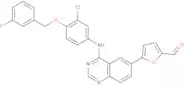
CAS:<p>5-(4-((3-Chloro-4-((3-fluorobenzyl)oxy)phenyl)amino)quinazolin-6-yl)furan-2-carbaldehyde is a heterocyclic compound that has been used to study protein tyrosine kinase activity. This drug binds to the active site of the enzyme and inhibits its function by forming an irreversible covalent bond with the enzyme's reactive cysteine residue, which prevents the transfer of phosphate groups from ATP to the substrate (tyrosine).</p>Formula:C26H17ClFN3O3Purity:Min. 95%Molecular weight:473.88 g/mol3-(Methylthio)benzaldehyde
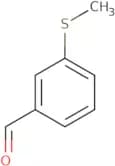
CAS:<p>3-(Methylthio)benzaldehyde is a molecule that can be used in the preparation of mandelic acid. It has been shown to inhibit the activity of lipase, an enzyme that breaks down fats. The cavity of 3-(methylthio)benzaldehyde has been studied by X-ray analysis and was found to have cationic character with silver ions. It also has functional groups that can be used for protein modification by enzymatic reactions.</p>Formula:C8H8OSPurity:Min. 95%Color and Shape:Clear LiquidMolecular weight:152.21 g/mol2,4,5-Trimethylbenzaldehyde
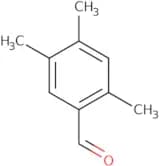
CAS:<p>2,4,5-Trimethylbenzaldehyde is a cell line that can be used to study the oxidation of α-pinene. It is a chemical compound that belongs to the group of aromatic compounds and has been shown to have high cytotoxicity. It has been found to oxidize other molecules in the body with an electron acceptor such as oxygen or another molecule. 2,4,5-Trimethylbenzaldehyde has also been shown to have biological properties. This product is being researched for its ability to inhibit fatty acid synthesis and reduce cholesterol production in the liver.</p>Formula:C10H12OPurity:Min. 95%Molecular weight:148.2 g/mol(Triphenylphosphoranylidene)acetaldehyde
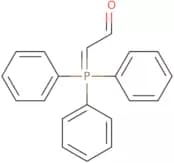
CAS:Controlled Product<p>Triphenylphosphoranylidene)acetaldehyde (TPPAA) is a diphenyl ether that binds to the allosteric site on the enzyme acetylcholinesterase, leading to inhibition of the catalytic mechanism. TPPAA has been shown to have insecticidal activity in the form of contact toxicity. It also has anticancer activity by inhibiting DNA synthesis and inducing apoptosis in cancer cells. TPPAA can be synthesized through a preparative method involving an asymmetric synthesis with a hydroxyl group as one of the reagents. TPPAA is an ionizable molecule that undergoes chemical ionization in a mass spectrometer and vibrational spectroscopy techniques.</p>Formula:C20H17OPPurity:min 96%Color and Shape:PowderMolecular weight:304.32 g/mol2,6-Dimethylbenzaldehyde oxime
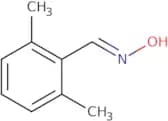
CAS:<p>2,6-Dimethylbenzaldehyde oxime is a reagent and useful intermediate for the synthesis of complex compounds. It is also a building block for speciality chemicals. 2,6-Dimethylbenzaldehyde oxime has been used in research and as a reaction component for various organic syntheses. This compound has a CAS number of 55882-62-7.</p>Formula:C9H11NOPurity:Min. 95%Molecular weight:149.19 g/mol4-Methoxybenzaldehyde
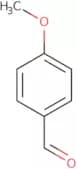
CAS:<p>4-Methoxybenzaldehyde is a surfactant with a Langmuir adsorption isotherm. It can be used in analytical methods for the determination of sodium carbonate at concentrations of 1 mg/mL and higher. The redox potentials of 4-methoxybenzaldehyde are +0.37 and -0.35 volts, which corresponds to group P2. The reaction mechanism for 4-methoxybenzaldehyde is the oxidation of the compound by potassium permanganate (KMnO4) in aqueous solution to form 4-hydroxybenzoic acid (4HB). The fluorescent derivative of 4-methoxybenzaldehyde is magnesium salt, which has been shown to react with ryanodine receptors in skeletal muscle cells, leading to a decrease in calcium release from the sarcoplasmic reticulum. Process optimization may be necessary for this product due to its limited applications in analytical chemistry.</p>Formula:C8H8O2Purity:Min. 95%Color and Shape:Colorless Clear LiquidMolecular weight:136.15 g/molClorprenaline HCl
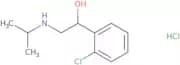
CAS:<p>β2-adrenergic receptor agonist</p>Formula:C11H17Cl2NOPurity:Min. 95%Color and Shape:PowderMolecular weight:250.16 g/molSalicylaldehyde
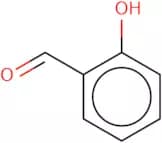
CAS:<p>Salicylaldehyde is a reactive compound that has been used as an antimicrobial and fluorescence probe. The protonation of salicylaldehyde is the rate-limiting step in its reaction with DNA, which leads to the formation of a chelate ligand. This binding results in intramolecular hydrogen bonding and linear calibration curves. Salicylaldehyde also reacts with coumarin derivatives to form a cyclic peptide, which can be used to measure glucose levels. The electrochemical impedance spectroscopy (EIS) of salicylic acid shows that it inhibits oxidative injury by preventing protein oxidation, lipid peroxidation, and hydroxyl radical production.</p>Formula:C7H6O2Purity:Min. 98.5%Color and Shape:Clear LiquidMolecular weight:122.12 g/mol3-Hydroxypyridine-4-carboxaldehyde
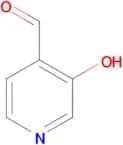
CAS:Formula:C6H5NO2Purity:95%Color and Shape:SolidMolecular weight:123.1111H-Indazole-7-carbaldehyde
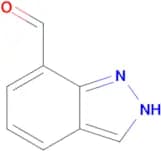
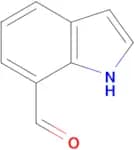
CAS:Formula:C8H6N2OPurity:98%Color and Shape:SolidMolecular weight:146.1497-Formylindole
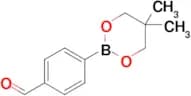
CAS:Formula:C9H7NOPurity:98%Color and Shape:Solid, Light yellow powderMolecular weight:145.1614-(5,5-Dimethyl-1,3,2-dioxaborinan-2-yl)benzaldehyde
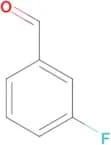
CAS:Formula:C12H15BO3Purity:97%Color and Shape:SolidMolecular weight:218.063-Fluorobenzaldehyde
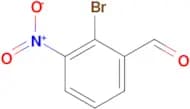
CAS:Formula:C7H5FOPurity:96%Color and Shape:Liquid, Clear light yellow liquidMolecular weight:124.1142-Bromo-3-nitrobenzaldehyde
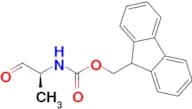
CAS:Formula:C7H4BrNO3Purity:98%Color and Shape:SolidMolecular weight:230.017FMOC-ALA-ALDEHYDE
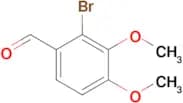
CAS:Formula:C18H17NO3Purity:97%Color and Shape:Solid, White powderMolecular weight:295.3382-Bromo-3,4-dimethoxybenzaldehyde
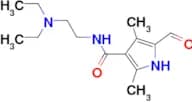
CAS:Formula:C9H9BrO3Purity:98%Color and Shape:SolidMolecular weight:245.072N-(2-(Diethylamino)ethyl)-5-formyl-2,4-dimethyl-1H-pyrrole-3-carboxamide
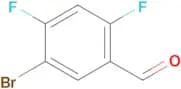
CAS:Formula:C14H23N3O2Purity:95%Color and Shape:SolidMolecular weight:265.3575-Bromo-2,4-difluorobenzaldehyde
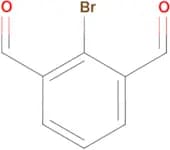
CAS:Formula:C7H3BrF2OPurity:95%Color and Shape:LiquidMolecular weight:221.0012-Bromobenzene-1,3-dialdehyde
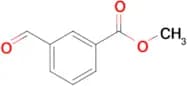
CAS:Formula:C8H5BrO2Purity:97%Color and Shape:Solid, Crystalline PowderMolecular weight:213.03Methyl 3-formylbenzoate
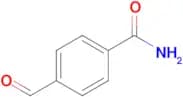
CAS:Formula:C9H8O3Purity:95%Color and Shape:Solid, CrystallineMolecular weight:164.164-formylbenzamide
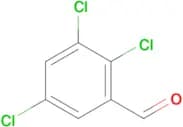
CAS:Formula:C8H7NO2Purity:95%Color and Shape:Solid, Light grey powderMolecular weight:149.1492,3,5-Trichlorobenzaldehyde
CAS:Formula:C7H3Cl3OPurity:98%Color and Shape:SolidMolecular weight:209.452-(Dimethoxymethyl)-5,6,7,8-tetrahydro-1,8-naphthyridine-3-carbaldehyde
CAS:Purity:98%Molecular weight:236.27099613-Bromo-2-nitrobenzaldehyde
CAS:Formula:C7H4BrNO3Purity:95%Color and Shape:SolidMolecular weight:230.0172,5,8,11,14-Pentaoxabicyclo[13.4.0]nonadeca-1(15),16,18-triene-17-carbaldehyde
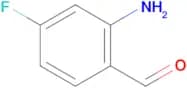
CAS:Purity:96%Molecular weight:296.31900022-Amino-4-fluorobenzaldehyde
CAS:Formula:C7H6FNOPurity:95%Color and Shape:SolidMolecular weight:139.1293,4-Dichloro-5-fluorobenzaldehyde
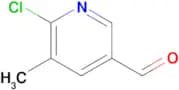
CAS:Formula:C7H3Cl2FOPurity:97%Color and Shape:SolidMolecular weight:1936-Chloro-5-methylnicotinaldehyde
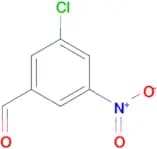
CAS:Formula:C7H6ClNOPurity:85%Color and Shape:SolidMolecular weight:155.583-Chloro-5-nitrobenzaldehyde
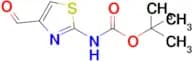
CAS:Formula:C7H4ClNO3Purity:95%Color and Shape:Solid, Crystalline PowderMolecular weight:185.56N-Boc-2-Amino-4-formylthiazole
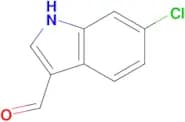
CAS:Formula:C9H12N2O3SPurity:95%Color and Shape:SolidMolecular weight:228.276-Chloroindole-3-carboxaldehyde
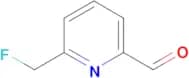
CAS:Formula:C9H6ClNOPurity:95%Color and Shape:SolidMolecular weight:179.66-(Fluoromethyl)picolinaldehyde
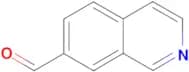
CAS:Formula:C7H6FNOPurity:95%Color and Shape:SolidMolecular weight:139.1297-Isoquinolinecarboxaldehyde
CAS:Formula:C10H7NOPurity:98%Color and Shape:SolidMolecular weight:157.172






![2,5,8,11,14-Pentaoxabicyclo[13.4.0]nonadeca-1(15),16,18-triene-17-carbaldehyde](/_next/image/?url=https%3A%2Fstatic.cymitquimica.com%2Fproducts%2F10%2Fthumb-webp%2FF870160.webp&w=3840&q=75)

![5-Bromopyrazolo[1,5-a]pyridine-3-carbaldehyde](/_next/image/?url=https%3A%2Fstatic.cymitquimica.com%2Fproducts%2F10%2Fthumb-webp%2FF760793.webp&w=3840&q=75)