6-membered Rings
Subcategories of "6-membered Rings"
- 6-membered Heterocycles(61,492 products)
- Anilines(104 products)
- Anisoles(29 products)
- Benzenes(48,854 products)
- Ciclohexanes(3,062 products)
- Quinones(253 products)
- Toluenes(193 products)
Found 10221 products of "6-membered Rings"
1,4-Benzenedicarboxylic acid, monoethyl ester
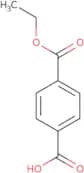
CAS:1,4-Benzenedicarboxylic acid, monoethyl ester (1,4-BDE) is a monomer that is used in the manufacture of polycarbonates and other plastics. 1,4-BDE is also used as a solvent for xylene and butanol. It has been shown to be useful in the production of polyester fibers. The monomer can be synthesized by reacting ethylene with terephthalic acid or dimethyl terephthalate (DMT). This reaction produces 1,4-BDE and methanol as byproducts. The process is carried out at temperatures of 250 °C to 300 °C and under atmospheric pressure. The purified product can be isolated using distillation or extraction with organic solvents such as benzene or butanol. The reaction can be carried out in the presence of ruthenium, which acts as a catalyst.Formula:C10H10O4Purity:Min. 95%Color and Shape:White PowderMolecular weight:194.18 g/mol1,4-Dicyanobenzene
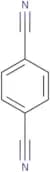
CAS:1,4-Dicyanobenzene is an organic compound that is used as a reactant in the production of other chemicals. It has been shown to be reactive with nucleophiles such as amines and alcohols. 1,4-Dicyanobenzene has shown good transport properties and can be used in industrial preparation of polymers such as polyurethane. The reaction mechanism for 1,4-dicyanobenzene is nucleophilic attack by a nucleophile on the carbonyl carbon of the double bond. This reaction yields two products: an amide or an aliphatic hydrocarbon. 1,4-Dicyanobenzene can also undergo reactions involving hydrogen bonds with other molecules in order to form new compounds.
Formula:C8H4N2Purity:Min. 98 Area-%Color and Shape:Off-White PowderMolecular weight:128.13 g/mol4-Hydroxybenzenesulfonic acid, 65% aqueous solution
CAS:4-Hydroxybenzenesulfonic acid is a chemical compound that is used as an antimicrobial agent in industrial applications. It is commonly used as a corrosion inhibitor, a chelating agent, and an additive for detergents and other cleaning products. 4-Hydroxybenzenesulfonic acid has been shown to inhibit the growth of bacteria by binding to fatty acids in the cell membrane and preventing them from being incorporated into the cell wall. This process causes the cell wall to weaken and eventually rupture. The reaction mechanism of 4-hydroxybenzenesulfonic acid is similar to that of p-hydroxybenzoic acid, which also inhibits bacterial growth by attacking fatty acids in the cell membrane. 4-Hydroxybenzenesulfonic acid may be preferable because it can be produced from renewable sources rather than from petroleum or natural gas.Formula:C6H6O4SPurity:65%MinColor and Shape:Red PowderMolecular weight:174.18 g/molPotassium 3-(phenylsulfonyl)benzenesulfonate
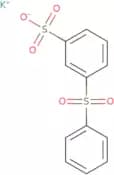
CAS:Potassium 3-(phenylsulfonyl)benzenesulfonate is a chemical compound that is used as an anti-aging agent. It has been shown to reduce the viscosity of acrylonitrile, and is most effective when it is at a concentration of 1%. Potassium 3-(phenylsulfonyl)benzenesulfonate also reduces the strain on polymer fibers, which can be caused by temperatures or deionized water. The optimum temperature for this compound is about 50°C. Potassium 3-(phenylsulfonyl)benzenesulfonate does not have any adverse effects with other chemicals in the production process, and does not react with hexamethylenetetramine or aminopropyl naphthenate. This chemical also has a low cost and high tolerance for additives such as styrene or additives such as resistant
Formula:C12H9KO5S2Purity:Min. 95%Color and Shape:PowderMolecular weight:336.43 g/mol2-Oxo-2-(2,4,6-trihydroxyphenyl)acetic acid
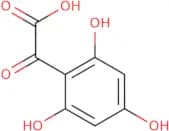
CAS:2-Oxo-2-(2,4,6-trihydroxyphenyl)acetic acid is a useful synthetic building block/scaffold.Formula:C8H6O6Purity:Min. 95%Molecular weight:198.13 g/mol2-Bromo-9,10-di(2-naphthyl)anthracene
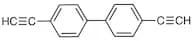
CAS:Formula:C34H21BrPurity:>98.0%(HPLC)Color and Shape:White to Yellow to Green powder to crystalMolecular weight:509.454,4'-Diethynylbiphenyl
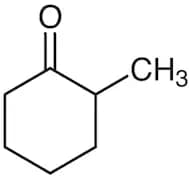
CAS:Formula:C16H10Purity:>98.0%(GC)Color and Shape:White to Light yellow to Light orange powder to crystalMolecular weight:202.262-Methylcyclohexanone
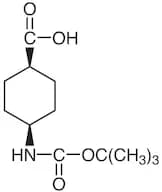
CAS:Formula:C7H12OPurity:>96.0%(GC)Color and Shape:Colorless to Almost colorless clear liquidMolecular weight:112.17cis-4-(tert-Butoxycarbonylamino)cyclohexanecarboxylic Acid
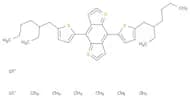
CAS:Formula:C12H21NO4Purity:>98.0%(GC)(T)Color and Shape:White to Almost white powder to crystalMolecular weight:243.302,6-Bis(triMethyltin)-4,8-bis(5-(2-ethylhexyl)thiophen-2-yl)benzo [1,2-b
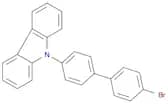
CAS:Formula:C40H58S4Sn2Purity:96%Color and Shape:SolidMolecular weight:904.55059-(4'-BroMo-4-biphenylyl)-9H-carbazole
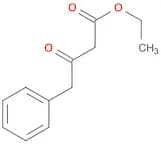
CAS:Formula:C24H16BrNPurity:98%Color and Shape:SolidMolecular weight:398.29453-OXO-4-PHENYL-BUTYRIC ACID ETHYL ESTER
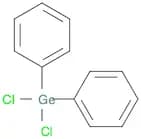
CAS:Formula:C12H14O3Purity:95%Color and Shape:LiquidMolecular weight:206.2378Germane, dichlorodiphenyl-
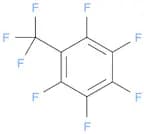
CAS:Formula:C12H10Cl2GePurity:95%Color and Shape:LiquidMolecular weight:297.75381,2,3,4,5-Pentafluoro-6-(trifluoromethyl)benzene
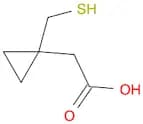
CAS:Formula:C7F8Purity:98%Color and Shape:LiquidMolecular weight:236.0621Cyclopropaneacetic acid, 1-(mercaptomethyl)-
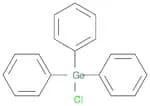
CAS:Formula:C6H10O2SPurity:95%Color and Shape:SolidMolecular weight:146.2074Germane, chlorotriphenyl-
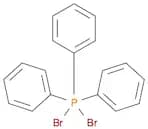
CAS:Formula:C18H15ClGePurity:98%Color and Shape:SolidMolecular weight:339.4047Triphenyldibromophosphorane
CAS:Formula:C18H15Br2PPurity:97%Color and Shape:SolidMolecular weight:422.0935