6-membered Rings
Subcategories of "6-membered Rings"
- 6-membered Heterocycles(61,490 products)
- Anilines(104 products)
- Anisoles(29 products)
- Benzenes(48,851 products)
- Ciclohexanes(3,061 products)
- Quinones(251 products)
- Toluenes(193 products)
Found 10219 products of "6-membered Rings"
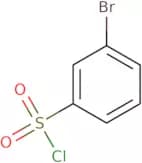
3-Bromobenzenesulfonyl chloride
CAS:3-Bromobenzenesulfonyl chloride is a molecule that can be used to inhibit the uptake of 3-bromobenzoate. The inhibition of uptake is due to the desymmetrization of the unsymmetrical, 3-bromobenzoate. This reaction leads to an increase in the concentration of 3-bromobenzoate. Inhibition studies have shown that 3-bromobenzenesulfonyl chloride has an inhibitory effect on cancer cells and apoptosis pathway. The structural studies have shown that this drug is synthetic and biphenyl can be synthesized from it. T-cell lymphomas have been shown to be inhibited by this drug and heart disease has also been inhibited.Formula:C6H4BrClO2SPurity:Min. 95%Molecular weight:255.52 g/molalpha-Hydroxy-alpha-phenylbenzeneacetic acid (3-endo)-8-azabicyclo[3.2.1]oct-3-yl ester hydrochloride
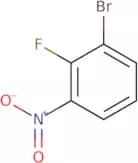
CAS:Please enquire for more information about alpha-Hydroxy-alpha-phenylbenzeneacetic acid (3-endo)-8-azabicyclo[3.2.1]oct-3-yl ester hydrochloride including the price, delivery time and more detailed product information at the technical inquiry form on this pageFormula:C21H23NO3·HClPurity:Min. 95%Color and Shape:White PowderMolecular weight:373.87 g/mol1-Bromo-2-fluoro-3-nitrobenzene
CAS:1-Bromo-2-fluoro-3-nitrobenzene is a synthetic chemical that is used as an intermediate in the synthesis of various dyes. It can be obtained by the diazotization of acetyl nitrite and acetonitrile, followed by acetylation with acetic anhydride and hydrolysis with sodium hydroxide. The bromoaniline formed after this reaction is then converted to 1-bromo-2-fluoro-3-nitrobenzene by refluxing it with nitric acid. This chemical can also be synthesized from bromines and chloride in the presence of a diazo salt. It reacts with fluoride or halogens to produce fluorobenzene derivatives, which are used as intermediates for other organic compounds.Formula:C6H3BrFNO2Purity:Min. 95%Color and Shape:Yellow PowderMolecular weight:220 g/molp-Toluenesulfonic acid monohydrate
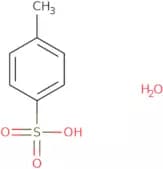
CAS:p-Toluenesulfonic acid monohydrate is a white, crystalline solid that is soluble in water. It is used as a catalyst for the synthesis of various organic compounds and pharmaceuticals. p-Toluenesulfonic acid monohydrate has been shown to have an effect on the thermal expansion of certain polymers and to be useful for preparation of medicinal preparations with high uptake. This compound can also be used as a carbon source for the production of various organic compounds.Formula:CH3C6H4SO3H·H2OColor and Shape:PowderMolecular weight:190.22 g/mol4-Diazobenzenesulfonic Acid
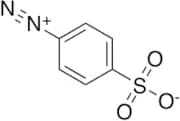
CAS:Applications 4-Diazobenzenesulfonic acid (cas# 305-80-6) is a useful research chemical.
Formula:C6H4N2O3SMolecular weight:184.17Sodium 4-hydroxybenzenesulfonate dihydrate
CAS:Sodium 4-hydroxybenzenesulfonate dihydrate is a hydrogenated compound with reactive properties. It is used in the production of optical materials and is used to produce hydrogen peroxide, which is a strong oxidizing agent. Sodium 4-hydroxybenzenesulfonate dihydrate has been shown to react with calcium ions to form calcium sulfinates. The luminescence property of this compound can be enhanced by mixing it with other compounds such as x-ray diffraction study, functional groups, or hydrogen peroxide. The reaction time for the formation of sodium 4-hydroxybenzenesulfonate dihydrate can be shortened by adding anions such as sulfamic acid.Formula:C6H5NaO4S·2H2OPurity:Min. 95%Color and Shape:White To Off-White SolidMolecular weight:232.19 g/molPotassium 3-(phenylsulfonyl)benzenesulfonate
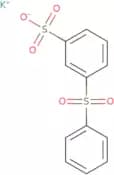
CAS:Potassium 3-(phenylsulfonyl)benzenesulfonate is a chemical compound that is used as an anti-aging agent. It has been shown to reduce the viscosity of acrylonitrile, and is most effective when it is at a concentration of 1%. Potassium 3-(phenylsulfonyl)benzenesulfonate also reduces the strain on polymer fibers, which can be caused by temperatures or deionized water. The optimum temperature for this compound is about 50°C. Potassium 3-(phenylsulfonyl)benzenesulfonate does not have any adverse effects with other chemicals in the production process, and does not react with hexamethylenetetramine or aminopropyl naphthenate. This chemical also has a low cost and high tolerance for additives such as styrene or additives such as resistant
Formula:C12H9KO5S2Purity:Min. 95%Color and Shape:PowderMolecular weight:336.43 g/mol1,4-Benzenedicarboxylic acid, monoethyl ester
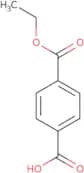
CAS:1,4-Benzenedicarboxylic acid, monoethyl ester (1,4-BDE) is a monomer that is used in the manufacture of polycarbonates and other plastics. 1,4-BDE is also used as a solvent for xylene and butanol. It has been shown to be useful in the production of polyester fibers. The monomer can be synthesized by reacting ethylene with terephthalic acid or dimethyl terephthalate (DMT). This reaction produces 1,4-BDE and methanol as byproducts. The process is carried out at temperatures of 250 °C to 300 °C and under atmospheric pressure. The purified product can be isolated using distillation or extraction with organic solvents such as benzene or butanol. The reaction can be carried out in the presence of ruthenium, which acts as a catalyst.Formula:C10H10O4Purity:Min. 95%Color and Shape:White PowderMolecular weight:194.18 g/mol2,5-Dimethyl-1,4-benzenediamine
CAS:2,5-Dimethyl-1,4-benzenediamine is an amine that is used as a reagent in organic synthesis. It is also used to derivatize other molecules and as a precursor to other compounds. 2,5-Dimethyl-1,4-benzenediamine has been shown to be a good nucleophile and can react with electrophiles such as difluoride and the metal ion Ag(I). The reaction rate of 2,5-dimethyl-1,4-benzenediamine can be determined using high performance liquid chromatography or electrospray ionization. This compound can be synthesized from phenylmagnesium bromide and methyl iodide in the presence of aluminium chloride. It is possible to immobilize 2,5-dimethyl-1,4-benzenediamine on mesoporous silica by attaching it to the surface of the porous material with aminopFormula:C8H12N2Purity:Min. 95%Color and Shape:Beige To Brown SolidMolecular weight:136.19 g/mol4-Hydroxybenzenesulfonic acid, 65% aqueous solution
CAS:4-Hydroxybenzenesulfonic acid is a chemical compound that is used as an antimicrobial agent in industrial applications. It is commonly used as a corrosion inhibitor, a chelating agent, and an additive for detergents and other cleaning products. 4-Hydroxybenzenesulfonic acid has been shown to inhibit the growth of bacteria by binding to fatty acids in the cell membrane and preventing them from being incorporated into the cell wall. This process causes the cell wall to weaken and eventually rupture. The reaction mechanism of 4-hydroxybenzenesulfonic acid is similar to that of p-hydroxybenzoic acid, which also inhibits bacterial growth by attacking fatty acids in the cell membrane. 4-Hydroxybenzenesulfonic acid may be preferable because it can be produced from renewable sources rather than from petroleum or natural gas.Formula:C6H6O4SPurity:65%MinColor and Shape:Red PowderMolecular weight:174.18 g/molN-Fluorobenzenesulfonimide
CAS:N-Fluorobenzenesulfonimide is an organic compound with the molecular formula CHFNS. It is a fluorinating agent that can be used for the synthesis of organic compounds. N-Fluorobenzenesulfonimide has been shown to have anti-inflammatory properties and has shown promising results in animal studies for the treatment of hepatitis. The mechanism of action is not fully understood, but it may involve the formation of hydrogen bonds between N-fluorobenzenesulfonimide and amino acid residues in proteins, leading to inhibition of protein synthesis.
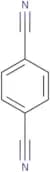
Formula:C12H10FNO4S2Purity:Min. 95%Color and Shape:White PowderMolecular weight:315.34 g/mol1,4-Dicyanobenzene
CAS:1,4-Dicyanobenzene is an organic compound that is used as a reactant in the production of other chemicals. It has been shown to be reactive with nucleophiles such as amines and alcohols. 1,4-Dicyanobenzene has shown good transport properties and can be used in industrial preparation of polymers such as polyurethane. The reaction mechanism for 1,4-dicyanobenzene is nucleophilic attack by a nucleophile on the carbonyl carbon of the double bond. This reaction yields two products: an amide or an aliphatic hydrocarbon. 1,4-Dicyanobenzene can also undergo reactions involving hydrogen bonds with other molecules in order to form new compounds.
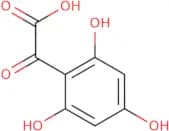
Formula:C8H4N2Purity:Min. 98 Area-%Color and Shape:Off-White PowderMolecular weight:128.13 g/mol2-Oxo-2-(2,4,6-trihydroxyphenyl)acetic acid
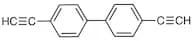
CAS:2-Oxo-2-(2,4,6-trihydroxyphenyl)acetic acid is a useful synthetic building block/scaffold.Formula:C8H6O6Purity:Min. 95%Molecular weight:198.13 g/mol4,4'-Diethynylbiphenyl
CAS:Formula:C16H10Purity:>98.0%(GC)Color and Shape:White to Light yellow to Light orange powder to crystalMolecular weight:202.262-Bromo-9,10-di(2-naphthyl)anthracene
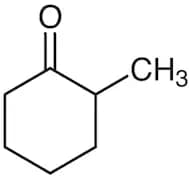
CAS:Formula:C34H21BrPurity:>98.0%(HPLC)Color and Shape:White to Yellow to Green powder to crystalMolecular weight:509.452-Methylcyclohexanone
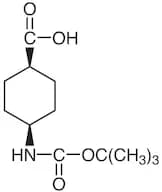
CAS:Formula:C7H12OPurity:>96.0%(GC)Color and Shape:Colorless to Almost colorless clear liquidMolecular weight:112.17cis-4-(tert-Butoxycarbonylamino)cyclohexanecarboxylic Acid
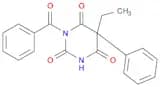
CAS:Formula:C12H21NO4Purity:>98.0%(GC)(T)Color and Shape:White to Almost white powder to crystalMolecular weight:243.30Benzobarbital
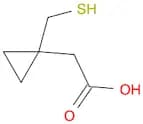
CAS:Formula:C19H16N2O4Purity:98%Color and Shape:SolidMolecular weight:336.3413399999999Cyclopropaneacetic acid, 1-(mercaptomethyl)-
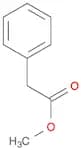
CAS:Formula:C6H10O2SPurity:95%Color and Shape:SolidMolecular weight:146.2074Benzeneacetic acid, methyl ester
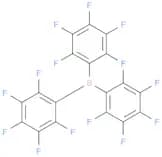
CAS:Formula:C9H10O2Purity:98%Color and Shape:LiquidMolecular weight:150.1745Tris(pentafluorophenyl)borane
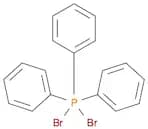
CAS:Formula:C18BF15Purity:97%Color and Shape:SolidMolecular weight:511.9796Triphenyldibromophosphorane
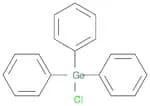
CAS:Formula:C18H15Br2PPurity:97%Color and Shape:SolidMolecular weight:422.0935Germane, chlorotriphenyl-
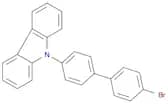
CAS:Formula:C18H15ClGePurity:98%Color and Shape:SolidMolecular weight:339.40479-(4'-BroMo-4-biphenylyl)-9H-carbazole
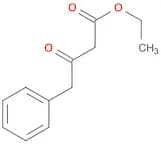
CAS:Formula:C24H16BrNPurity:98%Color and Shape:SolidMolecular weight:398.29453-OXO-4-PHENYL-BUTYRIC ACID ETHYL ESTER
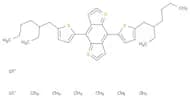
CAS:Formula:C12H14O3Purity:95%Color and Shape:LiquidMolecular weight:206.23782,6-Bis(triMethyltin)-4,8-bis(5-(2-ethylhexyl)thiophen-2-yl)benzo [1,2-b
CAS:Formula:C40H58S4Sn2Purity:96%Color and Shape:SolidMolecular weight:904.5505(R)RuCl[(pcymene)(DMBINAP)]Cl
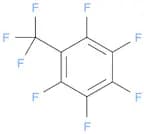
CAS:Formula:C65H71Cl2P2RuPurity:95%Color and Shape:SolidMolecular weight:1086.18281,2,3,4,5-Pentafluoro-6-(trifluoromethyl)benzene
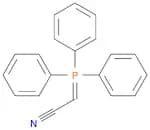
CAS:Formula:C7F8Purity:98%Color and Shape:LiquidMolecular weight:236.06212-(Triphenylphosphoranylidene)acetonitrile
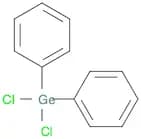
CAS:Formula:C20H16NPPurity:98%Color and Shape:SolidMolecular weight:301.3215Germane, dichlorodiphenyl-
CAS:Formula:C12H10Cl2GePurity:95%Color and Shape:LiquidMolecular weight:297.75383-Ethynyltoluene
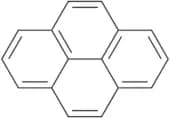
CAS:Formula:C9H8Purity:>98.0%(GC)Color and Shape:Colorless to Light orange to Yellow clear liquidMolecular weight:116.16Pyrene
CAS:Pyrene is a chemical compound that has been found to bind to DNA and inhibit the transcription of genetic information. It has been used as a fluorescence probe in biochemical research, wastewater treatment, and surface methodology. As a redox probe, pyrene can be used to measure the redox potential of reaction solutions. Pyrene has also been used as an analytical method for measuring transfer reactions in biological studies.
Formula:C16H10Purity:Min. 98 Area-%Color and Shape:PowderMolecular weight:202.25 g/mol1-Bromo-2-chloro-3-fluorobenzene
CAS:1-Bromo-2-chloro-3-fluorobenzene is a halide of fluorine and chlorine. It is used in the production of biphenyls and fluoroarenes. 1-Bromo-2-chloro-3-fluorobenzene has anticarcinogenic properties in animal studies, but it can be toxic to humans. Exposure to 1-bromo-2,3 difluorobenzene may lead to neurological, respiratory, hepatic, ocular, and gastrointestinal toxicity. This compound also has been shown to affect the liver enzymes as an enzyme inducer and is believed to be carcinogenic in animals.
Formula:C6H3BrClFPurity:Min. 95%Color and Shape:PowderMolecular weight:209.44 g/molRef: 3D-FB64549
Discontinued productAzobenzene
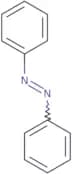
CAS:Azobenzene is an azobenzene that binds to the actin filaments and inhibits their polymerization. It has been shown to inhibit the polymerization of actin filaments in human serum, which may be due to its ability to react with the nitrogen atoms in actin. Azobenzene has also been shown to have a thermal expansion coefficient of 0.015x10⁻⁵/°C, which is much larger than that of most other compounds. The molecular geometry of azobenzene is planar and symmetrical, with two hydrogen atoms on each nitrogen atom on both sides of the molecule. This symmetry leads to a low intramolecular hydrogen bonding energy. The molecule’s photochemical properties are also interesting because it has a long lifetime and can be excited by wavelengths between 400-500 nm.
Formula:C12H10N2Purity:Min. 97.5 Area-%Color and Shape:PowderMolecular weight:182.22 g/mol2,4,6-Trimethylbromobenzene
CAS:2,4,6-Trimethylbromobenzene is a chemical compound with the molecular formula C7H8Br3. It is synthesized by the reaction of 2,4,6-trimethylaniline and bromine in the presence of a base such as potassium carbonate or sodium hydroxide. The synthesis can be carried out with or without solvent. When heated at reflux in toluene, it undergoes an electrophilic substitution reaction with chloroform to form 2-chloro-6-methylbenzene. 2,4,6-Trimethylbromobenzene can also be synthesized by reacting 1,3-dibromopropane with hydroquinone and dibutyltin dichloride in the presence of a strong acid catalyst. The light emission from this compound appears as a yellow color in solution. The molecule has three asymmetric centers: two on the benz
Formula:C9H11BrPurity:80%Color and Shape:Clear LiquidMolecular weight:199.09 g/molRef: 3D-FT31121
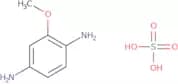
Discontinued product2-Methoxybenzene-1,4-diamine sulfate
CAS:2-Methoxybenzene-1,4-diamine sulfate (2MBDS) is a chemical that inhibits the synthesis of quinolines and dyes. 2MBDS is used as a control in animal experiments to maintain the level of sulfate in the blood. It is injected into animals and then measured using assays to measure the concentration of sulfate in the blood. 2MBDS has been shown to cause genetic damage and death in animals, as well as brittleness of muscle cells. The effects of 2MBDS on DNA replication and cell division have been studied by observing its effect on meiosis in mice. This chemical also simplifies chromosome structure and reduces chromosome number during meiosis, which may lead to chromosomal aberrations.
Formula:C7H10N2O·H2O4SPurity:Min. 95%Color and Shape:Off-White PowderMolecular weight:236.25 g/molRef: 3D-FM30843
Discontinued product2-Bromo-1,3-diethylbenzene
CAS:2-Bromo-1,3-diethylbenzene is a reactive intermediate that can be used for the synthesis of styrene derivatives. It is also used as an anesthetic agent and has been shown to have cognition-enhancing properties. This compound reacts with electrophiles to form monoadducts, which are useful for protein targetting. The pharmacophore of 2-bromo-1,3-diethylbenzene consists of vinyl groups and halides. Radiation induces substitution reactions on the vinyl groups. Pharmacophores are important in drug design because they help identify specific chemical features that are necessary for binding to a particular protein target or protein targets.
Formula:C10H13BrPurity:Min. 95%Color and Shape:Clear LiquidMolecular weight:213.11 g/molRef: 3D-FB166911
Discontinued product1,2,4,5-Tetrabromobenzene
CAS:1,2,4,5-Tetrabromobenzene is a brominated organic compound that forms a palladium complex. It has been studied by chemical ionization with an atmospheric pressure photoionization detector (APPI) and molecular modeling. The debromination reaction of 1,2,4,5-tetrabromobenzene was observed to take place in the liquid phase at room temperature. The detection limit for this reaction was found to be between 0.1 and 5 ppm. The most common form of 1,2,4,5-tetrabromobenzene is the monoclinic polymorph; however it can also exist as a trigonal system or as a hexagonal system when heated above its phase transition temperature. This compound is soluble in water and mercury chloride solutions but insoluble in ethers or chloroform.
Formula:C6H2Br4Purity:Min. 95%Color and Shape:White PowderMolecular weight:393.7 g/molRef: 3D-FT12104
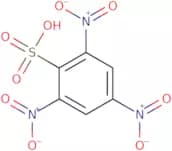
Discontinued product2,4,6-Trinitrobenzenesulfonic acid - 5% Aqueous solution
CAS:2,4,6-Trinitrobenzenesulfonic acid (also known as TNBS, TNSBA or picrylsulfonic acid) is a strongly oxidising organic acid that has long been used as a reagent to determine the presence of free primary amine groups. TNBS reacts rapidly with primary amines to form highly coloured N-trinitrophenyl acid products which can then be analysed by colorimetry. The amine can be regenerated by treatment with hydrazine. This analytical technique can also be applied to thiols and hydrazides. As is common with nitrated aromatic compounds, there is a risk of explosion and TNBS is typically commercially available as a solution. We also supply the 1% solution in DMF.Formula:C6H3N3O9SColor and Shape:Colorless Yellow Clear LiquidMolecular weight:293.17 g/mol

![alpha-Hydroxy-alpha-phenylbenzeneacetic acid (3-endo)-8-azabicyclo[3.2.1]oct-3-yl ester hydrochlor…](/_next/image/?url=https%3A%2Fstatic.cymitquimica.com%2Fproducts%2F3D%2Fthumb-webp%2FFH55814.webp&w=3840&q=75)








![(R)RuCl[(pcymene)(DMBINAP)]Cl](/_next/image/?url=https%3A%2Fstatic.cymitquimica.com%2Fproducts%2FIN%2Fthumb-webp%2FDA003C6L.webp&w=3840&q=75)