6-membered Rings
Subcategories of "6-membered Rings"
- 6-membered Heterocycles(61,492 products)
- Anilines(104 products)
- Anisoles(29 products)
- Benzenes(48,853 products)
- Ciclohexanes(3,062 products)
- Quinones(253 products)
- Toluenes(193 products)
Found 10221 products of "6-membered Rings"
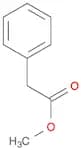
Benzeneacetic acid, methyl ester
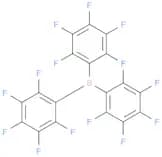
CAS:Formula:C9H10O2Purity:98%Color and Shape:LiquidMolecular weight:150.1745Tris(pentafluorophenyl)borane
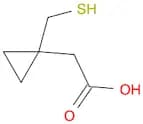
CAS:Formula:C18BF15Purity:97%Color and Shape:SolidMolecular weight:511.9796Cyclopropaneacetic acid, 1-(mercaptomethyl)-
CAS:Formula:C6H10O2SPurity:95%Color and Shape:SolidMolecular weight:146.2074(R)RuCl[(pcymene)(DMBINAP)]Cl
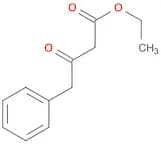
CAS:Formula:C65H71Cl2P2RuPurity:95%Color and Shape:SolidMolecular weight:1086.18283-OXO-4-PHENYL-BUTYRIC ACID ETHYL ESTER
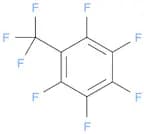
CAS:Formula:C12H14O3Purity:95%Color and Shape:LiquidMolecular weight:206.23781,2,3,4,5-Pentafluoro-6-(trifluoromethyl)benzene
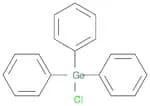
CAS:Formula:C7F8Purity:98%Color and Shape:LiquidMolecular weight:236.0621Germane, chlorotriphenyl-
CAS:Formula:C18H15ClGePurity:98%Color and Shape:SolidMolecular weight:339.40473-Ethynyltoluene
CAS:Formula:C9H8Purity:>98.0%(GC)Color and Shape:Colorless to Light orange to Yellow clear liquidMolecular weight:116.161-Bromo-2-chloro-3-fluorobenzene
CAS:1-Bromo-2-chloro-3-fluorobenzene is a halide of fluorine and chlorine. It is used in the production of biphenyls and fluoroarenes. 1-Bromo-2-chloro-3-fluorobenzene has anticarcinogenic properties in animal studies, but it can be toxic to humans. Exposure to 1-bromo-2,3 difluorobenzene may lead to neurological, respiratory, hepatic, ocular, and gastrointestinal toxicity. This compound also has been shown to affect the liver enzymes as an enzyme inducer and is believed to be carcinogenic in animals.
Formula:C6H3BrClFPurity:Min. 95%Color and Shape:PowderMolecular weight:209.44 g/molRef: 3D-FB64549
Discontinued productPyrene
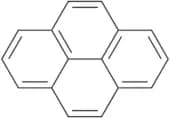
CAS:Pyrene is a chemical compound that has been found to bind to DNA and inhibit the transcription of genetic information. It has been used as a fluorescence probe in biochemical research, wastewater treatment, and surface methodology. As a redox probe, pyrene can be used to measure the redox potential of reaction solutions. Pyrene has also been used as an analytical method for measuring transfer reactions in biological studies.
Formula:C16H10Purity:Min. 98 Area-%Color and Shape:PowderMolecular weight:202.25 g/mol1,2,4,5-Tetrabromobenzene
CAS:1,2,4,5-Tetrabromobenzene is a brominated organic compound that forms a palladium complex. It has been studied by chemical ionization with an atmospheric pressure photoionization detector (APPI) and molecular modeling. The debromination reaction of 1,2,4,5-tetrabromobenzene was observed to take place in the liquid phase at room temperature. The detection limit for this reaction was found to be between 0.1 and 5 ppm. The most common form of 1,2,4,5-tetrabromobenzene is the monoclinic polymorph; however it can also exist as a trigonal system or as a hexagonal system when heated above its phase transition temperature. This compound is soluble in water and mercury chloride solutions but insoluble in ethers or chloroform.
Formula:C6H2Br4Purity:Min. 95%Color and Shape:White PowderMolecular weight:393.7 g/molRef: 3D-FT12104
Discontinued product2-Bromo-1,3-diethylbenzene
CAS:2-Bromo-1,3-diethylbenzene is a reactive intermediate that can be used for the synthesis of styrene derivatives. It is also used as an anesthetic agent and has been shown to have cognition-enhancing properties. This compound reacts with electrophiles to form monoadducts, which are useful for protein targetting. The pharmacophore of 2-bromo-1,3-diethylbenzene consists of vinyl groups and halides. Radiation induces substitution reactions on the vinyl groups. Pharmacophores are important in drug design because they help identify specific chemical features that are necessary for binding to a particular protein target or protein targets.
Formula:C10H13BrPurity:Min. 95%Color and Shape:Clear LiquidMolecular weight:213.11 g/molRef: 3D-FB166911
Discontinued product2,4,6-Trimethylbromobenzene
CAS:2,4,6-Trimethylbromobenzene is a chemical compound with the molecular formula C7H8Br3. It is synthesized by the reaction of 2,4,6-trimethylaniline and bromine in the presence of a base such as potassium carbonate or sodium hydroxide. The synthesis can be carried out with or without solvent. When heated at reflux in toluene, it undergoes an electrophilic substitution reaction with chloroform to form 2-chloro-6-methylbenzene. 2,4,6-Trimethylbromobenzene can also be synthesized by reacting 1,3-dibromopropane with hydroquinone and dibutyltin dichloride in the presence of a strong acid catalyst. The light emission from this compound appears as a yellow color in solution. The molecule has three asymmetric centers: two on the benz
Formula:C9H11BrPurity:80%Color and Shape:Clear LiquidMolecular weight:199.09 g/molRef: 3D-FT31121
Discontinued product2,4,6-Trinitrobenzenesulfonic acid - 5% Aqueous solution
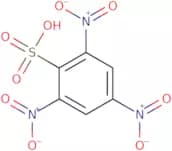
CAS:2,4,6-Trinitrobenzenesulfonic acid (also known as TNBS, TNSBA or picrylsulfonic acid) is a strongly oxidising organic acid that has long been used as a reagent to determine the presence of free primary amine groups. TNBS reacts rapidly with primary amines to form highly coloured N-trinitrophenyl acid products which can then be analysed by colorimetry. The amine can be regenerated by treatment with hydrazine. This analytical technique can also be applied to thiols and hydrazides. As is common with nitrated aromatic compounds, there is a risk of explosion and TNBS is typically commercially available as a solution. We also supply the 1% solution in DMF.Formula:C6H3N3O9SColor and Shape:Colorless Yellow Clear LiquidMolecular weight:293.17 g/mol

![(R)RuCl[(pcymene)(DMBINAP)]Cl](/_next/image/?url=https%3A%2Fstatic.cymitquimica.com%2Fproducts%2FIN%2Fthumb-webp%2FDA003C6L.webp&w=3840&q=75)