Benzyl alcohols
Found 1486 products for "Benzyl alcohols".
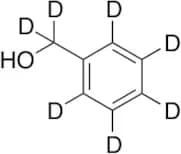
Benzyl-d7 Alcohol
CAS:Controlled ProductStability Hygroscopic
Applications Benzyl Alcohol (D7, 98%) (cas# 71258-23-6) is a useful research chemical.
Not a dangerous good if item is equal to or less than 1g/ml and there is less than 100g/ml in the packageFormula:C7D7HOColor and Shape:NeatMolecular weight:115.18[4-(Methylsulfonyl)-2-nitrophenyl]methanol
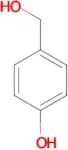
CAS:Formula:C8H9NO5SPurity:90.0%Color and Shape:SolidMolecular weight:231.224-Hydroxybenzyl alcohol
CAS:Formula:C7H8O2Purity:98.0%Color and Shape:Solid, Crystalline Powder or PowderMolecular weight:124.139[4-(pyrrolidin-1-ylmethyl)phenyl]methanol
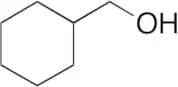
CAS:Color and Shape:LiquidMolecular weight:191.2740020751953Cyclohexanemethanol
CAS:Applications Cyclohexanemethanol is a chemicl reagent used in the synthesis of potent inhibitors of cyclin-dependent kinases 1 & 2.
References Hardcastle, I. et al.: J. med. Chem., 47, 15, 3710 (2004); Sayle, K. et al.: Bioorg. Med. Chrm. Lett., 13, 3079 (2003);Formula:C7H14OColor and Shape:NeatMolecular weight:114.19(3-(2,3-Dihydrobenzo[b][1,4]dioxin-6-yl)-2-methylphenyl)methanol
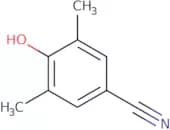
CAS:Purity:97%Molecular weight:256.30099487304692,6-Dimethyl-4-cyanophenol
CAS:2,6-Dimethyl-4-cyanophenol is a pyrimidine compound that has been used as a pharmaceutical drug to inhibit the replication of human immunodeficiency virus (HIV). It has also been shown to be effective against the strains of HIV that are resistant to other drugs. 2,6-Dimethyl-4-cyanophenol is an inhibitor of reverse transcriptase, which is an enzyme necessary for the production of viral DNA from viral RNA. This drug also inhibits bacterial growth by binding to bacterial DNA gyrase and topoisomerase IV. 2,6-Dimethyl-4-cyanophenol has a number of functionalities: it can act as an acid or base depending on its environment and it can form hydrogen bonding interactions with other molecules. This drug also has acidic properties that make it useful in the treatment of ph problems caused by trifluoroacetic acid.
Formula:C9H9NOPurity:Min. 95%Color and Shape:Yellow PowderMolecular weight:147.17 g/mol3,4-Dimethoxyphenol
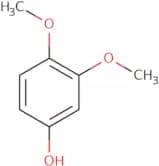
CAS:3,4-Dimethoxyphenol is a compound that is structurally similar to p-hydroxybenzoic acid. It has been shown to inhibit fatty acid synthesis in rat liver microsomes by competitive inhibition of the enzyme β-hydroxylase. This inhibition may be due to its ability to form a stable complex with the enzyme and thereby preventing substrate binding. 3,4-Dimethoxyphenol can also be prepared by sulfonation of 3,4-dihydroxybenzaldehyde followed by chromatographic purification. The compound has been used as an analytical reagent for the determination of sulfonic acids, and it has been shown to have electrochemical methods with good sensitivity and selectivity.
Formula:C8H10O3Purity:Min. 95%Color and Shape:White PowderMolecular weight:154.16 g/mol2,5-Dimethylbenzyl alcohol
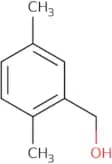
CAS:2,5-Dimethylbenzyl alcohol is a colorless to pale yellow liquid used primarily in the manufacture of perfumes. It is also used as a solvent and an intermediate in organic synthesis. This chemical has been shown to be taken up by adipose tissue and excreted in urine as glucuronide conjugates. 2,5-Dimethylbenzyl alcohol is metabolized into 5-methylbenzaldehyde and then further into 2-methoxy-5-methylbenzaldehyde (2MMB). The final metabolic product of 2,5-dimethylbenzyl alcohol is benzoic acid.
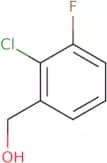
Formula:C9H12OPurity:Min. 97%Color and Shape:PowderMolecular weight:136.19 g/mol2-Chloro-3-fluorobenzyl alcohol
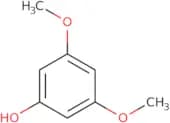
CAS:2-Chloro-3-fluorobenzyl alcohol is a versatile building block for the synthesis of complex compounds. It has been used as a reagent and intermediate in research chemical synthesis. This compound is useful for the preparation of high quality, useful intermediates and reaction components. 2-Chloro-3-fluorobenzyl alcohol can be used as a scaffold to build different organic compounds with different functional groups.Formula:C7H6ClFOPurity:Min. 95%Color and Shape:PowderMolecular weight:160.57 g/mol3,5-Dimethoxyphenol
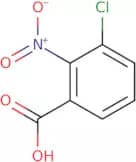
CAS:3,5-Dimethoxyphenol (3,5-DMP) is a synthetic chemical compound that is used for the preparation of sulfonamides. It is prepared by the reaction of 3,5-dimethoxybenzene and trifluoromethanesulfonic acid in aqueous solution. The reaction yield can be increased by adding trimethylsilyl chloride to the solvent system. 3,5-DMP reacts with sulfite to form 3,5-dihydroxyphenylsulfate. The enzyme preparations are extracted from plant cells and then purified by chromatography on silica gel. This chemical reacts with divalent metal ions such as magnesium and calcium in an acidic environment to form salts. These salts react with hydrogen sulfate in an acidic environment to produce 3,5-dihydroxyphenylsulfate. This product also undergoes a kinetic method where it reacts with oxygen to form hydrogen perFormula:C8H10O3Purity:Min. 95%Color and Shape:PowderMolecular weight:154.16 g/mol3-Chloro-2-nitrobenzoic acid
CAS:3-Chloro-2-nitrobenzoic acid is a chemical compound that is used in the synthesis of quinoline derivatives. It has been shown to be genotoxic and cytotoxic in cell culture. 3-Chloro-2-nitrobenzoic acid binds to DNA, forming a covalent bond with the nitrogen atoms in the DNA bases. This binding may lead to changes in the structure of DNA, which could potentially be mutagenic. 3-Chloro-2-nitrobenzoic acid also has an optical absorption maximum at around 260 nm, which is indicative of hydrogen bonding between molecules.
3-Chloro-2-nitrobenzoic acid has been shown to inhibit brain cells and lung cells by interfering with cellular respiration and mitochondrial function.Formula:C7H4ClNO4Purity:Min. 95%Color and Shape:White PowderMolecular weight:201.56 g/mol



![[4-(Methylsulfonyl)-2-nitrophenyl]methanol](/_next/image/?url=https%3A%2Fstatic.cymitquimica.com%2Fproducts%2F10%2Fthumb-webp%2FF047986.webp&w=3840&q=75)

![[4-(pyrrolidin-1-ylmethyl)phenyl]methanol](/_next/image/?url=https%3A%2Fstatic.cymitquimica.com%2Fproducts%2F10%2Fthumb-webp%2FF518957.webp&w=3840&q=75)
![(3-(2,3-Dihydrobenzo[b][1,4]dioxin-6-yl)-2-methylphenyl)methanol](/_next/image/?url=https%3A%2Fstatic.cymitquimica.com%2Fproducts%2F10%2Fthumb-webp%2FF615354.webp&w=3840&q=75)