Benzyl alcohols
Benzyl alcohols are aromatic alcohols featuring a benzene ring attached to a hydroxymethyl group (-CH2OH). These compounds are used as solvents, preservatives, and intermediates in the synthesis of pharmaceuticals, fragrances, and resins. Benzyl alcohols are known for their antimicrobial properties and versatility in various chemical reactions. At CymitQuimica, we offer a wide selection of high-quality benzyl alcohols to support your research and industrial applications.
Found 1453 products of "Benzyl alcohols"
Sort by
Purity (%)
0
100
|
0
|
50
|
90
|
95
|
100
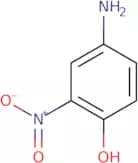
4-Amino-2-nitrophenol
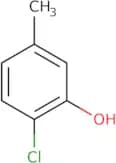
CAS:<p>4-Amino-2-nitrophenol (4ANP) is a chemical substance that has been shown to be carcinogenic in animal models. It has also been shown to induce bladder cancer in women who are occupationally exposed to the chemical. The carcinogenic potential of 4ANP is due to its ability to react with nucleophilic groups such as amines and hydroxyl groups on proteins, DNA, and RNA. This reaction leads to the formation of nitrosamines and their metabolites, which are known carcinogens. 4ANP can also act as a receptor molecule for certain types of cancer cells. These interactions have been studied using chromatographic methods.</p>Formula:C6H6N2O3Purity:Min. 95%Color and Shape:PowderMolecular weight:154.12 g/mol2-Chloro-5-methylphenol
CAS:<p>2-Chloro-5-methylphenol is a thermophilic chemical used as an analytical reagent in the determination of fatty acids, benzoates, and phenols. It can be used to determine the presence of these compounds in foodstuffs or environmental samples. 2-Chloro-5-methylphenol is typically determined by chromatographic methods that involve two steps: (1) acidification of the sample followed by extraction with hexane and (2) derivitization with heptadecanoic anhydride. The endpoints are validated using a population growth bioassay, which shows that 2-chloro-5-methylphenol inhibits bacterial growth at concentrations above 0.5 ppm and is considered a fumigant at concentrations of 1 ppm and above. This chemical has been shown to have functional groups (i.e., carbonyl group) that can react with various molecules, such as DNA, RNA, proteins, etc.,</p>Formula:C7H7ClOPurity:Min. 99 Area-%Color and Shape:Solidified MassMolecular weight:142.58 g/mol