Benzyl alcohols
Found 1457 products of "Benzyl alcohols"
3,5-Diaminobenzyl alcohol dihydrochloride
CAS:3,5-Diaminobenzyl alcohol dihydrochloride is a quinoline derivative that is cytotoxic to tumor cells. It binds to the DNA and inhibits protein synthesis by inhibiting the enzyme ribonucleotide reductase. 3,5-Diaminobenzyl alcohol dihydrochloride has been shown to be cytotoxic in the nanomolar range against tumor cells and is an antitumor agent. This drug has been shown to inhibit growth of cells in culture by binding to DNA.
Formula:C7H10N2O·2HClPurity:Min. 95%Color and Shape:Light (Or Pale) Orange To Brown SolidMolecular weight:211.09 g/molRef: 3D-FD170838
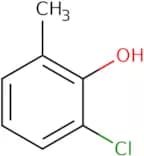
Discontinued product2-Chloro-6-methylphenol
CAS:2-Chloro-6-methylphenol (2CM) is a chemical compound that has a hydroxyl group, which is found in nature. It is used as an intermediate for the production of other chemicals. 2CM can be biodegraded and is not persistent in the environment. It can be analyzed using analytical methods such as gas chromatography and high-performance liquid chromatography. 2CM can be detected using vibrational spectroscopy. This compound can cause high concentrations to accumulate in wastewater treatment plants when it is present at high levels in industrial effluents, so it must be monitored carefully.
Formula:C7H7ClOPurity:Min. 98 Area-%Color and Shape:Colorless PowderMolecular weight:142.58 g/molRef: 3D-FC09890
Discontinued productp-Cresol
CAS:单酚香气;胶粘剂;密封剂;抗氧化剂;消毒剂
Formula:C7H8OPurity:Min. 95%Color and Shape:Colorless Clear LiquidMolecular weight:108.14 g/molRef: 3D-FC01590
Discontinued product5-Amino-2-methoxyphenol
CAS:5-Amino-2-methoxyphenol is a p-hydroxybenzoic acid, which is an amide derivative of 5-amino-2-methoxybenzoic acid. It can be used to prepare a sample for the detection of fatty acids in human serum by cycle analysis. 5-Amino-2-methoxyphenol has been shown to have antinociceptive properties and can be used as a chemical precursor in the synthesis of other compounds. The reaction mechanism for 5-Amino-2-methoxyphenol has been determined using NMR spectroscopy and chemical structures. The compound is stable at neutral pH and reacts with hydrogen to form an intramolecular hydrogen bond between the hydroxyl group and the nitrogen atom on the amino group.
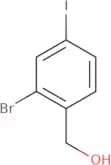
Formula:C7H9NO2Purity:Min. 95%Color and Shape:Brown PowderMolecular weight:139.15 g/mol2-Bromo-4-iodobenzyl alcohol
CAS:2-Bromo-4-iodobenzyl alcohol is a versatile building block that can be used in the synthesis of complex compounds. It is a high quality, useful intermediate that can be used as a reaction component or scaffold for the synthesis of many different compounds. This chemical is also useful for research purposes and as a reagent.
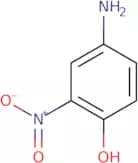
Formula:C7H6BrIOPurity:Min. 95%Color and Shape:White PowderMolecular weight:312.93 g/mol4-Amino-2-nitrophenol
CAS:4-Amino-2-nitrophenol (4ANP) is a chemical substance that has been shown to be carcinogenic in animal models. It has also been shown to induce bladder cancer in women who are occupationally exposed to the chemical. The carcinogenic potential of 4ANP is due to its ability to react with nucleophilic groups such as amines and hydroxyl groups on proteins, DNA, and RNA. This reaction leads to the formation of nitrosamines and their metabolites, which are known carcinogens. 4ANP can also act as a receptor molecule for certain types of cancer cells. These interactions have been studied using chromatographic methods.
Formula:C6H6N2O3Purity:Min. 95%Color and Shape:PowderMolecular weight:154.12 g/molRef: 3D-FA70568
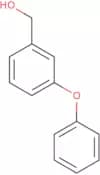
Discontinued product3-Phenoxybenzyl alcohol
CAS:3-Phenoxybenzyl alcohol is a chemical compound that has a basic structure. It is soluble in water and organic solvents, but not in hydrochloric acid. This compound is used as an intermediate to produce other chemicals. 3-Phenoxybenzyl alcohol has been shown to inhibit the growth of bacteria by preventing the formation of fatty acids during the metabolism process. The production of epidermal growth factor and acid formation were inhibited by 3-phenoxybenzyl alcohol in rat liver microsomes. Recombinant cytochrome P450 enzymes have also been shown to be inhibited by this compound, which may lead to analytical methods for determining its concentration in blood plasma or urine.
Formula:C13H12O2Purity:Min. 98 Area-%Color and Shape:PowderMolecular weight:200.23 g/molRef: 3D-FP71261
Discontinued product