Pharmaceutical Standards
Pharmaceutical standards are a comprehensive set of reference materials essential for ensuring the safety, efficacy, and quality of pharmaceutical products. This category includes standards for active pharmaceutical ingredients (APIs), which are the core components responsible for therapeutic effects. Additionally, it covers compounds and metabolites relevant to both the pharmaceutical and veterinary industries, providing benchmarks for the accurate measurement and analysis of these substances. Nitrosamine control standards are crucial for detecting and mitigating potentially harmful nitrosamines in drug formulations. Toxicology standards help assess the safety and potential adverse effects of pharmaceutical compounds. Furthermore, enzyme activators and inhibitors standards are vital for research and development, enabling precise studies of biochemical pathways and drug mechanisms. These pharmaceutical standards are indispensable tools for regulatory compliance, quality control, and research, ensuring that pharmaceutical products meet stringent safety and effectiveness criteria.
Subcategories of "Pharmaceutical Standards"
- APIs for research and impurities(273,766 products)
- Enzyme Activators and Inhibitors(2,827 products)
- Nitrosamines(2,605 products)
- Pharmaceutical and Veterinary Compounds and Metabolites(2,608 products)
- Toxicology(13,652 products)
Found 7836 products of "Pharmaceutical Standards"
Sort by
Purity (%)
0
100
|
0
|
50
|
90
|
95
|
100
Biotinyl-Amylin (mouse, rat) trifluoroacetate salt
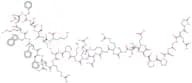
CAS:<p>Please enquire for more information about Biotinyl-Amylin (mouse, rat) trifluoroacetate salt including the price, delivery time and more detailed product information at the technical inquiry form on this page</p>Formula:C177H286N54O55S3Purity:Min. 95%Molecular weight:4,146.69 g/molMethylprednisolone EP impurity E
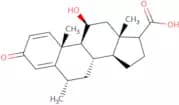
CAS:Controlled Product<p>Please enquire for more information about Methylprednisolone EP impurity E including the price, delivery time and more detailed product information at the technical inquiry form on this page</p>Formula:C21H28O4Purity:Min. 95%Color and Shape:PowderMolecular weight:344.44 g/molBiotinyl-Atrial Natriuretic Factor (1-28) (human) trifluoroacetate salt
CAS:<p>Please enquire for more information about Biotinyl-Atrial Natriuretic Factor (1-28) (human) trifluoroacetate salt including the price, delivery time and more detailed product information at the technical inquiry form on this page</p>Formula:C137H217N47O41S4Purity:Min. 95%Molecular weight:3,306.75 g/molL-Tyrosine dipotassium
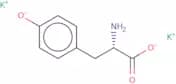
CAS:<p>L-Tyrosine dipotassium salt is a high quality, reagent, complex compound, useful intermediate and fine chemical. It is a useful scaffold that can be used in the synthesis of various important natural products. L-Tyrosine dipotassium salt is a versatile building block that has been widely applied in research on the development of new drugs, such as antiviral agents and antibiotics. L-Tyrosine dipotassium salt can act as a reaction component for many organic reactions. It also has applications in many areas such as medicine, food production, and environmental protection.</p>Formula:C9H11NO3•K2Purity:Min. 95%Molecular weight:259.39 g/mol2-[3-(S)-[3-(2-(7-Chloro-2-quinolinyl)ethenyl)phenyl]-3-hydroxypropyl]benzoic acid methyl ester
CAS:<p>2-[3-(S)-[3-(2-(7-Chloro-2-quinolinyl)ethenyl)phenyl]-3-hydroxypropyl]benzoic acid methyl ester is a synthetic compound that can be used as a reagent in the synthesis of polynucleotides and polypeptides. It can also be used as an inhibitor of ketoreductase, which is an enzyme involved in the synthesis of fatty acids and ketones. 2-[3-(S)-[3-(2-(7-Chloro-2-quinolinyl)ethenyl)phenyl]-3-hydroxypropyl]benzoic acid methyl ester has been shown to inhibit the growth of wild type and mutant strains of E. coli. The molecular weight of this compound is 439.</p>Formula:C28H24ClNO3Purity:Min. 95%Molecular weight:457.95 g/mol2,2'-Azanediylbis(propan-1-ol)
CAS:<p>Please enquire for more information about 2,2'-Azanediylbis(propan-1-ol) including the price, delivery time and more detailed product information at the technical inquiry form on this page</p>Formula:C6H15NO2Purity:Min. 95%Molecular weight:133.19 g/mol3,3'-Diiodo-L-thyronine
CAS:<p>3,3'-Diiodo-L-thyronine (T2) is a thyroid hormone that binds to the DNA response element in the promoter region of its target genes. It has been shown to decrease the transcription of genes encoding for proteins involved in energy metabolism and thus may play a role in weight loss. T2 also inhibits the production of hydrochloric acid by human gastric cells, which may lead to a reduction of stomach acidity. T2 is detectable in serum within 3 hours following ingestion and can be quantified using high performance liquid chromatography with electrochemical detection. The matrix effect is a phenomenon that occurs when samples are analyzed using different analytical methods and this must be taken into account when interpreting results. T2 has been shown to have pharmacological effects on experimental animals, including the stimulation of liver cell growth and an increase in metabolic rate.</p>Formula:C15H13I2NO4Purity:Min. 95%Color and Shape:PowderMolecular weight:525.08 g/mol2-Aminoacetophenone hydrochloride
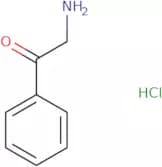
CAS:Controlled Product<p>2-Aminoacetophenone hydrochloride is a chemical compound that is used in analytical chemistry as a reagent for the determination of protein and amino acid concentrations. This reagent can be prepared in various forms, depending on the type of analysis being performed. 2-Aminoacetophenone hydrochloride is used to determine the concentration of free amino acids in a sample by binding to it. It can also be used for determining the concentration of bound amino acids by reacting with them with hydrochloric acid. 2-Aminoacetophenone hydrochloride is an excellent substrate for matrix effect, which may cause errors in measurement due to interference from other substances present in the sample. The use of light exposure reduces this problem by removing interfering substances from the sample.</p>Formula:C8H9NO·HClPurity:Min. 95%Color and Shape:PowderMolecular weight:171.62 g/molBiotinyl-Tyr-Val-Ala-Asp-chloromethylketone
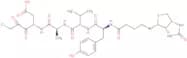
CAS:<p>Please enquire for more information about Biotinyl-Tyr-Val-Ala-Asp-chloromethylketone including the price, delivery time and more detailed product information at the technical inquiry form on this page</p>Formula:C32H45ClN6O9SPurity:Min. 95%Molecular weight:725.25 g/mol4'-Cyclohexylacetophenone
CAS:<p>4'-Cyclohexylacetophenone is a chalcone that is prepared from hexamethylenetetramine and cyclohexanone. The reaction of 4'-cyclohexylacetophenone with methylthio-1,3-dithiane in the presence of proton irradiation yields a mixture of products. 4'-Cyclohexylacetophenone has been used as a precursor for preparing other chalcones. This compound can be readily prepared by chlorinating 1,3-diphenylpropane to give 3-chlorocyclohexylacetic acid followed by hydrolysis to the ketone. It is also used as a starting material for synthesis of heterocycles such as benzofuran and indole.</p>Formula:C14H18OPurity:Min. 95%Color and Shape:Slightly Yellow PowderMolecular weight:202.29 g/mol3-Hydroxy-2-nitropyridine
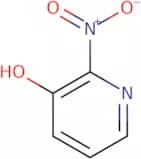
CAS:<p>3-Hydroxy-2-nitropyridine is a chemical compound that has been shown to be an inhibitor of nicotinic acetylcholine receptor. The compound has been found to have luminescence properties and can be used as a fluorescent probe in the study of molecular recognition processes. 3-Hydroxy-2-nitropyridine is also an effective antimicrobial agent and has been shown to have clinical potential for the treatment of neurodegenerative diseases such as Parkinson's disease, Alzheimer's disease, and Huntington's disease. It binds to the nicotinic acetylcholine receptor by forming hydrogen bonds with functional groups on the receptor surface. This binding prevents the agonist from binding and activating the ion channel that leads to depolarization of nerve cells. 3-Hydroxy-2-nitropyridine also reacts with chloride ions in order to form hydrochloric acid, which then inhibits microbial growth by altering their cell membrane permeability. The reaction yield is determined</p>Formula:C5H4N2O3Purity:Min. 95%Molecular weight:140.1 g/molPancreastatin (33-48) (human) trifluoroacetate salt
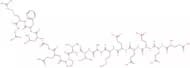
CAS:<p>Pancreastatin (33-48) is a synthetic, acidic, sulfated peptide that has been shown to have high activity against pancreatic cancer cells. Pancreastatin (33-48) has been synthesized by reacting an oligopeptide with glutamic acid and aspartic acid. The N-terminal of this peptide is amidated and contains a sulfate group. This molecule has been purified by SDS-polyacrylamide gel electrophoresis and the sulfate fractionation method. Pancreastatin (33-48) is able to inhibit the proliferation of pancreatic tumor cells in vitro, but it does not appear to be cytotoxic to normal pancreatic cells. In addition, pancreastatin (33-48) has also been shown to decrease tumor growth in vivo in mice bearing a transplanted human pancreatic tumor.</p>Formula:C78H123N21O27SPurity:Min. 95%Molecular weight:1,819 g/molCortistatin-29 (human) trifluoroacetate salt
CAS:<p>Please enquire for more information about Cortistatin-29 (human) trifluoroacetate salt including the price, delivery time and more detailed product information at the technical inquiry form on this page</p>Formula:C149H223N47O42S3Purity:Min. 95%Molecular weight:3,440.85 g/molCinnamyl alcohol
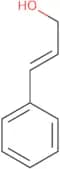
CAS:<p>Cinnamyl alcohol is a substance that belongs to the group of organic compounds called alcohols. It has been shown to be an inhibitor of enzymes such as alcohol dehydrogenase and lignin peroxidase, which are involved in the production of lignin. Cinnamyl alcohol also inhibits the synthesis of proteins, nucleic acids, and other cellular components. Cinnamyl alcohol has significant cytotoxicity against tumor cells, with biochemical properties that make it a good candidate for cancer treatment.</p>Formula:C9H10OPurity:Min. 98 Area-%Color and Shape:White PowderMolecular weight:134.18 g/molP38 MAP Kinase Inhibitor IV
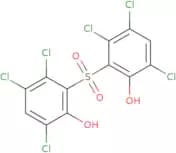
CAS:<p>Phenol,2,2'-sulfonylbis[3,4,6-trichloro] is a sulfate-containing compound that has been shown to stimulate the immune system and activate mitogen-activated protein kinases (MAPKs) in mosquitoes. The inclusion of this substance in vaccines may lead to increased immunity against various diseases. Phenol,2,2'-sulfonylbis[3,4,6-trichloro] has also been shown to reduce cancer cell proliferation by modulating antigen-presenting cells and inducing apoptosis in ovarian cancer cells. This substance can be used as a cost-effective alternative to dextran sulfate for generating pluripotent stem cells from adult cells and can also be used as a scalable process for generating pluripotent cells from human amniotic fluid.</p>Formula:C12H4Cl6O4SPurity:Min. 95%Molecular weight:456.94 g/molThymosin α1 acetate
CAS:<p>Thymalfasin is a peptide that belongs to the thymosin family. It is a biocompatible polymer with a number of biomedical applications, including as a component in wound dressings and anti-adhesive agents. Thymalfasin has been shown to be effective at inhibiting the replication of influenza A virus, which may be due to its ability to bind to toll-like receptor 4 (TLR4). This drug also has antitumor properties and has been shown to stimulate the production of IL-2 receptor in human monocytes. Thymalfasin also inhibits the growth of cancer cells, such as HL60 cells, by blocking DNA synthesis. The molecular weight of this compound is approximately 20-30 kDa.</p>Formula:C129H215N33O55•(C2H4O2)xPurity:Min. 95%Molecular weight:3,108.28 g/molHymenistatin I Cyclo(-Pro-Pro-Tyr-Val-Pro-Leu-Ile-Ile)
CAS:<p>Hymenistatin I is a cyclic peptide that is synthesized from the natural amino acid L-proline. It has been shown to inhibit tumor growth and is used in the treatment of bladder cancer. The synthesis of Hymenistatin I begins with the protection of proline as an N-tert-butyloxycarbonyl derivative, followed by a sequence of coupling reactions. This synthetic process involves the use of a linker, such as tetrazole or succinimidyl ester, for example. The final product can then be purified by HPLC analysis. Hymenistatin I inhibits calcineurin inhibitor, which are immunosuppressive agents that are used to treat lymphocytic leukemia and other autoimmune diseases.</p>Formula:C47H72N8O9Purity:Min. 95%Molecular weight:893.12 g/molOctreotide trifluoroacetate salt (Dimer, Parallel) (
<p>Please enquire for more information about Octreotide trifluoroacetate salt (Dimer, Parallel) ( including the price, delivery time and more detailed product information at the technical inquiry form on this page</p>Formula:C98H132N20O20S4Purity:Min. 95%Molecular weight:2,038.48 g/molNα-(5-fluoro-2,4-dinitrophenyl)-D-leucinamide
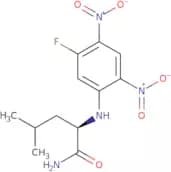
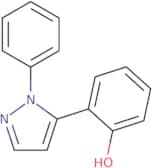
CAS:<p>Nalpha-(5-fluoro-2,4-dinitrophenyl)-D-leucinamide is a chemical compound that inhibits the activity of proteases. It has been shown to inhibit leukemia cells and actinomycetes. This chemical binds to the active site of proteases, inhibiting the hydrolysis of peptides by blocking the access of water molecules to the reactive site. In addition, Nalpha-(5-fluoro-2,4-dinitrophenyl)-D-leucinamide can also be used as a fluorescent probe for protease activity in analytical methods. The product research on this compound has shown that it is a potent inhibitor of cyclic peptide synthetases and can be used as an anti-inflammatory agent.</p>Formula:C12H15FN4O5Purity:Min. 95%Color and Shape:Off-White To Yellow SolidMolecular weight:314.27 g/mol1-Phenyl 1H-5-(2'-hydroxyphenyl)pyrazole
CAS:<p>1-Phenyl 1H-5-(2'-hydroxyphenyl)pyrazole (1PHPP) is a fine chemical that has been used in research and as a reagent. It is also a useful building block for the synthesis of other compounds. 1PHPP can be used to prepare complex compounds with versatile building blocks or scaffolds, which can serve as reaction components in organic syntheses. This compound has been shown to react with various functional groups.</p>Formula:C15H12N2OPurity:Min. 95%Color and Shape:PowderMolecular weight:236.27 g/mol


![2-[3-(S)-[3-(2-(7-Chloro-2-quinolinyl)ethenyl)phenyl]-3-hydroxypropyl]benzoic acid methyl ester](/_next/image/?url=https%3A%2Fstatic.cymitquimica.com%2Fproducts%2F3D%2Fthumb-webp%2FFC20038.webp&w=3840&q=75)