Pharmaceutical Standards
Pharmaceutical standards are a comprehensive set of reference materials essential for ensuring the safety, efficacy, and quality of pharmaceutical products. This category includes standards for active pharmaceutical ingredients (APIs), which are the core components responsible for therapeutic effects. Additionally, it covers compounds and metabolites relevant to both the pharmaceutical and veterinary industries, providing benchmarks for the accurate measurement and analysis of these substances. Nitrosamine control standards are crucial for detecting and mitigating potentially harmful nitrosamines in drug formulations. Toxicology standards help assess the safety and potential adverse effects of pharmaceutical compounds. Furthermore, enzyme activators and inhibitors standards are vital for research and development, enabling precise studies of biochemical pathways and drug mechanisms. These pharmaceutical standards are indispensable tools for regulatory compliance, quality control, and research, ensuring that pharmaceutical products meet stringent safety and effectiveness criteria.
Subcategories of "Pharmaceutical Standards"
- APIs for research and impurities(274,823 products)
- Enzyme Activators and Inhibitors(2,827 products)
- Nitrosamines(2,605 products)
- Pharmaceutical and Veterinary Compounds and Metabolites(2,867 products)
- Toxicology(13,652 products)
Found 7836 products of "Pharmaceutical Standards"
Sort by
Purity (%)
0
100
|
0
|
50
|
90
|
95
|
100
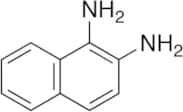
1,2-Diaminonaphthalene
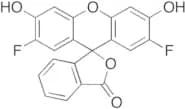
CAS:Controlled Product<p>Applications Reacts with aldehydes to produce highly fluorescent imidazole derivatives. A fluorometric labeling reagent. It is used for fluorophotometric determination of selenium in some kinds of mushroom.<br>References Lehmann, S., et al.: J. Biol. Chem., 272, 21479 (1997), Ragg, E., et al.: Eur. J. Biochem., 266, 1192 (1999), Tagliavini, F., et al.: J. Mol. Biol., 300, 1309 (2000),<br></p>Formula:C10H10N2Color and Shape:NeatMolecular weight:158.202',7'-Difluorofluorescein
CAS:Controlled Product<p>Applications 2',7'-Difluorofluorescein is a reactant used in the synthesis of biarsenical probes that inhibit protein tyrosine phosphatases.<br>References Pomorski, A., et. al.: Org. Biomol. Chem., 13, 1395 (2015)<br></p>Formula:C20H10F2O5Color and Shape:NeatMolecular weight:368.287Trimethylurea
CAS:Controlled Product<p>Applications Trimethylurea (cas# 632-14-4) is a useful research chemical.<br></p>Formula:C4H10N2OColor and Shape:NeatMolecular weight:102.143,5-Dimethyl-4-nitropyridine 1-Oxide
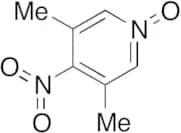
CAS:<p>Applications 3,5-Dimethyl-4-nitropyridine 1-Oxide is an intermediate used to prepare 2-[(2-pyridylmethyl)thio or -sulfinyl]benzimidazoles as antiulcer agents.<br>References Nohara, A., et al.: U.S., US 4689333 A 19870825. (1987)<br></p>Formula:C7H8N2O3Color and Shape:Off White SolidMolecular weight:168.504'-hydroxy-3',5'-diiodo-[1,1'-Biphenyl]-4-carbonitrile
CAS:Controlled Product<p>Applications 4'-hydroxy-3',5'-diiodo-[1,1'-Biphenyl]-4-carbonitrile is a useful building block compound, and has been used in the preparation of plasminogen activator inhibitor antagonists.<br>References Madison, E. L.; et al.: US 6677473 (2004).<br></p>Formula:C13H7I2NOColor and Shape:NeatMolecular weight:447.01Simvastatin Dimer Impurity
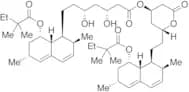
CAS:Formula:C50H76O10Color and Shape:White To Light YellowMolecular weight:837.13Sodium 2,2'-Methylene-bis(4,6-di-tert-butylphenyl)phosphate
CAS:Controlled Product<p>Applications Sodium 2,2'-Methylene-bis(4,6-di-tert-butylphenyl)phosphate is an organophosphate nucleating agent.<br>References Li, J., et al.: Suliao, 43, 47-50 (2014);<br></p>Formula:C29H42O4P·NaColor and Shape:White PowderMolecular weight:508.60Hydroxy Dehydro Nifedipine Lactone
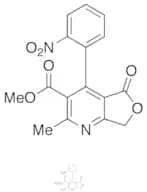
CAS:Controlled ProductFormula:C16H12N2O6Color and Shape:NeatMolecular weight:328.281,2-Benzenedicarboxylic Acid, mixed decyl and hexyl and octyl diesters (1:1:1 Mixture of B185420 and
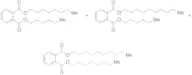
CAS:Controlled Product<p>Applications 1,2-Benzenedicarboxylic Acid, mixed decyl and hexyl and octyl diesters_x000D_(1:1:1 Mixture of B185420 and D228455 and D228460) (cas# 68648-93-1) is a compound useful in organic synthesis.<br> Not a dangerous good if item is equal to or less than 1g/ml and there is less than 100g/ml in the package<br></p>Formula:C11H9D3O4Color and Shape:ColourlessMolecular weight:390.556Tilmicosin Phosphate Salt (~80%)
CAS:<p>Applications Tilmicosin Phosphate Salt is the phosphate salt of the semi-synthetic antibiotic derivative. It can be used in biological study and pharmacological activity of bactericidal effects of various concentrations of enrofloxacin, florfenicol, tilmicosin phosphate, and tulathromycin on clinical isolates of Mannheimia haemolytica from cattle.<br>References Blondeau, J., et al.: Am J Vet Res, 76, 860 (2015)<br></p>Formula:C46H80N2O13·H3O4PPurity:~80%Color and Shape:NeatMolecular weight:967.13(-)-Biotin Sulfoxide
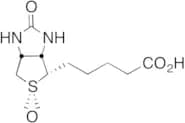
CAS:<p>Applications (-)-Biotin Sulfoxide, is a metabolite of Biotin (B389040), which is a growth factor present in minute amounts in every living cell, and plays an indispensable role in numerous naturally occurring carboxylation reactions.<br>References du Vigneaud, et al.: J. Biol. Chem., 146, 475 (1942), Traub, et al.: Nature, 178, 649 (1956), Siegel, H., et al.: Experienta, 37, 789 (1981), Vesely, D.L., Science, 216, 1329 (1982), Hugues, M., et al.: Biochemistry, 31, 12 (1992),<br></p>Formula:C10H16N2O4SColor and Shape:White To Off-WhiteMolecular weight:260.31trans-Hydroxy Perhexiline (Mixture of Diastereomers)
CAS:Controlled ProductFormula:C19H35NOColor and Shape:NeatMolecular weight:293.49Azidoethanol
CAS:Controlled Product<p>Applications 2-Azidoethanol is used as a reagent in the glycosylation of mono- or polysaccharides. 2-Azidoethanol is also used as a 2’-deoxy-ethynyluridine (EdU) blocker in nuclear DNA, preventing cross reactivity with other antibodies in order to better study its related pathways in the body.<br> Not a dangerous good if item is equal to or less than 1g/ml and there is less than 100g/ml in the package<br>References Liboska, R., et al.: PLOS ONE, 7, e51679 (2012); Sun, X., et al.: Biomacromolecules, 3, 1065 (2002)<br></p>Formula:C2H5N3OColor and Shape:ColourlessMolecular weight:87.08Chloro Chlorthalidone
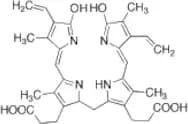
CAS:Controlled ProductFormula:C14H9Cl2NO2Color and Shape:NeatMolecular weight:294.13Bilirubin (>90%)
CAS:Controlled Product<p>Applications Principal pigment of bile and constituent of many biliary calculi.<br>References Stenhagen, R., et al.: Biochem. J., 33, 1591 (1939), Gray, et al.: J. Chem. Soc., 2264, 2268 (1961),<br></p>Formula:C33H36N4O6Purity:>90%Color and Shape:NeatMolecular weight:584.662trans-2,cis-6-Nonadienal
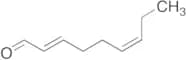
CAS:<p>Applications trans-2,cis-6-Nonadienal is an unsaturated aldehyde that is responsible for the cucumber smell of Synura petersenii, a freshwater colonial flagellate. trans-2,cis-6-Nonadienal is also a common natural and drinking water contaminant.<br>References Berra, T., et al.: Trans. Am. Fish. Soc., 111, 78 (1982); Kynclova, A., et al.: Nova Hedw. Bei., 136, 283 (2010); Ömür-Özbek, P. & Dietrich, A.: Environ. Sci. Tech., 39, 3957 (2005)<br></p>Formula:C9H14OColor and Shape:NeatMolecular weight:138.21Ethyl 2-Bromoisovalerate
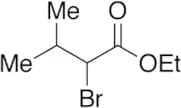
CAS:<p>Applications Ethyl 2-Bromoisovalerate (cas# 609-12-1) is a compound useful in organic synthesis.<br></p>Formula:C7H13BrO2Color and Shape:NeatMolecular weight:209.08MTIC
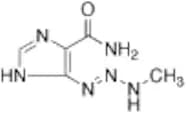
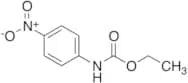
CAS:<p>Applications A metabolite of Temozolomide, an antineoplastic.<br></p>Formula:C5H8N6OColor and Shape:Off-WhiteMolecular weight:168.16ethyl (4-nitrophenyl)carbamate
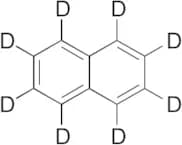
CAS:Controlled Product<p>Applications ethyl (4-nitrophenyl)carbamate (cas# 2621-73-0) is a useful research chemical.<br></p>Formula:C9H10N2O4Color and Shape:NeatMolecular weight:210.18Naphthalene-d8
CAS:Controlled Product<p>Applications Naphthalene-d8, is the labeled analogue of Naphthalene, a polycyclic aromatic hydrocarbons as micropollutants.<br> Not a dangerous good if item is equal to or less than 1g/ml and there is less than 100g/ml in the package<br>References Di Toro, D., et al.: Environ. Toxicol. Chem., 19, 1971 (2000), Vines, C., et al.: Aquat. Toxicol., 51, 225 (2000), Incardona, J., et al.: Toxicol. Appl. Pharmacol., 196, 191 (2004), Junghans, M., et al.: Aquat. Toxicol., 76, 93 (2006),<br></p>Formula:C10D8Color and Shape:WhiteMolecular weight:136.22


![4'-hydroxy-3',5'-diiodo-[1,1'-Biphenyl]-4-carbonitrile](/_next/image/?url=https%3A%2Fstatic.cymitquimica.com%2Fproducts%2FTR%2Fthumb-webp%2FH005080.webp&w=3840&q=75)