Pharmaceutical Standards
Subcategories of "Pharmaceutical Standards"
- APIs for research and impurities(276,202 products)
- Enzyme Activators and Inhibitors(2,829 products)
- Nitrosamines(2,620 products)
- Pharmaceutical and Veterinary Compounds and Metabolites(2,919 products)
- Toxicology(13,565 products)
Found 7943 products of "Pharmaceutical Standards"
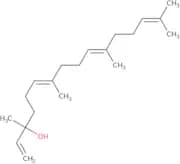
Geranyl linalool
CAS:Geranyl linalool is a monoterpene that is found in plants. It has been shown to have significant cytotoxicity against some cancer cell lines and may be useful in the treatment of cancer. Geranyl linalool also displays antibacterial, antifungal, and antiviral properties. Geranyl linalool is soluble in organic solvents such as methanol and ethanol, but insoluble in water. The chemical ionization mass spectrum of geranyl linalool has been observed to produce water-vapor ions at m/z 94 and 95 with a retention time of 12.5 minutes. The molecular weight of geranyl linalool is 152 g/mol and it has a ph optimum between 5-8.Formula:C20H34OPurity:Min. 95%Color and Shape:Clear LiquidMolecular weight:290.48 g/mol2,4-Dinitrophenyl butyrate
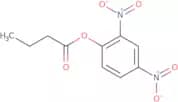
CAS:2,4-Dinitrophenyl butyrate is a plant-derived compound that belongs to the group of fatty acids. It has shown radical scavenging activity in a homogeneous assay and has been found to be a strong inhibitor of pancreatic lipase. 2,4-Dinitrophenyl butyrate has also been used as a marker for proteolytic enzymes and has been shown to have inhibitory effects on pancreatic lipase. This compound is not only useful for studying enzyme inhibition, but it can also be used as an ingredient in food products.Formula:C10H10N2O6Purity:Min. 98 Area-%Color and Shape:PowderMolecular weight:254.2 g/mol3,6-Dihydroxy-2,4-dimethoxyacetophenone
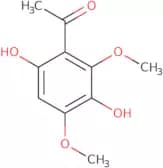
CAS:3,6-Dihydroxy-2,4-dimethoxyacetophenone is an aromatic compound that has a molecular structure with hydrogen-bonded groups. It also contains both acetoxy and intramolecular substituents. 3,6-Dihydroxy-2,4-dimethoxyacetophenone is used in research as a starting material for the synthesis of other compounds. It is also used to study the dihedral angles in molecules due to the presence of two asymmetric carbon atoms.Formula:C10H12O5Purity:Min. 95%Color and Shape:PowderMolecular weight:212.2 g/mol(+)-Biotin-sarcosine
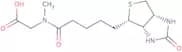
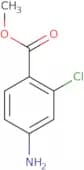
CAS:Please enquire for more information about (+)-Biotin-sarcosine including the price, delivery time and more detailed product information at the technical inquiry form on this pageFormula:C13H21N3SO4Purity:Min. 95%Molecular weight:315.39 g/mol4-Amino-2-chlorobenzoic acid methyl ester
CAS:4-Amino-2-chlorobenzoic acid methyl ester (4ACBME) is a chemical compound that has been used in the treatment of autoimmune diseases. It acts as an immunoreceptor and regulatory molecule by binding to specific receptors on the surface of lymphocytes, which are cells that play a central role in the immune system. 4ACBME also inhibits the production of inflammatory molecules, such as TNF-α, IL-1β, IL-6 and IL-8. The regression of tissue inflammation was observed in animal models after 4ACBME treatment. This compound has been shown to have no genotoxic impurities in vitro studies and its molecular descriptors are consistent with those found for other immunoreceptors.Formula:C8H8ClNO2Purity:Min. 95%Color and Shape:White PowderMolecular weight:185.61 g/mol6-Amino-3-methyl-4-(4-nitrophenyl)-4H-pyrano[3,2-d]pyrazole-5-carbonitrile
CAS:6-amino-3-methyl-4-(4-nitrophenyl)-4H-pyrano[3,2-d]pyrazole-5-carbonitrile is a compound that has been shown to have correlations with energies and regression. It also has a linear regression, polarities, photophysical properties, and dipole. The fluorescence and excited state of this compound are singlet and hydrogen bonding interactions with solvents.Formula:C14H11N5O3Purity:Min. 95%Color and Shape:PowderMolecular weight:297.27 g/mol21-(Fluoro-18F)-17-Hydroxypregna-1,4-Diene-3,11,20-Trione
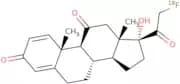
Controlled ProductF-18-fluorohydroxypregna-1,4-diene-3,11,20-trione (FHP) is a positron emission tomography (PET) radiopharmaceutical that binds to estrogen receptors. It is used in the diagnosis of cancer and other diseases. FHP is synthesized by reduction of its carbonyl group with sodium borohydride and then converted to the desired radiolabeled form. The synthesis of FHP can be accomplished in a variety of ways, depending on the desired radionuclide and labeling technique. One such method uses an unlabeled precursor estrone or 17β-estradiol as the starting material. This precursor undergoes enzymatic conversion by testosterone 17β hydroxylase to yield FHP.Formula:C21H25FO4Purity:Min. 95%Molecular weight:360.42 g/mol3-Chloro-L-tyrosine
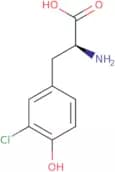
CAS:3-Chloro-L-tyrosine (3CT) is a reactive, nitrogen containing molecule that has been used as a model system to study oxidative injury in the heart. The molecule reacts with the air and oxygen in the environment, producing reactive oxygen species (ROS) that can cause oxidative injury. 3CT has been shown to inhibit ATP binding cassette transporter A1 (ABCA1), which is involved in cholesterol efflux from macrophages. 3CT also promotes the release of eosinophil peroxidase from eosinophils and induces tumor necrosis factor alpha (TNF-α). The analytical method for 3CT includes liquid chromatography-mass spectrometry/mass spectrometry (LC-MS/MS).Formula:C9H10NO3ClPurity:Min. 95%Color and Shape:PowderMolecular weight:215.63 g/molAdouetine Y
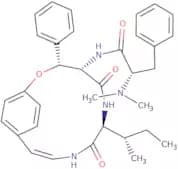
CAS:Adouetine Y is a synthetic biochemical compound, designed as a highly specific inhibitor for targeted cellular processes. It is derived through advanced chemical synthesis techniques aimed at achieving optimal molecular precision. The mode of action of Adouetine Y involves binding to specific protein targets within the cell, modulating their activity and thereby influencing biochemical pathways critical to cellular function.Formula:C34H40N4O4Purity:Min. 95%Molecular weight:568.71 g/molErgosterol acetate
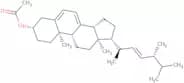
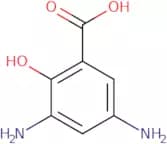
CAS:Controlled ProductErgosterol acetate is a fatty acid that is derived from the fungus, Ganoderma lucidum. It has anti-oxidant properties and can inhibit cholesterol synthesis. Ergosterol acetate has been shown to inhibit the growth of prostate cancer cells in k562 cells and DU-145 cells, but not in Caco-2 cells. The mechanism of action for this effect may be due to its ability to inhibit epoxidase activity and transfer reactions with epoxides. Ergosterol acetate also has been shown to have physiological activities, such as increasing the viability of ganoderma lucidum spores and inhibiting cell proliferation in caco-2 cells.Formula:C30H46O2Purity:Min. 97 Area-%Color and Shape:Slightly Yellow PowderMolecular weight:438.69 g/mol3,5-Diaminosalicylic acid
CAS:3,5-Diaminosalicylic acid is a potent antibacterial agent that inhibits the synthesis of bacterial cell walls by inhibiting the enzyme transpeptidase. It is also used as a preservative and stabilizer in pharmaceutical formulations. 3,5-Diaminosalicylic acid has been shown to be active against cochliobolus at an optimum concentration of 2%. The solute is stable in water or dilute acids and alkalis. However, it can be hydrolyzed by strong bases such as sodium hydroxide and potassium hydroxide. Impurities such as nitro groups can be removed by washing with water or ethanol. The drug substance should be analyzed using high performance liquid chromatography (HPLC) methods to ensure stability and purity. 3,5-Diaminosalicylic acid forms crystalline needles that are colorless to white in solution. They will dissolve when heated but form precipitates when cooled. The crystals are
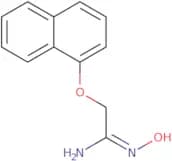
Formula:C7H8N2O3Purity:Min. 95%Color and Shape:Brown PowderMolecular weight:168.15 g/molN-Hydroxy-2-(1-naphthalenyloxy)ethanimidamide
CAS:Please enquire for more information about N-Hydroxy-2-(1-naphthalenyloxy)ethanimidamide including the price, delivery time and more detailed product information at the technical inquiry form on this pageFormula:C12H12N2O2Purity:Min. 95%Color and Shape:PowderMolecular weight:216.24 g/mol2-(2,2-dimethylpropanoyl)-3-(3-nitrophenyl)prop-2-enenitrile
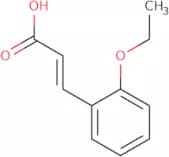
CAS:Please enquire for more information about 2-(2,2-dimethylpropanoyl)-3-(3-nitrophenyl)prop-2-enenitrile including the price, delivery time and more detailed product information at the technical inquiry form on this pagePurity:Min. 95%2-Ethoxycinnamic acid
CAS:2-Ethoxycinnamic acid is a metastable molecule that has been obtained by an asymmetric synthesis. It is unreactive, and its reaction products are polyvalent. 2-Ethoxycinnamic acid can be analyzed using analytical methods such as flow system, functional theory, and gas chromatography. 2-Ethoxycinnamic acid has been used in the preparation of cinnamates, which are used in perfumes and flavors. Polymorphs of this molecule have also been observed in crystalline form. There are two different forms of the molecule: α-form and β-form. The α-form is more stable than the β-form because it has a hydrogen bond with the methyl group on the left side of the molecule.
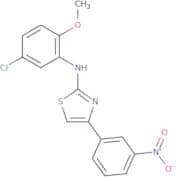
Formula:C11H12O3Purity:Min. 95%Color and Shape:PowderMolecular weight:192.21 g/mol(5-Chloro-2-methoxyphenyl)(4-(3-nitrophenyl)(2,5-thiazolyl))amine
CAS:Please enquire for more information about (5-Chloro-2-methoxyphenyl)(4-(3-nitrophenyl)(2,5-thiazolyl))amine including the price, delivery time and more detailed product information at the technical inquiry form on this page
Purity:Min. 95%4-Acetoxycinnamic acid
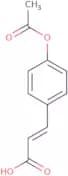
CAS:4-Acetoxycinnamic acid is a staphylococcal bactericide that inhibits bacterial growth and is active against many gram-positive bacteria, including Staphylococcus aureus. It is also active against many gram-negative bacteria, such as Escherichia coli and Pseudomonas aeruginosa. 4-Acetoxycinnamic acid has been shown to inhibit the growth of Staphylococcus aureus in an in vitro experiment by interfering with membrane permeability and inhibiting lipid synthesis. 4-Acetoxycinnamic acid has been shown to have antimicrobial activity against gram-positive and gram-negative bacteria, including methicillin resistant S. aureus (MRSA).Formula:C11H10O4Purity:Min. 97 Area-%Color and Shape:PowderMolecular weight:206.19 g/mol4'-Chloro-2'-hydroxyacetophenone
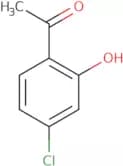
CAS:4'-Chloro-2'-hydroxyacetophenone is a hydrazone compound that has been shown to have an inhibitory effect on the growth of cancer cells. The crystal structure was determined using X-ray diffraction data and the parameters were refined using a program called WITWIG. Hydrazones are classified as orthorhombic with space group Pbcn. The compound has been shown to be magnetic and it is soluble in organic solvents. 4'-Chloro-2'-hydroxyacetophenone has a molecular weight of 206.079 g/mol, which indicates that it is an organic molecule. It also contains a hydroxyl group and two chlorine atoms, one of which is attached to the acetophenone nucleus. This molecule can coordinate with metal ions to form complexes, such as mononuclear complexes, or polynuclear complexes with more than one metal ion.Formula:C8H7ClO2Purity:Min. 95%Color and Shape:Clear LiquidMolecular weight:170.59 g/mol1-(2-Thiazolylazo)-2-naphthol
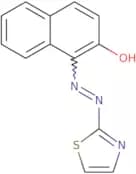
CAS:1-(2-Thiazolylazo)-2-naphthol is a fluorescent dye that is used in analytical chemistry, cell culture, and flow cytometry. It has been shown to be useful for the detection of cancer cells. The fluorescence of 1-(2-Thiazolylazo)-2-naphthol can also be used to measure the levels of high-sensitivity c-reactive protein (hsCRP) in serum or plasma. This dye has a strong absorption band at 460 nm, which is attributed to its aromatic heterocyclic ring. Hydrogen bonding interactions are the driving force behind this dye's fluorescence.Formula:C13H9N3OSPurity:Min. 98%Color and Shape:PowderMolecular weight:255.3 g/mol4-Nitrocinnamyl alcohol
CAS:4-Nitrocinnamyl alcohol is an antiarrhythmic agent that is structurally related to the nitro group. It is produced by a synthetic process, and it has been shown to be mediated by piperidine. This compound is prepared by catalytic chlorinating of primary alcohols in the presence of hydrotalcite or catalysis with tosylates.Formula:C9H9NO3Purity:Min. 95%Color and Shape:PowderMolecular weight:179.17 g/molOctakis(trimethylsiloxy)silsesquioxane
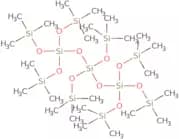
CAS:Octakis(trimethylsiloxy)silsesquioxane is a cross-linking agent that forms covalent bonds with ethylene diamine and aluminium ions. It has been shown to be active against bacterial species such as Staphylococcus aureus, Pseudomonas aeruginosa, and Escherichia coli. Octakis(trimethylsiloxy)silsesquioxane binds to the calcium carbonate of the cell wall, forming a complex that prevents the bacteria from adhering to surfaces. The fluidity of octakis(trimethylsiloxy)silsesquioxane particles allows them to penetrate the cell membrane and inhibit protein synthesis by binding to ribosomes. Octakis(trimethylsiloxy)silsesquioxane can also be used as an encapsulation agent for drugs in order to prevent their degradation by enzymes in the gastrointestinal tract.Formula:C24H72O20Si16Purity:Min. 95%Color and Shape:Clear LiquidMolecular weight:1,130.18 g/mol

![6-Amino-3-methyl-4-(4-nitrophenyl)-4H-pyrano[3,2-d]pyrazole-5-carbonitrile](/_next/image/?url=https%3A%2Fstatic.cymitquimica.com%2Fproducts%2F3D%2Fthumb-webp%2FFA169805.webp&w=3840&q=75)