Pharmaceutical Standards
Pharmaceutical standards are a comprehensive set of reference materials essential for ensuring the safety, efficacy, and quality of pharmaceutical products. This category includes standards for active pharmaceutical ingredients (APIs), which are the core components responsible for therapeutic effects. Additionally, it covers compounds and metabolites relevant to both the pharmaceutical and veterinary industries, providing benchmarks for the accurate measurement and analysis of these substances. Nitrosamine control standards are crucial for detecting and mitigating potentially harmful nitrosamines in drug formulations. Toxicology standards help assess the safety and potential adverse effects of pharmaceutical compounds. Furthermore, enzyme activators and inhibitors standards are vital for research and development, enabling precise studies of biochemical pathways and drug mechanisms. These pharmaceutical standards are indispensable tools for regulatory compliance, quality control, and research, ensuring that pharmaceutical products meet stringent safety and effectiveness criteria.
Subcategories of "Pharmaceutical Standards"
- APIs for research and impurities(275,009 products)
- Enzyme Activators and Inhibitors(2,827 products)
- Nitrosamines(2,605 products)
- Pharmaceutical and Veterinary Compounds and Metabolites(2,880 products)
- Toxicology(13,652 products)
Found 7836 products of "Pharmaceutical Standards"
Sort by
Purity (%)
0
100
|
0
|
50
|
90
|
95
|
100
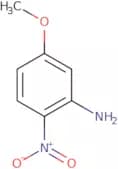
5-Methoxy-2-nitrophenylamine
CAS:<p>5-Methoxy-2-nitrophenylamine (5MN) is a synthetic compound. It has been shown to produce an inhibitory effect on Alzheimer's disease and Leishmania infantum by inhibiting the formation of amyloid beta (Aβ) and leishmanicidal alpha-ketoglutarate, respectively. 5MN has also been observed to stabilize supramolecular structures in magnetic resonance spectroscopy experiments. This chemical is synthesized from 4-amino-3-nitrophenol and methylamine by reacting them in the presence of sodium hydroxide and sulfuric acid under refluxing conditions. The reaction products are analyzed using FTIR spectroscopy, as shown below:</p>Formula:C7H8N2O3Purity:Min. 95%Color and Shape:PowderMolecular weight:168.15 g/molN-Benzyl-N-methyl-L-methionine methyl ester hydrochloride
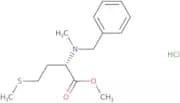
CAS:N-Benzyl-N-methyl-L-methionine methyl ester hydrochloride is a chemical substance that has been used as a reaction component in organic synthesis. It has also been used as a reagent for the quantitative determination of N,N'-dimethylbenzidine by measuring its absorption at 450 nm. It is soluble in water and ethanol and is stable up to 100 °C. The CAS Registry Number for this compound is 1272754-99-0.Formula:C14H21NO2S·HClPurity:Min. 95%Color and Shape:PowderMolecular weight:303.85 g/molBiphenyl-2,2'-diamine
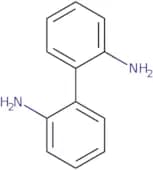
CAS:Biphenyl-2,2'-diamine is a hydrogen bond donor. It is an organic compound with a molecular formula of C6H5NH that has two amine groups. The compound is gaseous at room temperature and it has a boiling point below 400 degrees Celsius. It reacts with ethanolic solutions to form colorless crystals that are soluble in water. Biphenyl-2,2'-diamine has been shown to have antiinflammatory activity in rats. This activity may be due to biphenyl-2,2'-diamine's ability to inhibit the production of prostaglandins by inhibiting cyclooxygenase (COX).Formula:C12H12N2Purity:Min. 95%Color and Shape:Off-White Clear LiquidMolecular weight:184.24 g/molBetaine hydrochloride
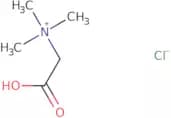
CAS:<p>Betaine hydrochloride is a betaine prodrug that is metabolized by the body to form glycine and choline. Betaine hydrochloride has been shown to have anti-inflammatory properties, which may be due to its ability to inhibit surfactant sodium dodecyl (SDS) from activating enzymes such as polymerase chain reaction (PCR). Betaine hydrochloride also has been shown to improve disease activity in bowel disease patients and can be used as a dietary supplement for individuals with low levels of choline.</p>Formula:C5H11NO2·HClPurity:Min. 95%Color and Shape:PowderMolecular weight:153.61 g/molCholesterol Myristate
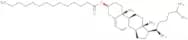
CAS:Controlled Product<p>Cholesterol Myristate is a fatty acid that is found in the outer membrane of cells. It has been shown to be an effective cationic surfactant and to form films at low concentrations. Cholesterol Myristate is used in the manufacture of anti-infective ointments, lotions, creams, and other skin care products. It has also been used as a film-forming polymer for cosmetic applications such as mascara and lipsticks. The phase transition temperature for cholesterol myristate is about -10°C. This means that it will not crystallize until the temperature drops below 10°C. The human serum stability of cholesterol myristate is low because the hydroxyl group interacts with water molecules, causing hydrolysis and oxidation reactions.</p>Formula:C41H72O2Purity:Min. 95%Color and Shape:PowderMolecular weight:597.01 g/mol5-Methyl-2-nitropyridine
CAS:<p>Please enquire for more information about 5-Methyl-2-nitropyridine including the price, delivery time and more detailed product information at the technical inquiry form on this page</p>Formula:C6H6N2O2Purity:Min. 95%Color and Shape:PowderMolecular weight:138.12 g/mol4-Fluorocinnamic acid
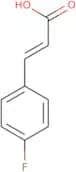
CAS:4-Fluorocinnamic acid is a potent inhibitor of bacterial growth. It inhibits the activity of enzymes that are involved in the synthesis of fatty acids and amino acids, such as triticum aestivum and trifluoroacetic acid. 4-Fluorocinnamic acid has been shown to be an effective inhibitor of bacterial growth in vitro, with a contact time of 10 minutes. The effective dose for this compound was determined to be 1 mg/L. 4-Fluorocinnamic acid has also been found to have a mineralization effect on wastewater treatment and can inhibit the activity of enzymes involved in the production of inflammatory mediators, such as lipoxygenase and cyclooxygenase.Formula:C9H7FO2Purity:Min. 95%Color and Shape:PowderMolecular weight:166.15 g/mol4-Methyl-5,7-dimethoxycoumarin
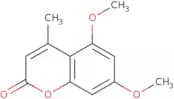
CAS:<p>4-Methyl-5,7-dimethoxycoumarin is a coumarin derivative that has been synthesized from acetonitrile and aluminium. It is used as an antiplatelet drug in the treatment of cardiovascular diseases such as unstable angina, myocardial infarction, and transient ischemic attack. 4-Methyl-5,7-dimethoxycoumarin reversibly inhibits platelet aggregation by blocking the platelet receptor P2Y12 on the surface of platelets. This drug also has antioxidant effects and can be used to identify markers associated with cardiovascular disease.</p>Formula:C12H12O4Purity:Min. 95%Molecular weight:220.22 g/mol6-Hydroxy-2-naphthaldehyde
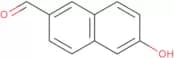
CAS:6-Hydroxy-2-naphthaldehyde is a reactive compound that is used to measure the fluorescence resonance of mitochondria. It is a fluorophore that has been used as a probe for the measurement of membrane permeability, and as a hydroxyl group it can be converted into 6-hydroxy-2-naphthalenecarboxylic acid which is used in the production of dyes. 6-Hydroxy-2-naphthaldehyde has been shown to have congestive heart effects in mice, but this effect may be due to its ability to induce naphthalene and formamide.Formula:C11H8O2Purity:Min. 95%Molecular weight:172.18 g/molCoumarin 152
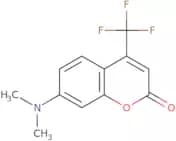
CAS:Coumarin 152 is a coumarin derivative that was developed as a fluorescent probe for phospholipid membranes. Coumarin 152 binds to the acyl chains of the lipid bilayer and has been shown to be useful in assessing the integrity of the membrane. Coumarin 152 is also used as a substrate for cytochrome P450 activity and human serum, which can be used as an indicator for liver function. Coumarin 152 also has clinical use in detecting dinucleotide phosphate (DNP) levels in urine, which are elevated with diabetes mellitus or renal failure.Formula:C12H10F3NO2Purity:Min. 95%Color and Shape:Slightly Yellow PowderMolecular weight:257.21 g/molDipyrone
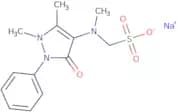
CAS:<p>Dipyrone is an anti-inflammatory and analgesic drug that belongs to the group of non-steroidal anti-inflammatory drugs. It has been shown to inhibit the production of prostaglandins, which are involved in inflammation, by inhibiting cyclooxygenase. The polymerase chain reaction (PCR) method is a biochemical technique used to amplify a segment of DNA, typically for use as a genetic marker or for cloning a particular gene. A PCR assay can be used to detect the presence of bacterial DNA in a sample. Dipyrone has been shown to possess chemiluminescence activity, which is indicative of its ability to bind with DNA. This binding inhibits transcription and replication and may be responsible for the toxic effects on epidermal cells observed in animal studies. Dipyrone also has been shown to have anti-inflammatory activities through its inhibition of cyclooxygenase and its ability to inhibit neutrophil migration and function.</p>Formula:C13H16N3NaO4SPurity:Min. 95%Color and Shape:White SolidMolecular weight:333.34 g/molBoc-O-benzyl-L-tyrosine
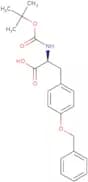
CAS:Boc-O-benzyl-L-tyrosine is a sweetener that is synthesized in a liquid phase. It has been shown to prevent muscle loss and increase the uptake of glutamate. Boc-O-benzyl-L-tyrosine may also act as an δ opioid receptor agonist, which prevents the release of peptides from cells. This substance is synthesised by benzylation of L-tyrosine with dicarbonate and irradiation with UV light. The Boc group protects the molecule from being broken down by enzymatic activity, allowing it to be used in lab experiments. Boc-O-benzyl-L-tyrosine has potent antagonist effects on opioid receptors, which may be related to its analgesic properties.Formula:C21H25NO5Purity:Min. 95%Color and Shape:White PowderMolecular weight:371.43 g/mol2-(4-Nitrophenoxy)acetic acid
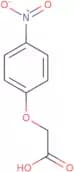
CAS:2-(4-Nitrophenoxy)acetic acid is a chemical compound with the molecular formula CHNO. It has been shown to inhibit the polymerase chain reaction, which is an important technique in molecular biology. The intramolecular hydrogen bond between HN and OO stabilizes the molecule and inhibits its rotation. This allows 2-(4-Nitrophenoxy)acetic acid to function as a competitive inhibitor of DNA polymerase. 2-(4-Nitrophenoxy)acetic acid inhibits bacterial growth by binding to the beta subunit of DNA gyrase, an enzyme that maintains the integrity of bacterial DNA. This inhibition prevents topoisomerase IV from relaxing supercoiled DNA, leading to cell death by inhibiting protein synthesis and cell division.Formula:C8H7NO5Purity:Min. 95%Color and Shape:PowderMolecular weight:197.14 g/mol3,5-Dinitrosalicylic acid sodium
CAS:<p>3,5-Dinitrosalicylic acid sodium is an inorganic compound that is used as a biochemical reagent. It can be used to measure the phosphatase activity of muscle and liver samples, as well as to determine the level of autophagy in cells. 3,5-Dinitrosalicylic acid sodium has been shown to inhibit the activity of a number of enzymes, including acid phosphatase and thiourea. When combined with chloroplast or mitochondria, it can be used to determine the rate of electron transport chain. 3,5-Dinitrosalicylic acid sodium binds to sulfhydryl groups on proteins and prevents them from being used for other purposes. This process optimization leads to engulfment followed by lysosomal degradation.</p>Formula:C7H3N2NaO7Purity:Min. 95%Color and Shape:PowderMolecular weight:250.1 g/mol2-Ethoxy-4-methoxycinnamic acid
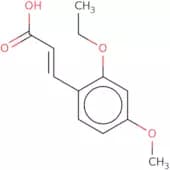
CAS:<p>2-Ethoxy-4-methoxycinnamic acid is a synthetic chemical with the CAS number 1372859-34-1. It is a versatile building block that can be used for the synthesis of many complex compounds. 2-Ethoxy-4-methoxycinnamic acid is one of a number of scaffolds that are useful for creating fine chemicals and research chemicals. This compound is also an intermediate in many reactions and can be used as a reagent to produce other substances.</p>Formula:C12H14O4Purity:Min. 95%Molecular weight:222.24 g/molVanillyl alcohol
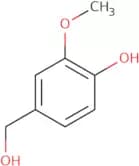
CAS:Vanillyl alcohol is a vanillin derivative that exhibits strong antibacterial activity. It can be used in the food industry as a natural preservative, and it has synergic effects with eugenol. Vanillyl alcohol shows antimicrobial properties against Gram-positive and Gram-negative bacteria, including Staphylococcus aureus, Pseudomonas aeruginosa, Escherichia coli, and Enterococcus faecalis. Vanillyl alcohol exhibits synergic effects with eugenol. In vivo models show that vanillyl alcohol is not toxic to humans, but it may be toxic to wild-type strains of bacteria.Formula:C8H10O3Purity:Min. 98 Area-%Color and Shape:White PowderMolecular weight:154.16 g/molDL-Isocitric acid lactone
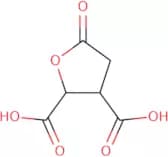
CAS:DL-Isocitric acid lactone is a skin condition agent that belongs to the group of amides. It has hypoglycemic effects and, when applied topically, can improve skin conditions such as xerosis. DL-Isocitric acid lactone also inhibits the growth of bacteria by binding to dinucleotide phosphate in the bacterial cell wall and inhibiting protein synthesis. This compound also has an inhibitory effect on hydroxyl groups in polycarboxylic acids in plants. The structure of this compound was determined by x-ray crystallography.Formula:C6H6O6Purity:Min. 95%Color and Shape:PowderMolecular weight:174.11 g/mol1-(2-Methylphenyl)-2-nitropropene
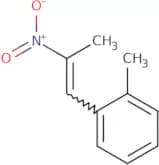
CAS:1-(2-Methylphenyl)-2-nitropropene is a high quality reagent that is used as a complex compound, useful intermediate, and fine chemical. It has been shown to be a versatile building block for the synthesis of various organic compounds. 1-(2-Methylphenyl)-2-nitropropene is a speciality chemical with CAS No. 103205-27-2. This compound can be used in research chemicals or as a reaction component for the synthesis of other substances.Formula:C10H11NO2Purity:Min. 95%Molecular weight:177.2 g/mol5-Methyl salicylic acid
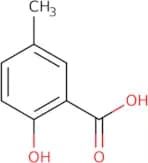
CAS:5-Methyl salicylic acid is a molecule that is used in analytical chemistry to identify the presence of p-hydroxybenzoic acid in urine samples. It has a phase transition temperature of around 198 degrees Celsius, and reacts with hydroxyl groups. 5-Methyl salicylic acid has been shown to have protocatechuic acid, hydrochloric acid, and cationic surfactant properties. It also has diphenolase activity and can be used as an antioxidant. 5-Methyl salicylic acid is synthesized from phenolic acids such as nepeta cataria or protocatechuic acid and is a metabolite of benzoic acid. 5-Methyl salicylic acid can be found in plants such as nepeta cataria or sephadex g-100.Formula:C8H8O3Purity:Min. 95%Color and Shape:PowderMolecular weight:152.15 g/mol2-Acetylbutyrolactone
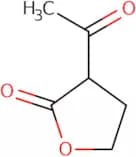
CAS:<p>2-Acetylbutyrolactone is a chemical compound that is used as a precursor to pharmaceuticals. It has been shown to react with sodium carbonate and amines in the presence of water to form esters. 2-Acetylbutyrolactone can be used as an anti-inflammatory agent by inhibiting prostaglandin synthesis. This drug also has the ability to act as a solid catalyst for palladium-catalyzed coupling reactions, which are used in organic synthesis. 2-Acetylbutyrolactone is also capable of forming noncovalent interactions with fatty acids and hydroxyl groups on proteins.</p>Formula:C6H8O3Purity:Min. 95%Color and Shape:Clear LiquidMolecular weight:128.13 g/mol2-(1',2',3',4'-Tetrahydroxybutyl)quinoxaline
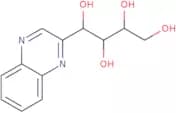
CAS:2-(1',2',3',4'-Tetrahydroxybutyl)quinoxaline is a chemical compound that is used as a versatile building block in the synthesis of complex compounds. It has been shown to be useful in reactions involving nucleophilic substitution, electrophilic addition, and oxidation. This compound has been used as a reagent for the synthesis of other fine chemicals and as an intermediate for research chemicals and speciality chemicals. 2-(1',2',3',4'-Tetrahydroxybutyl)quinoxaline has CAS No. 80840-09-1 and is soluble in organic solvents. The purity of this product is high, with less than 1% impurities.Formula:C12H14N2O4Purity:Min. 95%Color and Shape:Off-White To Light Brown SolidMolecular weight:250.25 g/mol1-(Chloromethyl)-4-fluoronaphthalene
CAS:1-(Chloromethyl)-4-fluoronaphthalene is a halogenated, organic compound with two different forms, a trans and cis form. The trans form is the more stable, inactive form. The cis form is more reactive and can be converted to the trans form by heating or light. It has been studied for use in polymer synthesis and as an insecticide. 1-(Chloromethyl)-4-fluoronaphthalene has not been observed in the gas phase because it does not have any dipole moments in this state. However, it does show infrared and vibrational spectra that are explainable when it is in the gaseous phase. 1-(Chloromethyl)-4-fluoronaphthalene also emits Raman spectra when it is heated or exposed to light. These spectra help to characterize the molecule quantitatively by observing its transitions at different frequencies.Formula:C11H8ClFPurity:Min. 95%Color and Shape:White To Beige SolidMolecular weight:194.63 g/mol2-Dicyclohexylphosphino-2',6'-bis(N,N-dimethylamino)biphenyl
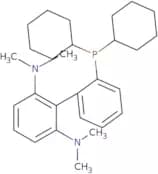
CAS:2-Dicyclohexylphosphino-2',6'-bis(N,N-dimethylamino)biphenyl (PCP-DMAP) is a phosphorus compound that is used for the synthesis of aryl chlorides. It has been validated as an effective reagent for the conversion of aryl chlorides to aryl halides. PCP-DMAP can be used in peptidomimetic synthesis and profiling. It is also useful in the synthesis of natural products where activation with N,N-dimethylchloramine (DMC) is required. PCP-DMAP can be used as an efficient alternative to other methods for activation with DMC, using less time and producing less waste. This compound has been shown to be stable against hydrolysis and oxidation in both acidic and basic media, making it a good reagent for use under these conditions. PCP-DMAP can also be used in the synthesisFormula:C28H41N2PPurity:Min. 95%Color and Shape:PowderMolecular weight:436.61 g/mol1'H-Spiro[cyclopentane-1,2'-quinazolin]-4'(3'H)-one
CAS:1'H-Spiro[cyclopentane-1,2'-quinazolin]-4'(3'H)-one is a pyrimidine with two conformations. The first conformation is a chair, which has an axial bond and four equatorial bonds. The second conformation is a boat, which has two axial bonds and three equatorial bonds. This molecule can form hydrogen bonds with other molecules in the same class. The systematic name of this molecule is (1-methyl-2-(2-(pyridin-2-yl)ethyl)-1H-benzimidazol-5-yl)methanol and it has six membered ring and five membered ring.Formula:C12H14N2OPurity:Min. 95%Color and Shape:PowderMolecular weight:202.25 g/mol1-(hydroxyimino)-2-(2-naphthyloxy)ethylamine
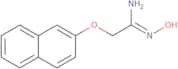
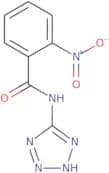
CAS:Please enquire for more information about 1-(hydroxyimino)-2-(2-naphthyloxy)ethylamine including the price, delivery time and more detailed product information at the technical inquiry form on this pageFormula:C12H12N2O2Purity:Min. 95%Color and Shape:PowderMolecular weight:216.24 g/molN-(2H-2,3,4,5-Tetraazolyl)(2-nitrophenyl)formamide
CAS:<p>N-(2H-2,3,4,5-Tetraazolyl)(2-nitrophenyl)formamide is a hydrogenated carbamic methyl ester. This compound is crystallized and has a melting point of 93°C. N-(2H-2,3,4,5-Tetraazolyl)(2-nitrophenyl)formamide is soluble in acetone and ethanol. Carbamic acid and oxalamides are the functional groups in this compound. The carbamic acid group is a carboxylic acid with an additional amine group attached to it. The oxalamides are aromatic compounds that consist of an oxygen atom and a nitrogen atom joined by two bonds. Phenyl is the aromatic ring in this molecule. Carbamates are organic compounds that contain carbamic acid or its derivatives as part of their structure. Acetic acid methyl ester is also found in this molecule.END></p>Formula:C8H6N6O3Purity:Min. 95%Color and Shape:PowderMolecular weight:234.17 g/mol4-bromo-2-methyl-3-((4-nitrophenoxy)methyl)-1-phenyl-3-pyrazolin-5-one
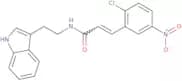
CAS:Please enquire for more information about 4-bromo-2-methyl-3-((4-nitrophenoxy)methyl)-1-phenyl-3-pyrazolin-5-one including the price, delivery time and more detailed product information at the technical inquiry form on this pageFormula:C17H14BrN3O4Purity:Min. 95%Color and Shape:PowderMolecular weight:404.21 g/mol3-(2-chloro-5-nitrophenyl)-N-(2-indol-3-ylethyl)prop-2-enamide
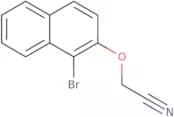
CAS:Please enquire for more information about 3-(2-chloro-5-nitrophenyl)-N-(2-indol-3-ylethyl)prop-2-enamide including the price, delivery time and more detailed product information at the technical inquiry form on this pageFormula:C19H16ClN3O3Purity:Min. 95%Color and Shape:PowderMolecular weight:369.8 g/mol2-(1-Bromo-2-naphthyloxy)ethanenitrile
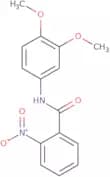
CAS:Please enquire for more information about 2-(1-Bromo-2-naphthyloxy)ethanenitrile including the price, delivery time and more detailed product information at the technical inquiry form on this pageFormula:C12H8BrNOPurity:Min. 95%Color and Shape:PowderMolecular weight:262.1 g/molN-(3,4-Dimethoxyphenyl)(2-nitrophenyl)formamide
CAS:Please enquire for more information about N-(3,4-Dimethoxyphenyl)(2-nitrophenyl)formamide including the price, delivery time and more detailed product information at the technical inquiry form on this pageFormula:C15H14N2O5Purity:Min. 95%Color and Shape:PowderMolecular weight:302.28 g/mol1-(4-Methylphenyl) thiourea
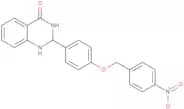
CAS:1-(4-Methylphenyl) thiourea is an antimicrobial agent that belongs to the group of phenylthioureas. It is a synthetic compound that is used in the treatment of bacterial infections and is effective against both Gram-positive and Gram-negative bacteria. 1-(4-Methylphenyl) thiourea has been shown to have homologous and heterologous modes of action, which means it can inhibit different enzymes in different species of bacteria. The kinetic data for 1-(4-methylphenyl) thiourea was obtained by crystallography techniques, which showed that this molecule has a constant rate of dissociation from its hydrogen bond acceptor. This efficient method was also applied to phenacyl (the other major metabolite), which yielded similar results.Purity:Min. 95%2-(4-((4-Nitrophenyl)methoxy)phenyl)-1,2,3-trihydroquinazolin-4-one
CAS:Please enquire for more information about 2-(4-((4-Nitrophenyl)methoxy)phenyl)-1,2,3-trihydroquinazolin-4-one including the price, delivery time and more detailed product information at the technical inquiry form on this pageFormula:C21H17N3O4Purity:Min. 95%Color and Shape:PowderMolecular weight:375.38 g/molN-(5-Chloro-2-methoxyphenyl)-4-(2-naphthalenyl)-2-thiazolamine
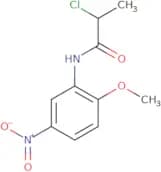
CAS:Please enquire for more information about N-(5-Chloro-2-methoxyphenyl)-4-(2-naphthalenyl)-2-thiazolamine including the price, delivery time and more detailed product information at the technical inquiry form on this pageFormula:C20H15ClN2OSPurity:Min. 95%Color and Shape:PowderMolecular weight:366.87 g/molN-(2-Methoxy-5-nitrophenyl)-2-chloropropanamide
CAS:Please enquire for more information about N-(2-Methoxy-5-nitrophenyl)-2-chloropropanamide including the price, delivery time and more detailed product information at the technical inquiry form on this pagePurity:Min. 95%3-(4-phenoxyphenyl)spiro[1,3-thiazolidine-2,3'-indoline]-4,7-dione
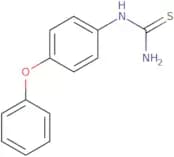
CAS:Please enquire for more information about 3-(4-phenoxyphenyl)spiro[1,3-thiazolidine-2,3'-indoline]-4,7-dione including the price, delivery time and more detailed product information at the technical inquiry form on this pageFormula:C22H16N2O3SPurity:Min. 95%Color and Shape:PowderMolecular weight:388.44 g/mol4-Phenoxyphenylthiourea
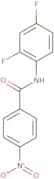
CAS:<p>Please enquire for more information about 4-Phenoxyphenylthiourea including the price, delivery time and more detailed product information at the technical inquiry form on this page</p>Formula:C13H12N2OSPurity:Min. 95%Color and Shape:PowderMolecular weight:244.31 g/molN-(2,4-difluorophenyl)(4-nitrophenyl)formamide
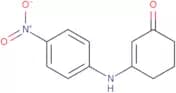
CAS:Please enquire for more information about N-(2,4-difluorophenyl)(4-nitrophenyl)formamide including the price, delivery time and more detailed product information at the technical inquiry form on this pagePurity:Min. 95%3-((4-nitrophenyl)amino)cyclohex-2-en-1-one
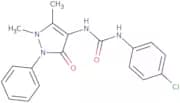
CAS:Please enquire for more information about 3-((4-nitrophenyl)amino)cyclohex-2-en-1-one including the price, delivery time and more detailed product information at the technical inquiry form on this pageFormula:C12H12N2O3Purity:Min. 95%Color and Shape:PowderMolecular weight:232.24 g/mol1-(2,3-dimethyl-5-oxo-1-phenyl(3-pyrazolin-4-yl))-3-chlorophenylurea
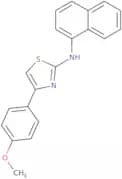
CAS:Please enquire for more information about 1-(2,3-dimethyl-5-oxo-1-phenyl(3-pyrazolin-4-yl))-3-chlorophenylurea including the price, delivery time and more detailed product information at the technical inquiry form on this pagePurity:Min. 95%(4-(4-methoxyphenyl)(2,5-thiazolyl))-1-naphthylamine
CAS:<p>Please enquire for more information about (4-(4-methoxyphenyl)(2,5-thiazolyl))-1-naphthylamine including the price, delivery time and more detailed product information at the technical inquiry form on this page</p>Purity:Min. 95%N-(4-Methyl-3-nitrophenyl)-2-chloropropanamide
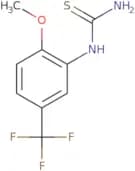
<p>Please enquire for more information about N-(4-Methyl-3-nitrophenyl)-2-chloropropanamide including the price, delivery time and more detailed product information at the technical inquiry form on this page</p>Purity:Min. 95%2-Methoxy-5-(trifluoromethyl)phenylthiourea
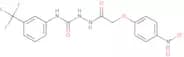
CAS:<p>Please enquire for more information about 2-Methoxy-5-(trifluoromethyl)phenylthiourea including the price, delivery time and more detailed product information at the technical inquiry form on this page</p>Purity:Min. 95%1-(2-(4-Nitrophenoxy)acetyl)-4-(3-(trifluoromethyl)phenyl)semicarbazide
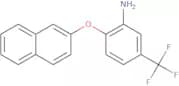
CAS:<p>Please enquire for more information about 1-(2-(4-Nitrophenoxy)acetyl)-4-(3-(trifluoromethyl)phenyl)semicarbazide including the price, delivery time and more detailed product information at the technical inquiry form on this page</p>Purity:Min. 95%2-(2-Naphthyloxy)-5-(trifluoromethyl)phenylamine
CAS:Please enquire for more information about 2-(2-Naphthyloxy)-5-(trifluoromethyl)phenylamine including the price, delivery time and more detailed product information at the technical inquiry form on this pageFormula:C17H12F3NOPurity:Min. 95%Color and Shape:PowderMolecular weight:303.28 g/mol(4-(3-Nitrophenyl)(2,5-thiazolyl))(4-(trifluoromethoxy)phenyl)amine
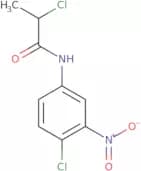
CAS:<p>Please enquire for more information about (4-(3-Nitrophenyl)(2,5-thiazolyl))(4-(trifluoromethoxy)phenyl)amine including the price, delivery time and more detailed product information at the technical inquiry form on this page</p>Formula:C16H10F3N3O3SPurity:Min. 95%Color and Shape:PowderMolecular weight:381.33 g/mol2-Chloro-N-(4-chloro-3-nitrophenyl)propanamide
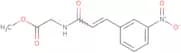
CAS:<p>Please enquire for more information about 2-Chloro-N-(4-chloro-3-nitrophenyl)propanamide including the price, delivery time and more detailed product information at the technical inquiry form on this page</p>Formula:C9H8Cl2N2O3Purity:Min. 95%Molecular weight:263.08 g/molmethyl 2-(3-(3-nitrophenyl)prop-2-enoylamino)acetate
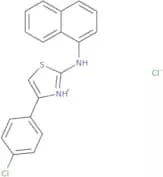
CAS:Please enquire for more information about methyl 2-(3-(3-nitrophenyl)prop-2-enoylamino)acetate including the price, delivery time and more detailed product information at the technical inquiry form on this pagePurity:Min. 95%(4-(4-Chlorophenyl)(2,5-thiazolyl))-1-naphthylamine hydrochloride
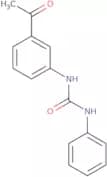
CAS:Please enquire for more information about (4-(4-Chlorophenyl)(2,5-thiazolyl))-1-naphthylamine hydrochloride including the price, delivery time and more detailed product information at the technical inquiry form on this pageFormula:C19H13ClN2SHClPurity:Min. 95%Molecular weight:373.30 g/mol1-(3-Acetylphenyl)-3-phenylurea
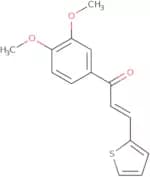
CAS:<p>Please enquire for more information about 1-(3-Acetylphenyl)-3-phenylurea including the price, delivery time and more detailed product information at the technical inquiry form on this page</p>Formula:C15H14N2O2Purity:Min. 95%Color and Shape:PowderMolecular weight:254.28 g/mol2-(2-Thienylidene)-3,4-dimethoxyacetophenone
CAS:<p>Please enquire for more information about 2-(2-Thienylidene)-3,4-dimethoxyacetophenone including the price, delivery time and more detailed product information at the technical inquiry form on this page</p>Purity:Min. 95%




![1'H-Spiro[cyclopentane-1,2'-quinazolin]-4'(3'H)-one](/_next/image/?url=https%3A%2Fstatic.cymitquimica.com%2Fproducts%2F3D%2Fthumb-webp%2FFS125569.webp&w=3840&q=75)



![3-(4-phenoxyphenyl)spiro[1,3-thiazolidine-2,3'-indoline]-4,7-dione](/_next/image/?url=https%3A%2Fstatic.cymitquimica.com%2Fproducts%2F3D%2Fthumb-webp%2FFP169783.webp&w=3840&q=75)