Pharmaceutical Standards
Pharmaceutical standards are a comprehensive set of reference materials essential for ensuring the safety, efficacy, and quality of pharmaceutical products. This category includes standards for active pharmaceutical ingredients (APIs), which are the core components responsible for therapeutic effects. Additionally, it covers compounds and metabolites relevant to both the pharmaceutical and veterinary industries, providing benchmarks for the accurate measurement and analysis of these substances. Nitrosamine control standards are crucial for detecting and mitigating potentially harmful nitrosamines in drug formulations. Toxicology standards help assess the safety and potential adverse effects of pharmaceutical compounds. Furthermore, enzyme activators and inhibitors standards are vital for research and development, enabling precise studies of biochemical pathways and drug mechanisms. These pharmaceutical standards are indispensable tools for regulatory compliance, quality control, and research, ensuring that pharmaceutical products meet stringent safety and effectiveness criteria.
Subcategories of "Pharmaceutical Standards"
- APIs for research and impurities(274,782 products)
- Enzyme Activators and Inhibitors(2,827 products)
- Nitrosamines(2,606 products)
- Pharmaceutical and Veterinary Compounds and Metabolites(2,849 products)
- Toxicology(13,652 products)
Found 7836 products of "Pharmaceutical Standards"
Sort by
Purity (%)
0
100
|
0
|
50
|
90
|
95
|
100
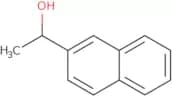
1-(2-Naphthyl)ethanol
CAS:<p>1-Naphthyl ethanol is a chromatographic solvent that is used in the reaction rate of lipase. It consists of two hydroxyl groups, one on each naphthalene ring. The hydroxyl groups are separated by a carbonyl group and a sterically hindered boron nitride. This compound is synthesized using triflic acid in methanol and reacts with carbinols to form functional groups. 1-Naphthyl ethanol has been shown to have stereoselective reactions with alkenes and alkynes, which may be due to its ability to form hydrogen bonds.</p>Formula:C12H12OPurity:Min. 95%Color and Shape:PowderMolecular weight:172.22 g/mol7a-Hydroxytestosterone
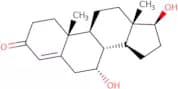
CAS:Controlled Product<p>Please enquire for more information about 7a-Hydroxytestosterone including the price, delivery time and more detailed product information at the technical inquiry form on this page</p>Formula:C19H28O3Purity:Min. 95%Molecular weight:304.42 g/molTestosterone benzoate
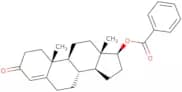
CAS:Controlled Product<p>Testosterone benzoate is a steroid that is used to produce testosterone. It is prepared by treating the sodium salt of testosterone with trifluoroacetic acid and then reacting it with benzoic acid. Testosterone benzoate has been used as an analytical marker for the presence of testosterone in biological samples. The use of this substance as an analytical reagent was first reported in 1955, when it was found to be more sensitive than the traditional means of detection (i.e., thin-layer chromatography). The matrix effect can significantly affect the results obtained using this test, so care must be taken to ensure that it is not present when testing for testosterone.<br>Testosterone benzoate reacts with oestradiol or estradiol benzoate under acidic conditions to form anhydrous sodium carbonate and water. This reaction may be used to assay for oestradiol or estradiol benzoate in biological samples containing testosterone benzoate.</p>Formula:C26H32O3Purity:Min. 95%Color and Shape:PowderMolecular weight:392.53 g/mol6,7-Dihydroxycoumarin-7-benzyl ether
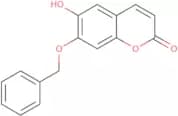
CAS:<p>6,7-Dihydroxycoumarin-7-benzyl ether is an antioxidant compound with a variety of uses. It has been shown to have clastogenic effects in in vitro tests. 6,7-Dihydroxycoumarin-7-benzyl ether has also been used as a screening tool for antioxidants and has found use in the fields of medicine and natural sources. The chemical structure of 6,7-dihydroxycoumarin-7-benzyl ether is heterocyclic aromatic rings with two hydroxyl groups at positions 6 and 7 on the coumarin nucleus. This molecule has prooxidant activity and can be described using chemical descriptors such as molecular weight and logP values.</p>Formula:C16H12O4Purity:Min. 95%Molecular weight:268.26 g/molFmoc-O-tert-butyl-D-threonine
CAS:<p>Fmoc-O-tert-butyl-D-threonine is an ion pair that is synthesized using an asymmetric synthesis process. The molecule has been shown to have antiproliferative effects in animals and humans and can inhibit neutrophil function. This synthetic compound has a glycan (a carbohydrate) attached to the side chain, which may be important for its biological activity. Fmoc-O-tert-butyl-D-threonine was synthesized on a solid phase and functional groups were introduced as part of the synthesis process. This molecule also has an inhibitory effect on ulceration in animals.</p>Formula:C23H27NO5Purity:Min. 95%Color and Shape:PowderMolecular weight:397.46 g/mol5-Fluorosalicylic acid
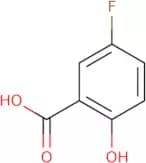
CAS:<p>5-Fluorosalicylic acid is a nonsteroidal anti-inflammatory drug that belongs to the group of 5-substituted salicylates. It has a strong affinity for human serum and can be used as an indicator in the determination of blood glucose. 5-Fluorosalicylic acid also binds to p-nitrophenyl phosphate with high affinity, which is involved in the regulation of cellular energy metabolism and plays a role in the production of ATP. The drug has been shown to form stable complexes with coumarin derivatives, which may have an effect on enzyme activities by modifying their conformational properties. 5-Fluorosalicylic acid has been shown to interact with other drugs, such as acetaminophen or ibuprofen, which may increase the risk of adverse effects.</p>Formula:C7H5FO3Purity:Min. 95%Color and Shape:SolidMolecular weight:156.11 g/mol3-Hydroxy-7,2',4',5'-tetramethoxychalcone
<p>3-Hydroxy-7,2',4',5'-tetramethoxychalcone is a versatile building block that can be used as a reagent or in the synthesis of fine chemicals. It is an intermediate or reaction component that has been found to be useful in the synthesis of complex compounds. This compound is also of high quality and can be used as a scaffold in the synthesis of new molecules. 3-Hydroxy-7,2',4',5'-tetramethoxychalcone is a speciality chemical, with CAS No. 55006-57-3 and molecular weight of 245.</p>Purity:Min. 95%6'-Hydroxy buspirone
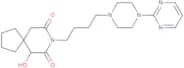
CAS:<p>6'-Hydroxy buspirone is a prodrug of buspirone, which is an antidepressant drug. It has been shown to have a matrix effect and profile similar to that of buspirone in humans. The compound has been found to be effective in the treatment of depression. 6'-Hydroxy buspirone has been shown to inhibit the dopamine D3 receptor with a potency similar to that of buspirone and other dopamine antagonists. This inhibition may be responsible for the antidepressant effects observed in clinical trials. The compound also inhibits serotonin reuptake, which may account for its antidepressant activity. 6'-Hydroxy buspirone is not metabolized by cytochrome P450 enzymes, making it more selective than some other drugs that are metabolized by this enzyme system.</p>Formula:C21H31N5O3Purity:Min. 95%Color and Shape:PowderMolecular weight:401.5 g/mol2,2'-(Methylimino)diquinolin-8-ol
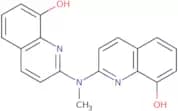
CAS:<p>Please enquire for more information about 2,2'-(Methylimino)diquinolin-8-ol including the price, delivery time and more detailed product information at the technical inquiry form on this page</p>Formula:C19H15N3O2Purity:Min. 95%Molecular weight:317.34 g/mol5β-Pregnan-3α,6α-diol-20-one
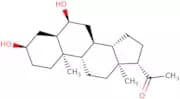
CAS:Controlled Product<p>5β-Pregnan-3α,6α-diol-20-one is an anticoagulant that inhibits the action of thrombin. It has been shown to inhibit the inflammatory response in a number of autoimmune diseases and inflammatory disorders. This drug also has a nitro group, which can be reduced to an hydroxyl group by reaction with sodium nitrite or other reducing agents. The antimicrobial properties of 5β-pregnan-3α,6α-diol-20-one are thought to be due to its ability to form particle aggregates with magnetic particles. These aggregates have an inhibitory effect on bacterial growth.</p>Formula:C21H34O3Purity:Min. 95%Color and Shape:PowderMolecular weight:334.49 g/mol3-Trifluoroacetyl-D-Camphor
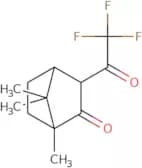
CAS:<p>3-Trifluoroacetyl-D-camphor is a ligand that binds to the quinine site on the mitochondrial membrane potential. It has been shown to have synergistic effects with metal chelates in cancer treatments. 3-Trifluoroacetyl-D-camphor is also a phosphorescent compound that emits photons when excited by light. The emission of light can be used as a probe for determining mitochondrial membrane potential and as a luminophore in devices such as gas sensors. 3-Trifluoroacetyl-D-camphor is found in the mitochondrial membranes of HL60 cells, and its concentration increases when mitochondria are exposed to hydrogen phosphine.</p>Formula:C12H15F3O2Purity:Min. 95%Color and Shape:Clear LiquidMolecular weight:248.24 g/mol4,4' -Bis(N,N-dimethylamino)-2,2' -bipyridine
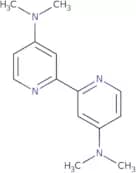
CAS:4,4' -Bis(N,N-dimethylamino)-2,2' -bipyridine (DMAB) is a ligand that is used in electrochemical studies. It has been shown to have ancillary properties, which means that it does not interact directly with the substrate but modifies its environment. DMAB can form a complex with the proton at the electrode surface and x-ray crystal structures have been obtained for this interaction. These structures demonstrate that DMAB binds to the tetrazole ring of pyridine and stabilizes the molecule by increasing its redox potentials.Formula:C14H18N4Purity:Min. 95%Color and Shape:PowderMolecular weight:242.32 g/mol22-Hydroxy-25-Fluorocholesterol
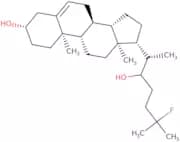
CAS:Controlled Product<p>22-Hydroxy-25-fluorocholesterol is a cholesterol acyltransferase inhibitor, which prevents the synthesis of cholesterol in the body. It is also used as a sequestering agent, preventing cholesterol from being absorbed into the body. This drug has been shown to decrease high cholesterol levels and oxysterols in patients with coronary artery disease. 22-Hydoxy-25-fluorocholesterol binds to cellular membranes and blocks the transport of bile acids and acid, thereby inhibiting cholesterol synthesis. It also inhibits inflammation by blocking inflammatory cytokines such as TNF-α and IL-1β. This drug may also be useful for treating inflammatory diseases such as asthma and rheumatoid arthritis due to its inhibition of leukotriene synthesis.</p>Formula:C27H45FO2Purity:Min. 95%Molecular weight:420.64 g/molMertansine
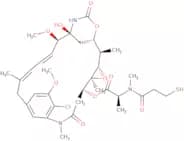
CAS:N2'-Deacetyl-N2'-(3-mercapto-1-oxopropyl)-maytansine is a thiol-containing derivative of maytansine. Maytansine and its derivatives kill cells by interfering with the formation of microtubules, and causing the depolymerisation of already formed microtubules. Antibody conjugates of N2'-Deacetyl-N2'-(3-mercapto-1-oxopropyl)-maytansine and the murine monoclonal antibody TA. 1, using linkers containing either a disulfide bond or a thioether bond, have been synthesised. These antibody conjugates bind to the HER-2/new oncogene protein that is expressed on human breast tumor cells.Formula:C35H48ClN3O10SPurity:Min. 95%Color and Shape:White Off-White Yellow PowderMolecular weight:738.29 g/molIbuprofen
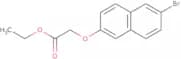
CAS:<p>Ibuprofen is a nonsteroidal anti-inflammatory drug (NSAID) used for the treatment of pain, fever and inflammation. Ibuprofen is an inhibitor of cyclooxygenase 1 (COX-1), which blocks the production of prostaglandins that cause pain and inflammation. Ibuprofen has been shown to inhibit the growth of bacteria in cell culture by inhibiting protein synthesis. This drug also has a toxic effect on respiratory system cells, which may be due to its ability to induce apoptosis. Ibuprofen has been shown to inhibit the production of tumour necrosis factor-α (TNF-α) and serum enzymes, such as dismutase activity, in mice with lung cancer.</p>Formula:C13H18O2Purity:Min. 98 Area-%Color and Shape:White PowderMolecular weight:206.28 g/molethyl 2-(6-bromo-2-naphthyloxy)acetate
CAS:<p>Please enquire for more information about ethyl 2-(6-bromo-2-naphthyloxy)acetate including the price, delivery time and more detailed product information at the technical inquiry form on this page</p>Purity:Min. 95%Citral
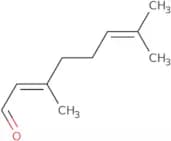
CAS:Citral is a natural compound that is found in the essential oils of a variety of plants. It has been shown to have antimicrobial activity, and has been investigated for its use as an insect repellent. Citral is also known to bind DNA and inhibit the enzyme activities of c. glabrata. The biological properties of citral are still unclear, but it has been shown to cause a mild increase in water vapor and induce mitochondrial membrane potential in vivo human cells. Citral is also able to inhibit the growth of wild-type strains of C. glabrata and other bacteria through inhibition of their enzyme activities and interaction with cellular membranes.Formula:C10H16OPurity:Min. 95%Color and Shape:Clear LiquidMolecular weight:152.23 g/mol1-Acenaphthenone
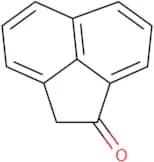
CAS:<p>1-Acenaphthenone is a heterocyclic compound that contains a hydroxyl group, chlorine atom, and two rings. It is used as a catalyst in organic synthesis. 1-Acenaphthenone has been shown to be an efficient dioxygenation catalyst for the production of 1-hydroxy-2-naphthoic acid from malonic acid. It also has been used as a solid catalyst in the oxidation of fatty acids with hydrogen peroxide and as an enzyme activator for rat liver microsomes. This compound also shows synchronous fluorescence with other compounds such as 1-hydroxy-2-naphthoic acid and 2-(2'-oxobiphenyl)acetic acid.</p>Formula:C12H8OPurity:Min. 95%Color and Shape:PowderMolecular weight:168.19 g/molTaraxasterol acetate
CAS:Controlled Product<p>Taraxasterol acetate is a sesquiterpene lactone that has shown anti-inflammatory activity and inhibits the production of inflammatory cytokines. It also possesses antifungal activity against various fungi, such as Candida albicans and Aspergillus niger. Taraxasterol acetate can be used for the treatment of infectious diseases, as well as for the prevention of inflammation. This compound has been found to work by binding to specific enzymes that are involved in the inflammatory response. These enzyme interactions prevent the production of pro-inflammatory molecules and cytokines, which are substances that trigger an immune response. The structure of taraxasterol acetate is similar to 3-o-caffeoylquinic acid, a natural compound found in plants such as Angelica Dahurica. Taraxasterol acetate is a component of several species of plants, including some medicinal herbs such as Angelicae Dahuricae. This compound can be purified</p>Formula:C32H52O2Purity:Min. 95%Color and Shape:PowderMolecular weight:468.75 g/molGlycerin rosin ester
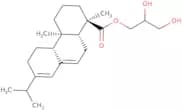
CAS:<p>Glycerin rosin ester is a polyunsaturated, hydrogenated, fatty acid that is used as a cross-linking agent. It is a mixture of glycerin and calcium stearate with traces of choroidal neovascularization. Glycerin rosin ester is used in the production of pharmaceutical preparations to increase the viscosity and stability of the formulation. Glycerin rosin ester has been shown to have a low thermal expansion coefficient, which allows it to be used as a hydrogen bond. This product also has an allergic effect on skin and can cause irritation if touched or inhaled. The transport rate for this product is 0.5 kilometers per hour at 20 degrees Celsius.</p>Formula:C3H8O3Color and Shape:Off-White PowderMolecular weight:92.092-Amino-5-nitro-2'-fluorobenzophenone
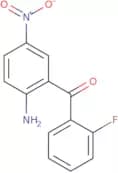
CAS:<p>2-Amino-5-nitro-2'-fluorobenzophenone is a prodrug that is activated by thiourea, a chemical agent that is used to break down the drug. It is an anti-inflammatory drug that acts as a selective COX inhibitor and has been shown to be effective in vivo against primary tumors. 2-Amino-5-nitro-2'-fluorobenzophenone has also been shown to have antiangiogenic properties and has been used to treat inflammatory diseases such as arthritis and psoriasis. This drug can be radiolabeled with carbon, fluorine, or iodine isotopes for use in positron emission tomography (PET) imaging of primary tumors. The drug binds to response elements on cells through electrostatic interactions between the molecular orbitals of the 2 amino groups and the nucleophilic centers of these molecules.</p>Formula:C13H9FN2O3Purity:Min. 95%Color and Shape:PowderMolecular weight:260.22 g/molBiotin-PEG4-propionic acid
CAS:<p>Biotin-PEG4-propionic acid is a PEG compound with two different functional groups (also known as heterobifunctional). Unlike homobifunctional PEG compounds (same functional group on both ends), this type of compounds are more versatile as have two different anchor points. Biotin-PEG4-propionic acid is used as a linker and spacer to add a PEG moiety, via pegylation (a bioconjugation technique) to proteins, peptides, oligonucleotides, small molecules and nanoparticles.</p>Formula:C21H37N3O8SPurity:Min. 95%Color and Shape:PowderMolecular weight:491.6 g/mol4-Methylsalicylic acid
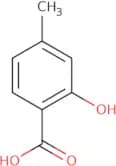
CAS:<p>4-Methylsalicylic acid is a chemical compound that belongs to the group of salicylates. It is an organic compound with a molecular weight of 96.12 g/mol and the chemical formula C8H8O3. The epoxidation of 4-methylsalicylic acid occurs through the use of catalysts, such as zinc oxide and manganese dioxide, which are not functionalized. The addition of these catalysts causes a reaction between the methyl group and the hydroxyl group in 4-methylsalicylic acid, forming methyl salicylate. This product is also used as a chiral building block for other compounds, such as axial chirality and olefins.</p>Formula:C8H8O3Purity:Min. 98 Area-%Color and Shape:PowderMolecular weight:152.15 g/molDL-Threonine
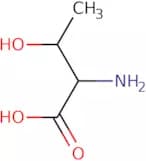
CAS:<p>DL-Threonine (or 2-amino-3-hydroxybutanoic acid), is an essential, non-protein amino acid naturally occurring in the human body and it is involved in many biological processes. DL-threonine takes part in the conversion of glycogen into the glucose pathway, supports muscle tissue maintenance and growth, and plays a key role in regulating levels of other amino acids. In addition, DL-threonine helps to provide protection against heat, reduce tiredness and lowers blood pressure. It is an important source of energy for the liver and has been shown to be effective in stimulating liver function, as well as, to have a protective effect against various diseases, including hepatitis and cirrhosis. The liver uses DL-Threonine to produce other amino acids and helping in protein synthesis, such as insulin. The human body can produce DL-threonine from serine by threonine synthase, but not enough to meet the body's needs and thus it must be obtained from food sources or supplements. DL-Threonine can be found in many foods including meat, eggs, soybeans, and dairy products. It can chelate metal cations to improve the absorption of minerals from supplements, which is used in fertilizers for agriculture.</p>Formula:C4H9NO3Purity:Min 98%Color and Shape:PowderMolecular weight:119.12 g/mol3-Nitrophthalic anhydride
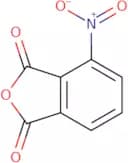
CAS:<p>3-Nitrophthalic anhydride is a nucleophilic compound that is activated by the addition of hydrochloric acid and chloride. It reacts with dimethyl formamide to produce nitrobenzene, which can be oxidized to nitrobenzoic acid. 3-Nitrophthalic anhydride has been used as a precursor for pomalidomide, a drug used in the treatment of multiple myeloma and other cancers. In this reaction, n-dimethyl formamide reacts with 3-nitrophthalic anhydride to produce nitromethane, which can then be oxidized to nitrobenzoic acid. Molecular modeling studies have shown that 3-nitrophthalic anhydride binds to DNA through hydrogen bonding interactions and the formation of covalent bonds. The solubility data for 3-nitrophthalic anhydride show that it is soluble in water and organic solvents such as acetone or met</p>Formula:C8H3NO5Purity:Min. 85%Color and Shape:PowderMolecular weight:193.11 g/mol4-tert-Butylacetophenone
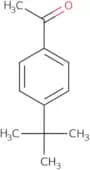
CAS:<p>4-tert-Butylacetophenone is an organic compound that is used to synthesize a variety of derivatives. It has been shown to have anticancer activity in vitro and in vivo, as well as antiviral activity against human pathogens. 4-tert-Butylacetophenone has also been shown to be active against Trichophyton mentagrophytes, a fungus that causes athlete's foot, and Cryptococcus neoformans, which is a pathogenic yeast that causes cryptococcal meningitis. The synthesis of 4-tert-butylacetophenone begins with the reaction of phosphorus pentoxide with a molecule of acetic acid in the presence of water. This reaction produces water and trichloroacetic acid as byproducts. The chloride ion then reacts with the trichloroacetic acid to form 4-tert-butylchloroacetic acid, which can then be reacted with phosphorous pentoxide again to</p>Formula:C12H16OPurity:Min. 95%Color and Shape:Colorless Clear LiquidMolecular weight:176.25 g/mol4-Bromobutyric acid methyl ester
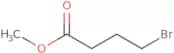
CAS:4-Bromobutyric acid methyl ester is a synthetic compound that can be used to inhibit the activity of the G1 phase cyclin-dependent kinases. It has been shown to inhibit protein synthesis by alkylating the amino groups of proteins and fatty acids. 4-Bromobutyric acid methyl ester also inhibits the growth of cancer cell lines, such as renal carcinoma cells. The mechanism of action for this drug is not well understood, but it may be due to its ability to bind with monoclonal antibodies and enter kidney cells by passive diffusion.Formula:C5H9BrO2Purity:Min. 95%Color and Shape:Clear LiquidMolecular weight:181.03 g/molIndole-3-acetyl-L-aspartic acid
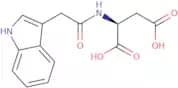
CAS:<p>Indole-3-acetyl-L-aspartic acid, also known as 3IAA or IAA, is a naturally occurring amino acid. It is used in the study of plant physiology and serves as a substrate for ATP synthesis. 3IAA is synthesized from tryptophan by the enzyme indole acetyltransferase. The kinetic data obtained with 3IAA can be used to compare the effects of light exposure on ATP levels in plants. Indole-3-acetyl-L-aspartic acid inhibits cell growth and induces apoptosis, which may be due to its ability to inhibit protein synthesis by preventing RNA and DNA synthesis. This compound has been shown to have surface membrane inhibiting properties, which may be due to its ability to cross the plasma membrane.</p>Formula:C14H14N2O5Purity:Min. 95%Color and Shape:White PowderMolecular weight:290.27 g/molβ-Naphthoic acid ethyl ester
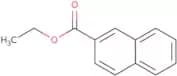
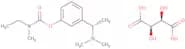
CAS:β-Naphthoic acid ethyl ester (BNAE) is a synthetic compound that has been used as an intermediate in the synthesis of organic compounds. It is also used to prepare hydroxamic acids, which are active methylene compounds. BNAE reacts with nucleophiles and is susceptible to nucleophilic attack. The reaction mechanism for this type of compound involves a cavity with a constant volume, which increases the reactivity of the molecule. This type of reaction can be explained using the functional theory and the use of organic solvents. BNAE is stable when exposed to carbon tetrachloride and hydroxamic acids, but not when exposed to diethyl succinate or chemical agents such as sodium nitrite.Formula:C13H12O2Purity:Min. 95%Color and Shape:PowderMolecular weight:200.23 g/molRivastigmine tartrate
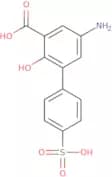
CAS:Controlled Product<p>Acetylcholinesterase and butyrylcholinesterase inhibitor</p>Formula:C18H28N2O8Purity:Min. 95%Color and Shape:White PowderMolecular weight:400.42 g/molMesalamine impurity P
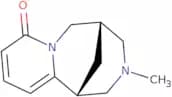
CAS:<p>Please enquire for more information about Mesalamine impurity P including the price, delivery time and more detailed product information at the technical inquiry form on this page</p>Formula:C13H11NO6SPurity:Min. 95%Color and Shape:Yellow SolidMolecular weight:309.3 g/molN-Methylcytisine
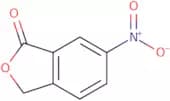
CAS:N-Methylcytisine is a drug that is used to treat bowel disease, locomotor activity, and hypoglycemia. This drug has been shown to have significant cytotoxicity in vitro against squamous carcinoma cells. N-Methylcytisine also inhibits the production of gamma-aminobutyric acid (GABA) and reduces the activity index in anagyroides. This drug has been shown to have a significant effect on colitis and other inflammatory bowel diseases in vivo by reducing inflammation and increasing mucin production.Formula:C12H16N2OPurity:Min. 98 Area-%Color and Shape:White PowderMolecular weight:204.27 g/mol6-Nitrophthalide
CAS:<p>6-Nitrophthalide is a fluorescent heterocycle that can be used as a probe for specific inhibition. It has been shown to have inhibitory properties against triazole and dipole, which are catalytic asymmetric. 6-Nitrophthalide has also been shown to have the ability to inhibit the oxidation of aldehydes. This compound is synthesized from 2-nitrobenzaldehyde via a two-step process, and then reacted with methyl iodide. 6-Nitrophthalide is homologous to other fluorescent probes such as fluorescein, nitrobenzene, and nitrophenol.</p>Formula:C8H5NO4Purity:Min. 95%Color and Shape:PowderMolecular weight:179.13 g/mol3-Bromocinnamic acid methyl ester
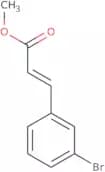
CAS:<p>3-Bromocinnamic acid methyl ester is a chemical compound that belongs to the group of useful scaffolds. It is a versatile building block and can be used as an intermediate in the synthesis of complex compounds. 3-Bromocinnamic acid methyl ester has been found to be a useful research chemical, reaction component, and speciality chemical. This chemical can be used in the production of fine chemicals and other products. 3-Bromocinnamic acid methyl ester is also useful as a reagent for organic reactions.</p>Formula:C10H9BrO2Purity:Min. 95%Color and Shape:PowderMolecular weight:241.08 g/mol4'-Iodo-2,2':6',2''-terpyridine
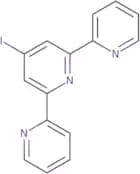
CAS:<p>4'-Iodo-2,2':6',2''-terpyridine is a transoid that has two conformations: one with the pyridine ring in the cisoid position and one with the pyridine ring in the transoid position. It can form intermolecular interactions with other molecules of 4'-iodo-2,2':6',2''-terpyridine. These interactions may be due to stacking or planar interactions.</p>Formula:C15H10IN3Purity:Min. 95%Color and Shape:PowderMolecular weight:359.16 g/mol4-(4-Formyl-3-methoxyphenoxy)butanoic acid
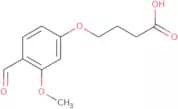
CAS:Controlled Product<p>4-(4'-Formyl-3'-methoxyphenoxy)butanoic acid is a carboxylate that can be used as a preloaded reagent for the synthesis of peptides, proteins, and other organic molecules. 4-(4'-Formyl-3'-methoxyphenoxy)butanoic acid has been shown to be an efficient linker for solid-phase peptide synthesis. 4-(4'-Formyl-3'-methoxyphenoxy)butanoic acid is labile to hydrolysis and so should be stored in an organic solvent such as dimethylsulfoxide. The carboxylate group is readily available in the form of its sodium salt, which can be synthesized by reacting sodium acetate with formaldehyde.</p>Formula:C12H14O5Purity:Min. 95%Color and Shape:PowderMolecular weight:238.24 g/molα-Methylhydrocinnamic acid
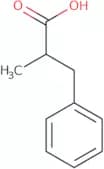
CAS:<p>Alpha-methylhydrocinnamic acid (AMHA) is a synthetic enantiomer of 2-phenylbutyric acid, which has been shown to inhibit the growth of k562 cells. It is also a substrate for fatty acid synthase and may play an important role in fatty acid metabolism. AMHA has been shown to inhibit the production of reactive oxygen species by phagocytic cells exposed to ionizing radiation, which may be due to its ability to scavenge hydroxyl radicals. The effect of AMHA on hematopoietic cells, including neutrophils and bone marrow cells, has not yet been determined.</p>Formula:C10H12O2Purity:Min. 95%Color and Shape:White Clear LiquidMolecular weight:164.2 g/molCholesterol 3-sulfate sodium
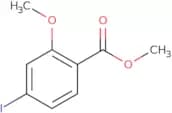
CAS:<p>Cholesterol 3-sulfate sodium salt is a fine chemical that is used as a versatile building block and reagent. It is a useful intermediate that can be used in the synthesis of complex compounds, speciality chemicals, and reaction components. Cholesterol 3-sulfate sodium salt can be used to synthesize cholesterol derivatives. This compound has been shown to have high reactivity with nucleophiles and can be used as a building block for other organic compounds. The CAS number for Cholesterol 3-sulfate sodium salt is 2864-50-8.</p>Formula:C27H45NaO4SPurity:Min. 95%Color and Shape:White PowderMolecular weight:488.7 g/mol4-Iodo-2-methoxybenzoic acid methyl ester
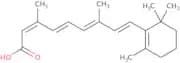
CAS:<p>4-Iodo-2-methoxybenzoic acid methyl ester is a high quality chemical that can be used as a versatile building block in chemical synthesis. It is a complex compound that has been shown to be an effective reagent for research, which can be used in the synthesis of new complex compounds. 4-Iodo-2-methoxybenzoic acid methyl ester is also useful as an intermediate or reaction component in organic syntheses. This chemical is available for purchase at a CAS number of 148490-97-5.</p>Formula:C9H9IO3Purity:Min. 95%Color and Shape:PowderMolecular weight:292.07 g/mol13-cis-Retinoic acid
CAS:Controlled Product<p>An endogenous retinoic acid receptor (RAR) agonist that upregulates forkhead box class O (FoxO) transcription factor. Suppresses activity and proliferation of sebaceous glands. Used for treating nodulocystic acne. Induces differentiation, neurite outgrowth and inhibits proliferation of neuroblastoma cells. A potential chemopreventive agent in non-small cell lung cancer, head and neck squamous cell carcinoma and neuroblastoma.</p>Formula:C20H28O2Purity:Min. 97 Area-%Color and Shape:Yellow PowderMolecular weight:300.44 g/molDL-2-Hydroxyvaleric acid sodium salt
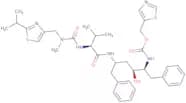
CAS:2-Hydroxyvaleric acid sodium salt is a fine chemical that can be used as a building block for the synthesis of more complex compounds. It is also used as a reagent in research and as a speciality chemical. The CAS number for this compound is 84176-70-5. 2-Hydoxyvaleric acid sodium salt is most commonly used in the synthesis of pharmaceuticals, pesticides, and other chemicals. It has also been shown to be useful in the synthesis of biodegradable polymers and as an intermediate in organic reactions.Formula:C5H9NaO3Purity:Min. 95%Color and Shape:PowderMolecular weight:140.11 g/molRitonavir
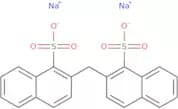
CAS:<p>Ritonavir has an anti-retroviral activity as it inhibits the protease enzymes specific of both HIV-1 and HIV-2. As an added functionality, ritonavir also inactivates significantly the cytochrome P4503A4 (CYP3A4) thus increasing the bioavailability or half-life of other co-administered drugs.</p>Formula:C37H48N6O5S2Purity:Min. 95%Color and Shape:White Off-White PowderMolecular weight:720.95 g/molDisodium methylenebisnaphthalenesulfonate
CAS:<p>Disodium methylenebisnaphthalenesulfonate is an organic compound that belongs to the group of bisnaphthyl-sulfones. It is a white solid with a melting point of 236°C. Disodium methylenebisnaphthalenesulfonate is used as a reagent in organic synthesis and as a building block for other compounds. The compound has been shown to be useful in the synthesis of 2-amino-5-methyl-1,3,4-thiadiazole derivatives, which are important building blocks for pharmaceuticals. Disodium methylenebisnaphthalenesulfonate can also be used as a scaffold for complex compounds with new or unknown structures.</p>Formula:C21H16O6S2·2NaPurity:Min. 95%Color and Shape:Beige To Brown SolidMolecular weight:474.46 g/mol2-Fluoro-1-naphthalenecarboxaldehyde
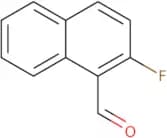
CAS:<p>2-Fluoro-1-naphthalenecarboxaldehyde is a high quality, complex compound that can be used as a versatile building block in the synthesis of many different compounds. As a reagent, it is used for the conversion of alcohols to ketones, esters to acid chlorides and amides to nitriles. It is also an intermediate in the synthesis of other chemicals such as 2-fluoronaphthalene, 2-(2-fluoroethyl)naphthalene, 1H-indole-2-carboxylic acid, and 3-(2-fluoropropyl)benzothiazole.</p>Formula:C11H7FOPurity:Min. 95%Color and Shape:PowderMolecular weight:174.17 g/mol4-Ethoxysalicylic acid
CAS:<p>4-Ethoxysalicylic acid is a phosphorus oxychloride derivative that is used as an intermediate in the production of xanthones. Xanthones are used in the manufacture of dyes, pharmaceuticals, and fragrances. This compound also reacts with zinc chloride to give 4-ethoxysalicylate, which is an oxidizing agent. 4-Ethoxysalicylic acid has low toxicity and can be filtered from a reaction mixture by filtration or recrystallization. It can act as a monoamine oxidase inhibitor, which may contribute to its antidepressant properties. A hydrophobic molecule, 4-ethoxysalicylic acid will not dissolve in water but can be dissolved in organic solvents such as alcohols or ethers. It also has a high affinity for blood proteins and will bind to them readily. This property makes it useful as an anti-coagulant drug for treating depression and other mental illness.</p>Formula:C9H10O4Purity:Min. 95%Color and Shape:PowderMolecular weight:182.17 g/molO-Cresolphthalein
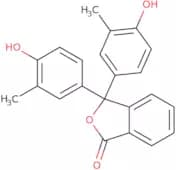
CAS:<p>O-Cresolphthalein is a gadolinium chelate that is used as a contrast agent for magnetic resonance imaging (MRI) of the brain, spine, and joints. The gadolinium ion is bound to the cresol molecule, which has an attached hydroxyl group. This complex attaches to the phosphorous pentoxide and creates a precipitate of metal hydroxides in the presence of water and sodium carbonate. O-Cresolphthalein is also used in clinical pathology to measure glomerular filtration rate (GFR), which is important for diagnosing renal disease. MRI scans are used to diagnose osteogenic genes that are associated with bone diseases such as osteoporosis.</p>Formula:C22H18O4Purity:Min. 95 Area-%Color and Shape:PowderMolecular weight:346.38 g/molLopinavir
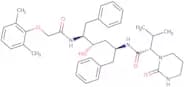
CAS:<p>Anti-viral; HIV protease inhibitor</p>Formula:C37H48N4O5Purity:Min. 97.5 Area-%Color and Shape:White Off-White PowderMolecular weight:628.8 g/mol4-Methylcinnamic acid
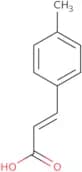
CAS:<p>4-Methylcinnamic acid is a cinnamic acid derivative that is used as an intermediate in the synthesis of various drugs. It can be synthesized from 2-chlorocinnamic acid, which is prepared by reaction with phosphorus pentachloride. 4-Methylcinnamic acid is also able to be oxidized to 4-hydroxycinnamic acid, which has been shown to have anti-aging effects. The molecule can be modeled using molecular dynamics simulations and was found to be polarizable and diffracting.</p>Formula:C10H10O2Purity:Min. 95%Color and Shape:White PowderMolecular weight:162.19 g/mol6-Sulfatoxy melatonin sodium salt
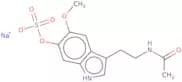
CAS:<p>6-Sulfatoxy melatonin sodium salt is a fine chemical that is a useful scaffold, versatile building block, and useful intermediate. It is used in research chemicals as well as in the manufacture of pharmaceuticals, agrochemicals, and other specialty chemicals. 6-Sulfatoxy melatonin sodium salt is a complex compound with a high quality and has CAS No. 76290-78-3.</p>Formula:C13H15N2NaO6SPurity:Min. 95 Area-%Color and Shape:PowderMolecular weight:350.32 g/molβ-Naphthoylhydrazine
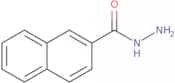
CAS:<p>Beta-Naphthoylhydrazine is a chemical inhibitor that binds to the enzyme diacylglycerol, which is involved in the synthesis of cholesterol. It has been shown to inhibit the uptake of cholesterol by ovary cells and human serum lipase. Beta-Naphthoylhydrazine potently inhibits reactive oxygen species and may be used in the treatment of inflammation and cancer.</p>Formula:C11H10N2OPurity:Min. 95%Color and Shape:PowderMolecular weight:186.21 g/mol