Pharmaceutical Standards
Subcategories of "Pharmaceutical Standards"
- APIs for research and impurities(296,860 products)
- Enzyme Activators and Inhibitors(2,829 products)
- Nitrosamines(3,124 products)
- Pharmaceutical and Veterinary Compounds and Metabolites(4,733 products)
- Toxicology(22,950 products)
Found 16682 products of "Pharmaceutical Standards"
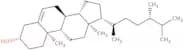
22,23-Dihydrobrassicasterol
CAS:Controlled Product22,23-Dihydrobrassicasterol is a sterol present in rhizoma gastrodiae that has been shown to inhibit the growth of oral pathogens. It also has been found to have cholesterol-lowering effects and can be used as an antimicrobial agent to treat gastrointestinal diseases. 22,23-Dihydrobrassicasterol has been found to have inhibitory effects on human serum processes such as the process of producing fibroblasts and on physiological functions such as the inhibition of hepatic steatosis. The pharmacokinetic properties of this drug are not well understood, but it appears to be absorbed from the gut and excreted in urine.
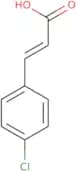
Formula:C28H48OPurity:Min. 95%Molecular weight:400.68 g/mol4-Chlorocinnamic acid
CAS:4-Chlorocinnamic acid is a malonic acid derivative and one of the cinnamic acid derivatives that has been shown to inhibit many chemical reactions. It inhibits the production of tyrosinase, which is an enzyme that catalyzes the conversion of tyrosinase to 4-hydroxycinnamic acid. 4-Chlorocinnamic acid also inhibits the growth of Candida glabrata in vitro. The effect on candida is due to its ability to inhibit the production of hydroxyl group and aromatic hydrocarbon, both of which are required for candida's survival. 4-Chlorocinnamic acid binds with aryl halide and neutral ph, preventing it from reacting with other substances.
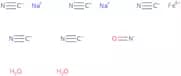
Formula:C9H7ClO2Purity:Min. 95%Color and Shape:PowderMolecular weight:182.6 g/molSodium nitroprusside dihydrate
CAS:Controlled ProductSodium nitroprusside dihydrate is an oxygen transport agent that works by inhibiting the enzyme cyclase. This inhibits the production of tnf-α and other inflammatory mediators, which reduces inflammation and pain. Sodium nitroprusside dihydrate is used to lower blood pressure in emergency situations, such as shock. It has been shown to be effective for treating pulmonary hypertension, chronic obstructive pulmonary disease, and other conditions related to oxygen transport. Sodium nitroprusside dihydrate is a metastable molecule that can be converted into a stable form (sodium nitroprusside) by ester hydrochloride or fatty acid esters.
Formula:C5FeN6O•(H2O)2•Na2Purity:Min. 98.0%Color and Shape:Red PowderMolecular weight:297.95 g/molRef: 3D-FS55880
Discontinued productrec Oncostatin M (human)
CAS:Please enquire for more information about rec Oncostatin M (human) including the price, delivery time and more detailed product information at the technical inquiry form on this page
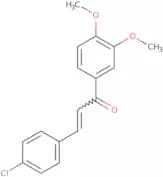
Purity:Min. 95%4-Chloro-3',4'-dimethoxychalcone
CAS:Please enquire for more information about 4-Chloro-3',4'-dimethoxychalcone including the price, delivery time and more detailed product information at the technical inquiry form on this page
Purity:Min. 95%1-Naphthaldehyde
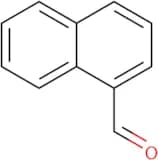
CAS:1-Naphthaldehyde is a coordination compound that contains 1 naphthyl group and an oxygen atom. It can be used as an oxidation catalyst, intramolecular hydrogen, or a reaction solution. The antimicrobial activity of 1-naphthaldehyde has been shown in the presence of sodium carbonate or potassium phosphate buffer. 1-Naphthaldehyde has been shown to possess structural properties similar to those of other metal chelates, such as zinc pyrithione. The protonated form of 1-naphthaldehyde has been identified by means of analytical methods including gas chromatography and mass spectrometry.
Formula:C11H8OPurity:Min. 95%Color and Shape:Yellow To Brown LiquidMolecular weight:156.18 g/molRef: 3D-FN02194
Discontinued product3,3',4',5,5',8-Hexahydroxyflavone
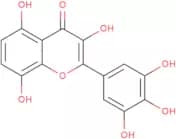
CAS:3,3',4',5,5',8-Hexahydroxyflavone is a naturally occurring flavonoid, which is a type of polyphenolic compound. It is derived from various plant sources, including fruits, vegetables, and certain medicinal herbs. The compound is characterized by its chemical structure, which includes multiple hydroxyl groups, contributing to its biological activity.
The mode of action of 3,3',4',5,5',8-Hexahydroxyflavone involves its interaction with various cellular pathways and enzymes. Primarily, it is known for its antioxidant properties, where it scavenges free radicals and reactive oxygen species, thereby reducing oxidative stress. Additionally, it may exhibit anti-inflammatory effects by modulating signaling pathways involved in inflammation.
In terms of uses and applications, 3,3',4',5,5',8-Hexahydroxyflavone is primarily explored in scientific research focusing on its potential health benefits. Studies investigate its role in disease prevention, particularly conditions associated with oxidative stress and inflammation, such as cardiovascular diseases and neurodegenerative disorders. While it holds promise in these areas, further research is necessary to fully understand its mechanisms and therapeutic potential.Formula:C15H10O8Purity:Min. 95%Molecular weight:318.24 g/molb-Propiolactone
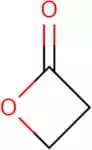
CAS:Controlled Productb-Propiolactone is a plant extract that is found in soybeans. It has been shown to have antiviral properties and can inhibit the growth of certain viruses. b-Propiolactone binds to the active site of an enzyme called RNA polymerase, which blocks RNA synthesis and inhibits viral replication. This compound has also been shown to inhibit virus replication in vitro assays as well as antibody response against hepatitis B. The biological effects of b-propiolactone are thought to be due to its ability to bind with group p2 protein monoclonal antibodies, which may have implications for the prevention of pandemic influenza.
Formula:C3H4O2Purity:Min. 95%Color and Shape:Clear LiquidMolecular weight:72.06 g/molPentazocine lactate
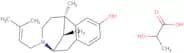
CAS:Controlled ProductPentazocine lactate is an opioid that binds to the kappa-opioid receptor. It has a low potency and is used as an analgesic. Pentazocine lactate has been shown to be effective in the treatment of eosinophilic fasciitis, which is a rare inflammatory disease of the skin and soft tissue. Side effects for this drug include respiratory depression and sedation, constipation, nausea/vomiting, urinary retention, erythema multiforme, pruritus, erythema nodosum, thrombocytopenia, and fever. Pentazocine lactate may also interact with other drugs such as antidepressants or antipsychotics.
Formula:C19H27NO·C3H6O3Purity:Min. 95%Molecular weight:375.5 g/mol1-(3,4-Methylenedioxyphenyl) 2-nitropropene
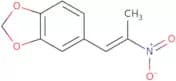
CAS:1-(3,4-Methylenedioxyphenyl) 2-nitropropene (1-MPNP) is a phosphatase inhibitor that is active against gram-negative bacteria by inhibiting enterotoxins and chlamydia. 1-MPNP inhibits the activity of tyrosine phosphatases, which are enzymes that play a major role in bacterial virulence. 1-MPNP competitively inhibits the activity of tyrosine phosphatases and prevents them from catalyzing the hydrolysis of polyphosphate substrates. This inhibition leads to an accumulation of polyphosphates in the bacterial cell membrane, which disrupts its permeability and leads to cell death.
Formula:C10H9NO4Purity:Min. 97.5 Area-%Color and Shape:Yellow PowderMolecular weight:207.18 g/molRef: 3D-FM67977
Discontinued productN-Acetylethylene Urea-d4
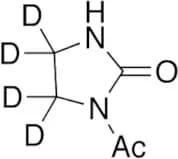
CAS:Controlled ProductApplications N-Acetylethylene Urea-d4 (cas# 1189701-94-7) is a compound useful in organic synthesis.
Formula:C5H4H4N2O2Color and Shape:NeatMolecular weight:132.15Ethyl Dichlorophosphate
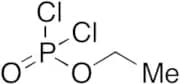
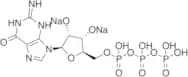
CAS:Controlled ProductFormula:C2H5Cl2O2PColor and Shape:White to Off-White SolidMolecular weight:162.94Guanosine-5'-triphosphate Disodium Salt (~85%)
CAS:Controlled ProductApplications Guanosine-5'-triphosphate disodium salt (CAS# 56001-37-7) is a nucleotide used in the preparation of photoreactive GTP affinity probes, and in inhibitors of eukaryotic initiation factor eIF-4E.
References George Cisar, E. A.; J. Am. Chem. Soc., 135, 4676 (2013); Ghosh, P.; et al.: Bioorg. Med. Chem. Lett., 16, 750 (2006).Formula:C10H14N5O14P3Na2Purity:~85%Color and Shape:NeatMolecular weight:567.14Sodium N-lauroylsarcosinate
CAS:Sodium N-lauroylsarcosinate is a surfactant that is used in water treatment, wastewater treatment, and as a detergent. It is also used as an analytical tool for the titration calorimetry of sodium salts. Sodium N-lauroylsarcosinate is a sodium salt that belongs to the group of sodium salts. It has been shown to have biological properties such as permeability through human serum and biodegradability. The salt form of this compound has an electrochemical impedance spectrum which can be used to identify it.
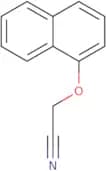
Formula:C15H28NNaO3Purity:Min. 94%Color and Shape:White Off-White PowderMolecular weight:293.38 g/mol2-Naphthyloxyethanenitrile
CAS:Please enquire for more information about 2-Naphthyloxyethanenitrile including the price, delivery time and more detailed product information at the technical inquiry form on this page
Formula:C12H9NOPurity:Min. 95%Color and Shape:PowderMolecular weight:183.21 g/molRef: 3D-FN169054
Discontinued product1-(3-Chlorophenyl) thiourea
CAS:1-(3-Chlorophenyl) thiourea is a curcumin analog that has been shown to inhibit the epidermal growth factor (EGF) receptor. It is synthesized from 1,2-dichlorobenzene and urea in a two-step process. The anhydrous potassium carbonate is first converted to the potassium salt with an acid chloride. The second step is the reaction of this salt with urea in the presence of excess anhydrous potassium carbonate. This product has been shown to be effective against cancer cells and may be used as a potential anticancer agent for treatment of skin cancer. 1-(3-Chlorophenyl) thiourea inhibits EGF receptor by binding to it and preventing its activation, which prevents cell proliferation and reduces tumor size.
Purity:Min. 95%