Glycoscience
Glycoscience is the study of carbohydrates and their derivatives, as well as the interactions and biological functions they participate in. This field of research is crucial for understanding a wide variety of biological processes, including cell recognition, signaling, immune response, and disease development. Glycoscience has important applications in biotechnology, medicine, and the development of new drugs and therapies. At CymitQuimica, we offer a wide selection of high-quality, high-purity products for glycoscience research. Our catalog includes monosaccharides, oligosaccharides, polysaccharides, glycoconjugates, and specific reagents, designed to support researchers in their studies on the structure, function, and applications of carbohydrates in biological systems. These resources are intended to facilitate scientific discoveries and practical applications in various areas of bioscience and medicine.
Subcategories of "Glycoscience"
- Aminosugars(108 products)
- Glyco-Related Antibodies(282 products)
- Glycolipids(46 products)
- Glycosaminoglycans (GAGs)(55 products)
- Glycosides(419 products)
- Monosaccharides(6,621 products)
- Oligosaccharides(3,681 products)
- Polysaccharides(503 products)
Found 11041 products of "Glycoscience"
Sort by
Purity (%)
0
100
|
0
|
50
|
90
|
95
|
100
D-Lactal
CAS:<p>D-Lactal is a dibutyltin oxide that is used in the synthesis of n-acetyllactosamine, disaccharides and trisaccharides. D-Lactal has been shown to have high resistance to chloride ion, which is one of the most common reagents for cleavage. It can also be used as a synthetic precursor for other glycoside derivatives by reacting with triflic acid or trisaccharide. Triflic acid and trisaccharide react with chloride to form a stereoselective glycosidic bond. D-Lactal is also able to bind lectins, carbohydrate chemistry and carbohydrate chemistry reagents.</p>Formula:C12H20O9Purity:Min. 95%Color and Shape:White/Off-White SolidMolecular weight:308.28 g/mol1,3-O-Benzylidene-D-arabitol
CAS:<p>1,3-O-Benzylidene-D-arabitol is a methylated sugar that is used in the synthesis of complex carbohydrates. It is produced by the modification of a 1,3-O-benzylidene-D-ribitol. It has a CAS number of 70831-50-4 and can be custom synthesized to meet your needs. This product is available in high purity with a 99% yield.</p>Formula:C12H16O5Purity:Min. 95%Color and Shape:White/Off-White SolidMolecular weight:240.25 g/mol1,3-O-Benzylidene-4-O-t-butyl-dimethylsilyl-D-threitol
CAS:<p>1,3-O-Benzylidene-4-O-t-butyl-dimethylsilyl-D-threitol is a synthetic carbohydrate that is structurally similar to D-threitol. It has a molecular weight of 323.07 and it has a melting point of 210°C. The CAS number for this compound is 652979-92-5. This compound has been modified with fluorination, methylation, and click chemistry. 1,3-O-Benzylidene-4-O-t -butyl dimethylsilyl D threitol has been used as a substrate for glycosylation reactions with oligosaccharides and polysaccharides in order to produce complex carbohydrates.</p>Formula:C17H28O4SiPurity:Min. 95%Molecular weight:324.49 g/molN-Acetylmuramyl-L-alanyl-D-isoglutamine hydrate
CAS:<p>Muramyl dipeptide is a component of the bacterial cell wall and is found in mycobacteria, mycoplasmas, spirochetes, and gram-positive bacteria. Muramyl dipeptide has been shown to induce the activation of macrophages and other cells by stimulating toll-like receptor 4. It also has significant cytotoxicity against various cancer cells, as well as potent inducers of ubiquitin ligases. The use of muramyl dipeptide in vitro was shown to inhibit replication of HIV-1 virus in human lymphocytes. This agent has also been used for the treatment of bowel disease.</p>Formula:C19H32N4O11·xH2OPurity:Min. 96 Area-%Color and Shape:PowderMolecular weight:492.48 g/mol2-Acetamido-2-deoxy-4-O-(β-D-[UL-13-C-6]-galactopyranosyl)-D-glucopyranose 6-sulfate
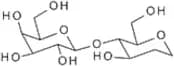
<p>2-Acetamido-2-deoxy-4-O-(beta-D-[UL-13-C-6]-galactopyranosyl)-D-glucopyranose 6-sulfate is an oligosaccharide that has been fluorinated and methylated. This compound has a CAS number and can be custom synthesized, as well as modified with a click reaction. It is a high purity, complex carbohydrate that can be modified with a variety of modifications.</p>Formula:C6C8H25NO14SPurity:Min. 95%Molecular weight:469.37 g/molGM2-Oligosaccharide
<p>GM2-oligosaccharide (sodium salt) is a trisaccharide (GalNAcβ1,4Galβ1,4Glc) with sialic acid linked α2,3 to the central galactose residue (Ledeen, 2009). The parent GM2 ganglioside is present on neuronal cells and plays a key role in the regulation of dendritogenesis in cortical pyramidal neurons. In lysosomal storage disorders, such as, Tay-Sachs and Sandhoff disease, where hexosaminases A and B are deficient, GM2 ganglioside accumulates in the nervous system (Cachon-Gonzalez, 2018). GM2 ganglioside is also overexpressed in melanomas and other tumours of neuro-ecto origin (Yoshida, 2020). Moreover, the sugar moiety of GM2 ganglioside is a receptor allowing viral infection of cells with reovirus and rotavirus (Zhu, 2018).</p>Formula:C31H51N2O24NaPurity:Min. 95%Color and Shape:PowderMolecular weight:858.73 g/mol2'-O-Fucosyllactulose
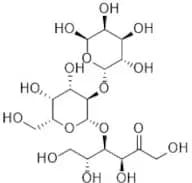
CAS:<p>2'-O-Fucosyllactulose is a modified carbohydrate that has been synthesized from a natural source. It is an oligosaccharide that contains the monosaccharide, fucose. This product can be used in the synthesis of polysaccharides and glycosylation reactions. 2'-O-Fucosyllactulose has been methylated, fluorinated, and glycosylated, which makes it suitable for use as a sugar in biotechnology applications.</p>Formula:C18H32O15Purity:Min. 90 Area-%Color and Shape:PowderMolecular weight:488.44 g/molMethyl 2,3,4,6-tetra-O-benzyl-b-D-thiogalactopyranoside
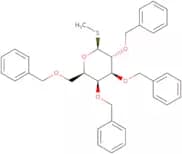
CAS:<p>Methyl 2,3,4,6-tetra-O-benzyl-b-D-thiogalactopyranoside is a synthetic monosaccharide that has been modified with fluorination and glycosylation. It is a product of the click reaction, which is a chemical modification that involves the formation of an aziridine and an alkene in one step. This product has been used for the synthesis of oligosaccharides and complex carbohydrates.</p>Formula:C35H38O5SPurity:Min. 95%Color and Shape:PowderMolecular weight:570.74 g/mol2-Deoxystreptamine dihydrobromide
CAS:<p>Streptamine derivative; antibiotic agent</p>Formula:C6H14N2O3·2HBrPurity:Min. 95%Color and Shape:PowderMolecular weight:324.01 g/molBlood Group H type III trisaccharide-PAA-biotin
<p>Blood group antigen conjugated to spacer and biotin</p>Purity:Min. 95%Color and Shape:White Off-White PowderMolecular weight:586.6 g/molUrsodeoxycholic acid acyl-β-D-glucuronide
CAS:<p>Ursodeoxycholic acid acyl-b-D-glucuronide (UDCA) is a synthetic bile acid that is used to treat liver diseases such as cirrhosis, primary biliary cirrhosis and cholelithiasis. UDCA inhibits the enzyme 7α-hydroxylase in the liver, which converts cholesterol into bile acids. This prevents the formation of lithocholic acid from cholesterol and the accumulation of lipids in the liver. UDCA also suppresses inflammatory cytokines and oxidative stress by inhibiting NF-κB activation.Supplied as the sodium salt</p>Formula:C30H48O10Purity:Min. 95%Color and Shape:PowderMolecular weight:568.7 g/mol3-Azido-3-deoxy-1,2:5,6-di-O-isopropylidene-a-D-glucofuranose
CAS:<p>3-Azido-3-deoxy-1,2:5,6-di-O-isopropylidene-a-D-glucofuranose is a synthetic sugar that has been modified by Fluorination, Monosaccharide, Synthetic, Oligosaccharide, complex carbohydrate, CAS No. 13964-23-3 and Glycosylation. It is also a Polysaccharide with modifications of Click modification and Methylation. 3A3DG can be used to modify the sugar content of glycoproteins and glycolipids in order to study their role in cellular processes such as transcriptional regulation and apoptosis. This product is available for custom synthesis in quantities from milligrams to kilograms.</p>Formula:C12H19N3O5Purity:Min. 95%Color and Shape:Yellow PowderMolecular weight:285.3 g/mol1-Octen-3-ol glucoside
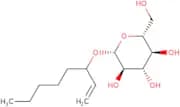
CAS:<p>1-Octen-3-ol glucoside is a synthetic, fluorinated sugar that is modified with glycosylation, methylation, and click chemistry. It contains a high degree of purity and is custom synthesized to order. This product can be used as a substitute for other sugars in the production of oligosaccharides, saccharides, and polysaccharides.<br>1-Octen-3-ol glucoside has been shown to have various modifications including glycosylation, methylation, and click chemistry. It is often used when there are restrictions on the types of sugars that can be used in the synthesis of complex carbohydrates.</p>Formula:C14H26O6Purity:Min. 95%Color and Shape:PowderMolecular weight:290.35 g/molGalacturonan DP10-DP15 sodium salt
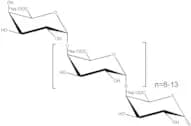
<p>Mixed DP 10-15 Na galacturonans (α-1,4 10-15 Na galacturonans) are derived from pectin or pectic acid, by enzymatic or partial acid hydrolysis. They are used in galacturonic acid metabolism research as a substrate to identify, differentiate, and characterize endo- and exopolygalacturonase(s) and gluconase(s). In recent studies, it has been shown that long oligogalacturonides (degree of polymerization (DP) from 10â15) help to induce plant defense signaling resulting in enhanced defenses to necrotrophic pathogens.</p>Color and Shape:PowderD-Cellobiose octaacetate
CAS:<p>Fully acetylated cellohexoses, part of a polymer homologous series of oligosaccharides isolated from cellulose by acetolysis followed by chromatography.</p>Formula:C28H38O19Purity:Min. 98 Area-%Color and Shape:White PowderMolecular weight:678.59 g/molPhenyl 2-azido-2-deoxy-b-D-selenofucopyranoside
<p>Phenyl 2-azido-2-deoxy-b-D-selenofucopyranoside is a carbohydrate with the CAS number 54519-52-8. It is a custom synthesis that is available in high purity and can be methylated, glycosylated and click modified. Phenyl 2-azido-2-deoxy-b-D-selenofucopyranoside is an oligosaccharide that has been fluorinated, which makes it stable at higher temperatures. This product is used as a synthetic building block for complex carbohydrates and saccharides.</p>Purity:Min. 95%L-Rhamnose monohydrate - high purity
CAS:<p>L-Rhamnose monohydrate is a sugar that is found in plants, animals, and bacteria. It is a component of polysaccharides like cellulose and hemicellulose. L-Rhamnose monohydrate has been shown to stimulate the growth of probiotic bacteria like Lactobacillus acidophilus in vitro. It also has antiviral properties against the herpes simplex virus type 1 (HSV-1). The antiviral activity may be due to its ability to inhibit viral replication by interfering with the synthesis of viral DNA and RNA. L-Rhamnose monohydrate may also have anti-inflammatory effects due to its ability to inhibit prostaglandin synthesis through inhibition of cyclooxygenase enzyme activity. This product has applications as a dietary supplement and ingredient in functional foods or beverages.</p>Formula:C6H12O5•H2OPurity:Min. 98.0 Area-%Color and Shape:PowderMolecular weight:182.17 g/mol3,4,6-Tri-O-benzyl-b-D-galactopyranoside
<p>3,4,6-Tri-O-benzyl-b-D-galactopyranoside is a synthetic glycosylation of a monosaccharide with a polysaccharide. This compound is modified by fluorination as well as other chemical reactions to synthesize an Oligosaccharide. The product is custom synthesized for research purposes and can be ordered in high purity, which can be verified with the CAS number.</p>Purity:Min. 95%a-Homonojirimycin
CAS:<p>a-Homonojirimycin is a chaperone that is effective in inhibiting HIV infection. It has been shown to inhibit the activity of chymotrypsin, carboxypeptidase A, and aminopeptidase B. The model system used for this compound was the human liver, which showed that a-homonojirimycin had a potent inhibitory activity against these enzymes. This drug also has a dry weight of 1,520 g/mol and an effective dose of 0.01 mg/mL. In vitro studies have shown that a-homonojirimycin inhibits influenza virus by binding to the hemagglutinin protein on the surface of the virus and preventing its attachment to host cells.</p>Formula:C7H15NO5Purity:Min. 98 Area-%Color and Shape:White PowderMolecular weight:193.2 g/molGQ3-Oligosaccharide
<p>GQ3 oligosaccharide is the carbohydrate moiety in the GQ3 ganglioside. Breast cancer cells MCF-7 were found to express a complex pattern of neutral and sialylated glycosphingolipids from the globo- and ganglio-series, including unusual tetrasialylated and pentasialylated lactosylceramide derivatives, and GQ3 (II3Neu5Ac4-Gg2Cer) (Steenackers, 2012).</p>Formula:C56H86N4O43Na4Purity:Min. 95%Molecular weight:1,595.24 g/mol2-Azido-2-deoxy-3,5-O-benzylidene-L-lyxono-1,4-lactone
<p>2-Azido-2-deoxy-3,5-O-benzylidene-L-lyxono-1,4-lactone is a simple carbohydrate that is modified by fluorination. It is synthesized from the saccharide D-(+)-ribose and has the CAS No. 57400-91-5. This molecule can be methylated and glycosylated to produce a variety of structures with different properties. 2A2DLAL can also be modified by click chemistry, which is a reaction that produces covalent bonds between two molecules in a single step without using any catalysts or solvents.</p>Purity:Min. 95%3,5-Di-O-lauryl-D-xylofuranose
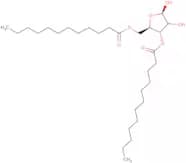
CAS:<p>3,5-Di-O-lauryl-D-xylofuranose is a custom synthesized monosaccharide that is used as a raw material for the synthesis of complex carbohydrates. It has been modified with fluorine and methyl groups to produce 3,5-di-O-lauryl-D-xylofuranose. This compound can be used in the production of polysaccharides or saccharides. The chemical name for this compound is 3,5-di-O-[(9Z)-hexadecenyl]-2-(1E,3E)-dioxaheptalene.</p>Formula:C29H54O7Purity:Min. 95%Molecular weight:514.73 g/molN-Benzyl-D-glucamine
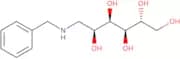
CAS:<p>N-Benzyl-D-glucamine is a metal chelate that binds to lead and other heavy metals. It is used as a transport inhibitor for the elimination of lead from the body. N-Benzyl-D-glucamine has been shown to be effective in lowering blood levels of lead, with an elimination rate of 50% within 4 hours. When administered orally, this drug also has inhibitory effects on the absorption of lead from gastrointestinal tissues, which may be due to its inhibition of urea nitrogen and gastrointestinal toxicities. This drug can also reduce the excretion of cadmium and aromatic hydrocarbons in urine samples.</p>Purity:Min. 95%2-Acetamido-1,3,4,6-tetra-O-acetyl-2-deoxy-β-D-thioglucopyranose
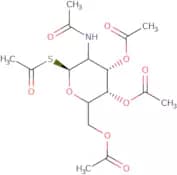
CAS:<p>2-Acetamido-1,3,4,6-tetra-O-acetyl-2-deoxy-β-D-thioglucopyranose is a synthetic monosaccharide that belongs to the group of complex carbohydrates. It has CAS No. 10043-46-6 and is used in glycosylation reactions. The fluorination of the sugar can be done by using a Click modification or methylation reaction. This product has been custom synthesized and can be ordered with high purity.</p>Formula:C16H23NO9SPurity:Min. 95%Color and Shape:Off-White PowderMolecular weight:405.42 g/molAllyl b-D-glucopyranoside
CAS:<p>Allyl b-D-glucopyranoside is a sweet and stable sugar that is used in the production of food and pharmaceutical products. It is sourced from corn starch or rice starch. Allyl b-D-glucopyranoside has been shown to be more efficient than chloride when added to tandospirone citrate, a herbal medicine, for the prevention of gastric ulcers. This sugar has also been used in clinical use as an additive in medicines such as alginic acid.</p>Formula:C9H16O6Purity:Min. 98 Area-%Color and Shape:White Off-White PowderMolecular weight:220.22 g/mol3b-[(a-L-arabinopyranosyl) oxy]urs-12,19(29)-dien-28-oic acid 28-b-D-glucopyranosyl ester
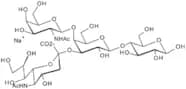
<p>3b-[(a-L-arabinopyranosyl) oxy]urs-12,19(29)-dien-28-oic acid 28-b-D-glucopyranosyl ester is a Fluorination, Monosaccharide, Synthetic, Oligosaccharide, complex carbohydrate. It is custom synthesized and glycosylated with a polysaccharide chain. The modification of the sugar chain includes methylation and acetylation. This product has high purity and CAS No.</p>Purity:Min. 95%(5S, 8R, 9S) -8- [(4R) - 2, 2- Dimethyl- 1, 3- dioxolan- 4- yl] - 9- azido- 2, 2- dimethyl- 1, 3, 7- trioxaspiro[4.4] nonan- 6- one
<p>This is a custom synthesis of an oligosaccharide. The chemical name is (5S, 8R, 9S) -8- [(4R) - 2, 2- Dimethyl- 1, 3- dioxolan- 4- yl] - 9- azido- 2, 2- dimethyl- 1, 3, 7- trioxaspiro[4.4] nonan- 6- one. It has CAS No., which is 567606-39-2 and Polysaccharide as its Modification. This product can be found in the Carbohydrate section under Sugar and Glycosylation sections under Methylation and Click modification respectively. It's purity level is high and it can be synthesized with fluorination for your desired needs.</p>Purity:Min. 95%L-Talitol
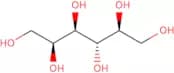
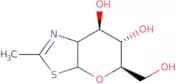
CAS:<p>L-Talitol is a naturally occurring sugar alcohol that is found in the human body and in many vegetables, fruits, and grains. It has been shown to be a potent inhibitor of the bacterium Klebsiella aerogenes. L-talitol has been used as a model system to study the effect of matrix on the growth of cells. It has also been shown to have chronic pulmonary effects and to be effective for treating selenium deficiency. L-talitol can inhibit b-raf by binding to the hydroxyl group on its kinase domain and inhibiting downstream signaling pathways. This inhibition leads to reduced levels of transcriptional regulation in cells, which may be due to decreased protein synthesis or increased degradation of mRNA. L-Talitol also inhibits d-talitol dehydrogenase, which results in an increase in d-talitol concentrations in cells.</p>Formula:C6H14O6Purity:Min. 95%Color and Shape:PowderMolecular weight:182.17 g/molN-Acetyl-glucosaminyl thiazoline
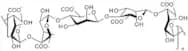
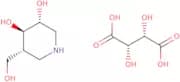
CAS:<p>Inhibitor of O-GlcNAcase</p>Formula:C8H13NO4SPurity:Min. 97 Area-%Color and Shape:White PowderMolecular weight:219.26 g/molAlginic acid
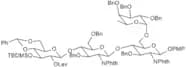
CAS:<p>A linear polyuronide obtained from the brown seaweeds (e.g. Laminaria hyperborea, Fucus vesiculosus, Ascophyllum nodosum). In the free acid form, the chemical structure consists of protonated blocks of (1,4) linked-β-D-polymannuronic acid (poly M), (1,4) linked-α-L-polyguluronic acid (poly G) and alternating blocks of the two uronic acids (poly MG).</p>Color and Shape:Powder4-Methoxyphenyl 4-O-[4-O-(4,6-O-benzylidene-3-O-tert-butyldimethylsilyl- 2-O-levulinoyl-β-D-glucopyranosyl)-3,6-di-O-benzyl-2-deoxy-2 -phthalimid o-β-D-glucopyranosyl]-3-O-benzyl-6-O-(tri-O-benzyl-α-L-fucopyranosyl)-2- deoxy-2-phthalimido-β-D-glucopyranos
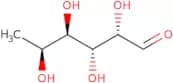
<p>4-Methoxyphenyl 4-O-[4-O-(4,6-O-benzylidene-3-O-tert-butyldimethylsilyl-2-O -levulinoyl)-b,D,Glucopyranosyl]-3,6,-di-, Obenzyl 2deoxy 2phthalimido bDglucopyranosyl]-2deoxy 2phthalimido bDglucopyrano sugar is a complex carbohydrate that has been synthesized in a custom synthesis. It is composed of a glucose oligosaccharide with a methoxyphenol glycoside at the reducing terminus and an α-(1,6)-linked mannose at the nonreducing terminus. The carbohydrate has been modified by fluorination and methylation. The molecule contains an acetal bond between the carbonyl group of the terminal monosaccharide and the</p>Formula:C107H114N2O25SiPurity:Min. 95%Molecular weight:1,856.13 g/molL-Fucose - non animal origin
CAS:<p>L-Fucose is an aldohexose that is used as the building block for various glycoproteins and glycolipids. It is found in human serum and human pathogens. L-Fucose can be isolated from the hybridoma cell line by apical chromatography. The analytical method of L-fucose includes body formation, oligosaccharides, and glycan titration calorimetry. Structural analysis of L-fucose includes glycosylation, sugar analysis, and carbohydrate analysis. Fucose can also be used to produce oligosaccharides through enzymatic reactions with other sugars including glucose and galactose. This reaction produces a linkage between fucose and other sugars that are called glycosidic bonds.</p>Formula:C6H12O5Purity:Min. 98 Area-%Color and Shape:PowderMolecular weight:164.16 g/molGDP-D-mannose disodium salt
CAS:<p>GDP-D-mannose is a natural mannosyl donor and substrate for mannosyltransferases that catalyses mannosylation, for instance during the synthesis of the trimannoside core of complex, high-mannose or hybrid N-glycans. GDP-D-mannose is widely used in (chemo)enzymatic synthesis of oligosaccharides and its biosynthesis occurs from glucose-6-phosphate over several steps. GDP-D-mannose consists of a D-mannose unit, α-glycosydically linked to the nucleotide guanosine diphosphate (GDP). Examples of this important reaction would be the transfer of mannosyl moieties onto the dolichol-P-P-GlcNAc2 precursor of N-glycans in the endoplasmatic reticulum, with release of GDP, or the mannosylation reactions during GPI-anchor (bio)synthesis. GDP-D-mannose has also been used for the in vitro synthesis of b-mannan oligosaccharides.</p>Formula:C16H23N5O16P2Na2Purity:Min. 90 Area-%Color and Shape:White PowderMolecular weight:649.3 g/molD-Glucuronic acid
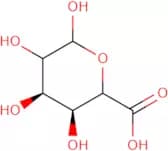
CAS:<p>D-Glucuronic acid (GlcA) is D-glucose with position six oxidised to a carboxyl group (Collins, 2006). It is a common component of a number of gums and mucilages structurally related to pectins, where it is can be present as a terminal non reducing end residue (Renard, 1999). Glucuronic acid is also found in bacterial polysaccharides, such as, xanthan gum produced by Xanthomonas campestris (Faria, 2011), and in glycosaminoglycans, such as, heparan sulfate (Casale, 2020).</p>Formula:C6H10O7Purity:Min. 98%Color and Shape:White Off-White PowderMolecular weight:194.14 g/mol4- C- Methyl- 2, 3- O-isopropylidene -4-O-tert-butyldimethylsilyl-D- lyxono-1,5- lactone
<p>4- C- Methyl- 2, 3- O-isopropylidene -4-O-tert-butyldimethylsilyl-D- lyxono-1,5- lactone is a Fluorinated Monosaccharide. It is a Synthetic Monosaccharide. It is an Oligosaccharide. It is a complex carbohydrate. It has been Custom synthesized.<br>It has been Glycosylated and Polysaccharided. It has been Click modified and Methylated.<br>This compound's CAS number is A8BX04A9R1Z6.<br>This compound's sugar type is Carbohydrate. This compound has been Modified for High purity purposes.</p>Purity:Min. 95%2,3,4-Tri-O-benzyl-5-O-(2-naphthyl)methyl-D-ribitol
<p>2,3,4-Tri-O-benzyl-5-O-(2-naphthyl)methyl-D-ribitol is an organic compound that is an important intermediate in the synthesis of saccharides and oligosaccharides. This compound can be modified with methylation, click modification or fluorination. It is also used for the preparation of complex carbohydrates. 2,3,4-Tri-O-benzyl-5-O-(2-naphthyl)methyl -D-ribitol has a CAS number of 129610–41–8 and a molecular weight of 538.7 g/mol.</p>Formula:C44H44O5Purity:Min. 95%Molecular weight:652.82 g/mol3,4,6-Tri-O-benzyl-D-glucal
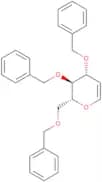
CAS:<p>3,4,6-Tri-O-benzyl-D-glucal is a benzyl protected, 2,3 unsaturated glucal used as a chiral intermediate. The C2-C3 double bond of the pyranose ring can be modified via a variety of reactions including: hydrogenation, oxidation, hydroxylation, and aminohydroxylation, to generate structural complexity. 3,4,6-Tri-O-benzyl-D-glucal also minimizes tedious protecting-group strategies required for fully oxygenated sugars. The products of 2,3 unsaturated glycosides as chiral intermediates have played a role in the synthesis of many biologically active compounds, such as, nucleosides and modified sugar derivatives.</p>Formula:C27H28O4Purity:Min. 98 Area-%Color and Shape:White PowderMolecular weight:416.51 g/molMethyl 4-deoxy-4-fluoro-a-D-glucose
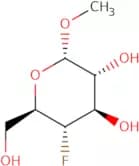
CAS:<p>Methyl 4-deoxy-4-fluoro-a-D-glucose is a synthetic and custom synthesis monosaccharide for use in glycosylation, polysaccharide modification, and click chemistry. It is a fluorinated sugar that can be used in the synthesis of oligosaccharides and complex carbohydrates. Methyl 4-deoxy-4-fluoro-a-D-glucose has CAS number 56926-53-5.</p>Formula:C7H13FO5Purity:Min. 98 Area-%Color and Shape:PowderMolecular weight:196.17 g/mol3,7,7a-Triepicasuarine pentaacetate
CAS:<p>3,7,7a-Triepicasuarine pentaacetate (TPA) is a modification of 3,7,7a-triepoxyheptanoic acid and has been synthesized by the addition of an acetate group to the free hydroxyl group. The synthesis was carried out on an automated synthesizer using a fluorous phase. TPA is a complex carbohydrate that is a monosaccharide with methylation and glycosylation. It can be hydrolysed to release 3,7-dihydroxyheptanoic acid (DHHA). This product has CAS number 910535-96-5.</p>Purity:Min. 95%2’-C-Methyl-uridine
<p>2’-C-Methyl-uridine is a modified nucleoside that is synthesized by the fluorination of uracil. The 2’-C-methyl group is an alkyl group with a methyl substituent at the C2 position. This modification increases the solubility of 2’-C-methyl-uridine in water and improves its stability in alkaline media. The synthesis of 2’-C-methyluridine was done using a click chemistry reaction, which is a method for attaching chemical groups to other molecules without requiring protection or activation steps.<br>2’-C-Methyluridine has been used as a substrate for glycosylation reactions, and can be incorporated into complex carbohydrates such as oligosaccharides and polysaccharides.</p>Purity:Min. 95%Trehalose-6-vanadate
<p>Trehalose-6-vanadate is a complex carbohydrate that has been modified by the addition of a fluorine atom to the sugar. It is synthesized from the sugar trehalose and vanadium pentoxide in a one-step reaction. Trehalose-6-vanadate can be used as a methylation reagent for saccharides, polysaccharides, oligosaccharides, and other carbohydrates. It can also be used in click chemistry, modification of proteins with carbohydrates, glycosylation reactions, and as a synthetic sugar. Trehalose-6-vanadate is highly pure and stable in solution.</p>Purity:Min. 95%2-Deoxy-3,4-O-benzylidene-D-ribono-1,5-lactone
<p>2-Deoxy-3,4-O-benzylidene-D-ribono-1,5-lactone is a custom synthesis that has a complex carbohydrate structure. It is an Oligosaccharide with CAS No. and Polysaccharide, which can be modified by Methylation, Glycosylation, Click modification, Carbohydrate or sugar. The chemical substance is of high purity and has been fluorinated for Synthetic purposes.</p>Purity:Min. 95%1-Deoxythiomannojirimycin
<p>1-Deoxythiomannojirimycin is a potent inhibitor of glycosidases, including α-amylase, β-glucanase, and α-glucosidase. This compound has been synthesized from thiomannose and jirimycin. Thiomannose is a natural compound that can be found in almond extract or as a byproduct of the hydrolysis of mannitol during hydrogenation. It can also be produced enzymatically from glucose by using β-mannosidase or α-mannosidase. 1-Deoxythiomannojirimycin inhibits the activity of glycosidases by forming an irreversible covalent bond with the active site serine hydroxyl group on the enzyme. This inhibits the cleavage of substrates such as starch into reducing sugars (e.g., glucose) and disaccharides (e.g., maltose).</p>Purity:Min. 95%UDP-6-deoxy-6-fluoro-D-galactose
CAS:<p>UDP-6-deoxy-6-fluoro-D-galactose is an intermediate in the biosynthesis of galactooligosaccharides. It can be used as a substrate for glycosyltransferases and glycosidases to produce oligosaccharides, which are important components of glycoconjugates. UDP-6-deoxy-6-fluoro-D-galactose has been shown to be an acceptor for acetylation by trifluoroacetate and trifluoride. Kinetic studies show that UDP-6-deoxy-6-fluoro Dgalactose binds to α1 acid glycoprotein, which may be a drug target.</p>Formula:C15H23FN2O16P2Purity:Min. 95%Molecular weight:568.29 g/moli-Carradecaitoldecasulfate decasodium salt
<p>i-carrageenan-derived decasaccharide alcohol decasulfate +(3-6 anhydrogalactose)</p>Formula:C60H84O72S10Na10Purity:Min. 95%Molecular weight:2,507.82 g/mol2-Azido-2-deoxy-3,4-(R)-benzylidene-D-arabino-1.5-lactone
<p>2-Azido-2-deoxy-3,4-(R)-benzylidene-D-arabino-1.5-lactone is a fluorinated sugar that can be used for glycosylation reactions. It is a custom synthesis and its CAS number is 54856-82-9. This sugar has been modified with methyl groups to increase its stability in the presence of water. The sugar is highly pure and has a purity of 98%.</p>Purity:Min. 95%1-Deoxy-L-sorbito
<p>1-Deoxy-L-sorbito is a Glycosylation, complex carbohydrate, Methylation, Click modification, Polysaccharide, Fluorination, saccharide, Modification, sugar, Oligosaccharide. It is a custom synthesis and it is available in high purity.</p>Purity:Min. 95%Glycyl-2'-fucosyllactose
<p>Glycyl-2'-fucosyllactose is a monosaccharide that is modified by glycosylation, methylation, and click modification. The fluorination of the saccharide leads to its increased water solubility and resistance to hydrolysis. Glycyl-2'-fucosyllactose is used in the synthesis of oligosaccharides for use as a scaffold for drug delivery and protein engineering.</p>Formula:C20H36N2O15Purity:Min. 95%Molecular weight:544.5 g/mol(2E, 4S) -4-((4R)-2-O-tert-Butyldimethylsilyl-L-erythrono-1.4-lacton-4-yl)-2- butenoic acid methyl ester (or tert.butyl ester)
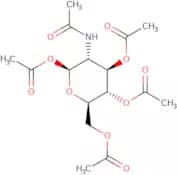
<p>(2E, 4S) -4-((4R)-2-O-tert-Butyldimethylsilyl-L-erythrono-1.4-lacton-4-yl)-2- butenoic acid methyl ester (or tert.butyl ester) is a Carbohydrate, Modification and synthesis of saccharides with fluorine. It has CAS No., Monosaccharide and Synthetic. This product is Custom synthesis, High purity and Methylation.</p>Purity:Min. 95%2-Acetamido-1,3,4,6-tetra-O-acetyl-2-deoxy-b-D-glucopyranose
CAS:<p>Promotes hyaluronic acid production; synthetic building block</p>Formula:C16H23NO10Purity:Min. 98 Area-%Color and Shape:PowderMolecular weight:389.36 g/molscyllo-Inosamine
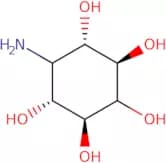
CAS:<p>Scyllo-inosamine is a redox potential that belongs to the class of antimicrobial agents. It is derived from the amino acid inosine, which is found in RNA and DNA. Scyllo-inosamine has been shown to inhibit bacterial growth by inhibiting protein synthesis. It also acts as an aminotransferase inhibitor, which may be used for the treatment of certain human pathogens. Scyllo-inosamine has been shown to have beneficial effects on the regulation of benzyl groups and hydroxyl group reactions. It has also been shown to inhibit polymerase chain reaction activity and titration calorimetry activity.</p>Formula:C6H13NO5Purity:Min. 95%Color and Shape:PowderMolecular weight:179.17 g/molMethyl 3-Deoxy-3-fluoro-6-O-triphenylmethyl-b-D-glucopyranoside
<p>Methyl 3-Deoxy-3-fluoro-6-O-triphenylmethyl-b-D-glucopyranoside is a synthetic sugar that belongs to the class of carbohydrates. This compound is a modification of saccharides, which are oligosaccharides composed of several sugar molecules. Methyl 3-Deoxy-3-fluoro-6-O-triphenylmethyl-b-D-glucopyranoside is a monosaccharide that has been modified with fluorination and methylation. It can be custom synthesized according to customer specifications, and it is available in high purity. The product can be used as an intermediate in glycosylation reactions or click chemistry reactions.</p>Purity:Min. 95%Gangliosides
<p>Sialic acid-containing glycosphingolipids-important component of neuronal cells</p>Purity:Min. 95 Area-%Color and Shape:PowderN-Methyl-L-glucosamine
CAS:<p>N-Methyl-L-glucosamine is a monosaccharide that is used as a building block for glycosaminoglycans. It can be synthesized by the enzyme glucoamylase from glucose and UDP-N-acetylglucosamine, or supplied exogenously as a dietary supplement. N-Methyl-L-glucosamine is stable in the presence of light and resistant to microbial degradation. This agent has been shown to be effective in inhibiting skin cancer in mice when combined with other agents such as hydroquinone, retinoic acid, and tretinoin. N-Methyl-L-glucosamine has been shown to have antiangiogenic properties on tubule cells, which may be due to its ability to inhibit the production of vascular endothelial growth factor (VEGF) in these cells.</p>Formula:C7H15NO5Purity:Min. 95%Molecular weight:193.2 g/molAllyl 3,4-di-O-benzyl-2-O-(2-naphthylmethyl)-a-D-galactopyranoside
<p>Allyl 3,4-di-O-benzyl-2-O-(2-naphthylmethyl)-a-D-galactopyranoside is a synthetic carbohydrate with a complex structure. It is a modification of a D-galactopyranose sugar and has been glycosylated and methylated. This compound contains an allyl group that has been fluorinated at the 3 position.</p>Purity:Min. 95%3α,4β-Galactotriose
CAS:<p>Obtained by the partial acetolysis of lambda-carrageenan</p>Formula:C18H32O16Purity:Min. 95 Area-%Color and Shape:White PowderMolecular weight:504.44 g/mol2, 4-Anhydro-5-O-tert.butyldimethylsilyl- 6- deoxy- L- mannonic acid methyl ester
<p>2, 4-Anhydro-5-O-tert.butyldimethylsilyl-6-deoxy-L-mannonic acid methyl ester is a modification of mannose. It is an oligosaccharide with a complex carbohydrate structure. 2, 4-Anhydro-5-O-tert.butyldimethylsilyl-6-deoxy-L-mannonic acid methyl ester has been synthesized using custom synthesis methods. This product has high purity and CAS number: 29674–84–3.</p>Purity:Min. 95%1,3-Diazido-1,2,3-trideoxy-4-O-(2,6-diazido-2,6-dideoxy-a-D-glucopyranosyl)-D-myo-inositol
CAS:<p>1,3-Diazido-1,2,3-trideoxy-4-O-(2,6-diazido-2,6-dideoxy-a-D-glucopyranosyl)-D-myo--inositol is a synthetic sugar that is used for glycosylation. It can be modified with fluorine to produce a fluorinated sugar. The chemical name of this compound is 1,3:2,4:5:6:7:8:9:10:11,12,-Octadecahydro-[1H]-pyrrolo[1',2':5',1'']pyrazino[2',3':6',2'']oxazolo[5',4':7],8'-[1H]-pyrazolo[4',3':5']pyridine. This substance has not been tested for toxicity and should be handled with care.</p>Formula:C12H18N12O6Purity:Min. 95%Molecular weight:426.35 g/molD-Glucose 6-phosphate, monosodium salt
CAS:<p>D-Glucose 6-phosphate, monosodium salt is a natural compound found in honeybush (Cyclopia species) and other plants. The compound is also found in the human body as a result of its synthesis from glucose. D-Glucose 6-phosphate, monosodium salt is an inhibitor of NADPH cytochrome P450 reductase, which is an enzyme that converts NADPH to NADP+. This inhibition prevents the formation of nadph and causes an accumulation of reduced nicotinamide adenine dinucleotide (NADH), which leads to the inhibition of cell growth. D-Glucose 6-phosphate, monosodium salt has been shown to inhibit cancer cells and bacterial growth. It does this by inhibiting enzymes such as cytosolic phosphoglycerate kinase and phosphofructokinase.</p>Formula:C6H12O9PNaPurity:Min. 98.0 Area-%Molecular weight:282.12 g/molN-(2,4-Dinitrophenyl-deoxynojirimycin
<p>N-2,4-Dinitrophenyl-deoxynojirimycin (DNPDNJ) is a methylated derivative of deoxynojirimycin. It is an inhibitor of glycosylation that can be used to study the structure and function of carbohydrates. DNPDNJ is a synthetic saccharide that can be custom synthesized. Click modification and modification with Oligosaccharides are common modifications for DNPDNJ. DNPDNJ is available in high purity and has been fluorinated for use in fluorescence studies.</p>Purity:Min. 95%α-D-Galactose 1-phosphate, dipotassium salt pentahydrate
CAS:<p>Alpha-D-galactose 1-phosphate, dipotassium salt pentahydrate is a carbon source that can be used in biochemical and chemical ionization methods. It has been shown to inhibit the growth of lung fibroblasts. This compound is an inhibitor of glycolysis and inhibits the biosynthesis of galactose residues. Alpha-D-galactose 1-phosphate, dipotassium salt pentahydrate also inhibits the formation of glycogen and glucose from galactose residues as well as inhibiting the activity of enzymes involved in galactose metabolism. The inhibition of these enzymes leads to decreased galactose levels in diabetic patients.</p>Formula:C6H21K2O14PMolecular weight:426.40 g/mol2-Acetamido-2-deoxy-4-O-(β-D-mannopyranosyl)-D-glucopyranose
CAS:<p>2-Acetamido-2-deoxy-4-O-(b-D-mannopyranosyl)-D-glucopyranose (MDP) is a complex carbohydrate that has been modified by methylation, glycosylation, and carbocation. MDP is a saccharide that can be used in the synthesis of polysaccharides or as an intermediate for other chemical syntheses. It is also possible to modify MDP with fluorination, which may be useful in the synthesis of new types of pharmaceuticals.</p>Formula:C14H25NO11Purity:Min. 95 Area-%Color and Shape:PowderMolecular weight:383.35 g/molPolygalacturonic acid
CAS:<p>Polygalacturonic acid is a linear carbohydrate polymer of monomeric galacturonic acid.</p>Formula:(C6H8O6)nMolecular weight:25,000.00 g/molRef: 3D-P-7000
1kgTo inquire5kgTo inquire250gTo inquire500gTo inquire2500gTo inquire-Unit-kgkgTo inquirea-D-Mannose-1-phosphate ammonium salt
CAS:<p>a-D-Mannose-1-phosphate ammonium salt is a modification of an oligosaccharide, a carbohydrate that is complex in structure. It is a custom synthesis and has high purity. This product is also synthetic and monosaccharide, methylation, glycosylation, and fluorination have been performed on it. The CAS No. for this compound is 1388225-12-4.</p>Formula:C6H19O9PN2Purity:Min. 95%Color and Shape:PowderMolecular weight:294.2 g/mol3,5-Di-O-benzoyl-2-deoxy-2,2-difluoro-1-O-methanesulfonyl-a-D-ribofuranoside - 75% α purity
CAS:<p>3,5-Di-O-benzoyl-2-deoxy-2,2-difluoro-1-O-methanesulfonyl-aDribofuranoside is a glycosylation agent that reacts with the reducing end of glycogen to form a glycosidic linkage. The compound is used in the synthesis of complex carbohydrates and saccharides. 3,5-Di-O-benzoyl-2,2,-difluoro 1,1'-O-(methanesulfonyl) aDribofuranoside is often methylated at the 3' position to obtain 3,5diOBenzoyl 2,2'-difluoro 1,1'-O-(methylsulfonyl)-aDribofuranoside. This compound can be used for click chemistry reactions and modification of polysaccharides. It has been shown to have antiinflammatory effects on</p>Formula:C20H18F2O8SPurity:Min. 95%Color and Shape:PowderMolecular weight:456.41 g/molLactose 6'-sulfate
CAS:<p>Lactose 6'-sulfate is a custom synthesis of a complex carbohydrate and an oligosaccharide. It is modified by methylation and glycosylation, which can be altered to create other saccharides such as galactose. Lactose 6'-sulfate has been fluorinated in the alpha position and contains a sulfate group that is attached with a click chemistry reaction. Lactose 6'-sulfate has CAS number 1015758-24-3 and is high purity.</p>Formula:C12H22O14SPurity:Min. 95%Color and Shape:PowderMolecular weight:422.36 g/mol3'-Sialyl Lewis X 1-N-methyl-N-hydroxyethylamine
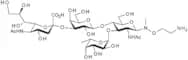
<p>3'-Sialyl Lewis X 1-N-methyl-N-hydroxyethylamine is a custom synthesis of a monosaccharide that contains an N-hydroxymethyl group. The fluorination and methylation reactions are examples of modifications that can be done to this molecule. This monosaccharide can be modified by the click chemistry reaction, which involves the use of azide and alkyne reagents. 3'-Sialyl Lewis X 1-N-methyl-N-hydroxyethylamine is used in glycosylation with complex carbohydrates such as polysaccharides and saccharides, which are large sugars or sugar chains.</p>Formula:C34H60N4O23Purity:Min. 95%Color and Shape:PowderMolecular weight:892.85 g/mol(1S) -1- [(2S, 3S,4R) -N-Benzyl-4-hydroxymethyl-3- hydroxy- 1- azetidinyl] -1, 2- ethanediol
<p>The synthesis of 1,2-ethanediol is accomplished by the reaction of benzaldehyde with ethanol. This product is a synthetic sugar that is used in the modification of polysaccharides and glycosylation. The molecular weight of this product ranges from 200 to 400 Daltons. It has a CAS number of 730-25-6.</p>Purity:Min. 95%UDP-6-amino-6-deoxy-D-glucose
CAS:<p>UDP-6-Amino-6-deoxyglucose is a fluorinated monosaccharide that can be used as a glycosylation or polysaccharide modification reagent. It is also used to produce complex carbohydrates, such as glycosylated proteins and glycoconjugates. The synthesis of this product involves the use of Click chemistry, which allows for the selective attachment of any molecule with an amine group. This product has been shown to have high purity and is ideal for use in pharmaceuticals, agrochemicals, food additives, and other applications.</p>Purity:Min. 95%a-D-Glucose-1,6-diphosphate tetra(cyclohexylammonium) salt hydrate
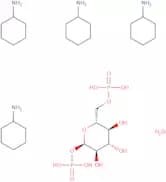
CAS:<p>a-D-Glucose-1,6-diphosphate tetra(cyclohexylammonium) salt hydrate is a synthetic sugar that can be used as a building block for polymer synthesis. It is an oligosaccharide that is synthesized by the click reaction of methylated glucose and cyclohexane diamine. This compound has been shown to be effective in the synthesis of polysaccharides and glycoproteins.</p>Formula:C6H14O12P2·4C6H13N·H2OPurity:Min. 95%Color and Shape:PowderMolecular weight:754.83 g/molIxoroside
CAS:<p>Ixoroside is a coumarin derivative that has been shown to inhibit the activity of an enzyme called epidermal growth factor receptor. The chemical diversity of this compound has made it difficult to study its biological properties and mechanisms. Ixoroside has been studied in vitro for its effects on eye disorders and for its potential to be used as a monoclonal antibody. It has also been shown to have toxicological studies with no significant adverse effects observed. Ixoroside is found in the genus Nepeta, where it is mainly found in Nepeta cataria and Fructus ixorii species plants, which are used in traditional Chinese medicine. It can also be found in other plants such as Eucalyptus globulus, which is commonly used in cough suppressants.</p>Formula:C16H24O9Purity:Min. 95%Molecular weight:360.36 g/molMethyl β-D-maltopyranoside
CAS:<p>Methyl β-D-maltopyranoside is a disaccharide that is an aglycon of maltosides. It has been shown to bind to the active site of alpha-d-glucopyranosidases, which are enzymes that hydrolyze alpha-d-glucopyranosides. Methyl β-D-maltopyranoside has also been shown to interact with dihedral angles and hydroxyl groups in the enzyme binding region, which may be due to conformational changes in the enzyme's active site. The kinetic constants for methyl β-D-maltopyranoside have been calculated by using an algorithm.</p>Formula:C13H24O11Purity:(%) Min. 98%Color and Shape:PowderMolecular weight:356.32 g/molMono(6-mercapto-6-deoxy)-β-cyclodextrin
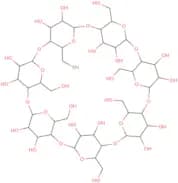
CAS:<p>This beta-cyclodextrin (β-CD) derivative is a functionalized cyclic oligosaccharide composed of seven glucose units, characterized by a hydrophilic exterior and a lipophilic cavity (bigger than α-CD and smaller than γ-CDs), which allows it to encapsulate various guest molecules. This structural feature facilitates its use in multiple applications, including pharmaceuticals, food enhancement, and cosmetics. In the pharmaceutical industry, it enhances the solubility and stability of poorly water-soluble drugs, improving their bioavailability and efficacy while also masking unpleasant tastes. The food sector utilizes it as a stabilizer for flavors, colors, and nutrients, extending shelf life by protecting sensitive ingredients from degradation. In cosmetics, it serves as a complexing agent for fragrances and active components, ensuring their stability and controlled release. Its use expands to many other fields, including nanotechnology for drug delivery systems, environmental remediation for extracting organic pollutants, textiles for slow-release fragrances, and analytical chemistry for chiral separation.</p>Formula:C42H70O34SPurity:Min. 95%Color and Shape:PowderMolecular weight:1,151.05 g/mol2,6-Di-tert-butyldimethylsilyl-γ-cyclodextrin
<p>This gamma-cyclodextrin (γ-CD) derivative is a modified cyclic oligosaccharide composed of eight glucose units, featuring a larger cavity size than α- and β-cyclodextrins. This structural characteristic allows γ-CDs to form inclusion complexes with a wider range of guest molecules, making it particularly versatile in various industries. In the food sector, it is used as a carrier and stabilizer for flavors, fat-soluble vitamins, and polyunsaturated fatty acids, protecting volatile compounds from evaporation. In pharmaceuticals, it enhances the solubility and bioavailability of poorly water-soluble drugs and, thanks to its larger ring size, allows for the encapsulation of larger molecules or even entire drug molecules. γ-CDs and derivatives are also used for environmental remediation and, in analytical chemistry, for the extraction and concentration of target substances.</p>Formula:C144H304O40Si16Purity:Min. 95%Molecular weight:3,125.3 g/molD-Raffinose pentahydrate
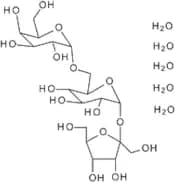
CAS:<p>Raffinose is the most abundant of the family of oligosaccharides that are alpha-galactosyl derivatives of sucrose (Collins, 2006). The other main member of the group is the tetrasaccharide stachyose. Raffinose is found in sugar beet molasses and whole grains. Soybean oligosaccharides make up approximately 5% of dry matter in whole beans and up to 8% of dry matter in soybean meal. Together raffinose and stachyose rank second only to sucrose in abundance, as water-soluble carbohydrates (Kumar, 2010).</p>Formula:C18H32O16·5H2OPurity:Min. 98 Area-%Color and Shape:White PowderMolecular weight:594.51 g/molMethyl 5-O-Benzoyl-4-C-hydroxymethyl-2,3-O-isopropylidene-b-D-ribofuranoside
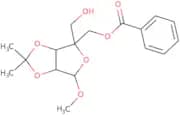
CAS:<p>Methyl 5-O-benzoyl-4-C-hydroxymethyl-2,3-O-isopropylidene-β-D-ribofuranoside is a monosaccharide. The methyl group is attached to the 5th carbon atom on the furan ring. This modification can be used in glycosylation reactions to produce complex carbohydrates, such as oligosaccharides and polysaccharides. Methyl 5-O-benzoyl4C hydroxymethyl2,3O isopropylideneb D ribofuranoside has a molecular formula of C6H8O6 and a molecular weight of 180.1 daltons. It is soluble in water and alcohols.</p>Purity:Min. 95%4-O-Allyl-3,6-di-O-tert-butyldimethylsilyl-D-glucal
<p>4-O-Allyl-3,6-di-O-tert-butyldimethylsilyl-D-glucal is a custom synthesis of an oligosaccharide. It has been modified with fluorination, methylation, and click chemistry. 4-O-Allyl-3,6-di-O-tert-butyldimethylsilyl-D-glucal has been shown to be a high purity product that can be used in glycosylation reactions. This compound is very reactive and can be used in the synthesis of complex carbohydrates such as saccharides and polysaccharides.</p>Purity:Min. 95%Blood Group A trisaccharide
CAS:<p>Core antigen fragment in ABO blood group system</p>Formula:C20H35NO15Purity:Min. 90 Area-%Color and Shape:PowderMolecular weight:529.49 g/mol(1R,2S,3S,5R)-5-Benzyloxy-3-(tert-butyldimethylsilyloxy)-2-hydroxymethyl cyclohexanol
<p>(1R,2S,3S,5R)-5-Benzyloxy-3-(tert-butyldimethylsilyloxy)-2-hydroxymethyl cyclohexanol is a fluorinated carbohydrate that has been synthesized by a monosaccharide and oligosaccharide. This compound is a complex carbohydrate that has been glycosylated, methylated and modified with click chemistry. This product is available in high purity with CAS number.</p>Purity:Min. 95%4'-Galactosyllactose
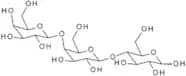
CAS:<p>Galactosyllactose attenuated NF-κB inflammatory signaling in human intestinal epithelial cells and in human immature intestine. Thus, galactosyllactoses are strong anti-inflammatory agents in human colostrum and early milk, contributing to innate immune modulation. The potential clinical utility of galactosyllactose warrants investigation.</p>Formula:C18H32O16Purity:Min. 90%Color and Shape:White PowderMolecular weight:504.44 g/molD-Talitol-1,6-diphosphate
<p>D-Talitol-1,6-diphosphate is a modified sugar. It is an oligosaccharide and polysaccharide composed of D-talitol and 1,6-diphosphate. This product can be used in the synthesis of complex carbohydrates or as a reagent for fluorination reactions. D-Talitol phosphates are also used to modify monosaccharides by methylation, click modification, or other modifications.</p>Purity:Min. 95%3-Deoxy-1,2-O-isopropylidene-5-p-toluoyl-a-D-glycero-pent-3-enofuranose
CAS:<p>3-Deoxy-1,2-O-isopropylidene-5-p-toluoyl-a-D-glycero-pent-3-enofuranose is a modified sugar that is synthesized by click chemistry. The chemical modification of this sugar consists of fluorination and glycosylation. This compound has been used in the synthesis of complex carbohydrates. 3 Deoxy 1,2 O isopropylidene 5 p toluoyl a D glycero pent 3 enofuranose has CAS No. 75096 63 8. This product can be used as a replacement for fluorescein in many applications because it fluoresces under UV light.</p>Purity:Min. 95%6-Azido-2,4-diacetamido-2,4,6-trideoxy-D-mannopyranose
CAS:<p>6-Azido-2,4-diacetamido-2,4,6-trideoxy-D-mannopyranose (ADA) is a complex carbohydrate that can be modified with methylation, fluorination or Click chemistry. ADA has been synthesized for use as a saccharide or oligosaccharide. It can also be used in glycosylation and Methylation reactions. ADA has the molecular formula C14H10N2O8 and a molecular weight of 292.27 g/mol. This product is offered as custom synthesis and is available at high purity.</p>Formula:C10H17N5O5Purity:Min. 95%Molecular weight:287.27 g/molReduced nicotinamide riboside
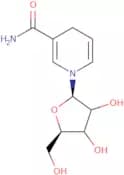
CAS:<p>The reduced form of nicotinamide riboside or NRH is a potent NAD+ precursor that helps to replenish its levels in the cell. The reduced nicotinamide riboside form has shown high tolerance against degradation in plasma, which is why it is beneficial as a metabolite for the synthesis of NAD/NADH.</p>Formula:C11H16N2O5Purity:Min. 95 Area-%Color and Shape:Clear Viscous LiquidMolecular weight:256.26 g/mol5,6-O-Isopropylidene-3,5-di-C-methyl-L-galactofuranose
<p>5,6-O-Isopropylidene-3,5-di-C-methyl-L-galactofuranose is a custom synthesis of an oligosaccharide with a CAS number. It is a polysaccharide that has been modified by methylation and glycosylation. The modification of the saccharide includes fluorination and click chemistry. This product is extremely pure and has been synthesized using high purity reagents.</p>Purity:Min. 95%6-Deoxy-a-cyclodextrin
<p>Alpha-cyclodextrin (α-CD) derivative with a hydrophilic exterior and lipophilic cavity (smaller than β-CDs and γ-CDs) to allocate certain guest molecules. This structural characteristic enables applications in molecular encapsulation, solubility enhancement, and stabilization across multiple industries. In pharmaceuticals, it serves as a drug delivery vehicle, enhancing the bioavailability and stability of active ingredients. The food industry utilizes it as a stabilizer for flavors, colors, and nutrients, as well as a functional ingredient for its effects on lipid metabolism. In cosmetics, it acts as a complex agent for fragrances and active components. Its applications extend to analytical chemistry for chiral separation and to materials science for developing smart materials and nanosystems.</p>Formula:C36H60O24Purity:Min. 95%Molecular weight:876.85 g/mol1,2,4-Tri-O-Acetyl-3-deoxy-3-fluoro-D-xylopyranose
<p>1,2,4-Tri-O-acetyl-3-deoxy-3-fluoro-D-xylopyranose (1,2,4) is a glycosylation agent that can be used to modify the molecular weight of polysaccharides and oligosaccharides. It is also used to introduce fluorine atoms into sugar molecules. 1,2,4 has been shown to have a high degree of purity and custom synthesized for research purposes. The CAS number for 1,2,4 is not available.</p>Purity:Min. 95%Isofagomine D-tartrate
CAS:<p>Inhibitor of lysosomal acid β-glucosidase (GlcCerase/glucocerebrosidase) with IC50 in nanomolar range for wildtype and mutant enzyme. It behaves as pharmacological chaperon by binding to instable GlcCerase active site at neutral pH values and facilitating the protein folding. In acidic lysosomes, isofagomine gets release from the enzyme active site. This results in increased levels of functional glucocerebrosidase and brings therapeutic benefits to patients with Gaucher disease.</p>Formula:C10H19NO9Purity:Min. 95%Color and Shape:White PowderMolecular weight:297.26 g/mol(2S, 3R, 4R) -3- Benzyloxy- 1- butyl-4- (hydroxymethyl) - N- methyl- 2- azetidinecarboxylic acid methyl ester
<p>(2S, 3R, 4R) -3-Benzyloxy-1-butyl-4-(hydroxymethyl)-N-methyl-2-azetidinecarboxylic acid methyl ester is a modification of an oligosaccharide. This product is custom synthesized and has a high purity. It is a methylated carbohydrate that contains a fluorinated saccharide.</p>Purity:Min. 95%D-Altro-Amide
<p>D-Altro-Amide is a custom synthesis that has been modified by fluorination, methylation, and monosaccharide. The synthesis of D-Altro-Amide is done through modification, click modification, and oligosaccharides. It's CAS number is 69092-57-5. D-Altro-Amide is a polysaccharide made from glycosylation and sugar. Carbohydrates are complex carbohydrates with many saccharides connected together in an ordered manner.</p>Purity:Min. 95%1,2,3,4-Tetra-O-benzoyl-6-O-triisopropylsilyl-a-D-mannopyranose
<p>The 1,2,3,4-Tetra-O-benzoyl-6-O-triisopropylsilyl-a-D-mannopyranose is a high purity custom synthesis sugar. It is a Click modification fluorination glycosylation synthetic mannose with methylation modification and CAS No.<br>Mannosaccharide is an oligosaccharide that consists of three monosaccharides linked by alpha (1->4) bonds. Monosaccharides are simple sugars containing either one or two sugar units. Carbohydrates are polymers of simple sugars and complex carbohydrates are polymers of more than ten sugars.</p>Formula:C43H48O10SiPurity:Min. 95%Molecular weight:752.92 g/mol3,4,6-Tri-O-acetyl-2-azido-2-deoxy-a-D-glucopyranosyl trichloroacetimidate
CAS:<p>3,4,6-Tri-O-acetyl-2-azido-2-deoxy-a-D-glucopyranosyl trichloroacetimidate is a custom synthesis of complex carbohydrates. This compound has CAS number 94715-56-7 and can be used for the modification of saccharides or carbohydrates. 3,4,6-Tri-O-acetyl-2-azido-2-deoxy -aD glucopyranosyl trichloroacetimidate can be modified with methylation, glycosylation, or fluorination. It is also a synthetic compound and has high purity.</p>Formula:C14H17Cl3N4O8Purity:Min. 95%Molecular weight:475.67 g/mol4,6-O-(4-Methoxybenzylidene)-1,2,3-tri-O-pivaloyl-a-D-mannopyranose
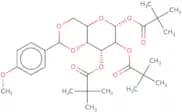
<p>4,6-O-(4-Methoxybenzylidene)-1,2,3-tri-O-pivaloyl-a-D-mannopyranose is a sugar with the following characteristics: Glycosylation, complex carbohydrate, Methylation, Click modification, Polysaccharide, Fluorination and saccharide. The CAS No. of this compound is 44915-12-2. This compound can be synthesized to custom specifications or ordered as a stock chemical.</p>Formula:C29H42O10Purity:Min. 95%Molecular weight:550.65 g/mol(2R, 3S, 4R) -3-Acetyloxy - 4- azido- 1- benzyl -2- pyrrolidinemethanol 2- acetate
<p>(2R, 3S, 4R) -3-Acetyloxy - 4-azido-1-benzyl-2-pyrrolidinemethanol 2-acetate is a fluorinated monosaccharide that exhibits high purity and custom synthesis. It is used in the production of oligosaccharides, polysaccharides, and complex carbohydrates. The CAS number for this product is 53795-42-3.</p>Purity:Min. 95%4'-(D-[UL-13C6]Galactosyl)lactose
CAS:<p>Galactosyllactose attenuated NF-κB inflammatory signaling in human intestinal epithelial cells and in human immature intestine. Thus, galactosyllactoses are strong anti-inflammatory agents in human colostrum and early milk, contributing to innate immune modulation. The potential clinical utility of galactosyllactose warrants investigation.</p>Formula:C6C12H32O16Purity:Min. 95%Color and Shape:PowderMolecular weight:510.39 g/molUDP-2-deoxy-2-fluoro-D-mannose
CAS:<p>UDP-2-deoxy-2-fluoro-D-mannose is a modified monosaccharide that is synthesized from D-mannose. It can be used for the synthesis of glycosyls and polysaccharides as well as for the modification of complex carbohydrates. UDP-2-deoxy-2-fluoro-D-mannose has been shown to be an excellent substrate for methylation, glycosylation, and fluorination reactions. This compound can also be used to modify high purity oligosaccharides with a high degree of substitution.</p>Formula:C15H23FN2O16P2Purity:Min. 95%Molecular weight:568.29 g/molGalactooligosaccharides
<p>Galactooligosaccharides (GOS) have a sweetness of 30–60 % relative to sucrose. They have applications in a wide range of food products such as sweeteners, bulking agents, and sugar substitutes and are found in a range of product types including bread, ‘sports’ drinks, jams, fermented milk, confectionary and desserts. In Europe they are incorporated into infant formula foods.</p>Color and Shape:Powder2- C- (Hydroxymethyl) - 2, 3:5, 6- di- O- isopropylidene-D- mannose
<p>2-C- (Hydroxymethyl) -2, 3:5, 6-di-O-isopropylidene-D-mannose is an Oligosaccharide. It is a water soluble polysaccharide that is found in the cell walls of certain bacteria. The synthesis of this compound can be achieved through Click modification and fluorination. This product has a CAS number and can be custom synthesized to meet your needs.</p>Purity:Min. 95%Methyl 6-O-(a-D-mannopyranosyl)-b-D-mannopyranoside
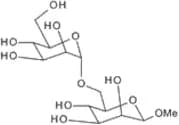
CAS:<p>Methyl 6-O-(a-D-mannopyranosyl)-b-D-mannopyranoside is a carbohydrate that has been modified with fluorination. It is synthesized by the methylation of glucose and mannose residues, followed by glycosylation. Methyl 6-O-(a-D-mannopyranosyl)-b-D-mannopyranoside is a custom synthesis and can be ordered in high purity.</p>Formula:C13H24O11Purity:Min. 95%Color and Shape:White To Off-White SolidMolecular weight:356.32 g/molSialyllacto-N-fucopentaose VI
<p>Sialyllacto-N-fucopentaose VI is a synthetic, high-purity, complex carbohydrate that has been modified with methylation and fluorination. It is a glycosylate oligosaccharide with a molecular weight of about 4500. Sialyllacto-N-fucopentaose VI can be custom synthesized to order and is available in both powder and solid forms.</p>Formula:C43H72N2O33Purity:Min. 95%Molecular weight:1,145.03 g/mol


![2-Acetamido-2-deoxy-4-O-(β-D-[UL-13-C-6]-galactopyranosyl)-D-glucopyranose 6-sulfate](/_next/image/?url=https%3A%2Fstatic.cymitquimica.com%2Fproducts%2F3D%2Fthumb-webp%2FOA08512.webp&w=3840&q=75)






![3b-[(a-L-arabinopyranosyl) oxy]urs-12,19(29)-dien-28-oic acid 28-b-D-glucopyranosyl ester](/_next/image/?url=https%3A%2Fstatic.cymitquimica.com%2Fproducts%2F3D%2Fthumb-webp%2FMA74563.webp&w=3840&q=75)
![(5S, 8R, 9S) -8- [(4R) - 2, 2- Dimethyl- 1, 3- dioxolan- 4- yl] - 9- azido- 2, 2- dimethyl- 1, 3, …](/_next/image/?url=https%3A%2Fstatic.cymitquimica.com%2Fproducts%2F3D%2Fthumb-webp%2FMD170673.webp&w=3840&q=75)











![(1S) -1- [(2S, 3S,4R) -N-Benzyl-4-hydroxymethyl-3- hydroxy- 1- azetidinyl] -1, 2- ethanediol](/_next/image/?url=https%3A%2Fstatic.cymitquimica.com%2Fproducts%2F3D%2Fthumb-webp%2FMB163383.webp&w=3840&q=75)











![4'-(D-[UL-13C6]Galactosyl)lactose](/_next/image/?url=https%3A%2Fstatic.cymitquimica.com%2Fproducts%2F3D%2Fthumb-webp%2FOG159775.webp&w=3840&q=75)