Glycoscience
Glycoscience is the study of carbohydrates and their derivatives, as well as the interactions and biological functions they participate in. This field of research is crucial for understanding a wide variety of biological processes, including cell recognition, signaling, immune response, and disease development. Glycoscience has important applications in biotechnology, medicine, and the development of new drugs and therapies. At CymitQuimica, we offer a wide selection of high-quality, high-purity products for glycoscience research. Our catalog includes monosaccharides, oligosaccharides, polysaccharides, glycoconjugates, and specific reagents, designed to support researchers in their studies on the structure, function, and applications of carbohydrates in biological systems. These resources are intended to facilitate scientific discoveries and practical applications in various areas of bioscience and medicine.
Subcategories of "Glycoscience"
- Aminosugars(108 products)
- Glyco-Related Antibodies(282 products)
- Glycolipids(46 products)
- Glycosaminoglycans (GAGs)(55 products)
- Glycosides(419 products)
- Monosaccharides(6,624 products)
- Oligosaccharides(3,682 products)
- Polysaccharides(503 products)
Found 11046 products of "Glycoscience"
Sort by
Purity (%)
0
100
|
0
|
50
|
90
|
95
|
100
Phenyl 2,3-di-O-benzyl-4,6-O-benzylidene-b-D-thioglucopyranoside
CAS:<p>Phenyl 2,3-di-O-benzyl-4,6-O-benzylidene-b-D-thioglucopyranoside is an oligosaccharide that can be used to modify carbohydrate polymers. It is synthesized from the reaction of phenyl 2,3-di-O-benzylglycosides with boron trifluoride etherate and dithioglycolate in acetic acid. This material has a purity of >98% and can be used as a sugar modification agent for glycoproteins.</p>Formula:C33H32O5SPurity:Min. 95%Molecular weight:540.67 g/molO-Butanoyl-2,3-O-isopropylidene-a-D-mannofuranoside
CAS:<p>O-Butanoyl-2,3-O-isopropylidene-a-D-mannofuranoside is a high purity sugar with CAS No. 177562-15-1. It is synthesized by the modification of saccharides with methyl groups, glycosylation, and click chemistry. This chemical has a complex structure and can be used as a raw material for the production of complex carbohydrates.</p>Formula:C14H26O7Purity:Min. 95%Molecular weight:304.38 g/mol3,2',3',4'-Tetra-O-acetyl-6,6'-di-O-triisopropylsilyl-lactal
<p>3,2',3',4'-Tetra-O-acetyl-6,6'-di-O-triisopropylsilyl-lactal is a modification of the carbohydrate saccharide. This synthetic compound has been prepared by reacting 2,5-dichloro-1,4-benzoquinone with methyl 3,2',3',4'-tetraacetoxychalcone in the presence of triethylsilane. It can be used as an intermediate for the synthesis of oligosaccharides and complex carbohydrates.</p>Formula:C38H68O13Si2Purity:Min. 95%Molecular weight:789.11 g/mol1,2,3-Tri-O-acetyl-5-deoxy-D-ribofuranoside
CAS:<p>1,2,3-Tri-O-acetyl-5-deoxy-D-ribofuranoside is an acetylated form of a sugar derivative. It is used as a reagent for the acetylation of alcohols and amines. The reaction yield for this compound is stereoselective and can be prepared from readily available starting materials in good yield. The compound crystallizes in cyclic form with an organic solvent such as n-hexane or pyridine. This product is soluble in organic solvents such as n-hexane, pyridine, or vinyl acetate.</p>Formula:C11H16O7Purity:Min. 95%Molecular weight:260.24 g/molBenzyl 2,3:4,6-di-O-benzylidene-a-D-mannopyranoside
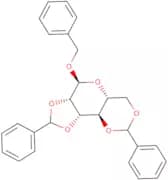
CAS:<p>The benzyl 2,3:4,6-di-O-benzylidene-a-D-mannopyranoside is a synthetic fluorinated carbohydrate. It is a complex carbohydrate that is synthesized by glycosylation and methylation of the sugar. The CAS number for this compound is 58650-53-6. This product can be custom synthesized to meet your specifications.</p>Formula:C27H26O6Purity:Min. 95%Molecular weight:446.49 g/molO-(2-Azido-4,6-O-benzylidene-2-deoxy-a-D-galactopyranosyl)-N-[(9H-fluoren-9-ylmethoxy)carbonyl]-L-serine tert-Butyl Ester
CAS:<p>O-(2-Azido-4,6-O-benzylidene-2-deoxy-a-D-galactopyranosyl)-N-[(9H-fluoren-9-ylmethoxy)carbonyl]-L-serine tert butyl ester (Fluoride) is a modified carbohydrate that has been synthesized from a sugar. The fluorination step of the synthesis has replaced the hydroxyl group at C1 with fluorine. <br>The glycosylation and methylation steps have added a new saccharide to the existing carbohydrate chain. The modification step has introduced an oligosaccharide which has been linked to the monosaccharides by an amide bond. This synthetic carbohydrate was designed to be used as a fluorescent probe for glycoproteins and glycolipids in biomedical research.</p>Formula:C35H38N4O9Purity:Min. 95%Molecular weight:658.7 g/mol1,2,4,6-Tetra-O-acetyl-3-O-propargyl-D-glucopyranose
<p>1,2,4,6-Tetra-O-acetyl-3-O-propargyl-D-glucopyranose is a custom synthesis of a monosaccharide. The 1,2,4,6-tetra acetyl group and the 3-O propargyl group are introduced to the D glucose ring by modifications. This modification increases the stability of the molecule and protects it from hydrolysis. The glycosylation is performed with an oligosaccharide to form a complex carbohydrate.</p>Purity:Min. 95%Mannioside A
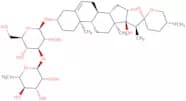
CAS:<p>Mannioside A is a postulated antigen that may be found in the Dracaena genus of plants. This compound has been shown to have an affinity for membranes, which could possibly be used as a strategy for vaccines and other pharmaceutical products. Mannioside A also has hemolytic activity, which may be useful in developing new treatments for autoimmune disorders such as multiple sclerosis.</p>Purity:Min. 95%Uzarigenin digitaloside
CAS:<p>Uzarigenin digitaloside is a glycoside that belongs to the group of cardiac glycosides. It is derived from digitoxigenin and uzarigenin, which are present in the roots of Digitalis lanata. Uzarigenin digitaloside has been shown to have effects on cardiac muscle tissue, inhibiting the production of cAMP and cGMP and thereby reducing the activity of protein kinases and phosphodiesterase. This leads to an increase in intracellular levels of calcium ions, which in turn activates the myofilaments that contract the heart muscle cells.</p>Purity:Min. 95%Heparin disaccharide I-P trisodium salt
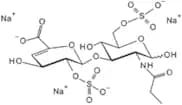
CAS:<p>Heparin disaccharide I-P trisodium salt is a synthetic, highly pure, custom-synthesized heparin derivative with a unique sequence of saccharides. It has been fluorinated and methylated to increase its stability and resistance to degradation by enzymes. Heparin disaccharide I-P trisodium salt is glycosylated, which increases its solubility in water and reduces the risk of precipitation. This product is also modified using click chemistry to introduce an oligosaccharide at one end of the molecule.</p>Formula:C15H20NO17S2Na3Purity:Min. 95%Color and Shape:White To Off-White SolidMolecular weight:619.42 g/mol1,2,3-Tri-O-benzoyl-4,6-dideoxy-4-iodo-a-L-glucopyranose
CAS:<p>1,2,3-Tri-O-benzoyl-4,6-dideoxy-4-iodo-a-L-glucopyranose is a custom synthesis of an Oligosaccharide, Polysaccharide. The chemical name for this compound is 1,2,3-tri-(O-(Benzoyl)glycosyl)-4,6--dideoxy-[4-(1H--1,2,3-triazol-1--yl)--a--D--glucopyranosyl]-4-[(1E)-1-(hydroxymethyl)-2-(methylsulfonyl)ethenyl]-, 4-[(1E)-1-(hydroxymethyl)-2-(methylsulfonyl)ethenyl]-. It has a molecular weight of 565.66 g/mol and CAS No. 132867-78-8. This product is available</p>Formula:C27H23IO7Purity:Min. 95%Molecular weight:586.37 g/molLacDiNAc dimer ethylazide
LacDiNAc dimer ethylazide is a modified form of LacdiNAc that has been iodinated. It is synthesized by the reaction of two molecules of LacdiNAc with ethylazide. The product has an average molecular weight of 2,000 and is the most highly purified synthetic carbohydrate available. It can be used in a wide range of applications, including click chemistry, glycosylation reactions, and fluorination synthesis.Formula:C34H57N7O21Purity:Min. 95%Molecular weight:899.85 g/mol1,2,3,4,6-Penta-O-trimethylsilyl-D-mannopyranose
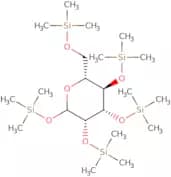
CAS:<p>1,2,3,4,6-Penta-O-trimethylsilyl-D-mannopyranose is a methylated pentasaccharide with a fluorinated hydroxyl group at the C2 position. It is used in the synthesis of polysaccharides and oligosaccharides. 1,2,3,4,6-Penta-O-trimethylsilyl-D-mannopyranose can be modified to produce new polysaccharides or oligosaccharides with desired properties. This product is also suitable for use in high purity applications due to its high purity and low background fluorescence.</p>Formula:C21H52O6Si5Purity:Min. 95%Molecular weight:541.06 g/molVitamin D2 b-D-glucuronide sodium salt
CAS:<p>Vitamin D2 b-D-glucuronide sodium salt is a custom synthesis, modification, and fluorination of vitamin D2. The monosaccharide is methylated, then it is modified with a click chemistry to create the sugar. This sugar is then glycosylated with a polysaccharide, which results in the final product. It has CAS No. 85701-30-0 and has properties as both a saccharide and carbohydrate.</p>Formula:C34H51NaO7Purity:Min. 95%Molecular weight:594.75 g/mol2,3,4,6-Tetra-O-benzyl-D-galactopyranosyl N-phenyl trifluoroacetimidate
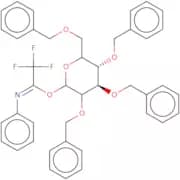
This product is a type of modification and has many uses in the industry. It is an oligosaccharide that is a carbohydrate and can be used as a complex carbohydrate. This product can also be synthesized, which is done by custom synthesis. The CAS Number for this product is 908-92-1, which means it has high purity. This product is also an oligosaccharide that is a carbohydrate and can be used as a complex carbohydrate. This product can also be synthesized, which is done by custom synthesis. The CAS Number for this product is 908-92-1, which means it has high purity.Formula:C42H40F3NO6Purity:Min. 95%Molecular weight:711.77 g/molD-Ribopyranosyl thiosemicarbazide
CAS:<p>D-Ribopyranosyl thiosemicarbazide is a glycosylation agent that can be used in the synthesis of complex carbohydrates. It also has the ability to modify sugar structures, such as methylation, click modification, and fluorination. This reagent can be used for the modification of saccharides, oligosaccharides, and monosaccharides. D-Ribopyranosyl thiosemicarbazide is synthesized from d-ribose and thiosemicarbazide. The CAS number for this product is 95352-77-5.</p>Formula:C6H13N3O4SPurity:Min. 95%Molecular weight:223.25 g/mol5-(S-2-Pyridin-3-yl-pyrrolidine)-1-yl-5-deoxy-1,2-isopropylidene-a-D-xylofuranose
CAS:5-(S-2-Pyridin-3-yl-pyrrolidine)-1-yl-5-deoxy-1,2-isopropylidene-a-D-xylofuranose is a glycosylated sugar which can be modified with methyl groups, fluorine atoms, and saccharides. This compound has been synthesized in the laboratory and has not been found in nature. It is soluble in water and ethanol. The compound is available for custom synthesis to order.Formula:C17H24N2O4Purity:Min. 95%Molecular weight:320.39 g/mol2-Acetamido-3-O-benzoyl-4,6-O-benzylidene-2-deoxy-D-glucopyranose
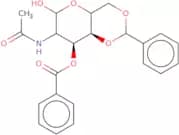
CAS:<p>This is a custom synthesized oligosaccharide that is a complex carbohydrate. This is an Oligosaccharide, Polysaccharide, and CAS No. 1486465-81-9. It has been modified by methylation, glycosylation, and carbamylation. This product has high purity and has been fluorinated. It is a saccharide and a sugar with Click modification.</p>Formula:C22H23NO7Purity:Min. 95%Molecular weight:413.42 g/mol1-Amino-1-deoxy-D-glucitol hydrochloride
CAS:1-Amino-1-deoxy-D-glucitol hydrochloride (AMDG) is a compound that has been synthesized to inhibit the enzyme chondroitin sulfate. Chondroitin sulfate is an important component of cartilage and plays a role in the inflammatory response. It also inhibits the production of gamma-aminobutyric acid, which is an inhibitory neurotransmitter. AMDG can be used as a treatment for pain by inhibiting the transmission of pain signals through the nervous system. AMDG also has anti-inflammatory effects, which may be due to its ability to suppress prostaglandin synthesis.Purity:Min. 95%O-(Methyl b-D-glucopyranosyluronate)-(1,3)-2-deoxy-2-trichloroacetamido-D-galactopyranose
<p>Methyl b-D-glucopyranosyluronate- (1,3)-2-deoxy-2-trichloroacetamido-D-galactopyranose is a fluorinated sugar that is synthesized from the glycosylation of methyl 2,3,4,6-tetrafluoro-b-D-(1,3) glucopyranoside with trichloroacetyl D-(1,3) galactopyranose. This compound is soluble in water and has a CAS number of 1058858. This product can be used as a reagent for glycosylation reactions such as Click chemistry and Methylation. It also has applications in carbohydrate modification and high purity custom synthesis.</p>Purity:Min. 95%Erigeside C
CAS:<p>Erigeside C is a flavonoid derivative that has been shown to be effective in treating allergic symptoms. Erigeside C inhibits the production of various pro-inflammatory cytokines, such as IL-6 and TNF-α, by inhibiting the activity of protein kinase C (PKC). The compound also inhibits the production of prostaglandin E2 by inhibiting cyclooxygenase-2. In addition, Erigeside C is able to inhibit the release of histamine from mast cells. This antihistamine effect is due to its ability to inhibit oxidation reactions in the cell membrane and block cellular calcium channels.</p>Purity:Min. 95%1,2-Dideoxy-2'-dimethylamino-a-D-glucopyranoso-[2,1-d]-2'-thiazoline
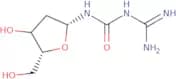
CAS:<p>1,2-Dideoxy-2'-dimethylamino-a-D-glucopyranoso-[2,1-d]-2'-thiazoline is a synthetic sugar that is used in the synthesis of complex carbohydrates. It can be used to modify polysaccharides and glycosyls with methyl groups. This product has high purity and custom synthesis.</p>Formula:C9H16N2O4SPurity:Min. 95%Molecular weight:248.3 g/molD-2'-Deoxyribofuranosyl-3-guanylurea
CAS:<p>D-2'-Deoxyribofuranosyl-3-guanylurea is a custom synthesis that is used as an intermediate in the glycosylation of oligosaccharides and polysaccharides. D-2'-Deoxyribofuranosyl-3-guanylurea is a modified sugar that has been fluorinated, methylated, and glycosylated. This compound is used to synthesize complex carbohydrates that are important for various biological processes.</p>Formula:C7H14N4O4Purity:Min. 95%Color and Shape:Off-White To Beige SolidMolecular weight:218.21 g/molRhamnolipids C12
CAS:<p>Rhamnose based 'green' surfactant</p>Formula:C18H34O7Purity:Min. 95%Molecular weight:362.46 g/molL-Xylose-BSA
<p>L-Xylose-BSA is a glycosylation product that has been modified with methylation, click modification, and fluorination. The compound is a complex carbohydrate that is classified as a polysaccharide. L-Xylose-BSA is a monosaccharide that has been synthesized using the Custom synthesis and high purity techniques. This saccharide is used in various types of research including glycosylation, methylation, click modification, and fluorination. L-Xylose-BSA can also be found under CAS No. 6525-83-8 or EC No. E 1451/1.</p>Purity:Min. 95%2,3,4,6-Tetra-O-acetyl-b-D-galactopyranosyl-N-Fmoc-L-threonine pentafluorophenyl ester
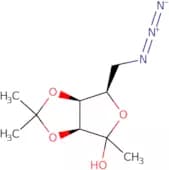
CAS:<p>2,3,4,6-Tetra-O-acetyl-b-D-galactopyranosyl-N-Fmoc-L-threonine pentafluorophenyl ester (2,3,4,6TAP) is a sugar that has been modified by methylation and glycosylation. It is a custom synthesis with CAS No. 182369-92-2. 2,3,4,6TAP can be used for the preparation of oligosaccharides and polysaccharides with different structures. It has high purity and is fluorinated. This compound can be used in click chemistry reactions to modify carbohydrates on a peptide or protein.</p>Formula:C39F5H36NO14Purity:Min. 95%Molecular weight:837.71 g/mol6-Azido-1,6-dideoxy-3,4-O-isopropylidene-D-lyxo-2-hexulofuranose
CAS:<p>6-Azido-1,6-dideoxy-3,4-O-isopropylidene-D-lyxo-2-hexulofuranose is a synthetic sugar that can be modified to form an oligosaccharide and polysaccharide. It has been fluorinated and methylated to create a glycosylation site for the attachment of other sugars. This sugar is used in the synthesis of complex carbohydrates. 6-Azido-1,6-dideoxy -3,4-O -isopropylidene -D -lyxo -2 -hexulofuranose has a CAS number of 122194 05 2 and is soluble in water. It has a purity level of ≥ 98% and can be custom synthesized to meet your specifications.</p>Formula:C9H15N3O4Purity:Min. 95%Molecular weight:229.23 g/mol1,4:3,6-Dianhydrogalactitol
CAS:<p>1,4:3,6-Dianhydrogalactitol (1,4:3,6-DAG) is a glycosylated sugar that belongs to the group of complex carbohydrates. It has been shown to be an effective inhibitor of methylation and Click modification reactions. 1,4:3,6-DAG also inhibits the polymerization of saccharides and oligosaccharides. This product is custom synthesized for research purposes and can be provided in high purity.</p>Formula:C6H10O4Purity:Min. 95%Molecular weight:146.14 g/mol6-Deoxy-L-altrose
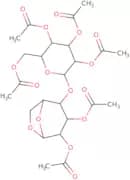
CAS:<p>6-Deoxy-L-altrose is a type of sugar that is found in human pathogens. It can be used as a biomarker for the identification of these types of bacteria. 6-Deoxy-L-altrose has been shown to have physiological activities against some bacterial strains, such as pseudotuberculosis and enterocolitica. 6-Deoxy-L-altrose is used as an extracellular metabolite by some bacteria, and has been shown to inhibit the growth of Mycobacterium tuberculosis through its ability to inhibit protein synthesis at the ribosomal level.</p>Formula:C6H12O5Purity:Min. 95%Molecular weight:164.16 g/mol2,3,2',3',4',6'-Hexa-O-acetyl-1,6-anhydro-b-D-maltose
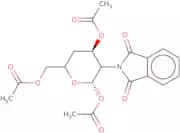
CAS:2,3,2',3',4',6'-Hexa-O-acetyl-1,6-anhydro-b-D-maltose (HAP) is a custom synthesis that can be modified with fluorination, methylation, and monosaccharide. HAP is a synthetic oligosaccharide that is glycosylated and has a saccharide and sugar. HAP has the CAS No. 28868-67-9. This product can be used as an additive in food production or as a pharmaceutical agent.Formula:C24H32O16Purity:Min. 95%Molecular weight:576.5 g/mol1,3,6-Tri-O-acetyl-2,4-dideoxy-2-phthalimido-b-D-glucopyranose
CAS:1,3,6-Tri-O-acetyl-2,4-dideoxy-2-phthalimido-b-D-glucopyranose is a modification of the sugar molecule. This product is a custom synthesis and can be used in research to synthesize complex carbohydrates. It is also a synthetic carbohydrate that has been fluorinated and saccharides have been methylated and glycosylated. It has CAS No. 1260591-45-4 and can be used as a monosaccharide or polysaccharide.Formula:C20H21NO9Purity:Min. 95%Molecular weight:419.38 g/molMan-6 N-Glycan
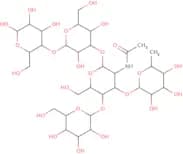
CAS:<p>Man-6 N-Glycan is a custom synthesis of an oligosaccharide. It is also classified as a polysaccharide and carbohydrate. The glycosylation of this product involves the addition of a sugar to the glycan, which is then modified by methylation or fluorination. This product has been shown to be stable in a buffer solution at pH 7 and can be used for click chemistry. The purity is high with no detectable impurities.</p>Formula:C52H88N2O41Purity:Min. 95%Color and Shape:PowderMolecular weight:1,397.24 g/mol1-D-a-Galactopyranosyl-4-O-[1-(2-octadecylthioethyl)-(b-D-galactopyranoside)]
<p>1-D-a-Galactopyranosyl-4-O-[1-(2-octadecylthioethyl)-(b-D-galactopyranoside)] is a complex carbohydrate that contains a fluorinated sugar. It is synthesized from a monosaccharide and an oligosaccharide and glycosylated with a polysaccharide. The compound has been modified to include methylation and click modification. 1-D-a-Galactopyranosyl-4-O-[1-(2-octadecylthioethyl)-(b-D-galactopyranoside)] can be purchased in high purity from the CAS registry number of 538570–75–6.</p>Purity:Min. 95%6-O-Sulphated Lewisa-BSA
<p>Lewisa-BSA is a modified form of BSA that contains 6-O sulfated sugars. This carbohydrate is used in the treatment of diabetes and other metabolic disorders. Lewisa-BSA is synthesized by the modification of BSA with a series of oligosaccharide residues. The carbohydrate chains are then methylated, glycosylated, and finally sulfated. This process provides Lewisa-BSA with high purity and high stability.</p>Purity:Min. 95%Low calcium heparin
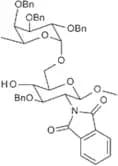
CAS:<p>Low calcium heparin is a glycosaminoglycan, which occurs in many mammalian tissues and has important anticoagulant and thrombolytic properties. The chemical structure is composed mainly of two disaccharide repeating units A and B. A is L-iduronic acid 2-suplhate linked α-(1,4) to 2-deoxy-2-sulfamido-D-galactose 6-sulphate, while B is D-glucuronic acid β-(1,4) linked to 2-deoxy-2-sulfamido-D-glucose 6-sulphate.</p>Purity:Min. 95%Methyl 3-O-benzyl-6-O-(2,3,4-tri-O-benzyl-a-L-fucopyranosyl)-2-deoxy-2-phthalimido-b-D-glucopyranoside
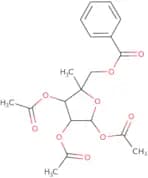
CAS:Methyl 3-O-benzyl-6-O-(2,3,4-tri-O-benzyl-a-L-fucopyranosyl)-2,3,4,6-tetra-O-(2,3,4,6,-tetra-O-(2′,3′,4′,-triacetyl)benzoyl) -2′ deoxy -2′ phthalimido -bD glucopyranoside is a synthetic carbohydrate. It is a modification of the natural product Dioscorea polysaccharides that has been modified by an acetylation reaction with 2,3,4 triacetylbenzoic acid and then further modified by a benzoylation reaction with methyl 3 tosylate. Methyl 3 O benzyl 6 O (2 3 4 tri O benzyl a L fucopyranosyl) 2 deoxy 2 phthalimido bFormula:C49H51NO11Purity:Min. 95%Molecular weight:829.93 g/mol1,2,3-Tri-O-acetyl-5-O-benzoyl-4-C-methyl-D-ribofuranose
CAS:<p>1,2,3-Tri-O-acetyl-5-O-benzoyl-4-C-methyl-D-ribofuranose is a fluorinated carbohydrate that is synthesized by the click chemistry reaction. It is an oligosaccharide with three acetyl groups and four methyl groups on the sugar. This compound has a molecular weight of 514.92 g/mol and a CAS number of 503543-44-0.</p>Purity:Min. 95%Mogroside IVe
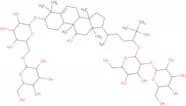
CAS:<p>Mogroside IVe is a natural compound that belongs to the group of polyphenols. It is a derivative of mogrosides, which are found in the fruit of the plant Glycosmis pentaphylla. Mogroside IVe has been shown to have minimal toxicity and can be used in tissue culture as a growth factor-β1 inducer. The drug also has hypoglycemic effects and may be useful for treating diabetes mellitus type 2. Mogroside IVe activates AMP-activated protein kinase (AMPK) by inhibiting toll-like receptor 4 (TLR4), which prevents tumor necrosis factor-α (TNF-α) production, leading to apoptosis. This drug also inhibits polymerase chain reaction (PCR) and fatty acid synthase activity, which may lead to potential anticancer effects against cervical cancer cells.</p>Purity:Min. 95%Color and Shape:Solid6-Azido-a-D-galactose-1-dihydrogenphosphate
CAS:<p>6-Azido-a-D-galactose-1-dihydrogenphosphate is a custom synthesis that is a complex carbohydrate. It is an Oligosaccharide and CAS No. 1374984-64-1, Polysaccharide with Modification, saccharide and Methylation, Glycosylation, Carbohydrate. This compound can be modified with Click modification, sugar or High purity, Fluorination. 6-Azido-a-D-galactose-1-dihydrogenphosphate is synthesized by Synthetic methods and has high purity.</p>Formula:C6H12N3O8PPurity:Min. 95%Molecular weight:285.15 g/molPinitol diacetonide
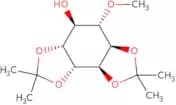
CAS:<p>Pinitol diacetonide is an acceptor substrate for β-galactosidase, a glycosyl hydrolase that catalyzes the hydrolysis of terminal galactose residues from the non-reducing end of certain glycolipids. Pinitol diacetonide has been shown to be enzymatically active in both aerobic and anaerobic conditions. This product can also be used as a substrate for 1,4-β-D-galactosyltransferase, which catalyzes the transfer of D-galactose from 1,4-β-D-glucose to the nonreducing end of certain glycolipids. Pinitol diacetonide is not a suitable substrate for p-nitrophenyl galactosyltransferase, an enzyme that catalyzes the transfer of p-nitrophenol from L -pyranosides to the nonreducing end of certain glycolipids.<br>Pin</p>Formula:C13H22O6Purity:Min. 95%Molecular weight:274.31 g/mol2-Acetamido-2,4-dideoxy-4-fluoro-6-O-(3-mercaptopropanoyl)-D-glucopyranose
<p>2-Acetamido-2,4-dideoxy-4-fluoro-6-O-(3-mercaptopropanoyl)-D-glucopyranose is a sugar with a molecular formula of C10H14O7F3NO6 and a molecular weight of 441.33. It has high purity and is custom synthesized to order. It is an important building block in the synthesis of oligosaccharides, monosaccharides, saccharides, and complex carbohydrates. 2-Acetamido-2,4-dideoxy-4-fluoro-6-O-(3-mercaptopropanoyl)-D-glucopyranose has many modifications including fluorination, glycosylation, methylation, and modification. This product has CAS number 1778791 and can be found under the name Oligosaccharide (CAS No. 17</p>Purity:Min. 95%GM1a-Oligosaccharide
GM1a pentasaccharide (ammonium salt) has a core tetrasaccharide structure (Galβ1,3GalNAcβ1,4Galβ1,4Glc) with a single sialic acid residue linked α2,3 to the inner galactose residue (Ledeen, 2009). GM1a pentasaccharide is the carbohydrate moiety in GM1a ganglioside which interacts and modulates tyrosine kinases, such as, neural tropomyosin receptor kinase A (TrkA), by inducing the release of neurotrophins from fibroblast cells and the epidermal growth factor receptor (EGFR) (Higuero, 2009). Oligosaccharide domain of monosialylated glycosphingolipid GM1 of a-series that specifically interacts with cholera toxin B subunit (CBT) fromâ¯V. cholerae, heat-labile toxin B subunit (LTB) fromâ¯E. coliâ¯and alpha toxin fromâ¯C. perfrigens. This ganglioside is abundant in nervous system as well as in other peripheral tissues (Chiricozzi, 2020).Formula:C37H61N2O29NaPurity:Min. 95%Color and Shape:PowderMolecular weight:1,020.87 g/molMaltohexaose
CAS:<p>Maltohexaose is a polysaccharide formed by 6 units of glucose and can be metabolised inside the cell to a substrate-based inhibitor of fucosyltransferases. It can also be converted to GDP-2-deoxy-2-fluoro-L-fucose, a competitive inhibitor of α-1,3-fucosyltransferase. Matohexaose is used as acceptor for measuring the activity of 4-Alpha-Glucanotransferase.</p>Formula:C36H62O31Purity:Min. 95.0 Area-%Molecular weight:990.86 g/mol3-Deoxy-1,2:5,6-di-O-isopropylidene-a-D-gulofuranose
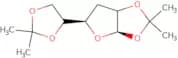
<p>3-Deoxy-1,2:5,6-di-O-isopropylidene-a-D-gulofuranose is a synthetic sugar that is used in the production of glycoproteins. It is an important component of glycosaminoglycans, which are complex carbohydrates that are responsible for the formation and maintenance of connective tissue. 3DG has been modified by fluorination, glycosylation, methylation, and modification. It can be used to synthesize oligosaccharides and monosaccharides. It can also be used as a raw material for the synthesis of saccharides. 3DG has been shown to inhibit tumor growth in animal models because it decreases protein synthesis in cancer cells.</p>Formula:C12H20O5Purity:Min. 95%Molecular weight:244.28 g/molRhamnolipids C14-C14
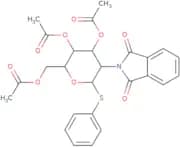
CAS:Rhamnose based 'green' surfactantFormula:C34H64O9Purity:Min. 95%Color and Shape:PowderMolecular weight:616.88 g/molPhenyl-3,4,6-tri-O-acetyl-2-deoxy-2-phthalimido-b-D-thioglucopyranoside
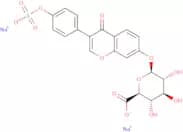
CAS:<p>Phenyl-3,4,6-tri-O-acetyl-2-deoxy-2-phthalimido-b-D-thioglucopyranoside is a glycosylation reagent that is used in the synthesis of complex carbohydrates. It reacts with an activated monosaccharide to form a glycosidic linkage between the sugar and the phenol group of the sugar. Phenyl 3,4,6 triacetate 2 deoxy 2 phthalimido B D thioglucopyranoside can be used for modifying polysaccharides and saccharides by fluorination or methylation. The compound has CAS No. 79528 49 7 and is available as custom synthesis. It is also available in high purity.</p>Purity:Min. 95%Daidzein 7-b-D-glucuronide 4'-sulfate disodium salt
CAS:<p>Daidzein 7-b-D-glucuronide 4'-sulfate disodium salt (DAI) is a flavonoid that has significant antioxidant activity and is an inhibitor of the release of inflammatory cytokines. DAI has been shown to inhibit the production of necrotizing factor (NF)-κB and induce apoptosis in cultured dendritic cells. It also possesses anti-inflammatory properties, which may be due to its ability to inhibit phagocytosis and degranulation of mast cells. The major metabolites of DAI are glucuronides, sulfates, or sulfonates. These metabolites are excreted in urine and bile or hydrolyzed back into DAI by various enzymes such as esterases or glucuronidases.</p>Formula:C21H16Na2O13SPurity:Min. 95%Molecular weight:554.39 g/molMetronidazole b-D-glucuronide
CAS:<p>Metronidazole b-D-glucuronide is a glycosylated form of metronidazole that is rapidly hydrolyzed by esterases or glucuronidases to the parent drug. Metronidazole b-D-glucuronide has been shown to be an effective inhibitor of bacterial growth, which may be due to its inhibition of DNA synthesis. The drug also has anti-inflammatory and antiproliferative activity in vitro. Metronidazole b-D-glucuronide is a water soluble prodrug that is used as an antimicrobial agent for the treatment of infections caused by susceptible bacteria. It can be custom synthesized with high purity and good yield.</p>Formula:C12H17N3O9Purity:Min. 95%Molecular weight:347.28 g/mola-Heptasaccharide
CAS:<p>a-Heptasaccharide is a complex carbohydrate that is synthesized from glycerol and seven monosaccharides. It is used in the synthesis of other carbohydrates and as a fluorination reagent.</p>Formula:C46H78N2O34Purity:Min. 95 Area-%Color and Shape:PowderMolecular weight:1,203.13 g/molL-Idaric acid
CAS:<p>L-Idaric acid is a novel anti-inflammatory agent that is a derivative of the endogenous compound d-glucuronic acid. It has been shown to have anti-inflammatory effects in animal studies as well as in human cell cultures and it has been shown to be safe for use in humans. L-Idaric acid inhibits the production of inflammatory mediators, such as prostaglandins, leukotrienes, and cytokines. L-Idaric acid also inhibits the activity of β-glucuronidase, which may be responsible for its ability to prevent the degradation of glucuronic acid derivatives.</p>Formula:C6H10O8Purity:Min. 95%Color and Shape:White to off-white solid.Molecular weight:210.14 g/molMethyl 2-deoxy-3,5-bis-O-(3,5-dichlorophenyl)-2E-(fluoromethylene)-a-D-erythro-pentofuranoside
CAS:<p>Methyl 2-deoxy-3,5-bis-O-(3,5-dichlorophenyl)-2E-(fluoromethylene)-a-D-erythro-pentofuranoside is a high purity custom synthetic sugar with a molecular weight of 638.08 g/mol. It has been modified by Methylation and Click chemistry to give it the desired properties. This sugar is used in Glycosylation and Polysaccharide synthesis as an intermediate. It is also used in the synthesis of oligosaccharides and monosaccharides.</p>Formula:C19H15Cl4FO4Purity:Min. 95%Molecular weight:468.13 g/molCetearyl glucoside
CAS:<p>Cetearyl glucoside is a fatty alcohol that is used as a skin conditioning agent and emollient. It has been shown to be stable in vivo and in vitro, with a phase transition temperature of around 34°C. Cetearyl glucoside is also soluble in water, making it suitable for use in products that have a high water content, such as lotions. Cetearyl glucoside can be used as an excipient or carrier to increase the bioavailability of active ingredients (e.g., vitamins) and offers protection against chemical degradation. This product is also non-comedogenic, meaning it will not clog pores and cause acne breakouts. The fatty acid component of cetearyl glucoside can be derived from soybean oil or from other sources such as castor oil or coconut oil. The fatty acid component can also be derived from animal sources such as lanolin or wool fat.</p>Purity:Min. 95%1,2-O-Isopropylidene-b-L-apiose
CAS:<p>1,2-O-Isopropylidene-b-L-apiose is a carbohydrate with the molecular formula C8H10O4. It is a monosaccharide that is derived from D-mannose by methylation and glycosylation. 1,2-O-Isopropylidene-b-L-apiose has been synthetically modified to improve its properties. The chemical structure of this compound has been modified by fluorination, saccharide modification and glycosylation to increase its solubility in water.</p>Formula:C8H14O5Purity:Min. 95%Molecular weight:190.19 g/molAmitriptilyne N-b-D-glucuronide
<p>Amitriptilyne N-b-D-glucuronide is a fluorinated, monosaccharide that is used in synthetic oligosaccharides and polysaccharides. This product can be custom synthesized to meet customer specifications. Amitriptilyne N-b-D-glucuronide is an oligosaccharide with a complex carbohydrate structure. It can be modified by glycosylation, methylation, and click chemistry. The CAS number for this product is 122470-06-8. The sugar content of this product ranges from 98% to 99%. The purity of this product is greater than 99%.</p>Purity:Min. 95%Methyl 2-O-allyl-3-O-benzyl-4,6-O-benzylidene-a-D-mannopyranoside
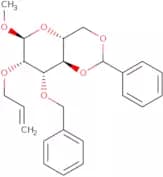
CAS:<p>Methyl 2-O-allyl-3-O-benzyl-4,6-O-benzylidene-a-D-mannopyranoside is a synthetic sugar that contains an aldose and a ketose. It has been used for the synthesis of oligosaccharides and monosaccharides. Methyl 2-O-allyl-3-O-benzyl -4,6 -O -benzylidene -a -D -mannopyranoside has been shown to have antiadhesive properties when used in combination with other sugars.</p>Formula:C24H28O6Purity:Min. 95%Molecular weight:412.48 g/molOctyl a-L-rhamnopyranoside
CAS:<p>Octyl a-L-rhamnopyranoside is a custom-synthesized, fluorinated, methylated, monosaccharide with saccharide and polysaccharide modifications. It is used for the modification of glycoproteins in the synthesis of complex carbohydrates and as an intermediate in the preparation of monosaccharides and their derivatives. <br>Octyl a-L-rhamnopyranoside is synthesized by condensing 1,2:3,4-di-O-isopropylidene D-mannitol with 5-(bromomethyl)benzene sulfonyl chloride to give 5-(Bromomethyl)benzene sulfonic acid. The acid is then reacted with octanoyl chloride to form octyl a-L-rhamnopyranoside. Octyl a-L-rhamnopyranoside has been shown to inhibit protein</p>Formula:C14H28O5Purity:Min. 95 Area-%Color and Shape:PowderMolecular weight:276.37 g/mol2-Bromo-2-deoxy-3,4,5,7-tetra-O-benzoyl-a-D-gluco-heptulopyranosononitrile
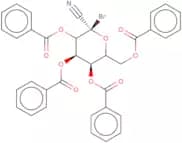
CAS:<p>2-Bromo-2-deoxy-3,4,5,7-tetra-O-benzoyl-a-D-glucoheptulopyranosononitrile is a sugar. It is a synthetic compound that can be used in the synthesis of glycosylated saccharides and oligosaccharides. 2-Bromo-2-deoxy-3,4,5,7 tetra O benzoyl a D glucoheptulopyranosononitrile has been shown to have antibacterial activity against Clostridium perfringens. This compound also has the ability to inhibit protein synthesis in E coli cells.</p>Formula:C35H26BrNO9Purity:Min. 95%Molecular weight:684.49 g/mol5-(2-Hydroxyethyl)-2'-deoxyuridine
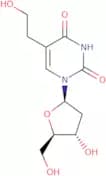
CAS:<p>5-(2-Hydroxyethyl)-2'-deoxyuridine is a regiospecific inhibitor of the enzyme thymidylate synthase. This drug inhibits the synthesis of thymine and uracil, which are used in DNA replication. 5-(2-Hydroxyethyl)-2'-deoxyuridine binds to the carbon chain of uracil, preventing its incorporation into DNA. 5-(2-Hydroxyethyl)-2'-deoxyuridine has been shown to be an effective inhibitor of thymidylate synthase in both prokaryotic and eukaryotic cells. The mechanism of action is thought to be competitive inhibition with respect to substrate binding at the active site of the enzyme. 5-(2-Hydroxyethyl)-2'-deoxyuridine can be synthesized by reacting acrylonitrile with 5-iodouridine chloride, followed by elimination reactions with methylene chloride or thionyl chloride. The product can then be</p>Formula:C11H16N2O6Purity:Min. 95%Color and Shape:PowderMolecular weight:272.25 g/mol6-Azido-2,3,4-tri-O-benzyl-6-deoxy-a-D-mannopyranosyl trichloroacetimidate
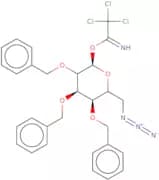
<p>6-Azido-2,3,4-tri-O-benzyl-6-deoxy-a-D-mannopyranosyl trichloroacetimidate (6A2TB) is a synthetic glycosylation reagent that is used in the synthesis of complex carbohydrates. It can be used in Click chemistry to introduce an azide group onto an alpha carbon. This reaction requires the presence of a copper catalyst and is very selective. 6A2TB is also useful for modification of saccharides with fluorination or methylation reactions.<br>This product has been demonstrated to have high purity and can be custom synthesized to meet customer specifications.</p>Formula:C29H29Cl3N4O5Purity:Min. 95%Molecular weight:619.92 g/molPhenylephrine-D-glucuronide
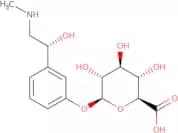
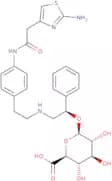
CAS:<p>Phenylephrine-D-glucuronide is a modified form of phenylephrine that is synthesized from the natural product glycosylate. It has been shown to have a high degree of purity and is custom synthesized for customers. This compound can be modified in many ways, including fluorination, glycosylation, methylation, and saccharide modification. Phenylephrine-D-glucuronide has the ability to bind to sugar molecules and form complex carbohydrates. Phenylephrine-D-glucuronide is also an oligosaccharide or monosaccharide with a saccharide backbone.</p>Formula:C15H21NO8Purity:Min. 95%Molecular weight:343.33 g/molBenzyl 5-amino-5-deoxy-2,3-O-isopropylidene-6-O-trityl-a-L-gulofuranoside
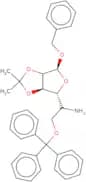
<p>Benzyl 5-amino-5-deoxy-2,3-O-isopropylidene-6-O-trityl-a-L-gulofuranoside is a custom synthesis of an Oligosaccharide. It is a complex carbohydrate that has been modified by methylation and glycosylation. The saccharide in this compound is a sugar and it has been fluorinated. This product is of high purity and has been synthesized using click chemistry.</p>Formula:C35H37NO5Purity:Min. 95%Color and Shape:SolidMolecular weight:551.67 g/mol2,3,5-Tri-O-benzoyl-b-D-ribofuranose
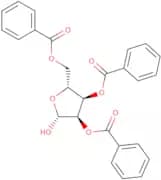
CAS:<p>2,3,5-Tri-O-benzoyl-b-D-ribofuranose is a custom synthesis of an oligosaccharide. It has been modified with fluorination and methylation. This is a synthetic carbohydrate that belongs to the class of saccharides. It has been synthesized from a monosaccharide and has glycosylation. The chemical formula for 2,3,5-Tri-O-benzoyl-b-D-ribofuranose is C10H14O7.</p>Formula:C26H22O8Purity:Min. 95%Molecular weight:462.45 g/molMirabegron O-glucuronide
CAS:<p>Mirabegron is a drug that has been used to treat overactive bladder and urinary incontinence. Mirabegron is an agonist of the beta-3 adrenergic receptor and increases the levels of cAMP in cells by binding to this receptor. This leads to relaxation of smooth muscle tissue, which decreases resistance in the bladder and urethra and promotes urine storage. Mirabegron O-glucuronide is a metabolite of mirabegron that can be detected in urine using mass spectrometry methods. Mirabegron O-glucuronide has been found in human liver samples following oral administration, as well as in human blood samples after intravenous administration.</p>Purity:Min. 95%Octanoyl-N-hydroxyethylglucamide
CAS:<p>Octanoyl-N-hydroxyethylglucamide is a high purity custom synthesis that is a fluorinated, glycosylated, and methylated modification of glycine. It is an oligosaccharide that contains a saccharide and carbohydrate. Octanoyl-N-hydroxyethylglucamide has been shown to inhibit the growth of bacteria that are resistant to penicillin, ampicillin, erythromycin, and tetracycline.</p>Formula:C16H33NO7Purity:Min. 95%Molecular weight:351.44 g/molUndecylenyl b-D-maltoside
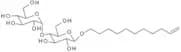
Undecylenyl b-D-maltoside is a high purity sugar that can be custom synthesized. It is fluorinated at the hydroxyl group, glycosylated, and methylated. This product is also available in various configurations including oligosaccharides, monosaccharides, and complex carbohydrates. Undecylenyl b-D-maltoside is a carbohydrate that can be used as a synthetic building block for the synthesis of other sugars. It can also be used for glycosylation reactions to create new glycoconjugates with improved properties. Undecylenyl b-D-maltoside is an oligosaccharide with a saccharide chain consisting of 10 units of D-glucose and one unit of D-mannose. The individual units are linked together by alpha 1,6 bonds.Formula:C23H42O11Purity:Min. 95%Molecular weight:494.57 g/molNonanoyl-N-Hydroxyethylglucamide
CAS:<p>Nonanoyl-N-Hydroxyethylglucamide is a novel methylation and click modification reagent that has been shown to be highly effective for the methylation of carbohydrates. It is also a potent fluorinating agent, which can be used for the preparation of complex carbohydrates, such as oligosaccharides and polysaccharides. Nonanoyl-N-Hydroxyethylglucamide is available in high purity and with various modifications.</p>Formula:C17H35NO7Purity:Min. 95%Molecular weight:365.46 g/mol1,2,3,4-Tetra-O-acetyl-b-L-fucopyranose
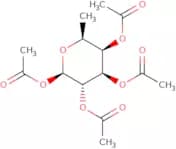
CAS:1,2,3,4-Tetra-O-acetyl-b-L-fucopyranose is a saccharide that can be synthesized from L-fucose. It is a complex carbohydrate and can be used for Methylation, Click modification, Polysaccharide, and Fluorination. 1,2,3,4-Tetra-O-acetyl-b-L-fucopyranose is an Oligosaccharide and it is custom synthesized. The CAS number for this compound is 50615-78-6 and it has a purity of high.Formula:C14H20O9Purity:Min. 95%Molecular weight:332.3 g/molLacto-N-fucopentaose III-GEL
CAS:<p>Lacto-N-fucopentaose III-GEL is a synthetic monosaccharide that is used as a building block for the synthesis of complex carbohydrates. Lacto-N-fucopentaose III-GEL is synthesized from fructose, which is methylated with chloromethylated N,N'-diacetylchitobiose as the methylating agent and sodium methoxide as the catalyst. The resulting glycoconjugate is then treated with hydrofluoric acid to introduce fluorine atoms into the carbohydrate backbone.</p>Purity:Min. 95%2,3-Di-O-Carboxymethyl-D-glucose
CAS:<p>2,3-Di-O-Carboxymethyl-D-glucose (DCM) is a carboxymethyl derivative of glucose. DCM is used as a chromatographic and solvent system additive in the purification of ethers. It has also been used to produce carboxymethylcellulose and hydrolysis products such as 2,3-di-O-carboxypropyl glucopyranoside. DCM is an off white solid at room temperature with a melting point of 71°C.</p>Formula:C10H16O10Purity:Min. 95%Color and Shape:White Off-White PowderMolecular weight:296.23 g/mol2-Acetamido-2-deoxy-D-galactono-1,4-lactone
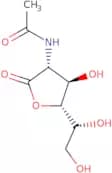
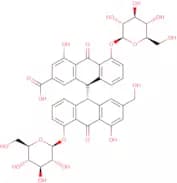
CAS:<p>2-Acetamido-2-deoxy-D-galactono-1,4-lactone is a trifluoroacetate analogue of 2-acetamido-2,3,4,5,6-pentafluorobenzonitrile. It has been shown to be an inhibitor of the synthesis of pyrimidine nucleotides in calf thymus DNA. The lactone ring structure is responsible for the antimicrobial activity of this compound. Sodium borohydride converts the compound into a phenylhydrazone derivative and formazans are formed during this process. This reaction is indicative of the presence of pentavalent nitrogen atoms in the molecule. The shift in position of the formazan band on paper chromatography indicates that this compound has two different forms: one with a double bond and one with a triple bond between carbons 3 and 4. The five membered ring structure is stabilized by two carbon atoms (C</p>Formula:C8H13NO6Purity:Min. 95%Color and Shape:SolidMolecular weight:219.19 g/molSennoside D
CAS:<p>Sennoside D is a fatty acid that can be isolated from the sennosides found in the leaves of the plant Senna alata. It has been shown to have anti-tumor properties and may play a role in treating colon cancer, breast cancer, and skin cancer. Sennoside D has also been shown to be effective against autoimmune diseases such as arthritis, ulcerative colitis, and Crohn's disease. The low energy of this compound may be due to its formation rate. The hydroxide solution (NaOH) is used in the synthesis of this molecule because it binds with carbon dioxide molecules to form sodium bicarbonate and carbon dioxide gas which can then be captured by water. This process produces a high yield of sennoside D. In addition, the bound form of this molecule is soluble in organic solvents and insoluble in water, which makes it suitable for skin conditions as well as colon cancer treatments.</p>Purity:Min. 95%Color and Shape:Solid1,6-Di-O-benzyl-a-D-glucopyranoside
<p>1,6-Di-O-benzyl-a-D-glucopyranoside is an oligosaccharide that has been synthesized by the Click chemistry method. It is a polysaccharide with a high purity and an excellent yield. The product contains a single monosaccharide unit of D-glucose with a 1,6 glycosylation pattern. The product has undergone methylation and fluorination to produce the desired structure. 1,6-Di-O-benzyl-a-D-glucopyranoside has been shown to have antihypertensive effects in rats and is thought to be due to its ability to inhibit angiotensin II receptor activity.</p>Purity:Min. 95%6,7,8-Trihydroxy-1-(hydroxymethyl)-3-oxo-2-oxa-4-azabicyclo[3.3.1]nonane
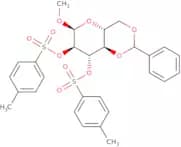
CAS:<p>Valiolamine is a hydroxymethyl-derivative of jinggangmycin. It is a competitive inhibitor of the enzyme dihydroorotate dehydrogenase. Valiolamine has been shown to inhibit the production of amines, such as histamine, and has been used in the treatment of allergies.</p>Formula:C8H13NO6Purity:Min. 95%Molecular weight:219.19 g/molMethyl 4,6-O-benzylidene-2-O-p-toluenesulfonyl-a-D-glucopyranoside
CAS:<p>Methyl 4,6-O-benzylidene-2-O-p-toluenesulfonyl-a-D-glucopyranoside is a modification of the natural carbohydrate, alpha-D-(1→4)-glucose. It is an oligosaccharide that is synthesized by the methylation of a natural sugar and subsequent glycosylation with a saccharide. This compound has been shown to inhibit the activity of bacterial RNA polymerase and DNA gyrase enzymes. The synthesis of this compound has been described in detail in the literature.<br>Methyl 4,6-O-benzylidene-2-O-(p-toluenesulfonyl)a D glucopyranoside <br>This compound is a modification of the natural carbohydrate, alpha D (1 ->4) glucose. It is an oligosaccharide that is synthesized by methylation of a natural</p>Formula:C21H24O8SPurity:Min. 95%Molecular weight:436.48 g/molDihydroartemisinin glucuronide
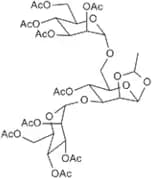
CAS:<p>Dihydroartemisinin glucuronide is an antimalarial drug that belongs to the class of artemisinins, which are natural products derived from a plant extract. It is used in the treatment of malaria and related diseases. Dihydroartemisinin glucuronide has been detected in plasma samples by LC-MS/MS using a gold electrode. The compound has been shown to be effective in treating malaria and related diseases, including biliary tract infections. The systematic calibration was performed with a binder and agilent technologies.</p>Formula:C21H32O11Purity:Min. 95%Color and Shape:White To Off-White SolidMolecular weight:460.47 g/mol4-O-Acetyl-3,6-di-O-(2,3,4,6-tetra-O-acetyl-a-D-mannopyranosyl)-1,2-ethyledine-b-D-mannopyranose
CAS:<p>4-O-Acetyl-3,6-di-O-(2,3,4,6-tetra-O-acetyl-a-D-mannopyranosyl)-1,2-ethyledine (CAS No. 230953-17) is a carbohydrate that has been modified with acetyl groups at the 3 and 6 positions of the monosaccharide unit. This modification is a complex carbohydrate that is made up of oligosaccharides and polysaccharides. The modification causes changes in the chemical properties of the carbohydrate compared to natural saccharides. 4-O-(2,3,4,6) tetra O acetyl a D mannopyranosyl 1 2 ethyledine b D mannopyranose has been used in synthesis of custom sugars for medical applications. It has also shown anti inflammatory activities against Mycobacterium tuberculosis and Mycobacterium avium complex</p>Formula:C38H52O25Purity:Min. 95%Molecular weight:908.8 g/molMethyl-O-(2-azido-3,4-di-O-benzyl-2-deoxy-a-D-glucopyranosyl)-(1-4)-O-(2,3-di-O-benzyl-b-D-glucopyranosyluronicacid)- (1-4)-O-(2-azi do-2-deoxy-a-D-glucopyranosyl)-(1-4)-O-(3-O-benzyl-a-L-idopyranosyluronic acid)-(1-4)-3-O-benzyl- 2-benzyloxycarbonyla
CAS:<p>Maltodextrin is a polysaccharide that is made up of glucose units linked together by alpha-glycosidic bonds. Maltodextrin is commonly used as a food additive, but it also has several industrial applications. It can be used to produce escherichia coli, which is a bacterium that produces maltose and amylopectin. Maltodextrin can also be used as an animal feed supplement or as an ingredient in baby food. The glycosidic bond between the glucose units are metabolized by mouse enzymes to produce maltose and glycogen, which are both plant metabolites. Maltodextrin consists of unbranched subunits with linear chains of alpha-1,4-linked glucose residues that have alpha-1,6-linked branches at every second residue. This means that maltodextrin has a glycosidic linkage between the two glucose molecules in the chain and one of these links will always be an alpha-</p>Formula:C81H91N7O27Purity:Min. 95%Molecular weight:1,594.62 g/mol3,4,2',3',4'-Penta-O-acetylsucrose
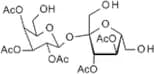
CAS:<p>3,4,2',3',4'-Penta-O-acetylsucrose (PAS) is a carbohydrate that has been found to be a potent inhibitor of the enzyme glycogen phosphorylase. The reductive elimination of the acetyl groups from PAS produces 2,3,4'-tri-O-acetylsucrose (TAS), which is also an inhibitor of glycogen phosphorylase. TAS inhibits this enzyme by binding to the active site and blocking access to the substrate. TAS also inhibits gluconeogenesis in liver cells by competing with glucose for uptake into the cell. In vitro studies have shown that TAS binds to boron trifluoride and lithium aluminum hydride more effectively than it does to diazomethane or detritylation.</p>Formula:C22H32O16Purity:Min. 95%Molecular weight:552.49 g/molBenzyl 2,3-O-[(1S,2S)-1,2-dimethoxy-1,2-dimethyl-1,2-ethanediyl]-4-nitrobenzoyl-a-L-xylopyranoside
CAS:<p>This product is a custom synthesis. The structure is a complex carbohydrate with an oligosaccharide component. The product is synthesized from methylated benzyl 2,3-O-[(1S,2S)-1,2-dimethoxy-1,2-dimethyl-1,2-ethanediyl]-4-nitrobenzoyl-a-L-xylopyranoside and then modified by fluorination and click chemistry. The saccharide component consists of a monosaccharide and multiple polysaccharides.</p>Formula:C25H29NO10Purity:Min. 95%Molecular weight:503.5 g/molCotinine N-(4-deoxy-4,5-didehydro)-b-D-glucuronide
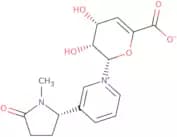
CAS:<p>Cotinine N-(4-deoxy-4,5-didehydro)-b-D-glucuronide is a custom synthesis and modification of cotinine. Cotinine is an alkaloid found in tobacco plants and the primary metabolite of nicotine. It has been shown to inhibit glycosylation, methylation, and carbohydrate modification reactions. This product is offered in high purity and with a CAS number of 146275-15-2.</p>Formula:C16H18N2O6Purity:Min. 95%Molecular weight:334.32 g/molPhenyl 2,3,4-tri-O-benzyl-a-L-thiorhamnopyranose
<p>Phenyl 2,3,4-tri-O-benzyl-a-L-thiorhamnopyranose is a modified carbohydrate that is synthesized from the saccharide thiorhamnopyranose. The carbonyl group of the saccharide is substituted with phenyl group and then benzylated. Phenyl 2,3,4-tri-O-benzyl-a-L-thiorhamnopyranose is a white powder that has a CAS number, can be custom synthesized to order, and has high purity. It can be used in glycosylation reactions as well as click modification reactions, which are modifications to the molecule that increase its stability and allow it to react more readily with other molecules.</p>Formula:C33H34O4SPurity:Min. 95%Molecular weight:526.69 g/mol1'-Epi 2',2'-difluoro-2'-deoxyuridine 3',5'-dibenzoate
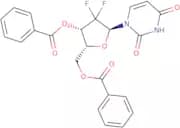
CAS:<p>1'-Epi 2',2'-difluoro-2'-deoxyuridine 3',5'-dibenzoate is a synthetic compound that has been designed for use in the synthesis of oligosaccharides and polysaccharides. The compound is a monosaccharide, which can be modified by fluorination or click chemistry to provide a variety of different side chains and properties. 1'-Epi 2',2'-difluoro-2'-deoxyuridine 3',5'-dibenzoate is a high purity product with no detectable impurities.</p>Formula:C23H18F2N2O7Purity:Min. 95%Molecular weight:472.4 g/mol3-O-Benzyl-5,6-di-O-acetyl-1,2-O-isoproylidene-a-D-glucofuranose
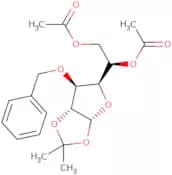
CAS:<p>3-O-Benzyl-5,6-di-O-acetyl-1,2-O-isoproylidene-a-D-glucofuranose is a synthetic compound that can be used as a building block for the synthesis of saccharides and oligosaccharides. The molecule is an alpha D glucose derivative with an acetyl group at C3 and an isopropylidene group at C5. It has great potential in glycosylation reactions due to its high purity and low price.</p>Formula:C20H26NO8Purity:Min. 95%Molecular weight:394.43 g/mol2,3-Di-O-benzyl-5-O-tert-butyldimethylsilyl-D-xylofuranose
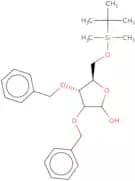
2,3-Di-O-benzyl-5-O-tert-butyldimethylsilyl-D-xylofuranose is a custom synthesis of an oligosaccharide. The modification of this product is fluorination. The product has a purity of 99% and the CAS number is 125548-81-1. This product is soluble in water and ethanol. It has a molecular weight of 600. The monosaccharides found in this product are xylose, glucose, and galactose in the ratio 2:2:1. This product can be used as a sugar substitute or as a reagent for the structural analysis of complex carbohydrates.Formula:C25H36O5SiPurity:Min. 95%Molecular weight:444.65 g/molMethyl 2-O-a-L-fucopyranosyl-b-D-galactoside
CAS:<p>Computational fluid dynamics (CFD) is the study of fluid flow, a subject which has been studied for over two thousand years. The idea of CFD is to use computers to solve the equations that govern fluid flow and to make predictions about the behavior of gases, liquids and complex fluids in various situations. Computational analysis can be used to calculate how air flows around an object such as a car or plane. This allows engineers to create designs with less drag. Computational analysis can also be used in designing buildings, bridges, and other structures that are exposed to large amounts of wind. <br>CFD is a "convective" computational method because it solves problems by using convection-diffusion equations with appropriate boundary conditions. A "transport" computational method solves problems by solving momentum equations and energy conservation equations simultaneously; this method is often more accurate than convective methods but computationally more expensive. A "laminar" computational method solves problems by solving continuity equations. A "nature</p>Purity:Min. 95%1,2,4,6-Tetra-O-acetyl-3-deoxy-D-glucopyranose
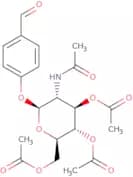
CAS:<p>1,2,4,6-Tetra-O-acetyl-3-deoxy-D-glucopyranose is a compound that can inhibit the activity of the NOD1 and NOD2 receptors. It has been shown to be active against bone marrow macrophages and can be used as a potential treatment for inflammatory disorders. 1,2,4,6-Tetra-O-acetyl-3-deoxy-D-glucopyranose binds to the conformation of the NOD1 and NOD2 receptors in an uncompetitive manner. This binding prevents phosphorylation of the receptor and results in reduced NFkappaB activation.</p>Formula:C14H20O9Purity:Min. 95%Molecular weight:332.3 g/mol2-Formylphenyl 2-acetamido-3,4,6-tri-O-acetyl-2-deoxy-b-D-glucopyranoside
CAS:<p>2-Formylphenyl 2-acetamido-3,4,6-tri-O-acetyl-2-deoxy-b-D-glucopyranoside is a complex carbohydrate with the molecular formula C21H26F3NO9. It is a synthetic compound that can be used as an intermediate in the synthesis of saccharides and glycosides. Custom synthesis of this product is available on request. 2-Formylphenyl 2-acetamido 3,4,6 tri O acetyl 2 deoxy b D glucopyranoside has a purity of > 98% (HPLC). This product is also fluorinated to provide excellent solubility and resistance to hydrolysis by acids or bases.</p>Formula:C21H25NO10Purity:Min. 95%Molecular weight:451.42 g/mol4-Methylumbelliferyl α-L-idopyranosiduronic acid methyl ester
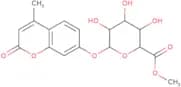
CAS:Please enquire for more information about 4-Methylumbelliferyl α-L-idopyranosiduronic acid methyl ester including the price, delivery time and more detailed product information at the technical inquiry form on this pageFormula:C17H18O9Purity:Min. 95%Molecular weight:366.3 g/molPhenyl 2,3-di-O-benzoyl-b-D-thiogalactopyranoside
CAS:<p>Phenyl 2,3-di-O-benzoyl-b-D-thiogalactopyranoside is a custom synthesis that is an Oligosaccharide, Polysaccharide and Modification of saccharide. It has been modified with Methylation and Glycosylation, Click modification and Carbohydrate. This product is offered in high purity and is Fluorinated, Synthetic.</p>Purity:Min. 95%Amyl 2-acetamido-3,4,6-tri-O-acetyl-2-deoxy-b-D-glucopyranoside
CAS:<p>Amyl 2-acetamido-3,4,6-tri-O-acetyl-2-deoxy-b-D-glucopyranoside is a fluorinated carbohydrate that has been synthesized by glycosylation. This compound is a complex carbohydrate with a high purity and custom synthesis. It is an oligosaccharide that has undergone the click modification and methylation of the sugar. The carbonyl group on the sugar was modified to produce methyl ester or methoxymethyl ether of the sugar in order to provide stability against degradation.</p>Formula:C19H31NO9Purity:Min. 95%Molecular weight:417.45 g/molMaltoundecaose
CAS:<p>Maltoundecaose is a glycogen storage molecule found in barley and other plants. Maltoundecaose is synthesized from maltotetraose by the enzyme isoamylase, which cleaves the alpha-1,4 glycosidic linkage between two glucose molecules. Maltoundecaose can be hydrolyzed by the enzyme maltodextrin phosphorylase to form maltotriose and glucose. Maltotetraose is synthesized from sucrose by UDP-glucose pyrophosphorylase. The enzyme has been shown to have a mutation that leads to an increase in activity, which may be due to its autocatalytic nature. Maltotetraose also has three glucosidic linkages, which are formed between two glucose molecules and one of four different residues: dodecyl, hydroxymethylpentadecyl, octadecyl or hexadecyl. Maltotetraose can be hydrolyzed by</p>Formula:C66H112O56Purity:Min. 95%Color and Shape:PowderMolecular weight:1,801.56 g/molMethyl 5-aldo-2,3-O-isopropylidene-D-ribofuranoside
<p>Methyl 5-aldo-2,3-O-isopropylidene-D-ribofuranoside is a custom synthesis product. It is an oligo and polysaccharide with a complex carbohydrate structure. This product has high purity and is modified by fluorination. It has been modified to form a monosaccharide sugar.</p>Purity:Min. 95%Methyl b-L-daunosaminide HCl
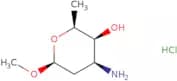
CAS:<p>Methyl b-L-daunosaminide HCl is a glycoconjugate that has been custom synthesized by our team. It is a complex carbohydrate that has been modified with glycosylation and methylation groups. Methyl b-L-daunosaminide HCl is an oligosaccharide that contains multiple saccharides linked together in a specific order. It is also fluorinated at the C4 position, which makes it more stable in water. Methyl b-L-daunosaminide HCl has high purity, making it suitable for use in the modification of other compounds or as a research tool for studying glycosylations.</p>Formula:C7H15NO3·HClPurity:Min. 95%Molecular weight:197.66 g/molGlcNPhth[346Ac]b(1-3)Gal[246Bn]-b-MP
<p>GlcNPhth[346Ac]b(1-3)Gal[246Bn]-b-MP is a complex carbohydrate that is derivatized with methyl, click, and fluorination. It has been modified with saccharides, oligosaccharides, and monosaccharides to create a custom synthesis. This product is available for purchase at the desired purity level. GlcNPhth[346Ac]b(1-3)Gal[246Bn]-b-MP is Glycosylated, Methylated, Clicked, Polysaccharide Fluorinated Saccharide Modified with Oligosaccharide Synthetic CAS No Monosaccharide Custom Synthesis High Purity.</p>Formula:C54H55NO16Purity:Min. 95%Molecular weight:974.01 g/molRhamnolipids C10
CAS:<p>Rhamnose based 'green' surfactant</p>Formula:C32H58O13Purity:Min. 95%Color and Shape:PowderMolecular weight:650.8 g/mol1,2,3,6-Tetra-O-pivaloyl-a-D-galactofuranoside
CAS:<p>Tetra-O-pivaloyl-a-D-galactofuranoside is a carbohydrate that belongs to the group of saccharides and oligosaccharides. It is a synthetic sugar that can be custom synthesized and modified through fluorination, methylation, glycosylation, or click chemistry. Tetra-O-pivaloyl-a-D-galactofuranoside has been shown to inhibit the growth of bacteria in vitro.</p>Formula:C26H44O10Purity:Min. 95%Molecular weight:516.62 g/mol1,3-Di-O-acetyl-2-deoxy-5-O-benzoyl-L-erythro-pentofuranose
CAS:<p>1,3-Di-O-acetyl-2-deoxy-5-O-benzoyl-L-erythro-pentofuranose is a sugar with a complex carbohydrate structure. It is synthesized by the reaction of 1,3:2,4:5,6:7,8:9,10:11,12:13,14:15,16:17,18:19,20:21 and 22 O acetyl groups with 2 deoxyribose moieties. This product can be used in Click chemistry and glycosylization reactions. The CAS number for this product is 327027-21-4.</p>Formula:C16H18O7Purity:Min. 95%Molecular weight:322.31 g/mol(1S,4aR,8R,8aR)-1-Methyl-3-oxo-8-[(2R,3S,4R,5R,6S)-3,4,5-trihydroxy-6-[[(E)-3-phenylprop-2-enoyl]oxymethyl]oxan-2-yl]oxy-4,4a,8,8a-t etrahydro-1H-pyrano[3,4-c]pyran-5-carboxylic acid
CAS:(1S,4aR,8R,8aR)-1-Methyl-3-oxo-8-[(2R,3S,4R,5R,6S)-3,4,5-trihydroxy-6-[[(E)-3-phenylprop-2-enoyl]oxymethyl]oxan-2-yl]oxy-4,4a,8,8a -tetrahydro-1H-pyrano[3,4c]pyran 5 carboxylic acid is a carbohydrate. It is a complex carbohydrate with high purity and custom synthesis. The methylation and glycosylation of this product make it highly effective in the modification of saccharides in oligosaccharides. This product is synthesized from fluoroquinolones and has complex structures with methylation and glycosylations.Formula:C25H28O12Purity:Min. 95%Molecular weight:520.5 g/mol2-Furanylmethylbeta-D-glucopyranoside
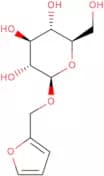
CAS:<p>2-Furanylmethylbeta-D-glucopyranoside is a glycosylation agent that is used in complex carbohydrate synthesis. It can be synthesized by the addition of two molecules of methyl bromide to 2,3,4-trihydroxybenzoic acid followed by fluorination with sulfur tetrafluoride. This compound can also be modified with an acetate group at the para position on the furan ring. This modification has been shown to increase the binding affinity to polysaccharides and Oligosaccharides. 2-Furanylmethylbeta-D-glucopyranoside is typically supplied as a white powder and is CAS No. 141360-95-4.</p>Formula:C11H16O7Purity:Min. 95%Molecular weight:260.24 g/mol2-(2,3,4,6-Tetra-O-acetyl-b-D-galactopyranosyl)thiopseudourea hydrobromide
CAS:2-(2,3,4,6-Tetra-O-acetyl-b-D-galactopyranosyl)thiopseudourea hydrobromide is a custom synthesis that can be modified with fluorination, methylation, monosaccharide and/or oligosaccharide. It can be synthesized by Click modification of saccharides with glycosylation or sugar. This product has a CAS No. 51224-13-6 and is a Carbohydrate complex carbohydrate.Formula:C15H22N2O9S·HBrPurity:Min. 95%Molecular weight:487.32 g/mol


![O-(2-Azido-4,6-O-benzylidene-2-deoxy-a-D-galactopyranosyl)-N-[(9H-fluoren-9-ylmethoxy)carbonyl]-L-…](/_next/image/?url=https%3A%2Fstatic.cymitquimica.com%2Fproducts%2F3D%2Fthumb-webp%2FMA60610.webp&w=3840&q=75)








![1,2-Dideoxy-2'-dimethylamino-a-D-glucopyranoso-[2,1-d]-2'-thiazoline](/_next/image/?url=https%3A%2Fstatic.cymitquimica.com%2Fproducts%2F3D%2Fthumb-webp%2FMD15731.webp&w=3840&q=75)




![1-D-a-Galactopyranosyl-4-O-[1-(2-octadecylthioethyl)-(b-D-galactopyranoside)]](/_next/image/?url=https%3A%2Fstatic.cymitquimica.com%2Fproducts%2F3D%2Fthumb-webp%2FOG12060.webp&w=3840&q=75)











![6,7,8-Trihydroxy-1-(hydroxymethyl)-3-oxo-2-oxa-4-azabicyclo[3.3.1]nonane](/_next/image/?url=https%3A%2Fstatic.cymitquimica.com%2Fproducts%2F3D%2Fthumb-webp%2FMT15196.webp&w=3840&q=75)


![Benzyl 2,3-O-[(1S,2S)-1,2-dimethoxy-1,2-dimethyl-1,2-ethanediyl]-4-nitrobenzoyl-a-L-xylopyranoside](/_next/image/?url=https%3A%2Fstatic.cymitquimica.com%2Fproducts%2F3D%2Fthumb-webp%2FMB16613.webp&w=3840&q=75)



![GlcNPhth[346Ac]b(1-3)Gal[246Bn]-b-MP](/_next/image/?url=https%3A%2Fstatic.cymitquimica.com%2Fproducts%2F3D%2Fthumb-webp%2FOG60594.webp&w=3840&q=75)

![(1S,4aR,8R,8aR)-1-Methyl-3-oxo-8-[(2R,3S,4R,5R,6S)-3,4,5-trihydroxy-6-[[(E)-3-phenylprop-2-enoyl]o…](/_next/image/?url=https%3A%2Fstatic.cymitquimica.com%2Fproducts%2F3D%2Fthumb-webp%2FDGC98403.webp&w=3840&q=75)